



Disclosure: This article contains affiliate links. We may earn a commission from purchases at no extra cost to you, which helps our travel content.
Last October, I found myself standing on the grounds where the Siege of Suffolk unfolded in 1863, watching oak leaves drift across earthworks that once sheltered soldiers. Suffolk, Virginia isn't on most Civil War tourism maps—and that's exactly what makes it special. This unassuming Hampton Roads city offers families an intimate, uncrowded way to connect with American history, where kids can actually touch cannons and walk trenches without fighting crowds. Here's how to spend a meaningful fall weekend exploring Suffolk's surprisingly rich Civil War heritage.

Day One Morning: Suffolk Seaboard Station Railroad Museum
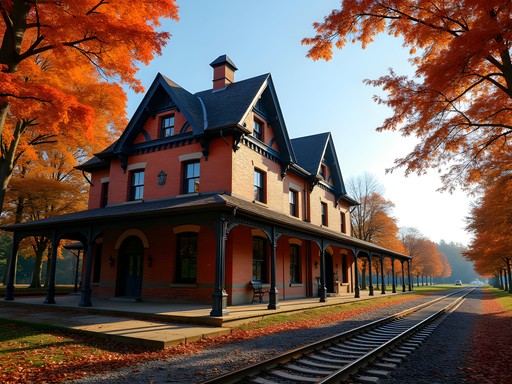
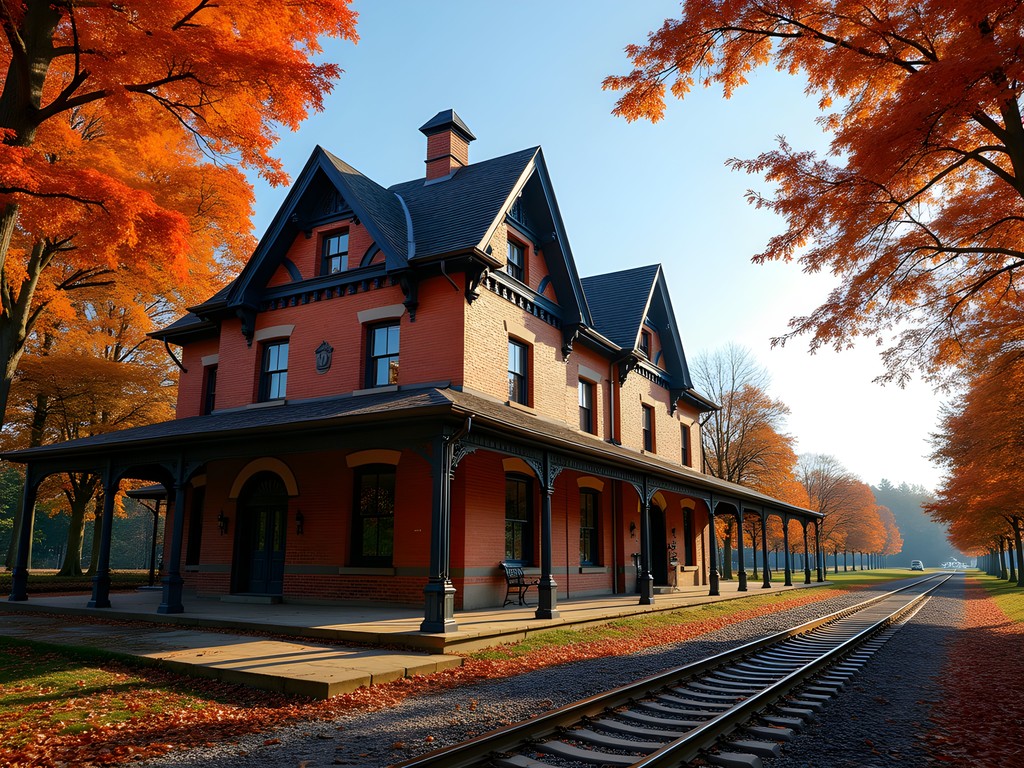
Start your weekend at the Suffolk Seaboard Station Railroad Museum, housed in a beautifully restored 1885 train depot. While it covers broader local history, the Civil War exhibits here are exceptional for families. My favorite part? The interactive displays that let kids understand how railroads became strategic targets during the war.
The museum staff—mostly passionate local volunteers—share stories passed down through Suffolk families for generations. One docent, Mr. Harrison, told me about his great-great-grandfather who witnessed Union troops commandeering the railroad. These personal connections to history make Suffolk special; you're not just reading plaques, you're hearing living memory.
The museum is compact enough that younger children won't get restless (about 45 minutes to an hour), but detailed enough to satisfy curious teenagers. Before you leave, grab the free walking tour map of downtown Suffolk's Civil War sites—it's better than anything you'll find online. I always pack my portable phone charger for days like this when I'm constantly using GPS and taking photos of historical markers.
💡 Pro Tips
- Arrive right at opening (10 AM) for the most attentive docent interactions
- Ask about the hidden Civil War graffiti carved into original depot beams
- The museum is closed Mondays and Tuesdays, so plan accordingly
Day One Afternoon: Battery Park and the Siege Earthworks
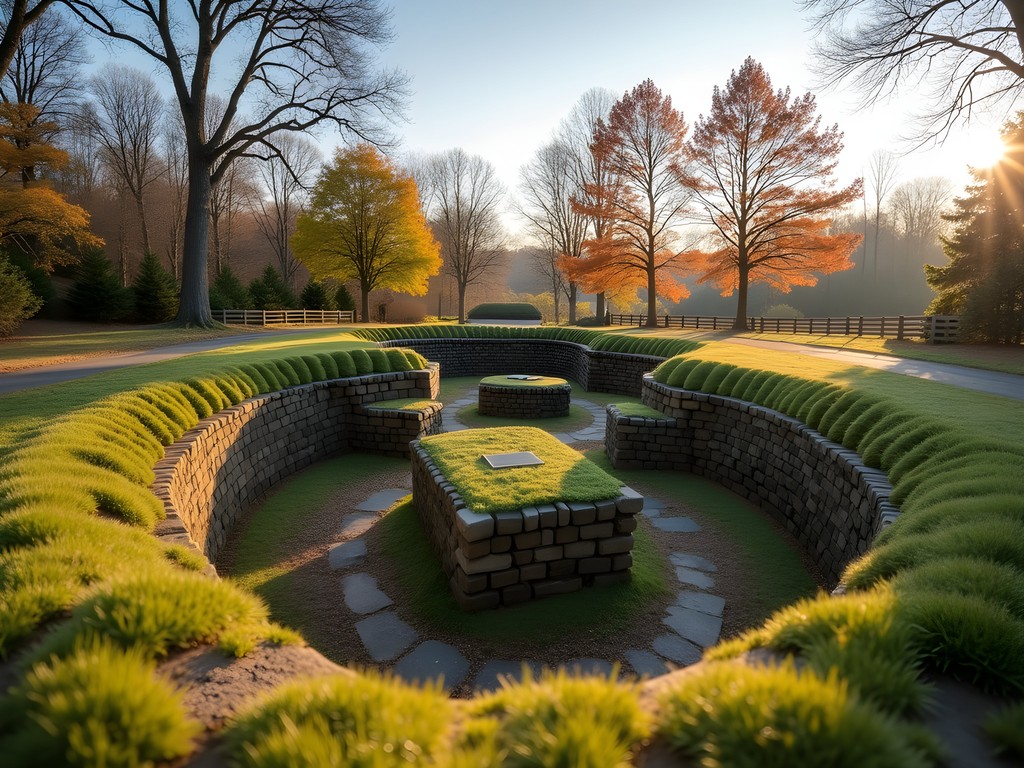
After lunch downtown (try Vintage Tavern for surprisingly good pub fare in a historic building), head to Battery Park. This is where Suffolk's Civil War story truly comes alive. In April 1863, Confederate forces under General James Longstreet laid siege to Suffolk for nearly a month, and these earthworks are where Union troops dug in to defend the city.
Unlike more famous battlefields, you can actually walk along and touch these earthworks. There's something profound about standing in a trench where soldiers once sheltered, especially when you're there with family. My friend Sarah brought her two boys here last fall, and they spent an hour playing (respectfully) in the earthworks, asking questions about what soldiers ate, where they slept, and whether they were scared.
The interpretive signs are excellent, but I recommend downloading the Civil War history audiobook beforehand to give everyone context about this period. The park also has picnic facilities, making it perfect for an afternoon break. Bring a blanket and some snacks—the views across the old defensive lines are especially beautiful when the afternoon sun hits the autumn colors.
💡 Pro Tips
- Wear sturdy shoes; the earthworks can be uneven and muddy after rain
- Bring bug spray in early fall—mosquitoes linger near the wooded areas
- The park has no facilities, so use restrooms downtown before visiting
Day Two Morning: Riddick's Folly House Museum
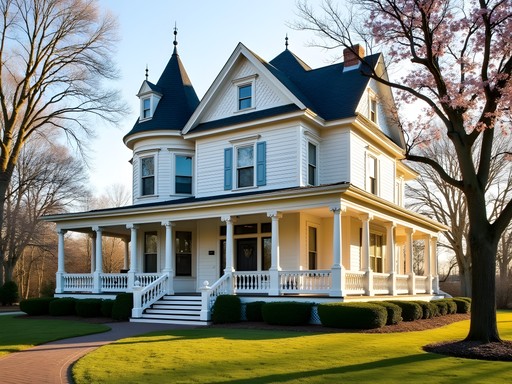
Sunday morning, visit Riddick's Folly House Museum, a stunning Greek Revival mansion that served as Union headquarters during the occupation. This 1837 home tells multiple stories: antebellum wealth, military occupation, and the complex social dynamics of a border region during the Civil War.
What makes Riddick's Folly exceptional for families is how the guided tours address difficult topics—including slavery—in age-appropriate but honest ways. The guide who led our tour didn't shy away from hard questions, instead creating space for meaningful conversations about how history shapes our present. The mansion's rooms are furnished with period pieces, and seeing the actual desk where Union officers planned defensive strategies brings history into sharp focus.
The house also hosts special living history events throughout fall, including reenactments and period cooking demonstrations. Check their calendar before visiting—we stumbled upon a civilian life demonstration that showed how families survived during occupation, complete with period recipes and clothing. If you're interested in historical cooking, the museum gift shop sells a wonderful Civil War cookbook with authentic recipes from both Union and Confederate sources.

💡 Pro Tips
- Tours run on the hour; arrive 10 minutes early to explore the grounds
- Photography is allowed but no flash inside the historic rooms
- The mansion has stairs and isn't fully wheelchair accessible

Day Two Afternoon: Self-Guided Driving Tour of Outlying Sites
Spend Sunday afternoon exploring Suffolk's outlying Civil War sites via a self-guided driving tour. The Suffolk-Nansemond Historical Society provides an excellent free map covering sites like Fort Huger, Fort Dillingham, and various skirmish locations scattered across the countryside.
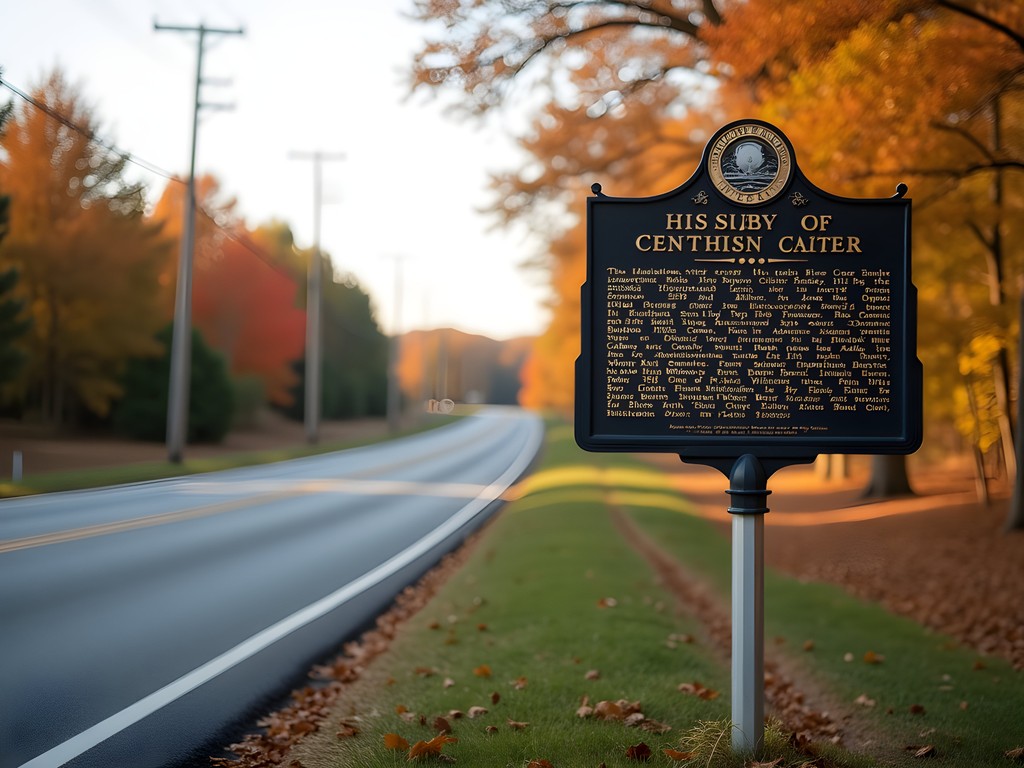
This is where Suffolk's heritage really differentiates itself from more commercialized Civil War destinations. You'll find yourself pulling off quiet country roads to read markers about cavalry skirmishes or supply raids, often completely alone except for the occasional curious cow. It's intimate, contemplative, and allows for those spontaneous teaching moments that make family travel meaningful.
Fort Huger, about 15 minutes from downtown, offers the best preserved earthworks. The site is minimally developed—basically a clearing with interpretive signs—but that rawness helps you imagine the landscape as soldiers experienced it. We brought a portable picnic blanket and had an impromptu history discussion while sitting on ground that witnessed real conflict. My friend's daughter, who'd been resistant to the whole history weekend idea, suddenly started asking questions about what happened to the soldiers after the war—exactly the kind of engagement we hope for.
The driving tour takes about two hours if you stop at each site, longer if you're really absorbing the experience. I recommend keeping some granola bars in the car for snacking—some sites are pretty remote from food options.

💡 Pro Tips
- Download the driving tour map before leaving; cell service is spotty in rural areas
- Bring cash for the one or two farm stands you'll pass—fresh fall produce is incredible
- Some sites are on private property; respect boundaries and stay on marked paths
Where to Stay and Practical Considerations
Suffolk doesn't have boutique hotels, but that's part of its charm—and budget-friendliness. The Hampton Inn Suffolk is clean, comfortable, and centrally located, typically running $110-130 per night in fall. For something with more character, consider the nearby Smithfield Station in neighboring Smithfield (15 minutes away), a waterfront inn with more atmosphere.
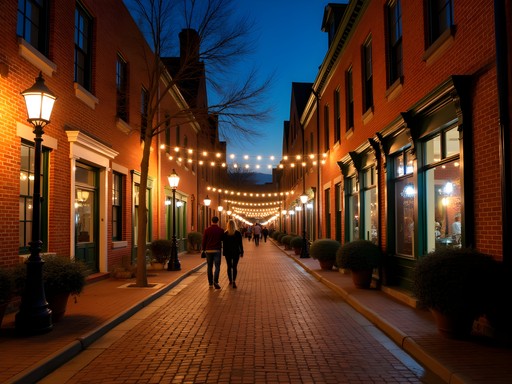
For meals, downtown Suffolk has several family-friendly options. The Plaid Turnip offers farm-to-table dining in a casual atmosphere, while Bone-In BBQ serves excellent pulled pork that even picky eaters will enjoy. Most restaurants are moderately priced ($12-20 per entree), keeping your weekend budget reasonable.
Fall is genuinely the best time to visit. October temperatures hover in the 60s-70s, perfect for outdoor exploration without summer's humidity. The autumn colors peak mid-to-late October, adding visual richness to the historic landscapes. Suffolk also hosts its annual Peanut Fest in October (yes, really—Suffolk is the peanut capital of Virginia), which, while not Civil War-related, adds festive energy to your weekend.
One practical note: Suffolk is a real, working city, not a preserved historic village. You'll see modern development alongside historic sites, which some families actually appreciate—it makes history feel less like a museum and more like a living part of community identity.
💡 Pro Tips
- Book accommodations early if visiting during Peanut Fest weekend
- Most historic sites accept only cash or check for admission—bring small bills
- Gas up before the driving tour; stations are sparse in rural areas
Final Thoughts
Suffolk offered me something I didn't expect: a Civil War experience that felt personal rather than performative. Without the crowds and commercialization of Gettysburg or Antietam, my family and I could actually process what we were seeing, ask questions without feeling rushed, and make genuine connections to the past.
This is heritage tourism at its most accessible—both financially and emotionally. For families wanting to introduce children to American history without overwhelming them, Suffolk provides the perfect scale. The sites are manageable, the stories are compelling, and the community's commitment to preservation is evident in every well-maintained marker and passionate docent.
As someone who believes travel should bridge generations and preserve cultural memory, Suffolk reminds me why local history matters. These aren't just national stories; they're neighborhood stories, family stories, human stories. And in a world where we often feel disconnected from the past, spending a weekend walking where history unfolded—quietly, away from crowds—is exactly the kind of travel that changes us.
So grab your family, pack your curiosity, and discover Suffolk this fall. The earthworks are waiting, and the stories are ready to be heard.
✨ Key Takeaways
- Suffolk offers an intimate, uncrowded Civil War experience perfect for families with children of all ages
- The combination of museums, preserved earthworks, and self-guided tours provides diverse learning opportunities
- Fall weather and autumn colors make October the ideal time to explore Suffolk's outdoor historical sites
📋 Practical Information
Best Time to Visit
October for ideal weather and fall colors
Budget Estimate
$400-600 for a family of four (lodging, meals, admissions)
Recommended Duration
2-3 days (weekend)
Difficulty Level
Easy






Comments
Jean Wells
Bella, I appreciate your analytical approach to Suffolk's preservation strategy. What struck me most in your post is the contrast between commercialized battlefields and this more authentic, less curated experience. The Riddick's Folly House Museum sounds particularly promising—I've found that house museums often provide the most nuanced understanding of civilian life during wartime. Did you find the interpretive materials at the earthworks adequate for solo exploration, or would you recommend hiring a guide? I'm considering a spring visit and trying to determine how much advance research is necessary.
Bella Ray
Jean, the signage at Battery Park is decent but minimal. I'd recommend downloading the driving tour audio beforehand—it's free on their historical society website. Riddick's Folly does guided tours on weekends which add a lot of context. The house itself is fascinating!
Jean Wells
Perfect, thank you. The audio tour option is exactly what I needed to know.
wildvibes
Love this! Never even heard of Suffolk before
Bella Ray
Right? It's so under the radar compared to other VA sites!
Venture X
Premium card with 2X miles, $300 travel credit, Priority Pass