
Disclosure: This article contains affiliate links. We may earn a commission from purchases at no extra cost to you, which helps our travel content.
The crystalline waters of Varadero have long been the siren call that draws travelers to this slender peninsula jutting into the Straits of Florida. But as the grandson of Mexican immigrants who taught me that the soul of a place lies in its stories, I've discovered that beyond Varadero's postcard-perfect beaches lies a tapestry of historical sites that whisper tales of colonial ambition, revolutionary fervor, and cultural resilience. Hay más que arena y sol — there's more than sand and sun — in this Cuban paradise, and I'm here to guide you through the architectural and historical treasures that most resort-goers miss.

Mansión Xanadú: Where Luxury Meets History
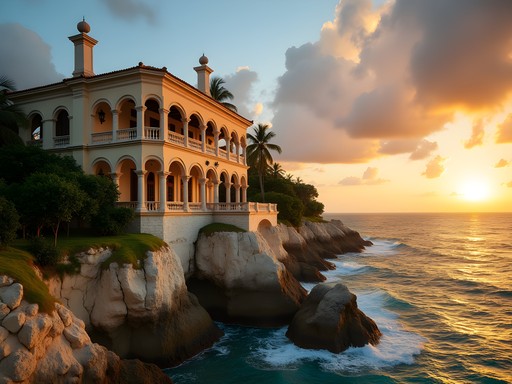
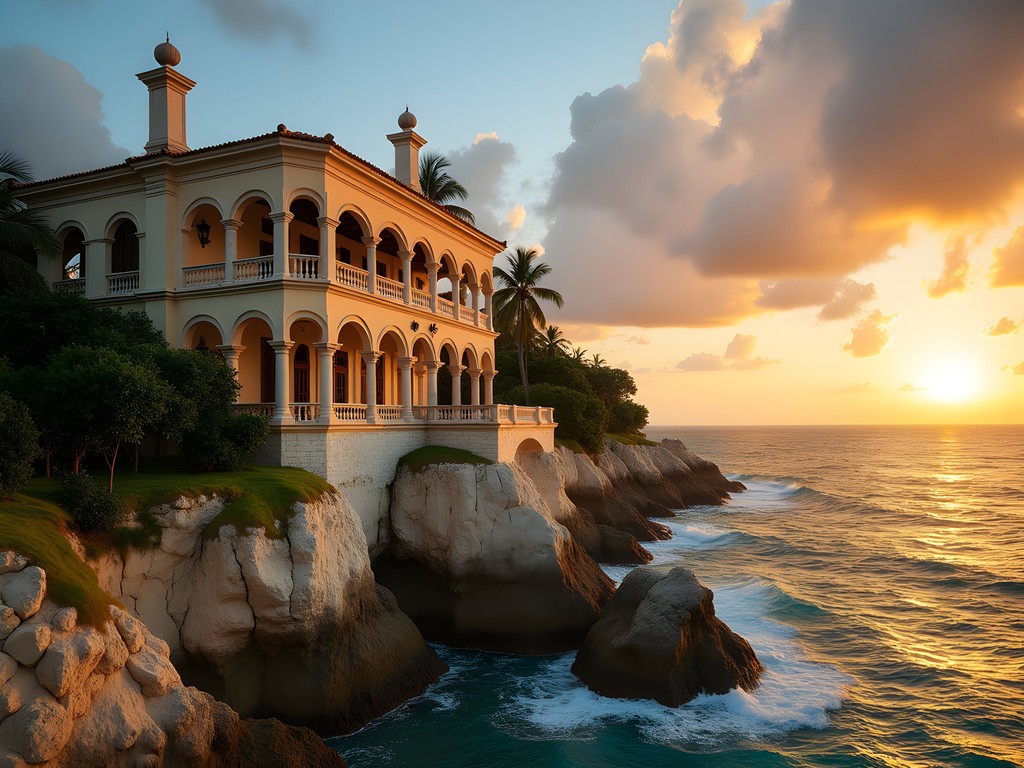
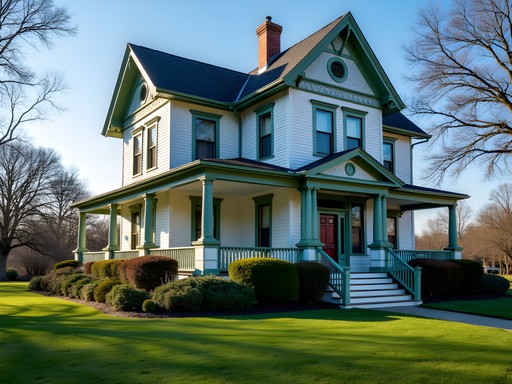
Perched dramatically on a rocky bluff at the peninsula's tip stands Mansión Xanadú, a testament to both extravagant wealth and Cuba's pre-revolutionary past. Built in 1930 by American millionaire Irénée du Pont, this Spanish colonial-style mansion now houses the Club House of the Varadero Golf Club.
Walking through its mahogany-paneled rooms last winter, I couldn't help but feel the stark contrast between this symbol of capitalism and the revolutionary Cuba that followed. The second-floor bar offers not just spectacular panoramic views of the coastline but a chance to sip a perfectly crafted mojito while contemplating the island's complex history.
The mansion's original furnishings and architecture have been meticulously preserved, creating a time capsule of pre-revolutionary Cuban luxury. What struck me most was the original Welte-Mignon piano that still sits in the main hall—a remarkable piece of musical history that somehow survived decades of political upheaval.
For architecture enthusiasts, I recommend bringing along a portable light to better appreciate the intricate woodwork details in the dimly lit interior spaces. The staff allowed me to use mine discreetly for photography, revealing details my camera would have otherwise missed.
💡 Pro Tips
- Visit early morning (9-10am) to avoid tour groups and enjoy the mansion almost to yourself
- The $5 entrance fee is waived if you dine at the restaurant, though prices are higher than in town
- Ask for Alejandro, a guide whose grandfather worked as staff in the mansion during the du Pont era
Cueva de Ambrosio: Ancient Art in Limestone
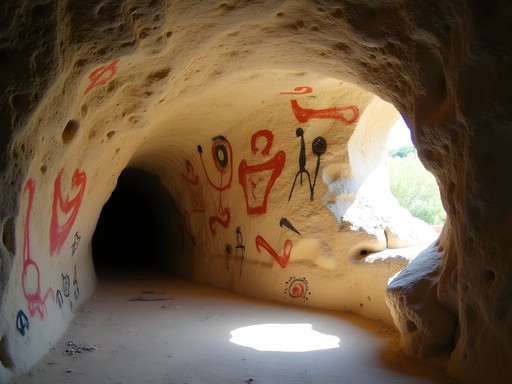
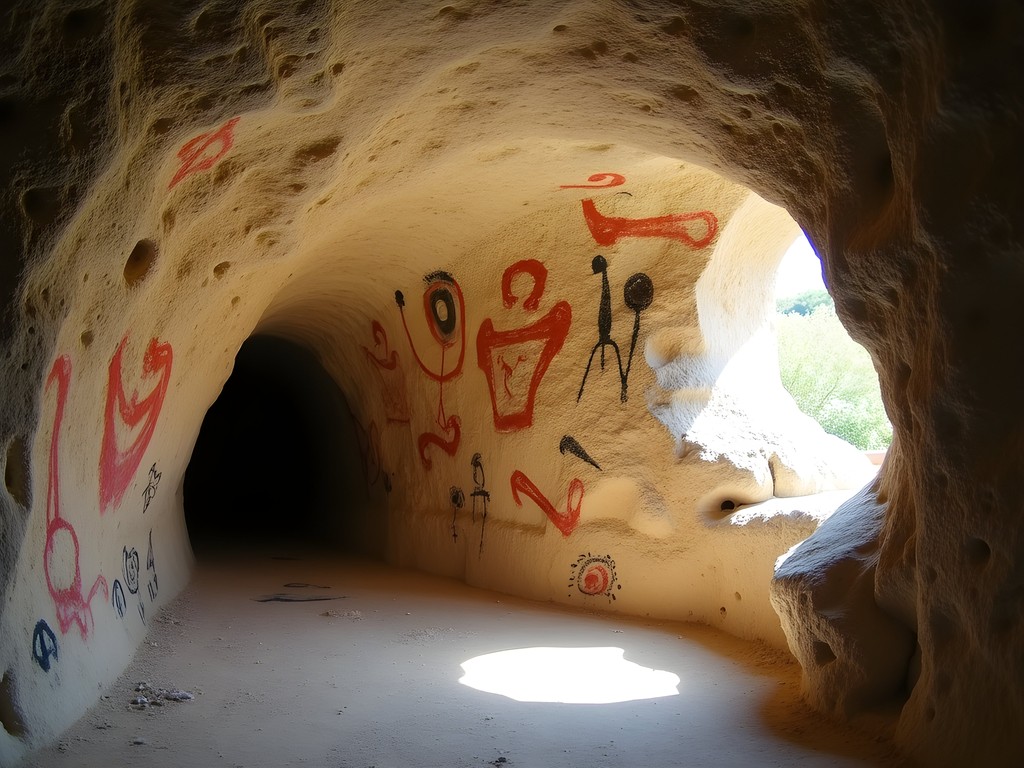
Just 9 kilometers from the resort zone lies one of Cuba's most significant archaeological treasures: the Cueva de Ambrosio. These limestone caves contain over 70 pre-Columbian pictographs dating back approximately 2,000 years, created by the indigenous Taíno people who inhabited the island long before European arrival.
During my visit, I was transported back to childhood explorations with my abuelo, who would point out ancient petroglyphs in remote parts of Mexico. The cave's cool interior offered welcome relief from the Caribbean heat as I examined geometric patterns, anthropomorphic figures, and zoomorphic designs etched into the stone walls.
What makes these caves particularly special is how they connect Cuba's earliest inhabitants to the land itself. The Taíno people viewed these caves as portals to the spiritual world, and standing in the dappled light filtering through the cave entrance, it's easy to understand why they chose this sacred space for their art.
Navigating the uneven terrain of the caves requires proper footwear. My hiking sandals provided the perfect balance of grip and breathability for exploring both the caves and the surrounding ecological reserve. The adjustable straps were particularly helpful when navigating the sometimes slippery limestone surfaces.
💡 Pro Tips
- Bring a small flashlight to better see the pictographs (guides have them, but they're often weak)
- Visit between 10am-2pm when natural light illuminates the main chamber best
- The site combines well with a visit to the nearby Saturno Cave for swimming
Iglesia de Santa Elvira: A Sanctuary of Quiet Faith
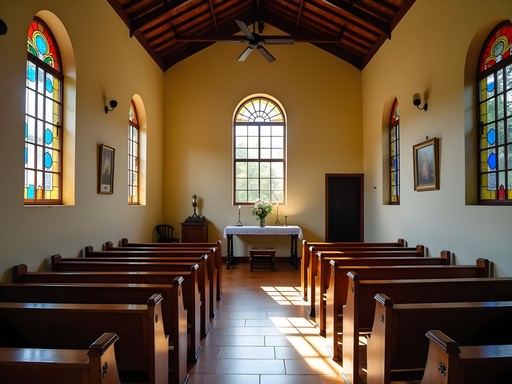
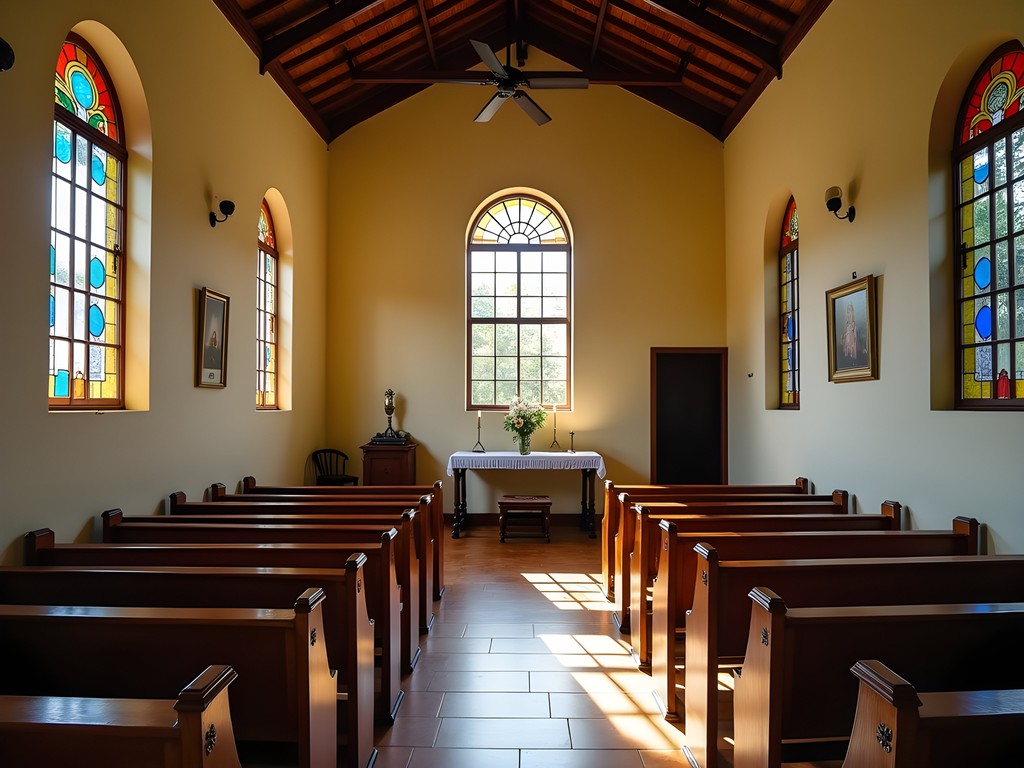
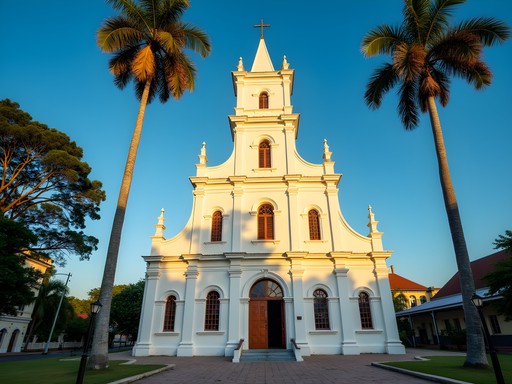
In the heart of Varadero town stands the modest yet captivating Iglesia de Santa Elvira, a Catholic church that has served as both religious sanctuary and community anchor since its construction in 1938. Unlike the grand cathedrals of Havana, this church offers an intimate glimpse into everyday Cuban spiritual life.
The church's simple white façade belies the beautiful stained glass windows within, which cast colorful patterns across the worn wooden pews. During my visit, I was fortunate to witness a local baptism ceremony—a powerful reminder that beyond the tourist zones, Varadero is a living community with deep traditions.
What particularly moved me was the small side chapel dedicated to La Caridad del Cobre, Cuba's patron saint. The offerings left by locals—everything from handwritten notes to small mementos—speak to the enduring faith that has survived decades of official secularism under the revolutionary government.
The church's bell tower offers a different perspective on Varadero, away from the beachfront. For capturing these unique views and the interior's delicate light, I relied on my smartphone lens kit. The wide-angle attachment was particularly useful for photographing the narrow interior space while maintaining the architectural integrity.
💡 Pro Tips
- Attend Sunday morning mass at 9am to experience local community life (visitors respectfully welcome)
- Look for the small museum room near the entrance with photos of the church's history
- Dress modestly when visiting (covered shoulders and knees) as a sign of respect

Parque Josone: A Garden with Revolutionary Roots
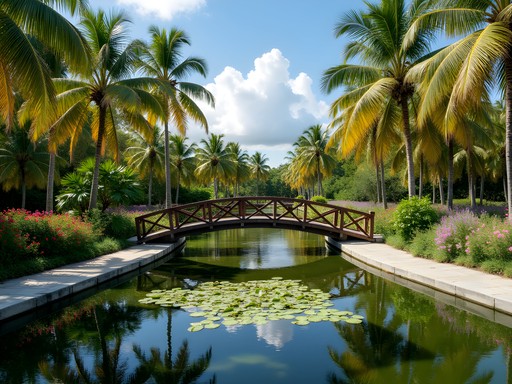
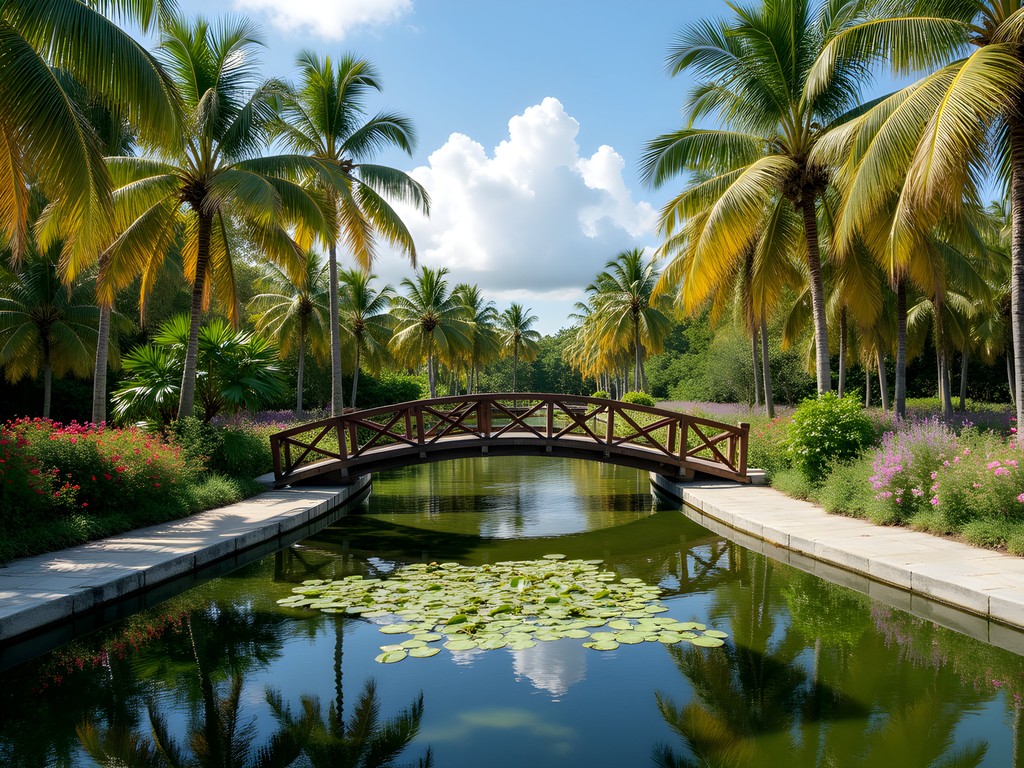
What began as the private estate of Spanish industrialist José Uturrio and his wife Onelia (whose combined names give the park its moniker) is now one of Varadero's most beloved public spaces. After the 1959 revolution, this lush 9-acre paradise was nationalized and opened to all—a physical manifestation of Cuba's social transformation.
Strolling through the park's winding paths, past flowering tropical plants and beneath royal palms, I found myself thinking about how spaces transform with political change. The elegant swimming pool where wealthy elites once lounged is now filled with local families enjoying a weekend splash. The former mansion now houses a restaurant where I enjoyed a surprisingly affordable lunch of ropa vieja and tostones.
The artificial lake at the center of the park offers rowboat rentals, and I spent a peaceful hour gliding across the water, watching herons stalk the shallows and catching glimpses of the original 1940s architecture through breaks in the foliage.
The park can get quite hot midday, so I was grateful for my cooling towel. Simply soaking it in the public fountains provided hours of relief as I explored the gardens. Several Cuban families noticed and asked about it—leading to wonderful impromptu conversations about our different approaches to beating the heat.
💡 Pro Tips
- Visit on weekend afternoons to see local families enjoying the park alongside tourists
- The park restaurant is surprisingly good—try the house specialty fish dish with mango sauce
- Bring bread crumbs for the tame ducks and fish in the central lake (kids love this)
Museo Municipal de Varadero: History in a Former Home
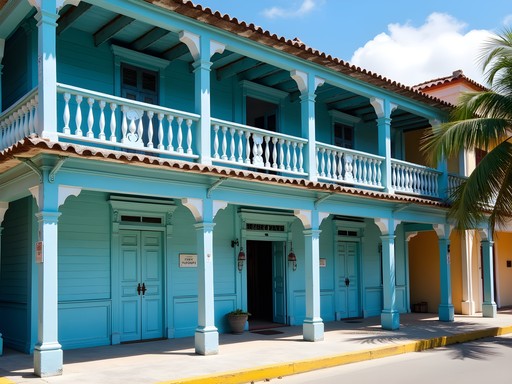
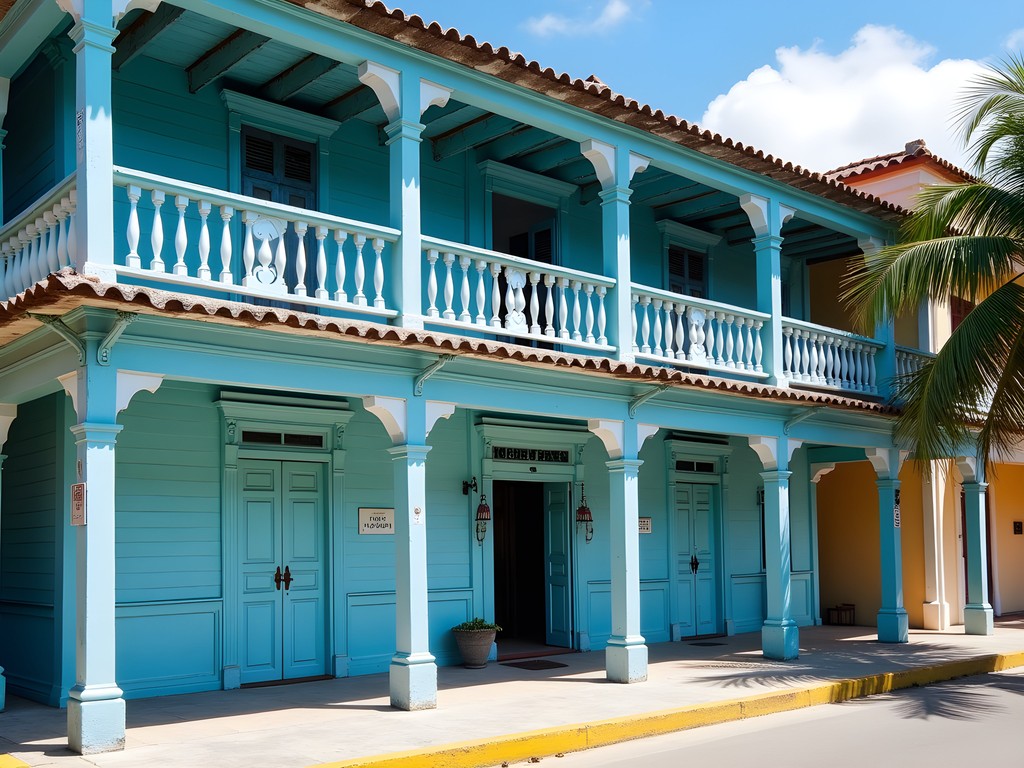
Housed in a charming blue wooden house built in 1920, the Museo Municipal offers an intimate look at Varadero's evolution from salt mine to global tourist destination. What makes this museum special isn't grandiose exhibits but rather its authentic connection to local history.
The building itself—with its wide verandas and distinctive Caribbean architectural elements—tells as much of a story as the artifacts inside. As a public administrator focused on heritage preservation, I was impressed by how this modest museum effectively preserves the character of pre-tourism Varadero.
The collection includes archaeological finds from indigenous settlements, photographs documenting the town's development, and artifacts from the revolutionary period. A particularly moving exhibit features items from the Bay of Pigs invasion, presented from the Cuban perspective—a reminder of how historical narratives shift depending on which side tells the story.
The museum's curator, Señora Maritza, has worked here for over 30 years and offers impromptu tours in Spanish. My conversational Spanish allowed me to learn fascinating details about local families and traditions that aren't covered in the exhibit labels. For visitors who don't speak Spanish, I recommend bringing a pocket translator. I noticed several tourists using similar devices to have rich conversations with the passionate museum staff.
💡 Pro Tips
- Visit on Tuesday or Thursday when Señora Maritza is usually working—her knowledge is encyclopedic
- Don't miss the small garden behind the museum with examples of traditional medicinal plants
- The museum is free but donations are appreciated and directly support preservation efforts
Varadero's Revolutionary Markers: Echoes of 1959
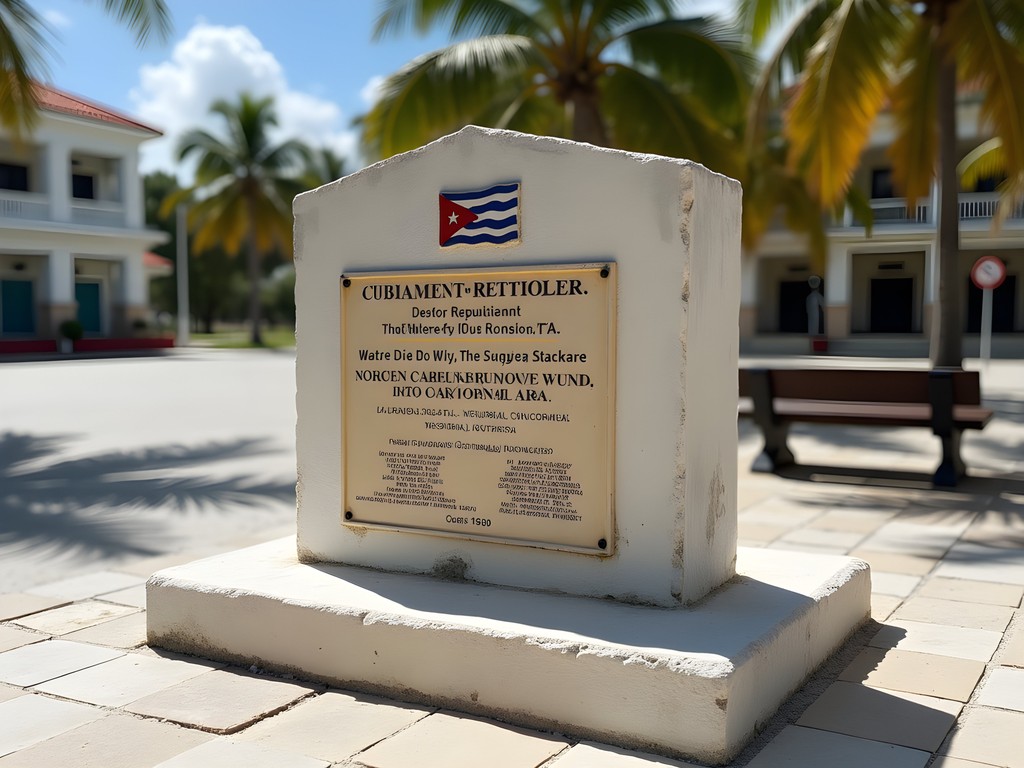
Scattered throughout Varadero are often-overlooked monuments and markers commemorating Cuba's revolutionary history. These sites offer thoughtful travelers a chance to understand how the 1959 revolution transformed this once-exclusive playground of the wealthy into a destination that—at least in theory—belongs to all Cubans.
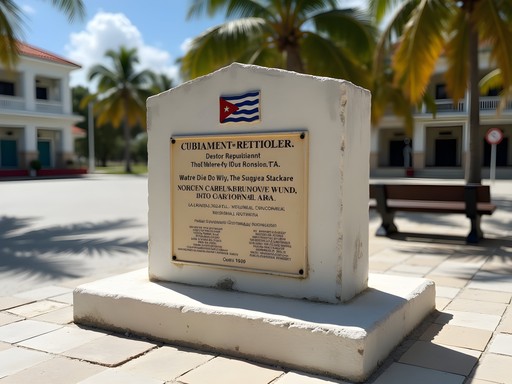
The most significant is the modest monument near the Hotel Internacional marking where Fidel Castro and Che Guevara established their headquarters during the nationalization of Varadero's hotels. Standing there on a quiet morning, I tried to imagine the uncertainty and excitement of those days as Cuba's tourism industry was fundamentally restructured overnight.
Nearby, a small plaque commemorates the former Varadero mansion of gangster Al Capone, seized during the revolution. The contrast between these sites and the modern all-inclusive resorts just meters away creates a fascinating historical dissonance that defines contemporary Cuba.
For those interested in diving deeper into this complex period, I recommend the Cuba history book. I found myself referencing it repeatedly during my walks through town, gaining context that transformed mundane street corners into sites of historical significance.
💡 Pro Tips
- Download maps.me before your trip and mark these revolutionary sites as they're not on typical tourist maps
- The local library (open weekdays 9am-3pm) has a small but fascinating collection of revolution-era photographs
- Pair this self-guided revolutionary tour with a mojito at the Hotel Internacional's bar—once frequented by Castro himself
Cayo Piedra Underwater Museum: History Beneath the Waves
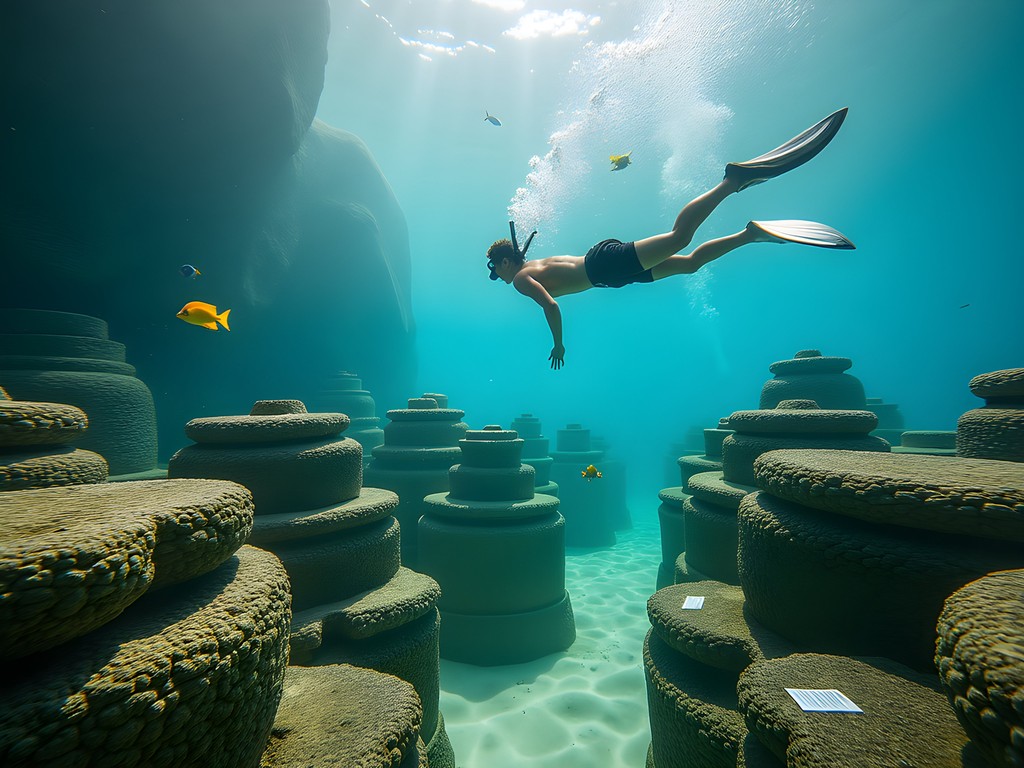
For a truly unique historical experience, venture beyond the shoreline to the Cayo Piedra Underwater Museum—an innovative fusion of history and marine conservation located about a mile offshore. This underwater site features replicas of pre-Columbian artifacts and colonial-era items arranged along the ocean floor, creating an artificial reef that attracts vibrant marine life.
During my snorkeling excursion here, I was mesmerized by how history and nature intertwined as tropical fish darted around reproductions of Taíno zemis (religious sculptures) and Spanish colonial artifacts. The underwater information plaques provide context about both the historical items and the marine conservation efforts.
The museum was created in 2001 by Cuban marine biologists seeking to reduce pressure on natural reefs while creating educational opportunities. Swimming through this underwater gallery, I was reminded of how creative approaches to historical education can reach audiences who might never set foot in a traditional museum.
For this excursion, my waterproof phone case proved invaluable. It allowed me to capture underwater photos of both the historical replicas and colorful fish without investing in expensive underwater camera gear. The touch screen remained fully functional even at depth, letting me adjust settings between shots.
💡 Pro Tips
- Book through Marlin Marina rather than hotel tour desks for a better price (about 25 CUC vs 40 CUC)
- Morning tours typically have better visibility than afternoon ones
- Even non-swimmers can appreciate this site through glass-bottom boat tours
Final Thoughts
As I sat at a small paladar on my final evening in Varadero, sipping coffee and watching the sunset paint the sky in hues of mango and flame, I reflected on how this peninsula contains multitudes beyond its famous beaches. The historic sites of Varadero offer windows into Cuba's layered past—indigenous creativity, colonial ambition, capitalist excess, and revolutionary transformation all coexist here in fascinating tension.
These seven sites barely scratch the surface of Cuba's complex history, but they provide thoughtful travelers with context that transforms a beach vacation into a more meaningful cultural experience. My abuelo always told me, "La historia está viva en las piedras"—history lives in the stones—and nowhere is this more evident than in Varadero's often-overlooked historic treasures.
So yes, enjoy those perfect beaches and crystalline waters that make Varadero famous. But I encourage you to step beyond the resort compounds, even just for a day or two. Seek out these historic sites, engage with local caretakers and guides, and allow yourself to experience the rich historical currents that have shaped this slender peninsula. The beaches may feed your need for relaxation, but it's these historic encounters that will feed your soul.
✨ Key Takeaways
- Varadero offers rich historical experiences beyond its famous beaches
- These sites provide context for understanding Cuba's complex political and social evolution
- Engaging with local guides and caretakers provides the most meaningful historical insights
📋 Practical Information
Best Time to Visit
November through April (dry season)
Budget Estimate
$75-150 per day excluding accommodations
Recommended Duration
7 days (with 2-3 dedicated to historical exploration)
Difficulty Level
Beginner


Comments
MiamiMike
If you visit Iglesia de Santa Elvira, try to go during morning mass. The singing is beautiful and the locals are super welcoming even if you're just there to observe.
CaribbeanDreamer
Thanks for this tip! What time is morning mass usually?
MiamiMike
When I was there it was at 8:30am on Sundays, but might be worth checking when you arrive as times can change!
SalsaDancer
Just got back from Varadero and visited the Iglesia de Santa Elvira after reading this post. What a peaceful spot! The local congregation was so welcoming even though we just popped in to look around. There was actually a small choir practicing when we visited - absolutely beautiful voices. Benjamin, your description of the "quiet faith" is spot on. It feels like stepping into another time.
bluelover
Did you need to dress conservatively to enter? Heading there next week!
SalsaDancer
Nothing too strict but I'd avoid shorts/tank tops. I wore a light sundress with a scarf over my shoulders and felt appropriately dressed. Enjoy your trip!
travelwithjenny
I visited Iglesia de Santa Elvira during my stay last year and it was such a peaceful escape from the busy beach scene. The local parishioners were incredibly welcoming even though I don't speak much Spanish. One elderly woman showed me around and explained the history using gestures and the few words we both understood. These authentic connections are what travel is all about! I'd also recommend visiting early morning or late afternoon when the light through the stained glass is magical for photos.
luckyzone
That sounds amazing! Did you need to dress conservatively for the church visit? Adding this to my list for next time.
travelwithjenny
Yes, I wore a light scarf to cover my shoulders and knee-length shorts. Nothing too formal but respectful. They seemed to appreciate the effort!
TravelingTeacher
Those photos of Cueva de Ambrosio are stunning! The ancient art looks so well preserved.
TravelingTeacher
Great article! Is Parque Josone stroller-friendly? Planning to visit with my 2-year-old in April.
Sarah Powell
For anyone planning a visit to these sites, I'd recommend setting aside at least two full days away from the beach to properly explore. The Iglesia de Santa Elvira often hosts local musicians in the evenings - worth checking their schedule. Also, the Municipal Museum in downtown Varadero (not mentioned in the article) has fascinating exhibits on the peninsula's development from sleepy fishing village to tourism center. It provides excellent context for understanding how these historic sites fit into Cuba's broader history. The entrance fee is minimal and they occasionally have English-speaking guides.
SunsetChaser
That sunset shot from Mansión Xanadú is absolutely stunning! Adding this to my bucket list right now.
Michael Cook
Excellent piece, Benjamin! I visited Mansión Xanadú last year and was captivated by its history. The architecture is stunning, and that view from the top floor bar is unmatched. I'd add that taking the local bus from Varadero to explore these sites not only saves money but offers a genuine glimpse into Cuban daily life. The conversations I had with locals during these rides were as memorable as the destinations themselves. I documented the entire experience with my travel camera which was perfect for capturing both the architectural details and the vibrant street scenes between sites. Did you get a chance to visit the DuPont family's private bathroom? That marble work is incredible!
CubaFan2024
How much was the bus fare? Planning my trip for February!
Michael Cook
It was only about 5 CUP (around 20¢ USD) per ride when I was there. Incredibly affordable! Just make sure to have small bills.
TravelingTeacher
Just got back from Varadero last week! If you visit Parque Josone, go early morning (around 8am) - the light is perfect for photos and you'll have the gardens almost to yourself. The rowboats on the lake are so peaceful before the crowds arrive.
photomood
Thanks for the tip! Did you need reservations for the boats or just show up?
TravelingTeacher
No reservations needed! Just 2 CUC for 30 minutes. Super casual system.
redadventurer
Great post! How did you get around to all these sites? Did you rent a car or take tours? I'm heading there in February and trying to figure out the best transportation options.
Benjamin Garcia
Thanks for asking! I used a mix of transportation. For nearby sites like Parque Josone and Mansión Xanadú, I just walked or took the local hop-on-hop-off bus that runs along the peninsula. For the further spots, I hired a local taxi driver for a half-day rate - much more affordable than the hotel tours and I got great local insights. I recommend bringing a good detailed map as some of these sites aren't well-marked. I used Cuba travel guide which had excellent directions and historical context.
redadventurer
That's super helpful, thanks! I'll look into arranging a local driver. Did you book in advance or just find someone when you got there?
Benjamin Garcia
I found my driver through the hotel concierge on my second day. If you're staying at a resort, they can usually connect you with reliable drivers. Negotiate the rate upfront and be clear about your itinerary. Most drivers are happy to wait while you explore each site.
Venture X
Premium card with 2X miles, $300 travel credit, Priority Pass