
Disclosure: This article contains affiliate links. We may earn a commission from purchases at no extra cost to you, which helps our travel content.
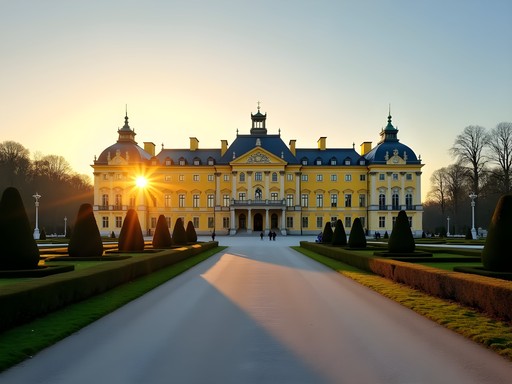
Standing before the grand façade of Schönbrunn Palace last spring, I couldn't help but draw parallels to cricket's hallowed grounds like Lord's or the Melbourne Cricket Ground—places where history feels tangibly present in every stone. Vienna, however, plays in an entirely different league when it comes to imperial grandeur. The Habsburg dynasty, which ruled vast swathes of Europe for nearly 650 years, left an architectural legacy that transforms Austria's capital into an open-air museum of power, culture, and artistic achievement. While many travelers check Schönbrunn off their list and consider their Habsburg education complete, they're missing the rich narrative that unfolds across Vienna's constellation of palaces. Each residence tells a chapter in the family saga, from intimate family retreats to monuments of imperial might. As someone who has spent decades documenting how cultural context shapes our understanding of traditions, I've found Vienna's palaces offer similar insight into European history's most influential royal family.

Schönbrunn Palace: The Crown Jewel of Habsburg Architecture
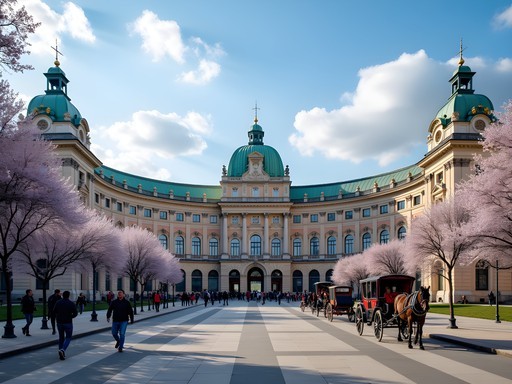
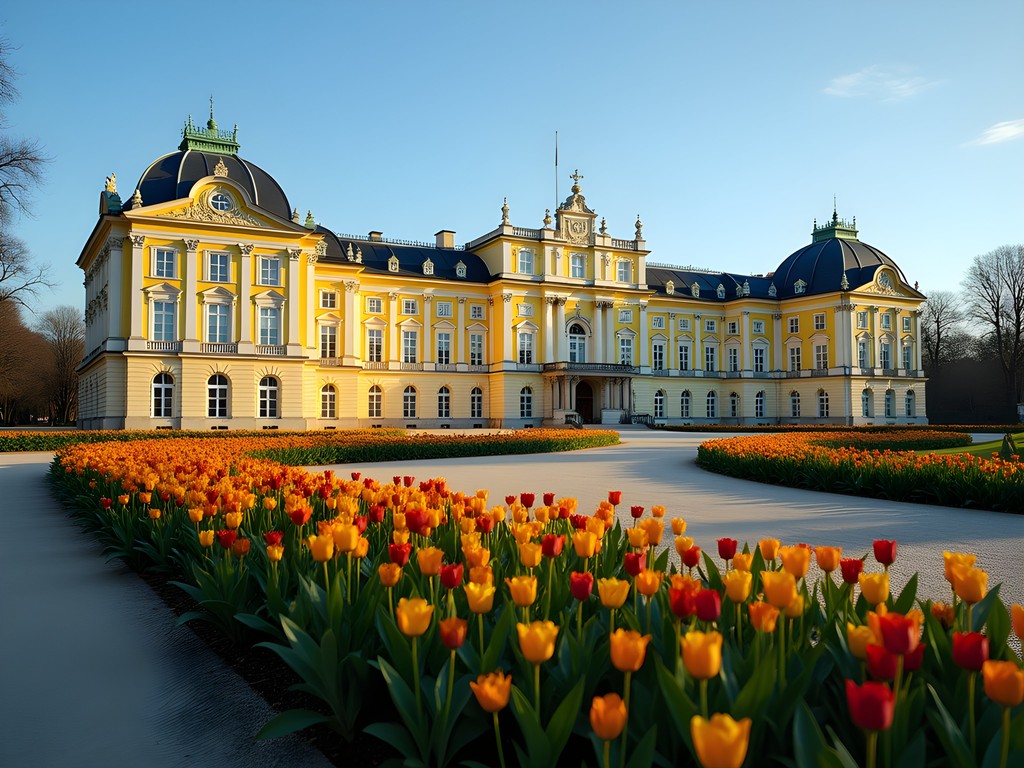
No Habsburg palace tour begins anywhere but Schönbrunn, the family's magnificent summer residence that rivals Versailles in splendor while maintaining a distinctly Viennese character. My first visit years ago while covering an international sports conference left me speechless, but returning this spring with dedicated time to explore revealed layers I'd previously missed.
The palace's 1,441 rooms (though only 40 are open to the public) showcase the evolution of imperial tastes across generations. The Great Gallery, where a young Mozart performed for Empress Maria Theresa, resonates with historical significance that even the most crowded tour can't diminish. What struck me most on this visit was how the palace functioned as both political theater and family home—Emperor Franz Joseph maintained his spartan study here, rising at 4 am to begin work, while just rooms away, his wife Elisabeth (the beloved 'Sisi') retreated into her personal obsessions.
The gardens deserve equal attention—I spent an entire afternoon wandering the meticulously maintained grounds, climbing to the Gloriette pavilion for the panoramic views of Vienna that the Habsburgs themselves enjoyed. The perspective helps you understand why this location was so strategically important to the family.
For photography enthusiasts like myself, I recommend bringing a versatile zoom lens to capture both the architectural details and sweeping garden vistas without constantly changing equipment. The changing light throughout the day transforms the palace's yellow façade, with early morning offering the softest illumination and fewest visitors.
💡 Pro Tips
- Purchase tickets online in advance to skip the often substantial queues
- The 'Grand Tour' ticket offers access to additional rooms and is worth the extra cost
- Allow at least half a day for the palace and another half for the extensive gardens
Hofburg Palace Complex: The Imperial Heart of Vienna
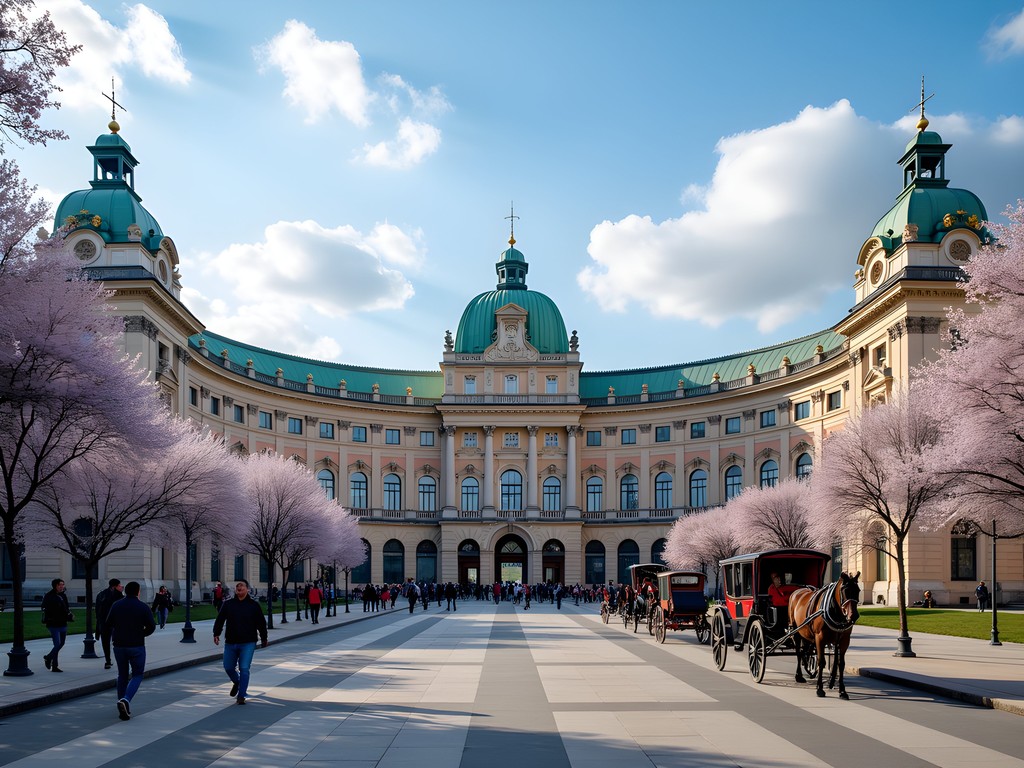
If Schönbrunn was the Habsburg summer playground, the Hofburg was their urban command center—a sprawling complex that grew organically over 700 years as each emperor added wings, halls, and chapels to suit their ambitions. Today, this palace complex in Vienna's center houses the Austrian president's offices, multiple museums, the Spanish Riding School, and the Austrian National Library.
Navigating the Hofburg can be overwhelming without strategy. I found dividing it into three focused visits worked best: one for the Imperial Apartments and Sisi Museum, another for the Treasury (Schatzkammer) with its astonishing collection including the imperial crown of the Holy Roman Empire, and a third for the National Library's breathtaking State Hall.
The Imperial Apartments offer intimate glimpses into the daily lives of Franz Joseph and Elisabeth. Having researched the couple extensively before my visit using the excellent Habsburg biography, I appreciated subtle details like the separate bedrooms and private staircases that speak volumes about their complex relationship.
Don't rush through the Sisi Museum—it provides crucial context for understanding this complex woman who rebelled against court constraints while remaining an icon of the era. Her exercise equipment and beauty regimens reveal a thoroughly modern preoccupation with fitness and appearance that resonates even today.
The Spanish Riding School deserves special mention—as someone who has covered sporting traditions globally, watching the morning training session of the Lipizzaner stallions reminded me how athletic excellence transcends cultures. The precision movements these horses perform have remained largely unchanged for centuries, a living connection to Habsburg traditions.
💡 Pro Tips
- Consider the Sisi Ticket which grants access to multiple Habsburg sites at a discount
- Book Spanish Riding School performances weeks in advance, especially in spring tourist season
- The Treasury (Schatzkammer) is often less crowded in late afternoon hours
Belvedere Palace: Baroque Splendor and Artistic Treasures
While technically not a Habsburg residence but rather the palace of their military commander Prince Eugene of Savoy, the Belvedere complex exemplifies the wealth and artistic patronage that flourished under Habsburg rule. Composed of two magnificent baroque palaces—Upper and Lower Belvedere—connected by formal gardens, this site offers both architectural magnificence and Austria's finest art collection.
My appreciation for the Belvedere deepened when I learned how Prince Eugene, an outsider of Italian descent, became the Habsburg's most successful military leader and used his palace to establish his cultural credentials. As someone with mixed heritage myself, I find these stories of cultural navigation particularly resonant.
The Upper Belvedere houses the world's largest collection of Gustav Klimt paintings, including the iconic 'The Kiss.' Having seen reproductions countless times, standing before the actual gold-leafed canvas provided that rare moment when a familiar image reveals entirely new dimensions. The museum thoughtfully arranges works to show Austria's artistic evolution from Baroque through Art Nouveau to Expressionism.
What many visitors miss is the Lower Belvedere and its Orangery, which hosts excellent temporary exhibitions. During my visit, an installation examining the environmental impact of imperial expansion created fascinating parallels to contemporary conservation challenges—a subject close to my heart given my wife's work in biodiversity preservation.
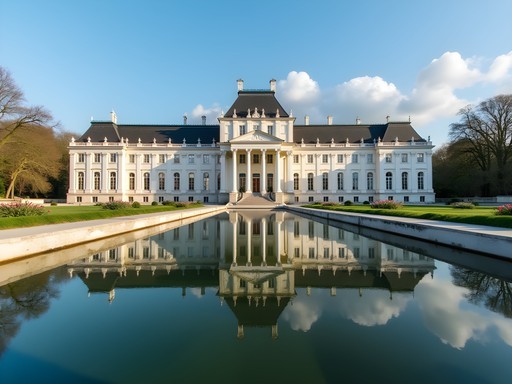
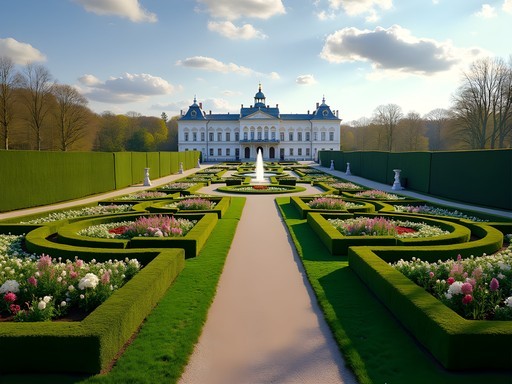
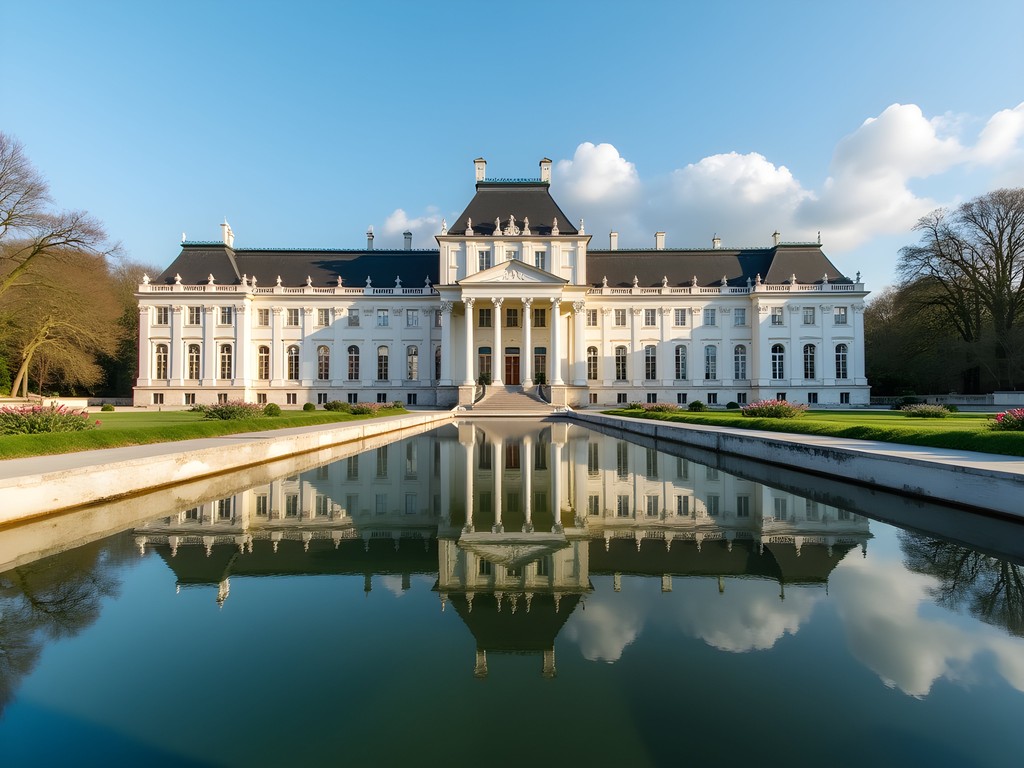
The gardens between the palaces offer a lesson in formal baroque landscape design, with symmetrical pools reflecting the buildings' façades. In spring, when I visited, the carefully pruned hedges were coming into fresh growth, and early tulips provided bursts of color against the gravel paths. I found myself sketching the garden layout in my travel journal, noting how the design creates forced perspective that makes the distance between the palaces seem greater—an optical illusion that heightens the dramatic approach.
💡 Pro Tips
- Visit Upper Belvedere late in the day when tour groups have typically departed
- Take time to walk the full length of the gardens between the two palaces
- The café in Lower Belvedere offers excellent Viennese pastries in a less crowded setting

Palais Liechtenstein: The Hidden Baroque Gem
While technically owned by the princely family of Liechtenstein rather than the Habsburgs directly, this palace flourished within the Habsburg sphere of influence and represents one of Vienna's most spectacular yet overlooked baroque interiors. Unlike the more famous palaces, Palais Liechtenstein in the 9th district operates as a private museum with limited opening hours, which creates both exclusivity and the reward of experiencing baroque splendor without crowds.
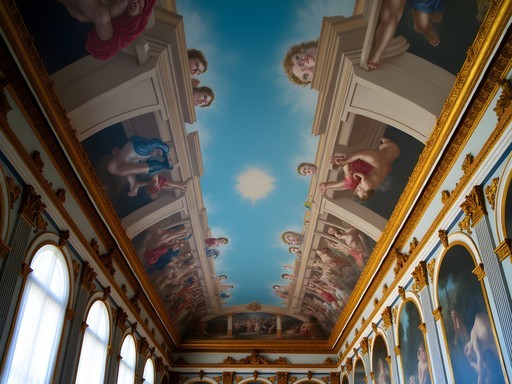
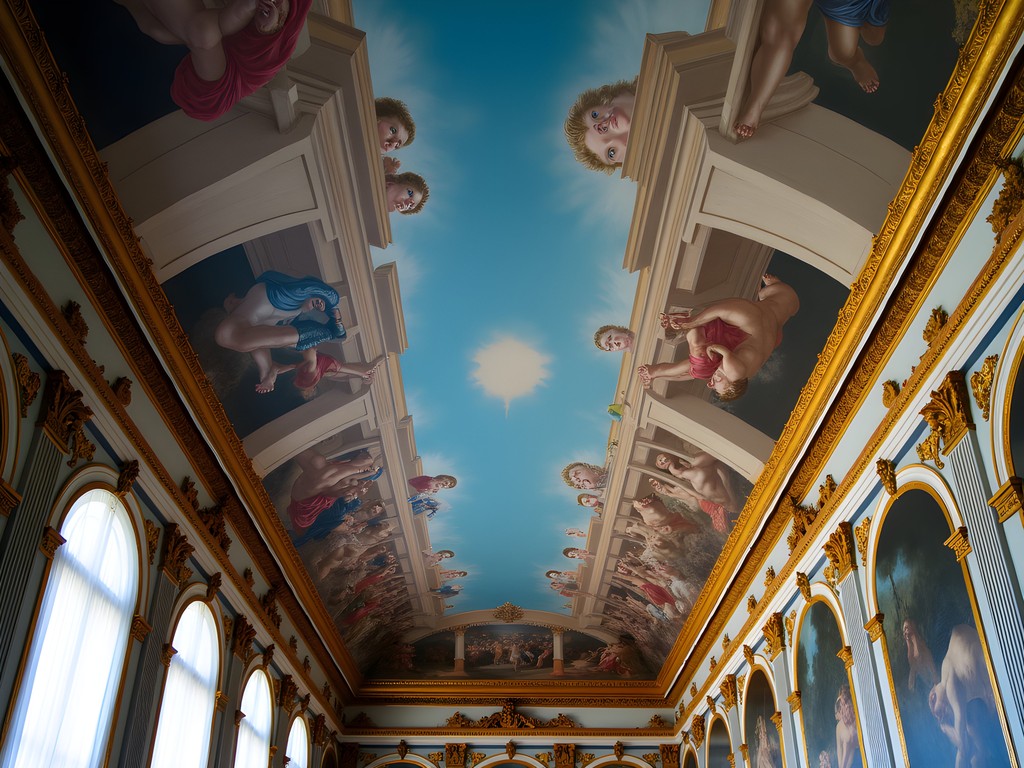
The palace houses the princely collections, including masterpieces by Rubens, van Dyck, and Raphael displayed not in sterile gallery settings but in rooms designed to showcase them. The Hercules Hall, with its ceiling fresco by Italian master Andrea Pozzo, creates an illusion of architectural elements extending into the heavens—a baroque trompe l'oeil technique that still impresses in our age of digital effects.
What makes this palace particularly special is that visits are only possible through guided tours, often led by art historians who provide context impossible to glean from guidebooks. My tour guide, a doctoral candidate specializing in baroque patronage, explained how the Liechtenstein family used their art collection as diplomatic currency within Habsburg court politics.
The garden pavilion houses a collection of Biedermeier furniture that offers insight into the more domestic, middle-class aesthetic that developed in the later Habsburg era—a fascinating counterpoint to the grand baroque interiors of the main palace.
For architecture enthusiasts, I recommend bringing a good pair of compact binoculars to appreciate ceiling details and distant architectural elements that are often missed by the naked eye. The palace's lighting is designed to showcase the art rather than for visitor convenience, so having optical assistance helps you appreciate details that might otherwise be overlooked.
💡 Pro Tips
- Book tours well in advance as they often sell out, especially in spring and summer
- Photography is restricted, so bring a small notebook for sketches or observations
- Visit the nearby Servitenviertel neighborhood afterward for excellent local restaurants away from tourist areas
Schloss Hof: The Habsburg Countryside Retreat
For a complete Habsburg experience, venture beyond Vienna's city limits to Schloss Hof, the largest rural palace complex in Austria. Located near the Slovak border about an hour's drive from Vienna, this estate offers insight into the Habsburg's relationship with the countryside and agricultural innovation—a side of imperial life rarely showcased in urban palaces.
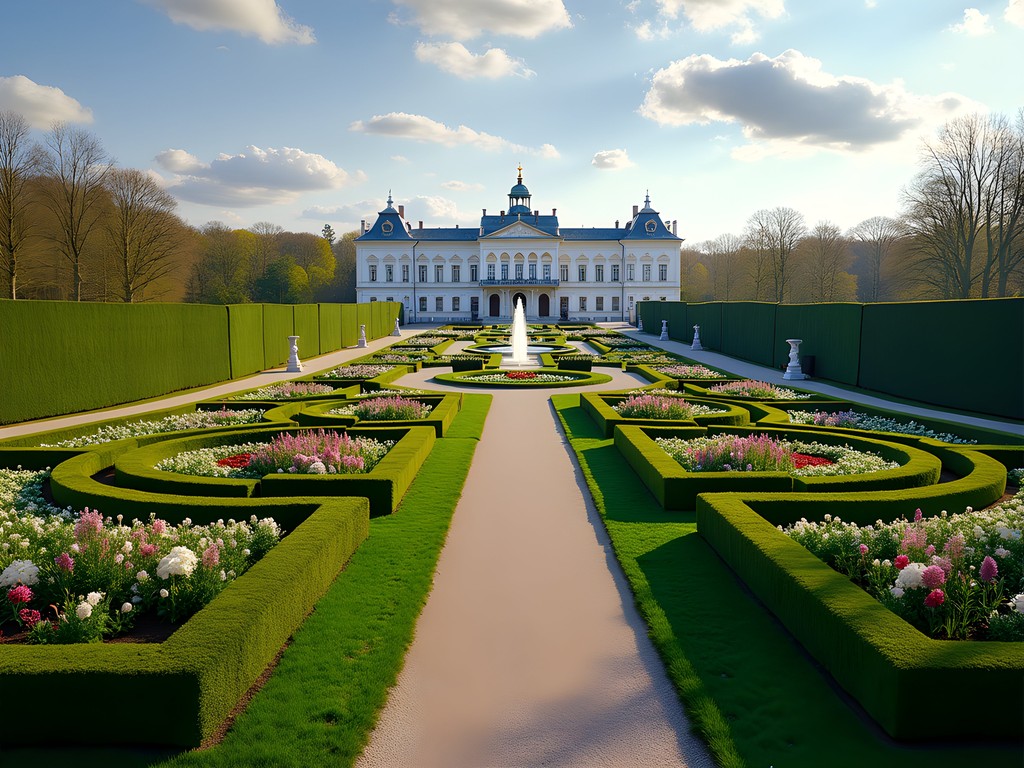
Originally purchased by Prince Eugene of Savoy (the military genius behind Belvedere), Schloss Hof later became a favorite retreat of Empress Maria Theresa, who expanded it significantly. The palace sits within a series of seven terraced gardens that cascade down the hillside—a baroque interpretation of paradise that incorporates both formal design and practical elements like kitchen gardens and medicinal plants.
What distinguishes Schloss Hof is its working estate farm, which maintains rare domestic animal breeds that would have been common during Habsburg times. As someone who has documented traditional practices globally, I was fascinated by the estate's commitment to heritage breeds and historical farming techniques. The Lipizzaner horses bred here connect directly to the Spanish Riding School traditions in Vienna.
The palace interiors have been meticulously restored over the past two decades, with rooms showcasing both the formal entertaining spaces and the practical aspects of running a country estate. The kitchens and service areas provide particular insight into the massive staff required to maintain Habsburg lifestyles.
Visiting Schloss Hof requires transportation planning. I rented a car for flexibility, but there are also seasonal shuttle buses from Vienna. For those driving, a good navigation system is helpful as the palace is tucked away in the countryside with limited signage on smaller roads.
💡 Pro Tips
- Combine with a visit to nearby Schloss Niederweiden for a full day of Habsburg countryside exploration
- Bring comfortable walking shoes for the extensive gardens and farm areas
- Check the event calendar—the palace hosts historical reenactments and baroque festivals throughout spring and summer
Five More Habsburg Treasures Worth Exploring
Beyond the major palaces, Vienna offers several smaller yet significant Habsburg sites that provide a more intimate understanding of this remarkable dynasty:
1. The Imperial Furniture Collection (Hofmobiliendepot) Perhaps Vienna's most underrated museum, this vast collection houses over 165,000 objects from Habsburg residences. Rather than displaying furniture in static period rooms, the museum arranges pieces thematically, allowing visitors to see how designs evolved across centuries. I was particularly struck by Emperor Franz Joseph's simple iron field bed—a stark contrast to the ornate state furniture, revealing the private austerity of a man whose public image was defined by imperial grandeur.
2. Augustinian Church (Augustinerkirche) The parish church of the Hofburg palace complex, this Gothic church witnessed countless Habsburg ceremonies. The highlight is the Herzgruft (Heart Crypt), where 54 silver urns contain the preserved hearts of Habsburg family members—a tradition reflecting the dynasty's compartmentalized burial practices, with bodies in the Imperial Crypt and entrails in St. Stephen's Cathedral.
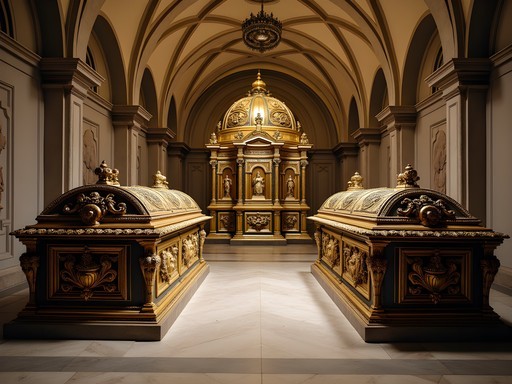
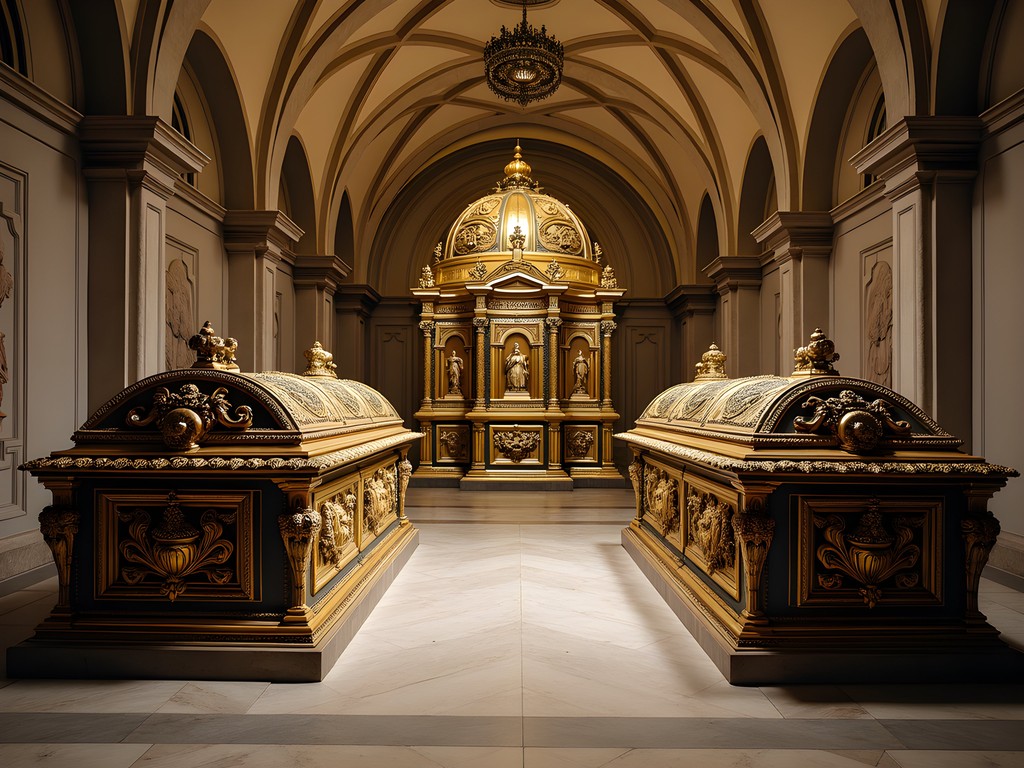
3. Imperial Crypt (Kaisergruft) Beneath the Capuchin Church lies the primary burial site of the Habsburg dynasty, containing 150 royals including 12 emperors and 19 empresses. The sarcophagi range from simple copper coffins to elaborate baroque masterpieces. Emperor Charles VI's massive tomb, adorned with skulls wearing imperial crowns, epitomizes the Habsburg blend of power and memento mori philosophy.
4. Hermesvilla Hidden in the Vienna Woods, this romantic retreat was a gift from Emperor Franz Joseph to his wife Elisabeth. Called the 'Palace of Dreams,' it represents the emperor's futile attempts to create a private paradise that might keep his restless empress in Vienna. The villa's relatively modest scale and beautiful natural setting make it a refreshing counterpoint to the dynasty's grander palaces.
5. Schönbrunn Orangery Often overlooked by visitors rushing through the main palace, Schönbrunn's Orangery is one of Europe's largest baroque greenhouses at 189 meters long. During Habsburg times, it sheltered over 1,700 exotic plants. Today, it hosts concerts in the same space where Mozart's 'The Impresario' premiered in 1786, offering visitors a chance to experience music in its historical context.
💡 Pro Tips
- Purchase the Vienna Pass if planning to visit multiple Habsburg sites
- The Imperial Furniture Collection is closed Mondays, plan accordingly
- Book evening concerts at the Orangery well in advance, especially Mozart performances
Final Thoughts
As I stood in the Imperial Crypt on my final day in Vienna, surrounded by the elaborate sarcophagi of generations of Habsburgs, I was struck by how these palaces collectively tell a story far richer than any single site could convey. From Schönbrunn's grandeur to the intimate Hermesvilla, from the urban power center of the Hofburg to the rural retreat of Schloss Hof, these architectural treasures offer a multidimensional portrait of Europe's most influential dynasty. Like the layered traditions I've documented throughout my career, Vienna's Habsburg heritage rewards those willing to look beyond the obvious. Spring 2024 presents an ideal opportunity to explore these palaces, with the crowds thinner than summer months and the gardens beginning their annual renaissance. Whether you're drawn to artistic masterpieces, architectural innovation, or the human stories behind imperial façades, Vienna's Habsburg palaces offer a journey through European history that continues to shape our understanding of power, culture, and legacy.
✨ Key Takeaways
- Purchase combination tickets to save on multiple palace visits
- Spring offers ideal weather and blooming palace gardens with fewer crowds than summer
- Look beyond Schönbrunn to discover the full Habsburg story across multiple sites
- Allow time between palace visits to process the historical context and architectural details
📋 Practical Information
Best Time to Visit
April to early June
Budget Estimate
€500-800 for a week excluding flights
Recommended Duration
5-7 days
Difficulty Level
Easy


Comments
islandlife
This is so helpful! Quick question - do you need to book tickets ahead for Schönbrunn or can you just show up? Planning a trip for spring and don't want to over-schedule but also don't want to miss out.
coolgal
Book ahead! We showed up and had to wait like 2 hours
Douglas Bradley
Excellent breakdown of the palace circuit, Amit. I visited Vienna in 2024 and made the mistake of trying to cram Schönbrunn, Hofburg, and Belvedere into one day—rookie error. The Hofburg Imperial Apartments alone deserve at least 2-3 hours if you want to properly absorb the history. One tip I'd add: the Vienna Pass can be worth it if you're planning to hit multiple palaces, though it depends on your pace. I found the audio guides at Schönbrunn surprisingly comprehensive compared to other European palaces. Did you get a chance to explore the Imperial Furniture Collection? It's often overlooked but fascinating for understanding daily Habsburg life.
islandlife
Is the Vienna Pass actually worth it? Going in April and trying to figure out tickets
Douglas Bradley
It depends on how many sites you'll visit. If you're doing 4+ palaces plus museums, it pays for itself. Otherwise, individual tickets work fine.
coolgal
Love the cricket comparison lol!
Claire Hawkins
We took our 6 and 9 year old to Vienna last spring and honestly wondered if palaces would hold their attention, but they were captivated! Schönbrunn especially - there's a children's museum section where they can dress up in period costumes. The Imperial Carriage Museum was a huge hit too (right by Schönbrunn). My tip: download the family audio guide, it tells stories rather than just facts and kept them engaged through the whole tour.
roamexplorer
oh that's perfect, traveling with my nephew so this is super helpful
islandblogger
YES!! Vienna is absolutely stunning and you nailed it with this list! The Habsburg history is just mind-blowing when you're standing there. I loved the Imperial Crypt too - so eerie but fascinating. Did you try any of the traditional cafes nearby? Cafe Central near Hofburg was INCREDIBLE. Also the Christmas markets if anyone's going in winter - magical!
springguide
Palais Liechtenstein is seriously underrated. Way fewer tourists than the big ones and the private collection is incredible. You have to book ahead though - they only do guided tours at specific times. We went on a Friday morning and basically had the place to ourselves. The gardens in summer are gorgeous too.
winterlegend
good to know, adding to my list
Megan Martin
Great overview, Amit. I was there for a conference last fall and squeezed in Belvedere between meetings - the Klimt collection alone is worth the visit. Pro tip for business travelers: the Hofburg is open until 5:30pm most days, so you can actually make it after afternoon sessions end. The Imperial Treasury was surprisingly uncrowded around 4pm.
blueone
Really like your photos!
freelife6199
Is there a combo ticket for multiple palaces or do you buy separately? Also any that are free days?
springguide
Yeah there's a Sisi ticket that covers Schonbrunn, Hofburg Imperial apartments, and the Imperial Furniture Collection. Saves you like 20% or something. Worth it if you're doing all three.
winterlegend
Never thought about Vienna but this looks amazing!
Venture X
Premium card with 2X miles, $300 travel credit, Priority Pass