Disclosure: This article contains affiliate links. We may earn a commission from purchases at no extra cost to you, which helps our travel content.
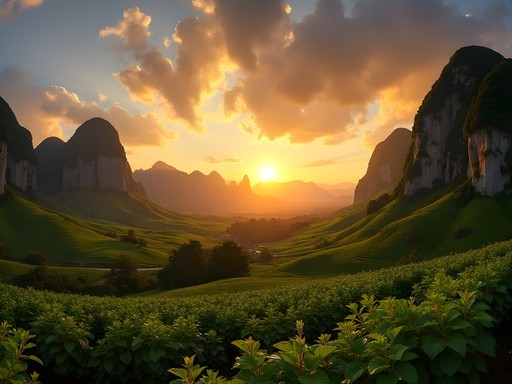
Standing in the rust-colored valley of Viñales with mogotes (limestone karsts) jutting dramatically from the earth, I felt that peculiar time-slip sensation I chase in my travels. Here in western Cuba, merely two hours from Havana's pulsing energy, the valley whispers stories spanning millions of years. Ohayou gozaimasu to a different kind of morning – one where prehistoric geology meets colonial architecture meets revolutionary history. Most travelers come for the world-famous tobacco, but I came hunting stories etched in stone and brick, both ancient and recent.

The Mural de la Prehistoria: A Controversial Masterpiece
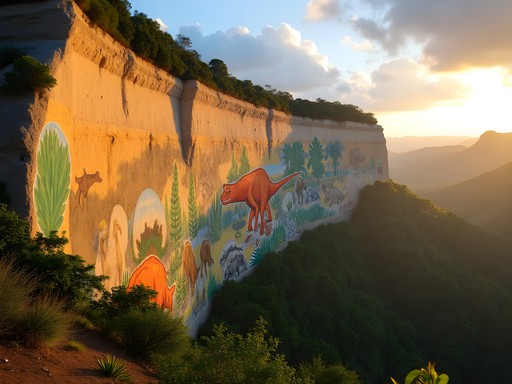
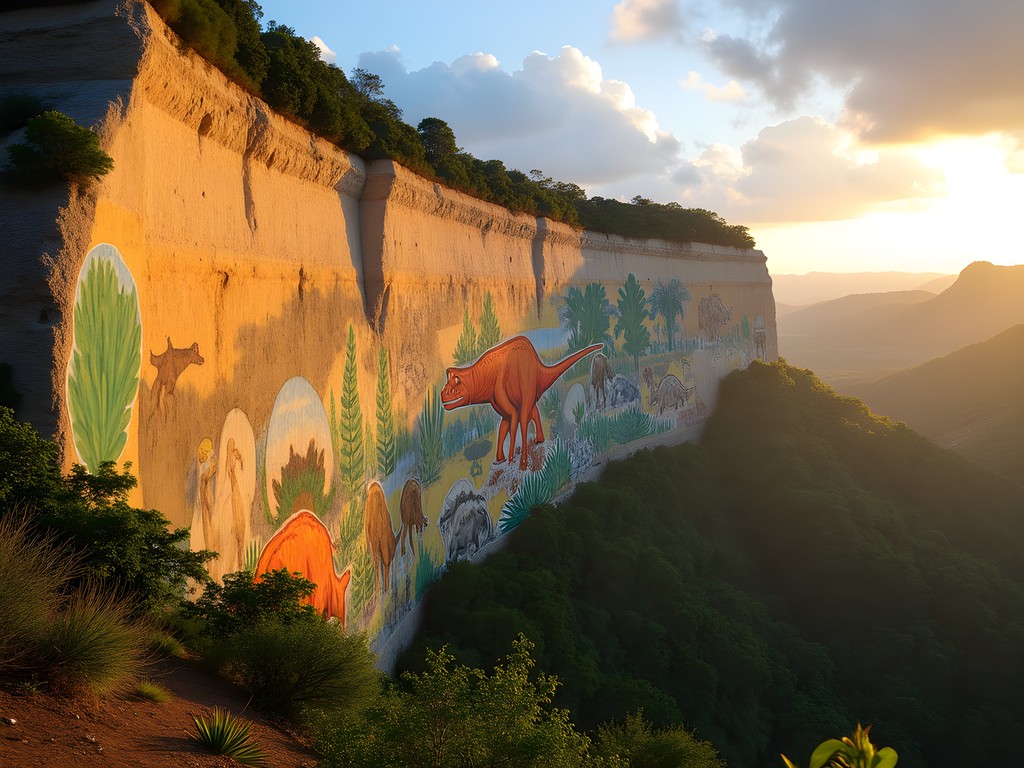
Let me be completely honest – when I first glimpsed the Mural de la Prehistoria from afar, my reaction was... confusion. This massive 120-meter painting sprawling across the face of Mogote Pita looks like something between a Flintstones backdrop and an ambitious elementary school project. But that's the beauty of approaching travel with shoshin (beginner's mind) – initial judgments often dissolve into fascination.
Commissioned by Fidel Castro himself in 1961, this enormous mural was designed by Leovigildo González Morillo, a follower of Mexican muralist Diego Rivera. Up close, the scale becomes truly impressive. Dinosaurs, prehistoric humans, and ancient creatures burst with primary colors against the limestone canvas. Local guides explained how painters dangling from ropes have meticulously repainted it every few years since its creation.
I spent a surprisingly engaging hour here, sipping a mojito at the small restaurant facing the mural while chatting with José, the bartender whose grandfather helped paint the original work. The 3 CUC entrance fee includes a drink, making it a budget-friendly stop that's far more interesting than online reviews suggest.
💡 Pro Tips
- Visit in morning light for the best photographs of the mural
- Bring a zoom lens or compact monocular to see details from the viewing platform
- Ask staff about the repainting process – they're often relatives of original painters
Colonial Viñales: Architectural Time Capsule
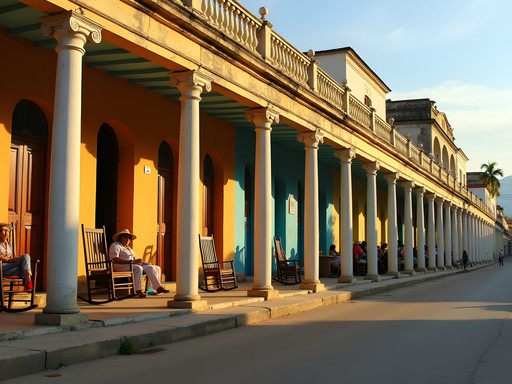
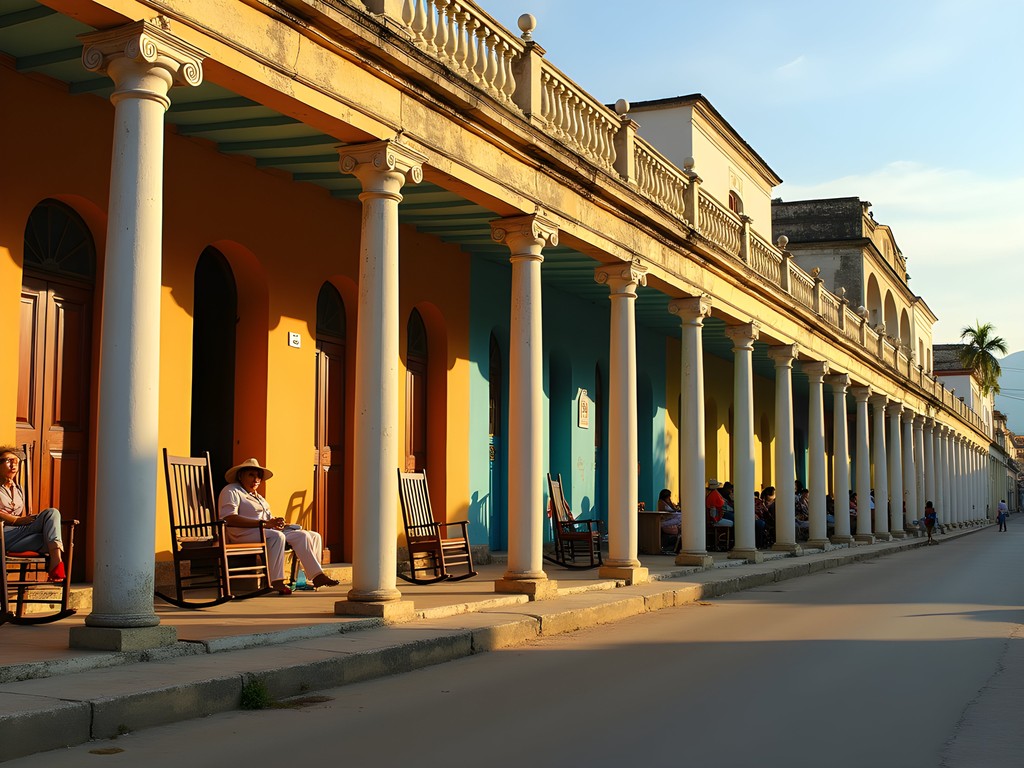
The main street of Viñales, Salvador Cisneros, feels like stepping into a colonial-era postcard that somehow survived the revolution intact. Unlike Trinidad's more famous colonial architecture, Viñales offers something more lived-in and authentic. The buildings here aren't museums – they're homes where families gather on porches to play dominoes as evening falls.
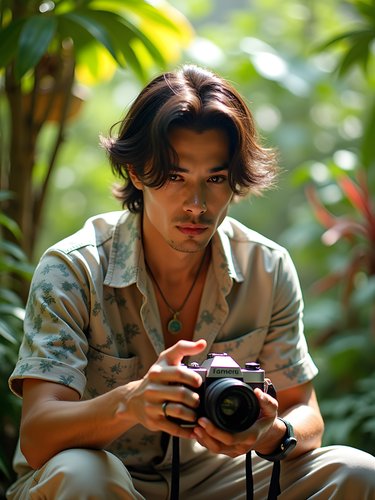
I spent three afternoons slowly walking the grid of streets, my pocket sketchbook in hand, capturing the distinctive columned porches (portales) painted in pastels that define Cuban colonial architecture. The Catholic church anchoring the central plaza dates to 1879 and stands as a simple yet beautiful example of Spanish colonial design with its distinctive bell tower.
The Casa de la Cultura hosts impromptu music sessions most evenings. I stumbled upon an elderly trio playing traditional son cubano while locals danced with a natural grace I could only envy. When the guitarist noticed my interest, he motioned me over and patiently demonstrated chord patterns that form the backbone of this quintessentially Cuban musical style.
💡 Pro Tips
- Visit the Casa de la Cultura in evenings for authentic music performances
- The best colonial architecture is within 3 blocks of the main plaza
- Many colonial homes offer casa particular accommodations for an authentic stay
The Palenque de los Cimarrones: Echoes of Resistance
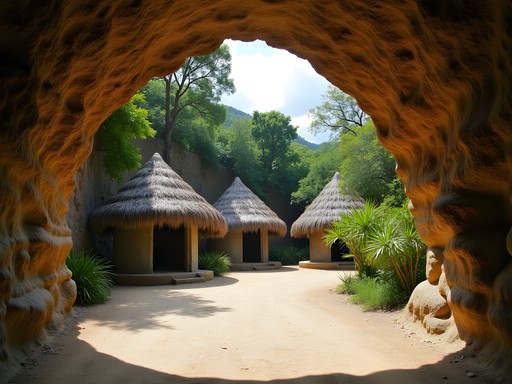
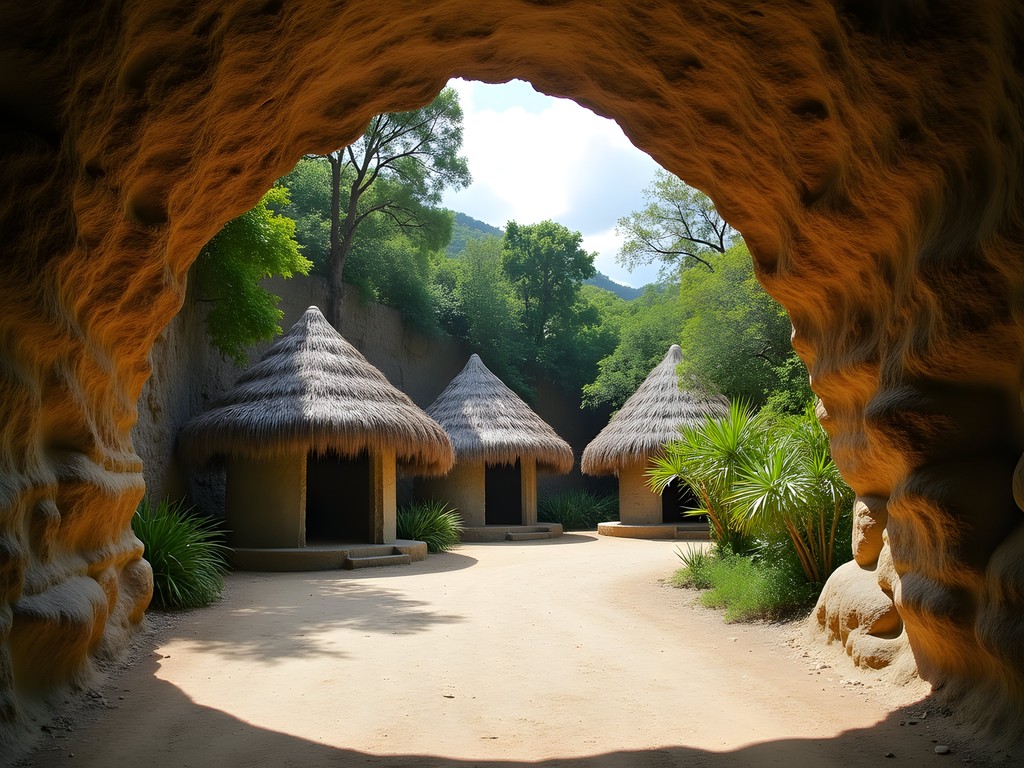
Tucked away in a limestone cave at the valley's edge lies one of Viñales' most overlooked historical treasures – the Palenque de los Cimarrones. This reconstructed settlement honors the cimarrones (escaped enslaved people) who found refuge in these caves during colonial times.
The site requires a short hike through lush vegetation, and I recommend wearing proper hiking sandals rather than flip-flops as the path can be muddy and uneven. The entrance is modest – just 2 CUC – but the experience is profound.
Inside the cave, the reconstructed palenque (settlement) includes thatched huts, religious altars blending Catholic and African traditions, and implements used for survival. What struck me most was how the cave's natural acoustics amplified the guide's voice as she explained how these communities maintained African cultural traditions despite brutal persecution.
In the evenings, the cave transforms into a restaurant and nightclub. While admittedly touristy, the Afro-Cuban dance performances are genuinely impressive, and sipping rum cocktails in a cave once used as a refuge by freedom-seekers creates a powerful connection to history. I used my waterproof phone case to protect against the cave's moisture while still capturing some atmospheric photos.
💡 Pro Tips
- Visit during daylight hours first to appreciate the historical context before evening performances
- Bring a small flashlight to explore deeper cave areas that aren't part of the main tour
- The 9pm Afro-Cuban dance performance is worth staying for

Hidden Histories: Afro-Cuban Heritage Sites
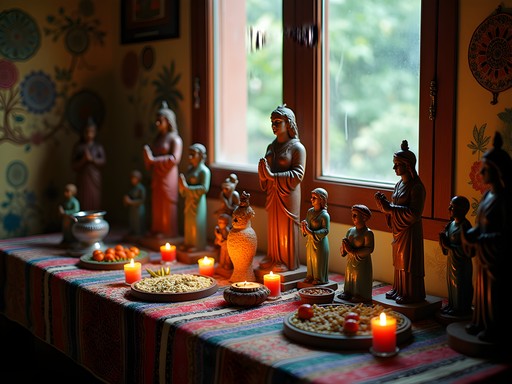
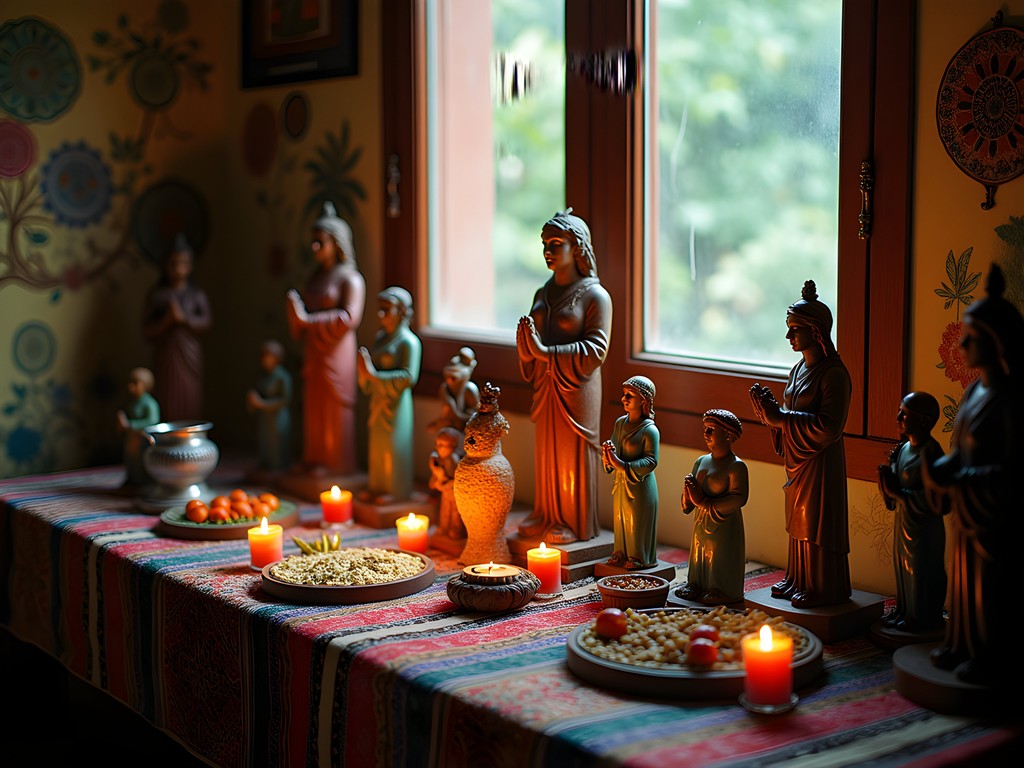
Beyond the official historical sites, Viñales offers windows into Afro-Cuban spiritual traditions for those willing to look deeper. My most memorable experience came through a chance conversation with Elena, an elderly woman selling handmade dolls near the botanical garden. When I asked about the distinctive patterns on her crafts, she invited me to visit her home where she maintains a small but powerful altar to the orishas (deities in Santería).
With permission, I documented these sacred spaces using my mini tripod for low-light photography without flash. Elena explained how Santería practices blended Yoruba religious traditions with Catholic saints during slavery as a form of cultural preservation and resistance.
For travelers interested in this aspect of Cuban history, I recommend visiting during December when the Festival de las Raíces Africanas (Festival of African Roots) brings these traditions into public celebration with music, dance, and ritual performances. The festival represents Cuba's growing acknowledgment of its African heritage after decades of official discouragement during the early revolutionary period.
Meanwhile, the Casa del Veguero on the outskirts of town offers insight into the traditional tobacco farming methods preserved by families for generations. While not ancient history, these agricultural techniques connect directly to colonial-era practices and the complex economic history of Cuba.
💡 Pro Tips
- Always ask permission before photographing religious spaces or ceremonies
- Visit the Casa del Veguero in early morning to see tobacco processing in action
- Look for small museums in private homes – some of the best collections aren't official
Final Thoughts
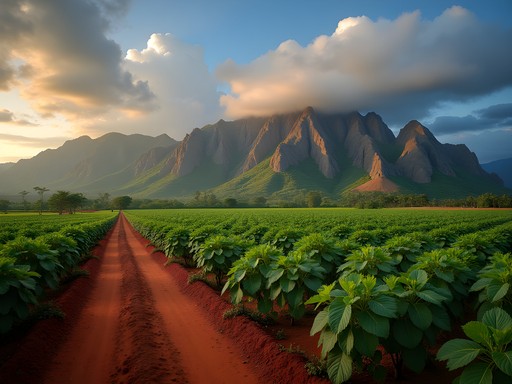
As my week in Viñales drew to a close, I found myself sitting on the porch of my casa particular, rocking gently in a wooden chair as fireflies began their nightly dance over the tobacco fields. The valley had revealed itself as far more than the tobacco mecca it's marketed as – it's a living historical document where layers of time press against each other like pages in a book.
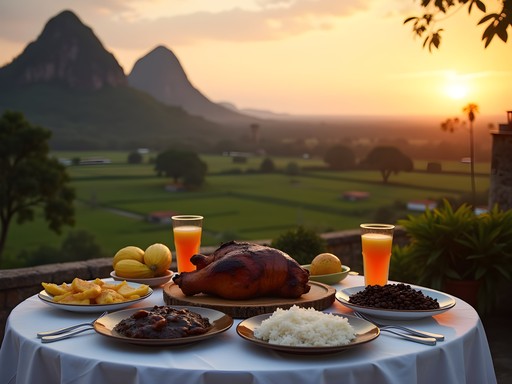
From the controversial but fascinating prehistoric mural to the quiet dignity of colonial architecture to the powerful resilience embodied in the palenque caves, Viñales offers couples a chance to explore Cuban history beyond revolutionary narratives. The valley's compact size makes it perfect for walking hand-in-hand between sites, with plenty of paladares (private restaurants) for romantic dinners discussing the day's discoveries.
As my Japanese mother always said, "Rekishi wa michi no shirube" – history is our guidepost. In Viñales, that guidepost points not just to Cuba's past but to the universal human stories of creativity, resistance, and adaptation that transcend borders. Whether you come for a few days or a full week like I did, let yourself wander beyond the tobacco tours to find these hidden historical treasures.
✨ Key Takeaways
- Viñales offers rich historical experiences beyond the famous tobacco farms
- The controversial Mural de la Prehistoria deserves a visit despite mixed reviews
- Colonial architecture is less restored but more authentic than in Trinidad
- Afro-Cuban historical sites provide insight into resistance and cultural preservation
📋 Practical Information
Best Time to Visit
October-November (after hurricane season, before winter crowds)
Budget Estimate
$30-50 USD per day including casa particular accommodation
Recommended Duration
3-5 days
Difficulty Level
Moderate (Some Walking On Uneven Terrain)



Comments
blueace
Those fireflies in the conclusion! 😍 Got me right in the feels. Viñales is magical.
backpackwalker
Right? I spent every evening on my casa particular porch just watching the valley change colors at sunset. No Instagram photo does it justice.
blueace
Did you try the fresh sugarcane juice from the roadside stands? That plus the view = heaven!
Taylor Moreau
Austin, this is exactly the kind of cultural depth I've been looking for in Cuba coverage. I'm leading a small photography workshop to Cuba next spring and have been debating whether to include Viñales beyond the typical tobacco farm visits. Your section on the colonial architecture has convinced me - those wooden casas with their colorful facades will be perfect for our architectural photography module. One question - how was the lighting at the Mural de la Prehistoria at different times of day? Wondering whether morning or afternoon would be better for photography there. I always bring my tripod for these trips, but wondering if I'll need it for the mural shots.
Austin Butler
Thanks Taylor! The mural faces west, so afternoon light is definitely better - around 3-4pm gave me the best results with minimal shadows. A tripod is helpful if you want to capture the entire mural with multiple shots to stitch together later. Your workshop participants will love the colonial buildings along Salvador Cisneros street too - especially in the golden hour!
backpackwalker
YES to highlighting the Palenque de los Cimarrones! I was in Viñales last year and that site gave me chills - the history of escaped slaves creating hidden communities in those caves is so powerful. The local guide we had shared some incredible stories passed down through generations. Did you catch any of the occasional cultural performances they do there?
Austin Butler
I did! There was a small drumming ceremony the day I visited - absolutely mesmerizing. The acoustics in that cave setting were incredible.
coollife
This is so different from the typical tobacco farm tours everyone talks about! How difficult was it to find transportation to the Mural de la Prehistoria? Planning a trip in February and wondering if it's worth renting a car.
Austin Butler
Thanks for asking! I actually hired a local guide with a classic car who knew all the spots. No need for a rental - there are plenty of affordable taxi collectives that can take you to the mural and wait while you explore. Just arrange it through your casa particular for the best rates!
coollife
Perfect, that's super helpful. Did you have a favorite casa particular you'd recommend?
Austin Butler
I stayed at Casa Yenesis y Yoel - amazing breakfast and they helped arrange everything. The rocking chairs on the porch mentioned in the conclusion were there!
hikingguide
THANK YOU for highlighting the hiking opportunities around the mogotes! Everyone goes for the tobacco but the trails through those limestone formations are INCREDIBLE. Did the sunset hike to Los Aquáticos last year and it was the highlight of my Cuba trip. Your photos of the valley at dusk brought back amazing memories!
dreamlover
How difficult are those hikes? I'm not super fit but would love to see those views!
hikingguide
Most are pretty moderate! Los Aquáticos has some steeper sections but nothing too challenging. Just bring water and good shoes. The views are totally worth it!
Sophia Gomez
Austin, this is exactly the kind of deep-dive cultural content I've been looking for about Viñales! I visited in 2024 for a quick business trip extension and only saw the standard tobacco tours. The Afro-Cuban heritage sites you mentioned weren't even on my radar. I'm planning to return this summer and would love to explore these historical aspects. Do you recommend any particular casa particular in the colonial area? I stayed at one near the main square last time, but would love something more authentic. Also, I found my Cuba travel guide completely missed these sites you mentioned!
explorestar
Wow! Never knew Viñales had prehistoric murals! How did you get around the valley? Bus? Taxi? Thinking of visiting this summer!
hikingqueen
Not Austin, but when I went I rented a bike in town and it was perfect for exploring! The valley is pretty flat and the distances aren't too bad. Plus you can stop anywhere that catches your eye.
Austin Butler
Exactly what hikingqueen said! Bike rental is cheap (about 10 CUC/day) and gives you the most freedom. For longer trips to outlying areas, the shared taxis (colectivos) are affordable and a great way to chat with locals.
explorestar
Thanks both! Definitely going with the bike option then. So excited!!
freelover
I visited that mural last year and had mixed feelings about it. It's impressive for sure, but feels a bit touristy compared to the authentic vibe of the rest of Viñales. Did anyone else feel that way? The colonial part of town was my favorite though!
Sophia Gomez
I had the exact same impression! The mural feels like it was created for tourists, while the colonial architecture and especially those hidden Afro-Cuban sites Austin mentioned feel much more authentic. I think that's why most travel guides focus heavily on the tobacco farms and less on the cultural aspects Austin highlighted here. Makes me want to revisit with this new perspective.
hikingqueen
Austin, your post brought back so many memories! I visited Viñales last year and completely agree that there's so much more than just tobacco farms. The Mural de la Prehistoria was mind-blowing - though I have to admit I had mixed feelings about it too. Did you get a chance to hike through any of the caves? The indigenous history in Cueva del Indio was fascinating, though a bit touristy. The colonial architecture in town was my favorite part - I spent hours just wandering those colorful streets with my camera!
Austin Butler
Thanks for reading, hikingqueen! Yes, I did explore Cueva del Indio - agreed on the touristy aspect, but still worth it. Did you make it to any of the smaller, less-visited caves? Those were where I found the most authentic experiences.
hikingqueen
I actually found a local guide who took me to a smaller cave system away from the main tourist route - can't remember the name now but it was incredible! No lighting installations or boat rides, just raw nature and history.
Sophia Gomez
Austin, I'm heading to Cuba for a business conference next month and planning to extend my stay to visit Viñales. Your section on the Palenque de los Cimarrones really caught my attention - I had no idea about this history of resistance! I've been reading up on Cuba's complex colonial past, and these hidden stories are exactly what I'm hoping to explore. I'm particularly interested in the Afro-Cuban heritage sites you mentioned. Did you find hiring a local guide necessary to access these less-touristy spots? I'll only have three days in Viñales and want to make the most of it. My Spanish is decent but not fluent. Also, did you find the casa particular through a booking site or once you arrived? Your porch-sitting firefly experience sounds exactly like what I need after a week of meetings!
Austin Butler
Sophia, you'll love it! Definitely get a local guide for the heritage sites - they're not well marked and the context they provide is invaluable. I booked my casa particular through Cuba Accommodation but honestly, you can find great places when you arrive too. The one on Calle Salvador Cisnero had the best breakfast and that magical porch I mentioned!
Sophia Gomez
Thanks for the tips, Austin! I'll look into booking guides in advance and check out that casa particular. Can't wait for those morning coffees on the porch!
Venture X
Premium card with 2X miles, $300 travel credit, Priority Pass