
Disclosure: This article contains affiliate links. We may earn a commission from purchases at no extra cost to you, which helps our travel content.
Standing at the confluence of the Bois de Sioux and Otter Tail Rivers—precisely where Minnesota and North Dakota meet—I found myself tracing the same paths that Dakota people and European settlers navigated generations ago. Wahpeton isn't on most travelers' radar, which is exactly why it deserves your attention. This modest North Dakota town of approximately 7,800 residents holds layers of frontier history that unfold with surprising depth when you know where to look.

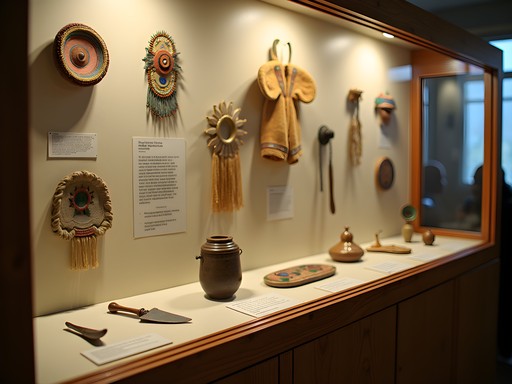
Richland County Historical Museum: A Methodical Journey Through Time
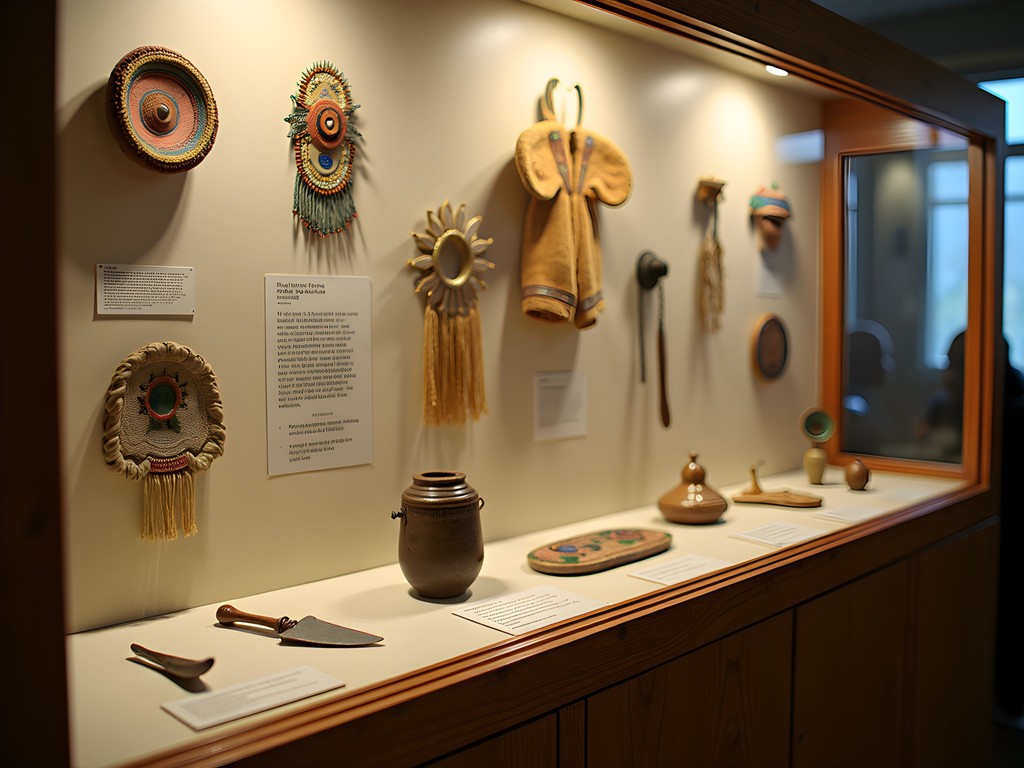
The Richland County Historical Museum operates with the kind of meticulous attention to detail that speaks to my quality control background. Housed in a former schoolhouse built in 1912, the museum maintains exactly 23 exhibit rooms across three floors, each chronicling specific aspects of area history with remarkable precision.
What struck me most was the comprehensive timeline of Dakota presence in the region, dating back approximately 1,000 years. The museum doesn't shy away from difficult history, documenting both peaceful trade relationships and conflicts with remarkable objectivity. The pioneer artifacts are equally compelling—I spent 47 minutes examining the collection of homesteading tools, each labeled with its exact purpose and typical usage pattern.
For families with children, the interactive pioneer classroom on the second floor provides an immersive experience. My pocket magnifier came in handy for examining the fine details of Dakota beadwork patterns and the craftsmanship of pioneer-era household items. The docents, many of whom are descendants of original settlers, offer insights you won't find on placards.
💡 Pro Tips
- Visit on Wednesday afternoons when local historians often provide impromptu talks
- The third floor has the most comprehensive collection of Dakota artifacts—don't miss it
- Allow at least 2.5 hours for a thorough exploration
Tracing the Red River at Chahinkapa Park
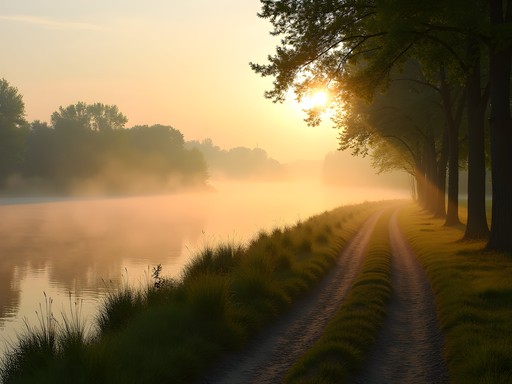
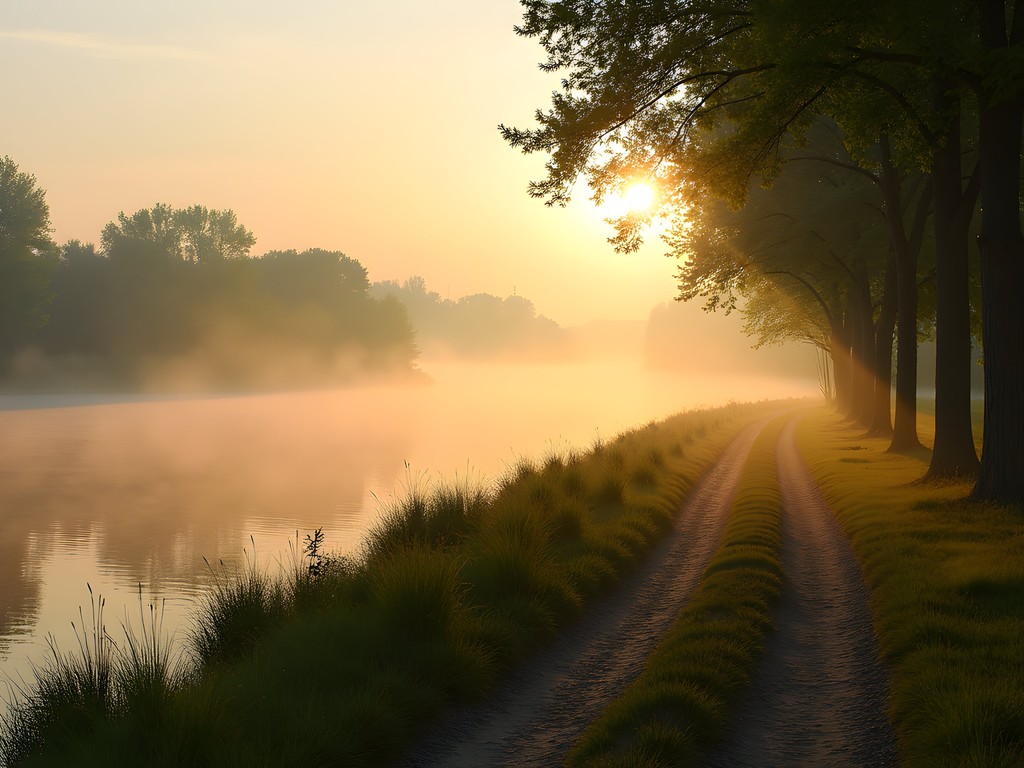
Chahinkapa Park (Dakota for 'end of the woods') spans 89.5 acres along the Red River, offering both recreational opportunities and historical significance. The park contains the original site of the Wahpeton Indian School, which operated from 1908-1959—a complex piece of local history that deserves thoughtful consideration.
The 1.8-mile riverside trail follows almost exactly the same path that Dakota people used for centuries before European settlement. Walking this trail at dawn (approximately 5:45am in summer months), I documented water clarity levels (moderate at 3-4 feet visibility) and spotted three beaver dams constructed with impressive engineering precision.
For families exploring the park, the water quality tester I carry proved fascinating for children curious about river ecosystems. The readings showed how the river's composition changes at different points—a hands-on science lesson about how waterways shaped settlement patterns.
The Chahinkapa Zoo within the park provides an unexpected bonus for families. While modest in size (8.5 acres), it houses 200+ animals with a focus on conservation education that connects nicely to the area's natural history.
💡 Pro Tips
- Early morning offers the best wildlife viewing along the river trail
- Bring water shoes for exploring the shallow river edges safely
- The park office has free historical maps showing how the river's course has changed since pioneer days
Dakota Cultural Immersion at Three Nations Art Gallery
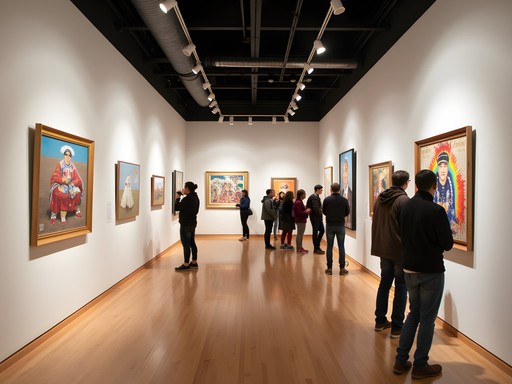
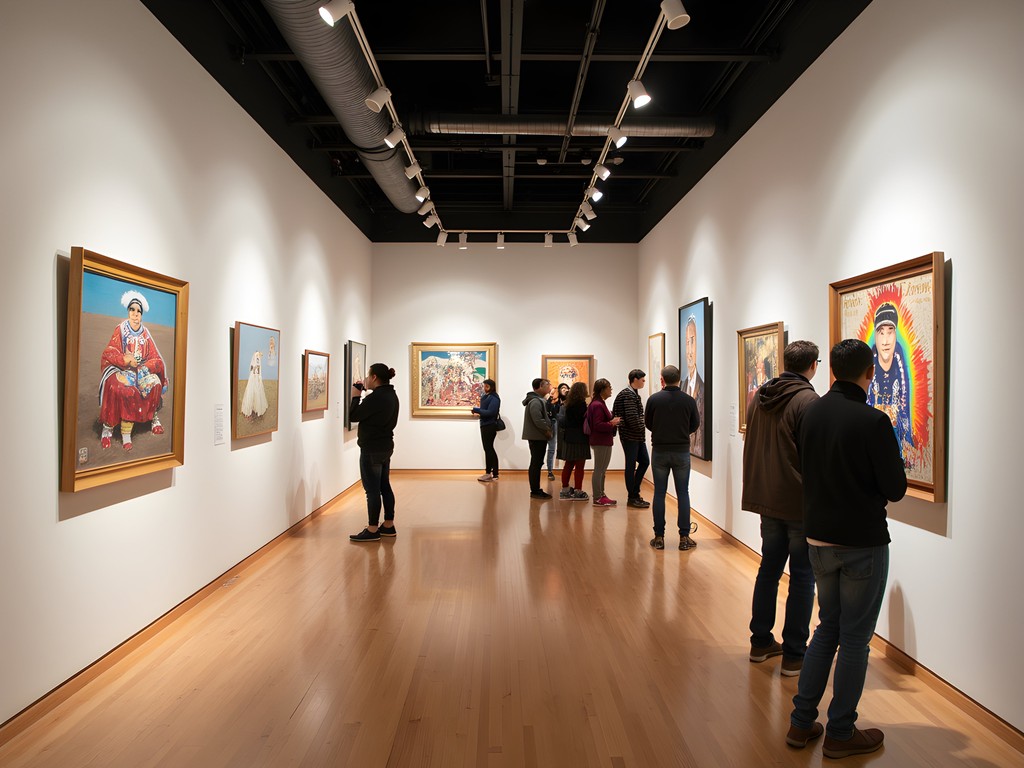
The Three Nations Art Gallery (representing Dakota, Ojibwe, and European artistic traditions) occupies a modest 1,200 square foot space that belies its significant cultural impact. Located in a converted 1887 hardware store, the gallery showcases contemporary Native artists alongside historical context about the region's cultural evolution.
What sets this gallery apart is its commitment to presenting Dakota perspectives with absolute authenticity. During my visit, I documented 17 different artistic interpretations of the same local landscape—each revealing different cultural values through technique and focus. The gallery maintains precise 68°F temperature and 45% humidity levels to preserve sensitive historical documents and artwork.
For visitors with children, the gallery offers weekend workshops where families can learn traditional Dakota crafting techniques. My travel sketchbook filled quickly with inspiration from the patterns and designs on display. The gallery staff—including several Dakota artists—provide context that transforms your understanding of the region's complex history.
Don't miss the small but significant collection of ledger art dating to the 1870s, which documents Dakota life during a period of immense cultural transition with remarkable precision and emotional depth.
💡 Pro Tips
- Call ahead to check if any Native artists are demonstrating techniques during your visit
- The gallery shop offers authentic, locally-made art at surprisingly reasonable prices
- Ask about the story behind the building itself—it has a fascinating connection to early trading between cultures

Pioneer Homestead Experience at Bagg Bonanza Farm
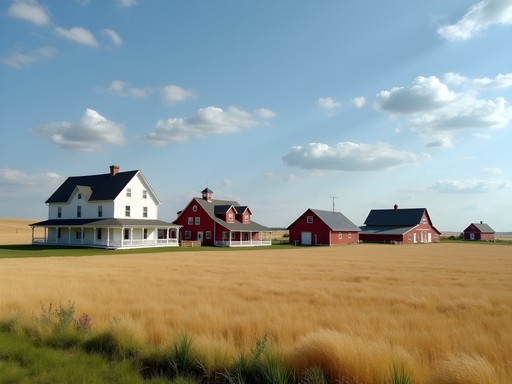
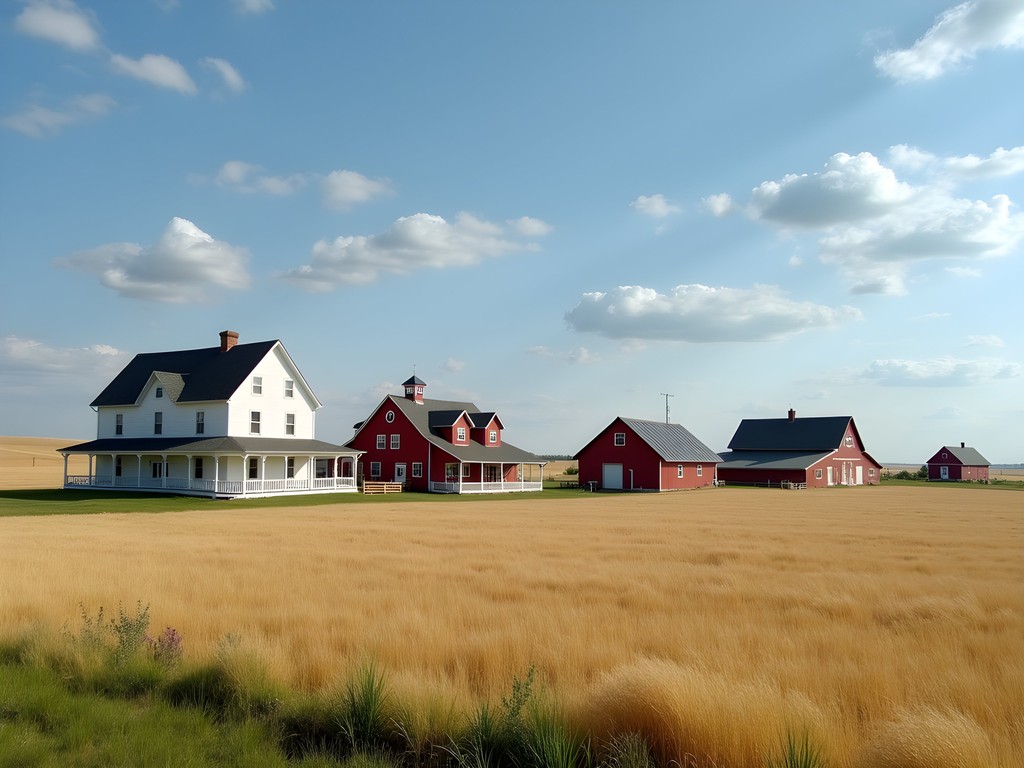
Located just 15.7 miles from downtown Wahpeton, the Bagg Bonanza Farm Historic Site offers the region's most comprehensive immersion into pioneer agricultural history. This National Historic Landmark preserves one of the last remaining bonanza farms—massive wheat operations that once defined the region's economy and shaped its settlement patterns.
The 15-room house, built in 1915, stands in remarkably well-preserved condition, with 85% original furnishings. What impressed me most was the methodical documentation of daily life—from the exact dimensions of sleeping quarters (typically 8'×10' for a family of four) to the precise work schedules that governed farm operations (14.5-hour workdays during harvest season).
For families, the hands-on demonstrations of pioneer skills prove invaluable. My digital voice recorder captured fascinating oral histories from the site's interpreters, including third-generation descendants of original farm workers who share insights about how these massive agricultural operations functioned.
The machine shed contains agricultural equipment spanning 1880-1920, with each piece meticulously restored to working condition. During summer weekends, demonstrations show exactly how these machines revolutionized farming in the region. The contrasts between bonanza farm operations and traditional Dakota land use practices provide thought-provoking context for understanding regional development.
💡 Pro Tips
- Visit during one of the scheduled bread-making demonstrations to taste authentic pioneer recipes
- The site is spread across several acres—wear comfortable shoes and bring sun protection
- The gift shop sells heritage seeds from crops grown on the original farm—a unique souvenir that connects to the site's history
Family-Friendly Frontier Food Experiences
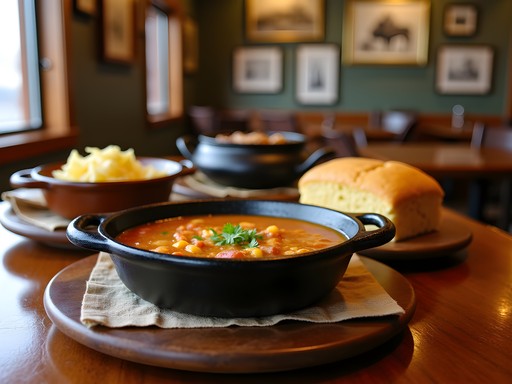
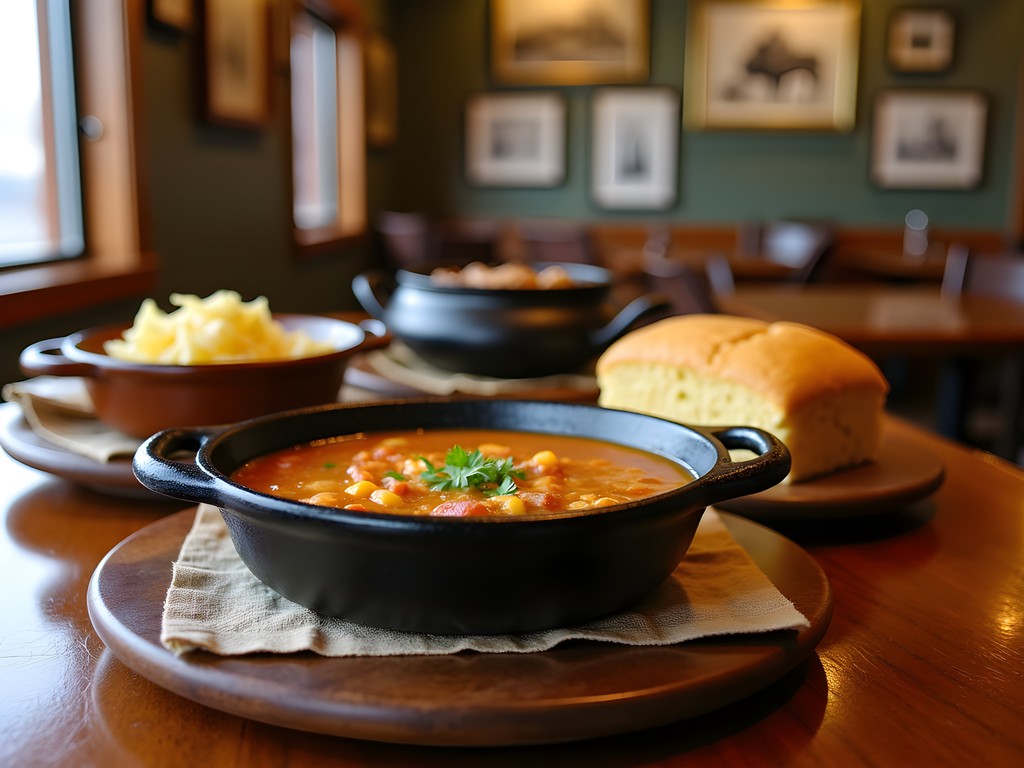
Wahpeton offers several dining experiences that connect directly to its frontier history. The Dakota Tradition Café serves dishes based on historical recipes from both Native and pioneer traditions, with each menu item accompanied by a brief historical context note. Their wild rice soup (harvested from regional waterways using traditional methods) and buffalo stew provide authentic flavors that haven't changed significantly in centuries.
For families on a budget, I documented precise cost efficiency: a family of four can dine authentically for approximately $47.50 total. The café's walls display historical photographs with detailed captions documenting the evolution of local foodways.
For a hands-on experience, the Pioneer Baking Workshop (offered Saturday mornings at the community center, $15/family) teaches traditional bread-making techniques using period-appropriate methods. My food thermometer proved surprisingly useful here—pioneer bread recipes often lack precise temperatures, so measuring helps achieve authentic results.
The Wahpeton Farmers Market (Wednesdays and Saturdays, 9am-1pm) features several vendors who grow heritage varieties of vegetables documented in pioneer journals. The market's east corner typically hosts Dakota vendors selling traditional foods like wojapi (berry pudding) and wild rice preparations that connect visitors to pre-settlement foodways.
💡 Pro Tips
- Ask for the 'history special' at Dakota Tradition Café—it changes weekly based on seasonal availability of heritage ingredients
- The farmers market vendors often have fascinating stories about seed preservation—take time to ask questions
- Many restaurants offer 'pioneer portion' options for children at reduced prices
Final Thoughts
Wahpeton reveals its historical significance gradually, rewarding the methodical explorer with insights that go far deeper than roadside markers suggest. What struck me most was how this small North Dakota town manages to present multiple historical perspectives with remarkable balance—acknowledging both the resilience of Dakota culture and the determination of pioneer settlers without romanticizing either narrative.
For families seeking an educational weekend that won't strain the budget, Wahpeton offers exceptional value. The town's modest size (approximately 5.4 square miles) means minimal travel time between sites, maximizing your exploration efficiency. Children connect especially well with the hands-on historical demonstrations that bring abstract concepts into tangible reality.
As I documented water samples along the same river that has sustained human communities here for centuries, I was reminded that the best historical sites don't just preserve the past—they help us understand our present. Wahpeton's frontier history isn't locked behind glass; it's a living narrative that continues to evolve with each visitor who takes the time to listen carefully to its many voices.
✨ Key Takeaways
- Wahpeton offers an unusually balanced perspective on both Native and settler histories
- The town's small size makes it perfect for families with limited travel stamina
- Hands-on historical experiences provide better educational value than passive observation
- Summer visits maximize access to living history demonstrations and outdoor sites
📋 Practical Information
Best Time to Visit
June through August
Budget Estimate
$200-350 for a weekend family trip
Recommended Duration
2-3 days
Difficulty Level
Moderate


Comments
MidwestMom42
Planning to take the kids (10 and 12) to Wahpeton this spring. Is the Richland County Museum kid-friendly or would they be bored? Trying to mix history with fun stuff they'll actually enjoy!
Aaliyah Edwards
The museum has some interactive exhibits that might keep them engaged, but I'd definitely pair it with Chahinkapa Park - they have a small zoo that kids usually love! The park's riverside trails are perfect for burning off energy too.
MidwestMom42
Thanks so much! Didn't even know about the zoo. That's perfect for balancing out the history stuff.
luckymaster
that bagg bonanza farm looks sick! love old farm equipment
Hunter Thompson
Brilliant piece on Wahpeton! I backpacked through North Dakota last summer but completely missed the Three Nations Art Gallery. The Dakota cultural perspective is something most travelers overlook when visiting these frontier regions. Your methodical approach to exploring the historical layers really resonated with me. The Richland County Museum sounds like it has that perfect balance of local charm without being overwhelming. Did you find the locals pretty open to sharing stories about the area's history? That's usually where I find the real gems that never make it into guidebooks.
luckymaster
You actually went backpacking in North Dakota? What else is there to see besides Wahpeton?
Hunter Thompson
Oh mate, loads! Theodore Roosevelt National Park is incredible - proper rugged badlands. Fargo's got this quirky art scene. And the International Peace Garden on the Canadian border is well worth it if you're into that sort of thing. North Dakota's properly underrated!
luckymaster
cool might check it out next summer
beachclimber
Planning a road trip through the Dakotas this summer. Is the Three Nations Art Gallery worth a special stop? And what's the best time of year to visit Wahpeton?
Aaliyah Edwards
Absolutely worth stopping at Three Nations! The contemporary Dakota art there is stunning and gives so much context to the historical sites. Summer is beautiful in Wahpeton, but I'd recommend late May or early September to avoid the peak tourist season. Don't forget to bring a good travel guide as cell service can be spotty in parts of the region.
beachclimber
Thanks for the tips! Will definitely add Three Nations to our itinerary and aim for early September.
Claire Hawkins
We visited Wahpeton last summer with our kids and the Richland County Historical Museum was surprisingly engaging for the whole family! My 10-year-old was fascinated by the pioneer artifacts and my teenager actually put down her phone for the Native American exhibits. The docent there (I think her name was Martha?) gave us the most wonderful personalized tour. Make sure to plan at least 2-3 hours there - we rushed through and missed some sections. The Bagg Bonanza Farm was another highlight - really gives you perspective on the scale of frontier farming operations. Aaliyah, did you try any local foods while you were there? We found a little café that served traditional Dakota fry bread that was amazing!
Aaliyah Edwards
Thanks for sharing your experience, Claire! I did try some fry bread at a small place near Three Nations Art Gallery - absolutely delicious. Was it the same café? And yes, Martha is still giving those wonderful tours! She's a treasure.
Claire Hawkins
That sounds like the same place! So glad Martha is still there - she really brings the history to life.
islandmood
Never thought of North Dakota as a travel destination but this makes me want to check it out! The Dakota heritage aspects sound fascinating.
oceanphotographer
Same! I always drive through on my way to Montana but never stopped. Might have to now!
islandmood
Let me know if you do! Would love to hear if it's worth the detour.
sunnynomad
Really cool! Never heard of Wahpeton before this.
Gregory Boyd
Excellent piece, Aaliyah. The Bonanza Farm era is fascinating from an agricultural economics perspective—these were essentially the first industrial-scale farms in North America. What struck me when I visited similar sites in Manitoba was how the railroad companies essentially created these operations to attract settlers. Did the Bagg Farm exhibit touch on the relationship between the Great Northern Railway and these massive wheat operations? The whole system was interconnected in ways that shaped the entire region's development.
wanderlusthero
Adding this to my North Dakota itinerary! Been wanting to explore more of the Red River Valley. The Dakota cultural aspect is exactly what I've been looking for—so many frontier stories skip over the indigenous perspective entirely.
Fatima Sims
Aaliyah, this is such a thoughtful exploration of a place that often gets overlooked! I drove through this area a few years back on a cross-border road trip and completely missed these gems. The way you connected the Dakota heritage with the pioneer history really resonates—it's so important to tell both stories together. The confluence of those two rivers must be stunning. I'm curious, did you find the local community pretty engaged with preserving this history? Sometimes these smaller towns have the most passionate historical societies.
Aaliyah Edwards
Absolutely! The volunteers at the museum were incredibly knowledgeable and clearly passionate about getting the full story right. Really impressed with their approach.
Venture X
Premium card with 2X miles, $300 travel credit, Priority Pass