
Disclosure: This article contains affiliate links. We may earn a commission from purchases at no extra cost to you, which helps our travel content.
As a pilot, I'm used to viewing cities from 35,000 feet—geometric patterns and infrastructure networks that tell stories of human development. But there's something special about touching down and exploring a place's history on foot. Woonsocket, Rhode Island might not appear on most travelers' radar, but this former textile manufacturing hub offers a fascinating weekend descent into America's industrial past without breaking the bank. The city's compact layout makes it perfect for a walking tour, reminding me of what I love about Venice—though with considerably fewer canals and considerably more brick mills.

Navigating the Industrial Time Machine
My fascination with Woonsocket began during a layover in Providence when a local passenger recommended I explore 'Little Quebec'—the nickname given to Woonsocket during its industrial heyday when French-Canadian workers dominated the textile mills.
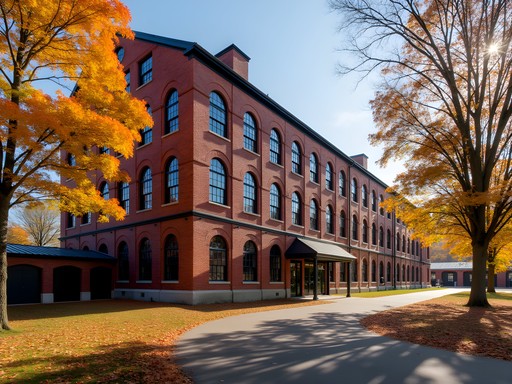
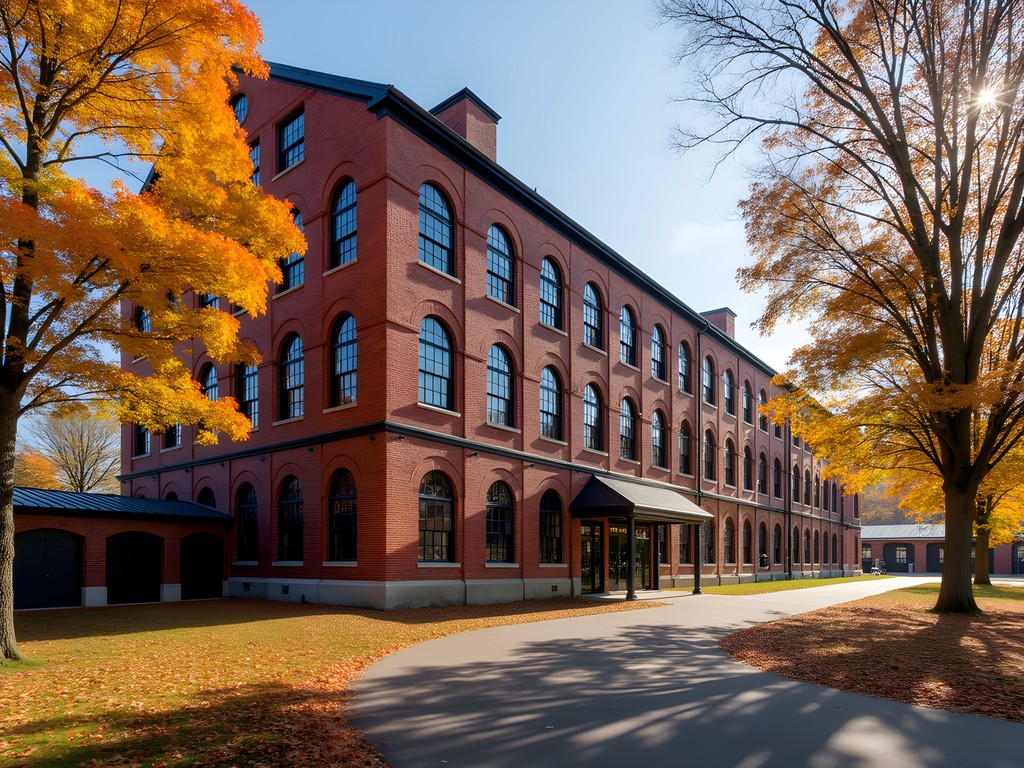
The best place to begin your historical journey is the Museum of Work and Culture, housed in a former textile mill. For just $8 (students $6), you'll get an immersive education in the city's transformation from agrarian society to industrial powerhouse. The museum's recreated mill floor, complete with deafening machinery sounds, gives you a visceral understanding of workers' daily reality.
What struck me most was learning how the Blackstone River—which I'd spotted from my approach into Providence—powered America's industrial revolution. This relatively modest waterway catalyzed manufacturing that changed the nation's economic trajectory. Pilots develop an eye for geographical features that shape human settlement, and Woonsocket exemplifies how natural resources dictate development patterns.
💡 Pro Tips
- Purchase the combined ticket for the Museum of Work and Culture and the Slater Mill Historic Site in nearby Pawtucket for a discount
- Download the free Blackstone River Valley National Heritage Corridor app for self-guided tours
- Visit on weekdays to avoid school groups and have more personal interaction with knowledgeable docents
The Architectural Legacy of Textile Wealth
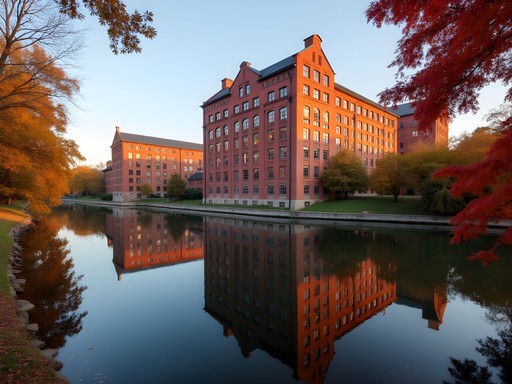
What makes Woonsocket particularly special is how well-preserved its architectural heritage remains. Unlike many post-industrial cities that demolished their mills, Woonsocket maintained much of its historical infrastructure—creating a walkable outdoor museum of 19th and early 20th century industrial architecture.
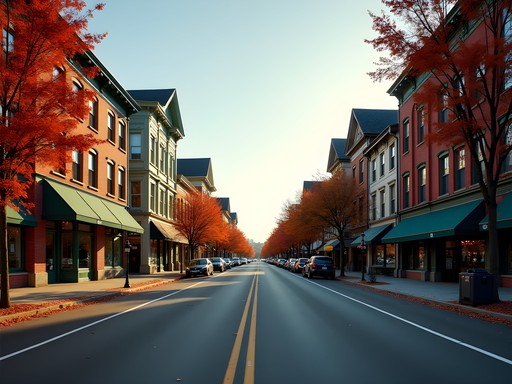
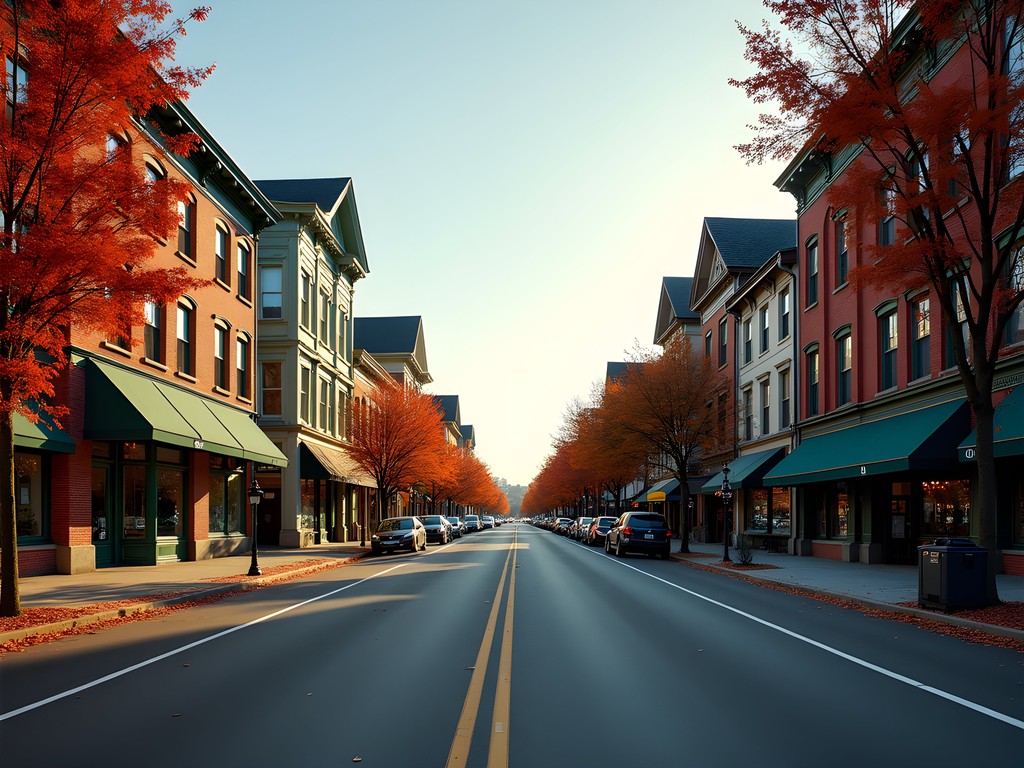
The Main Street Historic District showcases the prosperity that textile manufacturing brought to the city. The Stadium Building and Commercial Block feature ornate facades that would cost millions to replicate today. I spent hours photographing these structures in the golden afternoon light, when the warm tones of the brick practically glow.
Before exploring, I'd recommend picking up a historical walking tour guidebook to help identify architectural details you might otherwise miss. The intricate terracotta work and cast iron elements tell stories of an era when craftsmanship was paramount.
As I wandered these streets with my camera, I couldn't help comparing Woonsocket's pedestrian-friendly layout to European cities. While Venice's car-free design was intentional from the start, Woonsocket's walkability is a happy accident of pre-automobile urban planning—a reminder that sustainable mobility often means rediscovering patterns from our past.
💡 Pro Tips
- Visit the Woonsocket Harris Public Library for free historical maps that show how the city developed around the mills
- The afternoon light (3-5pm in fall) creates the best conditions for architectural photography
- Look up! The most interesting architectural details are often above street level
French-Canadian Heritage: The Cultural Tapestry
What separates Woonsocket from other New England mill towns is its distinctive French-Canadian heritage. By the early 20th century, three-quarters of the city's population claimed French-Canadian ancestry, creating a cultural island within the United States. This heritage remains visible today.
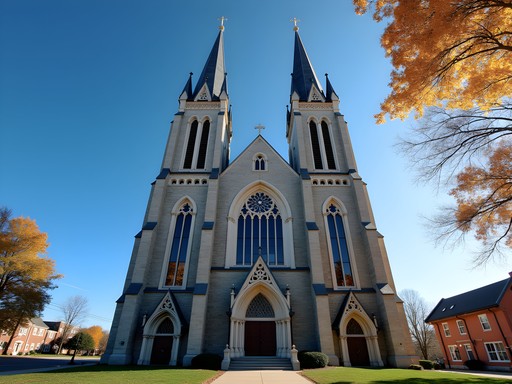
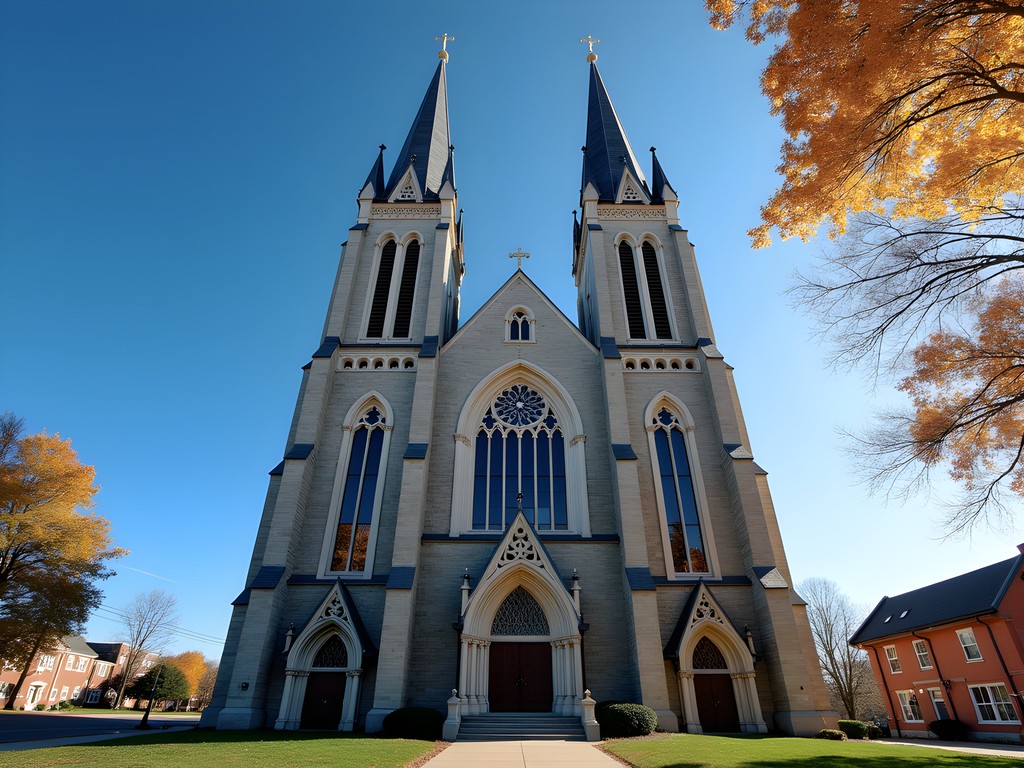
St. Ann's Church dominates the skyline—a massive Roman Catholic structure built with donations from mill workers, many earning just dollars per week. The church's grandeur reflects both deep faith and cultural pride. When I visited, I was fortunate to catch a volunteer organist practicing on the historic pipe organ, the sound reverberating through the cavernous space.
For lunch, I discovered Kay's Restaurant, a local institution serving meat pies and other Québécois-influenced cuisine. The digital translator I carry picked up snippets of Joual (Quebec French) from older patrons—a linguistic reminder of the city's unique heritage.
As someone who's lived abroad, I'm always fascinated by how immigrant communities maintain cultural connections while adapting to new environments. Woonsocket's French-Canadian population created parallel institutions—churches, social clubs, and French-language newspapers—that preserved their identity for generations.
💡 Pro Tips
- Check the schedule for St. Ann Arts and Cultural Center to see the stunning frescoes inside the church
- Visit Chan's Fine Oriental Dining, a unique spot that combines Chinese-American cuisine with live blues music—an only-in-Woonsocket experience
- Look for French language signs throughout the city, remnants of when bilingualism was the norm here

The Blackstone River: Powering Past and Future
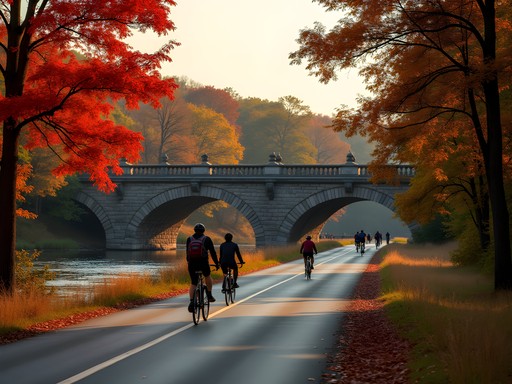
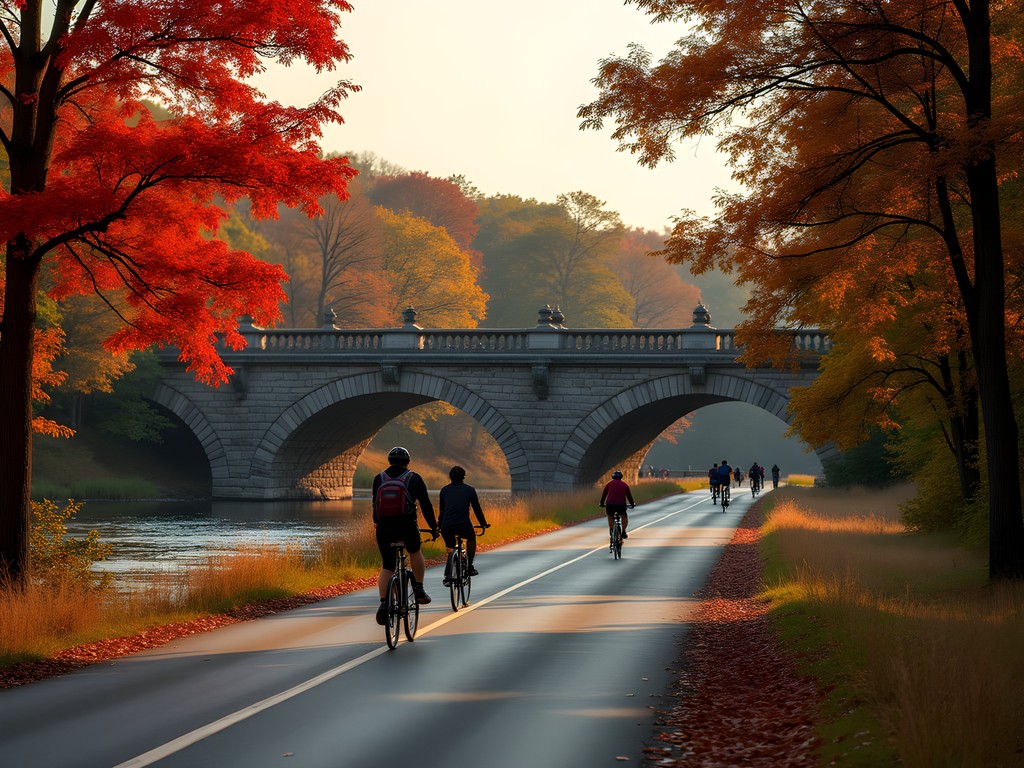
No visit to Woonsocket is complete without exploring the Blackstone River that made the city's industrial development possible. The Blackstone River Bikeway offers a beautiful way to experience this historical waterway while enjoying the fall foliage. As an avid cyclist who's explored bike paths across Europe, I was impressed by this well-maintained trail.
I rented a bike from nearby Blackstone Bicycles and packed my waterproof daypack with essentials for a day of exploration. The path follows the river and old canal towpaths, passing former mill sites and restored wetlands. Information panels along the route explain how the river was harnessed for power before electricity was widely available.
What's particularly striking is witnessing nature's reclamation of former industrial sites. Areas once heavily polluted by textile dyes and manufacturing waste have been restored through environmental remediation efforts. The contrast between historical photos on the information panels and today's recovered ecosystem tells an encouraging story of environmental resilience.
As someone passionate about sustainable transportation, I appreciated seeing how this former industrial corridor has been reimagined as a green transportation route. The bikeway connects communities once linked by commerce in a way that honors the past while creating recreational opportunities for the future.
💡 Pro Tips
- Rent bikes from Blackstone Bicycles in nearby Lincoln (they offer student discounts with ID)
- Pack a reusable water bottle as drinking fountains are limited on the trail
- Download the Blackstone River Bikeway map before setting out as cell service can be spotty in some areas
Budget-Friendly Accommodation and Dining
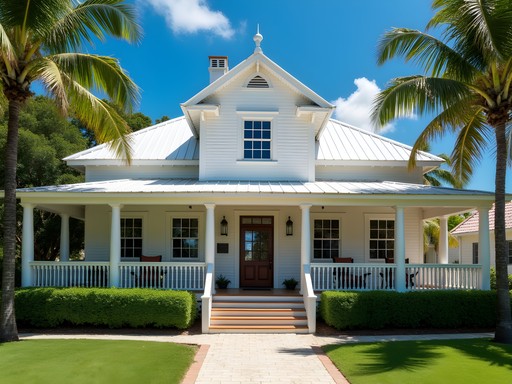
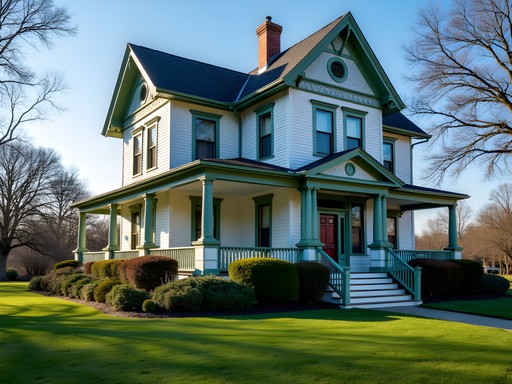
Woonsocket offers excellent value for budget-conscious travelers, especially students. During my weekend visit, I stayed at the Pillsbury House Bed & Breakfast in nearby North Smithfield, a charming Victorian home with rates starting around $85/night—significantly less than Providence hotels just 15 miles south.
For meals, I discovered several affordable options that showcase local flavors. River Falls Restaurant offers hearty New England comfort food at reasonable prices, while New York Hot Wieners serves the regional specialty—small hot dogs with meat sauce, onions, mustard and celery salt—for just a few dollars each. I tracked my spending with my travel expense app and was pleasantly surprised how far my budget stretched.
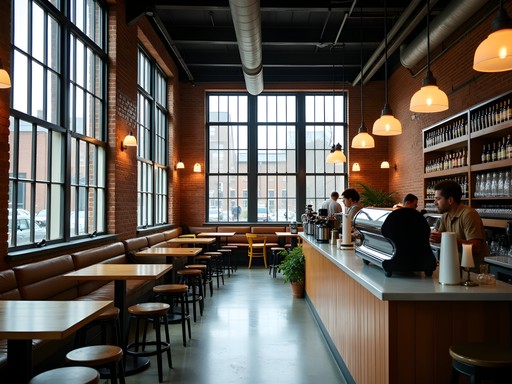
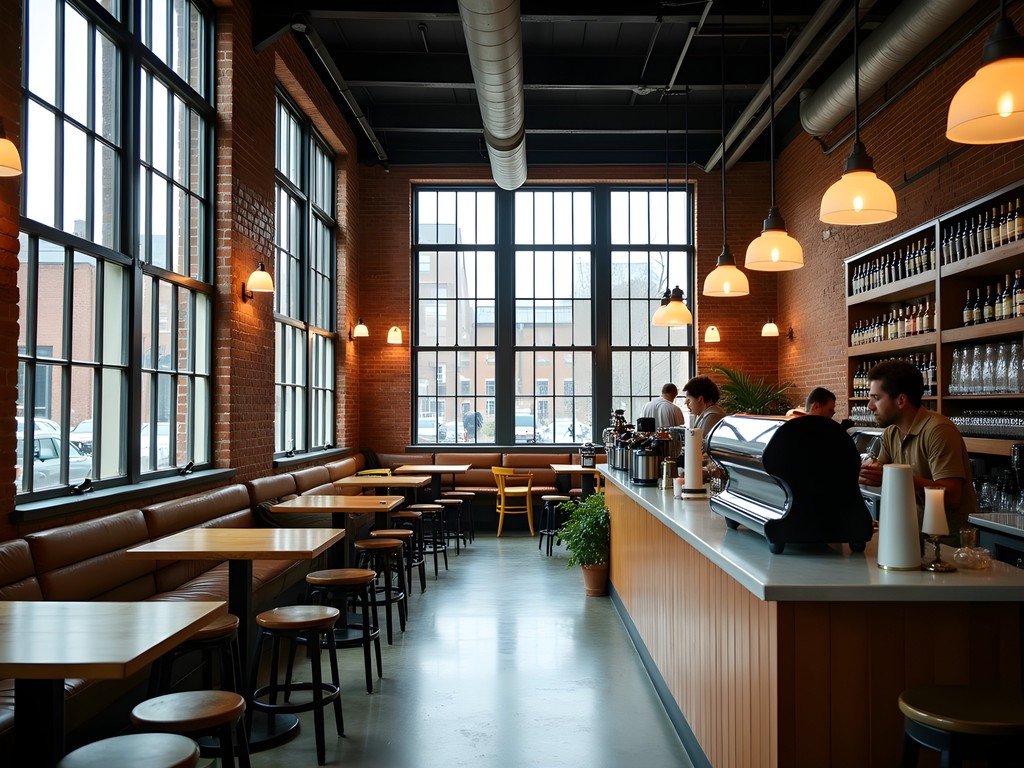
Coffee enthusiasts should visit Beacon Coffee Company, housed in a former mill building. Their pour-over rivals artisanal coffee shops in major cities at half the price. I spent several hours here reviewing my photos and planning my next day's explorations.
One evening, I splurged slightly on dinner at Kay's Restaurant, where the traditional tourtière (meat pie) and poutine offered an authentic taste of French-Canadian cuisine that's increasingly hard to find in the region. The entire meal cost less than an appetizer at many Boston restaurants.
💡 Pro Tips
- The public library offers free Wi-Fi and a quiet place to work if you're combining study with travel
- Many restaurants offer student discounts—always have your ID ready
- Stock up on snacks at Price Rite on Social Street for budget-friendly hiking provisions
Final Thoughts
As my weekend in Woonsocket came to an end, I found myself with a newfound appreciation for this overlooked New England city. From my usual cruising altitude, the small urban footprint of Woonsocket might barely register—just another dot in the constellation of Northeast cities. But at ground level, it offers a remarkably accessible window into America's industrial revolution and the immigrant communities that powered it.
What makes Woonsocket special is how its history remains legible in the landscape—from the rushing Blackstone River that powered the mills to the magnificent churches built by mill workers to the adaptive reuse of industrial buildings. For students of history, architecture, urban planning, or immigration studies, this compact city offers an ideal weekend laboratory.
As I prepared for my flight back to Venice, I couldn't help but draw parallels between these seemingly different cities. Both were shaped by water, built by immigrant labor, and now face the challenge of preserving their heritage while creating sustainable futures. Woonsocket may lack Venice's international fame, but its authentic historical experience and budget-friendly accessibility make it a destination worth your attention—especially when painted in the golden hues of a New England autumn.
✨ Key Takeaways
- Woonsocket offers an accessible, budget-friendly window into America's industrial revolution
- The city's French-Canadian heritage creates a unique cultural landscape not found elsewhere in New England
- Fall provides the perfect combination of comfortable temperatures and stunning foliage for exploring the city's outdoor historical sites
📋 Practical Information
Best Time to Visit
September-October for fall foliage and comfortable temperatures
Budget Estimate
$200-300 for a weekend (accommodation, food, activities)
Recommended Duration
2-3 days
Difficulty Level
Easy



Comments
Hunter Thompson
Just got back from Woonsocket after reading your post, Dennis! The Blackstone River Valley was absolutely stunning this time of year with the fall foliage. I did the riverfront bike trail you mentioned and it was brilliant seeing how the river powered all those mills. I stayed at a small B&B in one of the converted mill buildings which gave the whole experience an authentic feel. One tip for anyone heading there - the guided tour at the Museum of Work & Culture is worth every penny. Our guide had family who worked in the mills and shared personal stories that weren't in any of the exhibits. I used my pocket guide to find some hidden gems in the surrounding area too. The contrast between industrial history and natural beauty was fascinating!
adventurelover
Which B&B did you stay at? Thinking of planning a weekend trip there this spring!
Hunter Thompson
I stayed at The Millworks Inn - it's a bit pricier than chain hotels but the building itself is part of the historical experience. The owners are incredibly knowledgeable about local history too!
moonadventurer
Great post! Could you share more about the French-Canadian heritage sites? My grandparents were from Quebec and I'd love to explore that connection.
Dennis Gutierrez
Absolutely! Don't miss the Museum of Work & Culture - it has excellent exhibits on the French-Canadian immigrant experience. Also, try to catch a mass at St. Ann's Church if you can - the architecture is stunning and many services are still bilingual. The neighborhood around Social Street has some great little bakeries with traditional treats too!
moonadventurer
Thanks so much! Adding these to my itinerary. Can't wait to try those bakeries!
adventurelover
Never thought about visiting Woonsocket before! Your photos of those old mill buildings are amazing.
Hunter Thompson
Right?! I had the same reaction. Those brick factories have such a distinct character you don't see in modern architecture.
adventurelover
Totally. Makes me want to explore more of these overlooked industrial towns in New England!
TravelingGrandma
Love the photos of those Victorian buildings! The architecture is stunning.
HistoryTeacher92
Great post! I teach American industrial history and I'm planning a field trip to New England next spring. Would Woonsocket be appropriate for high school students? Is the Museum of Work & Culture suitable for a group of 25?
Dennis Gutierrez
Absolutely! The museum is perfect for high schoolers studying industrial history. They have educational programs specifically for student groups and can accommodate 25 easily. I'd recommend contacting them in advance to arrange a guided tour - the docents are incredibly knowledgeable about the local history.
RIlocal401
Born and raised in Woonsocket! So nice to see my hometown getting some love. Great write-up!
waveadventurer
Any local spots visitors should check out that might not be in the guidebooks?
RIlocal401
Definitely hit up New York Lunch for wieners (that's what we call hot dogs). It's been around since 1927! And if you're there in August, don't miss the Autumnfest celebration at World War II Memorial Park.
Claire Hawkins
Dennis, your perspective as a pilot really brings a unique angle to travel writing! My husband's grandfather actually worked in one of Woonsocket's textile mills in the 1940s, so this was especially meaningful to read. When we visited last summer with our kids, we stayed at a small B&B near the Blackstone River and used it as a base to explore the whole Blackstone Valley. The kids were fascinated by the old mill machinery at the Museum of Work & Culture - it really brings history alive in a tangible way. I found that using Rhode Island Backroads helped us discover some hidden gems in the area that weren't on the typical tourist maps. Your section about the architectural legacy of the textile wealth was spot on - those Victorian mansions are incredible time capsules!
Dennis Gutierrez
What an amazing personal connection to have, Claire! I'm fascinated by your father-in-law's experience - the human stories behind these industrial cities are what make them so compelling. I'll have to check out that guide for my next visit. Did your kids have a favorite part of the museum?
Claire Hawkins
They loved the interactive weaving displays where they could try their hand at operating simplified looms. It really gave them perspective on how labor-intensive manufacturing used to be compared to today's automation. The recreated tenement house rooms were eye-opening for them too.
waveadventurer
Never thought I'd see a travel blog about Woonsocket! I grew up an hour away and we always drove through it but never stopped. Your section on the French-Canadian heritage was eye-opening - I had no idea about that cultural influence. Definitely adding the Museum of Work & Culture to my list next time I'm visiting family in New England. Did you get a chance to try any local restaurants?
Dennis Gutierrez
Thanks for reading! Yes, I had an amazing meal at River Falls Restaurant - their seafood has that authentic New England quality. The Museum of Work & Culture is definitely worth the stop - plan for at least 2 hours there!
waveadventurer
Perfect, adding that restaurant to my list too. Thanks!
NE_explorer
Love seeing smaller cities get the spotlight! Great photos of the architecture.
roadtripper_mom
Would this be interesting for kids (10 & 12)? Or too history-heavy?
Dennis Gutierrez
My friend's kids loved the interactive exhibits at the Museum of Work & Culture - they get to experience what child labor was like in the mills. There's also River Island Art Park with outdoor sculptures. Mix that with some hiking along the river and you've got a good balance!
roadtripper_mom
Perfect! That sounds like a great mix. Thanks!
Venture X
Premium card with 2X miles, $300 travel credit, Priority Pass