
Disclosure: This article contains affiliate links. We may earn a commission from purchases at no extra cost to you, which helps our travel content.
Shanghai unfolds like a complex origami creation – layers upon layers that reveal themselves only to those patient enough to look beyond the obvious folds. The city's gleaming skyscrapers and colonial-era Bund promenade are merely the cover of a much richer story. During my recent autumn residency with a local art collective, I discovered that the most authentic Shanghai exists in the spaces between tourist attractions – in narrow longtangs (alleyways), neighborhood wet markets, and repurposed industrial spaces where the city's creative pulse truly beats. These 12 local secrets have transformed my understanding of this magnificent metropolis, and I hope they'll do the same for you.

The Forgotten Longtangs of Tianzifang
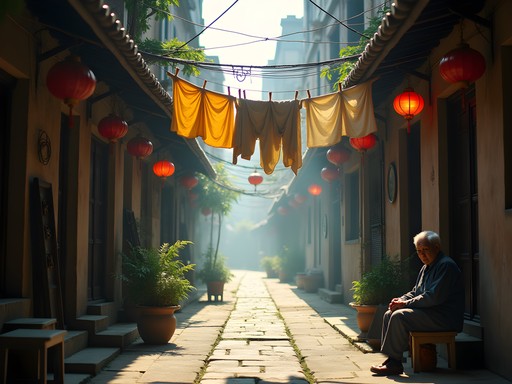
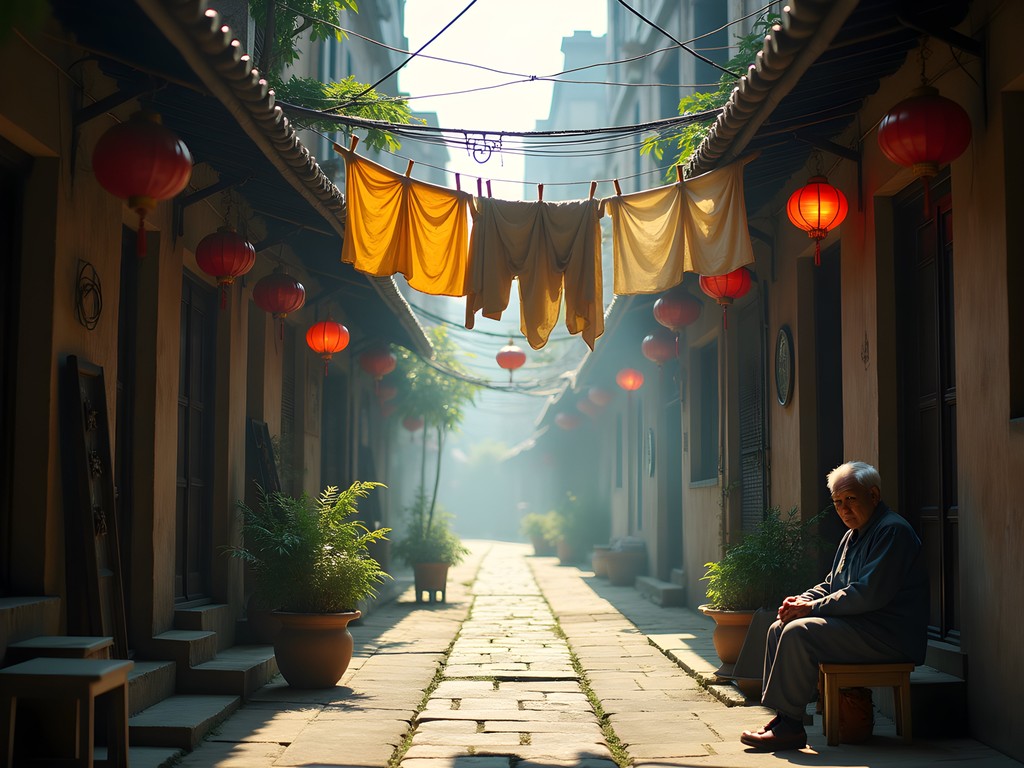
While tourists flock to the commercialized sections of Tianzifang, few venture beyond the first few alleyways. The true magic happens when you deliberately get lost. Wander past the third row of shops where the narrow passages transform into genuine residential areas where locals still hang laundry across alleyways and elderly neighbors play mahjong in tiny courtyards.
On my third morning in Shanghai, I found myself sketching the interplay of shadow and light in a quiet corner where a grandfather taught his grandson to write characters with water and a large brush on the stone pavement. They invited me to try, laughing gently at my clumsy attempts. The boy eventually handed me his water brush pen, which I later purchased as one of my most cherished souvenirs.
The deeper sections of Tianzifang reveal tiny artist studios and workshops that most tourists never discover. I stumbled upon Mr. Zhu's paper-cutting studio, where this third-generation artist creates intricate designs using nothing but tiny scissors and remarkable patience. What stories might you uncover in these forgotten passages?
💡 Pro Tips
- Visit on weekday mornings when local life is most vibrant and tourist numbers are lowest
- Look for unmarked wooden doors – some lead to hidden courtyards or workshops
- Bring small denominations of yuan for impromptu purchases from local artisans
Wet Markets: The True Culinary Soul of Shanghai
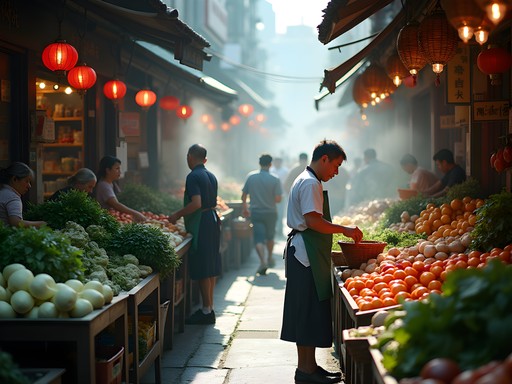
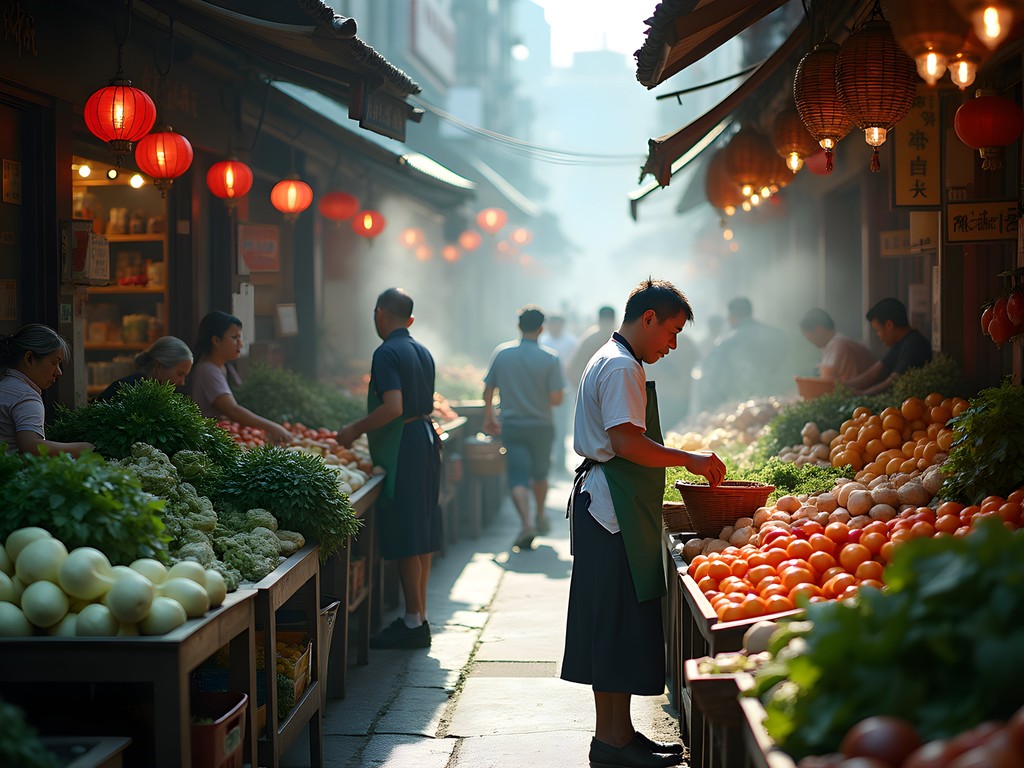
Forget sanitized food halls – Shanghai's neighborhood wet markets are where culinary authenticity thrives. My favorite is Tongchuan Road Market in Putuo District, where I spent hours documenting the vibrant displays for a series of watercolors. Unlike markets positioned near tourist areas, Tongchuan serves primarily locals, with vendors who have maintained the same stalls for generations.
The sensory experience is overwhelming in the most magnificent way – the percussion of cleavers against wooden blocks, vendors calling out prices, the rainbow array of unfamiliar vegetables, and tanks of still-swimming fish. I became particularly fascinated with the mushroom vendors, who display varieties I'd never encountered in Western markets – delicate white enoki arranged like floral bouquets and enormous king oyster mushrooms thick as a child's arm.
On my second visit, I brought my pocket translator, which transformed my experience by allowing me to ask vendors about unfamiliar ingredients and cooking methods. This technological bridge led to an impromptu cooking lesson from an elderly woman who showed me how to properly prepare Shanghai bok choy with nothing but ginger, salt, and a flash-heating technique that preserves its emerald color.
💡 Pro Tips
- Visit between 7-9am for the freshest selection and most authentic atmosphere
- Bring your own shopping bag and small denominations of cash
- Point and smile if you don't speak Mandarin – most vendors are accustomed to communicating through gestures
M50: Beyond the Main Galleries
The M50 art district appears in guidebooks, but most visitors only scratch the surface, sticking to the main galleries along the central pathway. The district's true creative heart beats in the back buildings and upper floors, where emerging artists maintain studios that double as exhibition spaces.
During my residency, local artist Wei Zhang introduced me to Building 4's third floor, where a collective of young ceramic artists has transformed former factory spaces into experimental studios. Here, traditional Chinese pottery techniques merge with contemporary concepts, resulting in works you won't find in the commercial galleries downstairs.
In one particularly memorable studio, I watched artist Lin Mei create ink paintings using a traditional inkstone that had belonged to her grandfather. The ritual of grinding the ink stick against the stone, adding water drop by drop, created a meditative atmosphere that influenced my own artistic practice profoundly. Lin explained that while many contemporary artists use bottled ink for convenience, the traditional preparation method connects her to generations of artists before her.
Most remarkable was discovering Building 6's rooftop sculpture garden – an unauthorized installation created by resident artists that offers both striking contemporary art and panoramic views of Shanghai's industrial heritage landscape. The contrast between rusting factory infrastructure and gleaming distant skyscrapers creates a visual metaphor for Shanghai itself.

💡 Pro Tips
- Visit on Tuesday afternoons when many artists are working in their studios and willing to chat
- Don't be shy about knocking on partially open studio doors – most artists welcome respectful visitors
- Look for the unmarked stairwell near Building 4's north entrance to access the upper floor studios

The Secret Breakfast Clubs of Former French Concession
Shanghai's breakfast culture reveals itself to early risers, particularly in the tree-lined streets of the Former French Concession. While tourists sleep in their hotels, locals queue at tiny storefronts that often close by 9am. These establishments specialize in just one or two breakfast items, perfected over decades.
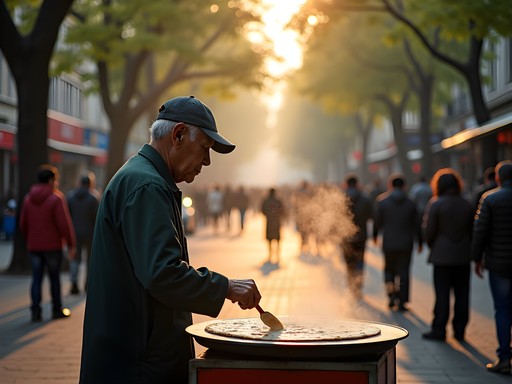
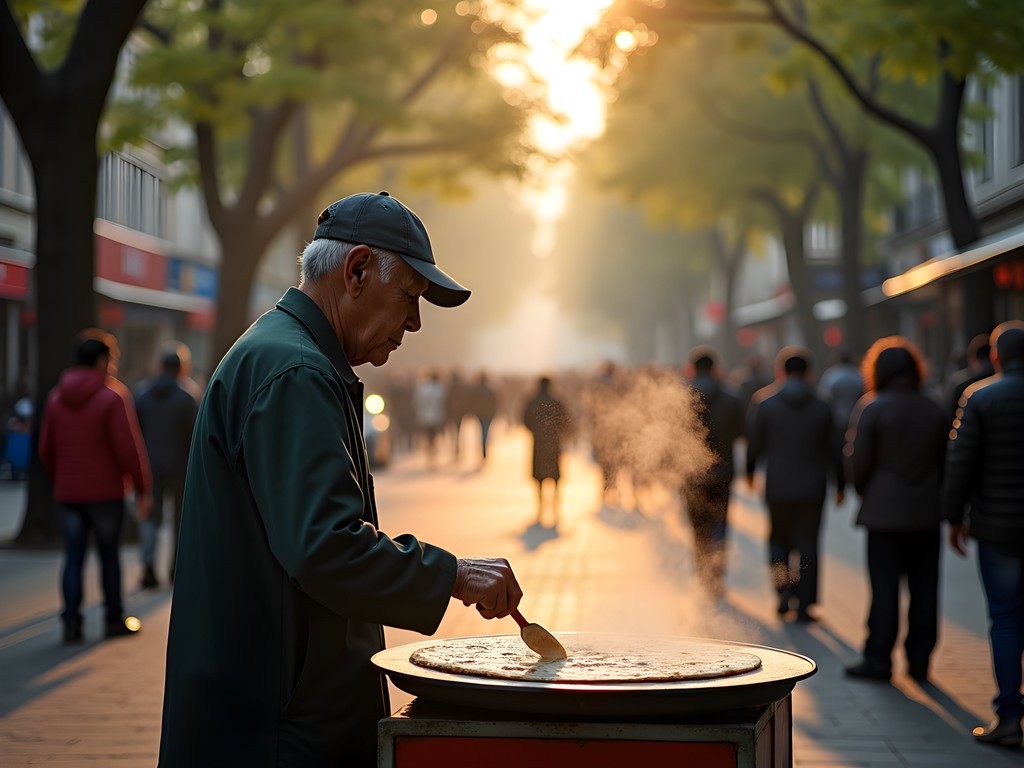
My morning ritual became visiting Wujiang Road before dawn, where Mr. Wu has been making jianbing (savory crepes) from the same cart for over 30 years. His technique – spreading batter in a perfect circle, cracking an egg with one hand while flipping the crepe with the other, adding crispy wonton crackers and sweet bean sauce – is performance art worthy of documentation.
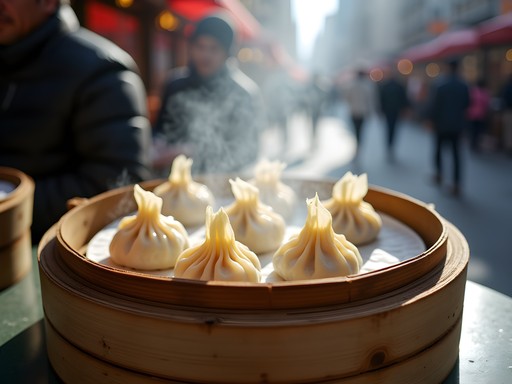
Nearby, I discovered Da Hu Chun, where locals line up for shengjianbao – pan-fried soup dumplings that demand a specific eating technique to avoid burning yourself with the scalding interior broth. After several messy attempts, an elderly woman demonstrated the proper method: nibble a small hole, sip the soup, then consume the dumpling.
On particularly chilly mornings, I'd bring my insulated travel mug for hot soy milk from a tiny shop where the same family has been grinding fresh soybeans daily since 1958. The proprietor eventually recognized me, proudly showing me photos of his father operating the original stone grinder that they've since replaced with a modern machine while maintaining the traditional recipe.
💡 Pro Tips
- Arrive before 7am to avoid disappointment – many places sell out quickly
- Bring small bills as most vendors don't accept cards or WeChat Pay from foreign visitors
- Learn the basic names of common breakfast items in Mandarin or save them in your phone to show vendors
Disappearing Water Towns Within City Limits
While tourists flock to Zhujiajiao or Qibao water towns, few discover the fragments of water towns that still exist within Shanghai proper. These overlooked pockets offer glimpses into Shanghai's past as a water village before its metropolitan rise.
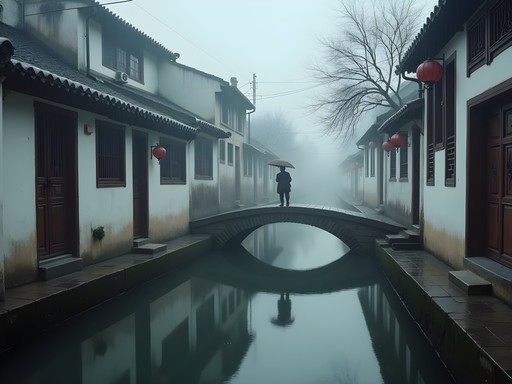
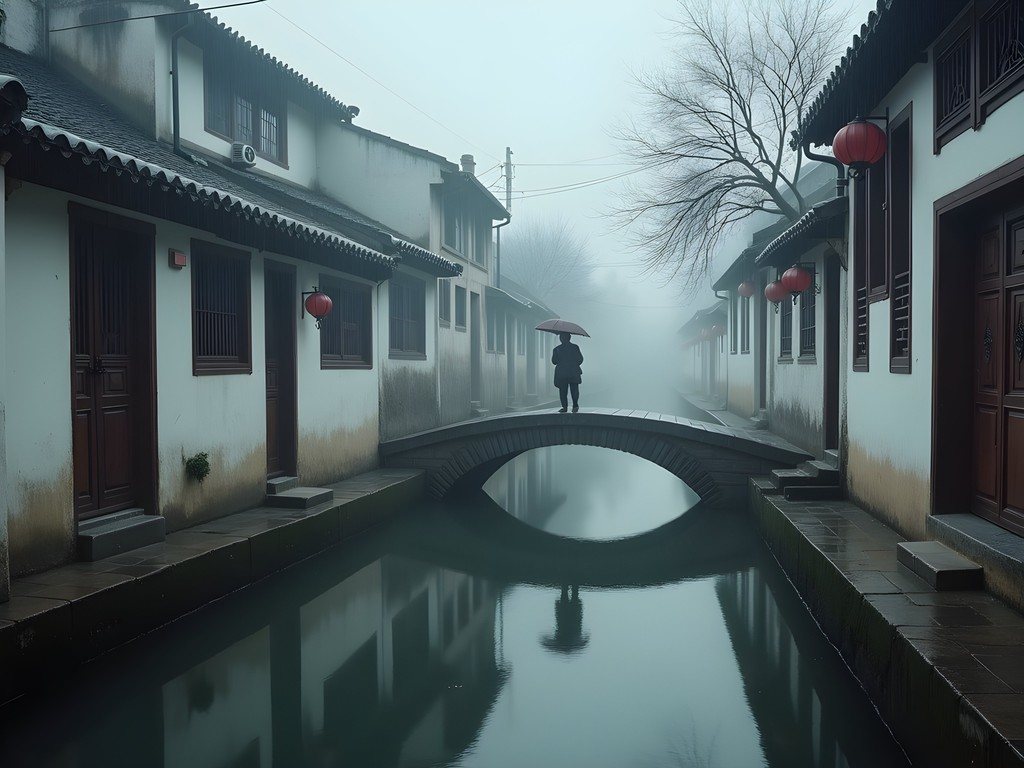
In northeastern Hongkou District, I stumbled upon Miyun Road – a narrow canal lined with whitewashed houses and stone bridges that feels transported from another century. Unlike the commercialized water towns, this area remains primarily residential, with elderly residents practicing tai chi along the waterway each morning and fishermen still casting nets from tiny wooden boats.
I spent several afternoons here sketching the reflections in the canal and the contrast between traditional architecture and looming modern developments nearby. One rainy afternoon, I sheltered under a stone bridge and was invited into a local home where three generations lived together in a traditional shikumen house. The grandmother insisted I try her homemade rice wine while showing me family photographs dating back to the 1930s.
On my final visit, I brought my waterproof notebook which proved invaluable when an unexpected shower began while I was documenting the unique architectural details of a riverside temple. The ability to continue working despite the weather allowed me to capture the magical quality of the rain-slicked stone and mist rising from the canal.
💡 Pro Tips
- Visit Miyun Road early morning or late afternoon when local life is most vibrant
- Bring a small gift (fruit is appropriate) if invited into homes
- Respect privacy – these are residential areas, not tourist attractions
Rooftop Gardens and Hidden Green Spaces
Shanghai's density conceals surprising pockets of greenery – often several stories above street level. While the city appears to be a concrete jungle from below, a network of rooftop gardens and elevated green spaces exists for those who know where to look.
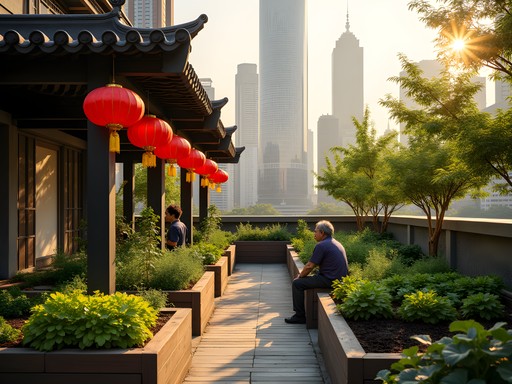
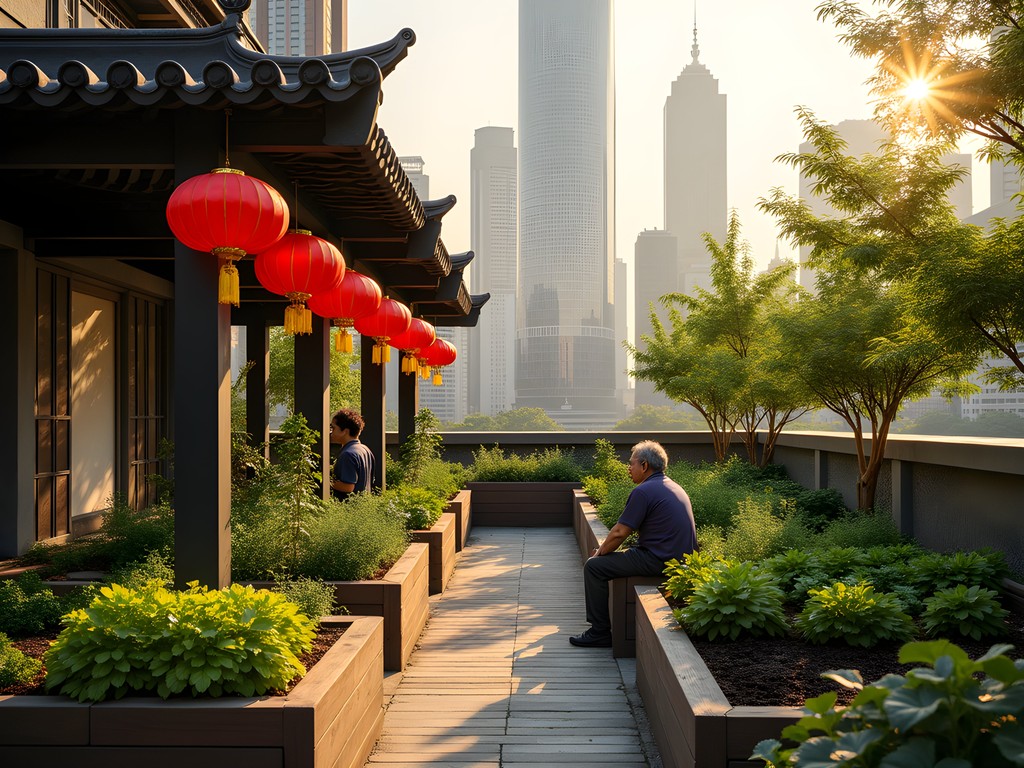
My favorite discovery was the community garden atop the Jing'an Temple metro station exit building. This thriving space, maintained by local residents, features traditional Chinese medicinal herbs alongside vegetables and flowers. I accessed it through an unmarked door beside a noodle shop, climbing five flights of stairs to emerge into this unexpected oasis where elderly residents tend their plots with meticulous care.
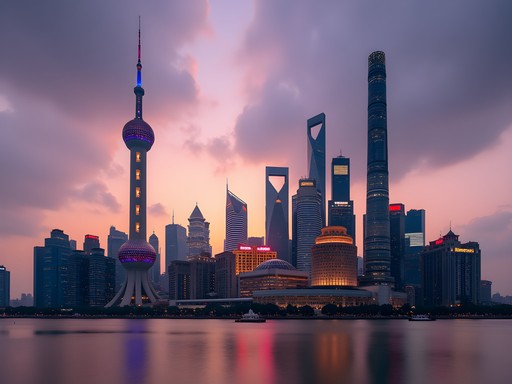
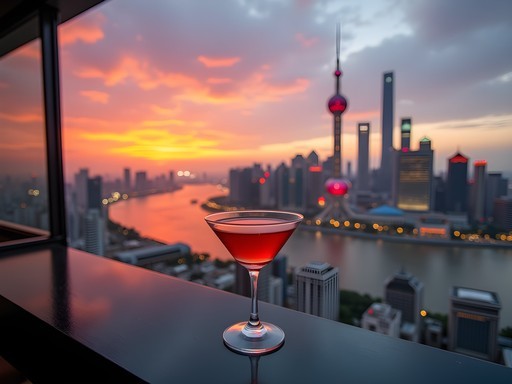
Another hidden gem is the bamboo garden tucked behind the skyscrapers of Lujiazui financial district. This contemplative space, complete with a small waterfall and stone seating areas, was created as part of a sustainable building initiative but remains unknown to most visitors who stick to the nearby Oriental Pearl Tower.
During my explorations, I carried my plant identification app which helped me identify unfamiliar species and learn about traditional Chinese garden design principles. The app recognized several rare varieties of bamboo in the Lujiazui garden, including one typically found only in remote mountain regions – a deliberate choice by the garden's designer to bring rural elements into the urban environment.
💡 Pro Tips
- Look for unmarked doors near metro station exits – many lead to rooftop gardens
- Visit early morning to see local residents practicing tai chi in these elevated green spaces
- Bring a small offering of seeds or plants if you wish to connect with the community gardeners
Final Thoughts
Shanghai reveals itself slowly, like a traditional Chinese painting where meaning emerges not from what is depicted, but from the spaces between. These 12 hidden corners represent the Shanghai I've come to love – a city of contradictions and quiet moments of beauty amid the metropolitan rush. The most authentic experiences often happen when we step away from the predetermined path, when we allow ourselves to get temporarily lost in the layers of a city's true identity.
As I pack my sketchbooks filled with Shanghai's hidden moments, I'm reminded that the true privilege of travel isn't in checking landmarks off a list, but in these fleeting connections with local life – a shared smile with the jianbing vendor, the afternoon light filtering through century-old plane trees in a forgotten longtang, or the unexpected invitation to share tea in a rooftop garden.
What hidden corners might you discover in Shanghai? The city waits, with its secrets held close but not impossibly tight, for those willing to look beyond the obvious and venture into the spaces between.
✨ Key Takeaways
- Shanghai's authentic character exists in the spaces between tourist attractions – in neighborhood markets, hidden alleyways, and rooftop gardens
- Morning hours reveal a different city – from breakfast vendors to community tai chi practice in unexpected green spaces
- The most memorable experiences often come from respectful engagement with local residents rather than tourist attractions
📋 Practical Information
Best Time to Visit
September-November (fall)
Budget Estimate
$75-150/day excluding accommodation
Recommended Duration
7-10 days
Difficulty Level
Intermediate

Comments
freebuddy
Just got back from Shanghai and can confirm M50 is amazing! Don't miss the smaller galleries in the back buildings. We found an incredible photography exhibit that wasn't mentioned in any guidebook.
Adam Nichols
Excellent write-up that captures Shanghai's dual nature perfectly. I've been documenting the disappearing longtangs for years, and Tianzifang is a fascinating case study in preservation versus commercialization. While the main streets have become quite touristy, the back alleys Alexander mentions still maintain authentic character. For serious photographers, I recommend visiting between 7-9am when locals are starting their day - the light is magical and you'll see genuine community life before the shops open. The contrast between these neighborhoods and the futuristic Pudong skyline just kilometers away makes Shanghai one of the most fascinating urban landscapes in Asia. I'd add Yuyuan Old Street (not the garden, but the surrounding area) to this list - go two streets back from the main tourist path and you'll find workshops where artisans still practice traditional crafts.
freebuddy
Do you need to speak Chinese to navigate these areas? I'm planning a trip but worried about the language barrier.
Adam Nichols
You'll be fine with English in most places, especially with a good translation app. I use Pleco which works offline. Most young Shanghainese speak basic English, and honestly, half the fun is the non-verbal communication!
vacationone
Which wet market would you recommend for someone who doesn't speak any Chinese? A bit nervous about that part!
John Hart
Try Jinxian Road market. Several vendors there are used to foreigners and some have basic English. Just smile, point, and have your phone ready to show prices. It's part of the adventure!
vacationone
Thanks! That makes me feel better about trying it.
oceanbackpacker
Love this! The tourist traps in Shanghai were so boring compared to these hidden gems.
smartzone
Going to Shanghai in February! How do you get to those breakfast clubs in the French Concession? Are they expensive?
moonvibes
Not the author but I went to one called Fu He Hui last year. It's not super cheap but absolutely worth it for the experience. Around 120 yuan for an amazing breakfast. Look for the places with lines of locals!
Jose McDonald
The wet markets are absolutely the real deal! I spent a week in Shanghai last summer and the Tangjiawan Market blew my mind. The sounds, the smells, the ENERGY! So different from the sanitized tourist spots. One tip though - go early (like 6-7am) when locals are doing their shopping. The vendors are super friendly if you show genuine interest, even with the language barrier. I ended up buying ingredients I couldn't identify and a sweet old lady helped me figure out how to cook them back at my hostel!
starace
Did you feel comfortable taking photos there? I always worry about being disrespectful.
Jose McDonald
Great question! I always asked first with gestures - point to my camera then to them with a questioning look. Most were fine with it, some said no, which I respected. Just don't be that tourist blocking business while taking 100 photos!
skyone
Those longtangs sound amazing! Definitely adding this to my bucket list.
Charlotte Watkins
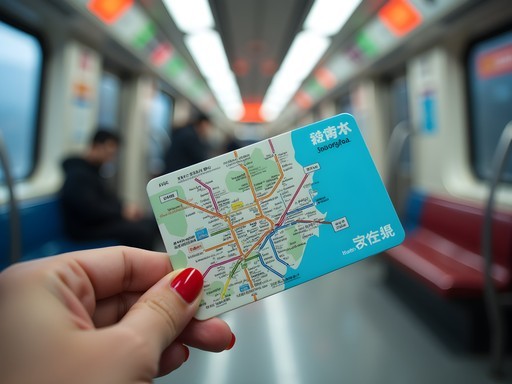
What a fantastic post! We just returned from taking our grandchildren (ages 12 and 14) to Shanghai, and I wish we'd had this guide beforehand. The longtangs were actually a highlight for the kids - they loved the maze-like alleys and glimpses into real Shanghai life. One tip for families: we found the Shanghai Pocket Guide invaluable for navigating the metro system, which is incredibly efficient once you figure it out. Alexander, your description of Shanghai unfolding like origami is spot on. Even with teenagers in tow, we discovered that slowing down and wandering without an agenda revealed the most memorable moments.
coollife
If you're heading to those breakfast clubs in the French Concession, get the scallion pancakes at Xiaoyang Shengjian. Been going there for years and it's still the best in the city. Cash only and be prepared to point at what you want!
wildperson5630
Just got back from Shanghai and wish I'd seen this sooner! The M50 galleries were amazing though.
coollife
Did you check out Studio #318 at M50? That hidden installation in the back room blew my mind.
wildperson5630
No! Totally missed that one. Guess I'll need to go back!
Venture X
Premium card with 2X miles, $300 travel credit, Priority Pass