
Disclosure: This article contains affiliate links. We may earn a commission from purchases at no extra cost to you, which helps our travel content.
As someone who typically spends more time analyzing pyroclastic flows than poolside cocktail menus, my recent excursion to Frederiksted and the broader St. Croix landscape offered a fascinating juxtaposition of geological intrigue and unabashed luxury. While the US Virgin Islands might not boast active volcanoes like my usual research destinations, their volcanic origins have created a topographical paradise worth scientific appreciation—preferably with a glass of aged rum in hand and ocean views stretching to the horizon.

The Geological Marvel Beneath Paradise
St. Croix presents a fascinating geological narrative often overlooked by typical tourists. Unlike its neighboring Virgin Islands, which emerged from volcanic activity, St. Croix was formed primarily through tectonic uplift of marine sedimentary rocks. This distinction is immediately apparent in the island's more varied topography—rolling hills rather than dramatic volcanic peaks.
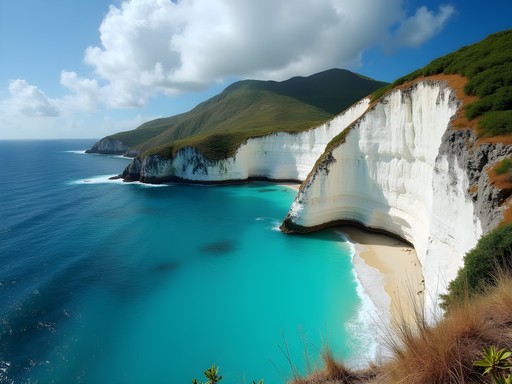
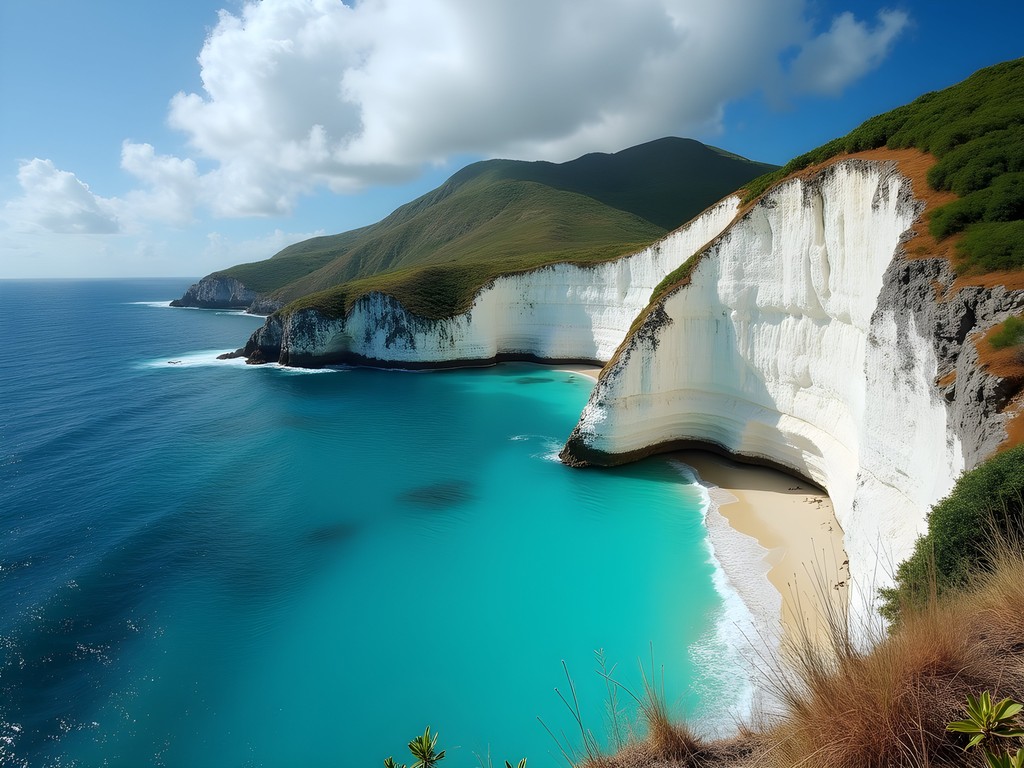
During my exploration, I spent a morning examining the limestone formations along the north shore, where ancient coral reefs have been thrust upward through geological processes dating back millions of years. The East End Marine Park offers particularly excellent exposures of these formations, and I'd recommend bringing a quality waterproof field notebook if you're inclined toward amateur geological observation.
The island's position along the Puerto Rican Trench—the deepest point in the Atlantic Ocean at over 8,600 meters—adds another dimension of tectonic interest. This proximity to significant fault lines explains the occasional seismic activity in the region, though major events are rare.
💡 Pro Tips
- Visit the Salt River Bay National Historical Park for excellent examples of uplifted reef structures
- The limestone cliffs near Point Udall showcase visible stratification layers worth examining
- Consider hiring a local guide with geological knowledge for deeper insights into the island's formation
Frederiksted's Renaissance: Luxury Amid Historical Charm
Frederiksted, often overshadowed by its more commercially developed counterpart Christiansted, offers a refined authenticity that discerning travelers will appreciate. The town's Danish colonial architecture provides a striking backdrop for what has become a burgeoning luxury destination.
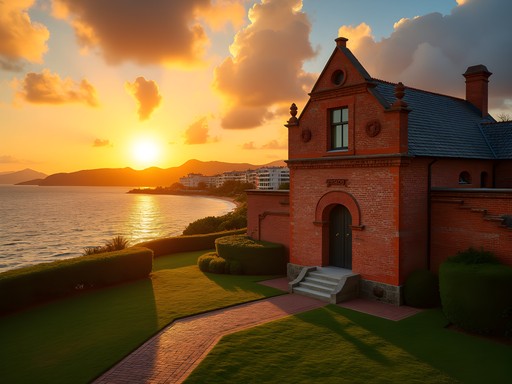
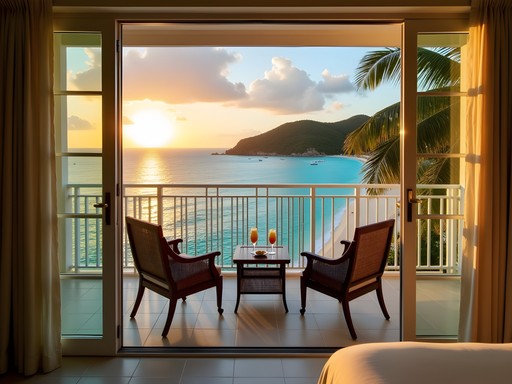
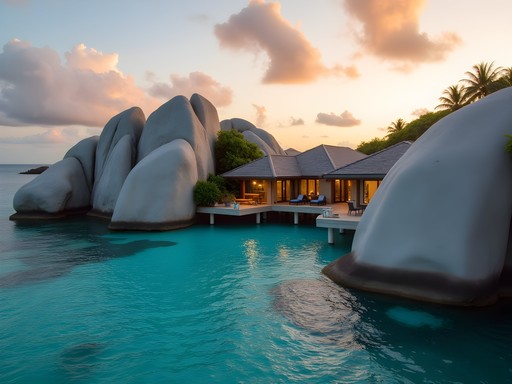
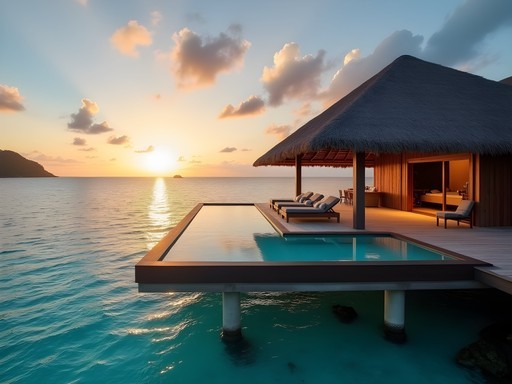
I based myself at the recently renovated Sand Castle on the Beach, where beachfront suites offer uninterrupted views of the Caribbean's characteristic azure waters. The property strikes that elusive balance between luxury amenities and authentic island character—something increasingly rare in the homogenized world of high-end travel.
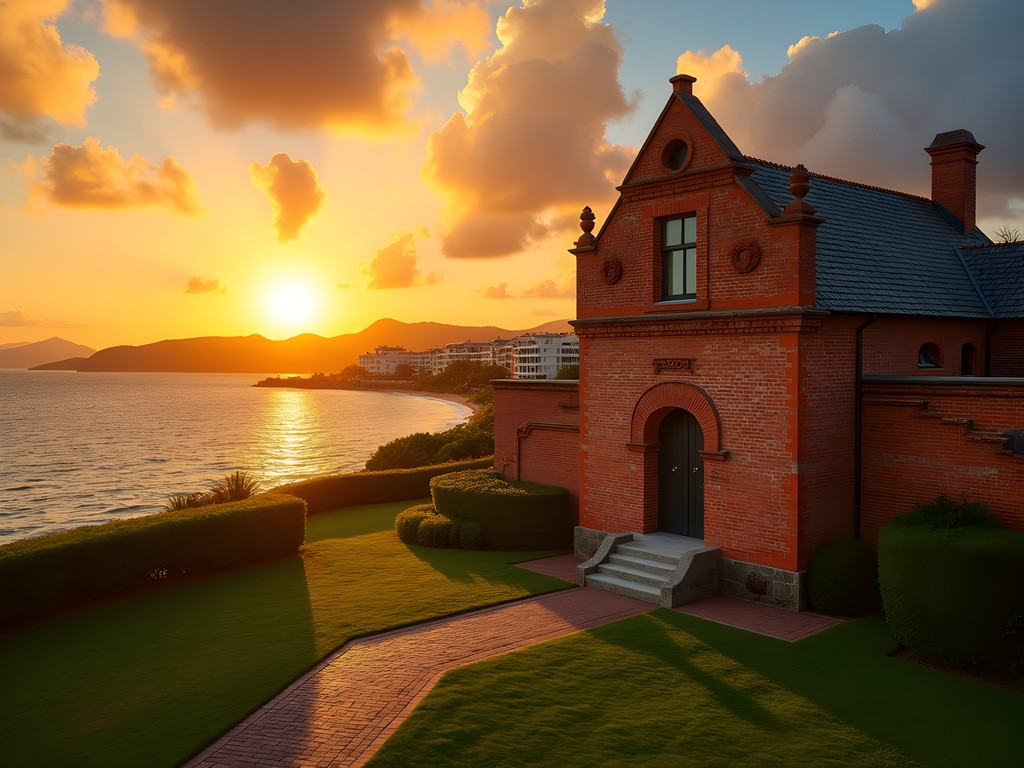
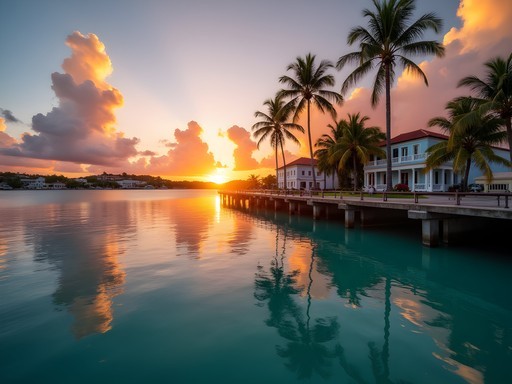
The town itself retains a distinctly West Indian atmosphere, with Fort Frederik's rust-colored walls standing sentinel over the waterfront promenade. Unlike the more tourist-oriented parts of the Caribbean, Frederiksted's charm lies in its unhurried authenticity. Even during cruise ship days, when the pier welcomes visitors, the town never feels overwhelmed.
For dining, I found myself repeatedly drawn to La Reine Chicken Shack—an unexpected recommendation from a luxury travel piece, perhaps, but their slow-roasted meats and traditional sides offer a master class in Caribbean culinary traditions that no white-tablecloth establishment could match.
💡 Pro Tips
- Request an upper-floor room at beachfront properties for the best sunset views over the Caribbean
- Visit Fort Frederik during early morning hours when cruise ships aren't in port for a more intimate historical experience
- Consider renting a private villa in the hills above Frederiksted for ultimate privacy combined with panoramic views
Underwater Wonders: The Geological Perspective
While terrestrial geology captivates my professional interest, St. Croix's underwater landscape offers equally compelling scientific observations—with the added benefit of world-class diving conditions. The island sits on its own separate submarine plateau, isolated from the Puerto Rico-Virgin Islands platform by the deep Virgin Islands Trough.
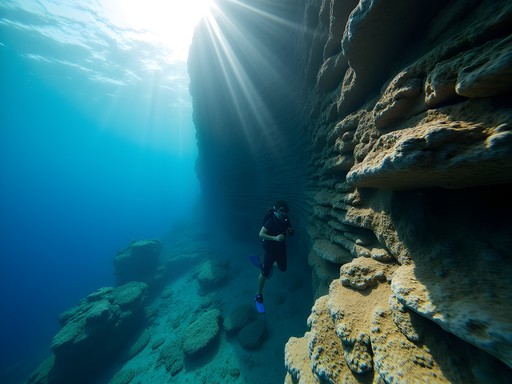
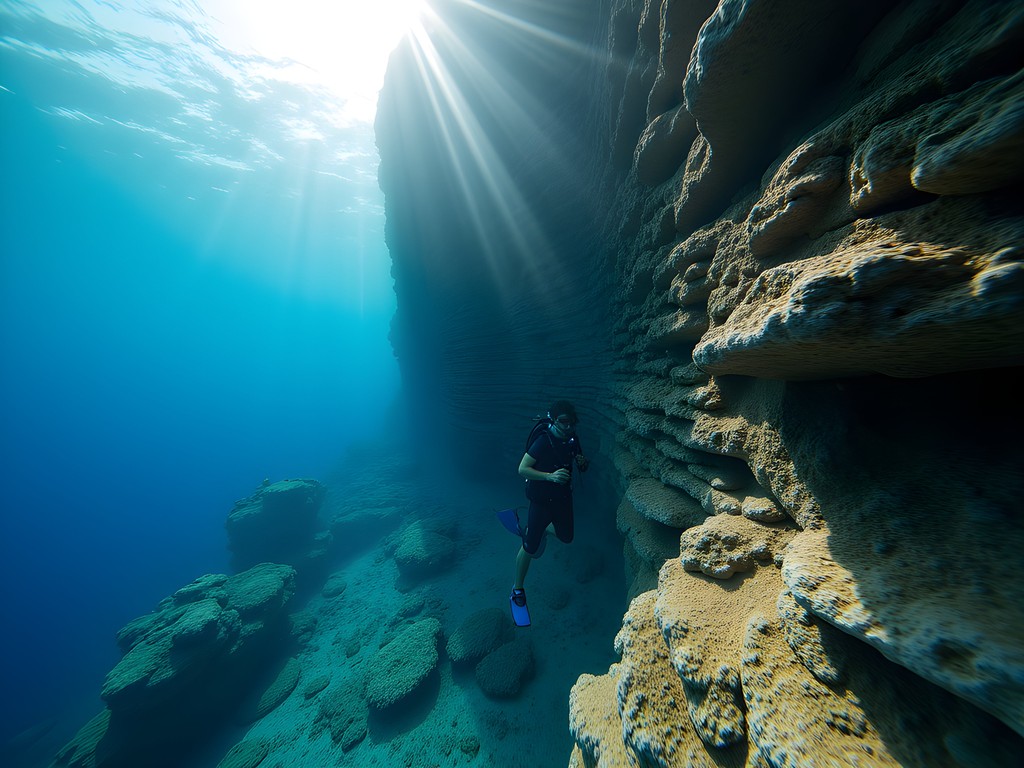
This geological isolation has contributed to unique marine ecosystems, particularly evident at Cane Bay Wall—a spectacular underwater cliff that plunges from shallow reef to abyssal depths. The wall follows a fault line where tectonic forces have created a dramatic underwater escarpment. For serious underwater exploration, I relied on my dive computer, which proved invaluable for tracking multiple deep dives while monitoring decompression limits.
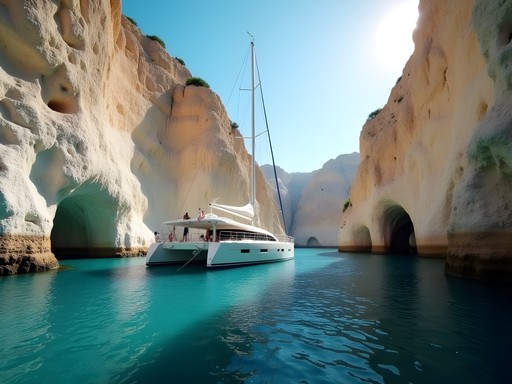
But luxury travelers needn't be certified divers to appreciate these underwater marvels. I arranged a private snorkeling charter through my resort that included a marine biologist guide who provided scientific context to the vibrant reef systems. For photography enthusiasts, I'd recommend the underwater smartphone housing which allowed me to capture remarkable underwater imagery without investing in dedicated underwater camera equipment.
💡 Pro Tips
- Book private charters rather than group excursions for personalized underwater exploration
- Request specialized guides with scientific backgrounds for more educational experiences
- Visit Buck Island Reef National Monument for a combination of pristine beaches and protected coral reef systems

Elevating Island Cuisine: A Volcanologist's Palate
My academic pursuits have taken me across the global volcanic belt, from Sicily to Japan, regions coincidentally renowned for their culinary traditions. This gastronomic education has made me something of a food enthusiast, and St. Croix's dining scene proved unexpectedly sophisticated.
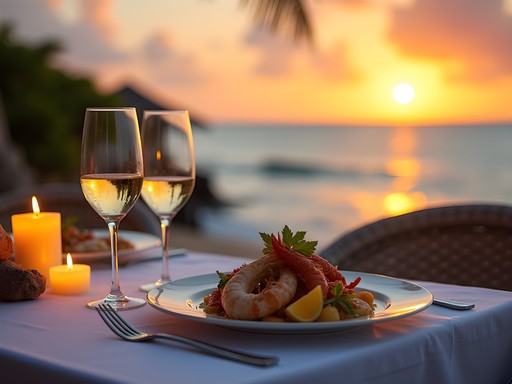
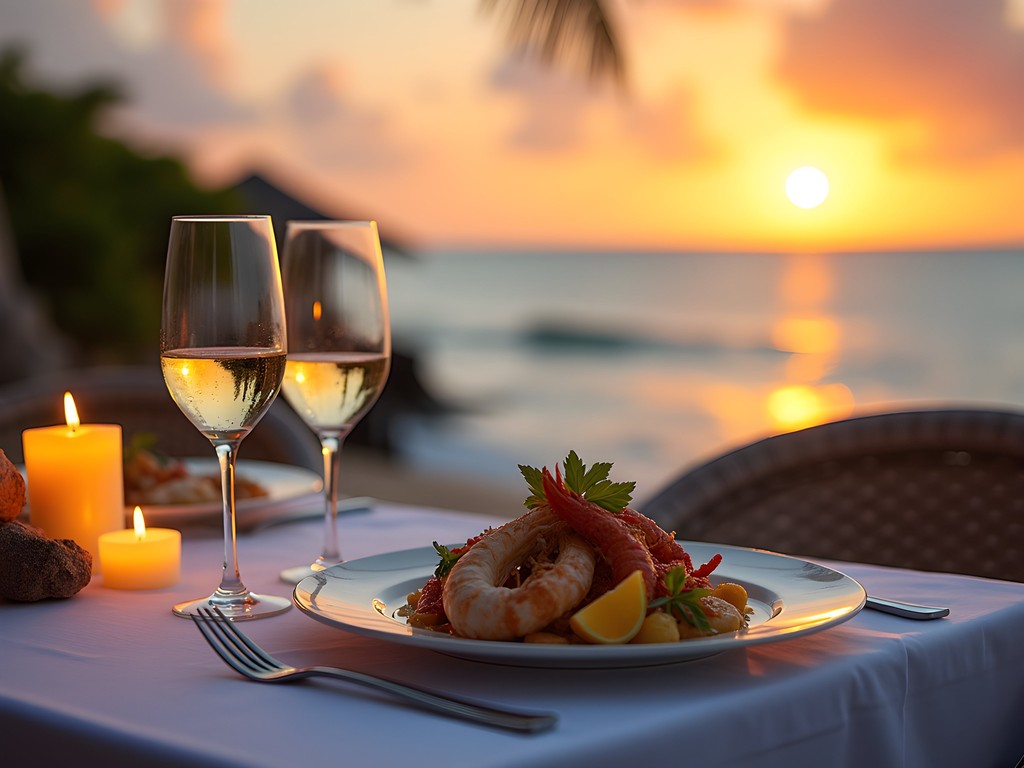
The island's agricultural richness—a direct benefit of its volcanic soil legacy—supports farm-to-table dining that rivals major metropolitan destinations. At Savant in Christiansted, I enjoyed a remarkable fusion of Caribbean ingredients and European techniques, accompanied by an impressive wine selection housed in their temperature-controlled cellar. For special occasions, I recommend bringing a wine preserver to your dining experiences, as many restaurants will accommodate guests who wish to preserve partially consumed bottles from their premium wine selections.
For a more intimate experience, I arranged a private chef service through my villa rental, featuring a customized tasting menu highlighting local ingredients like fresh-caught mahi-mahi and west end mangoes. The chef incorporated my interest in volcanic soils by explaining how the island's agricultural microregions influence flavor profiles in local produce—a fascinating intersection of geology and gastronomy.
💡 Pro Tips
- Request special wine pairings highlighting volcanic soil regions when dining at upscale restaurants
- Book the chef's table at Braata in Frederiksted for an interactive culinary experience
- Visit the agricultural fair if your visit coincides with the event—it showcases the island's impressive agricultural diversity
Beyond Beaches: Cultural Immersion with Scientific Context
While St. Croix's pristine beaches initially draw visitors, the island's cultural depth provides intellectual sustenance beyond typical resort experiences. The historical layers—indigenous Taíno, Danish colonial, African heritage, and American influence—create a cultural stratigraphy as complex as any geological cross-section I've studied.
I particularly appreciated Estate Whim Museum, a preserved sugar plantation that offers thoughtful examination of the island's complex colonial history. For a deeper understanding before visiting, I found the historical context book provided valuable background on the island's pivotal role in Caribbean history.
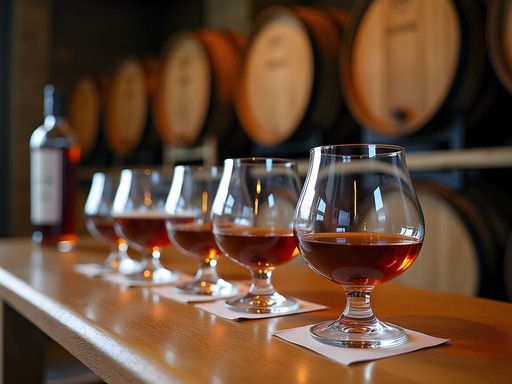
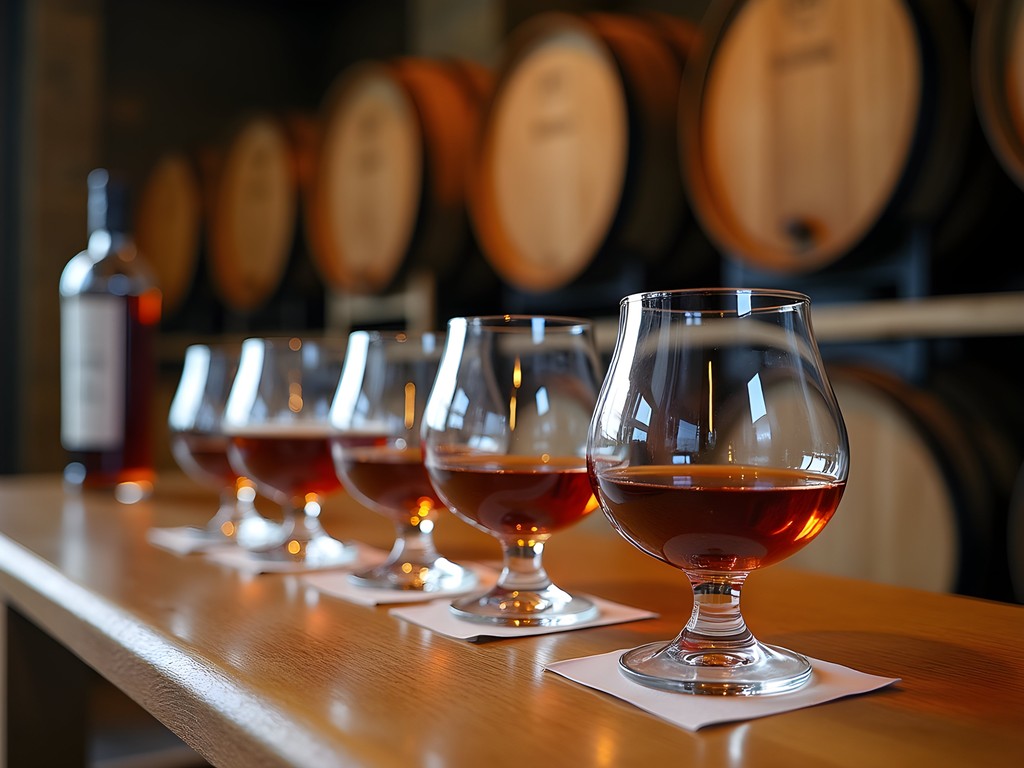
The island's rum production heritage also merits exploration from both cultural and scientific perspectives. At Cruzan Rum Distillery, I was fascinated by the fermentation processes—essentially controlled microbial geology—and the aging techniques that leverage the island's climate. For rum enthusiasts, I recommend bringing a spirit infusion kit to experiment with local botanicals and create a personalized spirit souvenir.
During my visit, I was fortunate to witness the Christmas Festival celebrations in Frederiksted, where the island's cultural traditions manifest in vibrant parades, music, and culinary offerings—a stark and welcome contrast to Wellington's winter I had left behind.
💡 Pro Tips
- Arrange private tours of historical sites with knowledgeable guides for more nuanced cultural context
- Visit during festival periods for authentic cultural immersion beyond typical tourist experiences
- Support local artisans by purchasing directly from studios rather than gift shops
Final Thoughts
St. Croix represents a compelling case study in how geological origins shape a destination's character, from its varied landscapes to its agricultural bounty. While lacking the dramatic volcanic features that typically draw my professional interest, the island offers a different kind of scientific fascination—one best appreciated with the perspective that comes from slowing down and indulging in its refined pleasures.
For travelers seeking luxury with substance, Frederiksted and the broader St. Croix landscape deliver a rare combination of intellectual stimulation and sensory indulgence. The island rewards curious visitors who look beyond its pristine beaches to engage with its complex natural and cultural narratives.
As I returned to Wellington and my research on more volatile geological formations, I carried with me not just field notes on St. Croix's fascinating geological history, but a renewed appreciation for how earth processes create the foundations for human experience—sometimes in the form of a perfect crescent beach with a rum punch in hand. After all, even volcanologists deserve to study paradise occasionally.
✨ Key Takeaways
- St. Croix offers geological interest beyond typical Caribbean destinations, with unique formations worth exploring
- Frederiksted provides luxury accommodations with authentic cultural context often missing from more developed island destinations
- Private experiences—from guided snorkeling to chef services—elevate the typical Caribbean vacation to truly memorable status
- The island's complex cultural history adds intellectual depth to complement its physical beauty
📋 Practical Information
Best Time to Visit
December through April, with January-February offering ideal weather and fewer crowds
Budget Estimate
$800-1200 per day for luxury accommodations, private experiences, and fine dining
Recommended Duration
7-10 days to fully appreciate both Frederiksted and broader St. Croix attractions
Difficulty Level
Easy
Comments
springstar
Just booked our trip to St. Croix for February!!! So excited to check out those restaurants you mentioned. The geological tour sounds fascinating too - my husband is a science teacher and will LOVE that perspective!
hikingstar
Thanks for the snorkeling recommendations! Buck Island is now on my must-visit list.
Douglas Bradley
The juxtaposition of geological analysis with luxury travel creates a fascinating narrative lens. Your section on Frederiksted's renaissance particularly resonated with me, as I've been tracking the evolution of post-hurricane recovery throughout the Caribbean. The architectural preservation efforts in Frederiksted represent a compelling case study in sustainable tourism development. For those interested in the cultural-geological intersection Ryan mentions, I'd recommend visiting during the Crucian Christmas Festival (if you can handle the crowds). The traditional foods served during this time reflect the island's agricultural bounty, which as Ryan correctly notes, is directly influenced by St. Croix's volcanic soil composition. I found the St. Croix Food & Wine Experience Guide invaluable for understanding these connections.
springstar
The Christmas Festival is AMAZING! We went two years ago and the food was incredible. Those fungi and fish dishes... I'm still dreaming about them!
roamvibes
Those underwater photos are amazing! What camera did you use for the reef shots?
Fatima Sims
Ryan, your geological perspective on St. Croix is refreshing! I visited Frederiksted last year and was captivated by those incredible sunsets at Dorsch Beach. Did you get a chance to visit the rum distilleries? I found the tour at Cruzan Rum to be fascinating - they explained how the island's soil composition affects the sugarcane growth, which would probably interest someone with your background. The historical architecture in Frederiksted really does create that perfect contrast between colonial past and modern luxury.
hikingstar
Fatima, did you stay in Frederiksted or somewhere else on the island? Planning a trip for next spring!
Fatima Sims
I split my time between Frederiksted and Christiansted! Both have their charms, but Frederiksted felt more laid-back and less touristy. The Frederiksted Hotel was my base - gorgeous renovated historic building right by the pier.
beachzone
Love how you combined geology with luxury travel! Never thought about St. Croix's volcanic origins before.
smartmaster
What's the best time of year to go?
smartqueen
We went in April - perfect weather and not too crowded. Avoid hurricane season obviously lol
tripguy
That underwater photo is sick! Adding this to my list
Jean Wells
Ryan, this is a refreshing perspective on St. Croix that goes beyond the typical resort reviews. The connection between volcanic geology and terroir in the local cuisine is particularly compelling. I visited in 2025 and found the contrast between Frederiksted's laid-back colonial charm and Christiansted's busier atmosphere quite pronounced. For solo travelers, I'd recommend the morning hours at the Frederiksted pier - excellent light for photography and fewer crowds. The geological formations you mentioned at Salt River Bay are indeed remarkable; it's one of the few places where you can observe the terrestrial-marine interface so clearly. Did you explore any of the hiking trails in the rainforest interior?
smartmaster
Is St. Croix good for first timers? Looks amazing but not sure where to start
Jean Wells
Absolutely! It's less crowded than St. Thomas and very manageable. Start with Frederiksted as your base - easier to navigate.
smartqueen
Love the geological angle on this! We stayed in Frederiksted last spring and did the pier dive - absolutely incredible. The coral formations are insane when you think about how they developed. Did you get a chance to check out the tide pools on the north shore? They're like little volcanic aquariums. Also the rum distillery tour was way more interesting than I expected, especially learning how the volcanic soil affects the sugarcane.
tripguy
Which dive operator did you use? Heading there in March!
smartqueen
We went with Cane Bay Dive Shop. Super knowledgeable guides and they really know the geology stuff too.
Venture X
Premium card with 2X miles, $300 travel credit, Priority Pass