
Disclosure: This article contains affiliate links. We may earn a commission from purchases at no extra cost to you, which helps our travel content.
I've hiked countless trails across America's most breathtaking national parks, but there's something uniquely magical about standing atop an active volcano as dawn breaks over the Indonesian archipelago. At 60, I found myself trading the familiar Rocky Mountain trails for the volcanic peaks of Bali—a place where the morning mist mingles with sulfurous steam and the sunrise paints the sky in colors that would make even Colorado's alpenglow seem subdued. This wasn't the Bali of infinity pools and Instagram influencers. This was the ancient, elemental Bali that existed long before tourism—where locals still leave daily offerings at the crater's edge and where the earth itself seems barely contained. For fellow budget-conscious adventurers over 50 who wonder if Bali's volcanoes are within reach: they absolutely are, and I'm here to show you exactly how to make it happen without breaking the bank or your knees.

Planning Your Volcanic Adventure: When to Go & What to Expect
After three decades poring over environmental impact statements in fluorescent-lit offices, I've become somewhat of an expert at research. Bali's dry season (April through October) offers the most reliable conditions for volcano trekking, with July and August bringing the clearest skies but also the most tourists. I opted for early June—a sweet spot with favorable weather and fewer crowds.
Mount Batur (Gunung Batur) stands at 5,633 feet (1,717 meters) and offers the most accessible volcanic experience for intermediate hikers. The more challenging Mount Agung towers at 9,944 feet (3,031 meters) but requires significantly more preparation and fitness. After carefully weighing my options against my timeline and fitness level (30 years of weekend hiking has kept me in decent shape, but I'm no spring chicken), I settled on Batur as my primary target with the option to attempt Agung if conditions and energy levels permitted.
Expect to budget about 350,000-500,000 IDR ($23-35 USD) for a guided Mount Batur trek including transportation from most tourist areas, a basic breakfast at the summit, and guide fees. Independent hikers beware: local regulations require all trekkers to hire local guides—a rule I fully support as it provides income to the communities whose backyards we're essentially tramping through. Plus, having attempted unauthorized solo hikes in foreign countries before (a misadventure in Costa Rica comes to mind), I can attest that the local knowledge and safety net of a guide is worth every rupiah.
💡 Pro Tips
- Book your trek at least 2-3 days in advance during high season, but negotiate prices in person rather than online to save 30-40%
- Request a small group (max 4 hikers per guide) for a more personalized experience at minimal extra cost
- If traveling solo, ask your accommodation about joining existing groups to save money
Gearing Up: The Budget-Conscious Packing List
If there's one thing my years of budget travel have taught me, it's that you don't need specialized gear for every adventure. Most of what you already own for hiking in Colorado or Oregon will serve you perfectly well on Bali's volcanoes.
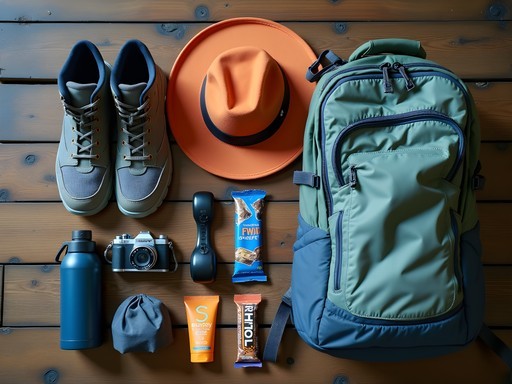
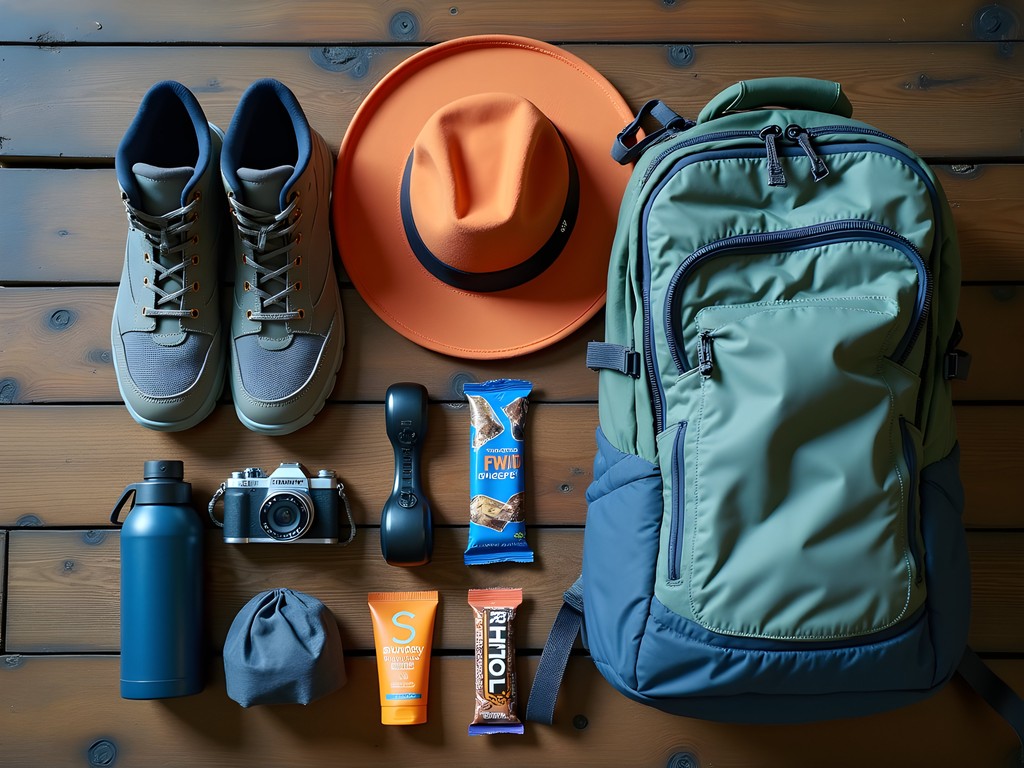
That said, there are a few non-negotiables: a reliable headlamp is absolutely essential, as you'll be starting your trek around 3:30 AM in complete darkness. After testing numerous models over the years, I've found rechargeable options save money in the long run and are more environmentally friendly. My Petzl has accompanied me on hundreds of pre-dawn hikes and hasn't failed me yet.
Layering is crucial—Bali's volcanic summits are surprisingly chilly before sunrise (around 50°F/10°C). I wore a moisture-wicking base layer, a light fleece, and packed a compressible down jacket that stuffs into its own pocket. By 9 AM, I was down to a t-shirt in the tropical heat.
Footwear deserves special mention: while the locals might scamper up in flip-flops (a sight that simultaneously impressed and terrified me), proper hiking shoes with ankle support are non-negotiable for most of us. The volcanic scree and loose gravel on the steeper sections would be treacherous in regular sneakers. My trusty hiking boots provided perfect traction on both the dusty ascent and the occasionally slippery descent.
One item I didn't pack but wish I had: trekking poles. The descent is where knees my age start to complain, and poles would have made a significant difference. Several in my group had collapsible poles that easily attached to their daypacks during the non-technical portions of the hike.
💡 Pro Tips
- Bring at least 1.5 liters of water per person—the volcanic terrain is surprisingly dehydrating
- Pack a bandana or buff to cover your nose/mouth if the volcanic gases become noticeable
- Carry small Indonesian currency (10,000-20,000 IDR notes) for bathroom access and impromptu coffee purchases from summit vendors
The Climb: Minute by Minute on Mount Batur
My alarm blared at the ungodly hour of 1:30 AM—a time when I'm typically fast asleep, not lacing up hiking boots. By 2:00 AM, I was in a minivan with four other bleary-eyed travelers: a Canadian couple in their 40s, and two twenty-something friends from Germany. Our guide, Ketut, had been leading treks for over 20 years and assured us that the early start would be worth it.
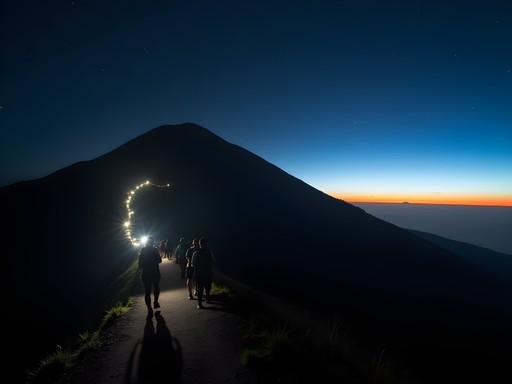
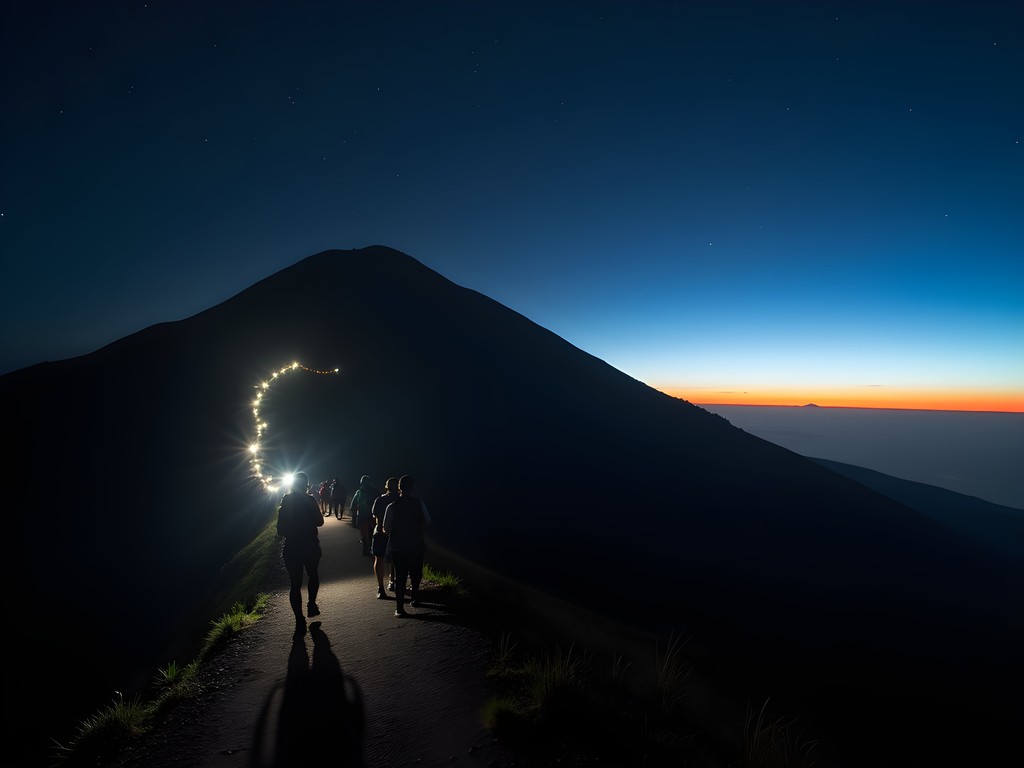
We arrived at the trailhead around 3:30 AM, where dozens of flashlights already danced up the mountainside like a string of moving stars. The first 30 minutes followed a relatively gentle gradient through tropical vegetation, the darkness hiding what I later discovered were small farms and coffee plantations.
Around the one-hour mark, the real work began. The trail steepened considerably, with volcanic sand and loose scree making each step a deliberate calculation. This is where having a guide became invaluable—Ketut knew exactly which rocks were stable and which deceptively shifted under weight. He also set a pace that acknowledged my 60-year-old lungs while still ensuring we'd reach the summit with time to spare before sunrise.
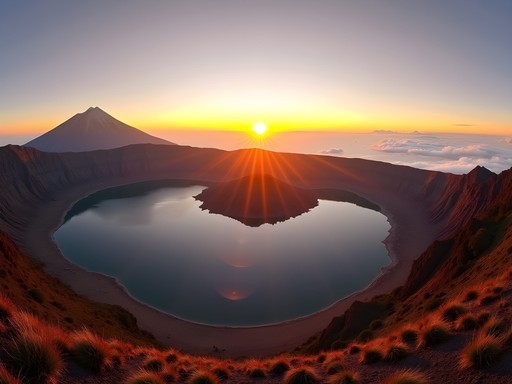
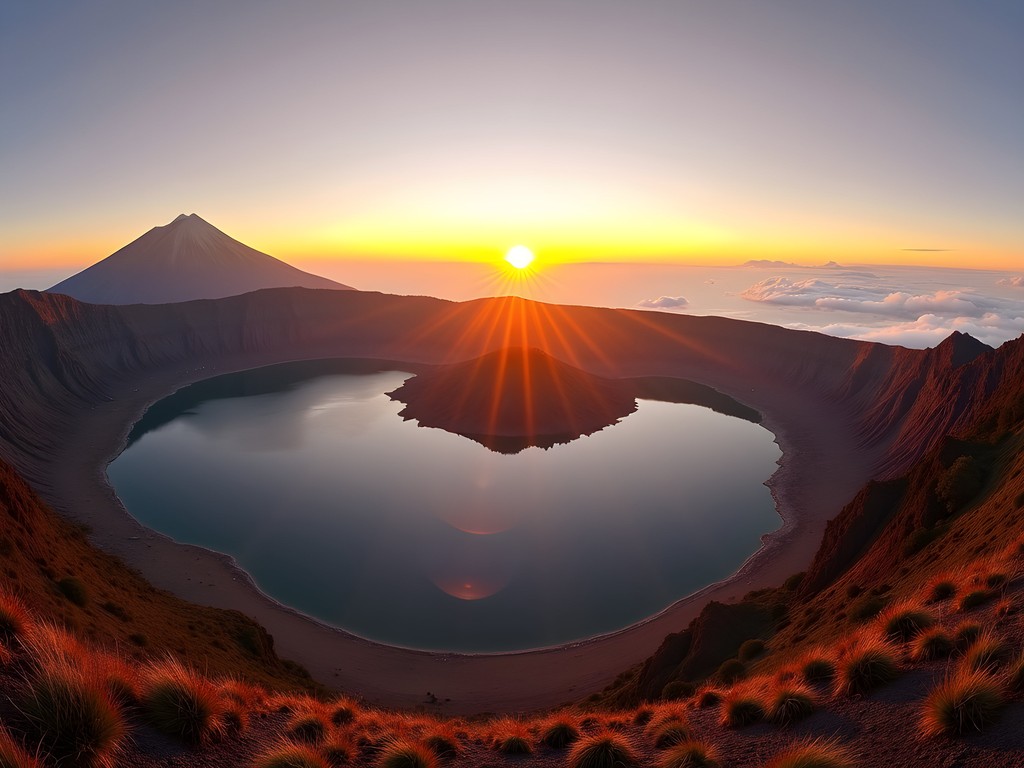
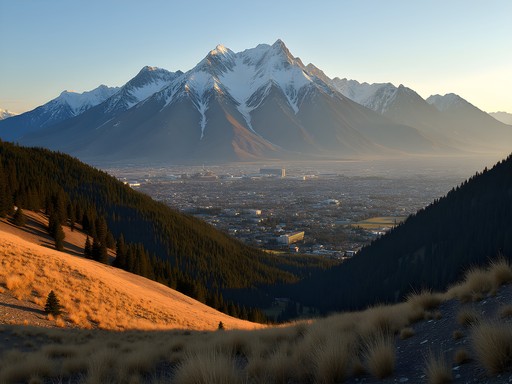
The final push came around 5:15 AM, a steep 20-minute scramble that had me questioning my life choices. But then we crested the ridge, and the pre-dawn glow illuminated the massive caldera stretching before us. Lake Batur reflected the first hints of pink, and in the distance, the perfect cone of Mount Agung pierced the sky.
We weren't alone—perhaps 60-80 other trekkers had made the journey—but Ketut led us slightly away from the main viewing area to a rocky outcrop that offered similar views with a fraction of the crowd. There, we sipped hot Balinese coffee prepared by summit vendors (a welcome surprise) and waited for nature's show to begin.
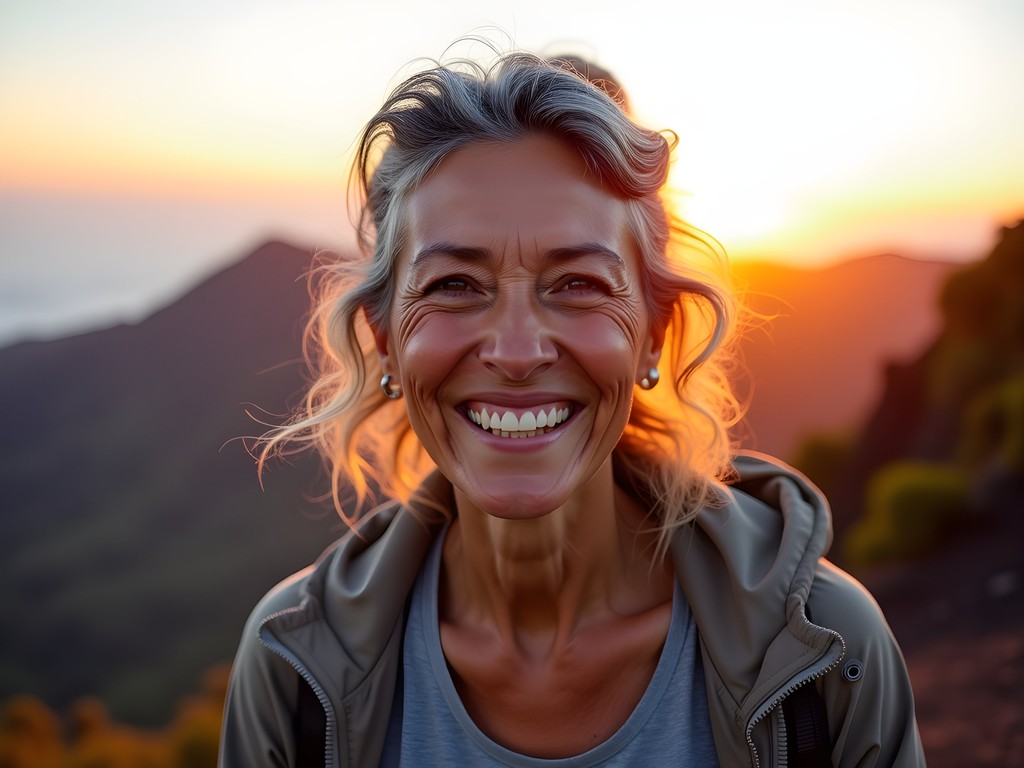
When the sun finally breached the horizon at 6:15 AM, casting golden light across the caldera and illuminating the volcanic steam that perpetually rises from Batur's crater, I felt that familiar hiker's euphoria—a mixture of accomplishment, awe, and the peculiar satisfaction that comes from experiencing something magnificent that you've earned through physical effort.
💡 Pro Tips
- Take mini-breaks (30 seconds) rather than longer rests to maintain momentum without getting cold
- Hike at the back of your group if you're concerned about pace—guides are accustomed to managing different fitness levels
- Bring a small towel to sit on at the summit—the volcanic rock is surprisingly sharp and uncomfortable

Beyond Batur: Bali's Other Volcanic Adventures
While Mount Batur rightfully claims the spotlight for accessibility and those iconic sunrise views, my week in Bali revealed several other volcanic experiences worth considering:
Mount Agung stands as Bali's highest and most sacred peak. At nearly 10,000 feet, this is a serious undertaking requiring 6-8 hours of challenging climbing (typically starting around midnight for sunrise summit arrivals). After my Batur experience, I spoke with several trekkers who had completed Agung, and their unanimous advice was to train specifically for it and allow 2-3 days of recovery afterward. Given my timeline and the fact that Agung had been showing increased activity, I saved this for a future visit.
Mount Batukaru, Bali's second-highest peak, offers a completely different experience. Located in the island's less-visited central highlands, the trek passes through pristine rainforest and offers solitude rarely found on Batur. I spent a half-day exploring the lower slopes and temple complex, though the full summit trek requires a full day commitment.
Volcano Cooking might sound gimmicky, but it proved to be one of my most memorable experiences. In the Kintamani region near Mount Batur, locals have developed ingenious methods for cooking using volcanic steam vents. For about 100,000 IDR ($7 USD), I participated in a cooking class where we prepared traditional Balinese dishes using only the heat from the earth. The eggs steamed in volcanic vapors had a mineral quality unlike anything I've tasted before.
For those interested in volcanology beyond the hiking experience, the Museum Geopark Batur provides context about the region's geological significance. At just 30,000 IDR (about $2 USD), it's worth a quick visit to understand the forces that shaped the landscape you've been traversing. The English signage is limited but adequate, and the 3D topographical map gave me a greater appreciation for the caldera system I'd hiked.
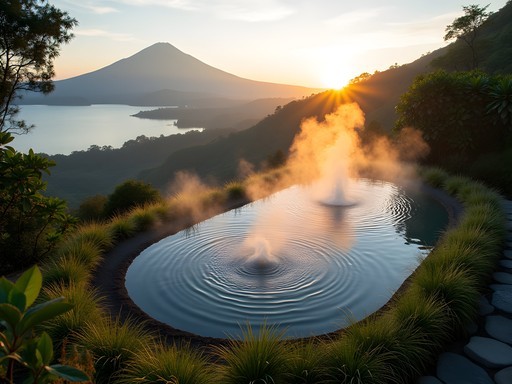
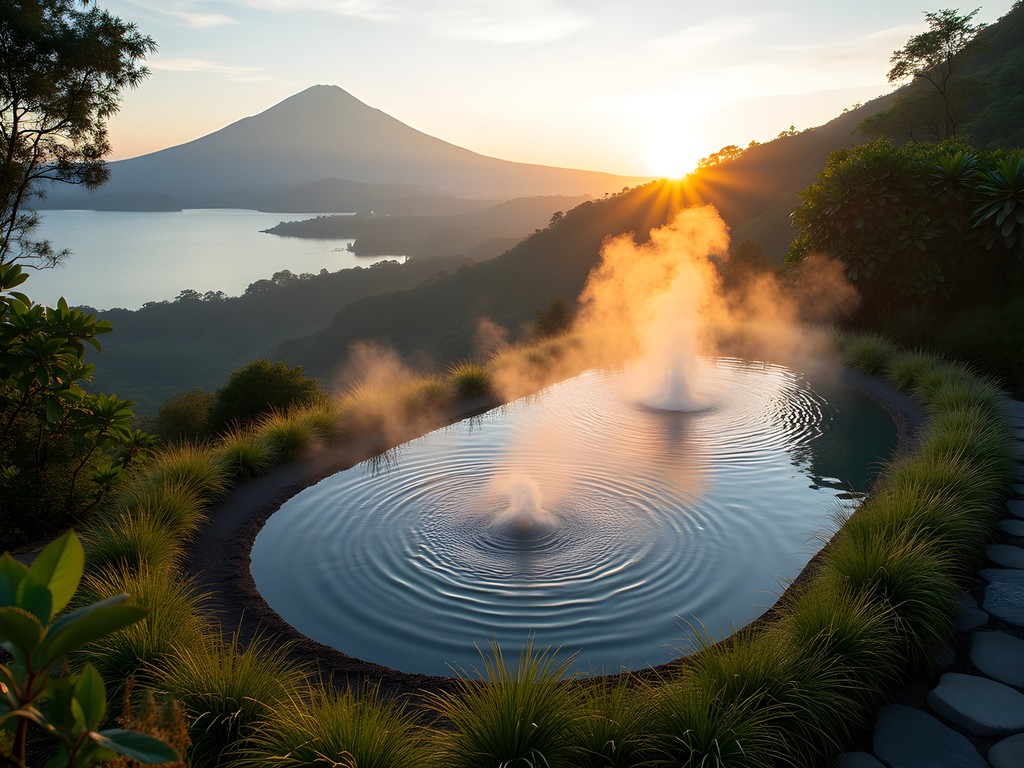
Finally, don't miss the hot springs that dot the region. After pushing my 60-year-old legs up and down a volcano, soaking in mineral-rich waters was exactly what my muscles needed. I opted for the less commercial Toya Devasya hot springs (150,000 IDR entry) rather than the more crowded options, and enjoyed watching the sunset over Lake Batur while nursing my hiking-induced soreness in therapeutic waters.
💡 Pro Tips
- Purchase a multi-site pass if visiting several volcanic attractions to save about 20% on total admission costs
- Always check the current volcanic alert level before planning treks (easily found on the PVMBG website or through your accommodation)
- Consider hiring a geology-focused guide for a deeper understanding of Bali's volcanic landscape—many have scientific backgrounds and charge only slightly more than standard guides
Local Brews & Views: Post-Trek Rewards
If you've followed my travels over the years, you know that my two great loves are hiking and craft beer. While Bali isn't exactly Colorado when it comes to microbreweries, the island's burgeoning craft scene provided the perfect post-trek celebration.
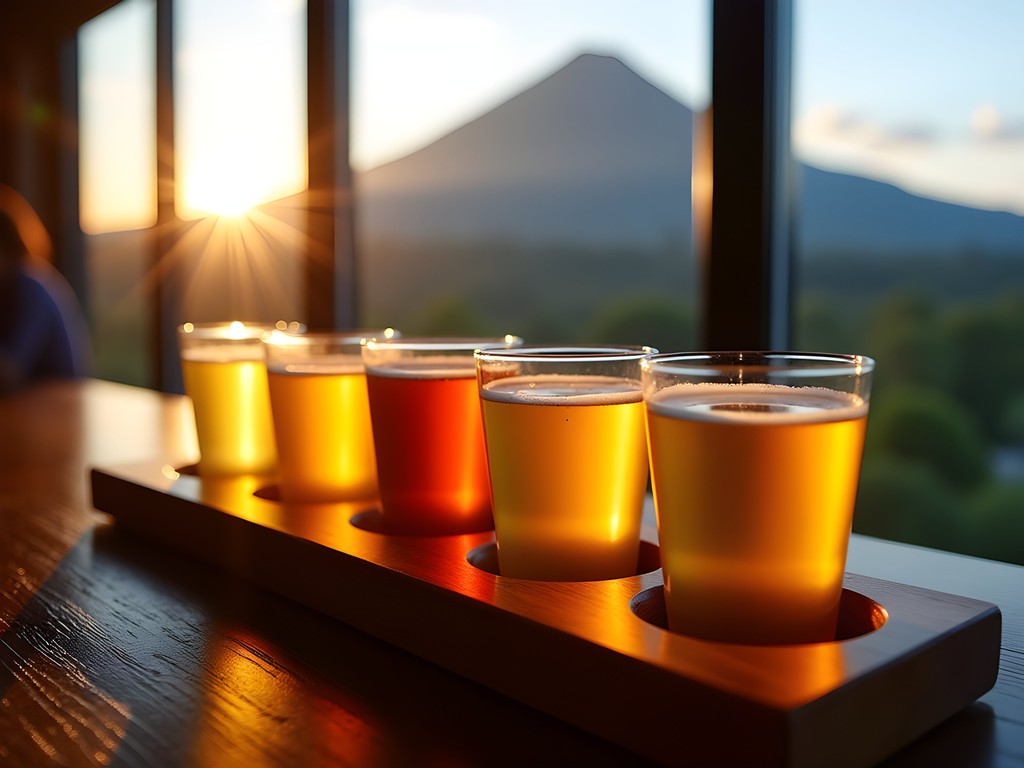
After descending Mount Batur and enjoying a well-earned nap at my guesthouse, I ventured to Kintamani Brewing Co., a small operation run by an Indonesian-Dutch couple who ferment small batches with local ingredients. Their Volcano Porter—made with coffee grown on Batur's slopes—carried notes of chocolate and earth that perfectly complemented my day's adventure. At 65,000 IDR ($4.50) per pint, it's pricier than local lagers but still a bargain compared to craft prices back home.
For those preferring wine to beer, the unexpected delight of Hatten Wines awaits. This North Bali vineyard has adapted European grapes to tropical growing conditions, producing surprisingly decent vintages. Their tasting room in Ubud offered a flight of three wines for 150,000 IDR ($10), and their rosé provided a refreshing counterpoint to Bali's humidity.
But my favorite post-hiking indulgence came from Ubud's Tukies Coconut Shell Roastery, where locally grown coffee beans are roasted in coconut husks, imparting a subtle sweetness that balanced the robust volcanic soil notes. Sitting in their open-air café, nursing my sore calves while sipping a meticulously prepared pour-over and reviewing my summit photos, I felt that perfect contentment that only comes from physical exertion followed by thoughtful relaxation.
For serious coffee enthusiasts, I recommend bringing home beans as the ultimate souvenir. My coffee grinder traveled with me throughout Bali, allowing me to enjoy freshly ground coffee each morning at my accommodations. At just 11 ounces, it barely takes up space in my pack but transforms the morning coffee ritual—especially important when you're waking at 1:30 AM for volcano treks!
💡 Pro Tips
- Ask for 'tidak terlalu manis' (not too sweet) when ordering coffee unless you enjoy very sweet beverages
- Many craft beverage establishments offer happy hour specials between 4-6 PM with 30-40% discounts
- Support establishments that use local ingredients and employ local staff—they're easy to identify by their community involvement signage
Final Thoughts
As I watched the sun set over Bali from my small guesthouse balcony on my final evening, I reflected on how volcanic forces have shaped not just this island's topography but its entire cultural identity. At 60, I've learned that the most meaningful travel experiences often involve pushing personal boundaries while respecting natural ones. Bali's volcanoes offered that perfect balance—challenging enough to feel accomplished, accessible enough to be realistic for travelers of various ages and budgets. Whether you're a seasoned hiker looking to add an international volcano to your summit log or simply someone who believes sunrises are better when earned through effort, Bali's volcanic landscapes await. Pack light, start dark, and prepare to be transformed by the simple act of placing one foot in front of another until you're literally above the clouds. The mountains are calling—and at any age, we must go.
✨ Key Takeaways
- Mount Batur offers the most accessible volcanic experience for intermediate hikers with moderate fitness levels
- Budget travelers can experience Bali's volcanoes for under $35 USD per trek with proper planning
- The dry season (April-October) provides optimal hiking conditions with June offering the best balance of good weather and smaller crowds
- Local guides are mandatory and worth every penny for their knowledge and safety expertise
- Post-trek experiences including hot springs and local beverages complete the volcanic adventure
📋 Practical Information
Best Time to Visit
April through October (dry season), with June being optimal for fewer crowds
Budget Estimate
$350-500 for a week including accommodations, food, and several volcanic experiences
Recommended Duration
Minimum 4 days, ideally 7 days to experience multiple volcanic sites
Difficulty Level
Intermediate - Requires Reasonable Fitness But No Technical Climbing Skills
Comments
waveace
amazing photos! going in august, super excited now
Kimberly Murphy
Skylar, this brought back SO many memories! I did the Batur trek back in 2023 and you've captured that magical sunrise moment perfectly. The bit about the monkeys trying to steal breakfast made me laugh - happened to me too! One thing I'd add for first-timers: those volcanic rocks are sharp and the path gets slippery near the top, so proper hiking boots are worth it (I learned that the hard way in trainers!). Also loved that you mentioned the other volcanoes - Mount Agung is on my list for my next Bali trip. Did you get a chance to do any of the rice terrace walks around Ubud after your treks? They're brilliant for recovery days!
waveace
how hard is it really? i'm not super fit but want to try
Kimberly Murphy
Honestly it's doable for most fitness levels! Takes about 2 hours up at a steady pace. Just take breaks when you need them and bring plenty of water. The guides are really patient too.
Casey Andersson
Skylar, this brought back such vivid memories! I did Batur three years ago and then splurged on a private guide for Mount Agung the following week. Agung is significantly more challenging but the views are absolutely unparalleled - you can see Batur, Lombok, and on clear days even Java. The spiritual aspect is profound too, as it's Bali's most sacred mountain. I stayed at a gorgeous eco-lodge near Amed afterwards to recover, and watching the sunrise over Agung from sea level was almost as spectacular as being on the mountain itself. Your photos captured that volcanic landscape perfectly - that otherworldly black sand and the way the light hits the crater rim. Did you make it to any of the other peaks?
wildwalker6530
Agung sounds amazing! Adding to my list for next time
wildwalker6530
We did this last year and honestly it was harder than I expected! I'm not super fit but made it to the top. The sunrise was absolutely worth the 2am wake up call though. One tip - bring extra layers, it gets really cold up there before the sun comes up. Also the breakfast they cook at the summit using the volcanic steam was such a cool experience. How crowded was it when you went?
Casey Andersson
The crowds can be intense during peak season! I went in September and there were probably 100+ people at the summit. Still magical though.
nomadnomad
Did you need a guide or can you do it solo?
wildwalker6530
Pretty sure you need a guide now, they don't let people go up alone anymore. Safety thing I think
nomadnomad
ah ok thanks!
starclimber
Just got back from doing this trek last week! Your minute-by-minute breakdown was super helpful in setting expectations. One thing I'd add for anyone planning this - the descent is actually harder on the knees than the ascent. The loose volcanic gravel makes it slippery. Wish I'd brought hiking poles! Also, our guide took us to a coffee plantation afterward for a tasting of that famous Luwak coffee. Interesting experience but definitely tourist-oriented. Overall though, best experience of our Bali trip!
Sage Dixon
Your section on "Beyond Batur" is spot on! After conquering Batur last year, I ventured to Mount Agung, Bali's highest peak. That climb is a whole different beast - much more challenging and requires serious preparation. Started at 11pm to reach the summit for sunrise, and those final 500 meters felt like climbing a near-vertical wall of loose volcanic scree. But standing above the clouds at 3,031m, looking down at Batur in the distance as the first light hit... that moment alone was worth the 7-hour struggle. For anyone considering the Agung challenge after Batur, just know it's like graduating from high school to college - a significant step up in difficulty but proportionally more rewarding.
vacationtime
Is it worth it if it's cloudy? Going in December and worried about weather!
Skylar Garcia
December can be hit or miss with weather, but even with some clouds, it's magical! The clouds often create dramatic effects as the sun breaks through. I'd say go for it - worst case, you still get an amazing volcano hike!
Bryce Diaz
Skylar, your post brought me right back to my own Batur adventure last spring! I still remember my guide Wayan's infectious laugh as he practically danced up that volcanic slope while I huffed and puffed behind him. One tip for anyone planning this trek: bring small bills to tip your guide and maybe purchase a hot drink at the summit hut. The entrepreneurial locals haul thermoses of coffee and tea up daily, and nothing beats wrapping your hands around a steaming cup while watching that spectacular sunrise. Also worth mentioning - the monkeys near the summit can be quite bold, so keep snacks secured! They snatched my banana right from my pocket while I was taking photos.
greenstar
Thanks for the detailed breakdown of what to expect minute-by-minute. I'm planning to do this in November and was worried about the darkness during the early morning climb. Did you find your headlamp sufficient or would you recommend something stronger? Also curious about temperatures at the summit - how cold did it actually get?
starclimber
Not the author but I did this trek in October last year. A regular headlamp works fine since you're following a line of other hikers. For temperature, I was comfortable in a light jacket but wished I'd brought gloves. The wind at the top makes it feel colder than it is!
Skylar Garcia
Exactly what @starclimber said! A standard headlamp is perfect. I used my headlamp which was more than enough. Temperature-wise, it dropped to about 12°C (54°F) at the summit before sunrise. Layer up!
Venture X
Premium card with 2X miles, $300 travel credit, Priority Pass