
Disclosure: This article contains affiliate links. We may earn a commission from purchases at no extra cost to you, which helps our travel content.
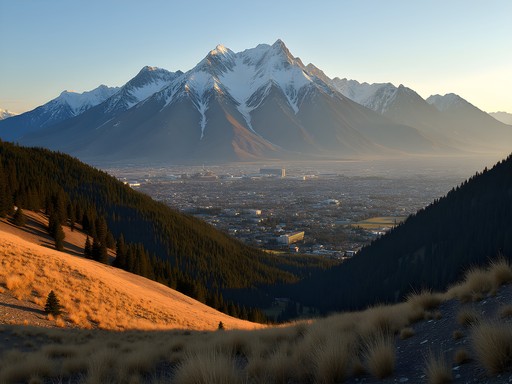
The morning light dances across the jagged Ala-Too Range, painting the peaks in hues that would challenge even the most extensive artist's palette. This magnificent mountain chain serves as both sentinel and siren for Bishkek, Kyrgyzstan's understated capital. Having traversed mountain ranges across five continents, I can say with certainty: few urban centers offer such immediate access to pristine alpine wilderness. Within an hour's drive from your breakfast table in Bishkek, you can find yourself amid landscapes so dramatic and untouched they seem to belong to another century entirely.

Ala Archa National Park: Where the Wild Heart of Kyrgyzstan Beats
Just 40 kilometers south of Bishkek lies Ala Archa, a sanctuary of alpine majesty that has captured my heart and camera lens repeatedly over three separate visits. The name itself—'Colorful Juniper' in Kyrgyz—hints at the botanical treasures scattered among its valleys, though it's the towering peaks that command immediate attention.
My favorite trail begins at the ranger station and follows the glacial river upstream toward Ak-Sai waterfall. The path starts deceptively gentle before revealing its true character—a challenging ascent that demands proper footwear and respectable fitness levels. My trekking poles proved invaluable on the steeper sections, especially when negotiating loose scree fields.
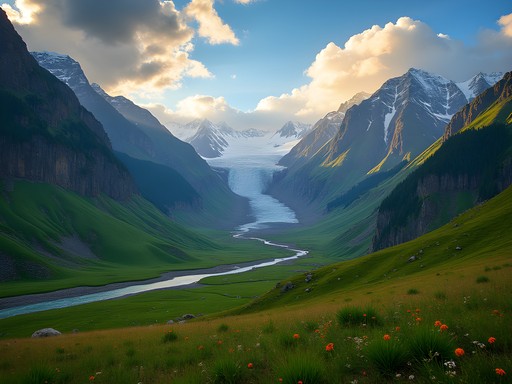
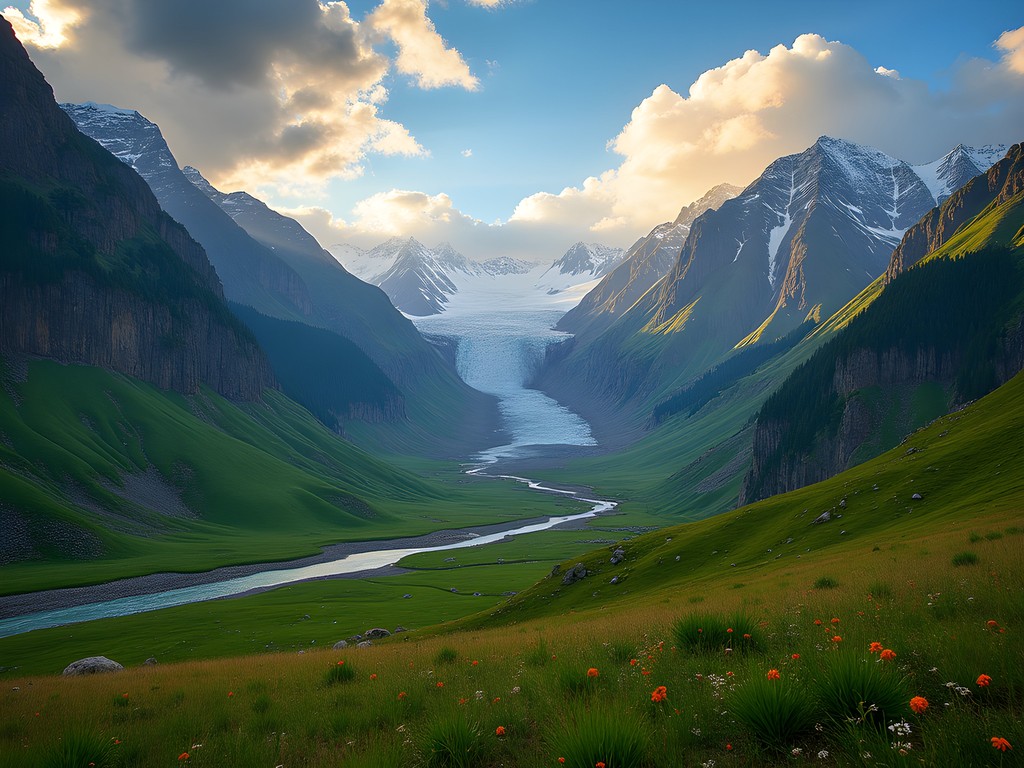
The reward for your exertion? Views that defy adequate description. Glaciers cling to jagged peaks exceeding 4,000 meters, their meltwater feeding crystalline streams that cut through meadows erupting with wildflowers in summer months. I've spent hours simply sitting beside these waters, sketchbook in hand, attempting to capture the interplay of light on rock and ice.
💡 Pro Tips
- Arrange a taxi from Bishkek the day before and negotiate a pickup time—public transport is unreliable
- Pack substantially more water than you think necessary; the altitude and exposure are deceptive
- Start early (before 8am) to avoid afternoon thunderstorms common in summer months
Climbing Komsomolets Peak: A Test of Will and Reward
For those seeking more substantial challenge, Komsomolets Peak (4,204m) represents the perfect introduction to Kyrgyzstan's alpine climbing possibilities. This is not a casual day hike—it demands preparation, proper equipment, and ideally, a local guide who understands the mountain's moods.
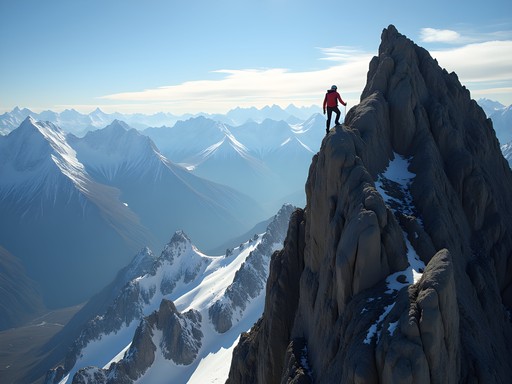
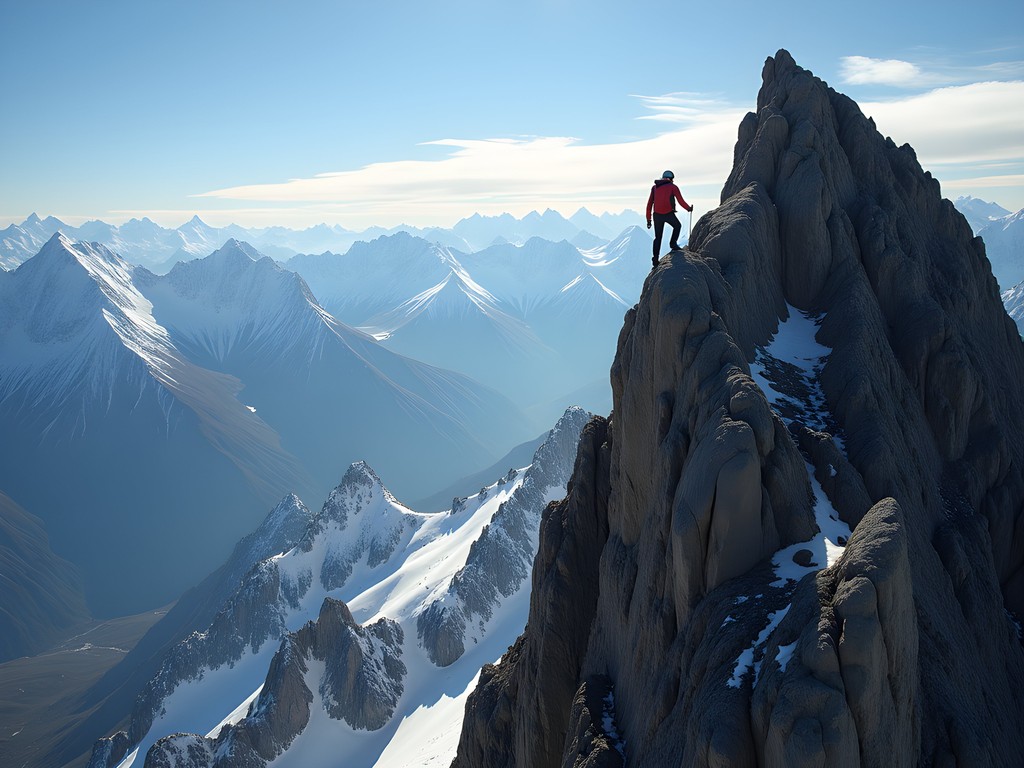
My ascent began before dawn, headlamp illuminating the frost-covered trail as stars slowly surrendered to approaching daylight. The initial hours follow the same path toward Ak-Sai waterfall before diverging onto increasingly technical terrain. By mid-morning, I found myself navigating a ridge where exposure demanded full attention, my fingers gratefully gripping solid handholds while my climbing harness provided psychological comfort on the more exposed sections.
Reaching the summit plateau delivers a profound moment of silence and perspective. The sprawling Chuy Valley stretches northward toward Kazakhstan, while the imposing Tian Shan range marches south toward China. In that moment of clarity, borders seem like the arbitrary human constructs they truly are—the mountains acknowledge no passports.
💡 Pro Tips
- Hire a certified mountain guide through Trekking Union of Kyrgyzstan in Bishkek
- Acclimatize properly with at least 2-3 days in Bishkek before attempting summits above 4,000m
- Pack emergency shelter—the emergency bivvy weighs nearly nothing but could save your life if weather turns
Kegety Pass: The Road Less Traveled
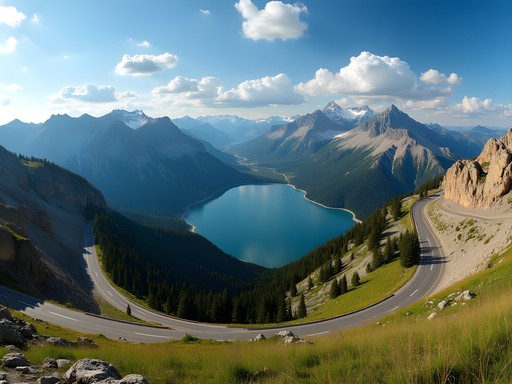
While most visitors gravitate toward Ala Archa's established trails, I've found profound solitude and unexpected beauty along the less-frequented Kegety Pass route. Located approximately 90 kilometers east of Bishkek, this former Soviet military road climbs dramatically through a narrow gorge before opening to alpine meadows that seem to capture the very essence of Central Asian wilderness.
During my exploration last summer, I hired a local driver with a sturdy 4x4 vehicle—essential, as conventional cars simply cannot manage the rugged terrain. The journey itself becomes part of the adventure, with the road deteriorating progressively as you climb, eventually becoming little more than a suggestion carved into the mountainside.
What makes Kegety particularly compelling is its raw, unpolished character. Unlike Ala Archa's well-marked paths, here you must rely on instinct and observation. I spent hours following shepherd trails that meandered through flower-carpeted slopes, my satellite messenger providing peace of mind in this remote region where cellular signals surrender to mountain silence.
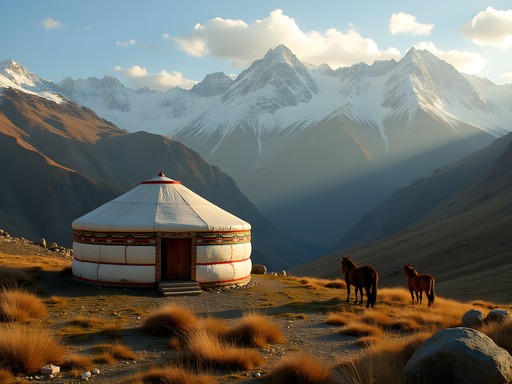
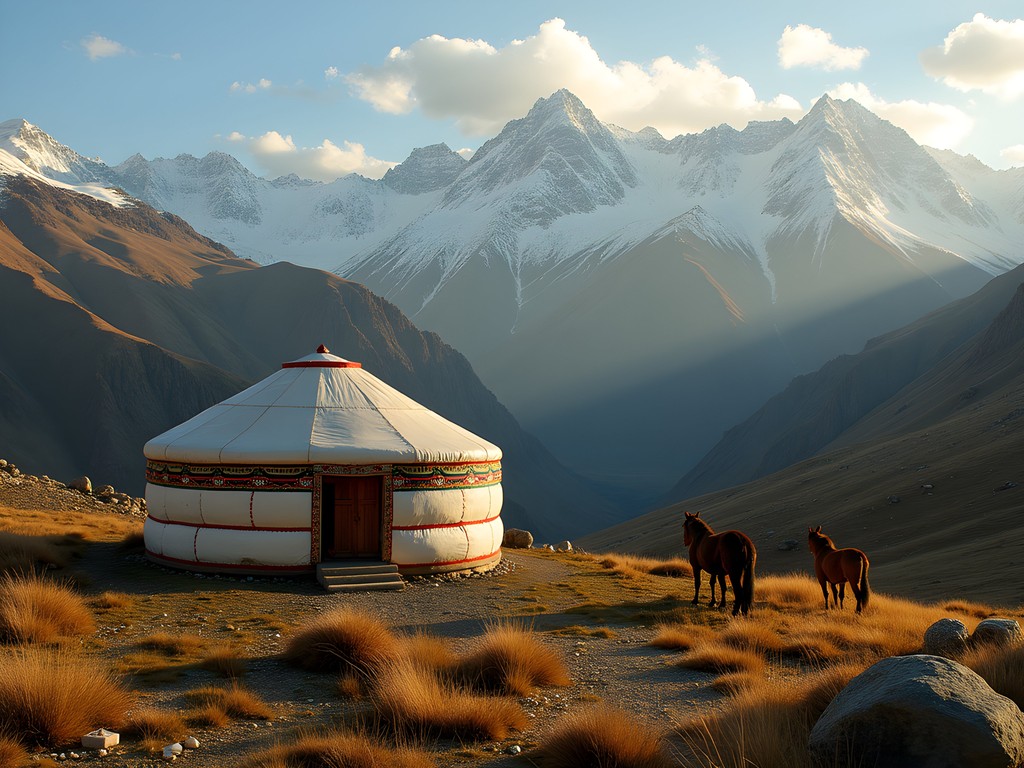
The pass itself, topping out above 3,700 meters, delivers views that extend seemingly forever across undulating ridgelines. I encountered only a single family of nomadic herders during my entire day—their traditional yurt a perfect compositional element against the vast landscape.
💡 Pro Tips
- Arrange a reliable 4x4 vehicle and driver who knows the route—this is not terrain for rental cars
- Bring detailed topographic maps as backup; smartphone GPS is helpful but unreliable in remote areas
- Pack a comprehensive first aid kit—you're hours from medical assistance

Capturing Kyrgyzstan: Photography Tips from the Mountains
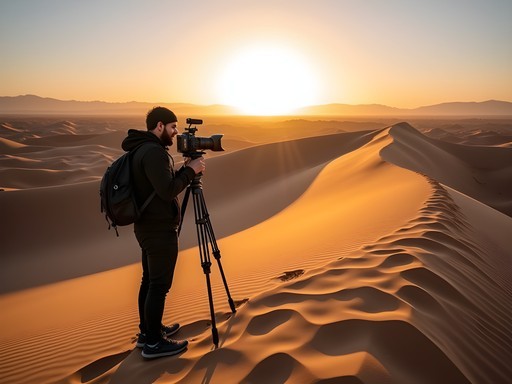
As both artist and photographer, I've found Kyrgyzstan's mountains to present unique challenges and opportunities for visual storytelling. The extraordinary clarity of mountain air means distant features appear deceptively close through the viewfinder, while the dramatic elevation changes create lighting conditions that transform minute by minute.
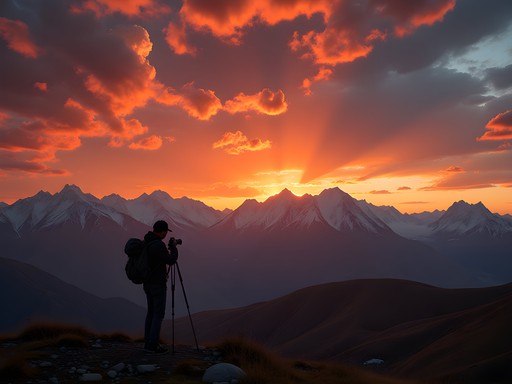
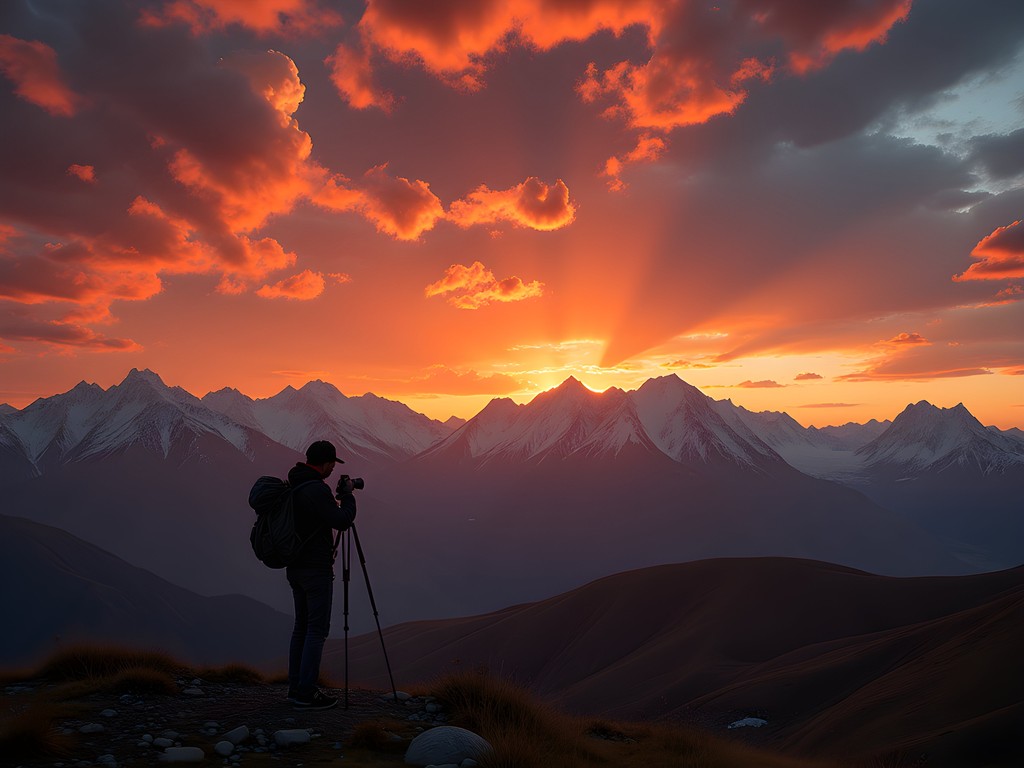
For landscape work, I've discovered early morning (5:00-7:00 AM) offers the most magical conditions. The low-angle light sculpts mountain faces with a dimensionality that disappears by mid-morning. Similarly, the hour before sunset bathes the Ala-Too Range in a golden glow that transforms ordinary rock into something almost transcendent.
Packing a neutral density filter has proven essential for managing the extreme dynamic range between shadowed valleys and sunlit peaks. I often bracket exposures when working with particularly challenging scenes, later blending them to achieve the full tonal range my eye perceived in the moment.
Beyond technical considerations, I've learned to exercise patience. Some of my most compelling images emerged after sitting quietly in one location for hours, waiting for light, weather and landscape to align into that perfect, ephemeral moment that captures not just the visual reality, but something of the emotional essence of these magnificent mountains.
💡 Pro Tips
- Pack twice as many camera batteries as you think you'll need—cold temperatures at altitude drain them rapidly
- Use a lens cleaning kit daily; the combination of dust and rapid temperature changes creates constant lens issues
- Compose with human elements when possible to convey the overwhelming scale of the landscape
Practical Logistics: Navigating from Bishkek to the Peaks
Bishkek serves as the perfect basecamp for these mountain adventures, offering comfortable accommodations and necessary supplies before venturing into more rugged terrain. I've found South Hostel particularly welcoming for budget travelers, while Hotel Ambassador provides mid-range comfort with staff knowledgeable about mountain conditions.
For transportation to trailheads, three primary options exist. Public marshrutkas (minibuses) service some destinations like Ala Archa, though schedules can be unreliable and they often don't wait for return passengers. Shared taxis offer more flexibility but require negotiation skills. For remote locations like Kegety Pass, arranging a private driver through your accommodation is the most practical approach.
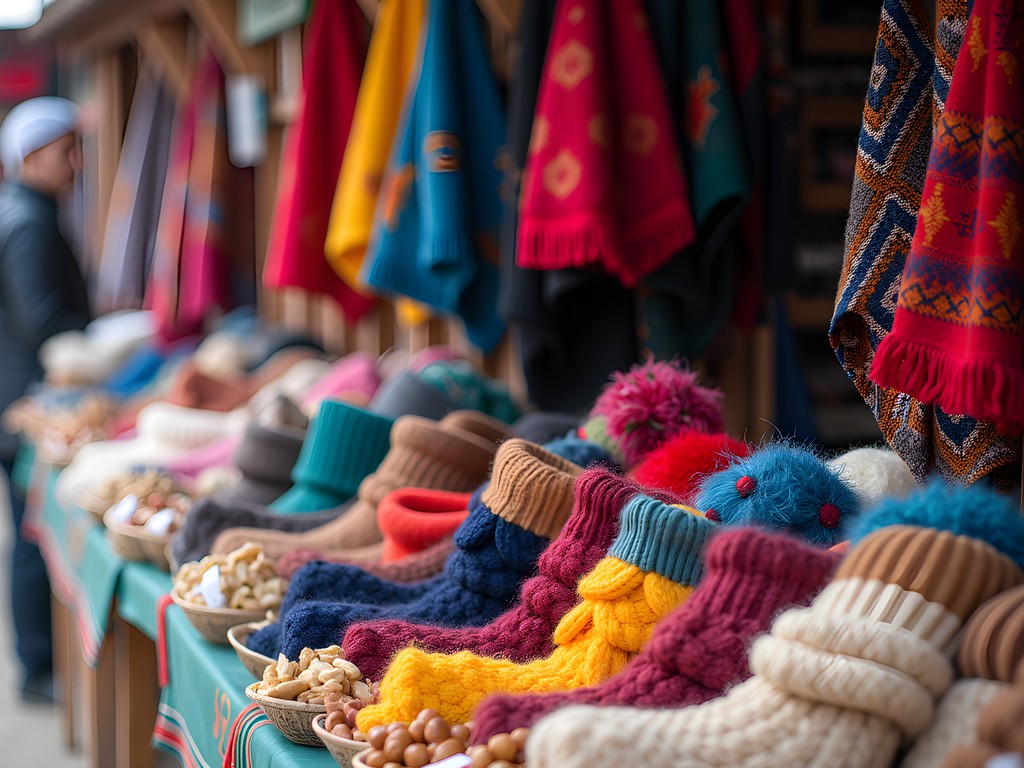
Before heading into the mountains, I always visit Tsum Department Store in central Bishkek for last-minute supplies. Their outdoor section stocks reasonably priced essentials, though specialized gear is limited. For serious technical equipment, Sierra Coffee shop's community board often lists gear rental services catering to climbers.
Food planning requires careful consideration. While basic provisions can be purchased in Bishkek markets, I've learned to pack high-energy, lightweight options like freeze-dried meals for longer excursions. The water filter I carry allows me to safely replenish from mountain streams, reducing the weight of carried water.
💡 Pro Tips
- Register your routes with your accommodation in Bishkek before departing
- Download offline maps using Maps.me app—their Kyrgyzstan coverage is surprisingly comprehensive
- Carry local currency (som) in small denominations; credit cards are useless in mountain areas
Final Thoughts
As the marshrutka winds its way back to Bishkek, dust-covered boots resting heavily after days exploring these magnificent peaks, I find myself already planning my return. The Ala-Too Range offers that rare combination of accessibility and wilderness that increasingly eludes us in our over-touristed world. Here, among these ancient mountains, adventure still feels genuine, unscripted, and profoundly personal.
What strikes me most about Kyrgyzstan's mountains isn't just their physical beauty—though that alone would justify the journey—but rather how they've preserved a way of life that has all but vanished elsewhere. The nomadic herders still following seasonal rhythms, the eagle hunters practicing their ancient art, the welcoming yurts offering shelter and kumis (fermented mare's milk) to weary travelers.
Whether you seek technical climbing challenges, artistic inspiration, or simply space to breathe deeply away from urban confines, these peaks surrounding Bishkek offer a perfect canvas for adventure. Come with respect, preparation, and an open heart—the mountains of Kyrgyzstan will reward you with experiences that transcend mere tourism and approach something closer to transformation.
✨ Key Takeaways
- Bishkek offers unparalleled access to world-class mountain adventures within 1-2 hours of the city center
- Proper preparation and equipment are essential, as mountain weather changes rapidly and rescue infrastructure is limited
- Cultural experiences with local nomadic communities enhance the mountain adventure, providing context and deeper meaning
📋 Practical Information
Best Time to Visit
June through September, with July-August offering most stable weather
Budget Estimate
$30-50 USD daily excluding specialized guides
Recommended Duration
7-10 days including acclimatization
Difficulty Level
Moderate To Challenging Depending On Chosen Objectives
Comments
Lillian Diaz
Amit, this brought back so many memories! I did Ala Archa back in 2023 and completely underestimated how cold it would be at altitude even in summer. Made the rookie mistake of not bringing enough layers. Your photography tips are spot on though - that golden hour light on the peaks is absolutely unreal. Did you make it to the waterfall past the ranger station? That hike alone is worth the trip. Also pro tip for anyone reading: the marshrutkas back to Bishkek fill up fast in the afternoon, so either leave early or be prepared to wait around. I ended up chatting with a local family for two hours which turned into an impromptu dinner invitation, so not the worst problem to have!
Amit Sanchez
Yes! The waterfall hike is incredible. And you're so right about the marshrutka timing - I should have mentioned that in the post. Those spontaneous moments with locals are always the best part of travel though!
coolclimber
This looks amazing!! How hard is Komsomolets Peak for someone who hasn't done much climbing? I'm pretty fit but not super experienced with technical stuff
Amit Sanchez
Hey! It's definitely doable for beginners if you go with a guide. The scramble sections aren't too technical, but you'll want someone who knows the route. Most guesthouses in Bishkek can connect you with guides for around $50-60 for the day.
coolclimber
awesome thanks! gonna look into guides now
Amit Sullivan
Amit, your description of the morning light on the Ala-Too Range brought me right back to my own journey through Central Asia years ago. There's something about those mountains that gets under your skin. I remember sitting in a similar marshrutka, watching nomadic herders guide their flocks across impossibly steep slopes, and thinking how these landscapes have remained unchanged for centuries. The way you've captured both the practical details and the soul of the place is wonderful. For those planning to visit, I'd add that staying a night or two in a yurt near Ala Archa gives you a completely different perspective - the stars there are something else entirely.
springninja
the yurt stays are the BEST! stayed at one near issyk kul and it was magical
greenhero
Love the photos! Going next month, super helpful post
nomadphotographer
Really loved your photography tips section! What time of day did you find best for shooting the peaks? I'm heading there in September and want to make sure I get those golden hour shots you mentioned.
islandmaster
How hard is the Komsomolets Peak climb? I'm not super experienced with altitude
greenhero
its pretty challenging tbh, especially if youre not used to altitude. maybe start with the easier trails in ala archa first?
islandmaster
good call, thanks!
springninja
YES!! Ala Archa is absolutely incredible! Did the trek to the glacier last summer and it completely blew my mind. The marshrutka ride from Bishkek is super easy too, like 50 som or something. Kegety Pass sounds amazing, adding that to my list for next time!
Amit Sullivan
Kegety is worth it! Less crowded than Ala Archa and the views are spectacular. I met a shepherd up there who shared his kumis with me - those unexpected moments are what make Kyrgyzstan so special.
springninja
that sounds amazing! definitely going back
Frank Garcia
Brilliant write-up on the Ala-Too range! I visited last summer and found the marshrutkas to be surprisingly reliable for getting to Ala Archa, though I'd recommend getting to the bus station early as they fill up fast on weekends. For anyone planning a trip, the shoulder seasons (May-June or September) offer the best balance of weather and fewer crowds. I'd also add that Kegety Pass is significantly less developed than Ala Archa - I used my trekking poles extensively there as some sections get quite steep. The local CBT (Community Based Tourism) office in Bishkek can arrange guides if you're not comfortable navigating solo. Amit - did you make it to any of the alpine lakes beyond the main trails?
Amit Sanchez
Thanks Frank! Great tip about the CBT office - they're an excellent resource. I did make it to Koltor Lake on a separate trip - about 3 hours beyond the standard trail. Absolutely worth the extra effort for that turquoise water against the mountains. Much less crowded too!
backpackmood
Going there next month! Is it still worth it in winter?
Frank Garcia
Winter is beautiful but challenging - definitely need proper gear and experience. Ala Archa has some lower trails that stay accessible, but the higher routes require winter mountaineering skills. The views with snow are spectacular though!
backpackmood
Those photos are stunning! Adding Kyrgyzstan to my bucket list right now.
photoway5448
Just got back from Kyrgyzstan last week and Ala Archa was definitely the highlight! We spent two full days there and it was worth every minute. The hike to the waterfall is pretty accessible even for average fitness levels, but that climb to Komsomolets Peak is no joke - my legs were jelly afterward! Did anyone else find the trail markers a bit confusing near the glacier? Your photography tips came in handy, the light there really is something special in the morning.
Amit Sanchez
Thanks for reading! Yeah, those trail markers get confusing where the path splits near the glacier. I found using Maps.me with downloaded offline maps really helpful there. Glad you enjoyed the light - nothing beats that golden hour in the mountains!
photoway5448
Maps.me saved us too! We ended up staying until sunset one day - worth the slightly nerve-wracking walk down in dimming light. Did you camp at all or just do day trips?
Venture X
Premium card with 2X miles, $300 travel credit, Priority Pass