
Disclosure: This article contains affiliate links. We may earn a commission from purchases at no extra cost to you, which helps our travel content.
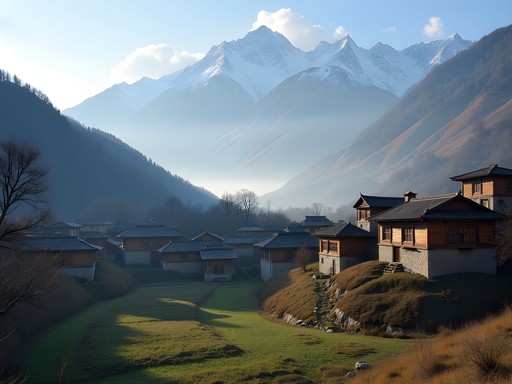
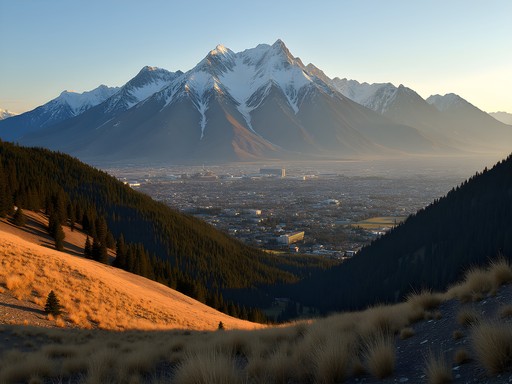
Five days ago, I was standing at 4,680 meters on Jade Dragon Snow Mountain, my lungs burning and my weathered face pelted by wind, thinking: This beats the hell out of sitting in a lecture hall back in Cork. The massif looming over Lijiang isn't just another pretty backdrop for tourist photos—it's thirteen peaks of raw, challenging terrain that separates the casual visitors from those willing to earn their views. After three decades in construction management and now pursuing environmental science in my late 50s, I've learned that mountains don't care about your age or background—they only respect preparation and grit.
Getting There: Lijiang to the Mountain Base
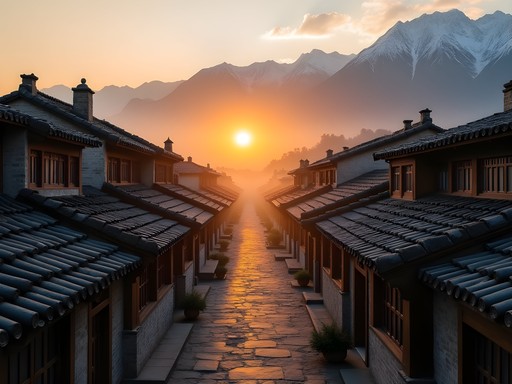
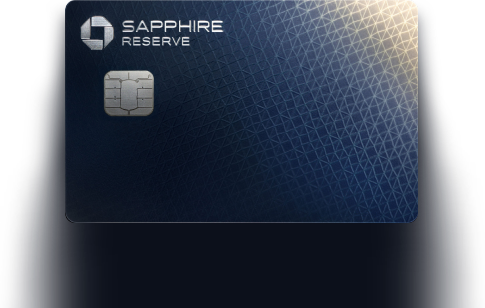
Lijiang Old Town sits at 2,400 meters—already high enough to make some visitors lightheaded. Use this ancient maze of cobblestone streets as your acclimatization base. I spent two nights here, sleeping in a traditional Naxi guesthouse for 180 yuan (about $25) per night. Skip the overpriced tourist traps near Black Dragon Pool and head to Wenlin Street for local joints where a solid meal costs under 40 yuan.
The jumping-off point for the mountain is the Jade Dragon Snow Mountain Scenic Area entrance, about 30km north of Lijiang. You've got three options:
- Public bus: Line 7 from Lijiang to Ganhaizi Meadow (cheapest at ¥30 round-trip but requires transfers and Mandarin skills)
- Private taxi: ¥200-300 round-trip if you negotiate hard and arrange a pickup time
- Guided tour: The path of least resistance at ¥400-500 per person
I split a taxi with two Australian backpackers I met at my guesthouse. The driver tried the usual laowai price inflation, but 30 years of negotiating with subcontractors made short work of that. We settled on ¥250 round-trip with a 4pm pickup.
💡 Pro Tips
- Download the Baidu Maps app before arrival—Google Maps is unreliable in China
- Arrange your return transportation BEFORE heading up the mountain
- Carry small bills for entrance fees as credit cards aren't widely accepted at ticket counters
Permits, Fees and Avoiding Tourist Traps
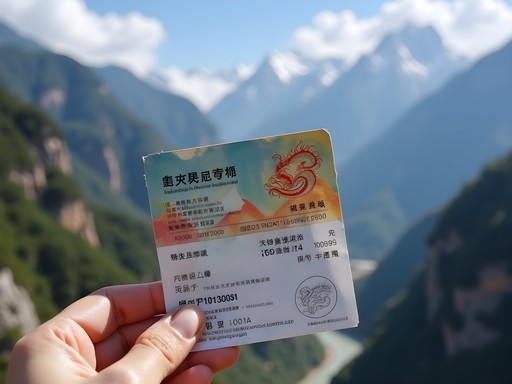
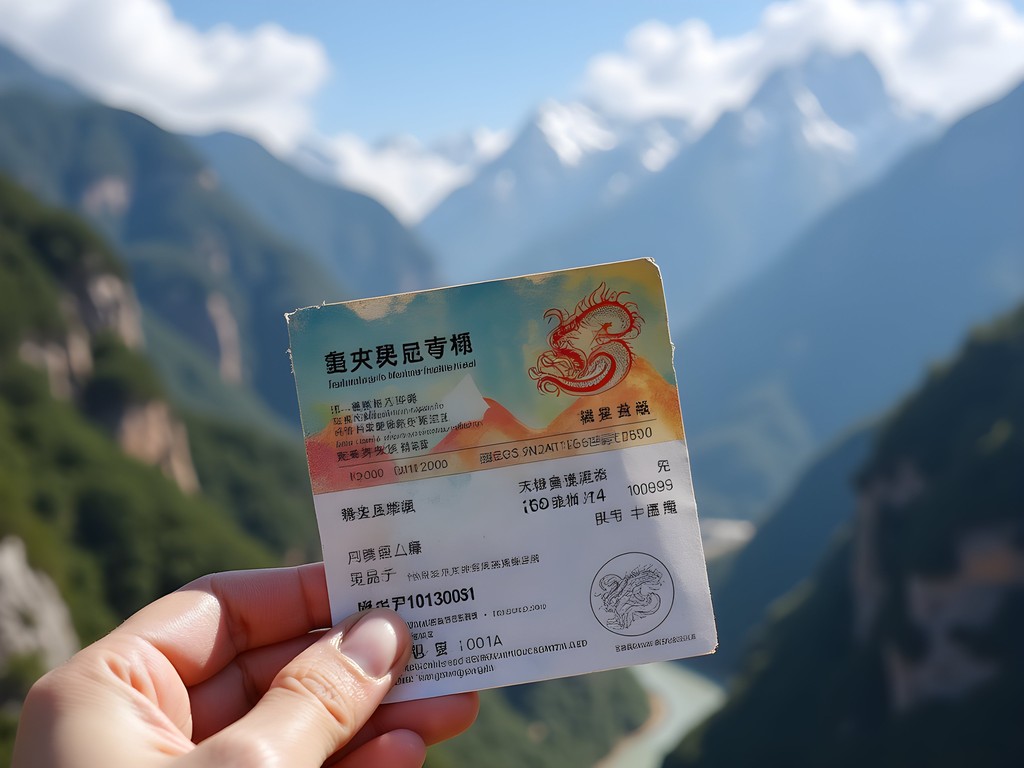
Let's talk straight about costs: accessing this mountain isn't cheap by Chinese standards. The basic entrance fee is ¥130 ($18), but that's just the cover charge. The real expenses come with the internal transportation and specific scenic spots.
What you actually need: - Entrance ticket: ¥130 - Internal bus to trailheads: ¥80 - Oxygen canister: ¥60-100 (worth every yuan at high altitude)
I've hiked five continents and never paid for supplemental oxygen until Jade Dragon. At nearly 5,000 meters with minimal acclimatization time, it's not the place to play tough guy. I picked up a portable oxygen canister before leaving Ireland, but you can buy locally if needed.
The biggest tourist trap is the cable car to Glacier Park (¥180 one-way). Unless you're physically unable to hike or severely pressed for time, skip it. The views are better earned on foot, and the hiking trails give you perspectives the gondola crowds miss entirely.
A word on permits: the standard ticket allows access to most areas, but independent hiking on certain trails requires an additional permit from the Jade Dragon Snow Mountain Administration Office in Lijiang. Get this 48 hours in advance if you're planning any off-the-beaten-path routes.
💡 Pro Tips
- Buy your entrance tickets a day before at hotels in Lijiang to avoid morning queues
- Bring your passport—they sometimes check ID for the official entrance fee
- Ignore 'mandatory' guide requirements for basic trails—only technical routes truly require them
The Blue Moon Valley & Ganhaizi Meadow Trails
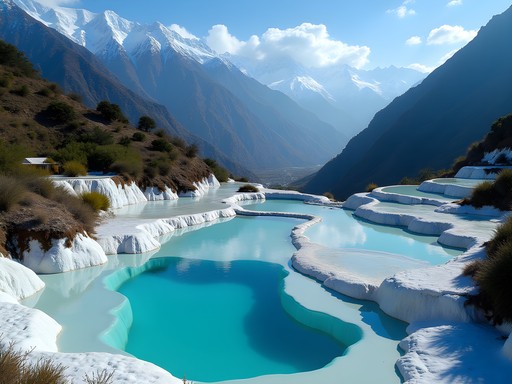
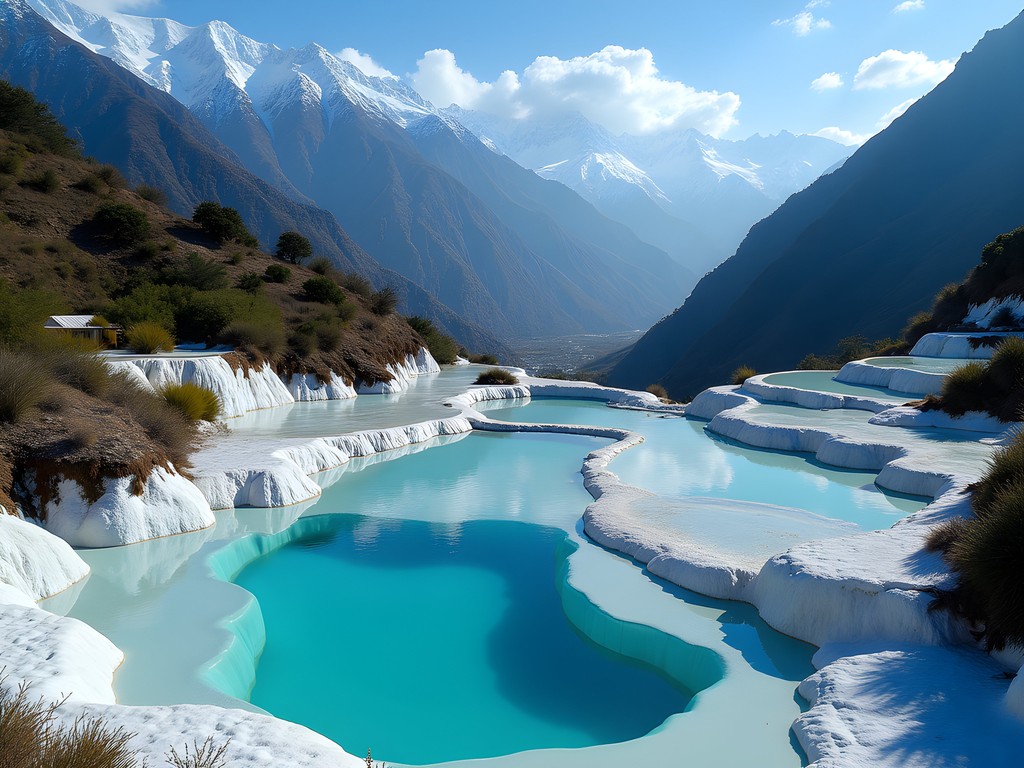
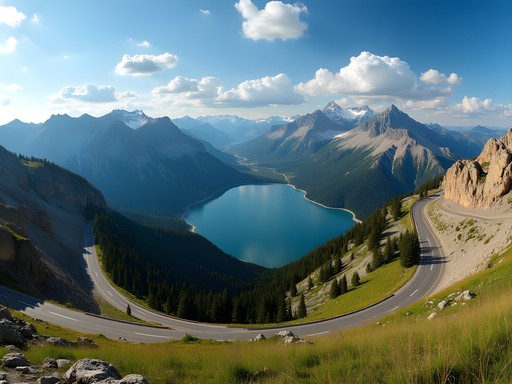
Most visitors rush straight to the highest accessible point, but that's a rookie mistake. Start with the lower elevation trails to acclimatize properly. Blue Moon Valley (Baishui River) sits at about 3,000 meters and offers a 6km circuit that's perfect for day one.
The valley trail follows a series of terraced pools with water so mineral-rich it appears turquoise. The path is well-maintained but gets crowded by mid-morning. I hit the trail at 0700 hours and had 90 minutes of solitude before the tour buses arrived. The eastern side of the loop offers better views and fewer people.
Day two, tackle Ganhaizi Meadow (3,500m). This vast alpine meadow stretches beneath the mountain's main face and offers the first real challenge to your lungs. The 8km loop through the meadow provides unobstructed views of the main peaks. In spring, the meadow explodes with wildflowers—rhodiola, gentian, and edelweiss carpet the landscape.
I'm not typically a trekking pole guy (too many years carrying heavy tools on construction sites), but at these elevations, I was grateful for my collapsible trekking poles. They saved my knees on the descents and provided stability when crossing the occasional stream.
Bring a proper water filtration bottle rather than buying plastic bottles. The mountain streams above 3,000m are generally clean, but filtering removes any doubt. Plus, it's one less environmental sin on a mountain already struggling with tourism impacts.
💡 Pro Tips
- Start Blue Moon Valley hikes before 8am to avoid crowds
- The eastern trail around Ganhaizi Meadow has the best photography spots
- Wear polarized sunglasses—the glare at high elevations is brutal

Conquering the High Altitude Trails
By day three, if you're acclimatized and the weather cooperates, it's time for the main event—the higher trails above 4,000 meters. There are two primary options for non-technical hikers:
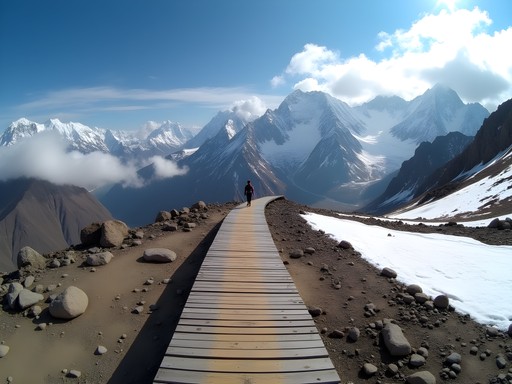
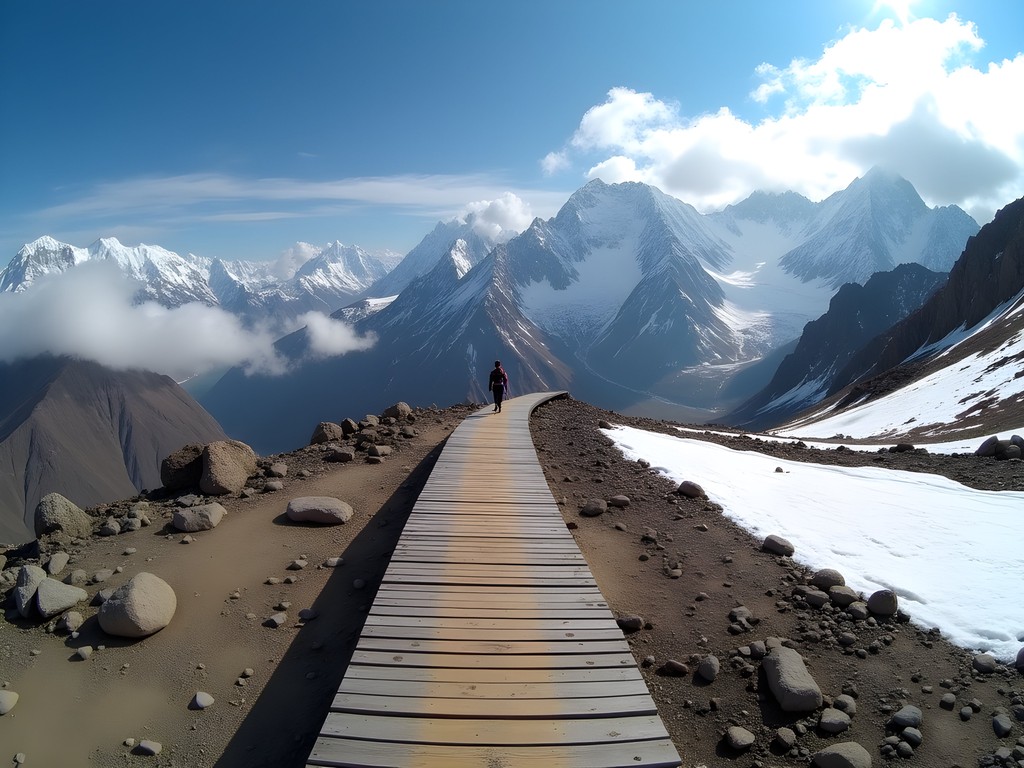
1. Glacier Park Trail (4,680m) This is the highest accessible point for most visitors and requires serious lung capacity. The trail from the upper cable car station is only about 2km, but at this altitude, it feels like a marathon. The wooden boardwalk eventually gives way to a rocky path that leads to a panoramic viewing platform.
I started this hike at first light, wearing my merino wool base layer under a windproof shell. The temperature swing between dawn and midday can exceed 20°C, so layers are non-negotiable. By 10am, I was down to my base layer under the intense mountain sun.
2. Yak Meadow Circuit (3,800m) For a less crowded but equally rewarding experience, the 9km loop through Yak Meadow offers spectacular views without the extreme altitude of Glacier Park. The trail winds through alpine forests before opening to vast meadows where Tibetan herders graze their yaks during summer months.
Both trails demand respect for the altitude. My construction site pace-counting habit served me well here—15 steps, brief pause, repeat. It's not a race. The locals call it "old man's walking," but it's how everyone should approach high altitude hiking.
One absolute essential: UV protection lip balm. Your lips get absolutely hammered by the combination of altitude, wind, and UV exposure. I learned this lesson the hard way on Kilimanjaro years ago—split, bleeding lips aren't a souvenir you want.
💡 Pro Tips
- Use the 'rest step' technique: lock your back leg briefly on each step to conserve energy
- Start high altitude hikes before 8am to avoid afternoon storms
- Drink at least 3-4 liters of water daily, even if you don't feel thirsty
Cultural Encounters with the Naxi People
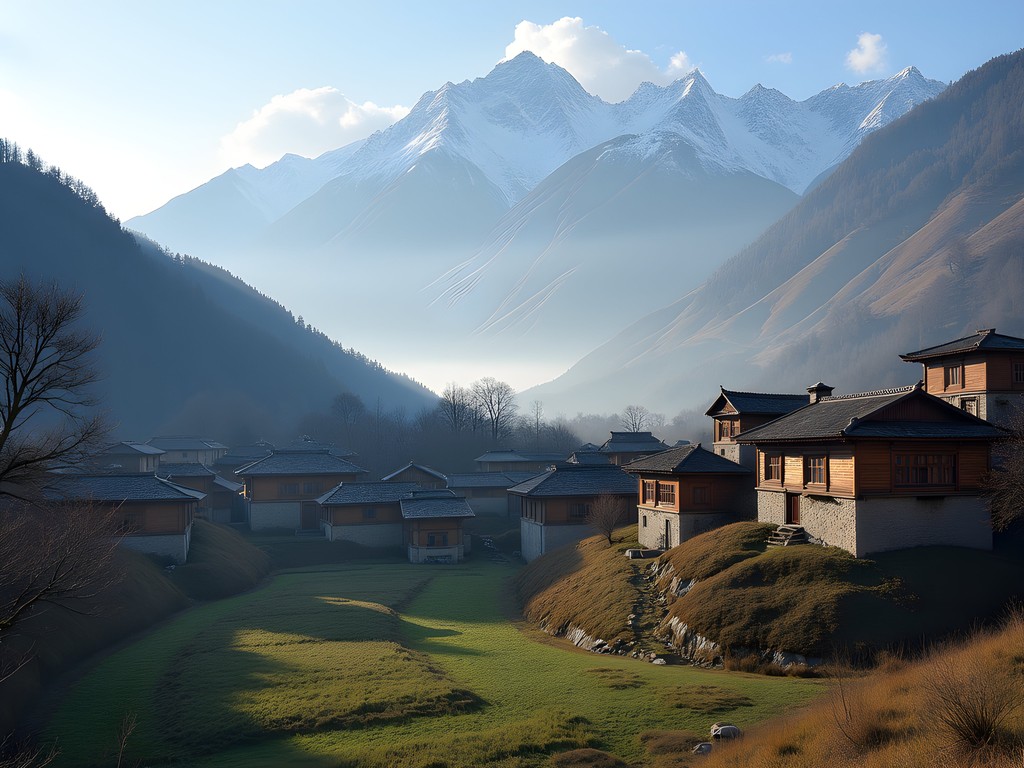
The mountains aren't just geology—they're cultural landscapes. The Naxi people have lived in these valleys for centuries, and their relationship with Jade Dragon Snow Mountain is deeply spiritual. The mountain's thirteen peaks are considered deities in Naxi tradition.
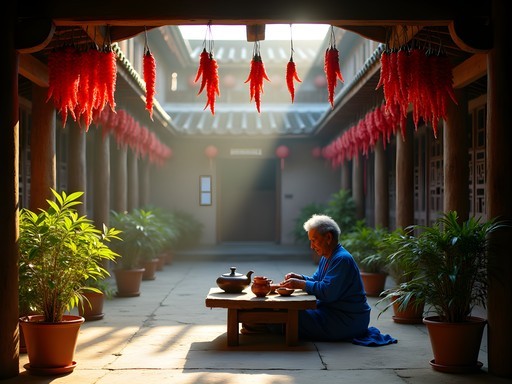
In Baisha Village (about 10km north of Lijiang and a good starting point for some trails), I met an elderly Naxi woman selling traditional embroidery. Through my embarrassingly basic Mandarin and her patient gesturing, I learned she'd lived in the shadow of the mountain for 80+ years. She pointed out patterns in her work that represented different peaks and the gods associated with them.
The Dongba Cultural Museum in Lijiang is worth a half-day visit before or after your mountain adventures. The Naxi writing system—the world's only living pictographic script—tells stories of the mountain's creation and the proper ways to honor its spirits.
For those interested in deeper cultural connections, several guesthouses in Baisha and Yuhu villages offer authentic homestays with Naxi families. I stayed one night in Yuhu with a family that prepared traditional dishes including a buckwheat pancake that's been fueling mountain climbers here for generations.
If you're hiking during spring, you might encounter the annual Worship of Shu Festival (usually April), when Naxi people make pilgrimages to specific sacred sites on the lower slopes. Observe respectfully and from a distance—these aren't tourist performances but genuine spiritual practices.
Bring small gifts if visiting local homes—I always carry a small waterproof playing cards that work great for connecting with locals despite language barriers. Card games become universal language pretty quickly.
💡 Pro Tips
- Learn a few basic Naxi greetings (different from Mandarin) as a sign of respect
- Ask permission before photographing religious ceremonies or elder Naxi people
- Support local artisans by purchasing directly rather than from tourist shops in Lijiang
Final Thoughts
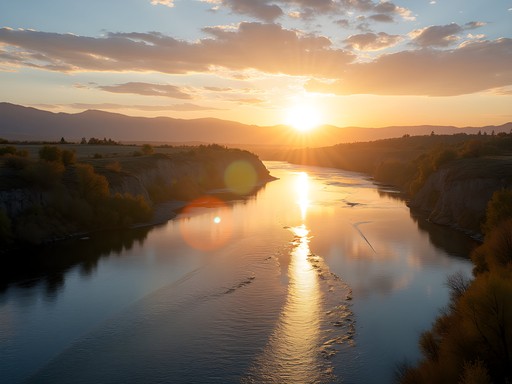
Standing on the highest accessible viewpoint of Jade Dragon Snow Mountain, watching the morning light transform the glacier from blue to blinding white, I couldn't help but think about the parallel with my own life trajectory. At 59, I'm not the same man who spent decades managing construction crews in Atlanta. The mountain reminds us that reinvention isn't just possible—it's necessary.
Jade Dragon isn't the highest peak I've hiked, nor the most technical, but something about its combination of natural grandeur and cultural significance makes it uniquely powerful. The mountain has been a sacred landmark for the Naxi people for thousands of years before becoming a bucket-list item for tourists.
If you make this journey, do it right. Skip the cable cars when your legs can carry you. Learn a few words of Naxi language. Sit in silence occasionally rather than constantly snapping photos. The mountain has stood for millennia—it deserves more than a hasty selfie.
As my paragliding instructor once told me after my first solo flight at 50: the view is always better when you've earned it. Jade Dragon Snow Mountain offers that earned reward in abundance. I'll be back, perhaps with my environmental science perspective more fully developed, to explore how this fragile ecosystem is adapting to climate change and tourism pressure. Mountains, like people, are always evolving.
✨ Key Takeaways
- Acclimatize properly by hiking lower elevation trails first
- Skip the tourist-packed cable cars when possible for a more authentic experience
- Learn about Naxi culture to appreciate the mountain's cultural significance
- Spring offers the perfect balance of weather and wildflower blooms
- Start hikes early to avoid afternoon storms and crowds
📋 Practical Information
Best Time to Visit
Mid-March to early June (spring) for clear skies and wildflowers
Budget Estimate
¥1500-2000 ($210-280) for a 3-day mountain experience including accommodation and food
Recommended Duration
5-7 days (2-3 in Lijiang, 3-4 on the mountain)
Difficulty Level
Moderate To Challenging Due To High Altitude
Comments
tripgal
That sunrise photo of the glacier is incredible! What camera settings did you use? I'm heading there in March and really want to capture something similar.
Gary Walker
Thanks! Shot that on manual mode - f/8, ISO 100, 1/125 sec with a polarizing filter to cut the glare. The morning light between 7-8am gives that perfect golden glow on the glacier!
tripgal
Perfect, thanks for the tips! Can't wait to try this out!
wildway
Just got back from doing this hike last week! Your blog was super helpful. The altitude hit me HARD but totally worth it for those glacier views. We took your advice about starting at Ganhaizi Meadow first and it was perfect. My portable oxygen canister was a lifesaver above 4000m!
wildblogger
How difficult was getting transportation back to Lijiang after the hike? Planning a trip for February and wondering if I need to arrange something in advance.
Gary Walker
February can be tricky with fewer tourists around. I'd recommend arranging a driver in Lijiang who can pick you up at an agreed time. The local buses are less reliable during winter months. Also, check weather forecasts - February can bring unexpected snowfall on the trails!
Sarah Powell
Gary, your description of that final viewpoint brought back so many memories! I hiked Jade Dragon last June and completely agree about avoiding the cable car tourist trap. For anyone planning this trek, I'd add that the Blue Moon Valley is actually worth the extra time - the color contrast between the water and surrounding landscape is even more vibrant in person than photos suggest. One thing I'd emphasize is bringing layers - the temperature swing from Lijiang to the higher elevations caught me off guard. I started in a t-shirt and ended up wearing every piece of clothing I'd packed by the summit. Also found that starting at sunrise helped avoid both crowds and afternoon weather changes.
wildway
Did you hire a guide or do it independently? Trying to decide what's best for a first-timer!
Sarah Powell
I went with a guide from Lijiang Old Town and was glad I did - helped navigate the permit system and some unmarked trail junctions. Worth the money for peace of mind.
globeclimber
Those views are INSANE! Definitely adding this to my bucket list for my China trip next year.
Sarah Powell
Just be prepared for the altitude! I did this hike last summer and wish I'd spent an extra day in Lijiang acclimatizing first.
globeclimber
Thanks for the tip! Did you take any altitude meds or just acclimatize naturally?
Hunter Thompson
MATE! This guide is EXACTLY what I needed! Heading to Yunnan next month and Jade Dragon was on my maybe list, but you've convinced me it's a must-do! Quick question - how were the permit situations? I've heard mixed things about whether you need to book in advance or can just rock up on the day? Also, that bit about avoiding the tourist traps is gold - nearly fell for the "special mountain tour" scam in Lijiang yesterday lol. Those touts are persistent!
Gary Walker
Hey Hunter! You can get permits on the day at the entrance - just arrive early (before 8am) to avoid lines. And yeah, ignore anyone in Lijiang offering "special access" or "guide required" tours. The mountain is well-marked and you can do it solo easily!
backpackbackpacker
Just got back from Lijiang last week and did this hike! Pro tip: the public buses from Lijiang to the mountain base are super reliable and way cheaper than the taxis. Bus #7 from the Old Town north gate gets you there in about 40 mins. Also, bring more water than you think you need - the altitude makes you dehydrate faster!
wanderlustlegend
Great post! How crowded were the trails when you went? And is it possible to avoid the tourist crowds entirely with an early start?
Gary Walker
Thanks! The main viewing platforms get crowded by 10am, but if you start hiking by 7am, you'll beat most tour groups. The higher trails stay relatively quiet all day - most tourists stick to the cable car areas.
nomadmate
Going there next month, this is perfect timing!
Megan Martin
Excellent guide, Gary! I visited Jade Dragon last spring and wish I'd had this resource then. One thing I'd add for readers: the weather can change dramatically within an hour at that altitude. I started in sunshine and ended up in near-whiteout conditions by noon. Layering is absolutely essential. Also, the Blue Moon Valley area is stunning and often overlooked by people rushing to the cable car. Budget at least 2-3 hours there if you can. The turquoise pools are unreal.
photorider
Blue Moon Valley is SO underrated! Spent half a day there and got better photos than at the top honestly.
Venture X
Premium card with 2X miles, $300 travel credit, Priority Pass