Disclosure: This article contains affiliate links. We may earn a commission from purchases at no extra cost to you, which helps our travel content.
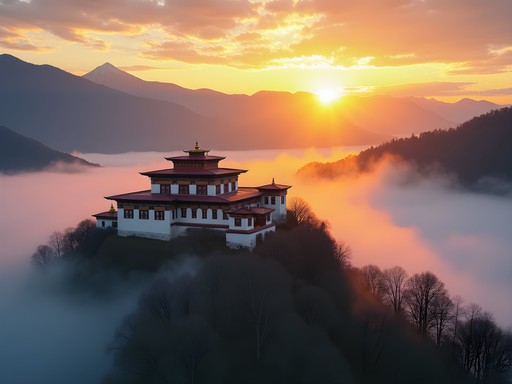
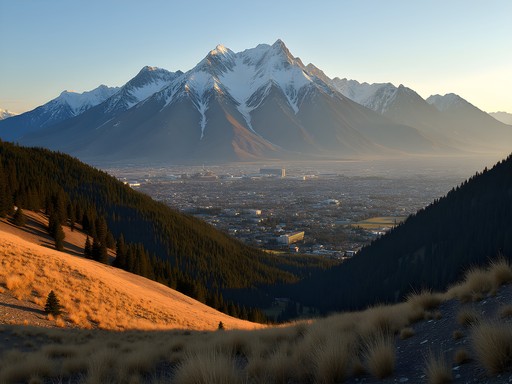
The mountains of Wangdue Phodrang aren't just geographic formations—they're living deities wrapped in prayer flags and mist. As someone who's chased summits across four continents, I can tell you that nowhere else have I felt terrain so deeply infused with spirituality. After two weeks navigating these sacred slopes last October, I've returned with not just photographs, but a profound understanding of why Bhutanese people believe these peaks are the physical manifestations of their protector deities.

Preparing for Wangdue's Sacred Altitudes
Trekking in Bhutan requires more preparation than your average mountain expedition. Beyond the physical training (which I maintained with daily stair climbs for three months prior), there's the bureaucratic choreography of securing permits and a licensed guide—both non-negotiable requirements for all visitors.
My journey began months before touchdown in Paro, researching Bhutan's sustainable tourism model and the $200-$250 daily tariff that initially seems steep but includes accommodation, transportation, guide services, and contributes to Bhutan's free healthcare and education. The investment in proper gear proved equally important. The temperature swings in Wangdue's mountains are dramatic—I recorded 25°C (77°F) in afternoon sun and -10°C (14°F) during predawn summit attempts.
My insulated sleeping bag became my most treasured possession on those sub-zero nights in basic mountain huts. Its 800-fill down construction compresses remarkably small in my pack but expands into a cocoon of warmth that made those frigid nights not just bearable but comfortable.
💡 Pro Tips
- Begin altitude acclimatization in Thimphu (2,334m) before heading to higher elevations
- Pack microspikes for unexpected icy patches on autumn trails
- Bring twice as many batteries as you think you'll need—cold temperatures drain them quickly
The Dagala Thousand Lakes Trek: Wangdue's Hidden Jewel
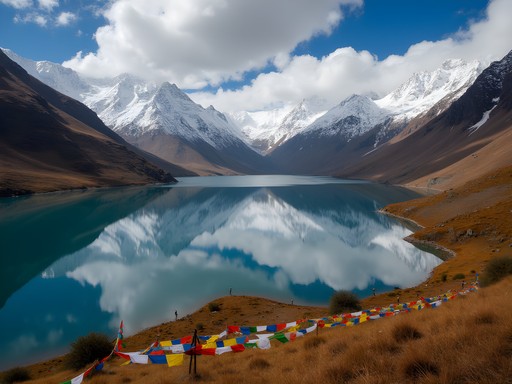
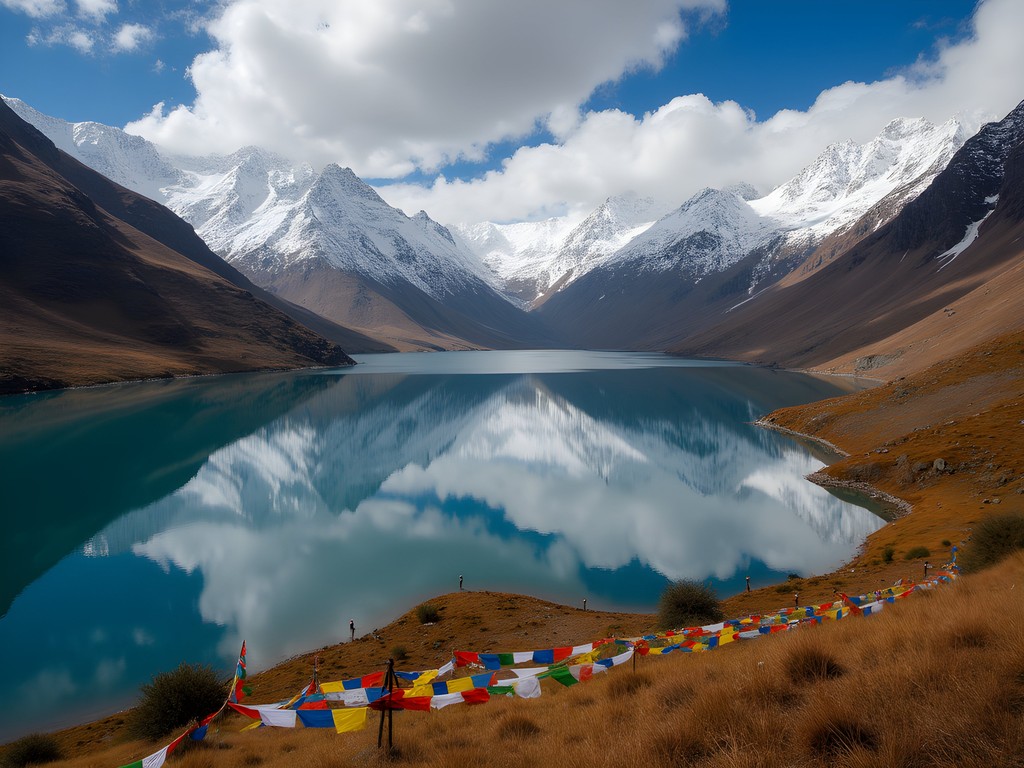
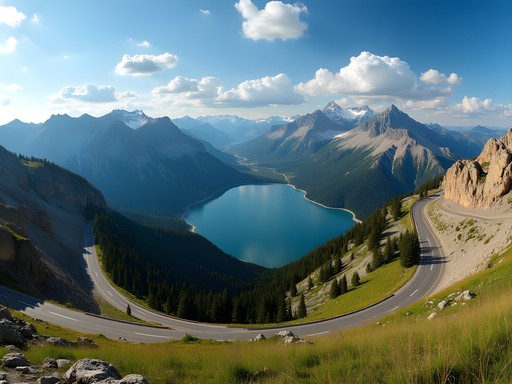
While most visitors to Bhutan flock to the popular Druk Path or Snowman Trek, the Dagala Thousand Lakes circuit in Wangdue remains refreshingly uncrowded. This moderate-to-difficult 5-day route connects a necklace of alpine lakes nestled between 3,800-4,520 meters, each reflecting a different mood of the sky.
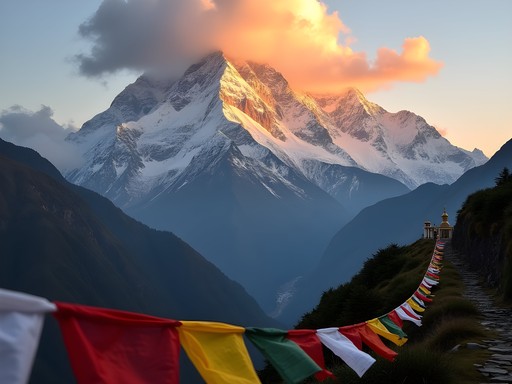
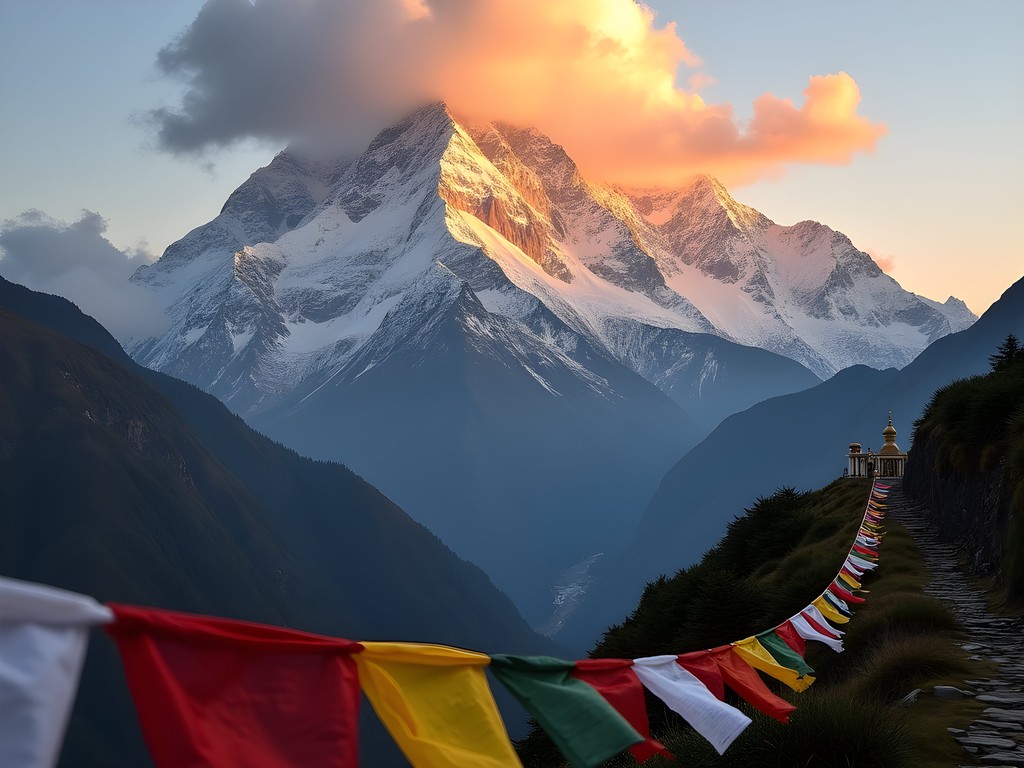
Day three tested both my technical skills and mental fortitude. A 6-hour climb up scree slopes led to Labatama, where prayer flags whipped fiercely in winds that seemed to carry whispers of ancient mantras. My trekking poles proved invaluable on this stretch—their flick-lock system never slipped despite my full weight bearing down on descents, and the cork grips remained comfortable even as my palms sweated with exertion.
What makes this trek special isn't just the pristine wilderness but the encounters with yak herders who winter in these high meadows. One afternoon, an elderly herder invited me into his stone shelter, where he demonstrated how he spins raw yak wool into thread using a hand spindle that looked centuries old. The rhythmic motion of his weathered hands reminded me of my mother's weaving—different traditions united by the universal language of craft.
💡 Pro Tips
- Request a packed lunch with local red rice and ema datshi (chili cheese) for authentic trail food
- Bring small gifts (pencils, photos from your country) for meaningful exchanges with yak herders
- Allow extra days in your itinerary for weather delays—mountain conditions change rapidly
Gangtey Valley: Where Cranes and Culture Converge
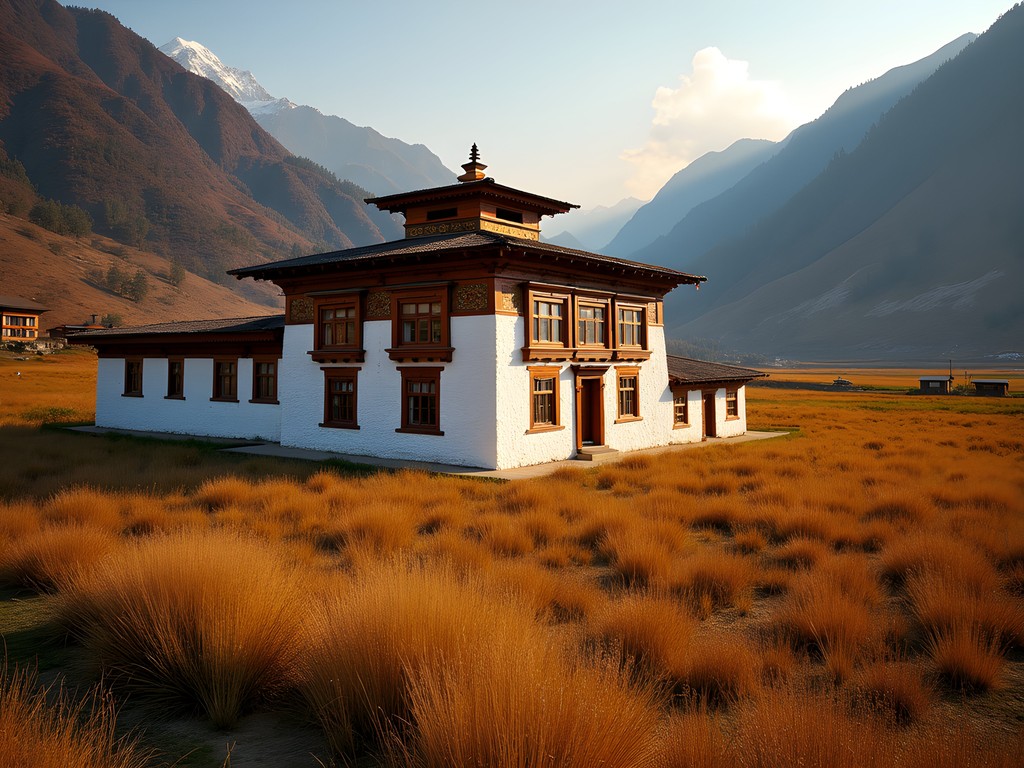
After the high-altitude challenges of Dagala, I descended into the Gangtey Valley (also known as Phobjikha)—a vast glacial valley within Wangdue district that serves as winter home to endangered black-necked cranes. Arriving in early October meant witnessing the first birds making their dramatic arrival from Tibet.
The valley's U-shape creates a natural amphitheater where sound carries remarkably well. During my stay at a local farmhouse, the family's teenage son demonstrated how shepherds communicate across the valley using traditional calls that blend yodeling with whistling. Later that evening, I attempted to learn the technique, much to the family's amused encouragement.
Trekking the Gangtey Nature Trail offers a gentler experience than the alpine routes but reveals equally spectacular landscapes. The path winds through old-growth rhododendron forests before opening to panoramic views of the valley floor. My field binoculars brought distant crane feeding grounds into sharp focus—the ED glass providing exceptional clarity that helped me distinguish individual birds' behaviors without disturbing them.
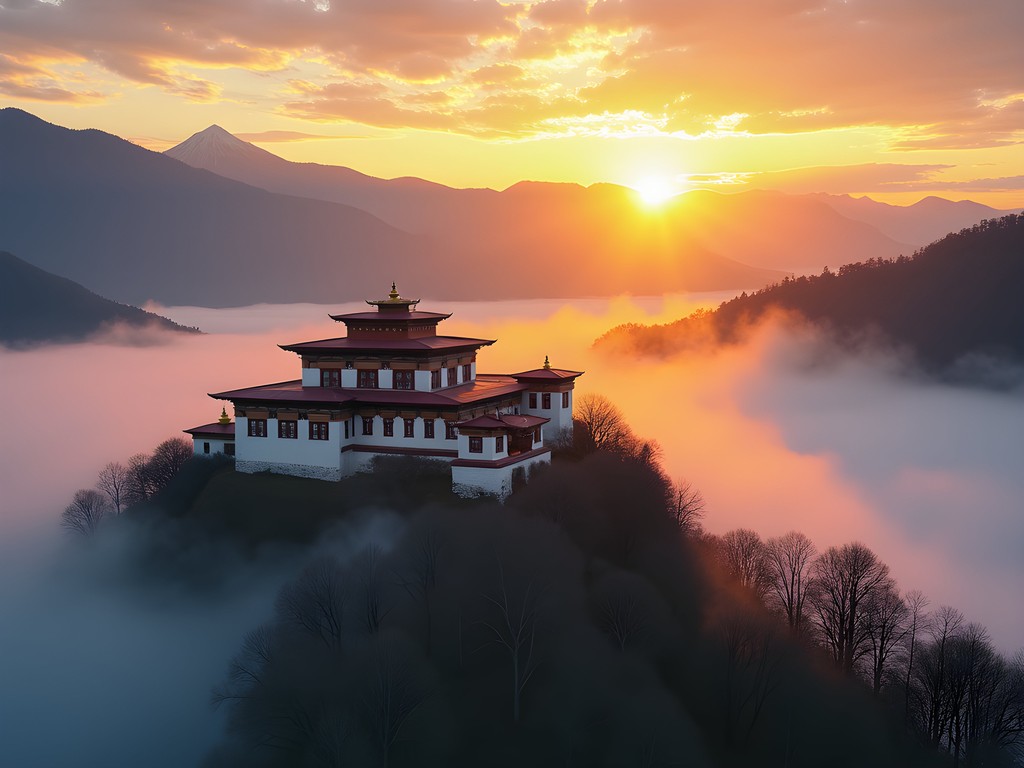
The valley is also home to the 17th-century Gangtey Monastery, where I was fortunate to witness young monks practicing traditional woodcarving. Their tools—handed down through generations—carved intricate lotus patterns into prayer blocks with a precision that reminded me of my father's woodworking shop back in Montreal.
💡 Pro Tips
- Respect the crane habitat by maintaining at least 100m distance from feeding areas
- Book a homestay through the Phobjikha Community-Based Tourism initiative to support local families
- Attend morning prayers at Gangtey Monastery (5:30am) for an authentic glimpse into monastic life

The Artisan Workshops of Wangdue: Where Mountains Meet Makers
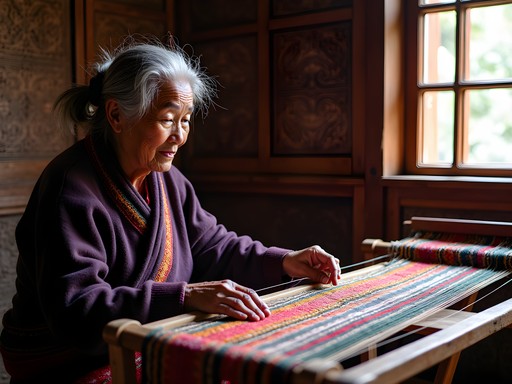
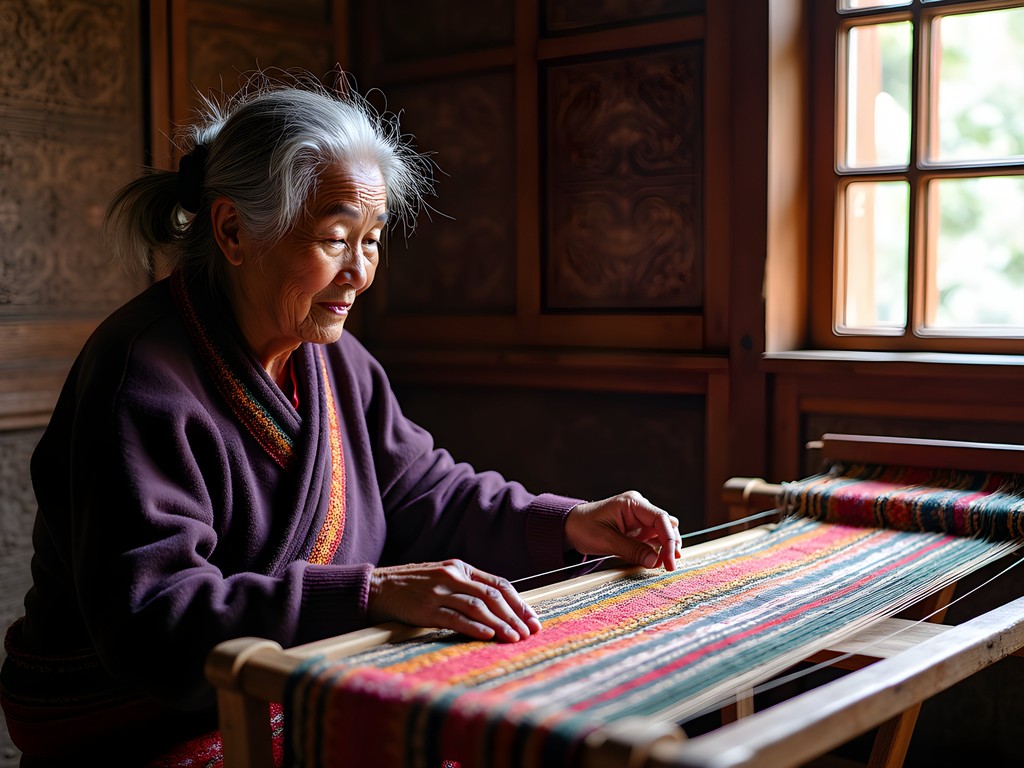
Between treks, I discovered Wangdue's thriving artisan communities—a perfect intersection of my passions for mountains and craftsmanship. In the small village of Rinchengang, known for its clustered settlement of stone houses, I spent a day with weavers who create traditional kushutara textiles with patterns that often depict the surrounding sacred peaks.
One weaver, Tshering, showed me how she harvests natural dyes from alpine plants collected during specific moon phases—knowledge passed down through fifteen generations of women in her family. The indigo blue derived from high-altitude flowers required months of fermentation, while vibrant yellows came from a lichen that only grows above 3,500 meters on north-facing slopes.
For those looking to bring home meaningful souvenirs, I recommend visiting the bamboo crafters near Bajo Town. Their intricate baskets use weaving techniques unique to central Bhutan, with patterns that tell stories of local deities and mountain spirits. I couldn't resist purchasing a traditional meditation cushion filled with buckwheat hulls and covered in locally-woven fabric. It now serves as both a practical tool for my morning meditation practice and a tactile reminder of Bhutan's reverence for mindfulness.
The connection between Wangdue's dramatic landscapes and its craft traditions isn't coincidental—the isolation of these mountain communities has preserved techniques that have disappeared elsewhere, while the spiritual significance of the peaks infuses the artisans' work with deeper meaning.
💡 Pro Tips
- Bring US dollars in small denominations for purchasing crafts directly from artisans
- Ask permission before photographing craftspeople or their workshops
- Learn a few basic phrases in Dzongkha to connect more meaningfully with local makers
Sacred Summits: Trekking with Spiritual Purpose
The culmination of my Wangdue expedition was attempting the pilgrimage route to Bayul Dongkala, a mountain considered one of Bhutan's most sacred sites. Unlike western mountaineering, which often focuses on conquest, Bhutanese approaches to summiting are acts of devotion.
My guide Dorji explained that we would need to observe specific protocols: maintaining silence near certain rock formations believed to house local deities, refraining from pointing directly at certain peaks, and participating in offering ceremonies at designated points along the route.
The technical aspects of this trek demanded specialized gear. My high-altitude boots provided crucial ankle support and insulation as we navigated mixed terrain of loose scree, snow fields, and exposed ridges. Their Vibram soles gripped confidently on wet prayer-flag-covered rocks that would have sent lesser boots sliding.
At 4,800 meters, we reached a meditation cave used by Bhutan's revered 8th-century spiritual leader Guru Rinpoche. Inside, butter lamps cast dancing shadows on walls blackened by centuries of smoke. Dorji produced a small bag of white rice, showing me how to make a simple offering while reciting a mantra that has echoed through these mountains for over a thousand years.
The connection between physical exertion and spiritual experience created a unique form of mountain appreciation I hadn't encountered elsewhere—each step becoming a form of moving meditation, each vista a living mandala.
💡 Pro Tips
- Pack a headlamp with red light mode for predawn summit attempts without disrupting night vision
- Bring small offerings (white scarves or incense) for traditional ceremonies at sacred sites
- Practice proper altitude acclimatization—ascend no more than 300-500m per day above 3,000m
Final Thoughts
As my small plane lifted away from Paro's notoriously challenging runway, I pressed my forehead against the window for one last glimpse of Bhutan's sacred peaks. Two weeks in Wangdue had fundamentally shifted my understanding of what mountains can mean—not just geological formations to be conquered, but living entities to be approached with reverence.
The technical challenges of these treks will satisfy the most adventure-hungry mountaineer, but it's the cultural dimensions that transform the experience from mere recreation to something profound. Like the intricate patterns in Tshering's weaving or the careful chisel strokes of the monastery woodcarvers, each step on Wangdue's trails becomes part of a larger pattern of meaning.
If you're seeking mountains that challenge both your technical skills and your perspective, set your compass for this hidden corner of the Himalayas. Pack your gear, prepare your body, open your mind—and remember that in Bhutan, the true summit is reached not when you conquer a peak, but when you understand why it was never yours to conquer in the first place.
✨ Key Takeaways
- Wangdue offers technical trekking experiences without the crowds found on Bhutan's more famous routes
- The intersection of mountaineering and spiritual practice creates a unique approach to alpine exploration
- Local craft traditions provide deeper insight into Bhutanese mountain culture beyond the trails
📋 Practical Information
Best Time to Visit
Mid-September to early November
Budget Estimate
$200-250 daily tariff plus $40-100/day for gear rentals and souvenirs
Recommended Duration
Minimum 14 days including acclimatization
Difficulty Level
Advanced - Requires Previous High-Altitude Trekking Experience
Comments
wanderlustdiver
How many days did the Dagala trek take you total?
Nova Perry
I did it in 6 days but you can do 5 if you're fit. Would recommend 6 to really enjoy it without rushing!
Frank Garcia
Really appreciate the detail on acclimatization here. Too many trekking blogs gloss over altitude prep. The Dagala trek reaching 4,500m is no joke—did you experience any altitude symptoms? I'm planning this for October and trying to gauge whether to add extra acclimatization days. Also curious about temperatures at that elevation during autumn. The sustainable daily fee model Bhutan uses is fascinating from a tourism management perspective, though definitely changes the backpacking economics compared to Nepal.
Nova Perry
I had mild headaches on day 3 but nothing serious. October is actually perfect—clear skies and temps around 5-10°C at higher camps. Definitely colder than my May trek. I'd recommend an extra acclimatization day if you're coming from sea level. The daily fee includes so much (guide, meals, accommodation) that it's actually decent value compared to organized treks elsewhere.
wildnomad
How hard was it to get the trekking permits? And did you need a guide or can you do it independently?
Nova Perry
All tourism in Bhutan requires going through a licensed tour operator—you can't trek independently. But honestly, the guides add so much cultural context. My guide explained the significance of every prayer flag and monastery we passed. Permits are handled by your operator as part of the package.
wildnomad
Good to know, thanks!
wanderlustvibes
Wow this looks incredible! Adding to my bucket list
vacationace
Those artisan workshops sound amazing! How much time should I set aside to properly visit them? And are they open year-round?
escapeguide
Just got back from Bhutan last week and your post makes me want to go back immediately! We didn't make it to Wangdue but spent time in Paro and Punakha. The respect for mountains and nature is unlike anywhere else I've been. One question - did you participate in any of the local festivals? We just missed the Wangdue Tshechu and I'm wondering if it's worth planning a return trip around it.
moonexplorer
Not the author but I caught the Wangdue Tshechu in 2023 - absolutely worth planning around! The mask dances are incredible.
Timothy Jenkins
Nova, this is exactly the kind of authentic trekking experience I've been searching for! Your section on the Gangtey Valley was particularly inspiring. I spent time in eastern Bhutan last year but missed Wangdue entirely - clearly a massive oversight on my part. For anyone planning a similar trek, I'd strongly recommend investing in proper altitude sickness medication and taking a full day in Thimphu to acclimatize before heading to higher elevations. I used my trekking poles throughout Bhutan and they were absolute lifesavers on those steep descents, especially when it rained and trails became slippery. Question for Nova: did you find the local guides knowledgeable about the spiritual significance of the peaks? That aspect interests me most.
Nova Perry
Timothy - absolutely! My guide Dorji was incredible. He grew up in a village near Wangdue and shared so many stories about the mountain deities that weren't in any guidebook. He even showed me specific offerings locals make before major climbs. The spiritual connection to the landscape is profound and completely transforms the trekking experience.
exploreseeker
This looks incredible but I'm worried about the fitness level required. I'm reasonably fit but not a mountaineer. Would the Dagala trek still be doable for me? How many hours of hiking per day did you average?
Nova Perry
If you're reasonably fit, you should be fine! We averaged 5-6 hours of hiking daily, with plenty of breaks. The altitude is the main challenge, not the technical difficulty. Make sure to acclimatize properly first.
redguy
Did you need any special permits for the sacred peaks? Heading to Bhutan in October and trying to figure out the paperwork situation.
Timothy Jenkins
Not Nova, but I was there in April. You'll need the standard Bhutan visa/tourism fee ($250/day), but for Wangdue specifically, your guide will need to arrange a special trekking permit if you're going above 3500m. Some peaks are completely off-limits for religious reasons. The permit process takes about 3-4 days once you're there.
redguy
Super helpful, thanks Timothy! Did you book your guide in advance or find one when you arrived?
Timothy Jenkins
Definitely book in advance - it's actually required. Your entire Bhutan trip needs to be arranged through a licensed Bhutanese tour operator. I used Druk Heritage Tours and was very happy with them.
photolover4915
Nova, your photos of the Dagala Thousand Lakes Trek are breathtaking! I did a similar route last year but missed the artisan workshops completely. That shot of the prayer flags against the mountain backdrop literally gave me goosebumps. Did you find the altitude challenging? I struggled the first two days despite considering myself pretty fit.
Nova Perry
Thanks so much! The altitude definitely hit me harder than expected - especially that second night at 4,200m. Found myself waking up breathless a few times. The workshops are easy to miss if you take the main trail - they're about 40 minutes off the standard route.
photolover4915
Good to know it wasn't just me! Will definitely check out the workshops next time. Your article has me planning a return trip already!
Venture X
Premium card with 2X miles, $300 travel credit, Priority Pass