
Disclosure: This article contains affiliate links. We may earn a commission from purchases at no extra cost to you, which helps our travel content.
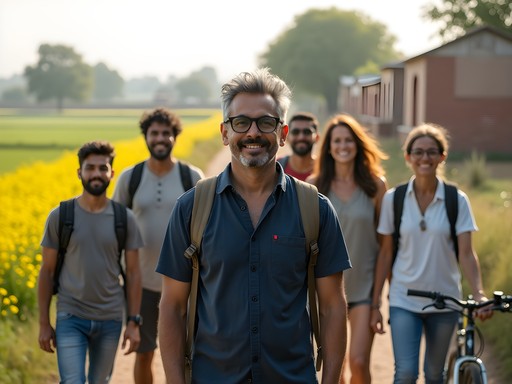
Most visitors to Agra check the Taj Mahal off their bucket list and leave within 24 hours. I did the same on my first visit in 1992. But after spending a week exploring the countryside and Yamuna River basin last winter with a group of innovation lab colleagues, I discovered an entirely different Agra—one of rural farming communities, dramatic ravines, and surprising wildlife. If you're traveling with friends or a group and want to experience the authentic landscape that sustained Mughal emperors, this guide will show you how to do it on a modest budget.

Cycling the Yamuna Floodplains: Where History Meets Agriculture
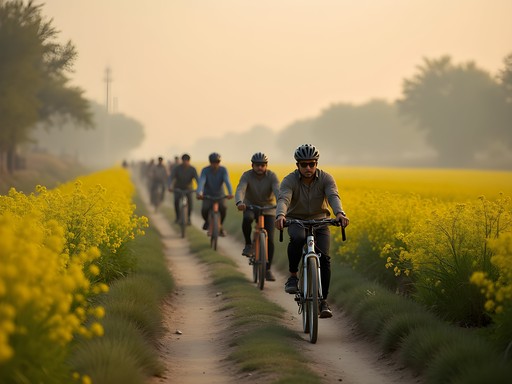
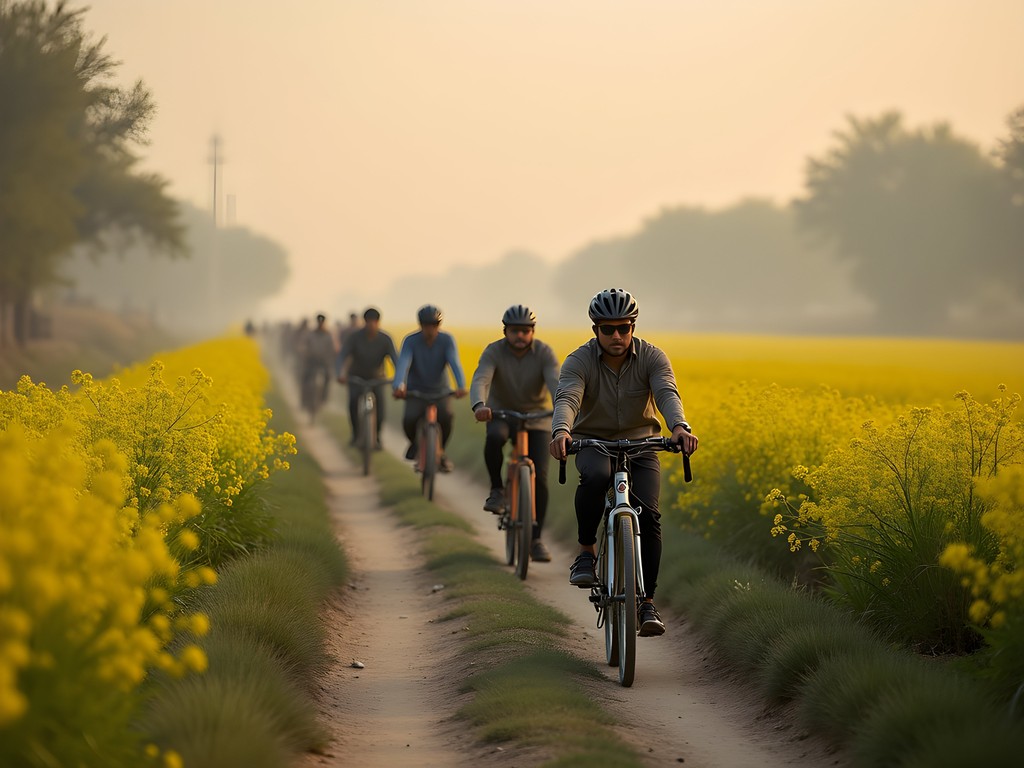
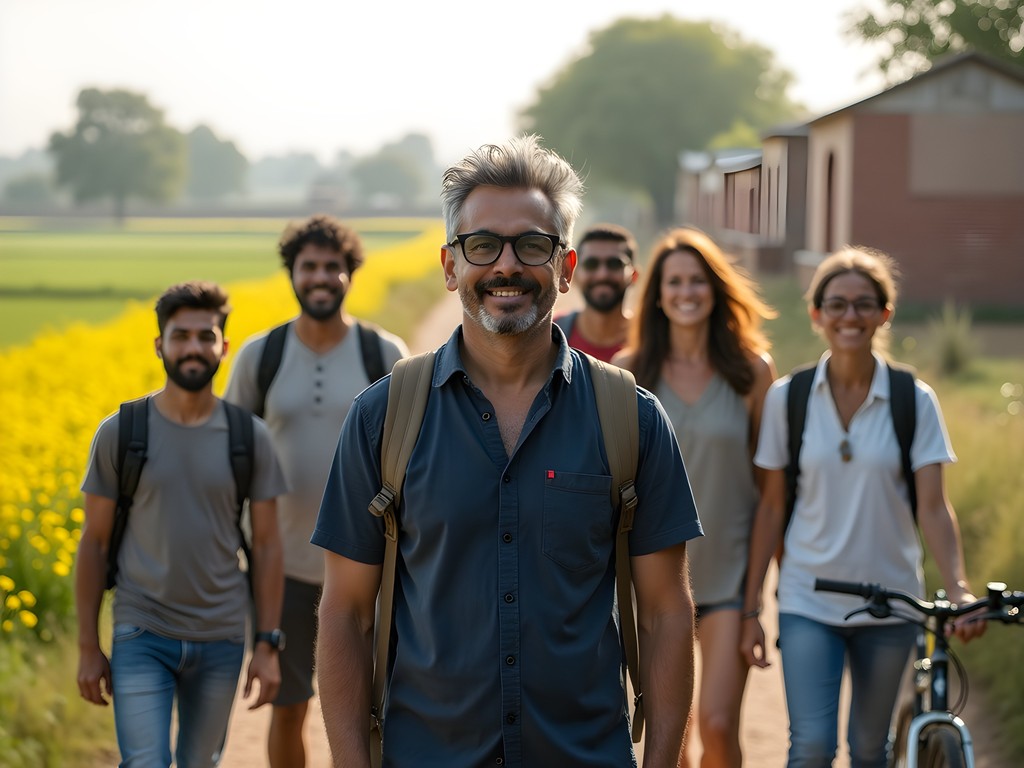
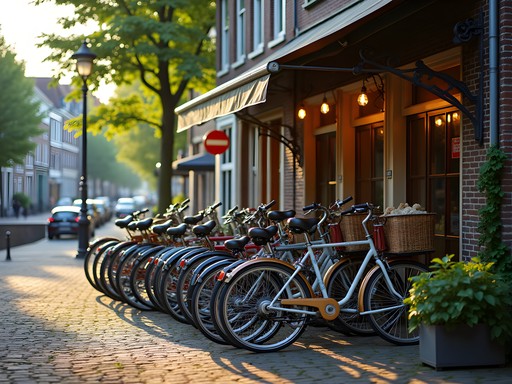
The Yamuna River floodplains stretch east of Agra in a patchwork of mustard fields, vegetable farms, and small villages that have changed little in centuries. I organized a three-day cycling route with five colleagues, covering roughly 30 kilometers daily through this agricultural heartland. We rented sturdy Indian-made Hero cycles from a shop near Sikandra for just 150 rupees per day—no fancy gear needed here.
The route took us past Mughal-era wells still in use, through villages where women thresh wheat by hand, and alongside irrigation channels that date to Akbar's reign. We stopped frequently to chat with farmers (my Gujarati helped, though Hindi dominates here) and learned about the challenges of water scarcity and changing monsoon patterns. One farmer invited us for chai and showed us his solar-powered irrigation pump—a perfect example of traditional agriculture meeting modern innovation.
The terrain is flat and forgiving, ideal for intermediate cyclists who might not tackle Himalayan passes but want more than a leisurely ride. Early mornings offer the best light and coolest temperatures. Bring a good water filter bottle because refill stops are frequent but tap water quality varies significantly between villages.
💡 Pro Tips
- Start rides by 7 AM to avoid midday heat, even in winter when temperatures reach 25°C by noon
- Hire a local guide through Agra Cycling Tours (around 1,500 rupees for the group) who knows safe routes and can facilitate village interactions
- Pack puncture repair kits—thorny acacia branches are common roadside hazards
The Chambal River Safari: India's Unexpected Wildlife Corridor
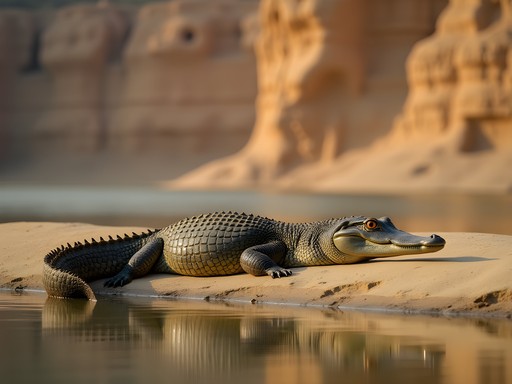
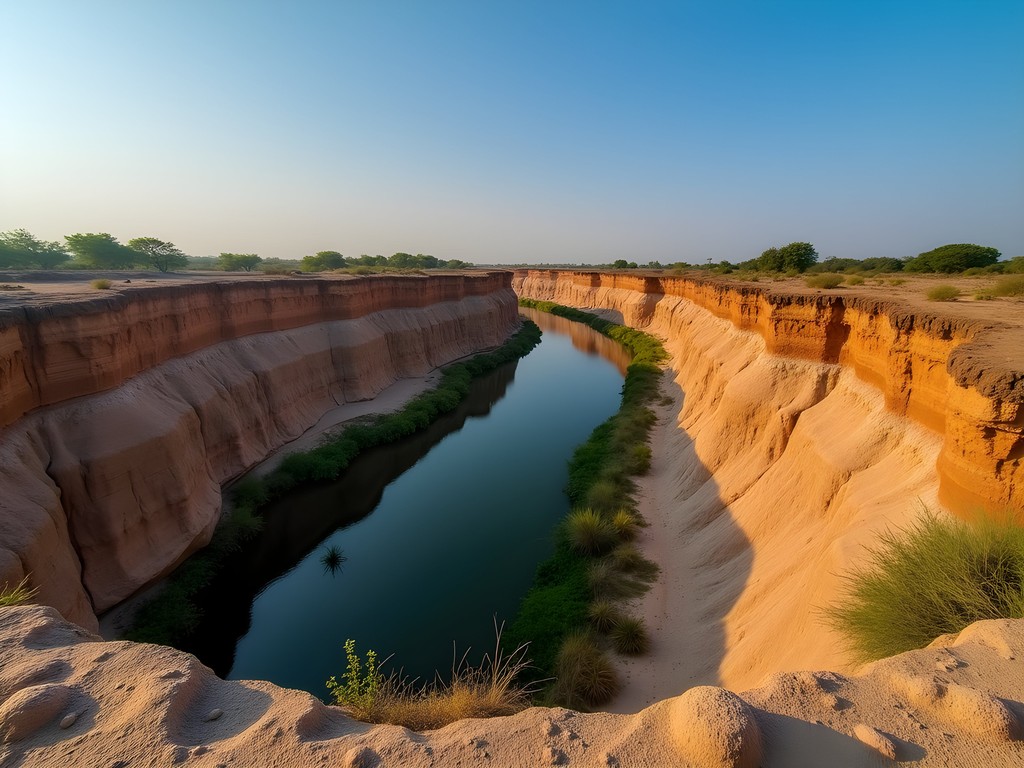
Just 65 kilometers south of Agra lies one of India's most underrated wildlife experiences: the Chambal River ravines. This badlands landscape of deep gullies and dramatic cliffs has protected gharials (fish-eating crocodiles), Ganges river dolphins, and over 300 bird species. As someone who's documented cliff formations from Scotland to Vietnam, I was genuinely surprised by the geological drama here—sedimentary layers carved by millennia of erosion creating a miniature Grand Canyon.
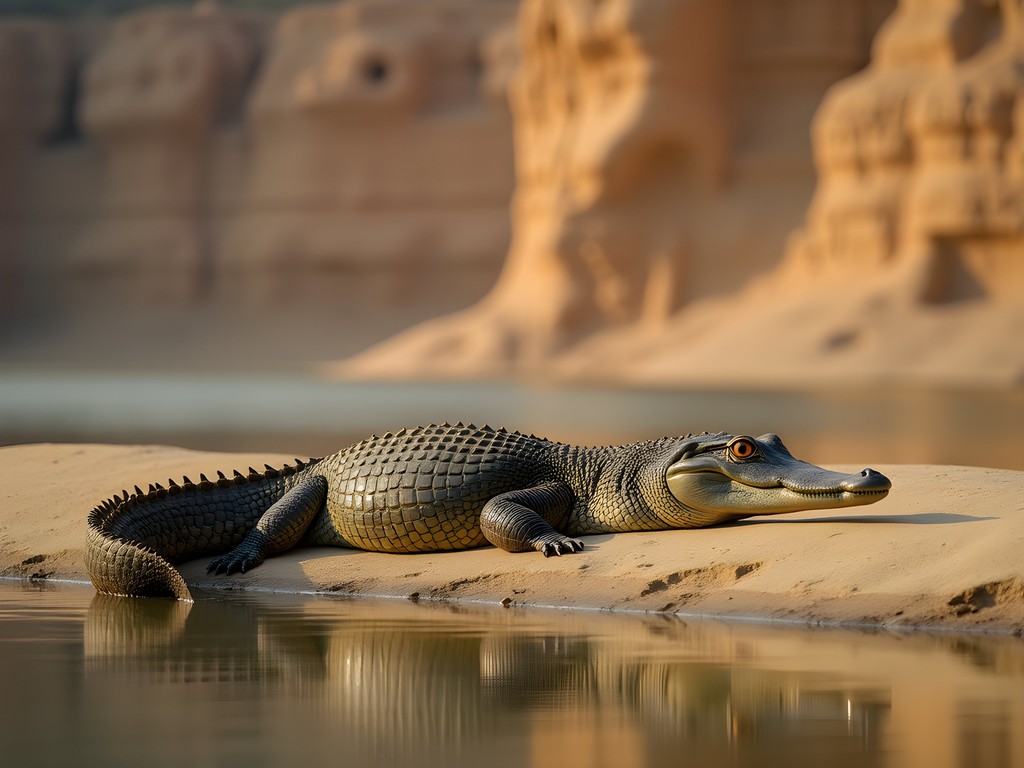
We hired a boat through the Chambal Safari Lodge for 3,500 rupees (split six ways, very reasonable) for a four-hour morning safari. Our guide, Ramesh, has been navigating these waters for 20 years and spotted wildlife I would have completely missed. We saw eight gharials basking on sandbanks, including a massive male with the distinctive bulbous nose. The real thrill came when a Ganges river dolphin surfaced just meters from our boat—these critically endangered creatures number fewer than 2,000 worldwide.
The ravine cliffs themselves tell a fascinating story. The Chambal cuts through Vindhyan sandstone and shale, creating vertical walls up to 30 meters high. These formations have historically provided refuge for bandits (dacoits), and Ramesh shared stories of famous outlaws who hid in these ravines until the 1980s. Today, they shelter nesting sites for Indian skimmers and black-bellied terns.
💡 Pro Tips
- Book morning safaris (6-10 AM) when wildlife is most active and light is ideal for photography
- Bring a good pair of birding binoculars because dolphins surface unpredictably and birds perch at distance
- Combine the safari with a visit to the National Chambal Sanctuary headquarters to understand conservation efforts
Village Immersion: Cooking and Innovation in Kachhpura
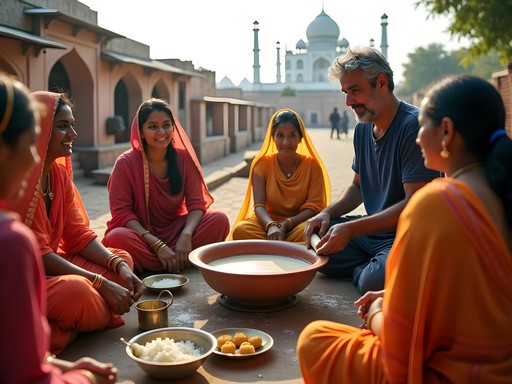
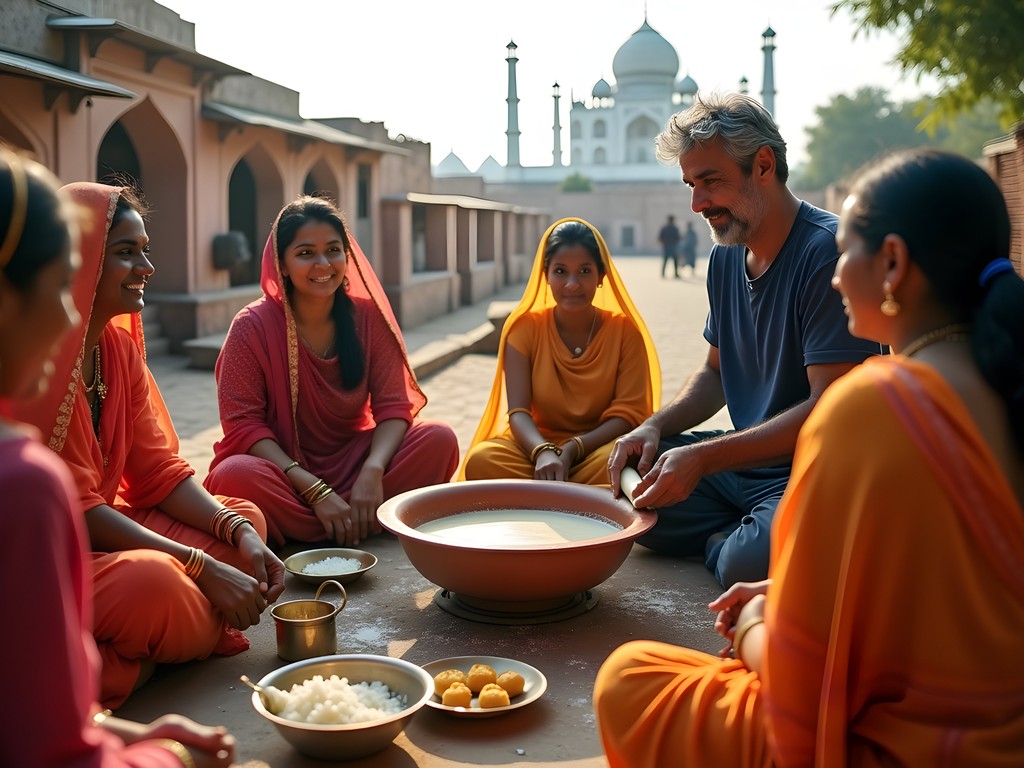
Kachhpura village sits literally in the shadow of the Taj Mahal—you can see the dome from rooftops—yet feels worlds away from tourist Agra. I've conducted cooking workshops in 14 countries, and the session we organized here ranks among my most memorable. Through a contact at the Agra Innovation Hub, we connected with a women's collective that runs cooking classes as a social enterprise.
Six of us spent an afternoon learning to prepare authentic Braj region dishes: peda (milk sweets), bedai (spiced lentil-stuffed bread), and petha (the translucent pumpkin candy Agra is famous for). What struck me wasn't just the techniques—which involve skills passed down through generations—but the stories. Our instructor, Meena, explained how the collective uses profits to fund girls' education and has sent 23 young women to university in five years.
The cooking took place in a traditional outdoor kitchen with a chulha (clay stove), though they've innovated with an improved biomass stove that reduces smoke by 60 percent. As someone who documents grassroots innovation, I was fascinated by how they've maintained traditional cooking methods while incorporating modern efficiency. We ate our creations on the rooftop as the sun set behind the Taj—a moment of perfect synthesis between ancient and contemporary India.
The experience cost 1,200 rupees per person, including all ingredients and the meal. Every rupee supports the collective's educational programs. If you're traveling as a group, this is infinitely more meaningful than another restaurant meal.
💡 Pro Tips
- Book at least a week in advance through Sheroes Hangout in Agra, which connects visitors with village enterprises
- Bring a good portable speaker if your group enjoys music while cooking—it became the soundtrack to our afternoon and the women loved sharing their favorite Bollywood songs
- Ask about purchasing spices directly from the collective—their ground masalas are exceptional and support their mission

Trekking the Bateshwar Ghats: Temples, Cliffs, and Sacred Geography
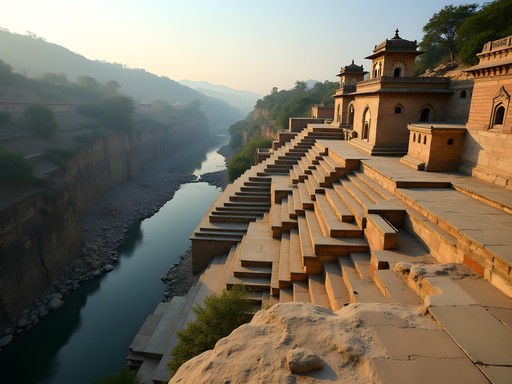
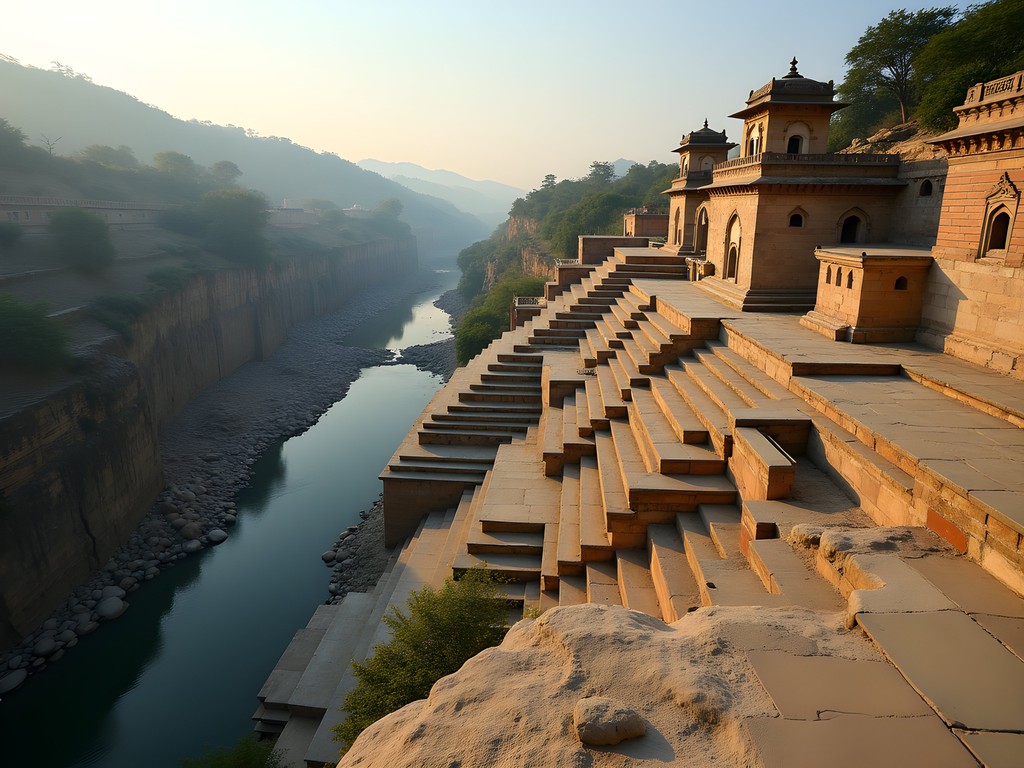
About 70 kilometers from Agra, the Bateshwar temple complex sits on the Yamuna's banks where the river carves through exposed bedrock, creating natural cliffs and dramatic ghats (riverside steps). This site receives a fraction of Agra's tourists but offers remarkable hiking and cultural exploration. We spent a full day here, arriving early to beat both crowds and heat.
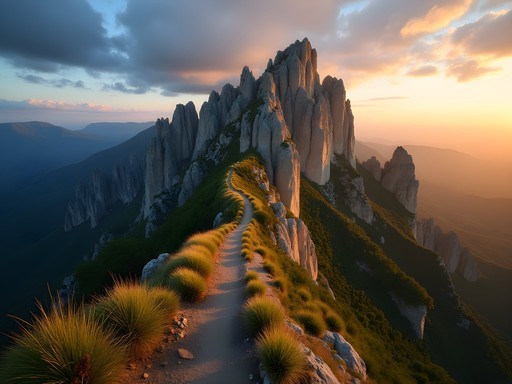
The complex contains 101 Shiva temples (most dating to the 18th century) arranged in clusters across undulating terrain. What makes this special for outdoor enthusiasts is the topography—unlike the flat plains around Agra, Bateshwar features genuine elevation changes, rocky outcrops, and riverside cliffs that require scrambling. The main ghat descends 40 meters to the river through ancient stone steps, with smaller trails branching off to explore the geological formations.
I was particularly drawn to the exposed Vindhyan sandstone along the river—the same formation visible in the Chambal ravines but here you can examine it up close, touch the fossils embedded in the rock, and understand the ancient seabed that once covered this region. For anyone interested in geology or cliff formations, this is a hands-on classroom.
The temples themselves are active pilgrimage sites, especially during the annual Bateshwar Fair (October-November). We visited in January when it was quieter, allowing for contemplative exploration. The combination of spiritual significance, geological interest, and physical challenge makes this an ideal day trip for groups with varied interests. Pack a good sun hat because shade is limited once you're exploring the riverbank formations.
💡 Pro Tips
- Hire a local guide at the entrance (300-500 rupees) who can explain temple history and show safe routes down to the river
- Wear sturdy hiking sandals or shoes with good grip—the stone steps are worn smooth and can be slippery
- Bring offerings (flowers, incense) if you wish to participate in temple rituals—vendors at the entrance sell appropriate items
Practical Logistics: Making It Work for Groups
Organizing a week of outdoor activities around Agra requires more planning than a standard tourist itinerary, but it's entirely doable on a budget. Our group of six spent an average of 2,800 rupees per person per day (about $35 USD), including accommodation, food, activities, and transport. Here's how we made it work:
Accommodation: We stayed at Zostel Agra, a hostel with private rooms perfect for groups (1,200 rupees per person for a shared room, 2,000 for private doubles). The location near Taj East Gate is convenient, and the rooftop offers Taj views for free—saving the 1,000 rupee monument entrance fee if you just want photos.
Transport: We hired a Tempo Traveler (12-seater van) with driver for three days at 3,500 rupees per day, split six ways. For cycling days and local exploration, we used auto-rickshaws and rented bikes. A good phone mount on the rental bikes helped with navigation using offline maps.
Food: We ate primarily at local dhabas (roadside restaurants) where thalis (combination plates) cost 80-150 rupees. Kachhpura and Bateshwar have simple restaurants serving fresh, inexpensive meals. We budgeted 500 rupees per person daily for food and never felt restricted.
Timing: January offered ideal conditions—cool mornings (10-15°C), warm afternoons (22-25°C), and no rain. December through February is perfect for outdoor activities. Avoid March onwards when temperatures soar above 35°C.
💡 Pro Tips
- Download offline maps for the entire Agra district on Maps.me or Google Maps—cell coverage is spotty in rural areas
- Designate one person as group treasurer to handle shared expenses, settling up at the end—it simplifies countless small transactions
- Build in buffer days for spontaneous discoveries—some of our best experiences came from unplanned stops
Final Thoughts
The Taj Mahal deserves its reputation—it's genuinely breathtaking, especially at sunrise. But if you leave Agra without exploring the countryside, you're missing the living landscape that sustained the empire which built that monument. The Yamuna floodplains, Chambal ravines, village communities, and sacred geography of this region offer outdoor adventures that connect you to India's environmental challenges, cultural continuity, and innovative spirit.
For groups willing to venture beyond the standard itinerary, Agra reveals itself as a destination of surprising depth. You'll cycle past farmers adapting to climate change, encounter wildlife thriving in protected corridors, learn cooking techniques that fund social change, and scramble up geological formations that tell million-year-old stories. This is the India I've spent decades working in and exploring—complex, resilient, and endlessly fascinating.
What outdoor experiences have surprised you in unexpected destinations? I'd love to hear about places where you discovered adventure hiding behind famous landmarks.
✨ Key Takeaways
- Agra's countryside offers diverse outdoor activities from cycling and wildlife safaris to village immersion and cliff exploration—all accessible on a budget
- The Chambal River ravines provide world-class wildlife viewing including gharials and Ganges river dolphins just 65 kilometers from the Taj Mahal
- Group travel makes rural Agra adventures more affordable and enriching, with per-person costs around $35 daily including activities, food, and accommodation
📋 Practical Information
Best Time to Visit
December through February for ideal outdoor conditions with cool mornings and warm afternoons
Budget Estimate
$250-300 per person for one week including accommodation, food, activities, and transport (excluding international flights)
Recommended Duration
7 days to fully explore countryside activities while allowing time for Agra's monuments
Difficulty Level
Moderate

Comments
moongal
Been to Agra three times and never did any of this. Feeling like I really missed out! The Bateshwar ghats look incredible. Anyone know if there are guides available or is it easy to navigate on your own?
adventurestar
same here! definitely going back now
coolperson
Your photos are stunning!! Really inspiring
Jean Wells
This aligns perfectly with my experience of Agra in 2024. The village immersion programs are genuinely transformative - not the manufactured 'cultural experiences' you find in more touristy areas. Kachhpura village in particular has maintained authenticity while creating meaningful visitor interactions. The cooking sessions with local families provide real insight into agricultural cycles and seasonal ingredients. I'm curious about the timing of your visit, Hayden - the Yamuna's water levels vary dramatically and I imagine that affects the cycling routes significantly. Did you encounter any challenges with access during monsoon season?
winterlover
How difficult is the cycling? I'm not super fit but this sounds amazing
moongal
The floodplains are pretty flat from what I remember. Should be manageable if you take it slow and start early before it gets too hot.
Fatima Sims
The Chambal safari is absolutely incredible - I did it last year and we saw gharials, dolphins, and tons of migratory birds. Most people have no idea this wildlife corridor even exists! The boat guides are incredibly knowledgeable about the ecosystem. Pro tip: go early morning for the best wildlife spotting and bring binoculars. The landscape is so different from what you'd expect in this region. Hayden, did you stay overnight near Bateshwar or did you do it as a day trip from Agra?
coolperson
wait there are DOLPHINS in India?? thats wild
Fatima Sims
Yes! Gangetic river dolphins - they're endangered and super rare to see. I got lucky!
adventurestar
Wow didn't know there was so much to do around Agra!! Adding this to my list
coolnomad
YESSS finally someone talking about the real Agra!! The Taj is beautiful but there's so much more. I loved cycling around there last year, met the nicest people. Your photos are gorgeous btw!
Sarah Powell
Right?? The hospitality in the villages is something special. Did you do any of the cooking experiences?
coolnomad
yes! learned to make the best aloo paratha of my life lol
Sarah Powell
I visited Agra three times before I finally ventured beyond the typical tourist circuit, and I wish I'd read something like this years ago. The Chambal safari is genuinely underrated—I saw gharials, dolphins, and tons of bird species. What really struck me was how few tourists were there compared to the Taj crowds. The village cooking experience in Kachhpura was also a highlight. One tip: if you're cycling the Yamuna area, go early morning (6-7am) before it gets too hot. The light is incredible for photography too. Did you arrange the Chambal safari through a local operator or book in advance?
Hayden Kumar
I booked through a local operator in Bateshwar—much more affordable than the online options. Completely agree about the early morning timing. The farmers are out in the fields and it's just a completely different vibe than midday.
adventuremaster
This sounds amazing! How hard is the cycling part? I'm not super fit but would love to try it.
Hayden Kumar
It's pretty flat terrain, so quite manageable! The floodplains are mostly level and you can go at your own pace. I'd say if you can bike for an hour casually, you'll be fine. The heat is more challenging than the terrain honestly.
adventuremaster
ok cool thanks! definitely doing this
Claire Hawkins
This is exactly the kind of travel writing I love! We took our kids to Agra last year and honestly, after two hours at the Taj, they were done with monuments. I wish I'd known about Kachhpura village then. The cooking experience sounds perfect for families—my daughter especially would have loved learning to make roti from local women. Did you arrange the village visit independently or through a guide? We're planning to return to Rajasthan next year and I'd love to add this to our itinerary. Also, those cycling photos along the Yamuna are gorgeous. How's the terrain for kids around 8-10 years old?
Hayden Kumar
Thanks Claire! I arranged it through a local guide in Kachhpura—happy to share contact details if you DM me. The terrain is super flat, perfect for kids that age. The village families are incredibly welcoming to children too.
Claire Hawkins
That would be amazing, thank you! Sending you a message now.
Venture X
Premium card with 2X miles, $300 travel credit, Priority Pass