
Disclosure: This article contains affiliate links. We may earn a commission from purchases at no extra cost to you, which helps our travel content.
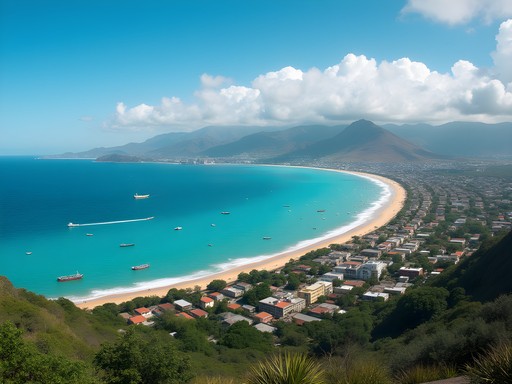
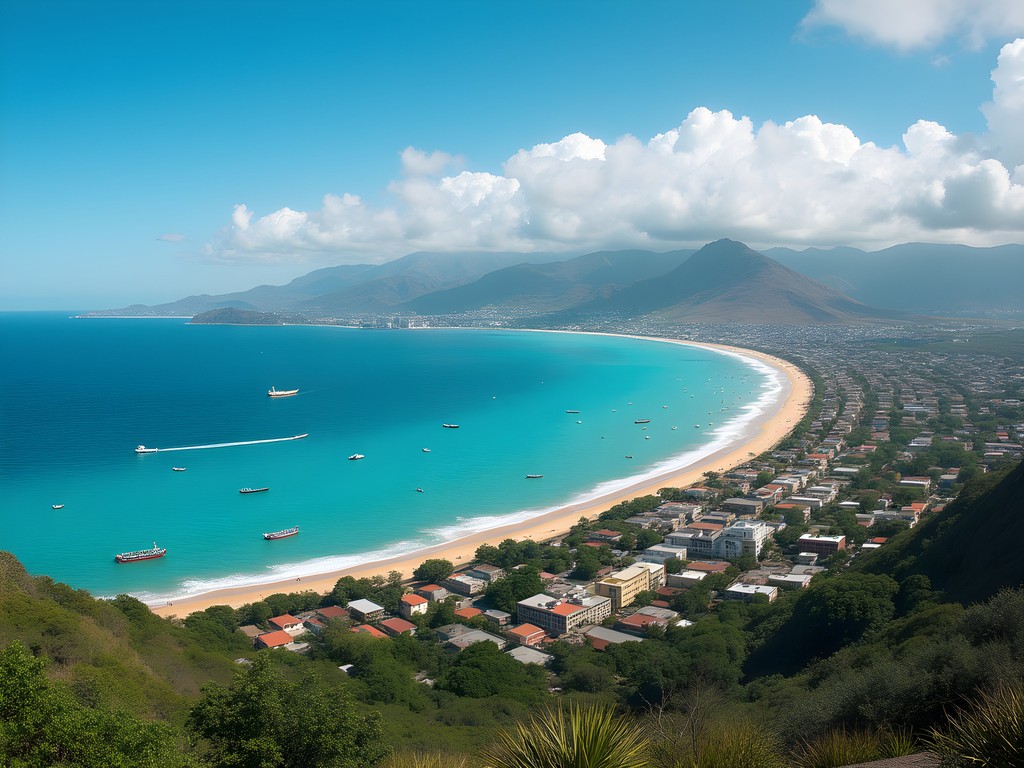
The moment our small aircraft banked toward Antsiranana's runway, I knew this corner of Madagascar would be unlike anywhere I'd explored before. Below me stretched a tapestry of emerald forests, limestone formations, and the impossibly blue waters of the Indian Ocean embracing this northern peninsula. Having traded my cruise director uniform for hiking boots and a daypack, I found myself drawn to this remote paradise—where French colonial history meets Malagasy traditions against a backdrop of breathtaking natural wonders. Grab your sense of adventure, dear readers; we're heading to Madagascar's wild north for two weeks of exploration that will challenge, inspire, and transform you.
Preparing for Madagascar's Remote North
Before setting foot in Antsiranana (formerly Diego Suarez), proper preparation is essential. This isn't your typical tourist destination—and that's precisely its charm. I learned this firsthand when my carefully researched itinerary dissolved into improvisation within 48 hours of arrival.
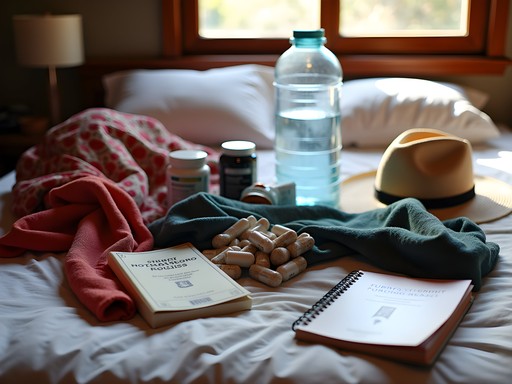
Health preparations should top your list. Visit your travel clinic at least 6-8 weeks before departure for required vaccinations and malaria prophylaxis. I found the water purification system absolutely indispensable throughout my journey, allowing me to safely refill from various water sources during long hikes.
While Madagascar's official languages are Malagasy and French, English is limited in the north. Download the offline translator app to master basic phrases—the locals' faces light up when you attempt even simple greetings in Malagasy.
The unpredictable roads and remote locations demand thoughtful packing. My solar charger proved invaluable during multi-day treks into Montagne d'Ambre National Park when electricity was but a distant memory.
💡 Pro Tips
- Exchange currency in Antananarivo before heading north as ATMs in Antsiranana can be unreliable
- Pack lightweight, quick-dry clothing that covers arms and legs for protection against mosquitoes and sun
- Bring twice as many memory cards as you think you'll need—the photographic opportunities are endless
Trekking the Tsingy Rouge & Amber Mountain
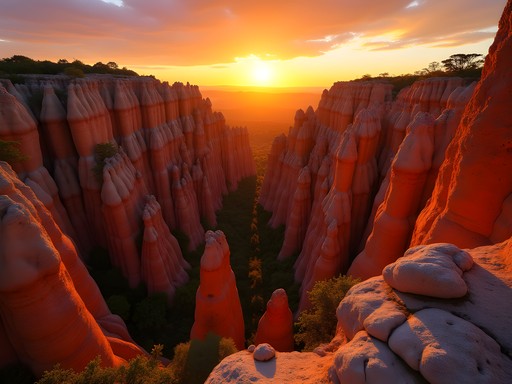
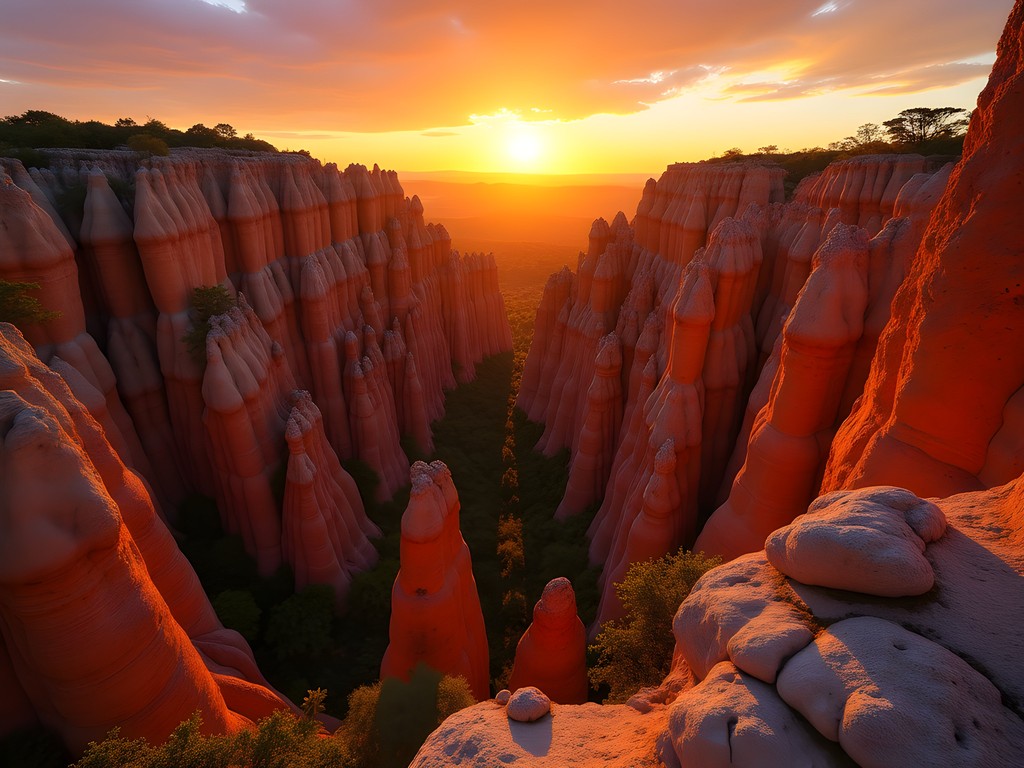
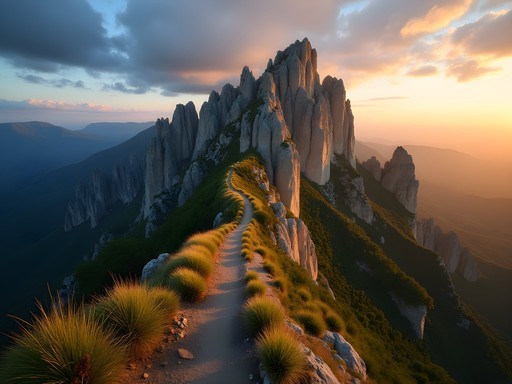
My love affair with Madagascar's northern landscapes began at Tsingy Rouge—a geological wonder that appears as if Mars decided to vacation in Africa. These red limestone formations, sculpted by erosion into razor-sharp pinnacles, create an otherworldly landscape that's particularly magical during the golden hours of sunrise and sunset.
Arrive early to avoid both the midday heat and other visitors. The trekking poles I brought proved essential for navigating the uneven terrain around the formations. The site requires a moderate 15-minute hike from the parking area, but proper footwear is crucial—my hiking sandals provided the perfect balance of support and breathability in the intense heat.
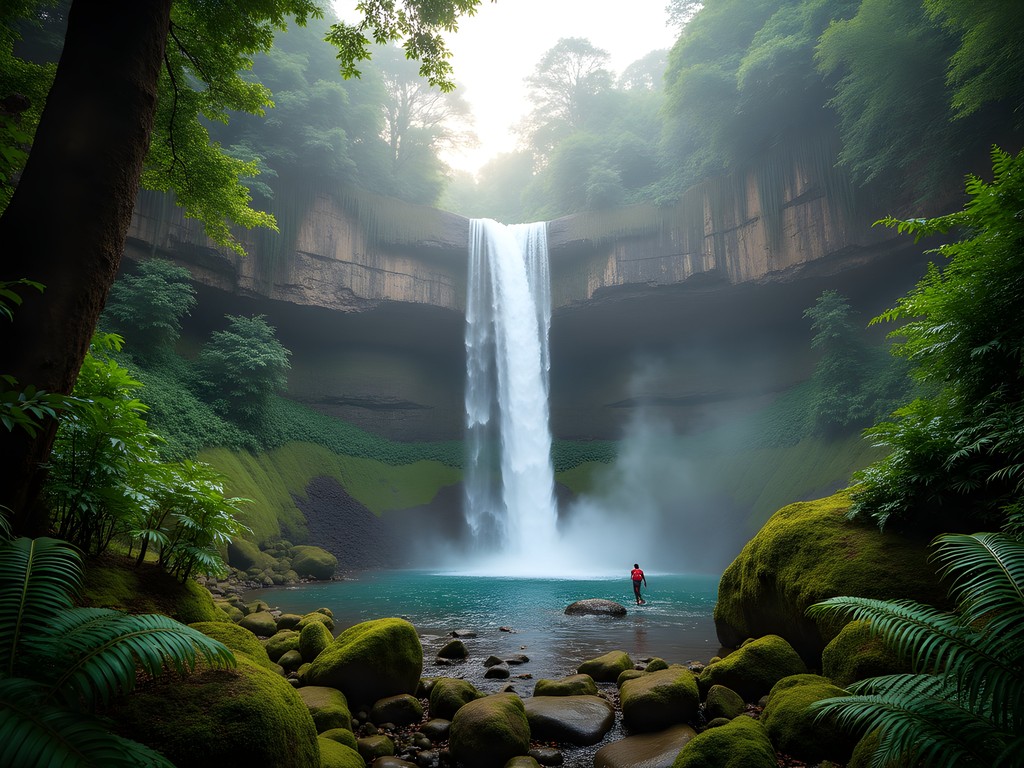
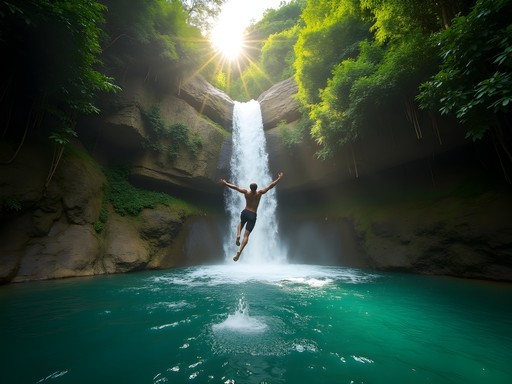
The crown jewel of northern Madagascar's trekking experiences, however, is Amber Mountain National Park (Montagne d'Ambre). This 18,500-hectare paradise rises dramatically from the surrounding dry landscape, creating a microclimate that nurtures lush rainforest, spectacular waterfalls, and extraordinary biodiversity. The stark transition from arid plains to misty montane forest within a short drive is simply astonishing.
💡 Pro Tips
- Hire a knowledgeable local guide at Amber Mountain—they spot camouflaged chameleons and leaf-tailed geckos that are otherwise invisible to untrained eyes
- Start Amber Mountain treks no later than 7am to maximize wildlife sightings
- Pack a light raincoat regardless of season—the microclimate creates spontaneous showers year-round
Diving the Emerald Sea & Three Bays
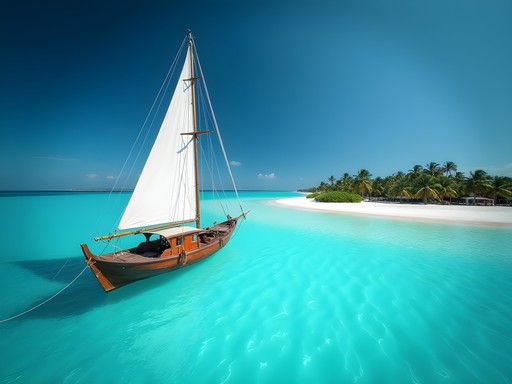
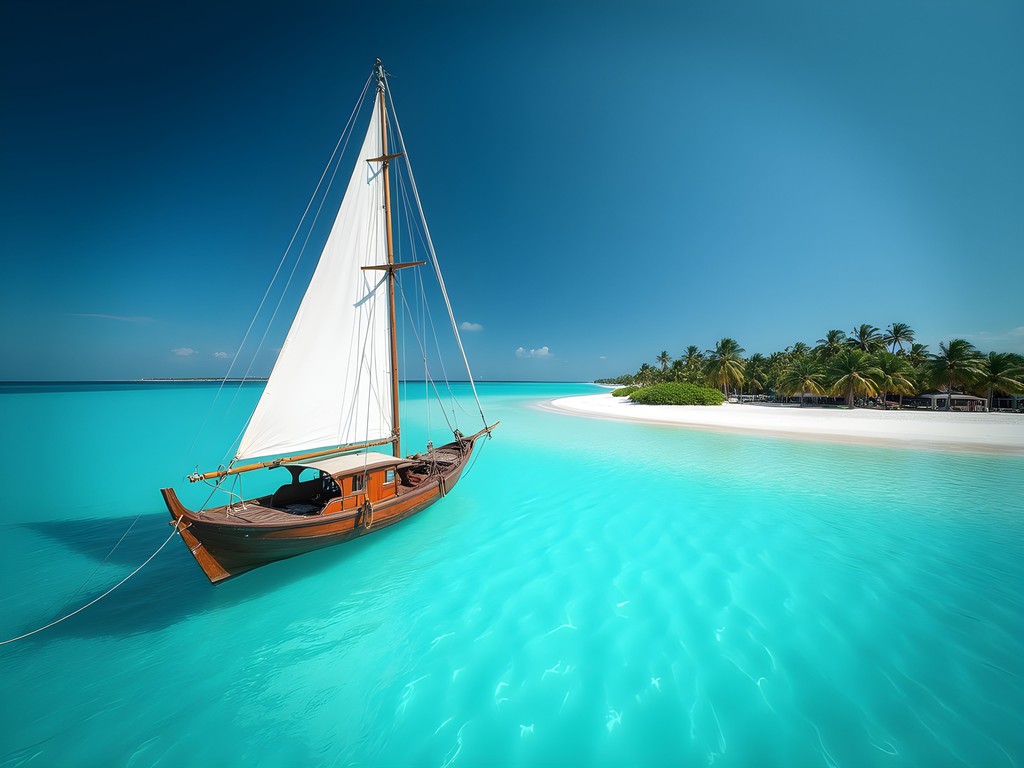
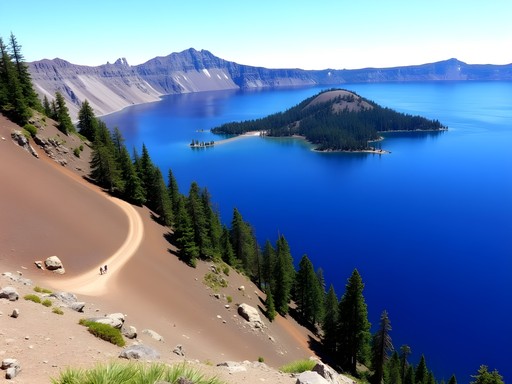
As a former cruise director who's witnessed countless coastlines, I can confidently say that Antsiranana's marine environments rank among the world's most spectacular and least explored. The Emerald Sea (Mer d'Emeraude) lives up to its poetic name with waters so vibrantly turquoise they appear almost artificially colored.
For two unforgettable days, I sailed traditional dhows between isolated white sand islands, snorkeling among pristine coral gardens teeming with marine life. The visibility often exceeds 30 meters, revealing underwater landscapes as diverse and dramatic as those above the surface. My full-face snorkel mask revolutionized my underwater experience, allowing natural breathing while keeping my face dry—perfect for long snorkeling sessions.
For certified divers, the Three Bays area offers world-class sites with astonishing biodiversity. Diving operators in Antsiranana can arrange expeditions to locations where whale sharks and manta rays make seasonal appearances. The underwater action camera I brought captured extraordinary footage of reef sharks, sea turtles, and kaleidoscopic coral formations that few divers have documented.
💡 Pro Tips
- Book diving excursions at least 2-3 days in advance as boats fill quickly during peak season
- Pack a rashguard with UV protection—the equatorial sun reflecting off water is intensely strong
- Bring cash for marine park fees as credit cards aren't accepted at most entry points

Wildlife Encounters in Ankarana Reserve
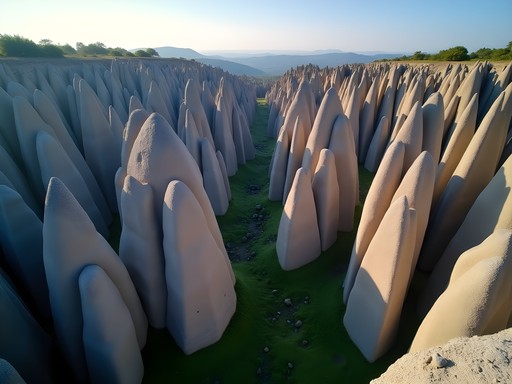
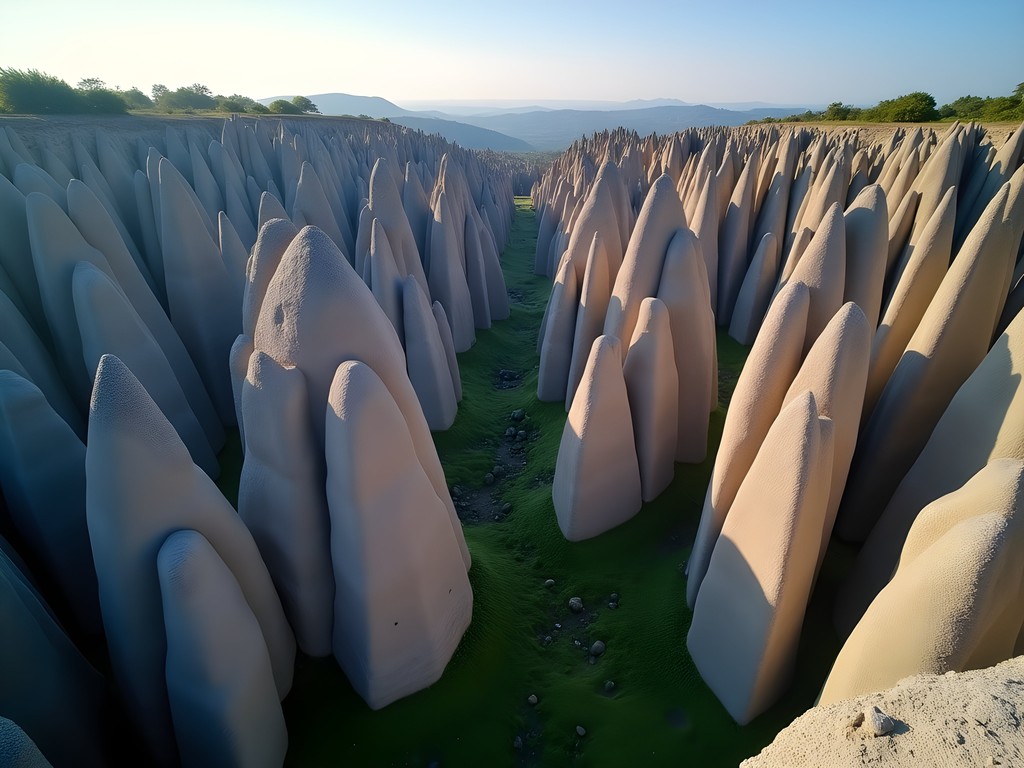
While Amber Mountain offers glimpses of Madagascar's unique wildlife, it was Ankarana Special Reserve that truly showcased the island's evolutionary marvels. This protected area, just a few hours' drive from Antsiranana, features Madagascar's famous tsingy limestone formations alongside dry deciduous forests and a network of underground rivers and caves.
I spent three days exploring Ankarana with a guide, sleeping at basic but comfortable camps near the reserve entrance. Night walks revealed an entirely different ecosystem—the forest comes alive after dark with nocturnal lemurs, chameleons hunting insects, and if you're extraordinarily lucky (as I was), the elusive fossa—Madagascar's largest predator. My headlamp with red light mode proved essential for these nocturnal explorations, allowing wildlife viewing without disrupting natural behaviors.
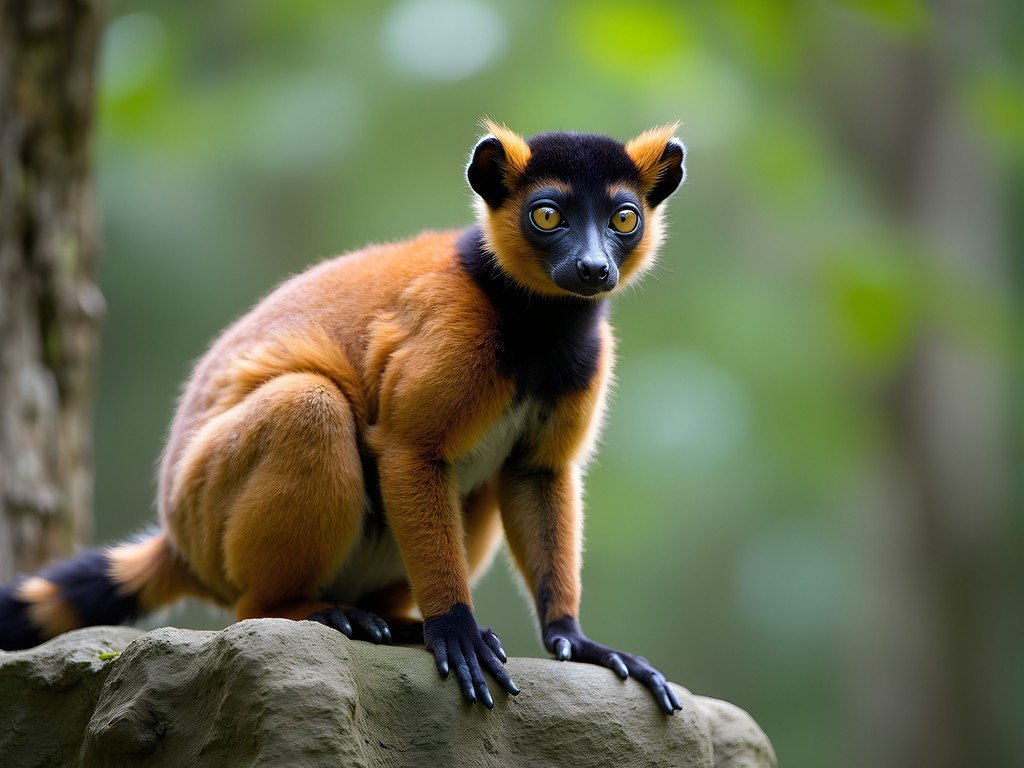
The crowned lemurs of Ankarana quickly became my favorite wildlife subjects. These charismatic primates often approach with curious caution, especially in less-visited areas of the reserve. When photographing wildlife here, patience yields rewards—I spent an entire afternoon observing a family group, capturing their social dynamics and acrobatic feats with my telephoto lens. The camera rain cover protected my equipment during unexpected downpours without hindering quick access for those fleeting wildlife moments.
💡 Pro Tips
- Book accommodations near Ankarana in advance—options are limited and fill quickly
- Plan your visit to include both daytime and nighttime guided walks for completely different wildlife experiences
- Wear closed shoes with good ankle support for navigating the sharp tsingy formations
Cultural Immersion & Local Connections
Beyond its natural wonders, northern Madagascar offers rich cultural experiences that reflect the region's fascinating blend of African, Arab, and French influences. Antsiranana itself retains considerable colonial architecture, with wide avenues lined by faded pastel buildings that whisper stories of its past as a French naval base.
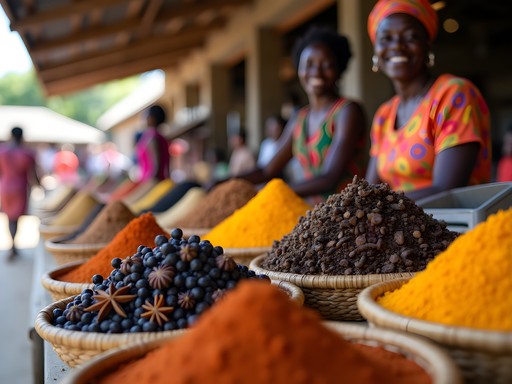
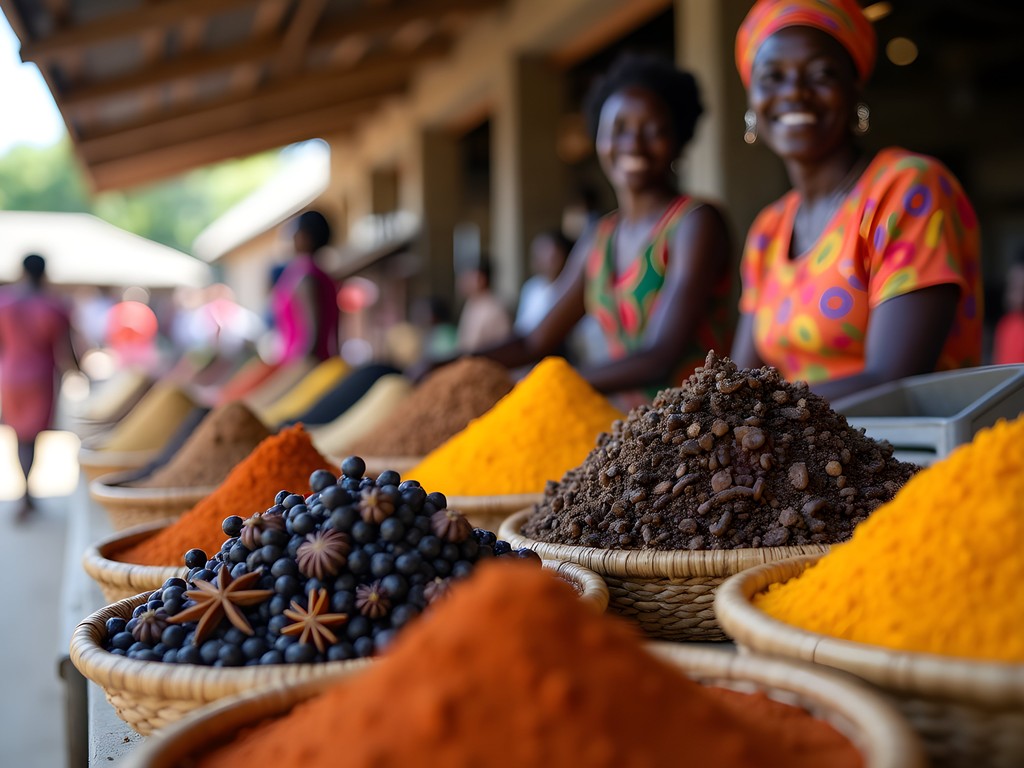
I spent delightful afternoons wandering the town's markets, where the air fills with the aromas of vanilla, coffee, and exotic spices. The crossbody anti-theft bag kept my essentials secure while leaving my hands free for sampling local delicacies and examining artisanal crafts.
One of my most treasured experiences came through a community-based tourism initiative in a small village near Amber Mountain. Arranged through my guesthouse, I spent a day learning traditional basket weaving techniques from local women, followed by preparation of a communal meal featuring Madagascar's signature dish—romazava. The pocket phrase book I carried facilitated meaningful exchanges despite language barriers.
Don't miss experiencing the rhythmic traditional music performances that often occur spontaneously in villages and sometimes in Antsiranana's restaurants. The complex polyrhythms and call-response vocals reflect Madagascar's position at the crossroads of African and Asian cultural influences.
💡 Pro Tips
- Ask permission before photographing people and be prepared to pay a small fee if requested
- Learn the basics of 'mora mora' (slowly slowly)—Madagascar's philosophy of taking time to appreciate life's moments
- Support community tourism initiatives rather than giving money directly to children who approach tourists
Final Thoughts
As my two weeks in Madagascar's wild north drew to a close, I found myself already plotting my return before my plane had even left the runway. Antsiranana offers that rare combination that seasoned travelers seek—untamed natural wonders, authentic cultural experiences, and the profound sense of discovery that comes from venturing beyond the well-trodden path.
This remote corner of Madagascar demands more from travelers than many destinations—physical endurance, adaptability, and patience chief among them. Yet it rewards these efforts a thousandfold with experiences that linger in your memory long after the red dust has been washed from your hiking boots.
Whether you're scaling the sharp tsingy formations, diving among pristine coral gardens, or sharing a simple meal with local villagers, Madagascar's northern reaches offer adventure in its purest form. As we travel in increasingly homogenized world, places like Antsiranana remind us why we venture far from home—to be humbled by nature, to connect across cultures, and to return forever changed by the journey.
Have you explored Madagascar or are you planning an adventure there? I'd love to hear your questions and experiences in the comments below!
✨ Key Takeaways
- Allow a full two weeks to properly experience northern Madagascar's diverse landscapes and activities
- Combine advance planning with flexibility—infrastructure challenges require adaptability
- Hiring knowledgeable local guides not only enhances your experience but supports the regional economy
📋 Practical Information
Best Time to Visit
April-May and September-November offer ideal conditions with less rain and comfortable temperatures
Budget Estimate
$75-150 per day including accommodations, guides, transportation and meals
Recommended Duration
Minimum 10 days, ideally 14-16 days to fully experience the region
Difficulty Level
Advanced - Requires Good Physical Fitness, Adaptability To Basic Conditions, And Comfort With Remote Travel
Comments
islandphotographer
What lens did you use for the lemur shots? Trying to figure out if my 70-200 will be enough or if I need more reach
tripone
This looks amazing but also kinda intimidating for a first Madagascar trip? Is Antsiranana doable without a guide or should I book a tour company? Also how's the malaria situation up there?
redbuddy
not OP but def take malaria meds seriously for the north. we used a local guide for ankarana and it was 100% worth it
Taylor Moreau
I'd strongly recommend arranging guides through established operators for the reserves. The terrain can be challenging and local knowledge is invaluable.
roamvibes
How were the diving conditions when you went? I'm a relatively new diver (only 15 dives) and wondering if Three Bays is suitable for my level or if I should wait until I'm more experienced?
greenguy624
You'll be fine. Plenty of easy sites. Just tell the dive shop your experience level.
vacationlover
Love this! The photos are beautiful 😍
Douglas Bradley
Excellent write-up, Audrey. I spent three weeks in the region last year doing cultural research and your observations about the local communities are spot-on. One thing I'd add for readers: the cultural dynamics in Antsiranana are fascinating - it's much more cosmopolitan than southern Madagascar due to its port history. You'll find French colonial architecture mixed with Malagasy traditions and a significant Indo-Pakistani merchant community. Take time to explore the old town quarter and chat with shop owners. The cultural layering here tells the story of Madagascar's complex history better than any museum could.
greenbuddy5368
Going there next month!! Any restaurant recommendations in town? Also how easy is it to get around without speaking French?
Douglas Bradley
French is pretty essential there. Download Google Translate offline. Most locals speak Malagasy and French, very limited English outside hotels.
Taylor Moreau
Excellent write-up, Audrey. I visited Antsiranana on a consultancy assignment three years ago and barely scratched the surface - your guide makes me realize how much I missed. The Three Bays diving particularly caught my attention. How would you rate the dive operators there in terms of safety standards and equipment quality? I'm considering bringing a small group of colleagues next year and want to ensure proper certification requirements are maintained. Also curious about the best months for visibility - I assume September-November based on your timing?
tripone
Would love to know this too! First time diver here
greenguy624
Been there twice. Diving is world class.
George Hayes
Audrey, this brings back so many memories! We took our kids to Ankarana Reserve three years ago and it was hands-down one of our best family adventures. The tsingy formations absolutely blew their minds - they're still talking about it. One tip for families: hire a local guide at the reserve entrance. Ours was named Jean-Claude and he spotted wildlife we would've walked right past. Also, the climb through the tsingy can be tricky with younger kids, so maybe skip that section if you've got little ones under 8. The baobab forest walk is more manageable and equally magical.
greenchamp
This is so helpful! Were the kids okay with the heat?
George Hayes
They did fine! Just bring tons of water and start hikes early morning. We were always back by noon.
springphotographer
The wildlife photos are stunning! What lens did you use for the lemur shots? I'm heading to Madagascar in March and trying to figure out what gear to bring.
vacationlover
Not OP but I brought a 70-300mm and it worked great for wildlife there
Venture X
Premium card with 2X miles, $300 travel credit, Priority Pass