


Disclosure: This article contains affiliate links. We may earn a commission from purchases at no extra cost to you, which helps our travel content.
As someone who's spent years analyzing cross-border movements professionally, I find myself drawn to places where boundaries blur—not just between nations, but between urban development and wild spaces. Bayamón, Puerto Rico's second-largest municipality, sits at precisely such a junction. Just minutes from San Juan's urban sprawl, this overlooked gem offers adventure seekers a remarkable gateway to some of the island's most thrilling outdoor experiences, from limestone cave systems to verdant mountain trails that few international travelers ever discover.

The Unexpected Paradise of Cerro La Peña
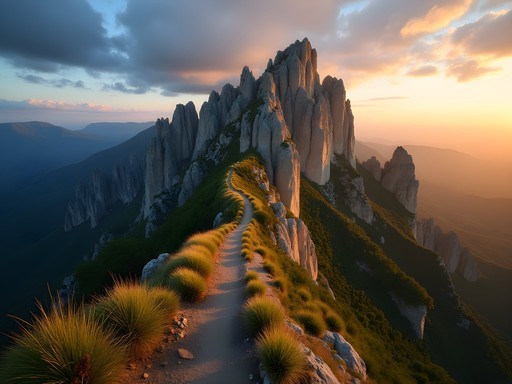
My first morning in Bayamón found me ascending Cerro La Peña just as dawn broke over the eastern horizon. This modest mountain offers what I consider the perfect introduction to Bayamón's dual nature—urban proximity with wilderness immersion. The 45-minute hike rewards climbers with panoramic views extending from San Juan's coastline to the central mountain range.
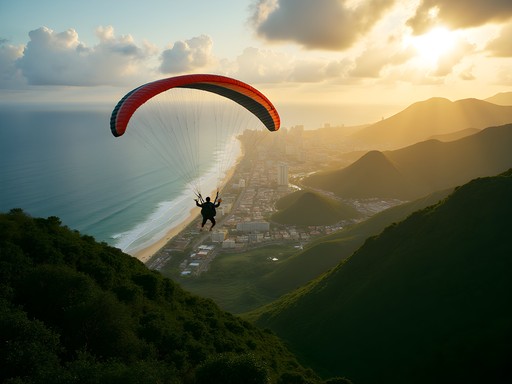
As a certified paragliding enthusiast (despite that memorable accident in Peru), I was delighted to discover that Cerro La Peña hosts one of Puerto Rico's premier launch sites. Local pilots gather here when conditions permit, and visitors can arrange tandem flights with certified instructors. After securing my hiking boots and adjusting my hydration pack, I connected with Ricardo, a veteran pilot who's been flying these thermals for two decades.
'Most visitors see only San Juan,' Ricardo told me as we prepared our gear, 'but from up here, you understand how quickly the urban world dissolves into wilderness.' The flight itself—a 20-minute glide that carried us over forest canopy and limestone formations—revealed the true character of Bayamón's landscape in ways no ground-based exploration could match.

💡 Pro Tips
- Arrange paragliding excursions at least 3 days in advance through local operators
- Hike early morning (6-8am) to avoid afternoon heat and catch the best views
- Bring at least 2 liters of water—the Caribbean sun is deceptively intense
Río Encantado: Puerto Rico's Hidden Cave System
My professional life has taught me that the most significant resources often lie hidden beneath obvious surfaces. This principle holds especially true for Bayamón's crown jewel: access points to the Río Encantado cave system. This extensive network of underground rivers and chambers stretches for over 10 miles, forming one of the longest cave systems in Puerto Rico.
Accessing this subterranean world requires both preparation and respect. After my government work analyzing environmental impact on border regions, I'm particularly sensitive to how increased tourism affects fragile ecosystems. The local conservation group Para La Naturaleza offers guided tours that balance access with protection—a model I wish more destinations would adopt.
My exploration began at the Mata de Plátano Natural Reserve, where I met Carlos, a speleologist who's mapped sections of the system for over fifteen years. Before descending, I ensured my waterproof headlamp was fully charged—an absolute necessity as natural light disappears quickly once you're beyond the entrance chambers.
'What makes Río Encantado special,' Carlos explained as we navigated a particularly narrow passage, 'is how the water has carved these formations over thousands of years. Each chamber tells a different chapter of the island's geological story.' The three-hour tour revealed an otherworldly landscape of stalactites, stalagmites, and underground pools so clear they appeared almost invisible until disturbed.

💡 Pro Tips
- Book cave tours at least two weeks in advance through Para La Naturaleza
- Wear quick-dry clothing and water shoes with good traction
- Pack everything in waterproof bags—sections of the cave require wading through water
Julio Enrique Monagas National Park: The Urban Wilderness
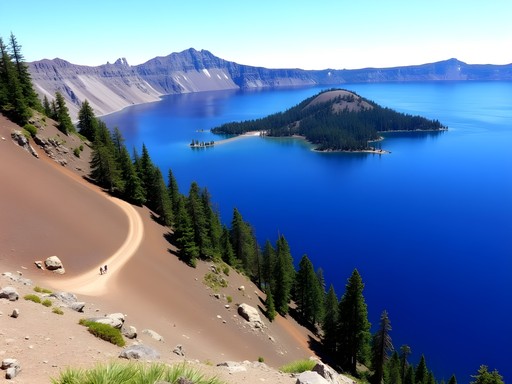
What fascinates me most about Bayamón is how wilderness and urban development exist in such close proximity. Nowhere is this more evident than at Julio Enrique Monagas National Park, a 594-acre protected area that serves as the green lungs of the municipality. After years of visiting border regions where natural spaces are often sacrificed for development, finding this preserved forest ecosystem so close to urban density was refreshing.
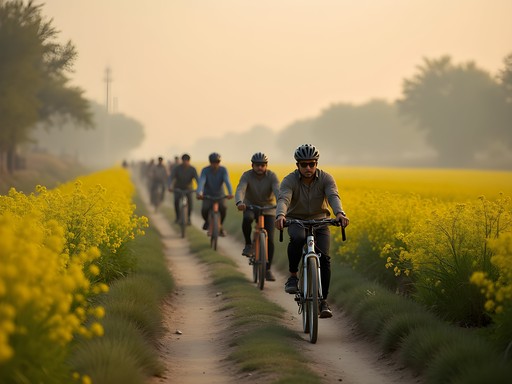
The park offers over 25 miles of trails catering to various difficulty levels, but mountain biking is where it truly excels. Having packed my trail running shoes rather than bringing my own bike, I opted to rent equipment from Bayamón MTB, a local outfitter located near the park entrance.
My guide, Mariana, a former competitive cyclist who now leads tours through the park, suggested we tackle the intermediate Caimito Trail. 'This route gives you a bit of everything—technical sections, flow trails, and some incredible views of the karst landscape,' she explained as we adjusted our helmets.
The trail delivered on its promise. Weaving through dense tropical vegetation, we encountered sections where limestone outcroppings created natural obstacles alongside smoother stretches where the forest canopy provided welcome shade. Halfway through our ride, we stopped at a clearing that offered views extending to the Atlantic coast. Here, Mariana pointed out evidence of the park's former life as agricultural land—stone walls and terraces now reclaimed by forest, a testament to nature's resilience when given the chance to recover.

💡 Pro Tips
- Rent mountain bikes from Bayamón MTB or bring your own—the trails are worth experiencing on wheels
- Download the park's trail map app before visiting as cellular service can be spotty
- Pack a lunch to enjoy at one of the designated picnic areas with panoramic views

Local Immersion: Homestays in Bayamón's Mountain Communities
My experience in Peru—where an accident led to an unexpected month-long homestay that changed my perspective on travel—has made me a perpetual advocate for immersive accommodations. In Bayamón, I bypassed conventional hotels in favor of a homestay in the Guaraguao Abajo community, a rural neighborhood in the municipality's mountainous southern region.
My hosts, the Rodríguez family, have converted part of their traditional Puerto Rican home into a bed and breakfast that offers more than just lodging. Each morning began with breakfast featuring fruits harvested from their land—mangoes, papayas, and breadfruit prepared according to family recipes passed down through generations.
'We started hosting travelers because we wanted to share our way of life,' explained Doña Carmen, the family matriarch, as she taught me to prepare traditional pasteles one rainy afternoon. 'Most visitors to Puerto Rico never see how we live in the mountains.'
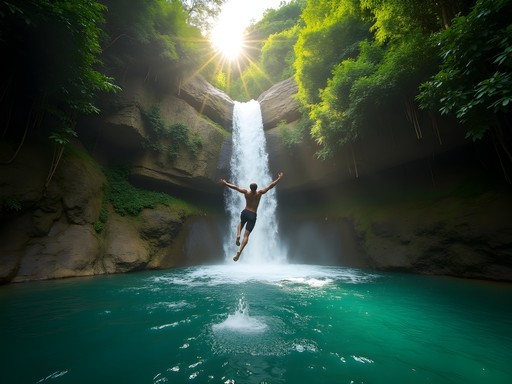
The family's knowledge of local trails proved invaluable. Their son Miguel guided me along unmarked paths to hidden swimming holes and viewpoints absent from any guidebook. One particularly memorable hike led us to an abandoned coffee plantation where wild coffee plants still produce beans among the ruins of stone structures.
In the evenings, neighbors would often stop by, bringing with them musical instruments, stories, and occasionally a bottle of homemade pitorro (moonshine). These impromptu gatherings provided insights into local perspectives on everything from economic development to environmental conservation—conversations that resonated with my professional interest in how policy affects communities.

💡 Pro Tips
- Book homestays through local networks rather than major booking sites for the most authentic experiences
- Learn basic Spanish phrases—in rural areas, English proficiency is less common than in San Juan
- Ask your hosts about seasonal fruits and vegetables—they'll often share from their harvests
Final Thoughts
Bayamón defies the conventional narrative of Puerto Rico as merely beaches and colonial architecture. Its unique positioning—where urban development meets wild karst landscape—creates opportunities for adventure that feel genuinely exploratory rather than manufactured tourist experiences. As someone who studies borders professionally, I'm drawn to these transition zones where different worlds meet.
What makes Bayamón particularly special is how accessible these adventures are. Within a 30-minute drive from your accommodation, you can be paragliding over limestone hills, exploring underground river systems, mountain biking through tropical forests, or sharing coffee with local families who've lived on the same land for generations.
As Puerto Rico continues to develop its tourism infrastructure, my hope is that Bayamón maintains this delicate balance between accessibility and authenticity. The municipality demonstrates how community-based tourism can create economic opportunities while preserving cultural and natural heritage—a model that resonates with my professional work in sustainable border development. For the adventure seeker willing to venture beyond the familiar, Bayamón offers rewards that the standard Puerto Rican itinerary simply cannot match.
✨ Key Takeaways
- Bayamón offers adventure opportunities minutes from San Juan that most tourists never discover
- Local guides and community-based tourism provide the most authentic and responsible way to explore the region
- The contrast between urban development and wild spaces creates unique adventure opportunities not found elsewhere on the island
📋 Practical Information
Best Time to Visit
February through April offers ideal conditions with lower humidity and rainfall
Budget Estimate
$100-150 per day including accommodations, guides, and activities
Recommended Duration
5-7 days to fully explore the region's outdoor offerings
Difficulty Level
Moderate - Activities Can Be Adjusted For Different Fitness Levels But Basic Conditioning Is Recommended




Comments
adventurelover
Just got back from Bayamón last week! Quick tip: rent a car if you can. Public transit exists but the trailheads are scattered and you'll waste half your day waiting for buses. Also bring way more water than you think you need—the humidity is no joke even in winter. The cave tour was incredible, our guide Carlos was super knowledgeable about the geology. Definitely book that in advance.
Jean Wells
Ethan, your analysis of Bayamón as a transitional space resonates with my own observations. I visited last April and found the juxtaposition of urban sprawl and preserved wilderness particularly striking. The Julio Enrique Monagas park offers an interesting case study in urban planning—how they've maintained these green corridors despite development pressure. One note: the trail conditions at Cerro La Peña can vary significantly with rainfall. I'd recommend checking local weather patterns before committing to a multi-day trek. The homestay experience you mentioned is invaluable for understanding local perspectives on conservation efforts.
adventurelover
Jean, when did you go in April? Early or late in the month? Trying to figure out best timing for weather.
Jean Wells
Mid-April. Still some afternoon showers but trails were manageable. I'd avoid late April through early June—that's when humidity peaks.
summerwanderer
Love this! Adding to my PR itinerary
wanderlustone
This looks amazing! Never thought of Puerto Rico for caving. How hard is the Río Encantado cave system to navigate? I'm in decent shape but not super experienced with cave exploration. Also do you need a guide or can you go on your own?
adventurelover
You definitely need a guide for Río Encantado! It's not marked and some passages require squeezing through tight spots. Totally worth it though.
wanderlustone
Thanks! Good to know before I show up unprepared lol
sunnyexplorer
This looks amazing! How's the weather in November? Planning a trip and trying to avoid the rainy season but still want to do these hikes.
Ethan Powell
November is actually a great time to visit! The heaviest rains usually taper off by then, but everything is still lush and green. The caves maintain a pretty constant temperature year-round. Just bring a light rain jacket just in case - afternoon showers can still happen.
Taylor Moreau
I visit Puerto Rico regularly for business and finally took your advice to explore Bayamón during my downtime last week. Julio Enrique Monagas Park was perfect - close enough to my San Juan meetings but felt worlds away. The mountain biking trails are surprisingly challenging! I'd add that having proper footwear is essential - my trail runners saved me from slipping several times on those muddy trails. Also worth noting that Uber works well in the urban areas but arranging transportation to the more remote spots requires planning.
coffeelife
That shot of the cave system with the underground river is absolutely breathtaking! How long did you have to wait for that perfect lighting?
greenchamp1677
The homestay recommendation is gold! We stayed with a family in the mountains last year and it was the highlight of our trip. Our host made us the best mofongo I've ever tasted and showed us some local swimming holes that weren't in any guidebook. Much more authentic than the resorts.
globeguy
How difficult is the caving in Río Encantado? I've never done any caving before but it looks amazing!
Ethan Powell
For Río Encantado, you'll definitely want to go with a guide if you're new to caving. Parts of it require swimming through underground rivers and some technical knowledge. Local outfitters provide all the gear you need. Totally worth it though!
globeguy
Thanks! Any specific guide companies you'd recommend?
Ethan Powell
I went with Aventuras PR - they were excellent and very safety-focused. Their guides are all certified and really knowledgeable about the cave system's ecology.
roamlegend
Those cave photos are insane! 😍
Venture X
Premium card with 2X miles, $300 travel credit, Priority Pass