
Disclosure: This article contains affiliate links. We may earn a commission from purchases at no extra cost to you, which helps our travel content.
Coming home to Australia always rekindles my love affair with the bush. While Sydney's coastline and Perth's isolation shaped my early outdoor experiences, it's Canberra—our oft-overlooked capital—that offers some of the most accessible and rewarding bush walks in the country. Nestled between mountain ranges and nature reserves, Canberra transforms in spring with wattles painting the landscape gold and wildflowers creating natural tapestries along well-maintained trails. Having recently returned from Seoul's urban density to reconnect with family, I've compiled these ten walks that perfectly balance natural wonder with family-friendly accessibility.

Black Mountain Nature Reserve: Where Science Meets Serenity
Black Mountain stands as Canberra's iconic natural sentinel, its telecommunications tower visible from nearly everywhere in the city. But beneath this modern landmark lies a network of trails that showcase the region's remarkable biodiversity.
The 2.5km Summit Trail is my personal favorite—moderately challenging but entirely doable with children. Starting from the Australian National Botanic Gardens (worth a visit themselves), the trail winds through dry eucalypt forest with interpretive signs explaining the ecological significance of various plant species. The scientific precision of these explanations always appeals to my technical writer's heart.
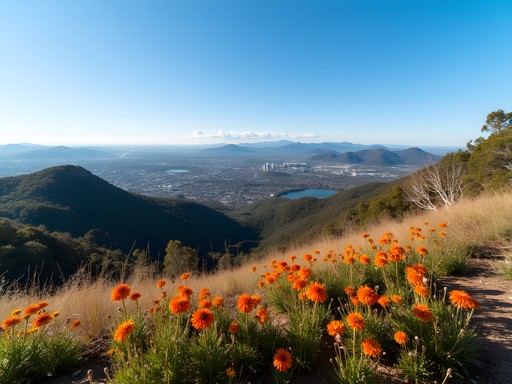
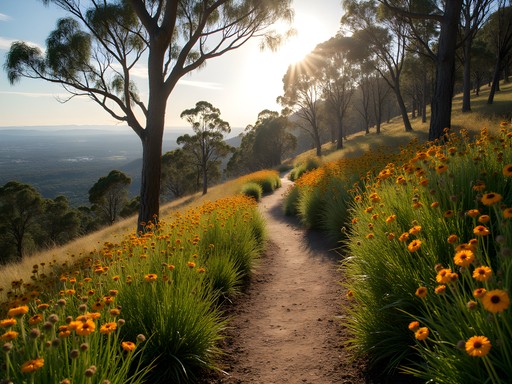
What makes Black Mountain special in spring is the explosion of native orchids and wildflowers. I spotted at least seven varieties on my last visit, including the delicate nodding greenhood orchid. For the best experience, I recommend bringing a field guide to identify the flora you'll encounter.
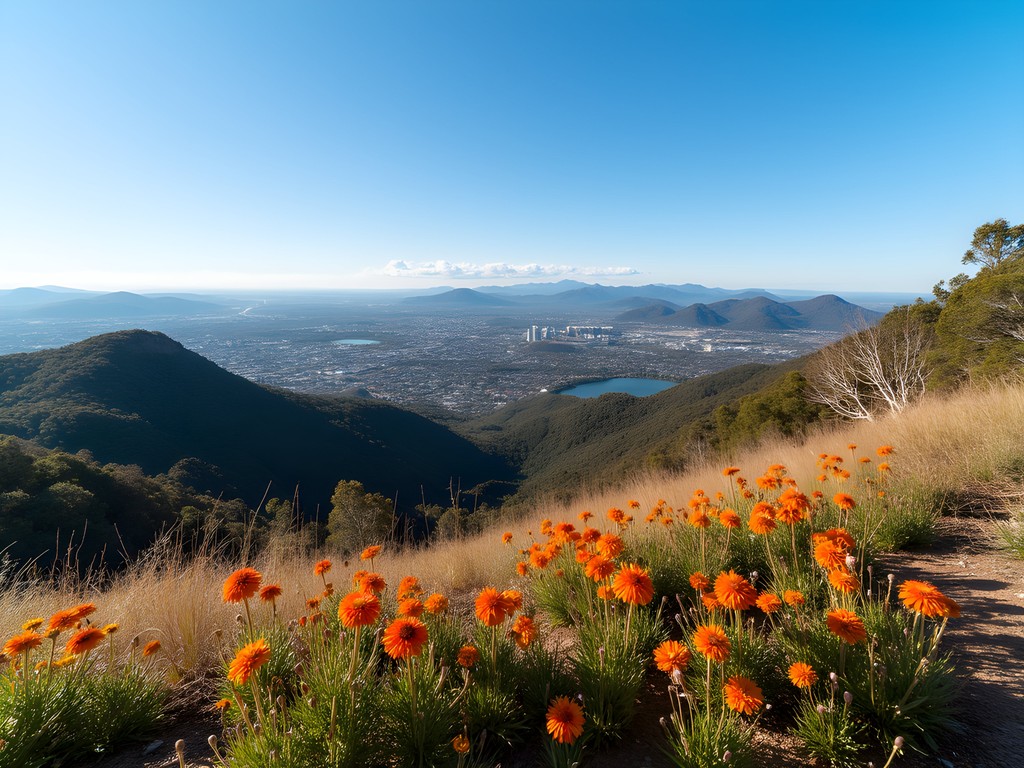
The summit rewards you with 360-degree views of Canberra, Lake Burley Griffin, and the surrounding mountains. If you time your walk for late afternoon, you can watch the sun set behind the Brindabellas—a perfect opportunity to break out your insulated flask filled with hot chocolate for the kids (or perhaps something stronger for the adults).
💡 Pro Tips
- Visit on weekdays to avoid weekend crowds
- The trail can be rocky in sections, so proper footwear is essential
- Pack water and snacks as there are no facilities on the trail itself
Tidbinbilla Nature Reserve: Wildlife Encounters on the Sanctuary Loop
Just a 40-minute drive from central Canberra, Tidbinbilla Nature Reserve offers what I consider the perfect introduction to Australian wildlife for families. The 2.1km Sanctuary Loop is less a challenging bush walk and more a gentle nature immersion, making it ideal for even the youngest explorers.
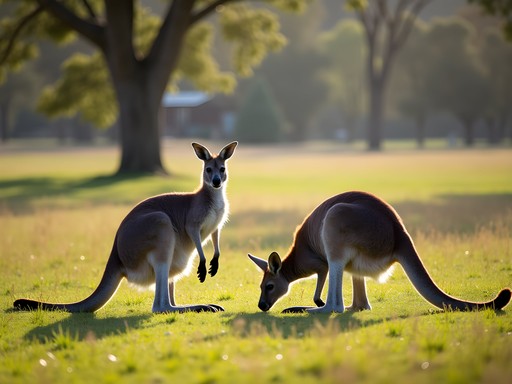
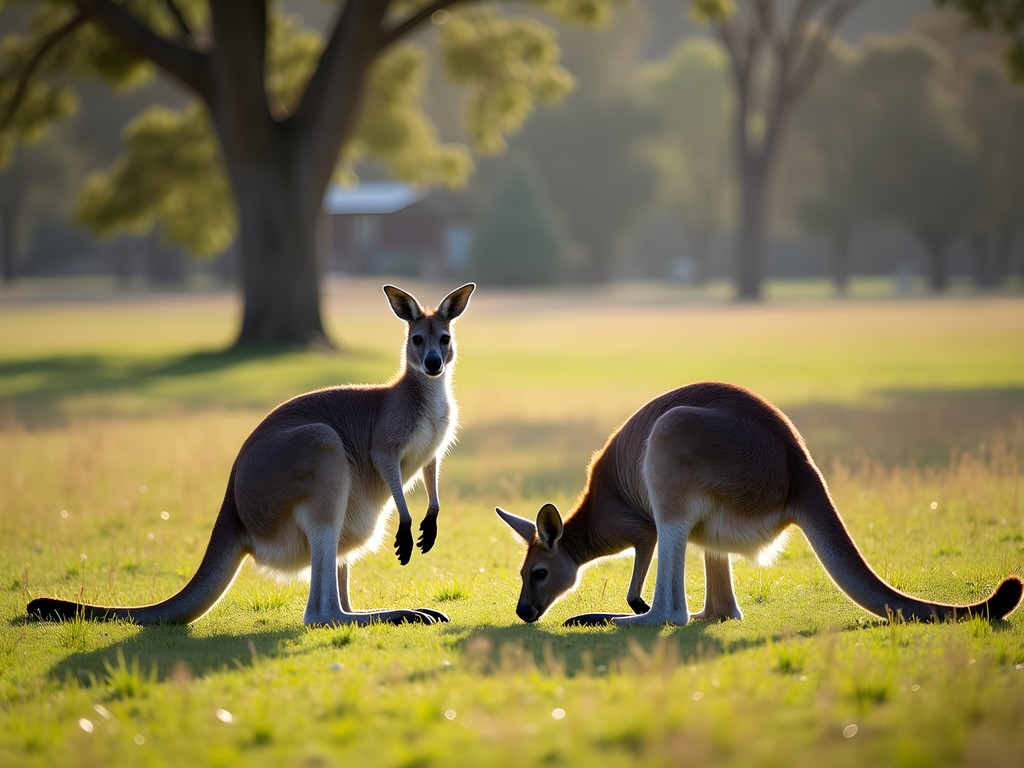
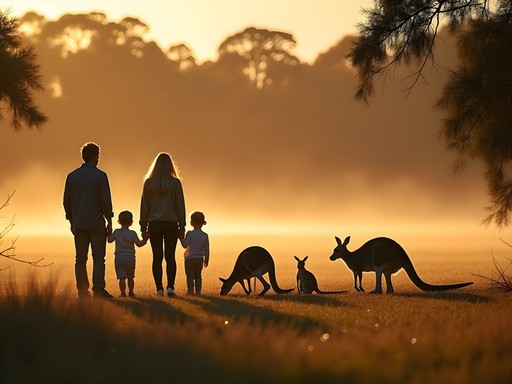
What distinguishes this walk is the near-guaranteed wildlife sightings. The wetland sanctuary section is home to platypus (though they require patience and silence to spot), while kangaroos, wallabies, and emus roam freely throughout. On my last visit with my sister's family, my 6-year-old niece counted 27 kangaroos—a record she still boasts about.
The path is well-maintained and mostly flat, suitable for strollers and accessible for most mobility levels. Interpretive signs along the way explain the ecological importance of wetlands and the conservation efforts protecting endangered species like the brush-tailed rock-wallaby.
For families, I recommend bringing a monocular scope rather than bulky binoculars—they're easier for children to handle and perfect for spotting distant wildlife. The reserve's visitor center also offers excellent educational displays and ranger-guided activities on weekends, which are well worth incorporating into your visit.
💡 Pro Tips
- Early morning or late afternoon offers the best wildlife viewing opportunities
- Pack mosquito repellent in spring as the wetlands can attract insects
- Check the Tidbinbilla website for ranger activities before visiting
Mount Ainslie Summit Trail: Urban Bush Walking at its Finest
If you're short on time but still want that quintessential bush experience, Mount Ainslie delivers spectacularly. This 4km return trail begins behind the Australian War Memorial and climbs steadily through dry sclerophyll forest to one of Canberra's most impressive viewpoints.
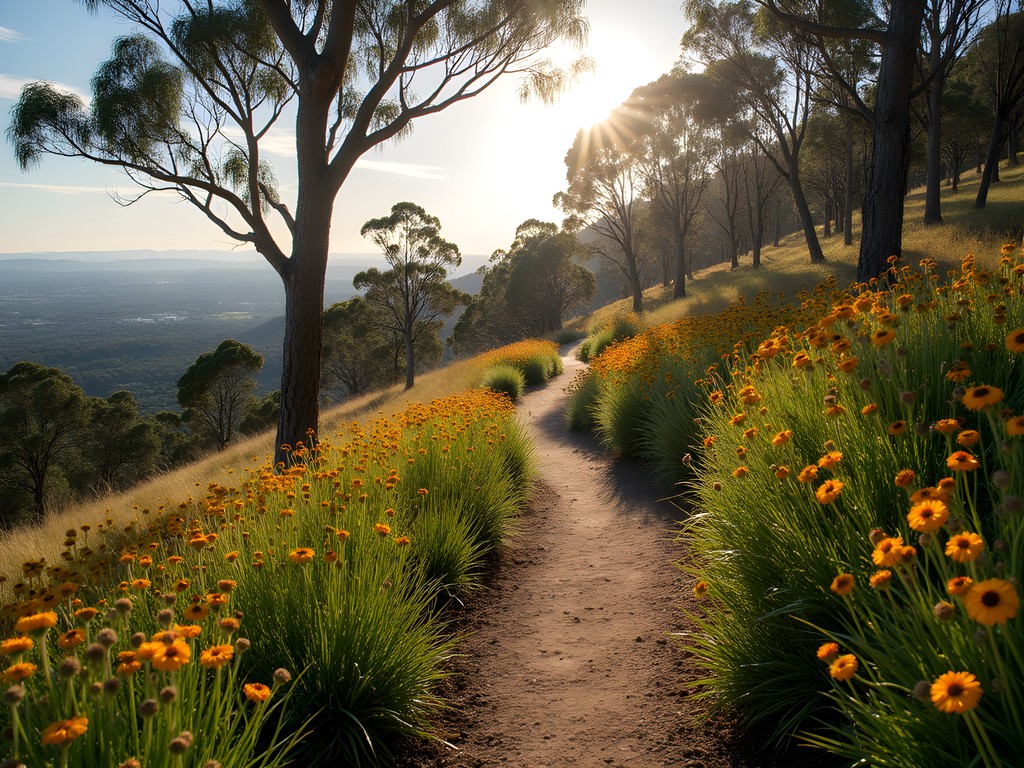
What I love about this trail is how quickly you transition from urban environment to authentic Australian bush. Within minutes of starting the climb, the city sounds fade away, replaced by the distinctive calls of eastern rosellas and crimson rosellas. The trail itself follows the route taken by Canberrans during ANZAC Day dawn services, with memorial plaques along the way adding historical context to your journey.
The trail is moderately challenging with some steep sections, but numerous benches allow for rest stops—which you'll want to take advantage of, not just to catch your breath but to appreciate the gradually expanding views. I found myself constantly reaching for my smartphone gimbal to capture smooth panning videos of the landscape unfolding below.
At the summit, you're rewarded with what I consider the definitive view of Canberra—the perfect symmetry of Walter Burley Griffin's design laid out before you. The War Memorial stands in the foreground, with Anzac Parade leading your eye directly to Old Parliament House, and behind it, the current Parliament House. On clear spring days, the vista extends to the distant Brindabella Ranges.
💡 Pro Tips
- Start early to avoid both heat and crowds
- The trail is exposed in sections, so sun protection is essential even in spring
- There's a small parking area at the trailhead, but it fills quickly on weekends

Namadgi National Park: Gibraltar Peak Trail
For those seeking a more substantial bush experience, the Gibraltar Peak Trail in Namadgi National Park offers the perfect half-day adventure. Located about 45 minutes from central Canberra, this 8km return walk showcases the Australian high country at its finest.
The trail begins at the Tidbinbilla Visitor Centre and climbs steadily through changing vegetation zones. What fascinates me as someone who's hiked across multiple continents is how distinctly Australian this landscape feels—the scent of eucalyptus hanging in the air, the crunch of gum leaves underfoot, and the occasional flash of crimson as rosellas dart between trees.
About halfway up, you'll pass through a section of recovering forest that was affected by the 2003 bushfires. It's a powerful reminder of the regenerative capacity of the Australian bush, with vibrant new growth emerging from blackened trunks. This section is particularly beautiful in spring when wildflowers carpet the forest floor.
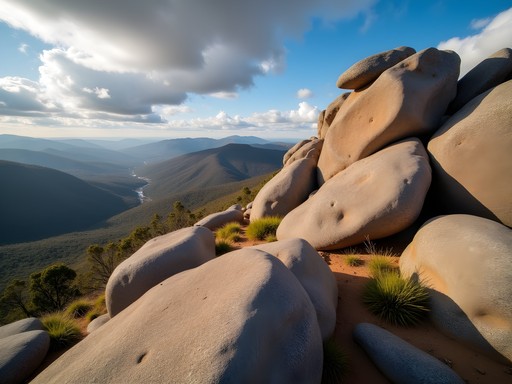
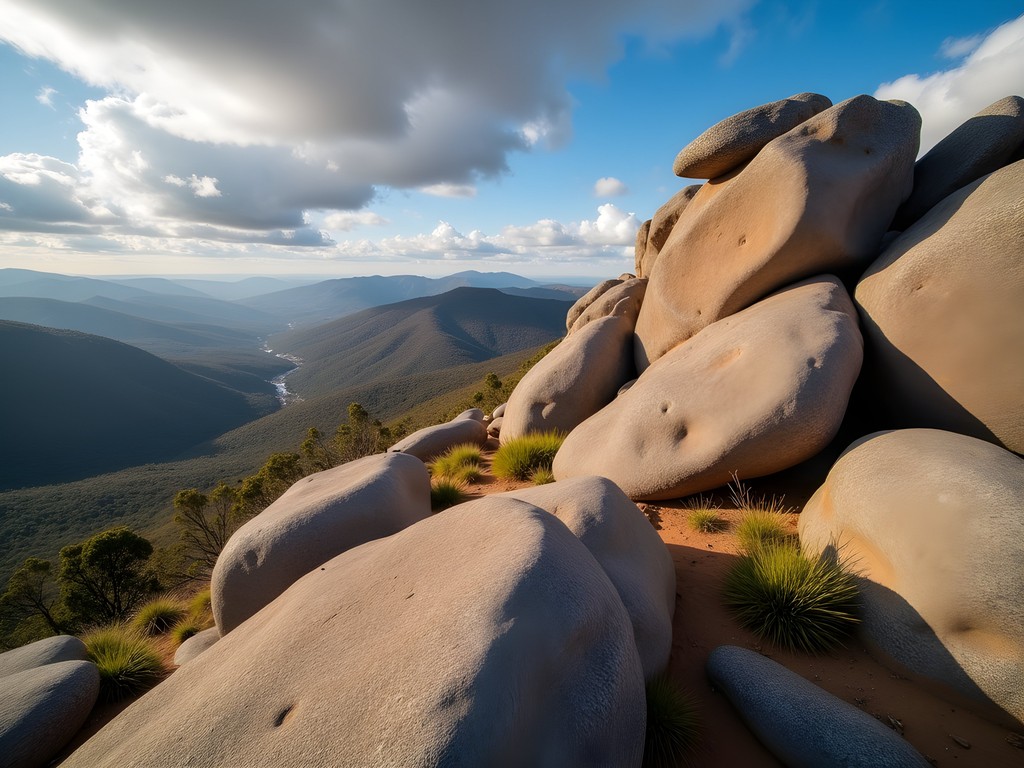
The final approach to Gibraltar Peak involves some rock scrambling, but nothing too technical. I'd recommend bringing trekking poles if you have knee issues or want extra stability on the descent. The effort is richly rewarded when you reach the summit—massive granite boulders create natural platforms overlooking the Tidbinbilla Valley and distant mountain ranges.
This is one of those rare walks that combines accessibility with a genuine sense of wilderness. While enjoying lunch atop the peak, I watched wedge-tailed eagles soaring on thermals below me—a perspective that always shifts something in my soul.
💡 Pro Tips
- Register your walk at the visitor center for safety
- The weather can change quickly in Namadgi—pack layers even on sunny days
- Allow 3-4 hours for the complete walk, including time to enjoy the summit
Jerrabomberra Wetlands: Urban Wildlife Sanctuary
Not every rewarding bush walk requires climbing mountains. The Jerrabomberra Wetlands, located surprisingly close to Canberra's city center, offers flat, accessible trails that are perfect for families with young children or anyone seeking a gentler nature experience.
What makes this urban oasis special is the incredible birdlife. As someone who picked up birding during my time in South Korea (where urban green spaces are precious), I'm continually amazed by the diversity here—over 170 species have been recorded. Spring brings migratory birds and nesting activity, making it an especially vibrant time to visit.
The main loop trail is approximately 2km and features several bird hides where you can quietly observe the wetland inhabitants. I've spent hours in these simple structures, watching black swans glide across the water while superb fairy-wrens flit through the reeds at the water's edge.
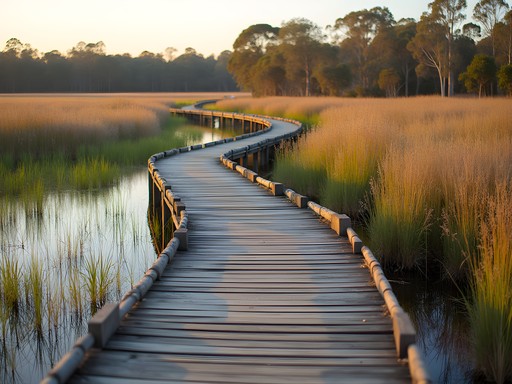
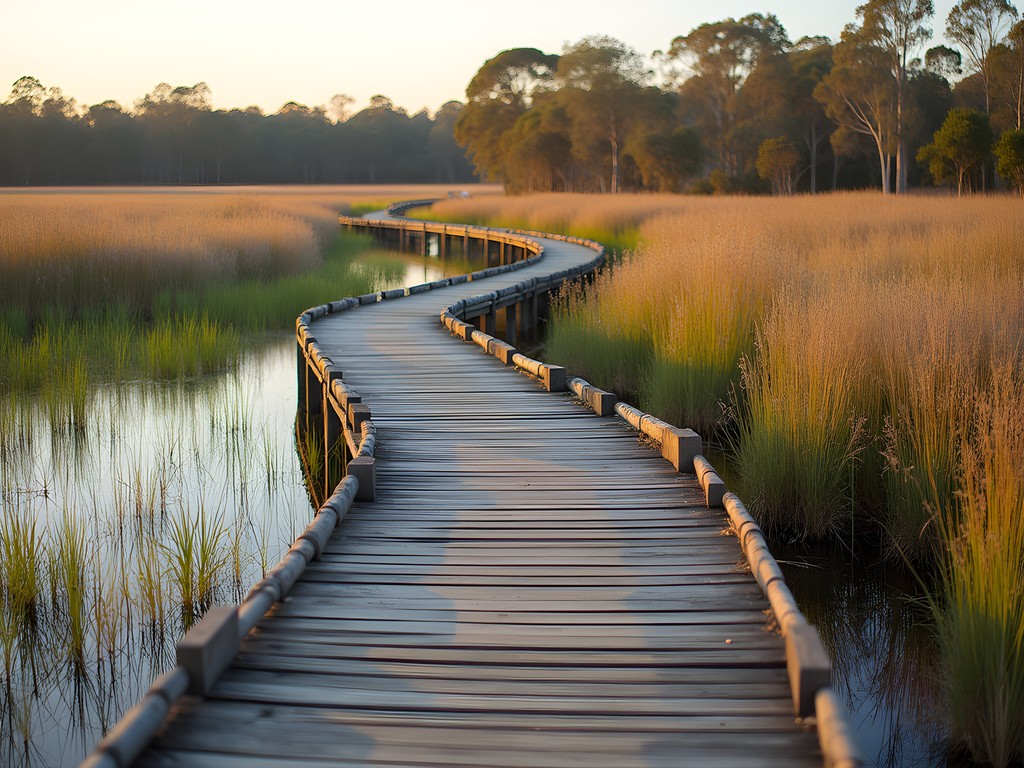
For families, this walk offers endless opportunities for nature education. The boardwalks bring you close to the water without disturbing the environment, and interpretive signs explain the wetland ecosystem in child-friendly language. I recommend bringing a waterproof picnic blanket so you can settle in at one of the grassy areas for a relaxed lunch while watching for water birds.
What I particularly appreciate about Jerrabomberra is how it demonstrates the importance of urban conservation. This former floodplain has been transformed into a thriving ecosystem that serves both wildlife and the community—a reminder that nature doesn't always require remote wilderness to flourish.
💡 Pro Tips
- Dawn and dusk offer the most active wildlife viewing
- The paths can get muddy after rain, so waterproof footwear is advisable
- Bring mosquito repellent, especially in warmer weather
Final Thoughts
Canberra's bush walks offer something I've rarely found elsewhere—the perfect balance of accessibility and authentic natural experiences. Unlike the remote treks of Tasmania or the crowded coastal paths of Sydney, these trails welcome everyone from seasoned hikers to families with young children, all while delivering genuine encounters with Australia's unique landscapes and wildlife.
What strikes me most, returning to these paths after years of hiking across South Korea's mountainous terrain, is how distinctly Australian they feel. The quality of light filtering through eucalyptus leaves, the symphony of native birds, and the subtle palette of the bush—silver-greens against red earth—create an experience that resonates deeply with anyone who calls Australia home.
As you plan your Canberra adventures, remember that these walks are best enjoyed slowly. Pack plenty of water, wear sun protection regardless of the season, and take time to simply be present in these remarkable spaces. Whether you're a local or a visitor, Canberra's natural surroundings offer the perfect antidote to our increasingly digital lives—no Instagram post can capture the feeling of eucalyptus-scented air filling your lungs as a family of kangaroos bounds across your path at sunset.
So lace up your walking shoes, grab your day pack, and discover why Canberra's bush walks might just be Australia's best-kept outdoor secret.
✨ Key Takeaways
- Canberra offers bush walks suitable for all fitness levels and family groups
- Spring (September-November) brings wildflowers and active wildlife
- Many trails are accessible via public transport or short drives from the city center
- Early morning starts provide the best wildlife viewing opportunities
- Pack sun protection, water, and appropriate footwear for all walks
📋 Practical Information
Best Time to Visit
Spring (September to November)
Budget Estimate
$0-50 (most walks are free, some parks have entrance fees)
Recommended Duration
2-3 days to explore multiple walks
Difficulty Level
Easy To Moderate






Comments
explorerider
Loved this post! I've lived in Canberra for years and still haven't done all of these. For anyone visiting, the Red Hill trails are also fantastic for a quick sunset walk if you're short on time. They're right near Parliament House and the lookout gives you amazing city views. Just watch out for kangaroos on the road if you're driving up around dusk!
Riley Griffin
Just got back from Canberra with my family and used this post as our guide - thank you Olivia! Black Mountain was a real surprise. The kids loved spotting all the wildflowers (we were there in spring) and the eucalyptus scent was incredible after rainfall. We also did the Cooleman Ridge trail which wasn't on this list but deserves a mention - fantastic views of the Brindabellas and we had the trail almost to ourselves on a Tuesday morning. One tip for international visitors: don't underestimate the Australian sun even in cooler months. We got caught out on our first day despite it being only 65°F/18°C.
travelqueen
Any of these trails doable by public transport from the city center?
explorerider
Mount Ainslie and Black Mountain are definitely accessible by bus plus a short walk. The others you'd probably need a car or rideshare.
Claire Hawkins
Tidbinbilla was the highlight of our family trip to Canberra last year! We did the Sanctuary Loop with our kids (7 and 9) and they were absolutely thrilled to spot platypus in the wild for the first time. The wetlands section was teeming with bird life. We actually extended our stay in Canberra by two days just to go back and explore more trails. I'd recommend going early in the morning for the best wildlife viewing. We used our compact binoculars which were perfect for the kids to spot animals in the distance.
travelqueen
Did you need to book ahead for Tidbinbilla or can you just show up?
Claire Hawkins
No booking needed! Just pay the park entry fee at the visitor center. They have great maps and the rangers give excellent advice on which trails to take based on recent wildlife sightings.
summerpro
Mount Ainslie at sunset is magical! Great list.
bluewalker
Did the Gibraltar Peak Trail last year and it was absolutely stunning! The views from the top are incredible - you can see the whole Brindabella Range. We went in early morning and spotted several kangaroos and even an echidna. The trail markers were clear but I'd recommend proper hiking boots as some sections are pretty rocky. Took us about 3.5 hours with plenty of photo stops.
oceanpro
How difficult would you say it is? I'm bringing my 10-year-old nephew next time.
bluewalker
It's moderate - my 12-year-old managed fine. There are some steeper sections but plenty of places to rest. Just bring plenty of water and snacks!
oceanpro
Wow! Never thought of Canberra as a hiking destination! Definitely adding Black Mountain to my list for my next Aussie trip!
freephotographer
Beautiful photos! Quick question - are dogs allowed on any of these trails? Visiting in March with my border collie and would love to take her on at least one walk.
Olivia Spencer
Unfortunately dogs aren't allowed at Tidbinbilla or Namadgi due to wildlife protection. But Black Mountain has some dog-friendly sections! Check with the visitor center when you arrive—they'll point you to the right trails.
Adam Nichols
Excellent write-up, Olivia. I visited Canberra last autumn and was genuinely surprised by the quality of bush walking so close to the city center. Tidbinbilla was a highlight—I spent nearly 5 hours there and spotted two different mobs of kangaroos along the Sanctuary Loop. The contrast between Canberra's accessible trails and the more remote walks I've done in Tasmania is interesting. Here, you get that authentic bush experience without the logistical complexity. One tip: the early morning light at Black Mountain is exceptional for photography. I'd recommend arriving around sunrise if you're serious about getting good shots.
freephotographer
Good to know about the sunrise timing! Did you use any particular lens for the wildlife shots at Tidbinbilla?
Adam Nichols
I used a 70-200mm which worked well. The kangaroos are surprisingly approachable there, so you don't need extreme telephoto. A 200mm gave me plenty of reach.
bluegal
how hard is the mount ainslie trail? thinking of taking my mum but shes not super fit
Olivia Spencer
It's definitely manageable! The trail is well-maintained and you can take it slow. Maybe 45-60 mins at an easy pace. There are benches along the way too if she needs breaks.
springwalker1113
did it with my dad last year and he's 68! just take your time
Venture X
Premium card with 2X miles, $300 travel credit, Priority Pass