
Disclosure: This article contains affiliate links. We may earn a commission from purchases at no extra cost to you, which helps our travel content.
There's something primordial about the landscape surrounding Gillette, Wyoming—a rugged testament to geological forces that have shaped this corner of the American West for millennia. As someone who spent decades litigating over the protection of these very lands, I find a special satisfaction in experiencing them from behind the wheel of a properly equipped 4x4. The rolling prairie gives way to dramatic buttes, revealing a terrain that challenges both driver and machine while rewarding the persistent with views few ever witness.

Preparing Your Rig for Wyoming's Challenges
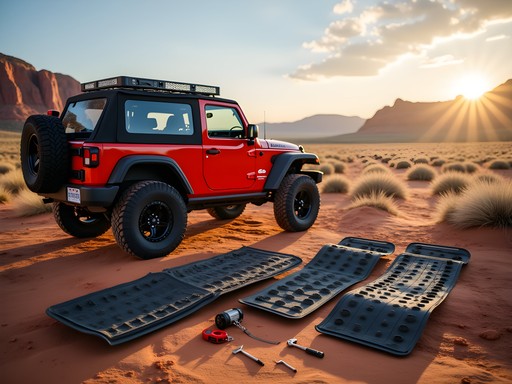
After 25 years navigating the complexities of environmental law, I've learned that preparation is everything—a principle that applies equally to courtroom battles and off-road expeditions. Gillette's terrain demands vehicles with proper clearance, quality all-terrain tires, and recovery equipment that won't fail when you need it most.
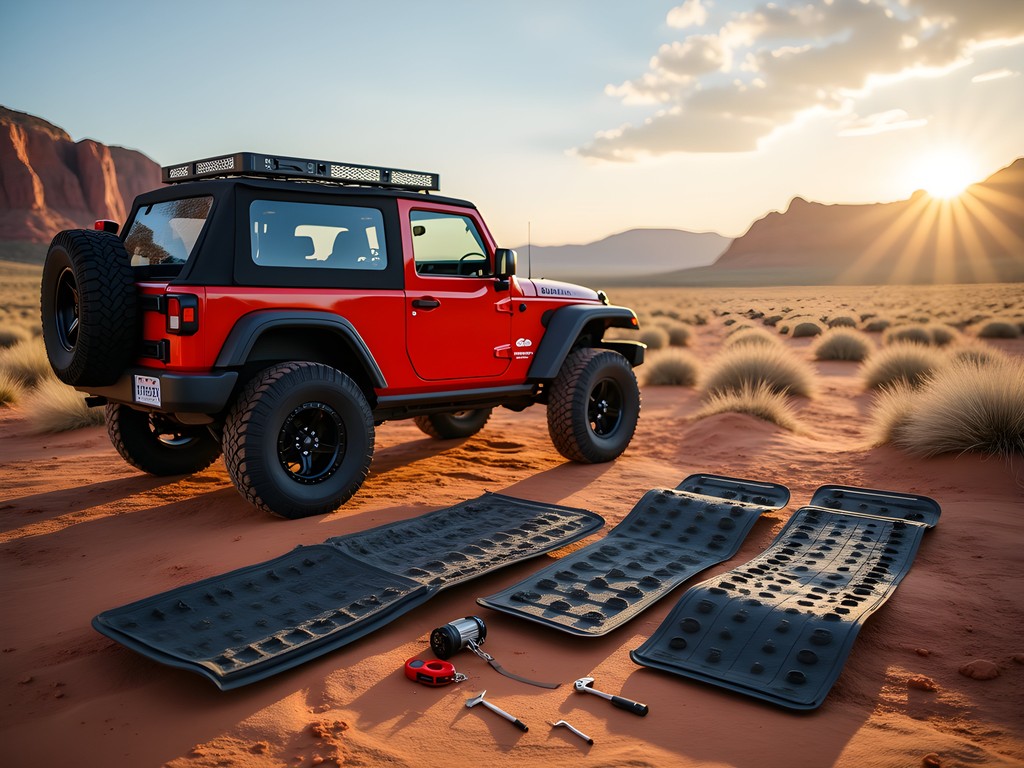
I've upgraded my trusty Jeep Wrangler with a modest 2-inch lift and all-terrain tires that strike the perfect balance between on-road comfort and off-road capability. For recovery situations—which are inevitable if you're pushing your limits—I never hit the trails without my recovery kit and a quality winch.
While cell service exists near town, it quickly becomes spotty as you venture into the backcountry. I've found my satellite messenger to be indispensable for both navigation and emergency communication. Remember that Wyoming's weather can change dramatically within hours—I've encountered both scorching heat and surprise summer hailstorms in the same day.
💡 Pro Tips
- Carry extra fuel—trails often extend farther than expected
- Pack a comprehensive tool kit including tire repair supplies
- Download offline maps before heading out—OnX Offroad is my go-to app
The Thunder Basin National Grassland Circuit
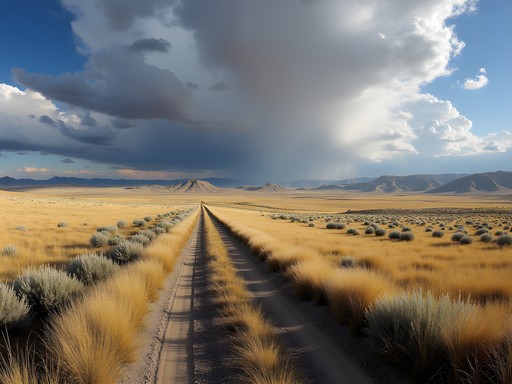
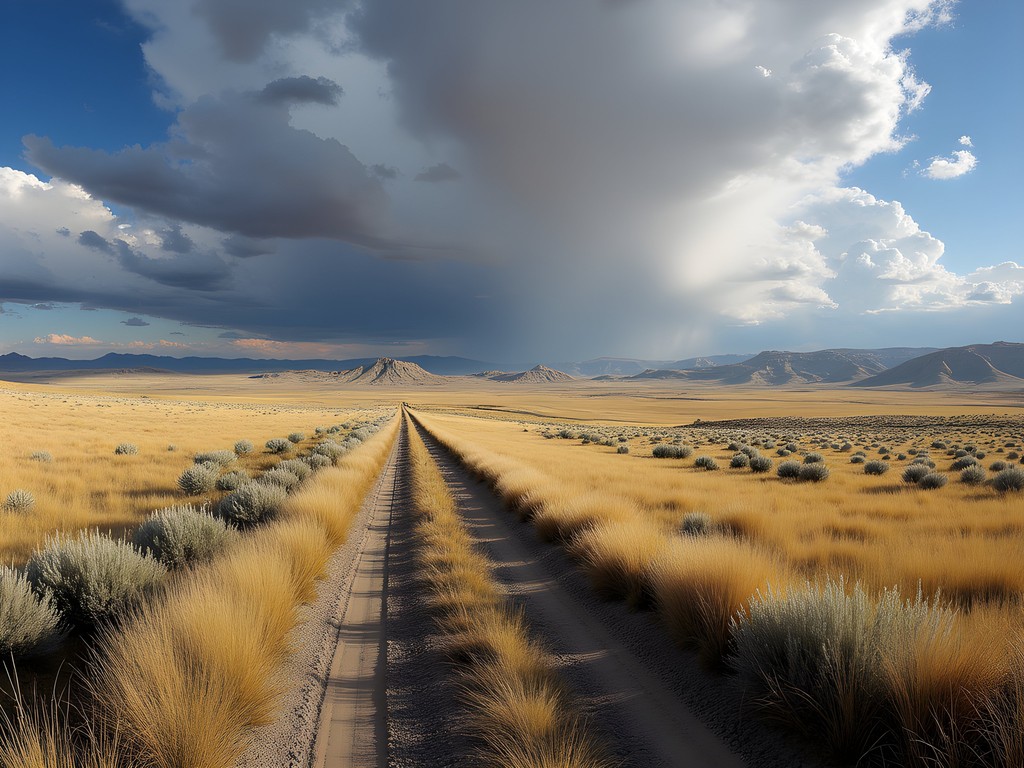
The Thunder Basin National Grassland offers over 572,000 acres of mixed-use public land, including some of the most rewarding off-road experiences in the northern plains. This isn't the dramatic red rock of Moab or the dense forests of the Pacific Northwest—it's something altogether different and, I'd argue, more authentically Western.
My favorite route begins at the Rochelle Hills access point, about 45 minutes southeast of Gillette. The initial trails are relatively forgiving, allowing you to acclimate to the terrain before tackling more technical challenges. As you progress deeper into the grassland, you'll encounter a fascinating mix of prairie, badlands formations, and isolated stands of ponderosa pine.
The most challenging section comes when crossing the numerous dry washes that cut through the landscape—these can transform from benign depressions to impassable obstacles after even brief rainfall. I've learned to pack my portable air compressor to adjust tire pressure as conditions change, often running as low as 18 PSI in softer terrain.
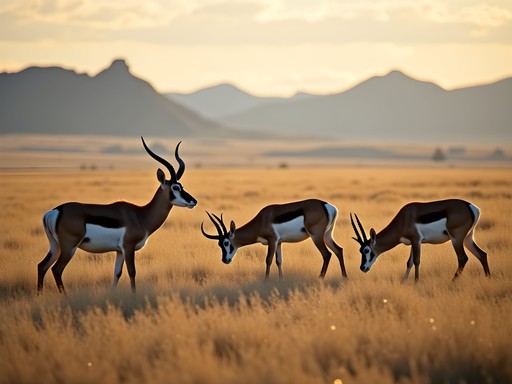
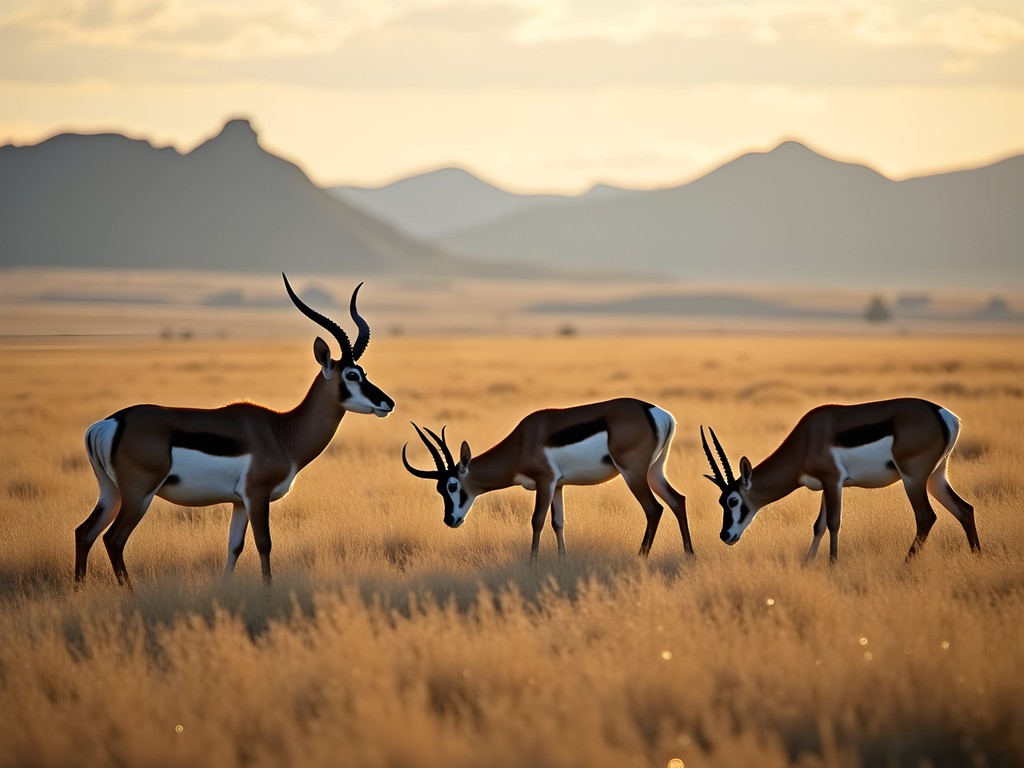
What makes this circuit special is the wildlife viewing opportunities. I've encountered pronghorn antelope, mule deer, and once, memorably, a golden eagle that seemed as surprised to see me as I was to see it perched on a lone cottonwood.
💡 Pro Tips
- Notify someone of your planned route and expected return time
- The eastern sections of Thunder Basin become particularly challenging after rainfall
- Stop frequently to glass for wildlife—dawn and dusk offer the best viewing opportunities
Technical Challenges: The Powder River Breaks
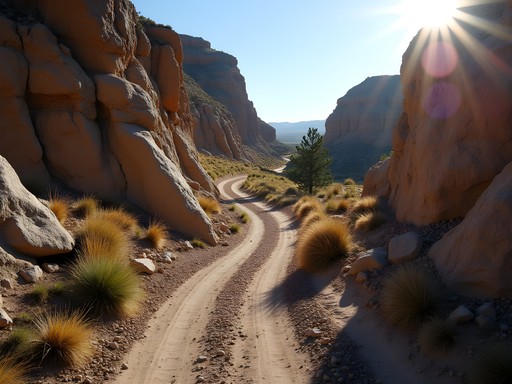
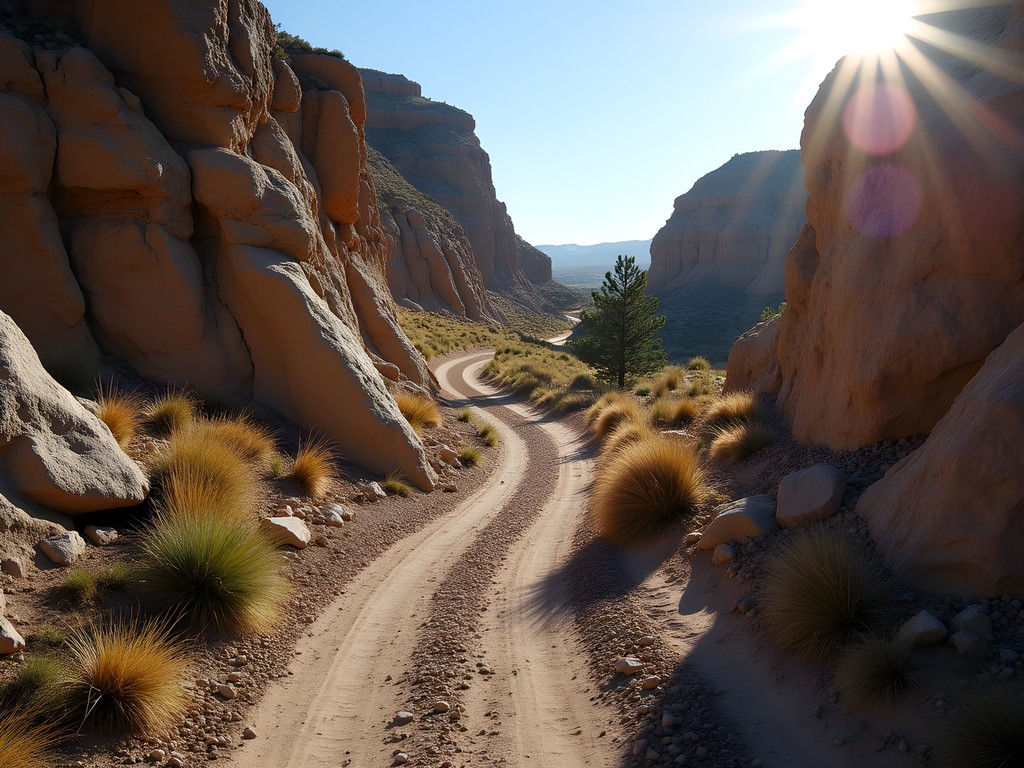
For those seeking more technical challenges, the breaks along the Powder River offer terrain that will test both driver skill and vehicle capability. This is where Wyoming shows its teeth—a landscape carved by water and wind into a maze of gullies, steep climbs, and off-camber traverses.
I first explored these breaks during a legal case involving water rights back in the early 2000s, and I've returned dozens of times since, each visit revealing new challenges and vistas. The Bureau of Land Management maintains several designated routes, but navigation can be confusing without proper preparation. I rely on my GPS device loaded with detailed topographic maps to keep oriented in this complex terrain.
The most rewarding route begins at the Spotted Horse access point and winds north toward the Montana border. You'll encounter several water crossings (seasonal), rocky climbs that demand careful tire placement, and spectacular viewpoints overlooking the river valley. Pack a recovery strap and know how to use it—self-recovery skills are essential here.
What makes the Powder River Breaks special isn't just the challenge but the solitude. On a typical summer weekday, you might not encounter another vehicle, creating an experience of the West that feels unchanged from frontier days. The silence, broken only by wind through sage and the occasional call of a red-tailed hawk, offers a powerful reminder of why these lands deserve our protection.
💡 Pro Tips
- Always scout water crossings before attempting them
- The northern sections require high-clearance 4WD vehicles with experienced drivers
- Consider traveling with a second vehicle for safety in the more remote sections

Conservation Considerations and Responsible Travel
As someone who's spent a career advocating for Western lands, I can't discuss off-road adventures without addressing our responsibility to these fragile ecosystems. The terrain around Gillette may appear rugged and resilient, but prairie environments are surprisingly delicate—tire tracks can persist for decades in some areas, altering drainage patterns and plant communities.
Staying on designated routes isn't just a legal requirement; it's an ethical obligation to future generations who deserve to experience these landscapes in their natural state. I've witnessed the cumulative damage of off-trail travel in many Western ecosystems, and the recovery process is measured in decades, not years.
Before any trip, I research current land use regulations and carry maps marking designated routes. The BLM field office in Buffalo (about an hour from Gillette) provides excellent resources, including motor vehicle use maps that clearly indicate open routes. I also pack out everything I bring in, using a trash management system mounted to my spare tire.
Wildlife encounters require special consideration. During spring and early summer, many species are raising young and particularly sensitive to disturbance. I maintain distance from all wildlife and use my spotting scope to observe without approaching. These moments of connection with wild creatures in their natural habitat represent the true privilege of backcountry travel.
💡 Pro Tips
- Learn to identify cryptobiotic soil crusts and avoid driving over them
- Report trail damage or illegal off-trail travel to local BLM offices
- Consider joining volunteer trail maintenance events organized by local 4x4 clubs
Local Knowledge: Connecting with Gillette's Off-Road Community
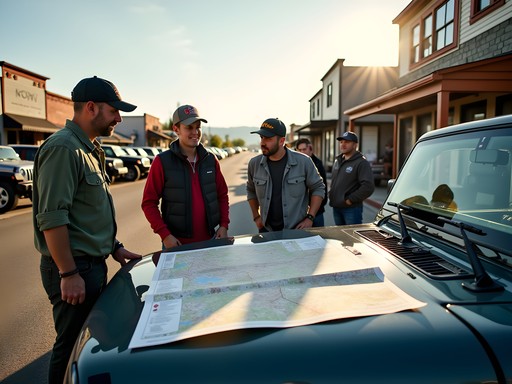
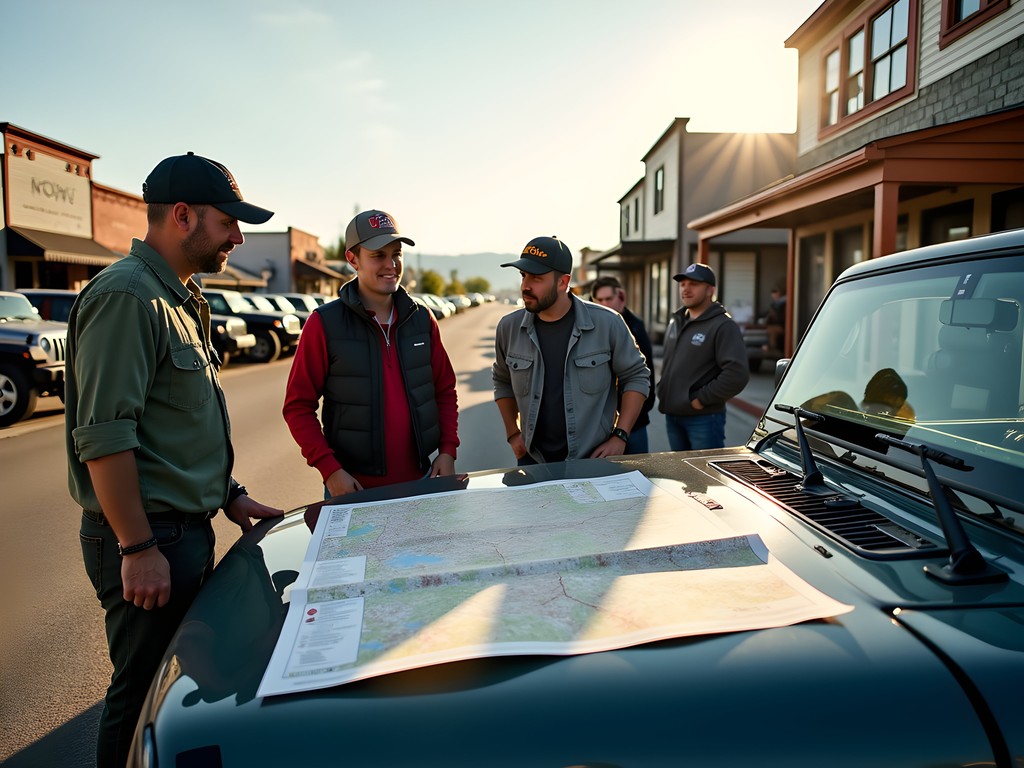
One aspect of off-road travel that continually enriches my experiences is connecting with local knowledge. Gillette hosts a surprisingly active 4x4 community, with regular meetups and organized trail runs that welcome responsible visitors. The Powder River Basin 4-Wheelers club has been an invaluable resource during my visits, offering insights on current trail conditions and lesser-known routes that don't appear in guidebooks.
Durty Wurx Off-Road Shop on 2nd Street serves as an unofficial information exchange for the local off-road community. Beyond selling parts and performing installations, the staff maintains a bulletin board with trail reports and upcoming events. I've found their mechanical advice particularly valuable when preparing for the region's more demanding terrain.
For those planning extended backcountry travels, I recommend investing in a portable power station to keep essential electronics charged. Wyoming's abundant sunshine makes solar charging practical during summer months, and I've successfully used a solar panel to maintain power during week-long expeditions.
Before departing on any backcountry adventure, I make a point to stop at the local BLM field office for the most current information on seasonal closures, fire restrictions, and wildlife considerations. These conversations have often led to discoveries of special places I might otherwise have missed—the kind of local knowledge that transforms a good trip into an unforgettable one.
💡 Pro Tips
- Attend a local 4x4 club meeting if your visit coincides with their schedule
- Ask about seasonal hunting activity before planning remote backcountry travel
- The High Plains Visitor Center often has updated information on road conditions after weather events
Final Thoughts
The landscapes surrounding Gillette offer a form of off-road adventure that's increasingly rare in our crowded world—genuine exploration across terrain that still feels wild and untamed. As someone who's fought legal battles over the preservation of Western lands, I find profound satisfaction in experiencing these places responsibly, knowing that with proper stewardship, they'll remain available for future generations to discover.
Off-road travel through Wyoming's northeastern corner isn't just about the technical challenge or the thrill of remote exploration—though both are abundant. It's about connecting with a landscape that has shaped American identity since the frontier era. The silence of these vast spaces, the quality of light across the prairie at dawn, and the sense of self-reliance required to travel safely through them offer a form of restoration increasingly difficult to find elsewhere.
As you plan your own off-road adventure in Gillette's backcountry, remember that the true value lies not in conquering the terrain but in developing a relationship with it. Take time to learn the names of the plants, understand the geological forces that shaped the land, and appreciate the complex web of life that thrives in what might initially appear as emptiness. The rewards of such mindful travel will extend far beyond the journey itself.
✨ Key Takeaways
- Always prioritize preparation and safety when exploring Wyoming's remote backcountry
- Stay on designated routes to protect fragile prairie ecosystems for future generations
- Connect with local knowledge through Gillette's active off-road community
- Take time to appreciate wildlife and natural features beyond the driving experience
📋 Practical Information
Best Time to Visit
Late June through early September offers ideal conditions with dry trails and moderate temperatures
Budget Estimate
$1,500-$2,500 for a week including accommodations, vehicle rentals (if needed), fuel, and supplies
Recommended Duration
5-7 days to properly explore multiple trail systems at a responsible pace
Difficulty Level
Advanced - Technical Driving Skills And Properly Equipped Vehicles Required

Comments
skylover
Going there next month, can't wait!
Megan Martin
Excellent article. I've been exploring Wyoming for corporate retreat planning and the Gillette area offers some truly unique opportunities for team-building adventures. The technical challenges you mentioned in the Powder River Breaks would be perfect for experienced groups. Have you worked with any local outfitters in the area? I'd be interested in connecting with guides who know the terrain well for client expeditions.
moonzone
Great write-up Chase! I've done the Thunder Basin circuit twice now and it never gets old. One tip for anyone planning this - bring way more water than you think you need. Cell service is pretty much nonexistent out there so download offline maps beforehand. The solitude is worth it though. Also hit up the local BLM office in Gillette before you head out, they have current trail condition info.
islandadventurer
Good call on the BLM office tip!
mountainblogger
WOW this is exactly what I've been looking for!! I'm so tired of the same old crowded trails in Colorado. Thunder Basin sounds incredible and I love that you mentioned the conservation aspect. Responsible off-roading is so important. Definitely making this happen this summer!
islandexplorer
Adding this to my bucket list!
skylover
What time of year did you go? Wondering about the best season for this.
Nicole Russell
Late spring and early fall are absolutely perfect for Wyoming off-roading! The weather is more predictable and you avoid the summer crowds. I did a similar trip near Cody last September and the conditions were ideal. Just watch out for sudden weather changes - mountain storms can roll in fast!
travelmaster
Really cool photos!
islandadventurer
This looks amazing! Quick question - do you really need a full 4x4 for these trails or can you get away with an AWD SUV? Planning a trip but not sure if I need to rent something bigger.
moonzone
From my experience in that area, you'll definitely want a proper 4x4 with good clearance for the Powder River Breaks. The grassland circuit might be doable in AWD depending on conditions, but don't risk it if there's been rain.
islandadventurer
Thanks! That's really helpful.
MountainMama
If anyone's heading there, the visitor center in Gillette has updated trail maps that aren't available online yet. Worth stopping in! The rangers told us about some temporary closures for wildlife protection that saved us a wasted trip.
Chase Allen
Great tip! They also have those laminated maps that are perfect for dusty/wet conditions.
DustTrails
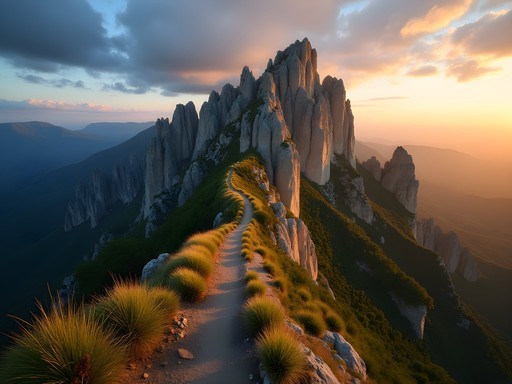
Great write-up! Those sunset photos from the ridge are spectacular!
Venture X
Premium card with 2X miles, $300 travel credit, Priority Pass