
Disclosure: This article contains affiliate links. We may earn a commission from purchases at no extra cost to you, which helps our travel content.
When I first planned a research trip to Arkansas to study pre-Columbian earthworks, I expected academic fieldwork—not the revelation that this state harbors some of the most accessible yet wild outdoor spaces in America. Little Rock surprised me with its perfect balance: a city that serves as your comfortable base camp while world-class trails, rivers, and rock formations wait just beyond its edges. For families seeking authentic adventure without the crowds or premium price tags of national parks, Arkansas delivers something rare—wilderness that welcomes you in.

1. Pinnacle Mountain State Park: Your Gateway Adventure
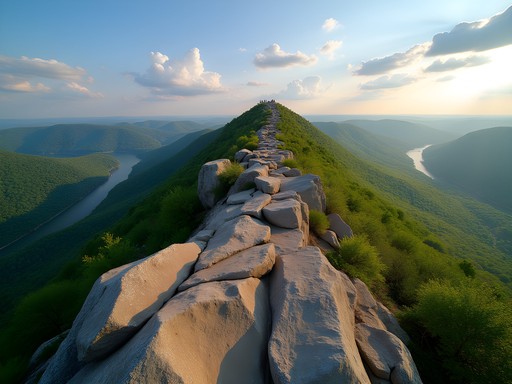
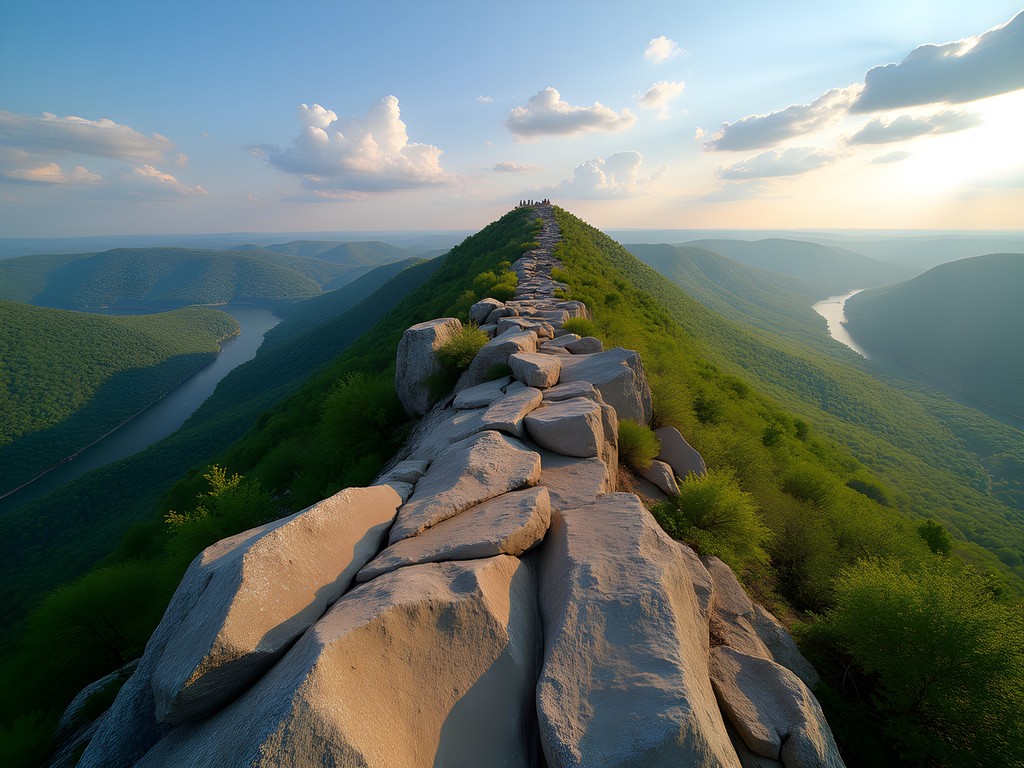
Just fifteen minutes west of downtown Little Rock, Pinnacle Mountain rises like a promise above the Arkansas River Valley. This 1,011-foot summit offers two distinct trails—the East Summit Trail (steep and direct at 1.5 miles) and the gentler West Summit Trail (2.5 miles with switchbacks). I've guided families with kids as young as seven up the West Summit route, and the panoramic views from the top make every step worthwhile.
What makes Pinnacle special for families is the park's excellent trail infrastructure and the Base Trail, a 1.5-mile loop around the mountain's base that's perfect for younger children or those wanting a gentler introduction. The visitor center features educational exhibits on local geology and wildlife—I spent an afternoon there sketching pottery shards from the Plum Bayou culture that once thrived in these valleys. Spring brings wildflowers carpeting the lower slopes: purple spiderwort, white bloodroot, and the delicate rue anemone.
Pro tip: Start early on weekends. By 9 AM, the parking lot fills quickly, especially during perfect spring weather. Bring a hydration pack rather than water bottles—keeping your hands free on the rocky summit scramble makes a significant difference, particularly if you're helping younger hikers.
💡 Pro Tips
- Download the AllTrails map offline before you go—cell service is spotty on the mountain
- Wear closed-toe shoes with good grip; the summit involves some rock scrambling
- Visit the Arkansas Arboretum section of the park for a shaded, educational walk if weather turns hot
2. Big Dam Bridge and Arkansas River Trail: Pedaling Through History
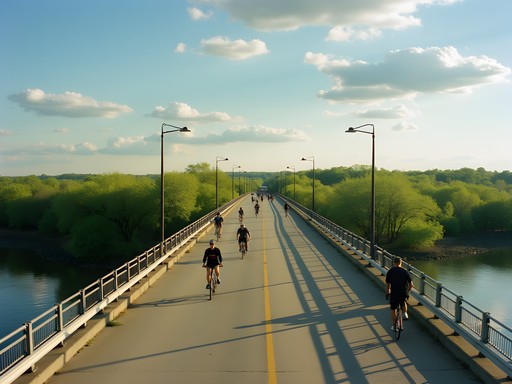
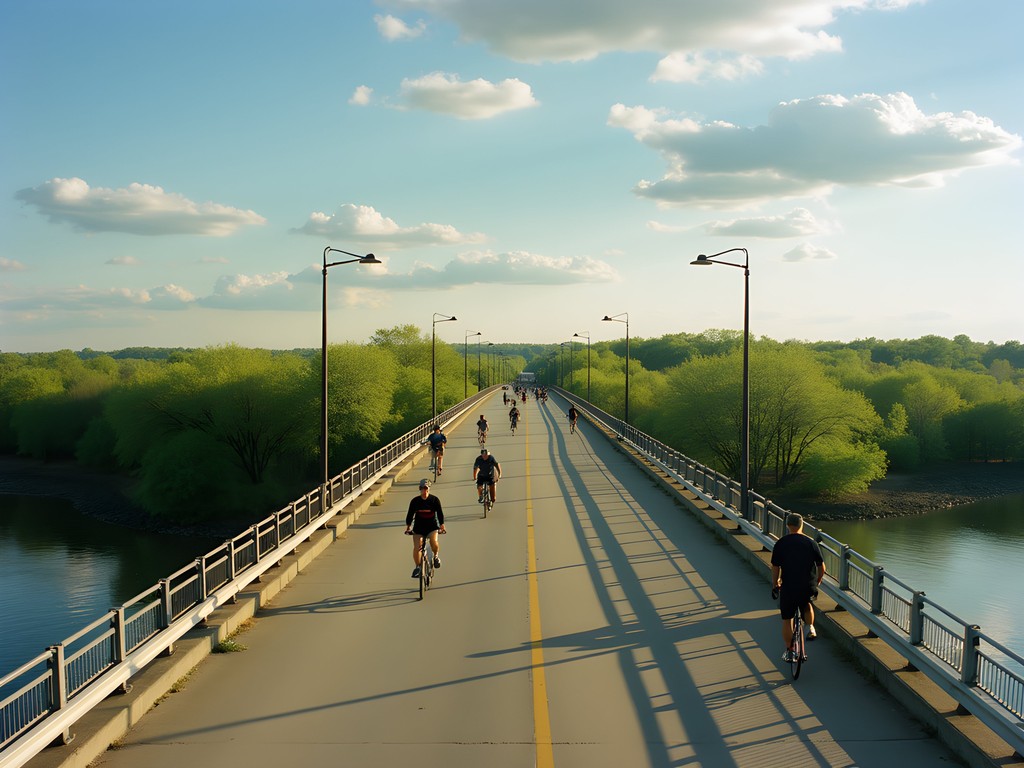
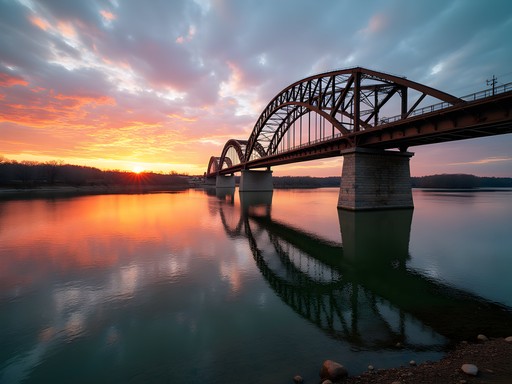
At 4,226 feet, the Big Dam Bridge claims the title of longest pedestrian and cycling bridge built specifically for that purpose in North America. But beyond the superlatives, this bridge represents something I deeply appreciate: adaptive reuse that honors infrastructure while creating public space. Built atop the old Murray Lock and Dam, it connects 88 miles of paved trails along the Arkansas River.
For families, I recommend starting at Two Rivers Park on the west side. Rent bikes from one of the local shops (several offer child seats and tag-alongs), cross the bridge, and continue to Riverfront Park in North Little Rock—about 8 miles round trip with minimal elevation change. The trail passes through bottomland hardwood forests where I've spotted great blue herons, painted buntings, and even river otters at dawn.
The bridge itself offers interpretive panels about the river's role in Arkansas history, from Native American trading routes to the industrial era. As an archaeologist, I'm fascinated by how this landscape layers time: beneath your wheels lie Quapaw village sites, Civil War encampments, and the foundations of early river commerce. Make sure you pack a bike repair kit—I learned this lesson the hard way after a flat tire left me walking three miles back to the car.
💡 Pro Tips
- Bike rentals average $25-35 for a half-day; reserve ahead on spring weekends
- The bridge can be windy—secure loose items and consider windbreakers for kids
- Stop at Dugan's Pub near Two Rivers Park for post-ride burgers and local craft beer (root beer for the kids)
3. Petit Jean State Park: Arkansas's Crown Jewel
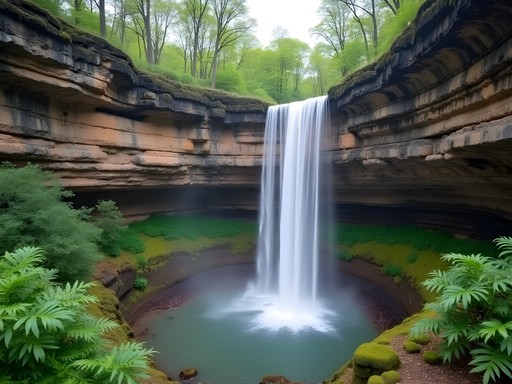
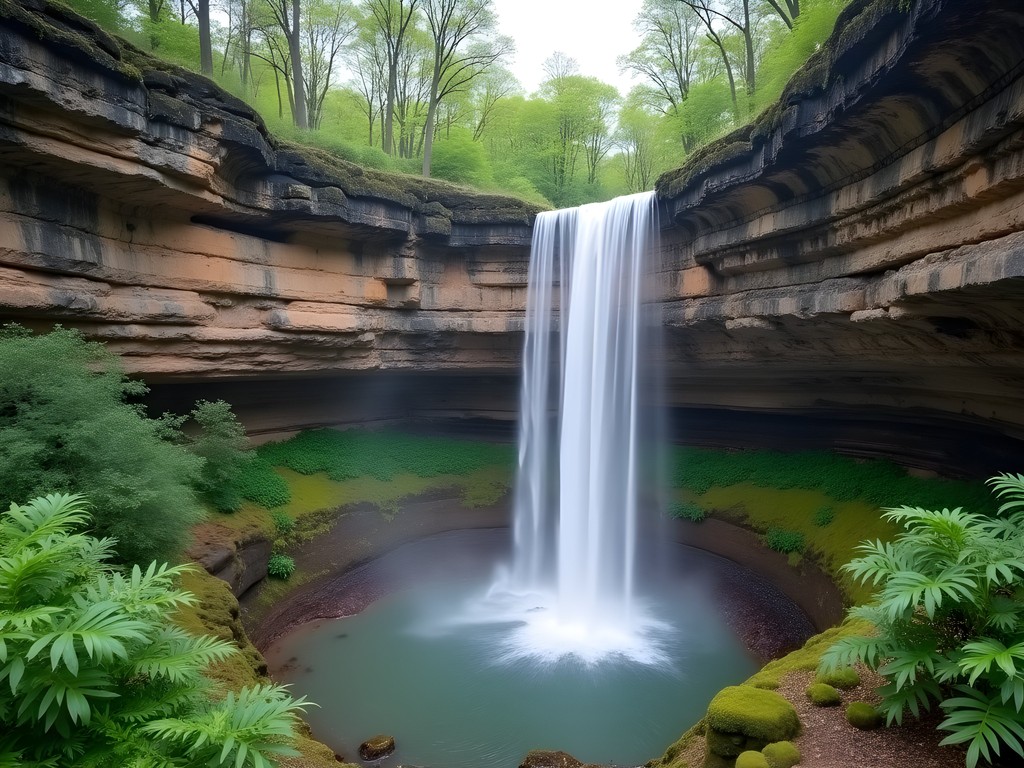
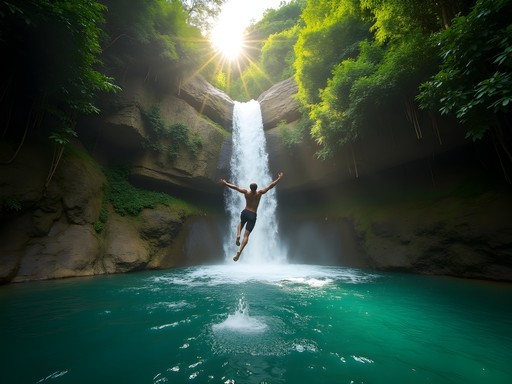
An hour northwest of Little Rock, Petit Jean State Park deserves its designation as Arkansas's first state park. The 3,471-acre preserve sits atop Petit Jean Mountain, where sandstone bluffs, waterfalls, and rock formations create landscapes that feel transported from the American Southwest. Cedar Falls, a 95-foot waterfall plunging into a natural amphitheater, ranks among the most photographed sites in Arkansas—and for good reason.
The Cedar Falls Trail (2 miles round trip) involves a 300-foot descent into the canyon—manageable for most families but remember you're climbing back out. I've seen parents with toddlers in child carrier backpacks tackle this trail successfully; the key is pacing yourself and taking water breaks. The trail passes through diverse ecosystems: oak-hickory forest transitioning to moisture-loving ferns and mosses as you approach the falls.
Don't miss the Rock House Cave Trail (0.3 miles), where a massive sandstone overhang creates a natural shelter used by humans for at least 8,000 years. I've examined the soot-stained ceiling from ancient campfires and imagined the families who sought shelter here long before state parks existed. The Seven Hollows Trail (4.5 miles) offers more solitude and stunning spring wildflower displays if your family is up for a longer adventure.
💡 Pro Tips
- Book the Mather Lodge or cabins months ahead for spring weekends—they fill quickly
- Pack a picnic lunch; the park has excellent facilities but limited dining options
- Bring a field guide to Arkansas wildflowers—spring blooms peak in April and early May

4. Buffalo National River: Paddling Through Wilderness
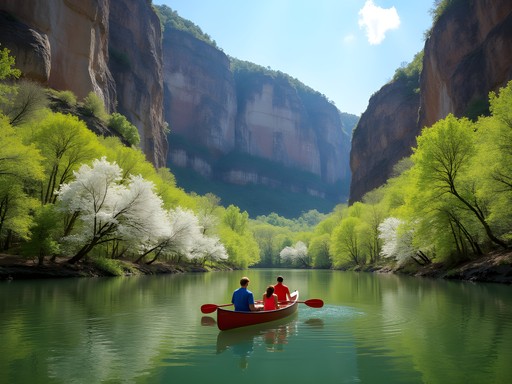
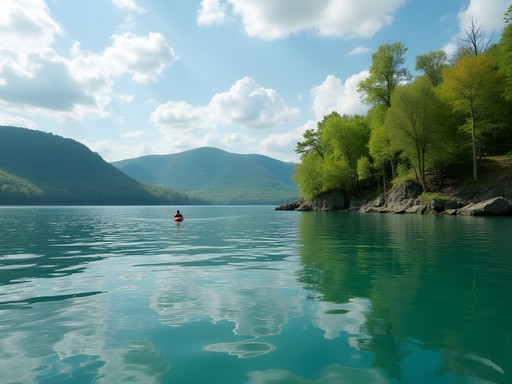
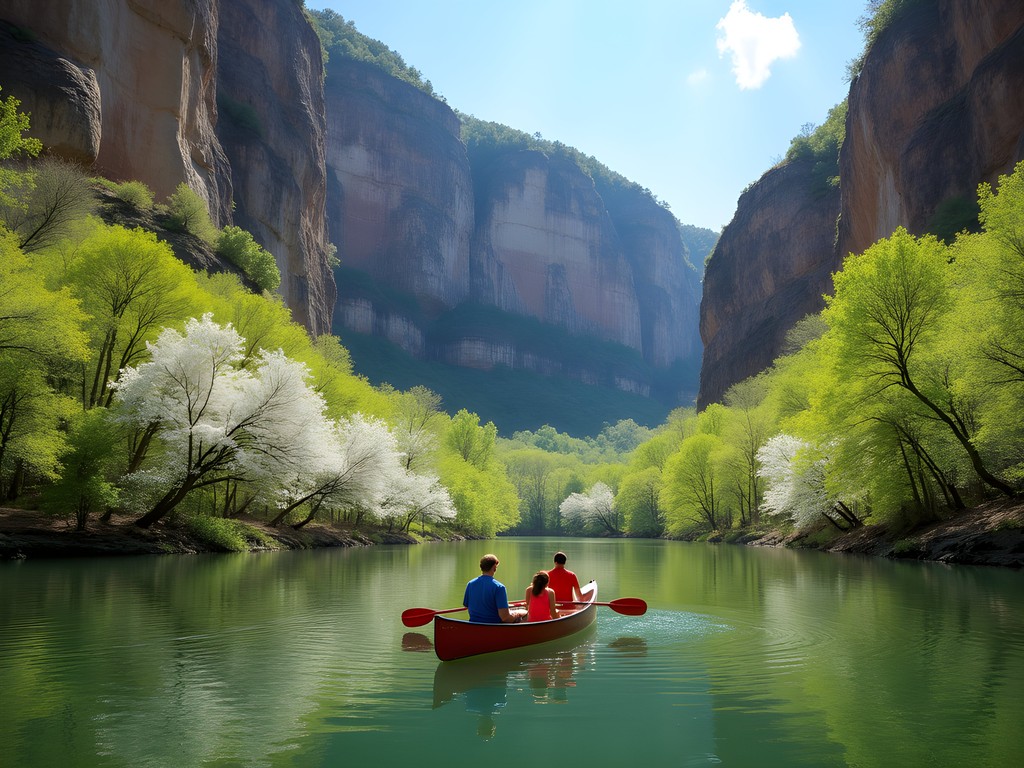
About two hours north of Little Rock, the Buffalo National River flows free for 135 miles—one of the few remaining undammed rivers in the lower 48 states. Spring transforms the Buffalo into an ideal family paddling destination: water levels run high enough for easy navigation but typically remain manageable for intermediate paddlers. The section from Ponca to Kyles Landing (8 miles) offers spectacular scenery with Class I-II rapids that provide excitement without overwhelming less experienced paddlers.
I've floated this river in various seasons, but spring holds special magic. The bluffs tower 400-500 feet above the water, their limestone faces streaked with seeps and adorned with ferns. Dogwood and redbud trees bloom white and pink against the darker forest backdrop. We spotted wild turkeys, white-tailed deer, and a black bear sow with cubs on the bank (at a very respectful distance).
Outfitters like Buffalo Outdoor Center provide everything you need: canoes or kayaks, paddles, life jackets, and shuttle service. For families, I recommend canoes over kayaks—they're more stable, carry more gear, and allow parents to paddle tandem with younger children. Expect to spend 3-4 hours on the water, plus time for swimming and exploring gravel bars. Pack a dry bag for phones, snacks, and extra clothes—even calm water finds ways to splash aboard.
💡 Pro Tips
- Check river levels before booking; spring rains can occasionally make the river too high for safe family paddling
- Wear water shoes or old sneakers; you'll be getting in and out of the boat on rocky bottoms
- Bring cash for outfitter fees and tips—many operations in this rural area don't accept cards
5. Pinnacle Mountain via Ouachita Trail: Backpacking Introduction
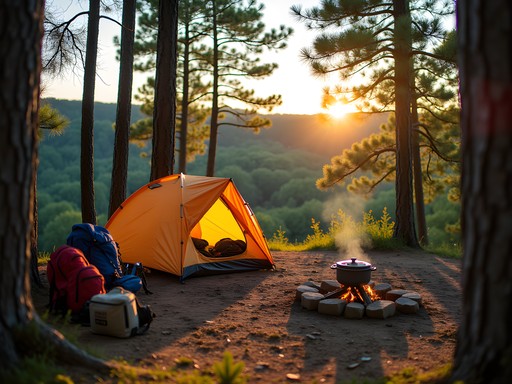
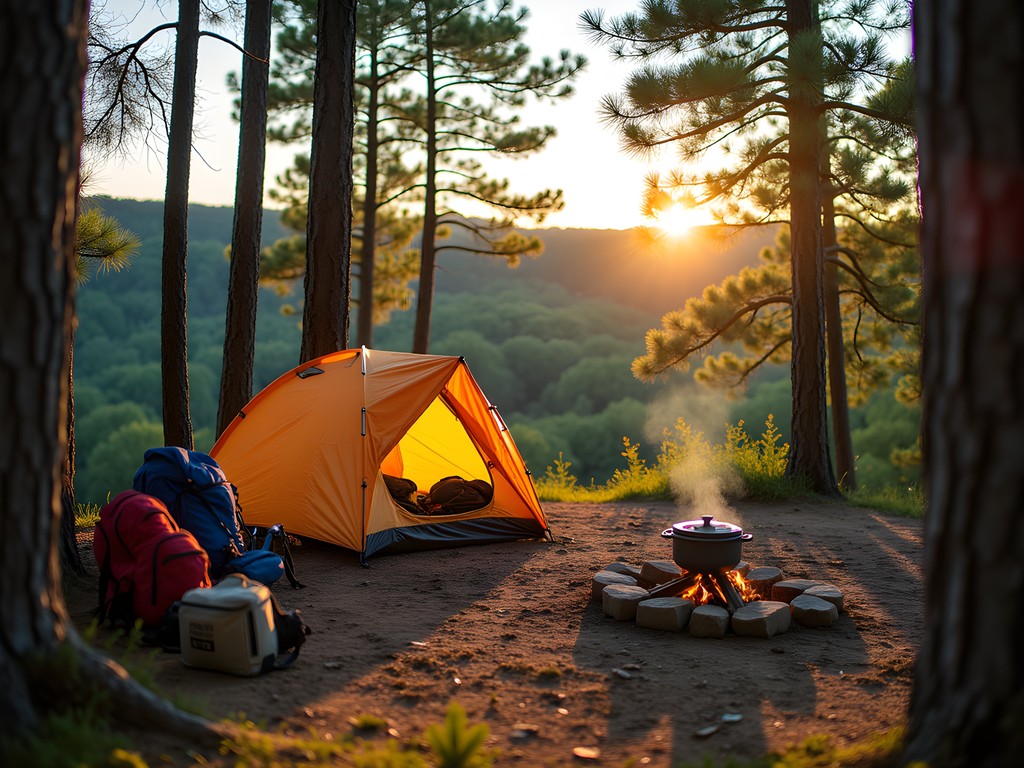
For families ready to try backpacking, the Ouachita Trail section near Pinnacle Mountain State Park offers an excellent introduction. The 8-mile stretch from the Visitor Center to Williams Junction features moderate terrain, reliable water sources, and established primitive campsites. This isn't wilderness backpacking—you're never far from civilization—but it provides authentic trail experience without the commitment of deeper wilderness trips.
I've mentored several families on their first backpacking trips here. The key is keeping expectations realistic and packs light. Focus on the essentials: shelter, sleeping gear, water filtration, food, and basic first aid. Spring weather can be unpredictable, so layering is crucial. Night temperatures might drop to the 40s while days reach the 70s.
The trail follows ridgelines with occasional views across the valley, passes through pine-oak forests, and crosses several small streams. Wildlife sightings are common: armadillos rootling through leaf litter, barred owls calling at dusk, and if you're lucky, a glimpse of a bobcat. The experience of watching your children's faces around a campfire, miles from screens and schedules, makes every ounce you carried worthwhile. For water purification, I trust my water filter—it's lightweight, reliable, and simple enough for older kids to operate.
💡 Pro Tips
- Do a practice run: camp in your backyard with all your gear before hitting the trail
- Freeze-dried meals save weight but cost more; consider simple options like instant rice, tuna packets, and trail mix
- Register your hiking plans with the park office and carry a whistle for each family member
6. Emerald Park: Urban Nature in the Heart of Little Rock
Sometimes the best adventures happen close to home. Emerald Park, a 14-acre greenspace in Little Rock's Hillcrest neighborhood, proves that nature access doesn't require long drives. This hidden gem features a spring-fed creek, walking trails, and a surprising diversity of plant and animal life—all within city limits.
What I love about Emerald Park is its role as a teaching landscape. The park's restoration efforts transformed a neglected urban creek into a thriving ecosystem. Interpretive signs explain native plant communities, water quality, and habitat restoration. It's an excellent place for families to discuss environmental stewardship in concrete terms. The short trails (under a mile total) work perfectly for younger children or as an evening walk after dinner.
Bring a field guide and spend an hour exploring the creek edges. Spring brings incredible insect diversity: iridescent damselflies, colorful beetles, and if you're patient, you might spot a crawfish under the rocks. It's urban nature education at its finest, demonstrating that wilderness isn't always distant—sometimes it's right in your neighborhood, waiting to be noticed.
💡 Pro Tips
- Free parking is limited; consider biking or walking from nearby neighborhoods
- The park hosts occasional guided nature walks—check their website for schedules
- Bring a magnifying glass for close-up exploration with kids
7. Lake Ouachita State Park: Water-Based Adventures
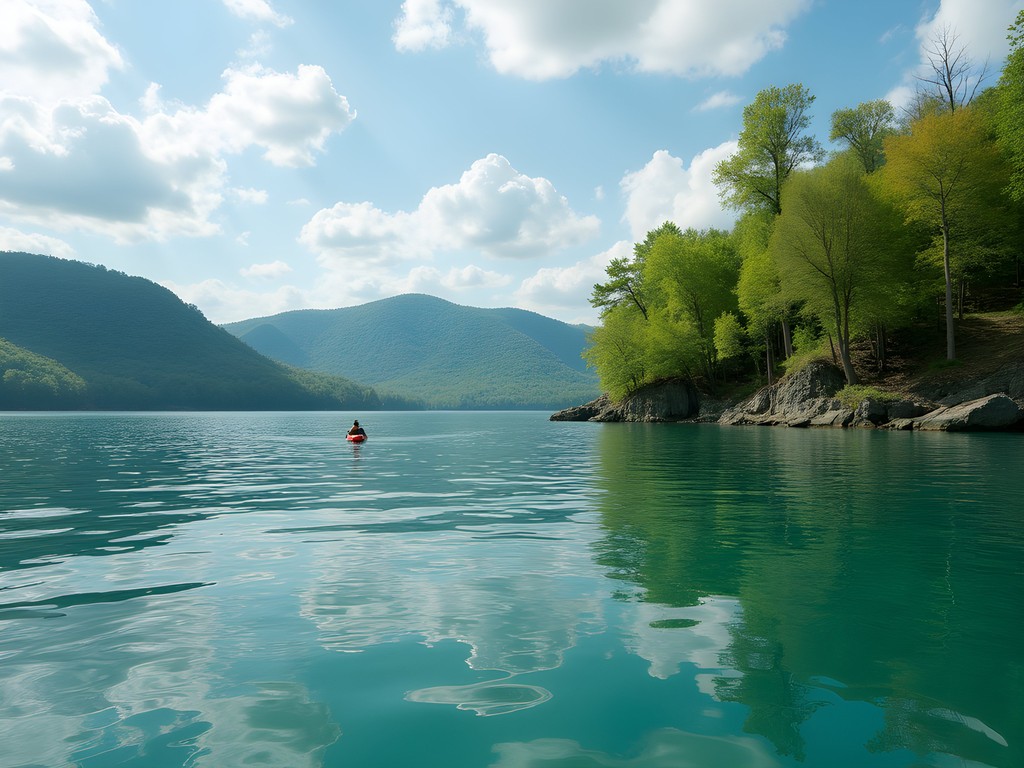
An hour west of Little Rock, Lake Ouachita spreads across 40,000 acres, earning recognition as one of the cleanest lakes in America. While technically beyond Little Rock, it's easily accessible for a day trip or weekend camping extension. The state park on the lake's eastern shore offers swimming beaches, hiking trails, and excellent kayaking opportunities along the shoreline.
Spring is ideal for exploring Lake Ouachita before summer crowds arrive. The water remains cool but swimmable by late April, and the surrounding Ouachita National Forest explodes with new growth. Rent kayaks or stand-up paddleboards from the marina and explore the coves and islands. The water clarity is remarkable—you can often see 15-20 feet down to submerged logs and rocky bottoms.
For families interested in fishing, Lake Ouachita supports healthy populations of largemouth bass, crappie, and catfish. Even if you don't catch dinner, the process of teaching kids to bait hooks, cast lines, and practice patience offers valuable lessons. The park's Three Sisters Springs Trail (0.6 miles) leads to natural springs bubbling up from the lakebed—a fascinating geological feature that kids find endlessly entertaining.
💡 Pro Tips
- Boat rentals require advance reservations during peak spring weekends
- The park store has limited supplies; bring groceries and gear from Little Rock
- Campsites with water views book months ahead; inland sites offer more availability and tranquility
8. Woolly Hollow State Park: Hidden Gem for Young Families
About 40 minutes north of Little Rock, Woolly Hollow State Park offers a gentler pace perfect for families with younger children or those seeking a more relaxed outdoor experience. The park centers around Lake Bennett, a 40-acre fishing lake surrounded by hiking trails, picnic areas, and a swimming beach.
What makes Woolly Hollow special is its manageable scale. The entire park feels accessible—trails range from 0.5 to 2 miles, the lake is small enough to walk around in an hour, and facilities are well-maintained without feeling overly developed. The Bench Trail (1.4 miles) meanders through hardwood forest with interpretive signs about local ecology. Spring wildflowers are exceptional here; I've documented over 30 species blooming between March and May.
The park also features the historic cabin that gives Woolly Hollow its name—a restored 1882 structure that offers a glimpse into frontier life. As someone who studies how people adapted to landscapes, I appreciate these preserved structures as teaching tools. Kids can see how settlers built with local materials, positioned homes near water sources, and created communities in remote areas.
💡 Pro Tips
- The swimming beach opens Memorial Day weekend; before then, it's still great for wading and skipping stones
- Rent a pedal boat for a low-key lake exploration that younger kids can help power
- Pack a hammock and spend an afternoon reading in the shade by the lake
9. Two Rivers Park: Confluence and Community
Where the Arkansas and Little Maumelle Rivers meet, Two Rivers Park creates 1,000 acres of trails, waterways, and natural areas. This park excels at offering multiple activities in one location: hiking, biking, kayaking, fishing, and wildlife observation all converge here. For families wanting variety without constantly relocating, Two Rivers delivers.
The park's trail system connects to the Arkansas River Trail, offering everything from short nature walks to extended bike rides. The observation tower provides elevated views across the river confluence—bring binoculars during spring migration to spot warblers, tanagers, and other neotropical migrants. I've counted over 40 species in a single April morning.
What impresses me most about Two Rivers is its commitment to accessibility. Paved trails accommodate strollers and wheelchairs, fishing docks feature accessible design, and the park actively works to ensure everyone can experience these natural spaces. It's a model for inclusive outdoor recreation that other communities should study.
💡 Pro Tips
- The park hosts free guided nature walks on Saturday mornings during spring—excellent for learning local ecology
- Kayak launches provide easy Arkansas River access for paddling upstream toward the Big Dam Bridge
- Visit the park's website for their phenology calendar tracking seasonal changes throughout the year
10. Cossatot River State Park-Natural Area: Advanced Adventure
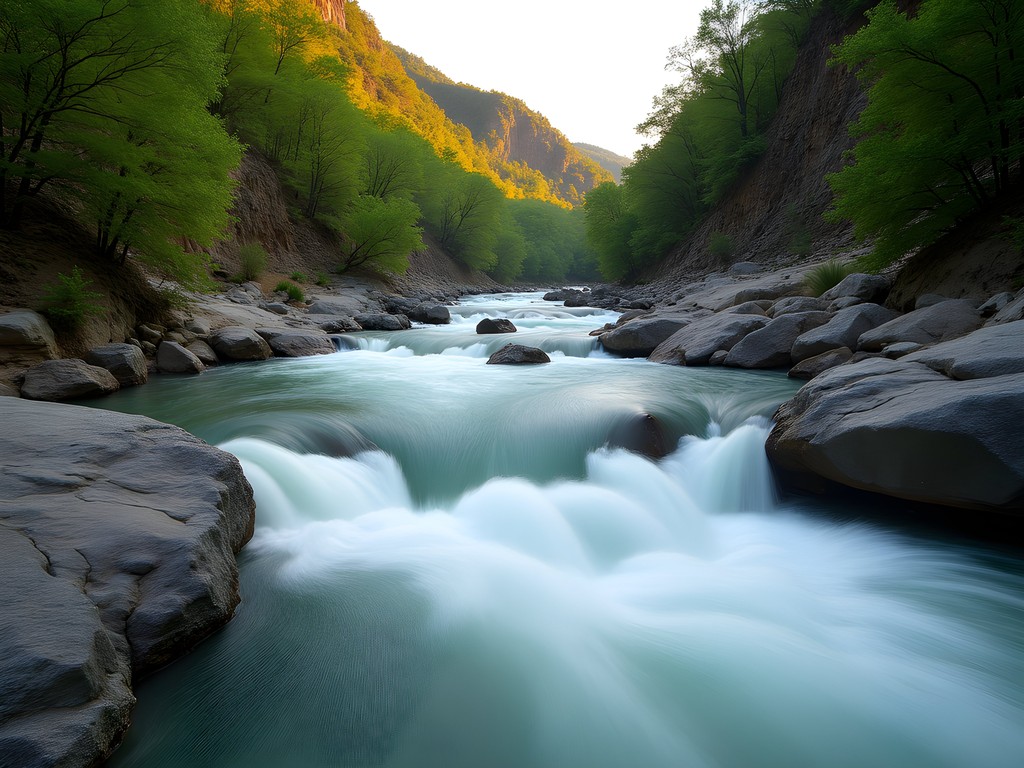
For families with older kids and solid outdoor skills, the Cossatot River offers Arkansas's most challenging whitewater. Located about two hours southwest of Little Rock, this designated Natural Area protects a wild river that drops dramatically through a series of Class III-IV rapids. This isn't a casual float—it demands respect, proper equipment, and ideally, prior whitewater experience.
I've run the Cossatot twice, both times in spring when water levels transform it from technical rock dodging to powerful wave trains. The experience is exhilarating and humbling. The river flows through a landscape that feels primordial: ancient rock formations, dense forest, and a sense of wildness increasingly rare in the modern world.
If your family isn't ready for whitewater kayaking, the park still offers excellent hiking. The Cossatot River Trail follows the river for several miles, providing views of rapids from safe vantage points. It's a chance to witness the river's power while keeping feet on solid ground. The park also features more moderate creek hikes and backcountry camping for those seeking solitude.
💡 Pro Tips
- Only attempt the river if you have whitewater experience or hire a professional guide service
- Scout rapids from shore before committing—water levels change character significantly with rainfall
- The park is remote; fill up on gas and supplies in Wickes before arriving
Final Thoughts
Arkansas surprised me, and I suspect it will surprise you too. What appears on maps as flyover country reveals itself as a landscape rich with adventure opportunities, especially for families seeking authentic outdoor experiences without the crowds and costs of more famous destinations. From Pinnacle Mountain's accessible summit to the wild waters of the Cossatot, Little Rock positions you perfectly to explore this diverse terrain.
What resonates most about Arkansas is how it balances accessibility with genuine wilderness. You can summit a mountain before lunch, paddle a national river by afternoon, and sleep in a comfortable bed that night. For families, this flexibility is invaluable—you can adjust plans based on weather, energy levels, and interests without sacrificing adventure.
As someone who studies how humans interact with landscapes across time, I'm heartened by Arkansas's commitment to protecting these spaces while making them accessible. The state's parks and natural areas represent a vision of conservation that includes people, recognizing that we protect what we love, and we love what we experience. Bring your family to Arkansas this spring. Wade in clear streams, climb ancient mountains, and paddle free-flowing rivers. These landscapes have stories to tell—you just need to step outside and listen.
✨ Key Takeaways
- Little Rock serves as an ideal base camp with world-class outdoor adventures within an hour's drive
- Spring offers optimal conditions: moderate temperatures, flowing rivers, and spectacular wildflower displays
- Arkansas provides authentic wilderness experiences at budget-friendly prices, making it perfect for family adventures
📋 Practical Information
Best Time to Visit
April through early May for optimal spring conditions
Budget Estimate
$800-1200 for a family of four (week-long trip including lodging, food, and activity fees)
Recommended Duration
7 days to experience diverse activities without rushing
Difficulty Level
Intermediate (Most Activities Suitable For Families With Moderate Fitness)




Comments
Raymond Hassan
Excellent write-up, Emma. I've been comparing mid-sized American cities for outdoor access, and Little Rock genuinely surprised me too. The river trail system is remarkably well-developed for a city of its size. What struck me most was the proximity factor - you can be on a legitimate wilderness trail within 30 minutes of downtown. That's rare outside the Mountain West. The Buffalo River section particularly resonates - it has that same untouched quality I found in parts of Scandinavia. How would you rate the trail infrastructure compared to other Southern states you've visited?
vacationgal
Going there next month! Thanks for this.
explorerider
Pro tip: go to Petit Jean on weekdays if you can. Weekends get packed especially near Cedar Falls.
starway
Love the photos! Adding to my list.
citypro
This looks amazing! I'm more of a city person but want to try something new. Which spot would you recommend for someone who's not super outdoorsy? The Big Dam Bridge sounds doable - is it really as beginner-friendly as it looks?
vacationgal
Big Dam Bridge is perfect for beginners! Totally paved and you can rent bikes nearby.
Frank Garcia
Really appreciate the archaeological angle here, Emma. I've been researching indigenous sites across the American South and hadn't considered Arkansas seriously until now. The intersection of natural beauty and pre-Columbian history is fascinating. How accessible are the earthworks for visitors? Are there guided tours or interpretation centers? Would love to incorporate this into a longer route through the region.
Emma Cook
Thanks Frank! Toltec Mounds near Little Rock has excellent interpretation. Definitely worth a visit if you're researching the region.
sunsetqueen4750
OMG YES!! Arkansas is SO underrated!! We spent a week there last year and I'm already planning to go back. The Buffalo River was absolutely magical - we saw eagles!! Your photos brought back all the memories. Can't wait to try Pinnacle Mountain next time!
explorerider
How was the river in terms of difficulty? Thinking about taking my kids.
sunsetqueen4750
Super family friendly! We went in June and the water was perfect. Lots of calm sections.
hikingtime
Petit Jean is legit! Did it last fall.
summerbuddy
Planning a trip for May - is that a good time or too hot already?
Bryce Diaz
May is perfect! You'll catch wildflowers and the rivers are still running high from spring. July-August gets brutal.
Bryce Diaz
Emma, this brings back memories! I did a solo trip through the Buffalo River area about three years ago and it completely changed my perception of Arkansas. The Ozarks have this quiet magic that's hard to describe. I spent a week camping along the river and barely saw another soul after the first day. One thing I'd add for your readers: if they're doing Petit Jean, the Seven Hollows Trail is absolutely worth the effort. It's more strenuous than the tourist trails but you get those incredible rock formations almost to yourself. Best time is early morning when the mist is still in the hollows.
summerbuddy
How hard is Seven Hollows? I'm moderately fit but not super experienced
Bryce Diaz
It's about 4.5 miles with some rocky sections and stream crossings. If you can handle Pinnacle Mountain (from the post), you'll be fine on Seven Hollows. Just wear good boots and take your time!
Venture X
Premium card with 2X miles, $300 travel credit, Priority Pass