


Disclosure: This article contains affiliate links. We may earn a commission from purchases at no extra cost to you, which helps our travel content.
As both a public defender and travel blogger, I've learned that the most profound experiences often emerge from contrast. Last fall, I embarked on perhaps my most ambitious solo expedition yet—a month split between the sprawling savannahs surrounding Lusaka, Zambia and the mystical karst landscapes of Yangshuo, China. While my children stayed with their grandparents (a rare treat for everyone involved), I challenged myself to experience two radically different outdoor paradises at the height of their respective beauty. These destinations exist on opposite sides of our planet, yet each offers advanced adventurers a masterclass in nature's grandeur. From tracking lions on foot in Lower Zambezi to scaling limestone towers shrouded in mist along the Li River, this journey reminded me why contrasting experiences sharpen our perception and deepen our appreciation of our world's diversity. For those ready to elevate their outdoor adventures beyond the ordinary, this dual-destination itinerary might just be your next great expedition.

Zambia: Where the Wild Things Are
Lusaka itself serves primarily as your gateway to Zambia's wilderness, but don't rush through the capital without experiencing its emerging art scene and vibrant markets. I spent two nights acclimating at the Royal Livingstone, where zebras casually grazed on the hotel lawn as I planned my expedition over coffee each morning.
The real adventure began with a private charter flight to Lower Zambezi National Park, where I stayed at Chongwe River Camp. This luxury tented camp sits at the confluence of the Chongwe and Zambezi rivers, offering front-row seats to wildlife spectacles that unfold continuously. Unlike the more trafficked safari destinations, Lower Zambezi offers a rare opportunity: walking safaris with armed guides who can track the Big Five through terrain their vehicles can't access.
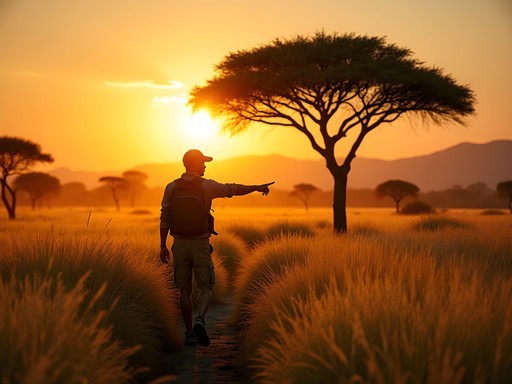
On my third morning, we followed lion tracks for over two hours, moving silently through tall grass that whispered secrets with each breeze. The moment we finally spotted the pride—three females lounging in dappled shade with cubs tumbling nearby—stands frozen in my memory. There's something profoundly different about encountering apex predators on foot rather than from a vehicle's safety. The experience demands complete presence and awakens ancient instincts you didn't know you possessed.
For capturing these once-in-a-lifetime moments, my telephoto zoom lens proved invaluable, allowing me to document intimate wildlife behavior from respectful distances.

💡 Pro Tips
- Pack neutral-colored clothing (beiges, olives, browns) for walking safaris—bright colors alert wildlife to your presence
- Invest in professional-grade binoculars; wildlife viewing is dramatically improved with quality optics
- Consider splitting your Zambian adventure between two different ecosystems—Lower Zambezi and South Luangwa offer complementary experiences
Water Adventures: Contrasting the Zambezi and Li Rivers
Both destinations offer extraordinary water-based adventures, yet the experiences couldn't be more different. On the mighty Zambezi, I spent three days on a luxury canoe safari, paddling between islands and camping on pristine sandbanks. The river here is a highway of wildlife—hippos snorting territorial warnings, elephants crossing at shallow points, and crocodiles sunning themselves on banks. Each night, camp staff created five-star dining experiences under the stars while the sounds of Africa played their nightly symphony.
The Li River near Yangshuo offers a more serene but equally mesmerizing experience. Rather than wildlife encounters, here you're surrounded by what looks like nature's own sculpture garden—hundreds of limestone karsts rising dramatically from mist-covered waters. I opted for a private bamboo raft at dawn, launching well before the tourist boats. My guide, Mr. Wu, a former fisherman whose family has navigated these waters for generations, pointed out formations with names like 'Painting of Nine Horses' and 'Beauty Admiring Her Reflection.'
For early morning river excursions in both locations, I relied heavily on my waterproof dry bag to protect camera equipment and essentials. The difference in photography between these environments is striking—in Zambia, you're shooting wildlife with telephoto lenses in harsh contrasting light, while in Yangshuo, wide-angle lenses capture ethereal landscapes in soft, diffused morning mist.
The water itself tells different stories too. The Zambezi feels ancient and powerful, carrying the lifeblood of ecosystems downstream. The Li River feels contemplative and artistic, as if designed specifically to inspire landscape painters and poets through millennia.

💡 Pro Tips
- Book private water excursions that depart at least an hour before standard tour times to experience these environments without crowds
- In Yangshuo, request a traditional fisherman as your guide rather than a tourism operator for authentic cultural insights
- Bring polarizing filters for your camera to cut glare and enhance colors when shooting over water in bright conditions
Vertical Challenges: Climbing in Contrasting Terrains
For advanced outdoor enthusiasts, both destinations offer world-class climbing experiences that couldn't be more different in technique, culture, and aesthetic.
In Zambia, I arranged a specialized expedition to climb the basalt cliffs near Victoria Falls—a less-known but spectacular climbing destination. These climbs offer unparalleled views of the Zambezi gorge with the thundering falls as your soundtrack. The routes here are technically demanding, with the additional challenge of intense heat during midday. My guide Samuel, a Zambian climbing pioneer, has established dozens of routes ranging from 5.9 to 5.13. We focused on multi-pitch routes in the early mornings, including the spectacular 'Nyaminyami's Ladder,' named after the Zambezi river god.
Yangshuo, by contrast, has developed into one of Asia's premier climbing destinations, with over 800 bolted routes on its distinctive karst towers. The climbing style here demands extreme flexibility, technical precision on tiny holds, and comfort with exposure on dramatic overhangs. I spent seven days climbing with local legend Abond, tackling classics like 'White Mountain' and 'The Egg,' as well as some newly developed areas away from the more popular crags.
The climbing cultures differ dramatically too. In Zambia, climbing feels exploratory and adventurous—you might be one of only a handful of climbers in the entire region. In Yangshuo, you'll join an international community of dedicated climbers who gather at legendary spots like Bridge Café to share beta and stories.
For both destinations, my climbing shoes proved essential for the technical demands, while my climbing helmet protected against rockfall in these developing climbing areas.

💡 Pro Tips
- In Yangshuo, climb during weekdays to avoid weekend crowds from nearby Chinese cities
- Book Zambian climbing guides at least three months in advance as qualified guides are limited
- Both locations require climbing in the cooler hours—early morning in Zambia and late afternoon in Yangshuo offer the best conditions

Cultural Immersion Between Adventures
The beauty of contrasting these destinations extends beyond natural landscapes to the rich cultural tapestries that frame your adventures. In Zambia, I spent evenings in villages near Lower Zambezi learning traditional fishing techniques and participating in community conservation initiatives. The Goba people shared their deep knowledge of the region's ecology and demonstrated how traditional practices are being adapted for sustainability. One particularly moving experience was joining a women's cooperative that creates intricate beadwork while monitoring local wildlife movements—a perfect marriage of cultural preservation and conservation.
In Yangshuo County, I dedicated rest days between climbing sessions to exploring ancient farming villages that remain largely unchanged by tourism. In Xingping, I studied traditional cormorant fishing methods with Mr. Huang, whose family has practiced this art for 18 generations. Though now primarily sustained as a cultural demonstration for visitors, the intimate connection between the fishermen, their birds, and the river reveals centuries of environmental adaptation.
The contrast between these cultural experiences—African communal traditions versus Chinese familial heritage—provides a fascinating lens through which to understand how different societies develop sustainable relationships with challenging environments. In both locations, I was struck by how outdoor adventure tourism, when thoughtfully managed, can help preserve traditional knowledge and provide economic alternatives to extractive industries.
To document these cultural exchanges respectfully, I used my mirrorless camera with a quiet electronic shutter and flip screen that allowed for discreet shooting without disrupting authentic moments. The ability to capture images without being intrusive proved invaluable in both locations.

💡 Pro Tips
- Learn basic greetings in local languages—Nyanja in Zambia and Mandarin in China—as this simple courtesy opens many doors
- Bring small, thoughtful gifts from your home country to thank those who share their knowledge and homes with you
- Arrange cultural experiences through your accommodations rather than large tour operators for more authentic exchanges
Luxury Accommodations: Safari Tents to Mountain Retreats
One of the joys of a luxury adventure is returning to exceptional accommodations after pushing your physical limits. Both destinations offer remarkable options that blend seamlessly with their environments while providing world-class comfort.
In Lower Zambezi, I divided my stay between Chongwe River Camp and the more exclusive Anabezi Luxury Tented Camp. The latter sits on an ancient elephant pathway, with spacious tents perched on platforms overlooking the floodplains. Each morning, I woke to elephants feeding directly in front of my deck. The camp's commitment to sustainability is impressive—solar power, water conservation systems, and farm-to-table dining that rivals fine restaurants in major cities.
In Yangshuo, I discovered Alila Yangshuo, a boutique hotel converted from a 1960s sugar mill. The architectural restoration thoughtfully preserves industrial elements while creating serene spaces that frame the karst landscapes through floor-to-ceiling windows. The contrast between my accommodation experiences mirrored the landscapes—in Zambia, the luxury was in the immediacy to wildlife and pristine wilderness; in China, it was in the artistic dialogue between human design and natural beauty.
Both destinations understand that luxury in remote locations isn't just about thread counts and amenities—it's about creating meaningful connections to place. After climbing all day in Yangshuo, the hotel's underground spa with a natural cave pool provided perfect recovery therapy. In Zambia, evening game drives concluded with sundowners set up on scenic riverbanks, complete with linen-covered tables and premium South African wines.
Despite being a seasoned traveler, I still find that quality sleep makes all the difference during physically demanding adventures. My travel pillow has accompanied me worldwide, ensuring consistent rest regardless of location.

💡 Pro Tips
- Request rooms facing east in both destinations for spectacular sunrise views without leaving your bed
- Book accommodations with knowledgeable activity directors who can connect you with specialized local guides
- In Yangshuo, choose properties outside town center for tranquility; in Zambia, river-facing accommodations offer the best wildlife viewing
Final Thoughts
As I reflect on this month-long journey between two dramatically different landscapes, I'm struck by how the contrasts illuminated aspects of each destination I might have missed experiencing them in isolation. The vast horizontal expanses of Zambia made me appreciate the vertical drama of Yangshuo's karsts all the more. The raw wildness of African safaris heightened my perception of China's millennia of human-nature coexistence. For advanced adventurers seeking to elevate their outdoor experiences, this pairing offers a masterclass in Earth's diverse expressions of natural beauty. Whether you're tracking lions on foot through morning mist or scaling limestone towers as the sun sets, these contrasting adventures will redefine what you believe possible in outdoor exploration. The world is too vast and varied to experience in only one way—sometimes, the most profound understanding comes from embracing the contrasts.
✨ Key Takeaways
- Experiencing contrasting landscapes back-to-back heightens appreciation for each destination's unique characteristics
- Both Zambia and Yangshuo offer world-class adventures that challenge different skills and senses
- Luxury adventure travel is about creating meaningful connections to place, not just comfort
- Cultural immersion between physical adventures provides essential context and deeper understanding
📋 Practical Information
Best Time to Visit
September-October (Zambia) and October-November (Yangshuo)
Budget Estimate
$15,000-20,000 for one month including international flights
Recommended Duration
2 weeks in each location (1 month total)
Difficulty Level
Advanced - Requires Previous Outdoor Experience And Good Physical Fitness
Comments
redstar
This is so inspiring! I'm planning my first solo trip and feeling nervous. How did you manage being alone in such remote places? Did you feel safe the whole time? Also your photos are gorgeous!
Savannah Torres
Thanks! Honestly, I felt very safe in both places. In Zambia, safari camps have great security and guides. In Yangshuo, it's super tourist-friendly. Start with one and build confidence!
springgal
You can do it!! I was nervous for my first solo trip too but it was the best decision ever
greenblogger
Great read. Love the contrast approach.
Willow Sanchez
This resonates so much with me! I did a similar contrast trip between Patagonia and Nepal last year, and you've captured that feeling perfectly—how experiencing two wildly different landscapes back-to-back makes you appreciate the unique character of each place more deeply. Your section on cultural immersion really struck me. In Yangshuo, did you get to spend time in the villages outside the main tourist area? I found that's where the real magic happens in China—sharing meals with local families, watching their daily rhythms. The contrast between that intimate cultural exchange and the vast, wild solitude of African wilderness must have been profound.
Savannah Torres
Absolutely Willow! I spent two days cycling to smaller villages around Yangshuo and you're right—that's where the authentic connections happened. Such a different energy from the safari camps.
explorechamp
how hard is it to organize a safari in zambia on your own? did you book stuff in advance or just show up?
Savannah Torres
I booked my South Luangwa safari about 2 weeks ahead, but Lusaka area stuff I arranged locally. Advance booking gets better rates for lodges though!
explorechamp
thanks! super helpful
Frank Garcia
Really interesting comparison, Savannah. I spent three weeks in Yangshuo last year and the climbing there is genuinely world-class. The limestone formations create these incredible overhangs and pockets. Your point about the Zambezi vs Li River contrast is spot-on—I'd add that the cultural aspects of river life in Yangshuo (the cormorant fishermen, the rural villages) provide a completely different rhythm compared to the wildlife-focused Zambezi experience. Did you find the climbing grades in Yangshuo comparable to what's advertised? I found some routes felt sandbagged compared to European standards.
Savannah Torres
Great observation Frank! Yes, definitely found some routes felt harder than graded. The polished holds on popular climbs added difficulty too.
springgal
Wow this sounds amazing!! Adding both to my bucket list 😍
Jean Wells
This is a fascinating juxtaposition, Savannah. I spent three weeks in Yangshuo last year and your description of the karst climbing really captures something essential about the experience - that vertical limestone requires such different technique than what most climbers are used to. The pockets and tufas demand precise footwork. I'm curious how you found the mental adjustment between the expansive horizontal wilderness of the Zambian plains versus the vertical, enclosed nature of those limestone towers? Did one feel more meditative than the other, or were they both equally grounding in different ways?
Savannah Torres
Jean, what a thoughtful question! The Zambian plains felt like meditation through vastness - you're so small and everything slows down. Yangshuo was more like active meditation, if that makes sense? Every move on those karsts required total presence. Both grounding but in completely opposite ways.
citymood
The Zambezi rafting looks insane! How scary was it really?
Savannah Torres
Honestly? Terrifying but in the best way! The rapids are no joke - I'd say do it if you're comfortable with grade 5 whitewater. The guides are incredible though.
citymood
ok definitely adding this to my bucket list then!
cooladventurer
Love how you balanced adventure with cultural experiences! The contrast between safaris and karst climbing is exactly what travel should be about! 👏
Stephanie Romano
What a beautiful contrast of experiences, Savannah! Your post brought back memories of when we took our kids (then 8 and 10) to Yangshuo in 2023. The bike ride through the countryside was their absolute favorite activity - those karst mountains made them feel like they were in a fairy tale! We didn't brave the climbing with the little ones, but even the hiking trails offered spectacular views. We missed Zambia on that trip, but it's on our family bucket list now. Did you find Zambia welcoming for solo travelers? Any safety concerns as a woman traveling alone there? Always looking for places to add to our future family adventures as the kids get older!
Savannah Torres
Thanks Stephanie! Zambia felt very safe as a solo female traveler, especially in the national parks and established tourist areas. The locals were incredibly welcoming. Basic precautions apply like anywhere - not walking alone at night in cities, keeping valuables secure, etc. The guided safari structure naturally provides a safety net too. I think it would be wonderful for kids, especially teens who can appreciate the wildlife experience!
Venture X
Premium card with 2X miles, $300 travel credit, Priority Pass