
Disclosure: This article contains affiliate links. We may earn a commission from purchases at no extra cost to you, which helps our travel content.
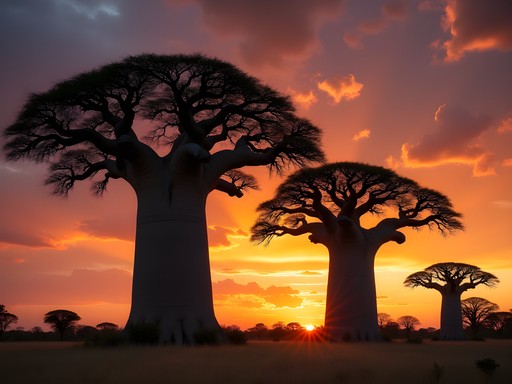
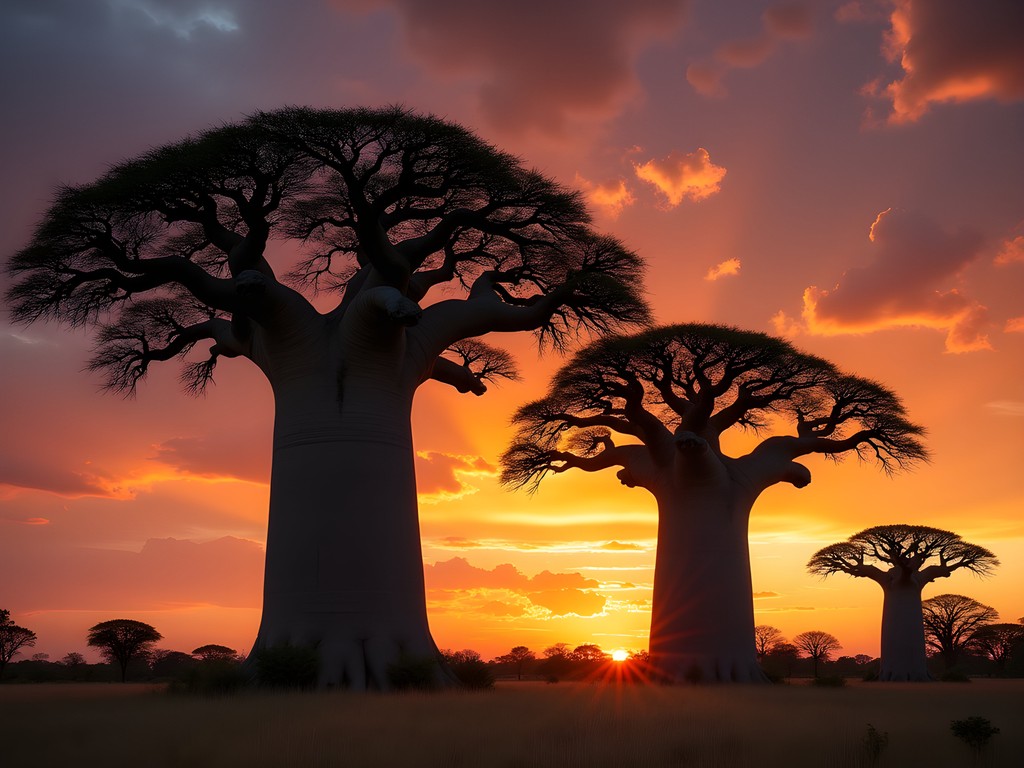
Standing beneath a towering baobab tree, its massive trunk silhouetted against Madagascar's fiery sunset, I felt that familiar convergence of engineering precision and raw natural wonder that first drew me to botanical photography. The northwestern region of Madagascar—particularly Mahajanga and Ankarafantsika National Park—offers a perfect laboratory for those seeking to document the intersection of extraordinary ecosystems and resilient human cultures. After five trips to document geothermal wonders across four continents, I found myself drawn to this less-traveled corner of Madagascar, where ancient trees stand sentinel over dry deciduous forests and local communities maintain traditions dating back centuries.

Planning Your Journey to Madagascar's Northwest
As someone who approaches travel with both an engineer's precision and a photographer's eye, I can't emphasize enough the importance of thoughtful preparation for Mahajanga. The region sits in Madagascar's northwestern quadrant, characterized by distinct wet and dry seasons that dramatically transform the landscape.
I planned my two-week expedition for late September through early October—the sweet spot when roads become passable after the muddy season but before the intense heat of November arrives. The journey from Antananarivo to Mahajanga requires either a bumpy 8-10 hour drive or a quick domestic flight (I opted for the latter to maximize exploration time).
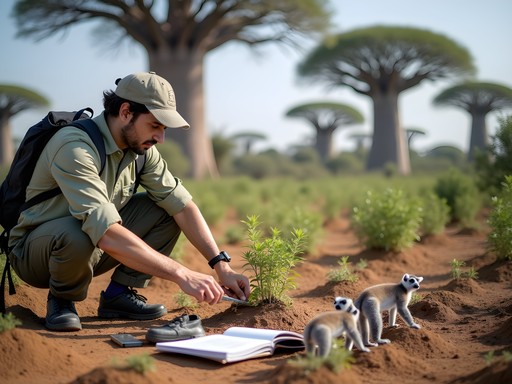
While planning, I found my waterproof field notebook invaluable for documenting potential photography locations and tracking seasonal blooming patterns. For navigation beyond cell service, I relied heavily on my handheld GPS, which proved essential when exploring unmarked trails in Ankarafantsika's dense forests.
💡 Pro Tips
- Book domestic flights at least 2 months in advance as they fill quickly during peak season
- Arrange for a 4WD vehicle rental if traveling during shoulder seasons when roads may still be recovering from rains
- Download offline maps of the region before departure—cell service is extremely limited outside Mahajanga city
Ankarafantsika National Park: Engineering Meets Ecology
Ankarafantsika National Park represents the crown jewel of northwestern Madagascar's ecosystems—a 135,000-hectare sanctuary where dry deciduous forest harbors an astonishing concentration of endemic species. As someone who's documented industrial efficiency across North America, I found myself applying similar analytical frameworks to understanding this complex ecosystem.
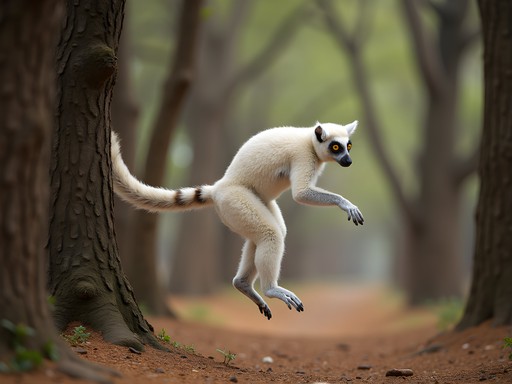
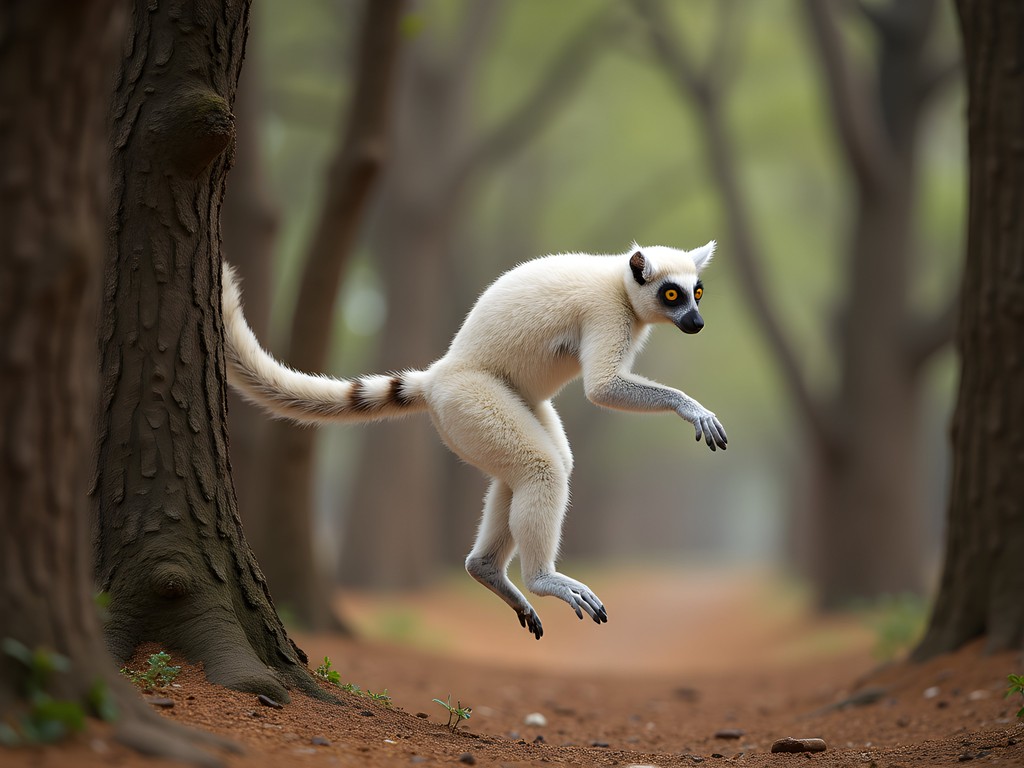
The park's network of trails ranges from accessible 2-hour loops to challenging full-day expeditions. I recommend beginning with the Coquerel's Sifaka Circuit, where these elegant white lemurs perform gravity-defying leaps between tree trunks. For serious photographers, the Ravelobe Lake trail offers unparalleled opportunities to document Madagascar's endemic waterfowl and reptiles.
To truly capture the microdetails of this ecosystem, I relied heavily on my macro lens filter kit, which transformed my standard lens into a tool for documenting the park's smaller wonders—from iridescent chameleons to the intricate patterns of endemic orchids. For night excursions tracking nocturnal lemurs, my rechargeable headlamp provided hands-free illumination while minimizing wildlife disturbance.
💡 Pro Tips
- Hire a certified local guide at the park entrance—their knowledge of seasonal animal patterns is invaluable
- Plan photography excursions for early morning (6-9am) when wildlife is most active and light is optimal
- Pack at least 3 liters of water per person for full-day hikes—the dry forest environment is deceptively dehydrating
Drone Photography: Technical Challenges in the Baobab Forests
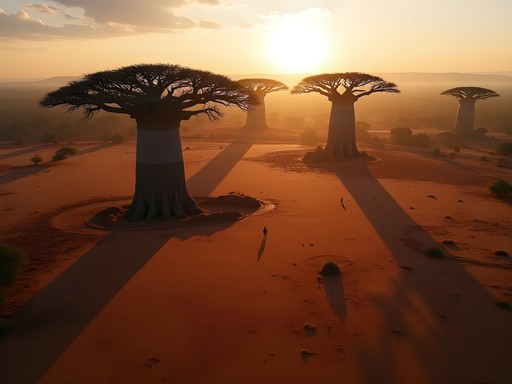
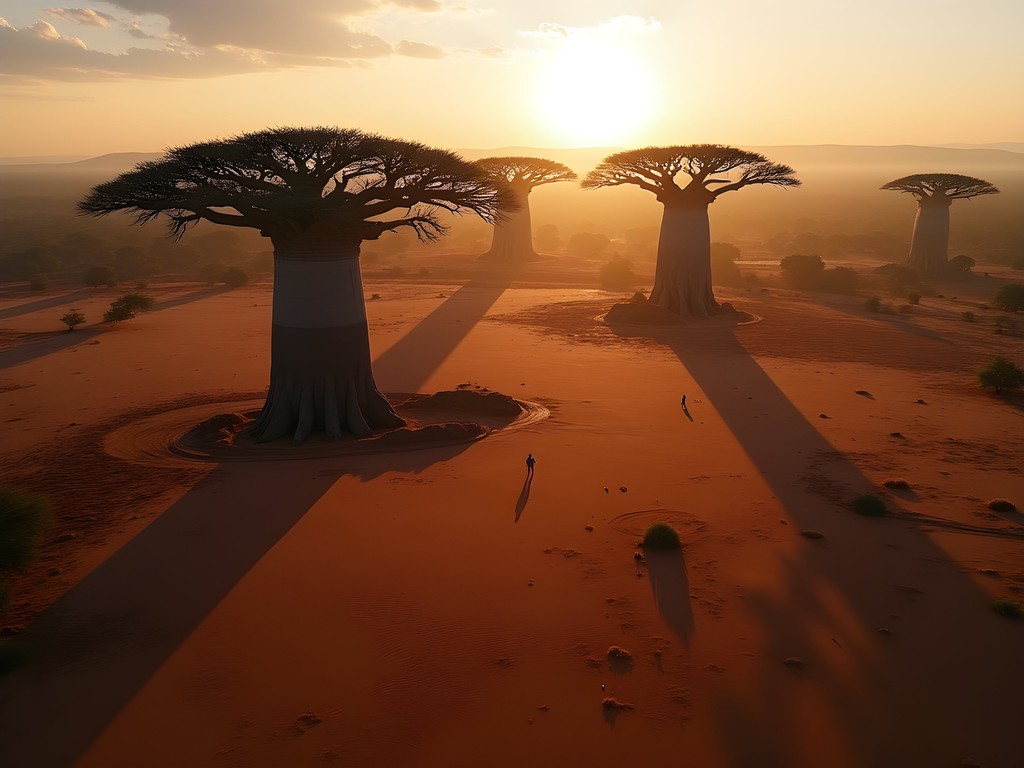
The ancient baobab groves surrounding Mahajanga present a compelling technical challenge for drone photographers. Unlike the volcanic landscapes of Iceland where I first cut my teeth on aerial photography, Madagascar's baobabs require a different approach—one that captures both their immense scale and the intricate patterns of the surrounding landscape.
I spent three mornings documenting the Marovoay baobab cluster, located about 50km southeast of Mahajanga. The key to successful aerial work here lies in timing: the golden hour just after sunrise creates dramatic side-lighting that accentuates the textured bark and cast long, compelling shadows across the red soil.
For my aerial work, I've found the drone landing pad essential in these dusty environments—it prevents fine particles from being kicked up into your drone's sensitive motors during takeoff and landing. When processing my footage later, the portable SSD provided reliable storage and fast transfer speeds for the massive 4K files, even in the humid conditions of my modest guesthouse.
💡 Pro Tips
- Always obtain proper drone permits before your trip—Madagascar has strict regulations about aerial photography
- Schedule drone flights for early morning when winds are calmest and tourist foot traffic is minimal
- Maintain visual line of sight with your drone at all times—the similar coloration of baobabs can make orientation challenging

Cultural Immersion: Markets and Artisans of Mahajanga
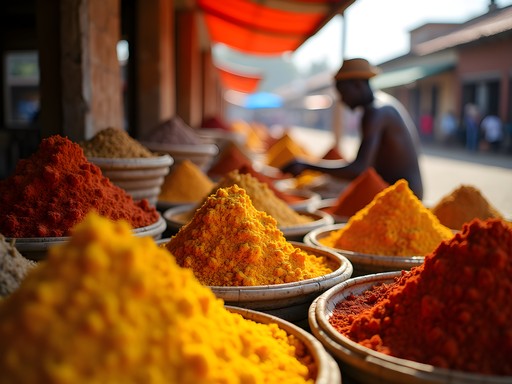
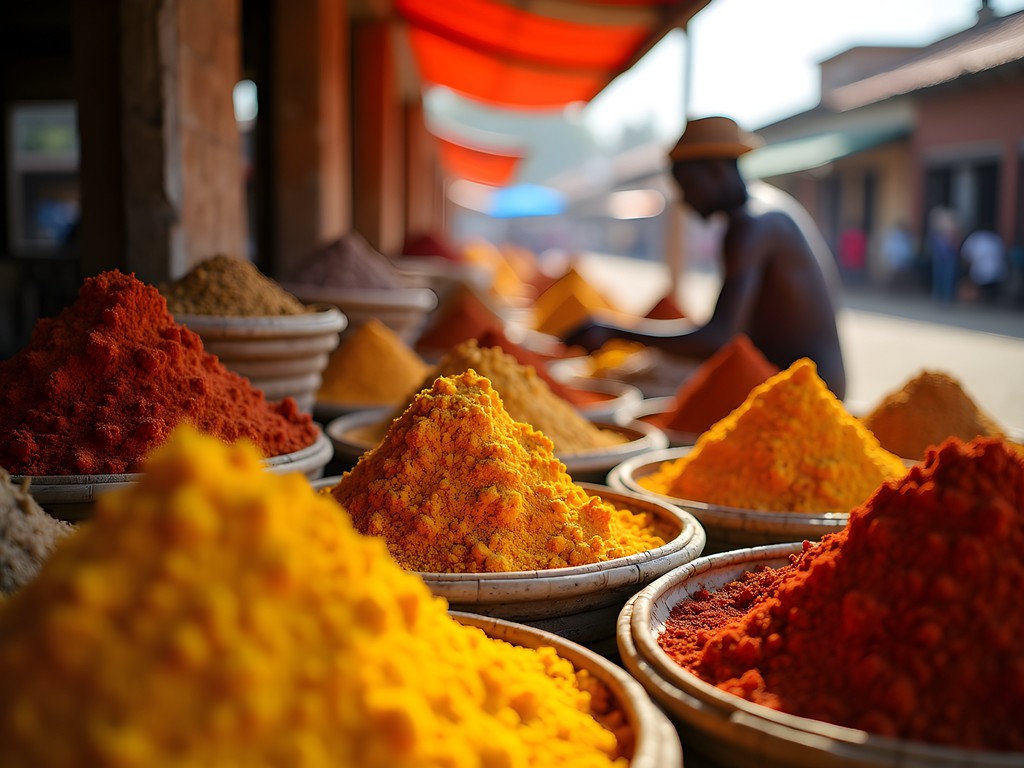
While the natural wonders rightfully draw attention, Mahajanga's vibrant cultural landscape deserves equal documentation. The city's Bazary Be (Great Market) offers a fascinating window into local commerce, where products from throughout northwestern Madagascar converge in a symphony of colors, scents, and sounds.
As someone who studies efficiency in manufacturing settings, I found myself analyzing the market's intricate supply chains—how fresh fish arrives from the Mozambique Channel before dawn, how spice merchants have optimized their displays to showcase product variety, how the entire ecosystem functions with minimal waste despite the tropical heat.
For photographers, the market presents both opportunity and challenge. I recommend using a camera shoulder sling rather than a neck strap—it keeps your equipment secure but instantly accessible when those perfect candid moments appear. When purchasing crafts, I found my compact luggage scale invaluable for ensuring my collection of hand-carved baobab sculptures and botanical textiles wouldn't exceed airline weight restrictions.
💡 Pro Tips
- Always ask permission before photographing individuals at the market—a small purchase often creates goodwill
- Visit the market between 7-9am when produce is freshest and the light creates dramatic shadows through the stall coverings
- Bring small denomination ariary (Madagascar's currency) as vendors rarely have change for large bills
Sustainable Tourism and Conservation Efforts
My engineering background has always made me acutely aware of sustainability metrics, and Madagascar presents some of the most urgent conservation challenges I've encountered in my travels. The northwestern region faces particular pressure from deforestation, with the dry forests around Mahajanga especially vulnerable to clearing for agriculture.
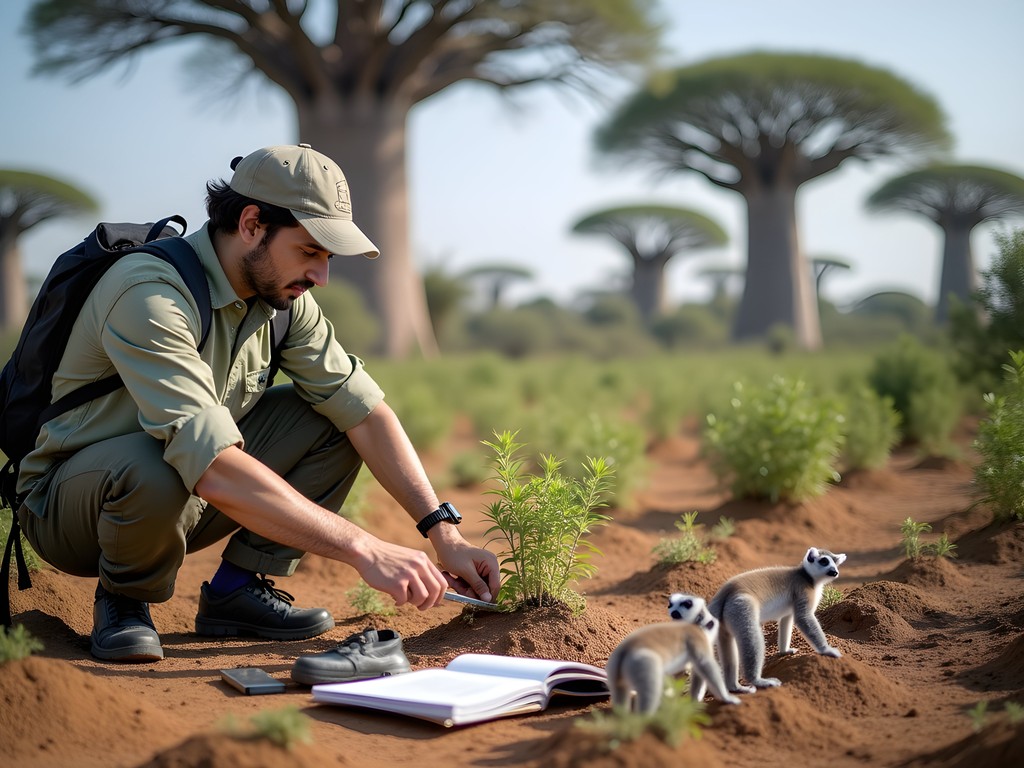
During my stay, I connected with researchers at Ankarafantsika's field station who are documenting the critical relationship between baobab health and local lemur populations—the lemurs serve as primary seed dispersers for these ancient trees. For those interested in contributing to conservation efforts, the park offers a range of volunteer opportunities from habitat restoration to community education initiatives.
To minimize my own environmental impact while hiking through sensitive areas, I relied on my solar charging panel rather than disposable batteries—the abundant Madagascan sunshine made this an efficient solution for keeping camera equipment and GPS devices powered. For water purification, my portable water filter eliminated the need for single-use plastic bottles throughout my journey.
💡 Pro Tips
- Consider donating directly to Ankarafantsika's conservation fund rather than giving money to individuals claiming to protect wildlife
- Choose accommodations that demonstrate genuine commitment to sustainability through water conservation and waste reduction
- Respect all park boundaries and regulations—even seemingly minor infractions can impact sensitive ecosystems
Final Thoughts
As I packed my equipment after two weeks exploring Mahajanga's natural and cultural landscapes, I reflected on how this region exemplifies the delicate balance between human development and ecological preservation. The engineering precision evident in the baobabs' water storage systems—evolved over millennia to survive in this seasonally parched environment—mirrors the ingenious adaptations of local communities who have developed sustainable agricultural practices suited to these challenging conditions.
For solo travelers with an interest in both natural wonders and cultural documentation, northwestern Madagascar offers an unparalleled laboratory for exploration. The combination of accessible wilderness in Ankarafantsika, the vibrant urban center of Mahajanga, and the rural communities that maintain traditional practices creates a rich tapestry worthy of thoughtful documentation.
Whether you approach this journey as a photographer, a naturalist, or simply a curious explorer, I encourage you to bring both technical precision and open-hearted curiosity to your Madagascan adventure. The baobabs and lemurs may initially capture your attention, but it's the interconnectedness of all elements—ecological, cultural, and historical—that will ultimately transform your understanding of this extraordinary corner of our planet.
✨ Key Takeaways
- Plan your visit during the shoulder season (September-October) for optimal photography conditions and wildlife viewing
- Combine drone photography with macro documentation to capture both the grand scale and minute details of Madagascar's ecosystems
- Engage with local conservation efforts to better understand the challenges facing this biodiversity hotspot
- Allow ample time for cultural exploration alongside nature experiences—the two are inextricably linked in Malagasy life
📋 Practical Information
Best Time to Visit
September to early November (dry season)
Budget Estimate
$75-150/day including accommodations, guides, and transportation
Recommended Duration
Minimum 10 days, ideally 2 weeks
Difficulty Level
Moderate
Comments
luckyqueen
Going there next month! How many days do you recommend?
Douglas Bradley
I'd say minimum 3 days for Ankarafantsika, plus 2 days in Mahajanga itself. The markets and coastal area are worth exploring too!
luckyqueen
Perfect thanks!!
Frank Garcia
Really appreciate the technical breakdown on drone usage in Ankarafantsika. I'm planning a Madagascar trip for April and wasn't sure about the regulations there. Did you need special permits beyond the standard park entry? Also curious about your experience with guides - are they mandatory for the trails or just recommended? I usually prefer going solo to move at my own pace, but I know some parks are strict about it. The engineering perspective on the baobab root systems was fascinating too, not something you typically see in travel content.
Douglas Bradley
For drones, you'll need permits from ASECNA (aviation authority) in Tana before heading to the park. Guides are mandatory for most trails but totally worth it - they spot lemurs you'd never see on your own. The night walks especially need a guide. Happy to share more details if you need them!
Frank Garcia
Cheers, that's really helpful. I'll sort the permits in Tana then.
photostar
Those baobab shots are incredible! 😍
Douglas Bradley
Thanks! Golden hour there is just magical for photography.
bluevibes5635
Great photos! 👏
travelclimber
Those lemur photos are incredible! Added to my bucket list immediately.
cityseeker
How's the internet connection in Mahajanga? Need to stay connected for work while traveling.
nomadpro
Not Douglas, but I was there recently. It's spotty in the city and basically non-existent in the national park. I got a local SIM card (Telma) which helped in town, but prepare for disconnected days in nature!
cityseeker
Thanks for the info! Might need to adjust my work schedule then.
LocalGuide
As someone who works with tourists in Mahajanga, I really appreciate how you highlighted our local artisans. Many visitors miss the small workshop near the old port where you can see traditional wood carvers making those beautiful baobab sculptures. If anyone's planning a visit, the best time to see lemurs at Ankarafantsika is early morning (6-8am) when they're most active. Also worth mentioning - please respect the fady (taboos) when visiting sacred baobabs. Some are burial sites and very important to local communities. Always ask permission before approaching or photographing them.
Nicole Russell
Thanks for sharing this important cultural context! I learned about fady from my guide but didn't fully appreciate how significant those sacred trees were until later in my trip.
Frank Garcia
Great breakdown of the region, Douglas! I backpacked through Madagascar last year and Ankarafantsika was definitely a highlight. The contrast between the dry forest and Lake Ravelobe is stunning. For anyone planning a visit, I'd add that hiring a local guide is absolutely worth it - they spot lemurs and chameleons you'd never see on your own. I used the field guide which was super helpful for identifying the different lemur species. The night walks were particularly memorable - seeing mouse lemurs and nocturnal chameleons with their hunting techniques was mind-blowing!
Frank Garcia
Yes! Got lucky on day two - a family group of Coquerel's sifakas 'dancing' across a clearing. Incredible to watch them bound sideways on the ground. Your drone shots really capture the scale of the landscape that's hard to appreciate from ground level.
Douglas Bradley
Thanks Frank! Completely agree about the local guides - their knowledge is incredible. Did you manage to spot any Coquerel's sifakas during your visit? They were a highlight for me.
EcoTraveler
The market section brought back memories! Those spices smell incredible.
travelwithjane
Just got back from Madagascar last month and your post brings back so many memories! We spent 4 days in Ankarafantsika and it was magical. The night walks were a highlight - seeing chameleons hunting by moonlight was incredible. One tip for anyone planning a visit: the accommodations at the park are basic but charming. Bring a headlamp as power can be intermittent, and don't miss the sunset viewpoint over Lake Ravelobe. Also, the local vanilla from the Mahajanga market makes an amazing souvenir!
Venture X
Premium card with 2X miles, $300 travel credit, Priority Pass