
Disclosure: This article contains affiliate links. We may earn a commission from purchases at no extra cost to you, which helps our travel content.
Growing up landlocked in Kentucky, I never imagined I'd become so passionate about ocean sports. But after my first research trip to California's coastal innovation labs, I was hooked—not just on the marine technology I was documenting, but on the Pacific itself. San Diego offers the perfect blend of accessible water sports, family-friendly beaches, and that educational angle I love. Whether you're teaching your kids about marine ecosystems or just want to feel the rush of catching your first wave, this week-long itinerary balances adventure with practical family time.

Day 1-2: Getting Your Sea Legs at La Jolla Shores
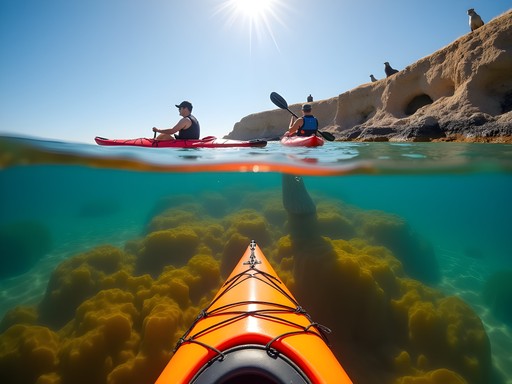
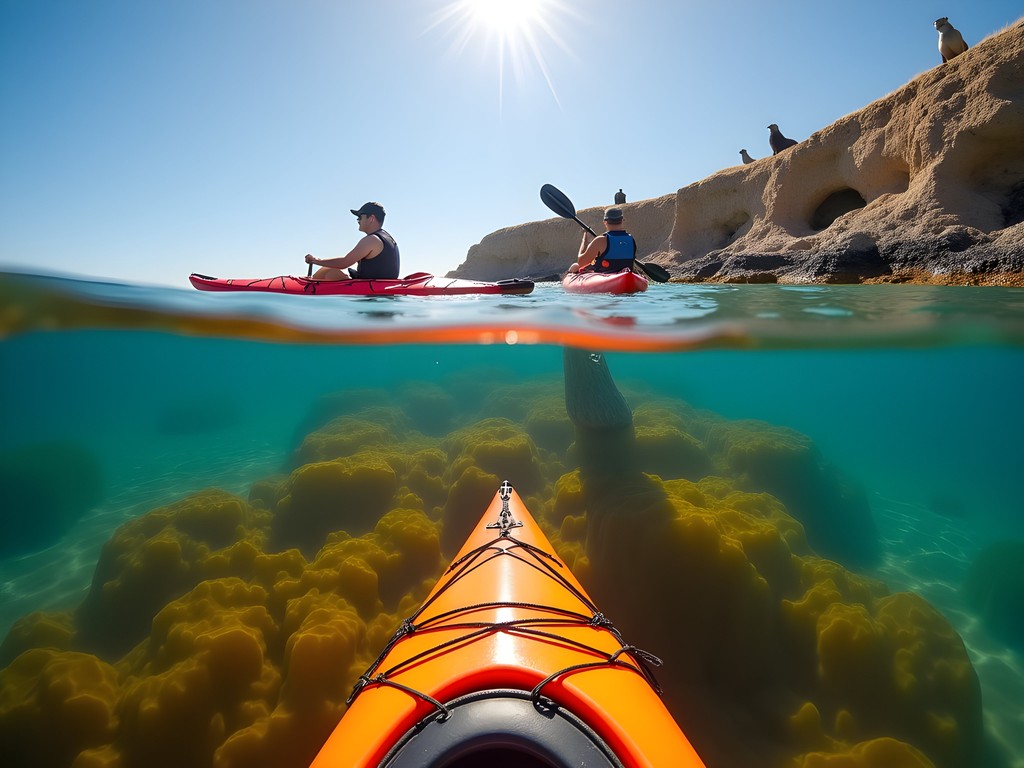
Start your ocean adventure at La Jolla Shores, where calm waters and gentle waves create the perfect training ground. This beach is my go-to recommendation for families because the sandy bottom extends far out, giving everyone confidence to wade in gradually. Spend your first morning renting kayaks from one of the local outfitters—I always book with Everyday California for their patient instructors and well-maintained equipment.
The real magic happens when you paddle out to the La Jolla Ecological Reserve. The kelp forests here function like underwater farms, creating entire ecosystems that support sea lions, garibaldi fish, and if you're lucky, leopard sharks during summer months. I never leave shore without my waterproof phone pouch—it's survived countless splashes and captures incredible underwater shots through the clear plastic.
Day two, try stand-up paddleboarding (SUP). The twins weren't quite ready for their own boards at age three, but many outfitters offer tandem boards or kid-sized options for older children. The key is going early—by 8 AM, before the afternoon winds pick up. From your board, you'll spot the famous sea lion colony at the Children's Pool, and the perspective gives you a farmer's appreciation for how the ocean 'cultivates' life in layers, from surface plankton to bottom-dwelling creatures.
💡 Pro Tips
- Book water sports rentals online the night before to guarantee equipment availability during peak summer season
- Apply reef-safe sunscreen 30 minutes before entering the water—traditional sunscreens damage the kelp forests you'll be exploring
- Bring water shoes with good grip; the rocky areas around La Jolla can be slippery and sharp
- Visit the Birch Aquarium afterward to identify the species you saw—it creates a complete educational loop kids love
Day 3-4: Surf Lessons and Beach Culture at Pacific Beach
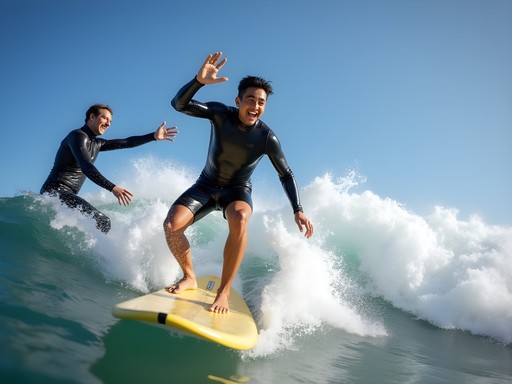
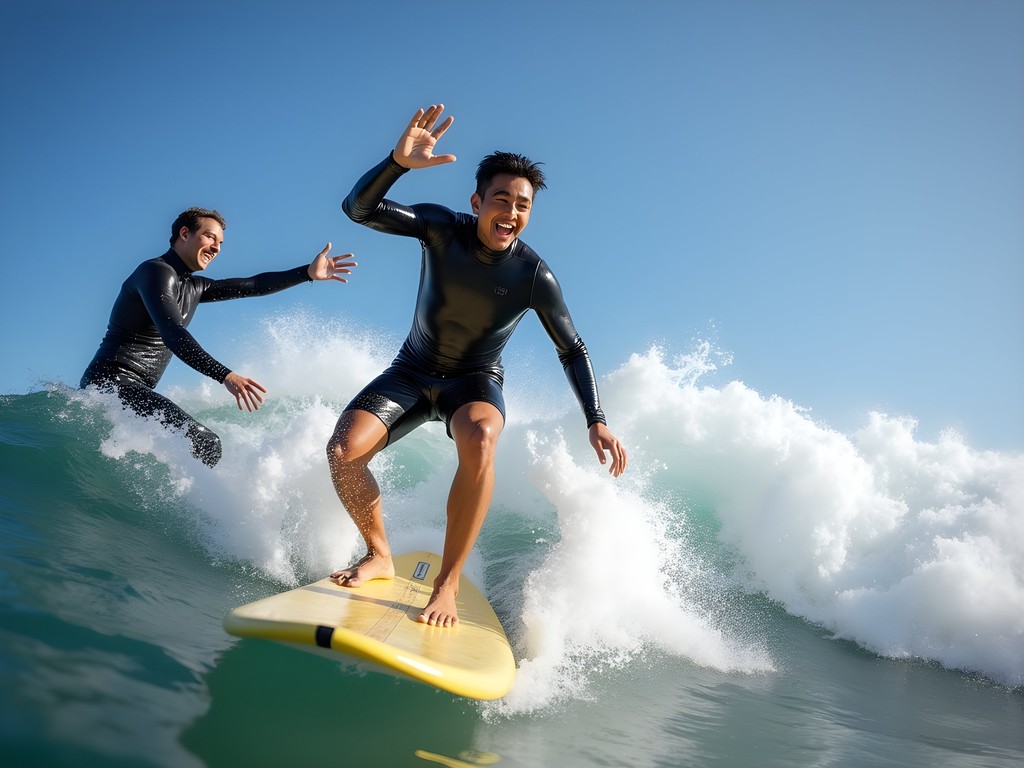
Pacific Beach brings more energy—think boardwalk vibes, surf shops, and that classic California beach town atmosphere. This is where you'll want to tackle surfing. I'll be honest: my first attempt at catching a wave was humbling. As someone who prides himself on physical coordination from years of farm work, getting repeatedly knocked over by whitewater was a lesson in ocean humility.
Pacific Surf School offers excellent family packages where instructors work with different skill levels simultaneously. My wife and I took a two-hour lesson while the twins built sandcastles with their grandparents nearby. By the end, we were both riding waves to shore—nothing fancy, just that incredible feeling of harnessing ocean energy. The instructors emphasize ocean safety and reading water conditions, skills that translate to all water sports.
For recovery between sessions, the Crystal Pier area offers fantastic fish tacos and people-watching. I recommend bringing a beach blanket that actually lives up to its name—the sand-resistant material is a game-changer when you're constantly wet and sandy. Day four, rent bikes and cruise the boardwalk early morning. The three-mile stretch from Pacific Beach to Mission Beach gives you a local's perspective and helps burn energy before afternoon surf sessions.
💡 Pro Tips
- Schedule surf lessons for morning when waves are smaller and more manageable for beginners
- Rent a wetsuit even in summer—San Diego water averages 65-70°F and you'll stay out longer when comfortable
- Practice your pop-up technique on the beach before entering the water to build muscle memory
- Watch experienced surfers for 10 minutes before your session to understand wave patterns and timing
Day 5: Snorkeling and Tide Pool Exploration
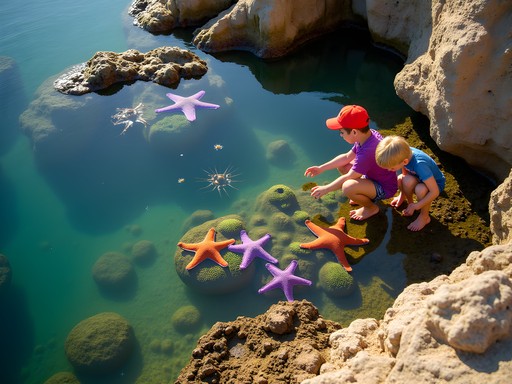
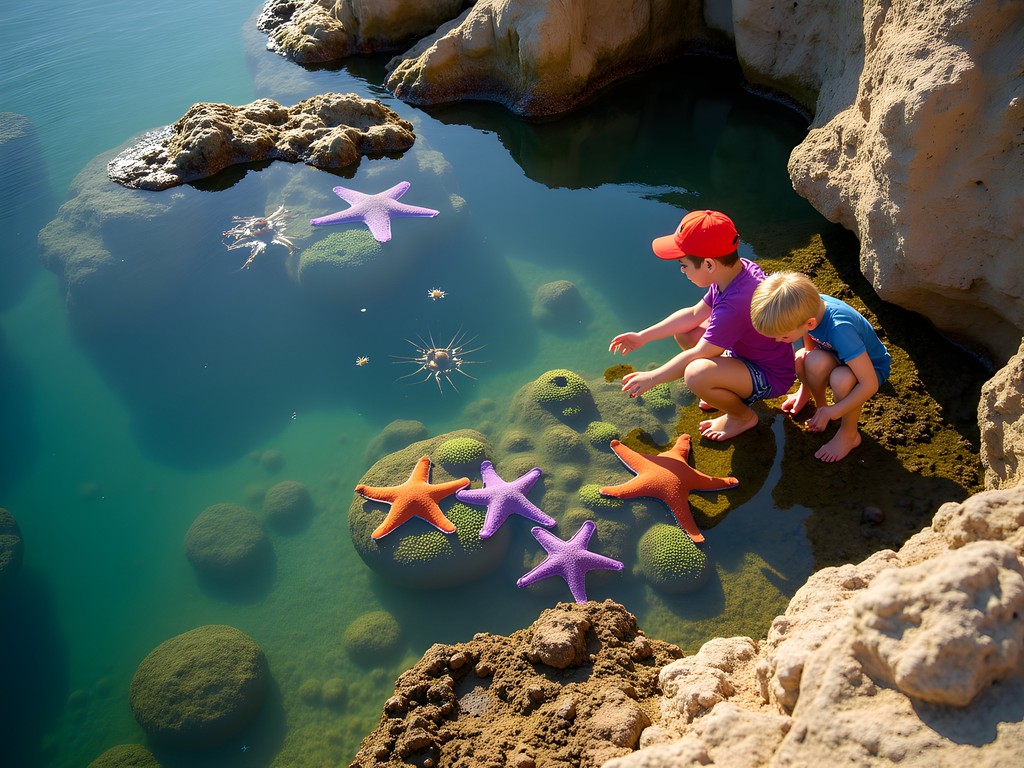
Shift gears midweek with activities that let younger kids participate more actively. Head to the tide pools at Cabrillo National Monument during low tide—check tide charts religiously, as timing is everything. These pools are living laboratories where kids can observe sea stars, anemones, hermit crabs, and occasionally small octopi.
Bring a waterproof field guide to identify species. I approach tide pools like I approach my fields back home: with curiosity about the ecosystem's interconnections. Which creatures are the 'pollinators' of this environment? What's the 'soil health' equivalent in these rocky habitats? These questions make the experience richer for everyone.
Afternoon, snorkel at La Jolla Cove. The water here is slightly choppier than La Jolla Shores, but the marine life is spectacular. Rent quality snorkel gear locally rather than bringing cheap sets from home—proper-fitting masks prevent frustration and leaks. The visibility can reach 30 feet on calm days, and you'll swim alongside Garibaldi (California's state fish), bat rays, and curious sea lions. A anti-fog spray is essential—nothing ruins snorkeling faster than constantly surfacing to clear your mask.
💡 Pro Tips
- Download a tide prediction app and plan tide pool visits for minus tides when most marine life is exposed
- Teach kids the 'look but don't touch' rule—oils from skin can harm delicate tide pool creatures
- Bring a small mesh bag for collecting trash you find—leave the beach better than you found it
- Wear rash guards for sun protection while snorkeling instead of relying solely on sunscreen

Day 6: Adventure Sports and Mission Bay
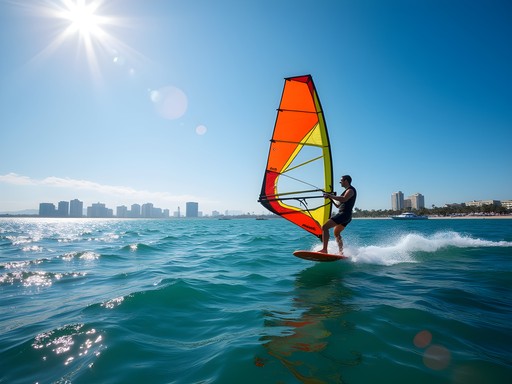
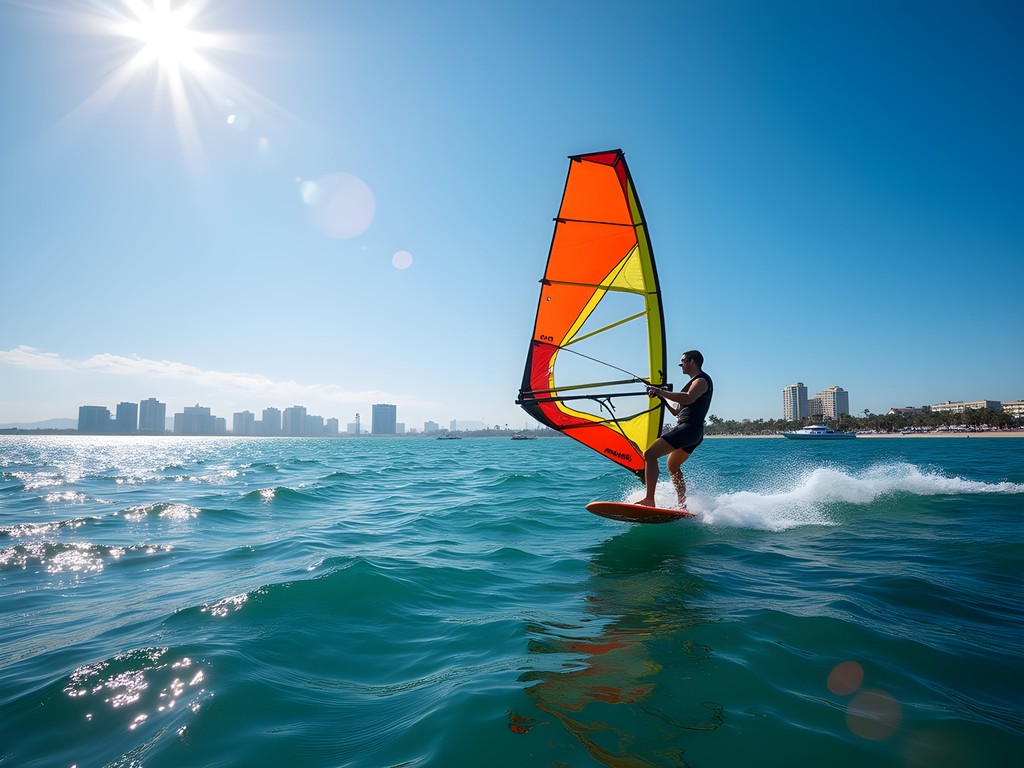
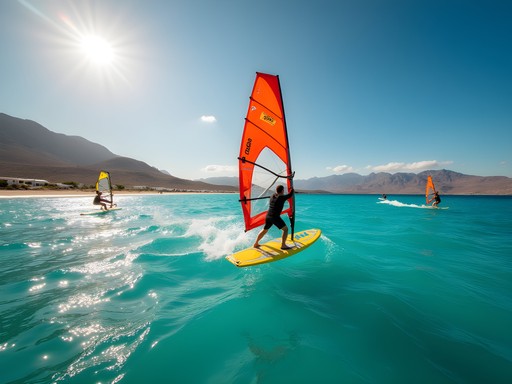
Mission Bay's calm, protected waters make it ideal for trying new skills. This 4,600-acre aquatic park feels like a giant playground designed specifically for water sports. Start with windsurfing lessons at Mission Bay Aquatic Center—they offer family-friendly instruction and the shallow bay means falls are more funny than frightening.
The science behind windsurfing fascinates me: you're essentially using wind energy to power human movement across water, not unlike how we harness natural forces in sustainable farming. The learning curve is steep initially, but by your second hour, you'll experience those magical moments when everything clicks and you're gliding across the bay.
Afternoon, try jet skiing or rent a small sailboat. Mission Bay's marked channels and 27 miles of shoreline give you plenty of space to explore without venturing into open ocean. For families with older kids, the wakeboarding and water skiing options are excellent. Pack a dry bag for valuables and snacks—the 20-liter size fits phones, wallets, and enough provisions for a full day without being bulky.
💡 Pro Tips
- Mission Bay Aquatic Center offers multi-sport packages that save money if you're trying several activities
- The bay's east side has calmer conditions—start there before progressing to more challenging western areas
- Bring your own life jackets if you have them; rental fees add up quickly for families
- Crown Point and Fiesta Island have excellent beach access and picnic facilities for lunch breaks
Day 7: Whale Watching and Reflection
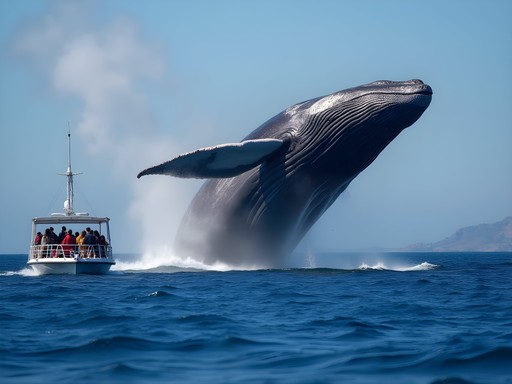
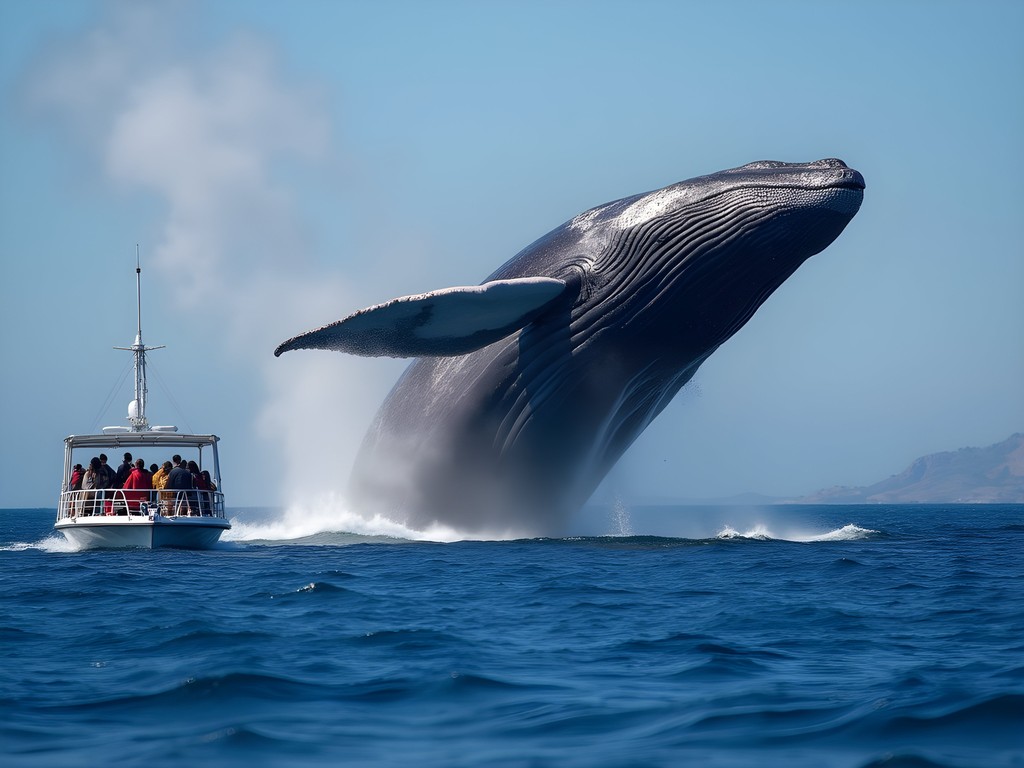
End your week with perspective—literally. Book a whale watching tour departing from San Diego Bay. Summer months bring blue whales, the largest animals ever to exist on Earth, along with fin whales and massive pods of common dolphins. These tours typically run 3-4 hours and venture 10-20 miles offshore.
I'm not typically prone to getting seasick, but the open ocean swells are different from nearshore activities. A motion sickness band worked wonders for my wife, who gets queasy on boats. The naturalists aboard these tours provide incredible context about marine ecosystems, migration patterns, and conservation efforts—exactly the kind of educational component that makes these trips meaningful beyond just entertainment.
Watching a 90-foot blue whale surface alongside your boat, hearing its exhale echo across the water, puts the entire week in perspective. We spend so much time trying to master the ocean through sports and activities, but moments like these remind you that we're just visitors in an ancient, powerful ecosystem. The twins talked about the whales for months afterward, constantly asking when we could return.
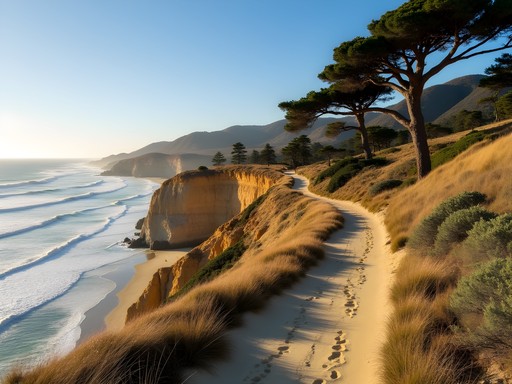
Spend your final evening at Sunset Cliffs Natural Park, watching the sun drop into the Pacific. Reflect on the week's progression from tentative beginners to confident ocean enthusiasts. The beauty of San Diego's water sports scene is its accessibility—you don't need to be an expert to have authentic, memorable experiences.
💡 Pro Tips
- Choose morning whale watching tours when seas are typically calmer and marine life more active
- Dress in layers—it's significantly cooler 10 miles offshore even on hot summer days
- Bring your own snacks and water; onboard concessions are limited and expensive
- Position yourself on the boat's second deck for best viewing angles and photography opportunities
- Book tours with companies that support marine research—many contribute data to scientific studies
Final Thoughts
San Diego's ocean adventures offer something rare: the chance to challenge yourself physically while connecting with marine ecosystems that rival any terrestrial environment in complexity and beauty. This seven-day itinerary progresses logically from foundational skills to more advanced activities, with built-in flexibility for different family dynamics and energy levels.
What strikes me most about San Diego's water sports scene is its accessibility. You don't need to grow up on the coast or have years of experience to have authentic ocean adventures. The local outfitters, patient instructors, and variety of protected water environments create ideal learning conditions. My family went from nervous beginners to confident paddlers, surfers, and snorkelers in just one week.
The investment—both financial and time—pays dividends beyond the trip itself. The twins still talk about the sea lions, my wife has already planned our return visit, and I've gained a deeper appreciation for marine ecosystems that informs my approach to sustainable farming. Water sports teach resilience, respect for natural forces, and the joy of mastering new skills as a family. San Diego delivers all of this against a backdrop of perfect weather, excellent food, and that laid-back California vibe that makes even challenging activities feel like play.
✨ Key Takeaways
- Progress from calm, protected waters at La Jolla Shores and Mission Bay to more challenging open ocean activities as skills develop
- Book lessons and equipment rentals in advance during summer peak season, but maintain flexibility for weather and energy levels
- Combine active water sports with educational components like tide pools, aquarium visits, and whale watching for well-rounded family experiences
- Invest in quality sun protection, waterproof gear, and reef-safe products to protect both your family and the marine environment
📋 Practical Information
Best Time to Visit
June through September for warmest water temperatures and most consistent conditions, though San Diego offers year-round water sports opportunities
Budget Estimate
$2,500-3,500 for a family of four including mid-range accommodations, equipment rentals, lessons, meals, and activities
Recommended Duration
7 days allows proper progression through skill levels without rushing, with built-in rest days
Difficulty Level
Intermediate—suitable For Families With Basic Swimming Skills And Moderate Fitness Levels; Individual Activities Range From Beginner To Intermediate





Comments
oceanway
Great guide! One tip - bring a wetsuit even in summer if you're doing the snorkeling. Water's colder than you think. Also the parking at La Jolla can be a nightmare on weekends, get there before 9am or use the shuttles.
Claire Hawkins
Wesley, this brings back wonderful memories! We took our two kids to San Diego three years ago and did a similar itinerary. My daughter was terrified of the ocean at first, but by day three she was begging to go back to the tide pools every single day. There's something magical about those little ecosystems - we found hermit crabs, sea anemones, even a tiny octopus. Mission Bay was perfect for our son who wanted more action. He tried paddleboarding and actually stayed up longer than I did! The water there is so calm and forgiving. Your itinerary captures exactly what makes San Diego special for ocean adventures.
sunnyqueen
La Jolla Shores is absolutely perfect for beginners! I learned to kayak there last year and the calm waters made such a difference. Also the sea lions at the cove are incredible - just keep your distance like Wesley mentioned. We spent hours just watching them. The snorkeling was amazing too, saw so many bright orange garibaldi fish. Definitely recommend going early morning before it gets crowded.
Claire Hawkins
The sea lions sound perfect for kids! Were they easy to spot from the shore or did you need to kayak out?
sunnyqueen
Super easy! You can walk right to the cove area and see them lounging on the rocks. Kids would love it.
journeybuddy
Do you need to book the surf lessons in advance or can you just show up at Pacific Beach?
oceanway
I'd book ahead especially in summer. Pacific Beach gets super busy and the good instructors fill up quick!
journeybuddy
Thanks! Good to know
springnomad
Solid itinerary! I've been doing water sports in San Diego for years and this hits all the right spots. One thing I'd mention - if you're doing the snorkeling, bring your own snorkel set if you have one. The rentals are fine but having your own gear that fits properly makes such a difference. Also totally agree about Mission Bay for adventure sports - it's protected so perfect for trying new things without dealing with ocean waves. The kayaking there is incredible.
wanderrider
Great photos! Really like the sunset shot from Mission Bay
springpro
This is exactly what I needed!! Going to SD in March and was looking for water activities. Definitely doing the tide pools on day 5!
springnomad
Make sure you go at low tide! Check the tide charts before you go, it makes a huge difference. I've done the tide pools there three times and low tide is absolutely the way to go - you see so much more marine life.
springpro
good tip thanks!!
photohero
Great photos!
moonhero
We just got back from SD last week and did some of this! La Jolla Shores was incredible - saw so many leopard sharks and even a few rays. The snorkeling there is no joke. One tip: parking is INSANE on weekends. We got there at 6:30am on Saturday and still had to circle for 20 minutes. Weekdays are way easier. Also the sea lions at the cove are hilarious but they smell terrible lol. Totally worth it though!
Nicole Russell
Wesley, I LOVE this itinerary! I did something similar last year but only had 4 days, so I'm totally jealous of your full week plan. La Jolla Shores is absolutely perfect for beginners - the waves are so gentle there. One thing I'd add is checking out the sea lions at La Jolla Cove if you haven't mentioned it. They're hilarious and you can watch them for hours. Also, sunrise paddle boarding at Mission Bay is magical! The water is like glass early morning. Can't wait to go back and follow your full 7-day plan!
springpro
omg yes the sea lions!! so cute
Venture X
Premium card with 2X miles, $300 travel credit, Priority Pass