
Disclosure: This article contains affiliate links. We may earn a commission from purchases at no extra cost to you, which helps our travel content.
There's a passage in Gabriel García Márquez's Love in the Time of Cholera that describes the Caribbean coast as a place where jungle and sea collide in spectacular fashion. He wasn't exaggerating. Tayrona National Park embodies this collision perfectly—a 15,000-hectare wonderland where the Sierra Nevada mountains plunge dramatically into turquoise waters, creating one of South America's most stunning coastal landscapes. After three visits spanning five years, I've learned that Tayrona rewards those willing to sweat, disconnect, and embrace a slower rhythm.

Planning Your Tayrona Trek: What Makes This Advanced
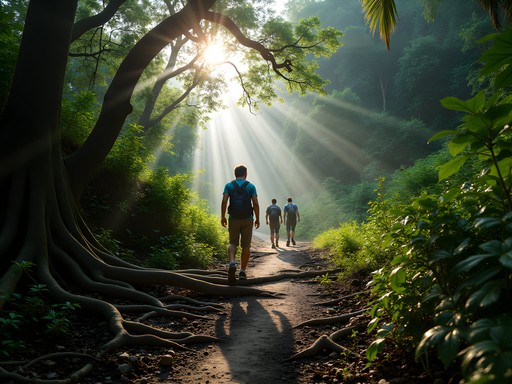
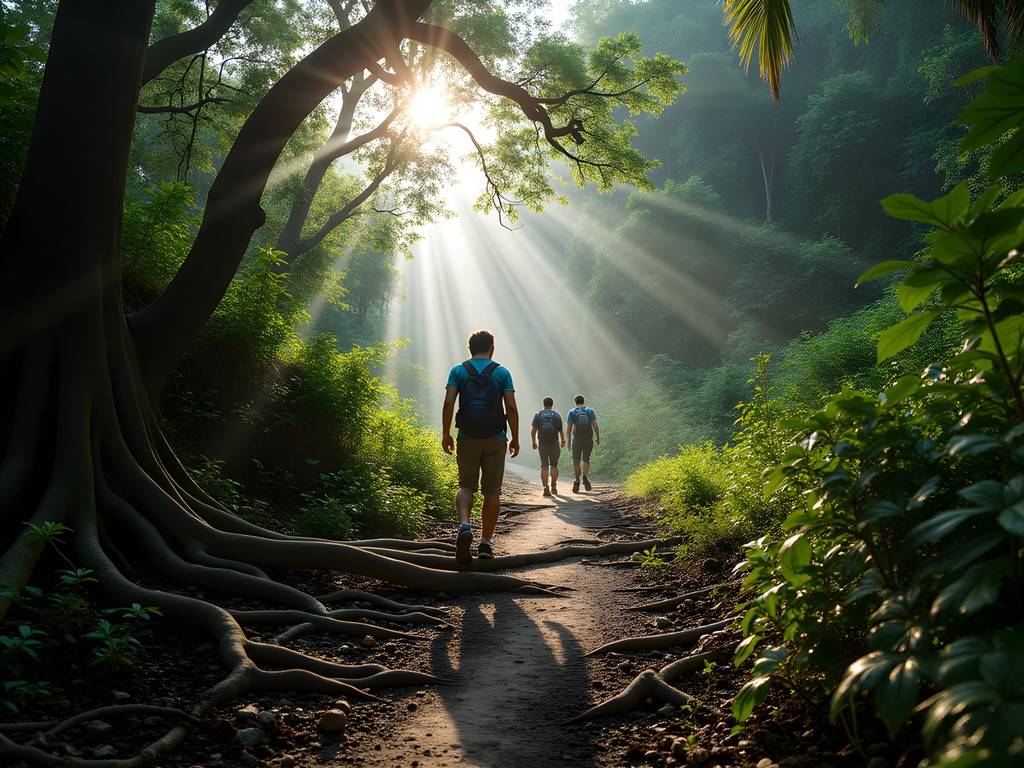
Let me be direct: Tayrona isn't your average beach holiday. The main trail from El Zaino entrance to Cabo San Juan covers roughly 9 kilometers of relentlessly undulating terrain—think exposed tree roots, slippery rocks, and humidity that makes your pack feel twice its weight. I've catalogued enough Victorian exploration journals to recognize genuine adventure, and this qualifies.
The park limits daily visitors and closes entirely each February for indigenous spiritual renewal, reflecting the Kogi, Arhuaco, Wiwa, and Kankuamo peoples' deep connection to this sacred land. This closure actually enhances the experience—when you visit, you're walking through a landscape actively protected and spiritually significant.
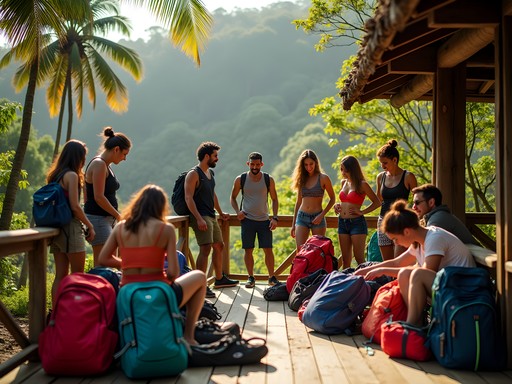
Most groups underestimate the physical demands. On my first visit, our party of six included two people who'd never done multi-day hiking. By the second day, everyone was feeling it. The combination of heat, humidity, and uneven terrain creates a genuine challenge. Budget 4-5 hours for the initial hike to Cabo San Juan, though fit hikers can manage in three.
💡 Pro Tips
- Start your hike before 8 AM to avoid peak heat—the jungle canopy provides shade but traps humidity
- Pack a quality headlamp for navigating campsites after dark, as there's no electricity beyond the entrance
- Bring Colombian pesos in cash—no ATMs exist inside the park and card payments are unreliable
Beach Camping: Your Options and What to Expect
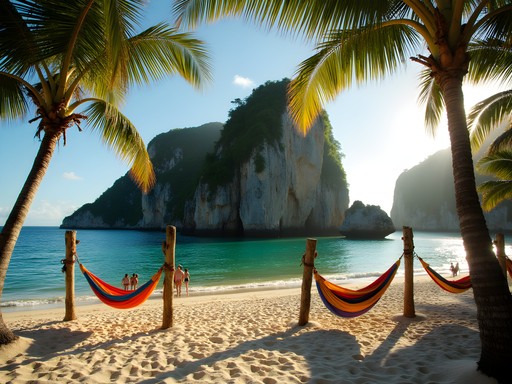
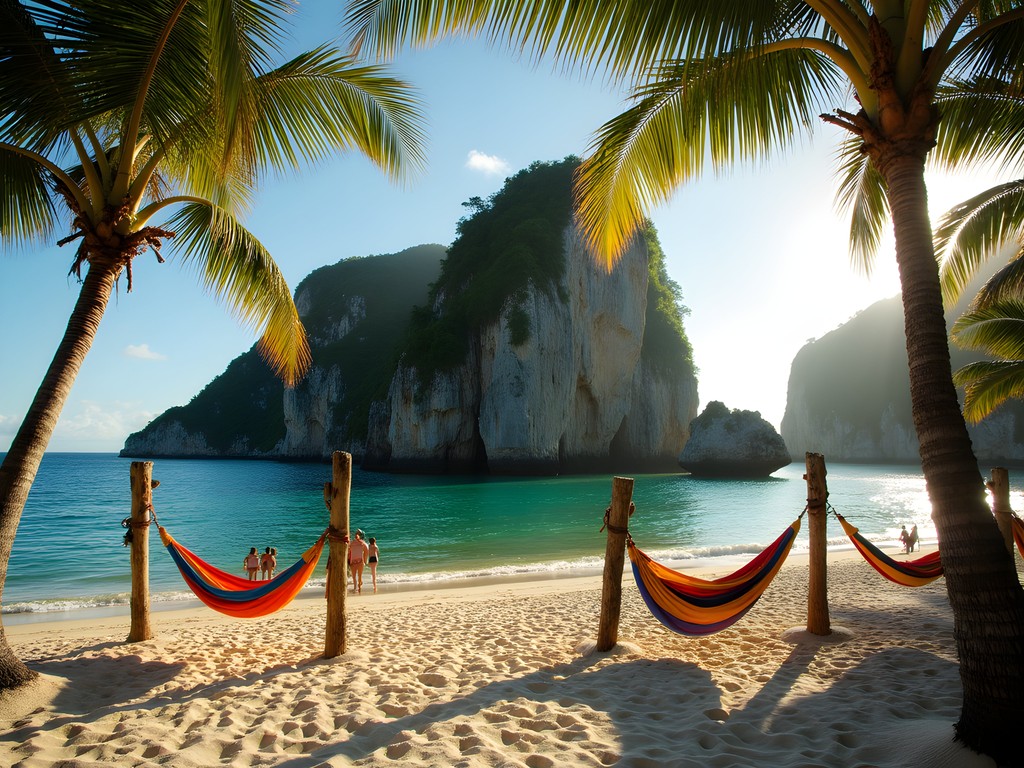
Tayrona offers three main camping areas, each with distinct character. Cabo San Juan is the most popular—a stunning double bay with hammocks strung on a rocky outcrop that's become Instagram-famous. Arrecifes sits slightly back from a powerful beach where swimming is prohibited due to dangerous currents. La Piscina offers calmer waters and fewer crowds.
I've stayed at all three, and each time I return to Arrecifes despite its lack of swimmable beach. Why? The soundscape. Falling asleep to howler monkeys, crashing waves, and rustling palms creates an immersive experience that epitomizes Tayrona's wild character. The campsites provide basic amenities—shared bathrooms, cold showers, and simple restaurants serving fresh fish and rice.
You can bring your own tent or rent hammocks with mosquito nets. After testing both, I strongly prefer hammocks for the ventilation and reduced ground moisture. Pro tip: bring a quality sleeping bag liner rather than a full sleeping bag—the liner provides just enough warmth for cooler nights while remaining breathable in Tayrona's tropical climate.
💡 Pro Tips
- Book hammock or tent spots in advance during December-January peak season through authorized operators
- Store all food in provided lockers—the local wildlife, particularly coatis, are persistent and clever thieves
- Bring earplugs if you're a light sleeper; the jungle and fellow travelers create a constant soundscape
Swimming Safety: Where the Water Welcomes You
This is critical: many of Tayrona's beaches are stunningly beautiful and absolutely deadly. Strong riptides claim lives every year, and warning signs dot the coastline. Arrecifes, despite its beauty, is strictly no-swimming. The same applies to several other beaches along the route.
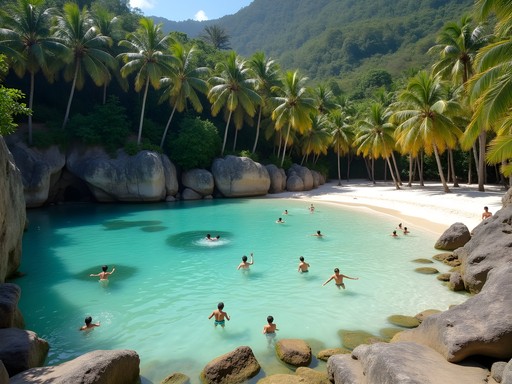
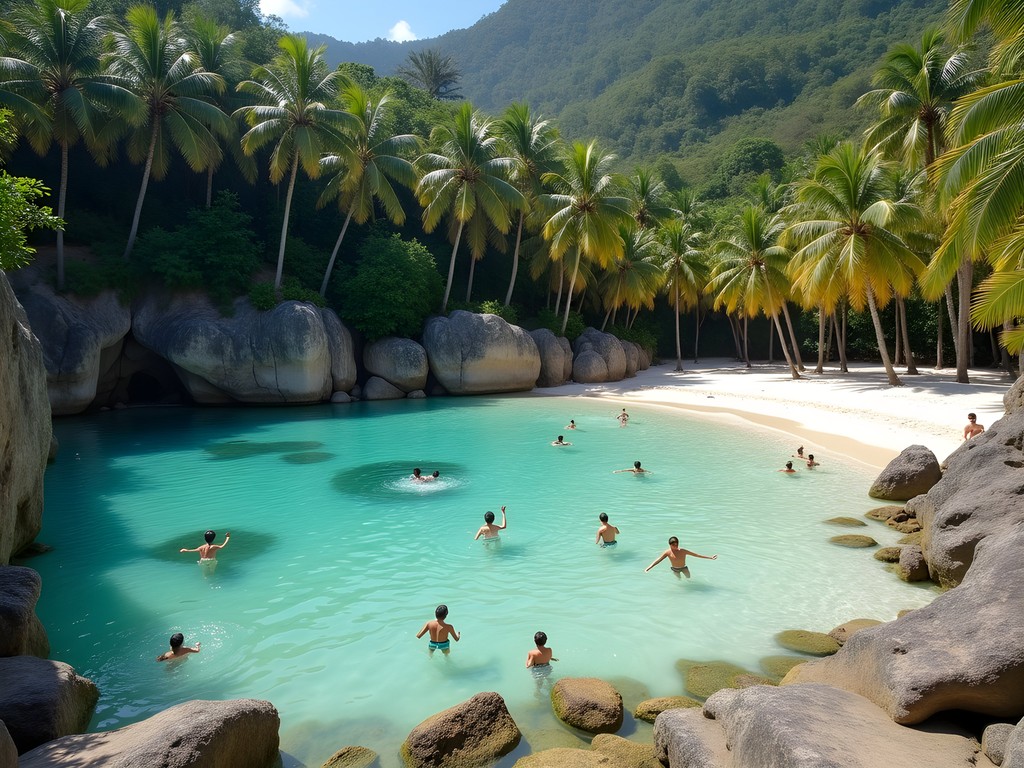
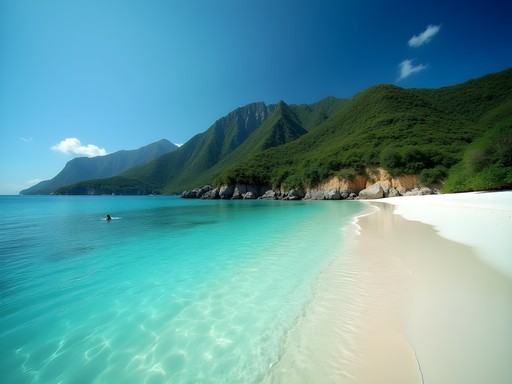
La Piscina (The Pool) earns its name—a natural cove where rocks break the current, creating calm, swimmable conditions. This is your primary swimming destination, located about 30 minutes before Cabo San Juan. The water here is that impossible Caribbean blue you see in photos, warm as bathwater, and generally safe for swimming.
Cabo San Juan's eastern bay also permits swimming, though conditions vary. I always check with local staff before entering the water. The western bay, while visually stunning, has unpredictable currents. During my second visit, I watched lifeguards pull three tourists from dangerous situations in a single afternoon.
For snorkeling enthusiasts, the rocky areas near La Piscina offer decent visibility and tropical fish, though this isn't Tayrona's primary draw. Bring a reef-safe sunscreen to protect both your skin and the marine ecosystem—regular sunscreen damages coral and is increasingly prohibited in protected areas.
💡 Pro Tips
- Never swim alone, even at designated swimming beaches—buddy systems save lives
- Wear water shoes for rocky entries and exits—the volcanic rocks are sharp and slippery
- Time your swimming for mid-morning when visibility is best and currents are typically calmer

The Extended Route: Pueblito and Beyond
Most visitors stick to the coastal trail, but Tayrona's interior holds archaeological treasures. Pueblito, an ancient Tayrona settlement accessible via a steep jungle trail, offers a glimpse into pre-Columbian civilization. The hike adds 3-4 hours round trip and gains significant elevation—your legs will remember this climb.
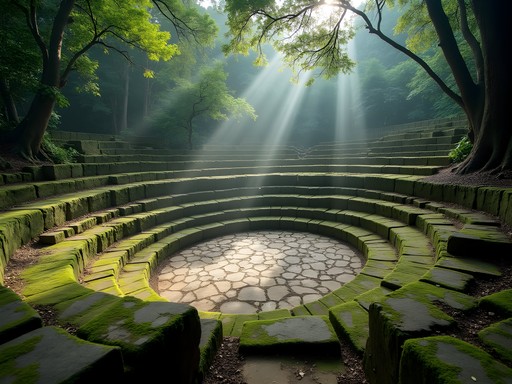
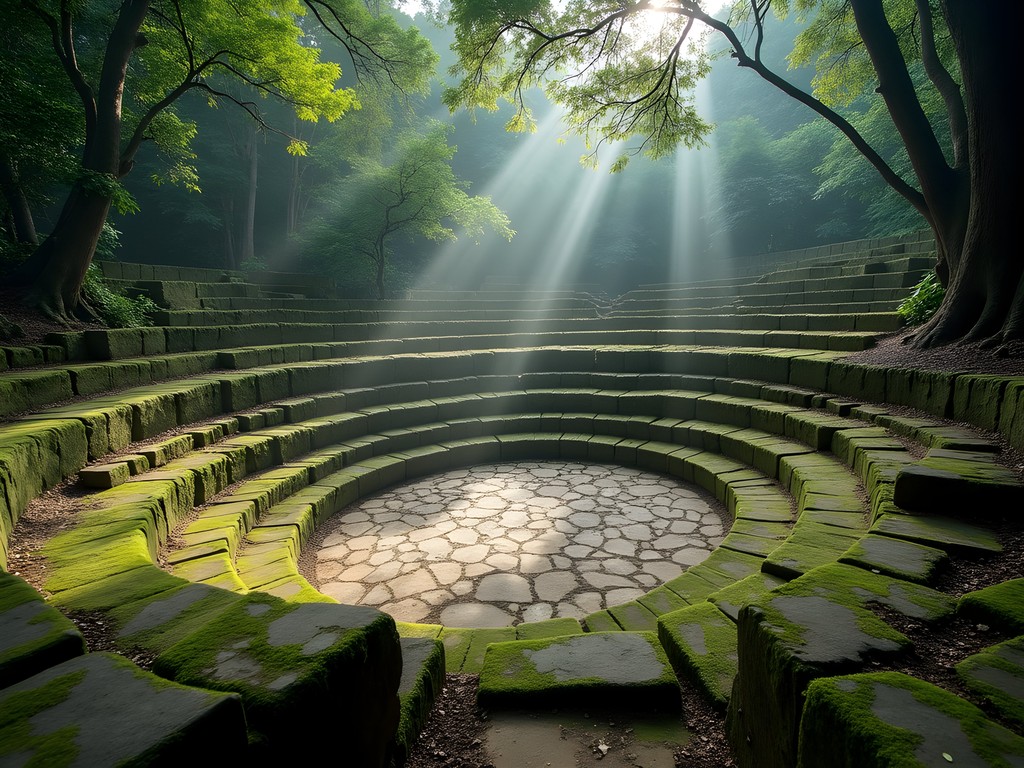
I completed this extension on my third visit with two friends from my paragliding club. The trail ascends through primary forest, the temperature dropping noticeably as you climb. Pueblito itself consists of circular stone terraces, once home to the indigenous Tayrona people who gave the park its name. The site lacks the grandeur of Machu Picchu but possesses an intimate quality—you can sit on 800-year-old terraces and look down through the canopy toward the Caribbean.
Descendants of the original inhabitants still live in the Sierra Nevada, and you may encounter Kogi people along the trails. They maintain traditional lifeways and deserve respectful distance—don't photograph without permission, and understand that some areas remain off-limits to outsiders.
For this challenging extension, proper hydration becomes critical. I carry a water filter that lets me refill from streams rather than carrying excessive weight. The filter has proven invaluable across multiple countries and eliminates single-use plastic bottles.
💡 Pro Tips
- Hire a local guide for Pueblito—they provide historical context and support the indigenous community economically
- Start the Pueblito extension early in your stay when you have maximum energy
- Respect any areas marked as restricted or sacred—indigenous spiritual practices continue here
Practical Packing for Groups: Lessons from Multiple Trips
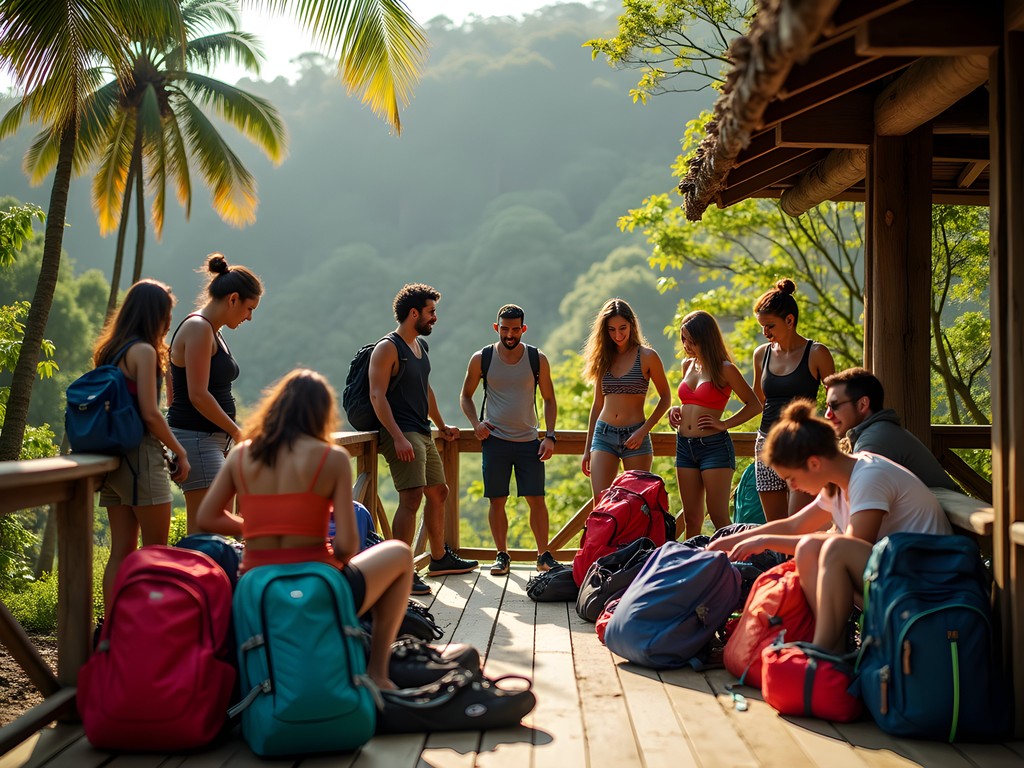
Packing for Tayrona requires balancing minimalism with self-sufficiency. After three trips and numerous conversations with fellow travelers, I've refined my recommendations for groups tackling this adventure.
Essential shared items: Designate one person to carry a comprehensive first aid kit that covers the entire group. Include blister treatment, antihistamines, and oral rehydration salts. Another person should carry a portable water purifier as backup to individual bottles.
Individual essentials: Quick-dry clothing is non-negotiable—cotton stays damp and causes chafing. Bring more socks than you think necessary; I pack five pairs for three days. A sarong serves multiple purposes: beach towel, privacy screen, and extra layer. Biodegradable soap and toiletries matter in this protected ecosystem.
The luxury items worth their weight: A portable solar charger keeps phones and headlamps charged without relying on limited electrical outlets at campsites. A lightweight dry bag protects electronics and documents from humidity and unexpected rain.
What to leave behind: Jewelry, expensive watches, and non-essential electronics. Tayrona's rustic conditions and lack of secure storage make valuable items a liability. Embrace the digital detox—phone signal is nonexistent beyond the entrance anyway.
💡 Pro Tips
- Divide group gear to distribute weight fairly—reassess at the trailhead if someone is struggling
- Pack a small amount of Colombian coffee and instant oatmeal for breakfast variety beyond camp offerings
- Bring a stuff sack for dirty clothes—keeping clean and worn items separate maintains morale
Final Thoughts
Tayrona National Park challenges you physically while rewarding you with moments of profound beauty—dawn breaking over Cabo San Juan, the rhythmic crash of waves at Arrecifes, the ancient silence of Pueblito. It's not an easy destination, and that's precisely why it matters. In an era of increasingly sanitized travel experiences, Tayrona remains genuinely wild.
For groups willing to embrace discomfort, support each other through challenging sections, and respect the cultural and environmental significance of this landscape, Tayrona offers transformative experiences. You'll return home with sore muscles, sand in places you didn't know existed, and stories that improve with each retelling. That's the mark of authentic adventure.
Start planning now for the December-March dry season. Book your accommodation early, train for the physical demands, and prepare to disconnect from the digital world. The jungle and sea are waiting to remind you what it feels like to be genuinely, wonderfully alive.
✨ Key Takeaways
- Tayrona demands genuine physical fitness—train beforehand with weighted pack hikes to avoid suffering
- Swimming is only safe at designated beaches like La Piscina; respect warnings at other locations to stay alive
- Book campsites in advance during peak season and embrace basic conditions as part of the authentic experience
📋 Practical Information
Best Time to Visit
December to March (dry season), avoiding February closure
Budget Estimate
£200-350 per person for one week including park fees, camping, meals, and transport from Santa Marta
Recommended Duration
4-5 days minimum to properly explore without rushing
Difficulty Level
Challenging

Comments
Casey Andersson
Brittany, gorgeous write-up! I visited Tayrona during my Colombia swing last year and was absolutely captivated. Your point about it being "advanced" is spot-on - I underestimated how draining the humidity would be. One thing I'd add for readers: the small restaurants at Arrecifes and Cabo San Juan serve surprisingly good fresh fish and coconut rice. After a long day hiking, sitting under the palms with a cold beer and grilled snapper watching the sunset felt like pure magic. The rustic beach camping experience here rivals anything I've done in Southeast Asia. Colombia's coast is seriously underrated.
escapegal
What time of year did you go? Trying to figure out best season to avoid rain but also not melt in the heat lol
Brittany Tucker
I went in February which was perfect - dry season and slightly less hot. December to March is generally best!
dreamwalker
THIS IS EXACTLY WHAT I NEEDED!! Been planning Colombia for months and Tayrona is top of my list. The Pueblito route sounds incredible - definitely doing that. Love that you mentioned the García Márquez quote too, his descriptions of the coast are what made me want to visit in the first place!
redmaster2838
Same! Adding Pueblito to my plans now
islandbuddy
Good call on the swimming safety section. I saw so many people ignoring the red flags at La Piscina last year. The currents are no joke at some beaches. Cabo San Juan's bay is definitely the safest spot for a proper swim. Also the fresh water pools along the trail are amazing for cooling off.
summerguy
That beach photo is insane!
Hayden Butler
Brittany, this brings back memories! I did Tayrona about five years ago, though I'll admit I took the easier route and stayed at Ecohabs instead of camping. Waking up to that view was worth every penny. Your point about swimming safety is so important - I saw too many tourists ignoring the warnings at La Piscina. The currents there are no joke. For anyone reading this who wants the Tayrona experience but isn't quite ready for the full camping adventure, the eco-lodges near Cabo San Juan offer a nice middle ground. You still get the jungle-meets-sea magic, just with actual beds and cold showers. Though honestly, reading this makes me want to go back and do it the proper way this time!
springway
Good to know there are other options! Might look into the eco-lodges actually
skybackpacker
This will be my first multi-day hike. Do you rent camping gear there or need to bring everything?
escapegal
You can rent hammocks and tents at the campsites. They also have lockers. Don't bring valuables on the beach tho
Robert Moreau
Brittany, your description of Cabo San Juan at dawn brought back memories! I stayed in the hammock section there in 2024 and woke to howler monkeys and that incredible sunrise you mentioned. One tip for luxury travelers who might be hesitant about camping: the ecohabs near Cañaveral offer a beautiful middle ground—private cabanas with ocean views, still immersed in nature but with actual beds and bathrooms. Worth the splurge if camping isn't your thing. The park is stunning regardless of how you experience it.
redmaster2838
How hard is the hike really? I've done some trails but nothing crazy. Worth it for someone not super fit?
summerguy
It's doable but bring water. Heat is the real challenge not the distance
Brittany Tucker
Exactly what summerguy said! The terrain itself isn't technical, but the humidity and heat make it challenging. Start early morning if you can, and take breaks. Totally worth it!
springphotographer
Your photos are gorgeous!! 😍
Venture X
Premium card with 2X miles, $300 travel credit, Priority Pass