
Disclosure: This article contains affiliate links. We may earn a commission from purchases at no extra cost to you, which helps our travel content.
Having spent decades behind the lens at dental conferences worldwide, I've developed a particular fondness for academic environments. Cambridge, Massachusetts presents a fascinating juxtaposition of historical grandeur and cutting-edge innovation that makes it a photographer's paradise, particularly in autumn when the foliage transforms the already picturesque campuses into a symphony of color. Whether you're visiting for business or pleasure, this collegiate enclave offers remarkable photographic opportunities that rival many European university towns—but with a distinctly American character worth exploring.

Harvard Yard: Timing and Techniques for Iconic Shots
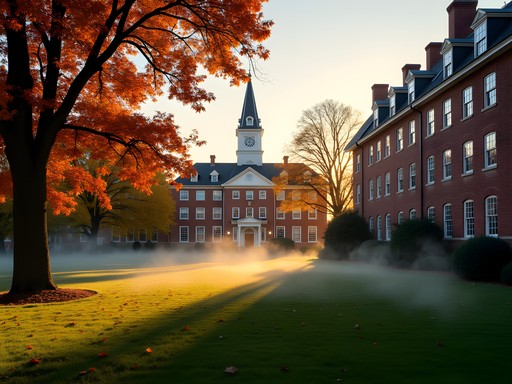
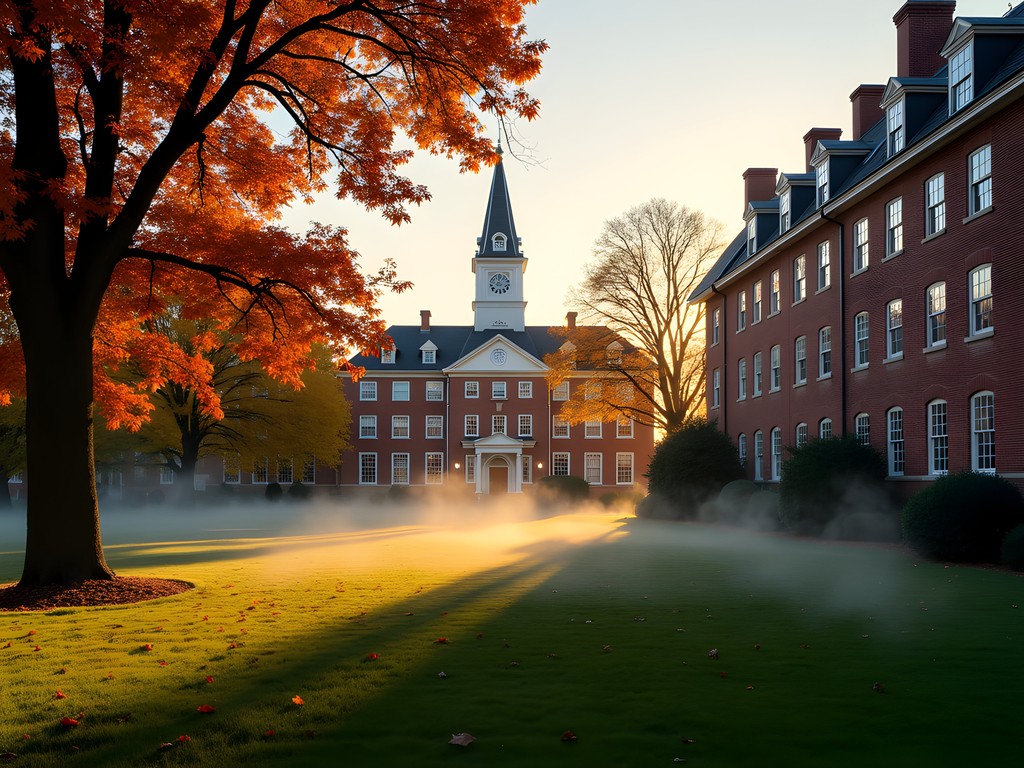
Harvard Yard demands early morning dedication if you hope to capture its colonial architecture without throngs of tourists. I've found arriving before 7:00 AM, particularly on weekends, offers that magical combination of soft light and relative solitude. The golden hour illumination on Massachusetts Hall (Harvard's oldest building, dating to 1720) creates a warm glow that perfectly complements the red brick facades.
For composition, I recommend using the wrought iron gates as natural frames—particularly Johnston Gate with its Georgian details. The symmetry of Widener Library's steps provides excellent leading lines, while the John Harvard statue offers interesting opportunities for both traditional and creative angles. Don't simply photograph the statue frontally as everyone does; capture the interesting interplay of shadows across his bronze form as the morning light shifts.
After my first disappointing visit years ago (arriving at midday to find every shot cluttered with tour groups), I've learned to pack a light meter to quickly assess the challenging lighting conditions created by the tall trees and buildings. The dappled light requires careful exposure compensation, particularly in fall when the contrast between golden leaves and shadowed pathways can exceed your camera's dynamic range.
💡 Pro Tips
- Visit Harvard Yard before 7:00 AM for tourist-free compositions
- Use the historic gates as natural frames for your shots
- Bracket your exposures when shooting in dappled light under the large elm trees
MIT's Architectural Contrasts: Modern Photography Challenges
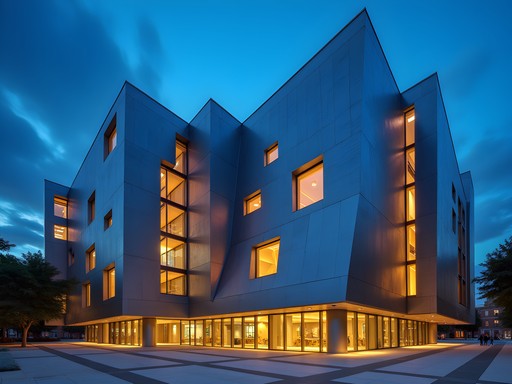
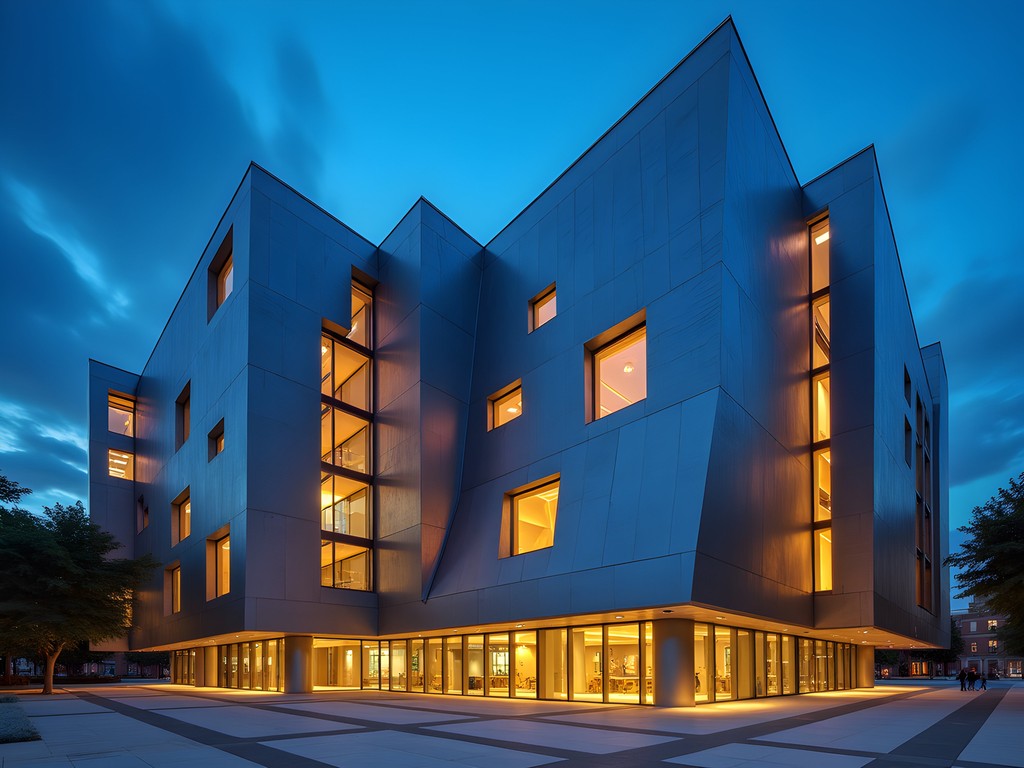
Where Harvard offers classical symmetry, MIT presents bold contemporary forms that challenge conventional photographic approaches. The Stata Center (designed by Frank Gehry) defies traditional architectural photography with its seemingly random angles and reflective surfaces. I've found that embracing rather than fighting this chaos yields the most compelling images—use a fisheye lens to accentuate the building's unconventional geometry.
The Ray and Maria Stata Center particularly rewards photographers during blue hour (that brief period after sunset when the sky maintains deep blue tones). The building's titanium exterior captures the fading light in unexpected ways, while interior lighting begins to create dramatic contrast. Having photographed similar Gehry structures in Düsseldorf, I can attest that these buildings are most photogenic when shot from unexpected angles.
The MIT Chapel by Eero Saarinen offers a completely different challenge with its contemplative interior light. The oculus and surrounding moat create fascinating reflections that require careful metering. I recommend bringing a remote shutter release for the longer exposures needed in this serene space—hand-held simply won't capture the subtle interplay of light and water that makes this space so extraordinary.
💡 Pro Tips
- Photograph the Stata Center during blue hour for dramatic lighting contrasts
- Use wide-angle lenses to capture MIT's bold architectural statements
- Bring a tripod for interior shots of the MIT Chapel to capture its unique lighting
Charles River Vistas: Capturing the Perfect Skyline
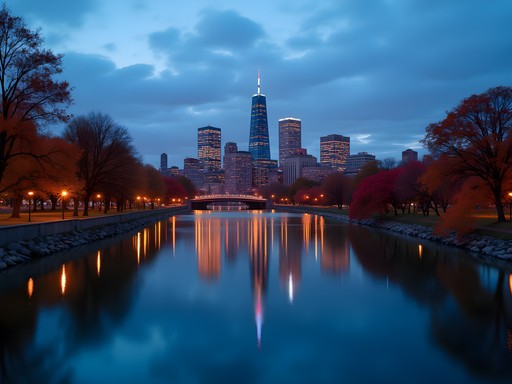
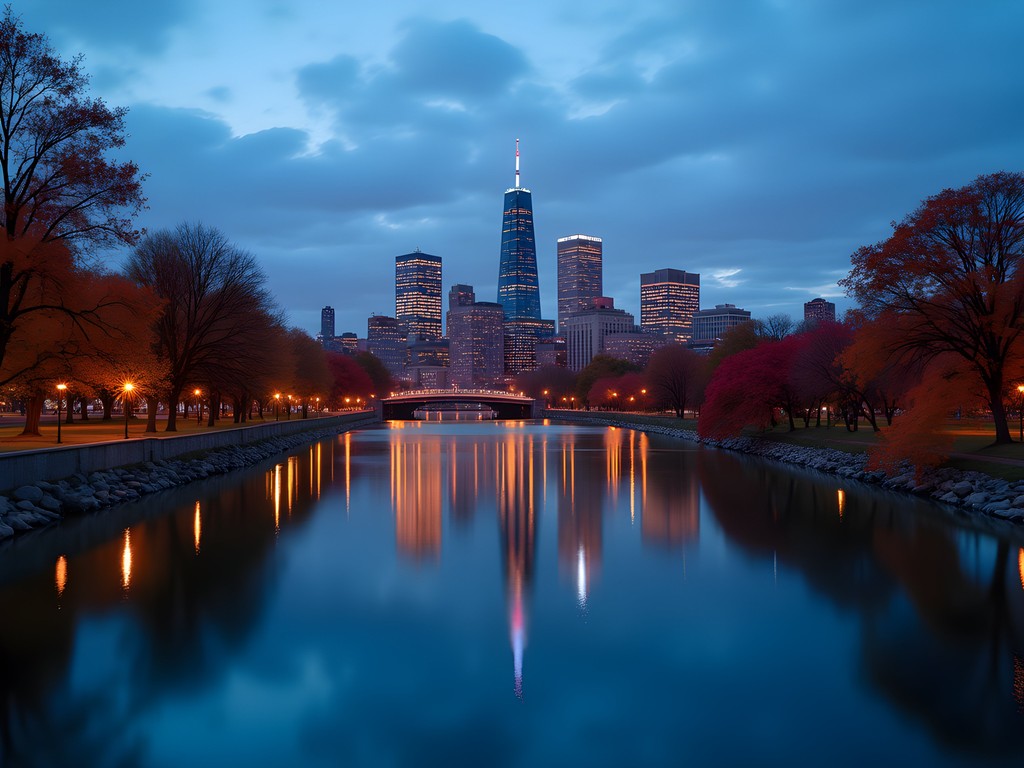
The Charles River provides Cambridge photographers with their signature shot: the Boston skyline reflected in still waters, framed by autumn foliage. Having photographed many waterfront cities from Hong Kong to Copenhagen, I can confidently say the view from Cambridge's riverbanks ranks among the most photogenic urban panoramas.
The Weeks Footbridge offers an excellent vantage point, particularly at sunset when the western light bathes the Harvard Houses in golden light. For stability during longer exposures, I always pack my sandbag weights to secure my tripod against the frequent river breezes.
For those seeking to capture the iconic Boston skyline from Cambridge, position yourself near the MIT Sailing Pavilion around dusk. The transition from sunset to blue hour provides approximately 20 minutes of perfect balance between sky illumination and building lights. After disappointing early attempts, I've learned to use a graduated ND filter to balance exposure between the bright sky and darker foreground.
Night photography along Memorial Drive rewards patient photographers with light trails from passing vehicles that complement the illuminated buildings across the water. This stretch reminds me somewhat of Frankfurt's Main River at night, though with a distinctly American architectural character.
💡 Pro Tips
- Scout locations along the Charles River during daylight hours before returning for sunset
- Use graduated neutral density filters to balance sky and water exposures
- Photograph from the Weeks Footbridge for symmetrical compositions of Harvard's riverfront buildings

Historic Neighborhoods: Beyond the Campuses
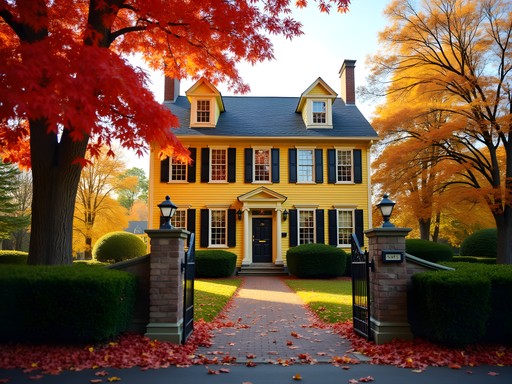
While university architecture dominates Cambridge's photographic reputation, the residential neighborhoods offer equally compelling visual narratives. Brattle Street (known locally as 'Tory Row') features magnificent Colonial and Georgian mansions that are particularly photogenic in fall when framed by maple trees in full color.
The Longfellow House on Brattle Street presents excellent opportunities for architectural detail photography. Having photographed numerous historical European residences, I appreciate how this property maintains authenticity while being accessible to photographers. The yellow clapboard exterior contrasts beautifully with autumn foliage. Morning light (9-11 AM) provides the most flattering illumination for the front façade.
For street photography with historical context, explore the gas lamps and brick sidewalks of Beacon Hill just across the river. I recommend wearing cushioned walking shoes as the uneven cobblestones can be challenging during extended photo walks. After a particularly painful experience in Vienna years ago, I never photograph historic districts without proper footwear!
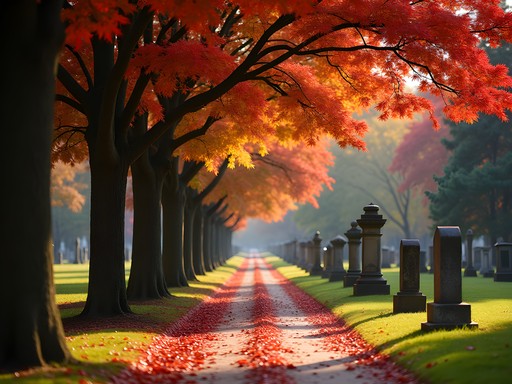
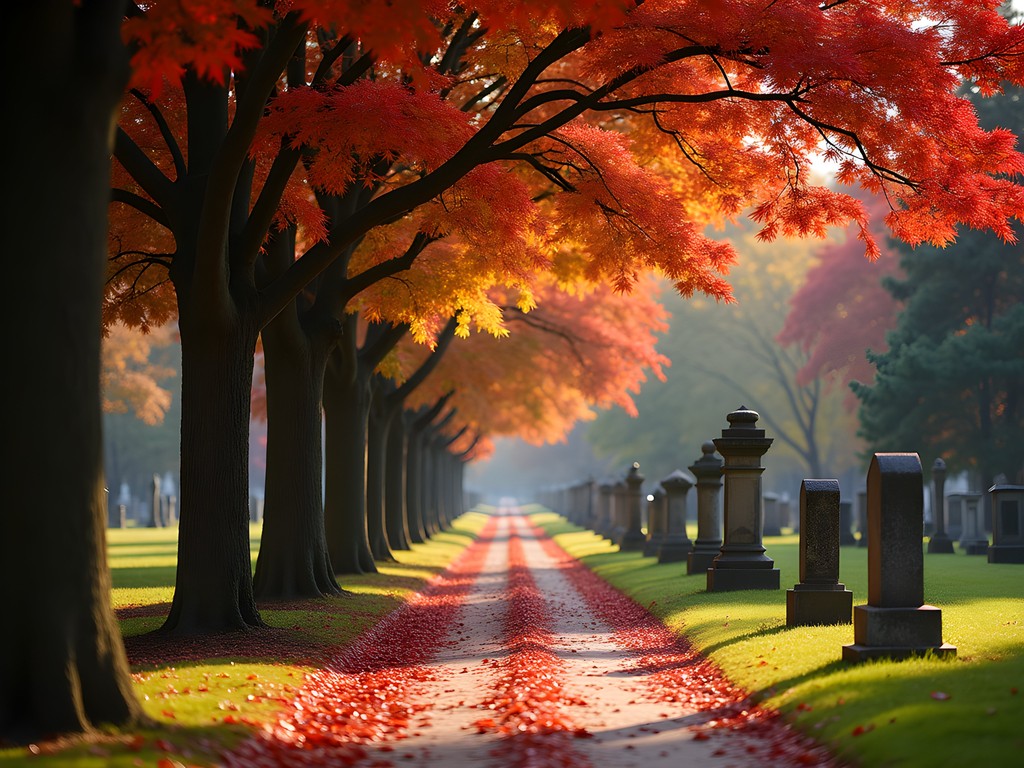
Mount Auburn Cemetery might seem an unusual recommendation, but this arboretum-like setting offers spectacular fall foliage photography without the crowds of more famous locations. The 19th-century funerary art provides compelling foreground elements against the colorful trees. My folding reflector has proven invaluable for illuminating shadowed monument details while maintaining the autumn atmosphere.
💡 Pro Tips
- Photograph Brattle Street houses during morning hours for best light
- Use telephoto lenses to isolate architectural details against colorful foliage
- Visit Mount Auburn Cemetery for uncrowded fall foliage photography
Night Photography: Cambridge After Dark
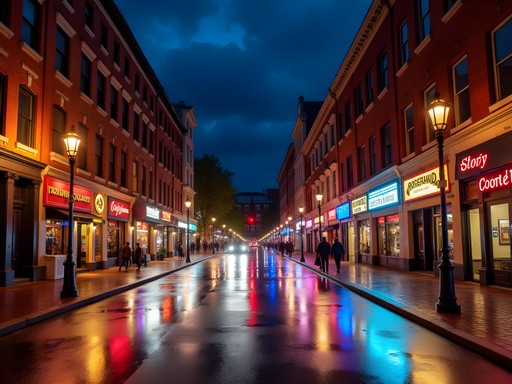
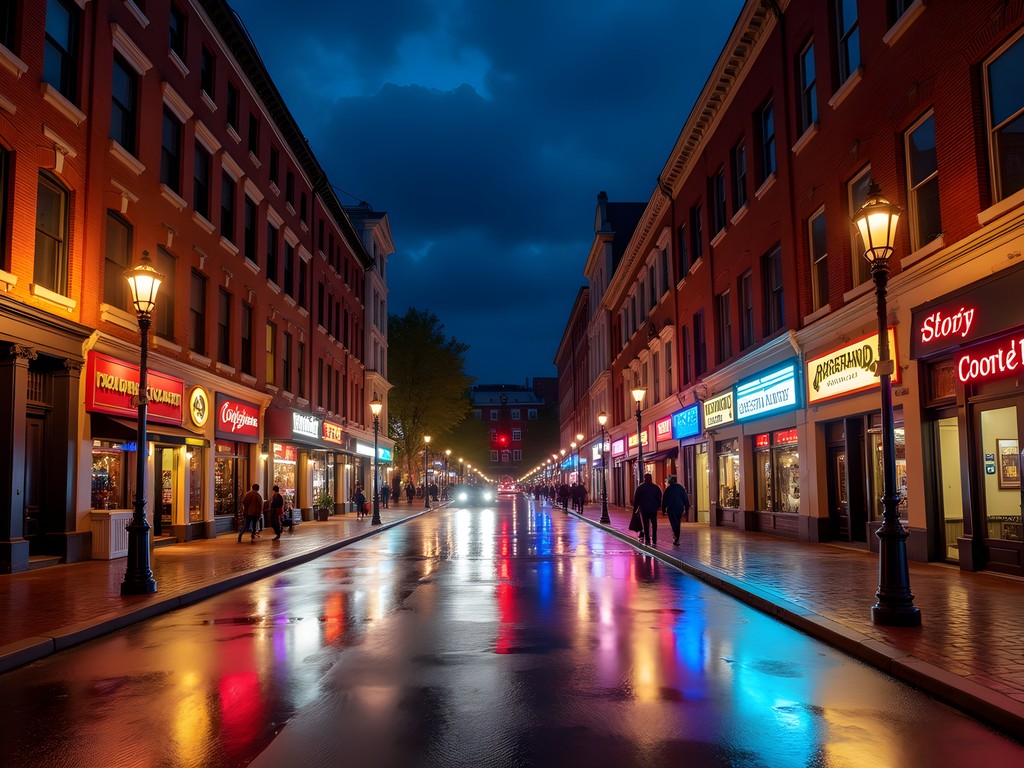
Cambridge transforms after sunset, offering photographers distinctive nighttime opportunities that differ markedly from daytime compositions. Harvard Square's blend of historic buildings and contemporary storefronts creates interesting juxtapositions under artificial lighting. The contrast between warm-toned restaurant windows and cooler street lighting provides natural color contrast.
For steady night shots without carrying a full-sized tripod, I rely on my compact camera clamp which attaches to railings or street furniture. This has proven invaluable for capturing the lively evening atmosphere around Harvard Square without attracting undue attention.
MIT's campus offers spectacular night photography opportunities, particularly along the Infinite Corridor and Killian Court. The Green Building, when illuminated, provides strong vertical lines against the night sky. Having photographed numerous university campuses at night across Europe, I find MIT's lighting design particularly photographer-friendly, with thoughtful illumination that highlights architectural features.
For those interested in astrophotography, the Harvard College Observatory occasionally hosts public nights. While urban light pollution limits deep-space photography, the historic instruments themselves make compelling subjects. I recommend bringing a lens cleaning kit as the combination of night humidity and heating systems can create troublesome condensation on lenses during these sessions.
💡 Pro Tips
- Use architectural lighting to create dramatic shadows and highlights in Harvard Square
- Capture light trails on Massachusetts Avenue with longer exposures
- Visit the Harvard College Observatory during public nights for unique astronomy-themed photography
Final Thoughts
Cambridge offers photographers a rare combination of historical depth, architectural diversity, and natural beauty that changes dramatically with the seasons. While autumn provides the most visually stunning backdrop, each season reveals different facets of this intellectual enclave. As someone who has photographed university towns from Heidelberg to Oxford, I find Cambridge's blend of European influence and distinctly American character particularly compelling. The proximity of Harvard's traditional forms to MIT's experimental structures creates a visual conversation about past and future that photographers can explore within a single day's walk.
Whether you're visiting for a weekend or extending your stay, approach Cambridge with curiosity beyond the obvious postcard shots. The real photographic treasures often lie in the quiet corners: morning light on a worn marble step, the geometric shadows cast by MIT's contemporary buildings, or the contemplative spaces of Mount Auburn Cemetery. Pack your camera, comfortable shoes, and a spirit of exploration—Cambridge rewards those who look beyond the obvious with images that capture both its intellectual legacy and living vibrancy.
✨ Key Takeaways
- Visit Cambridge in autumn for the most dramatic combination of architecture and natural beauty
- Photograph Harvard Yard and popular locations during early morning hours to avoid crowds
- Explore beyond the famous campuses to discover authentic photographic opportunities in residential neighborhoods
- Balance your portfolio between daytime architectural shots and evening urban photography
📋 Practical Information
Best Time to Visit
September-November (peak fall foliage typically mid-October)
Budget Estimate
$200-400 for a weekend (excluding accommodations)
Recommended Duration
2-3 days
Difficulty Level
Easy
Comments
Stephanie Romano
Katherine, your post brought back wonderful memories of our family trip to Cambridge last spring! With three kids (8, 11, and 14), we worried about keeping them engaged while I took photos, but Cambridge turned out to be perfect. The kids loved the Harvard Museum of Natural History while I photographed the gorgeous glass flowers collection. We also discovered the MIT Museum's technology exhibits were a hit with the teenagers. For families wanting to combine photography with kid-friendly activities, I recommend the self-guided Harvard Yard scavenger hunt (free PDF on Harvard's website). It kept our kids busy spotting historical markers while I captured architectural details at my own pace. The ice cream at Toscanini's afterward was the perfect bribe for patient children!
Katherine Fisher
That scavenger hunt tip is brilliant, Stephanie! I'm going to add it to the family section in my next update. And yes, Toscanini's ice cream is definitely worth photographing before it melts! 😄
roamlife
OMG YOUR HARVARD YARD AUTUMN PHOTOS!!! 😍😍😍 I'm literally planning my trip for next fall just based on this post! Can't wait to see those red brick buildings with the colorful leaves! Definitely saving all your location pins!
globeclimber
Has anyone tried night photography along the Charles? Wondering if it's safe to bring camera gear there after dark and if you need a tripod for decent shots of the city lights?
wildhero
Did it last year - definitely bring a tripod for the long exposures. The area by the Harvard Bridge is well-lit and busy enough that I felt safe. Beautiful reflections on calm nights!
Jennifer Rodriguez
This guide is so comprehensive! I visited Cambridge on a budget last fall and found some additional photo spots worth mentioning: 1. Mount Auburn Cemetery - incredible Victorian funerary art and fall foliage 2. The Cambridge Public Library - the glass facade creates interesting architectural compositions 3. Central Square street art - constantly changing urban photography canvas For budget travelers: I saved by using the MBTA day pass ($12) instead of rideshares, and found the free MIT Architecture walking tour provided excellent photo opportunities with contextual information. I used my wide angle lens for tight interior spaces like Memorial Hall, which was definitely worth bringing along.
wildhero
Great post! Those MIT reflection shots in the Killian Court puddles are genius. Never would've thought of that!
sunsetclimber
I'm heading to Cambridge next month with just my phone camera. Any tips for getting decent shots of the Harvard buildings without professional equipment? Also wondering if there are any photography restrictions inside the libraries?
Katherine Fisher
Modern smartphones can capture Harvard beautifully! For the buildings, try HDR mode to handle the contrast between stone facades and sky. Widmer Library allows non-flash photography in the reading room, but many special collections areas prohibit photos. The Harvard Art Museums are more restrictive - check with staff about current policies.
mountainway
Just got back from Cambridge last week! Your timing tips for Harvard Yard were spot on - I went early on a Sunday morning (around 7:30am) and got some beautiful shots without crowds. The light filtering through the trees near the John Harvard statue was magical. I also discovered that late afternoon at MIT's Stata Center creates some really interesting shadow patterns on that wild Gehry architecture. Did anyone else notice how the Charles River path gets super crowded with joggers around 5-6pm? Had to wait quite a while for clear skyline shots.
Stephanie Romano
The jogger situation is real! We found early morning (like 6:30-7am) was much better for Charles River shots. The mist coming off the water with the sunrise was worth the early alarm!
mountainway
Oh I bet that was gorgeous! Wish I'd gotten up earlier now. Did you catch any rowing teams practicing? That would've been a cool action shot.
BostonLocal45
If you're visiting in fall, don't miss Mount Auburn Cemetery for foliage shots! It's technically in Watertown but right next to Cambridge. The colors are incredible and it's much less crowded than Harvard Yard.
Katherine Fisher
Great suggestion! Mount Auburn is a hidden gem for photographers. The Washington Tower there also offers amazing panoramic views of the Boston skyline.
LensMaster99
Just stunning work! Bookmarking this for my trip next year.
Casey Andersson
Katherine, you've captured the essence of Cambridge beautifully! I visited last winter and found the historic neighborhoods absolutely charming under a light dusting of snow. For anyone planning a photography trip there, I'd recommend bringing a versatile zoom lens - I used my travel zoom for most shots and it handled everything from wide architecture to detailed collegiate crests perfectly. The Harvard Natural History Museum also offers incredible macro photography opportunities if you're there on a rainy day. Your tip about shooting Memorial Hall during quieter periods was spot on - I went early Sunday morning and had the place practically to myself!
explorewalker
The Natural History Museum is going on my list now! Thanks for the tip!
Venture X
Premium card with 2X miles, $300 travel credit, Priority Pass