
Disclosure: This article contains affiliate links. We may earn a commission from purchases at no extra cost to you, which helps our travel content.
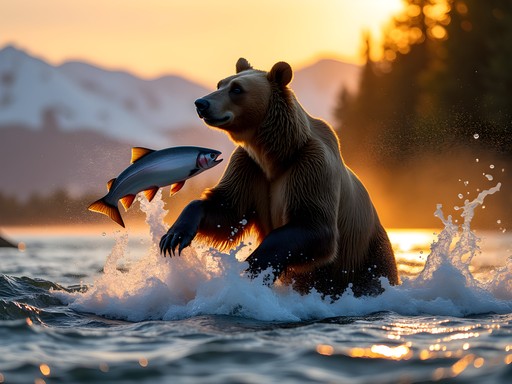
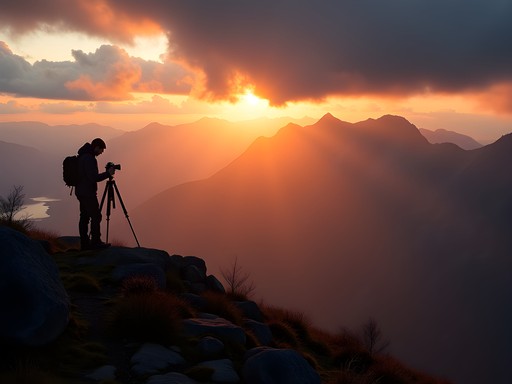
The moment I first locked eyes with a Kodiak brown bear through my viewfinder—massive, magnificent, and mercifully uninterested in me—I understood why photographers pilgrimage to this remote Alaskan island. As someone who's navigated both raging infernos and cultural boundaries across continents, I can tell you that few experiences match the primal thrill of photographing North America's largest predators in their natural habitat. This isn't just another wildlife photography destination; it's a masterclass in patience, respect, and the raw power of nature.
Preparing for Bear Country: Essential Gear & Safety
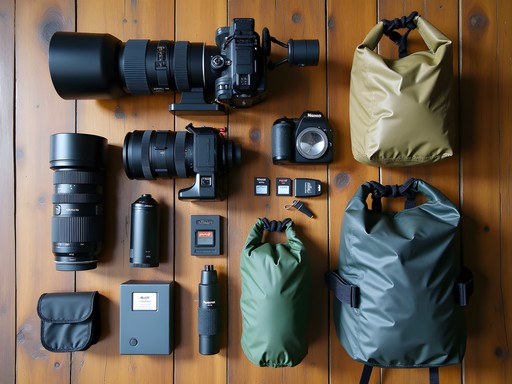
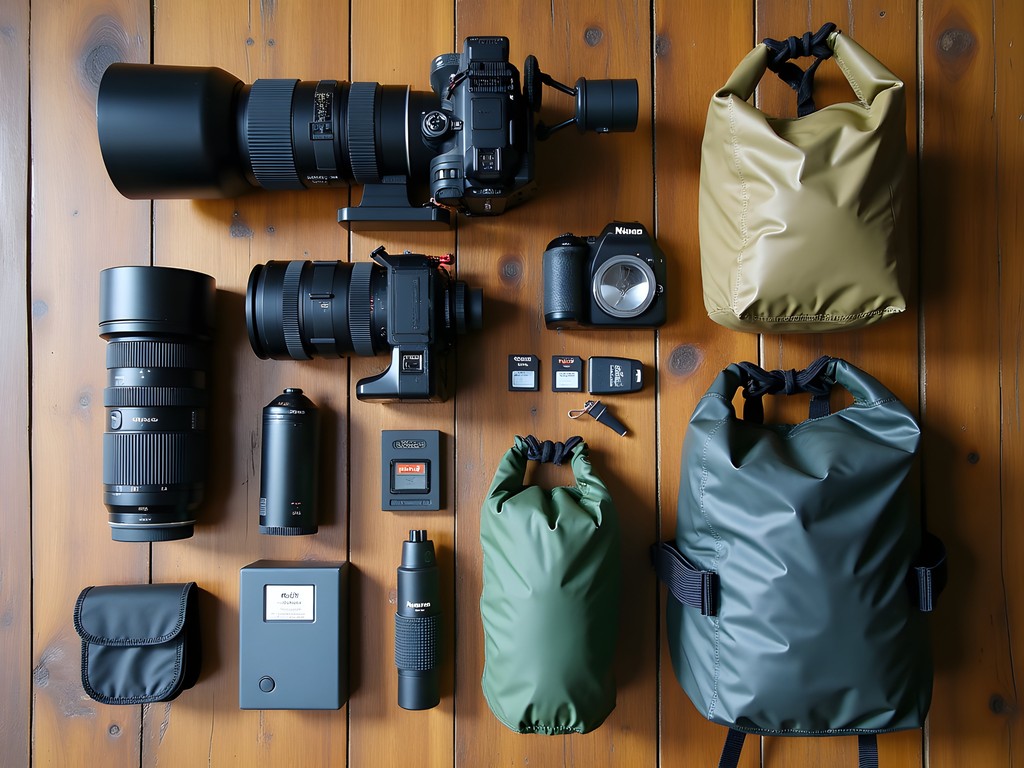
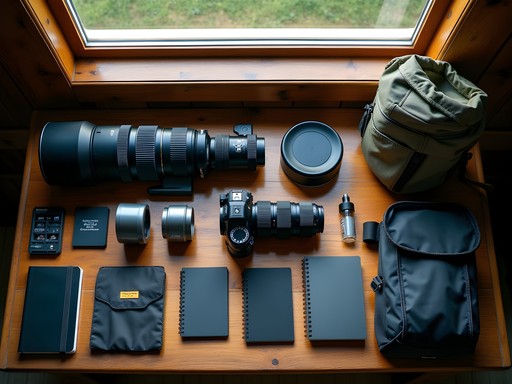
When packing for Kodiak, remember you're entering one of the most pristine yet challenging environments for wildlife photography. Your gear needs to withstand unpredictable weather while being portable enough for long hikes.
I learned this lesson the hard way during my first visit when an unexpected downpour nearly ruined my equipment. Now, I never venture into Kodiak without my rain cover, which has saved my gear countless times during sudden Alaskan weather shifts.
For those long waits at bear viewing platforms, a portable seat provides surprising comfort and weighs next to nothing. Trust a firefighter who's spent hours in uncomfortable positions—your back will thank you.
Safety equipment is non-negotiable. Bear spray should be accessible, not buried in your pack. And while it might seem excessive, investing in a satellite messenger could literally save your life in areas with no cell service. I've used mine to check in with rangers when weather turned nasty during remote shoots.
💡 Pro Tips
- Always carry bear spray and know how to use it
- Pack extra memory cards and batteries—charging opportunities are limited
- Bring a waterproof stuff sack for your gear during boat transfers
Finding the Bears: Prime Locations & Timing
Kodiak Island offers several world-class bear viewing locations, but timing and local knowledge make all the difference between returning with spectacular images or just mosquito bites.
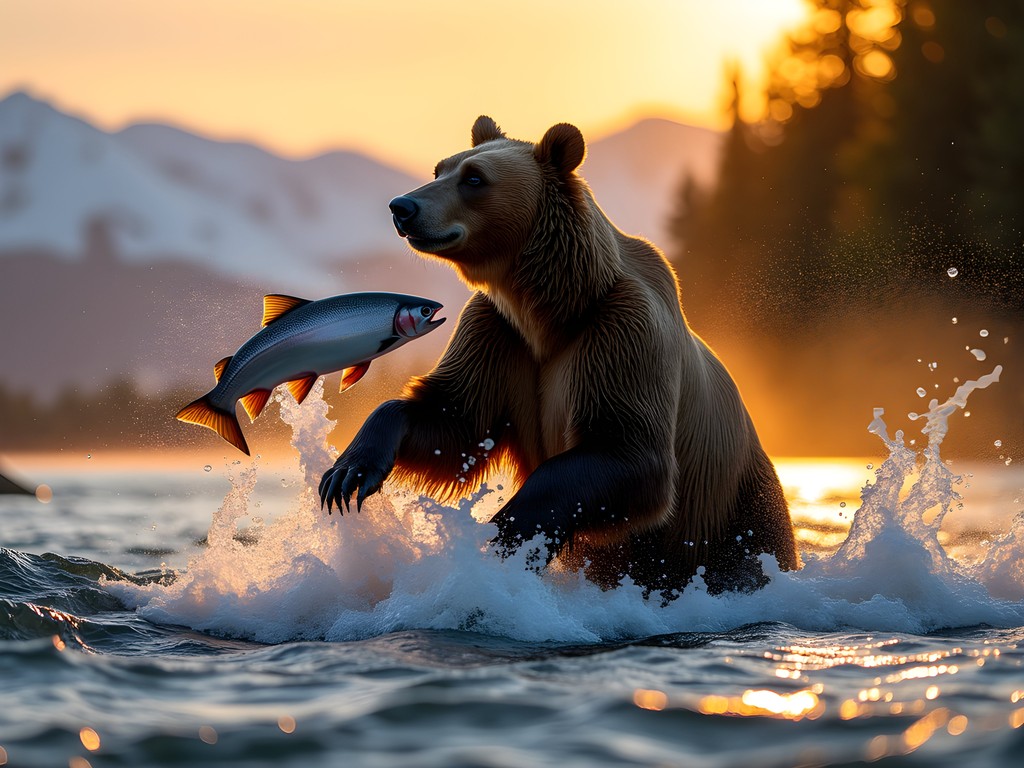
Frazer Lake stands as my personal favorite spot, where bears congregate to catch salmon at the fish pass. The elevated viewing platforms provide safety while offering clear shots of bears fishing. July through early September yields the highest concentration of bears, with mid-morning and evening hours providing optimal light.
For a more immersive experience, consider a guided trip to the Karluk River or O'Malley River. These require more planning but reward photographers with intimate bear encounters away from crowds. When I visited the Karluk with a local Alutiiq guide, we spent six uninterrupted hours photographing a mother and cubs foraging along the riverbank—a privilege few experience.
For landscape photographers, the Saltery River area combines bear viewing opportunities with stunning mountain backdrops. The hiking poles I brought proved invaluable for navigating the muddy, uneven terrain while carrying heavy camera equipment.
💡 Pro Tips
- Book guided bear viewing tours at least 6 months in advance
- Morning light (6-9 AM) provides the best illumination for bear photography
- Always yield to bears and maintain minimum 100-yard distance
Technical Tips: Camera Settings for Wildlife Success
Photographing Kodiak bears demands technical precision—these massive creatures can move with surprising speed when fishing or interacting.
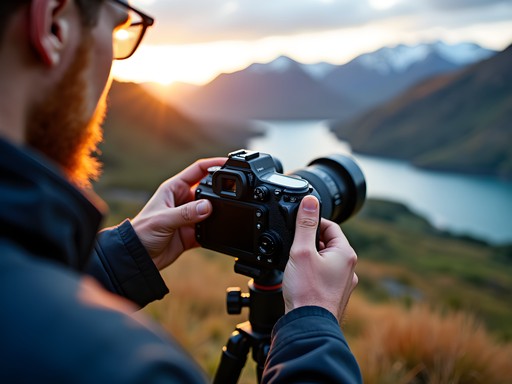
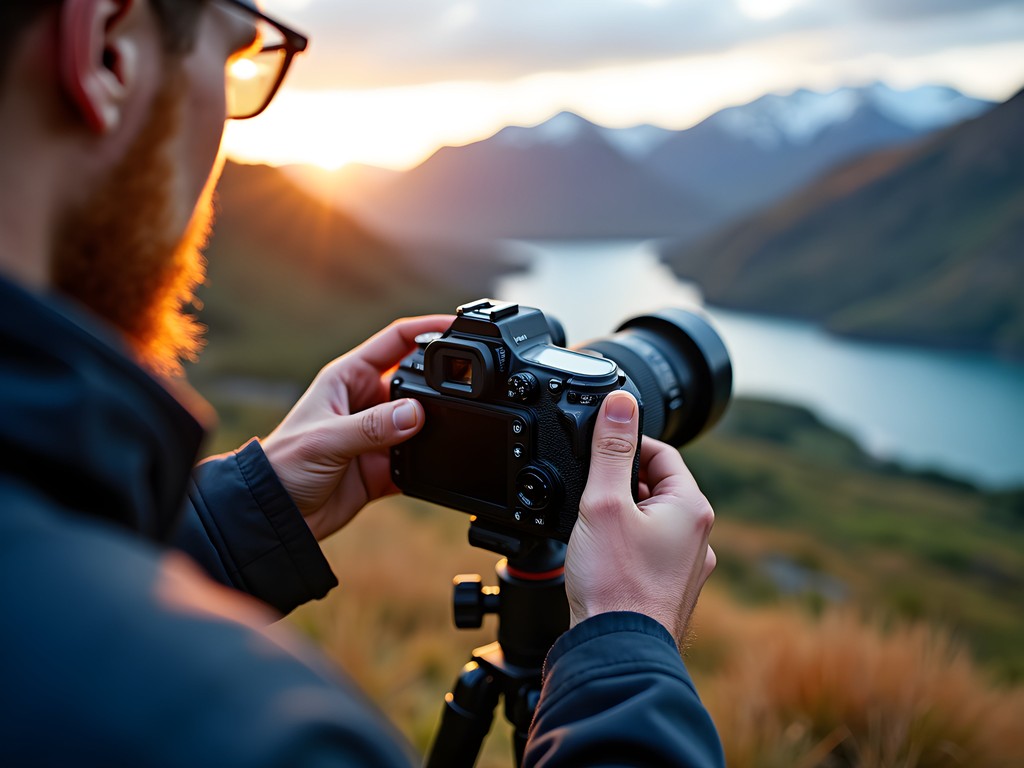
I typically shoot in aperture priority mode (f/5.6-f/8) with auto ISO (maximum 3200) to balance depth of field with fast enough shutter speeds. For bears in motion, aim for a minimum of 1/500s shutter speed, ideally 1/1000s or faster for action shots.
The variable Alaskan light presents challenges, especially with darker bears against bright water. I've found using exposure compensation (+2/3 to +1 stop for dark bears) helps maintain detail without blowing out backgrounds. Spot metering on the bear's face usually delivers the most balanced exposure.
For those serious about wildlife photography, a lens rain sleeve is worth every penny during Kodiak's frequent drizzles. It allows you to keep shooting when others have packed up—often when bears are most active.
Battery life diminishes quickly in cooler temperatures. I keep spares in an insulated battery pouch close to my body to maintain their charge. This simple solution has extended my shooting time by hours on cold mornings.
💡 Pro Tips
- Use burst mode for fishing action sequences
- Set up custom back-button focus for quicker response
- Underexpose slightly to preserve highlight detail in water splashes

Cultural Connection: Respecting Alutiiq Heritage
My Mi'kmaq ancestry has taught me that meaningful wildlife photography extends beyond technical skill—it requires understanding the cultural significance of the animals and landscapes we capture.
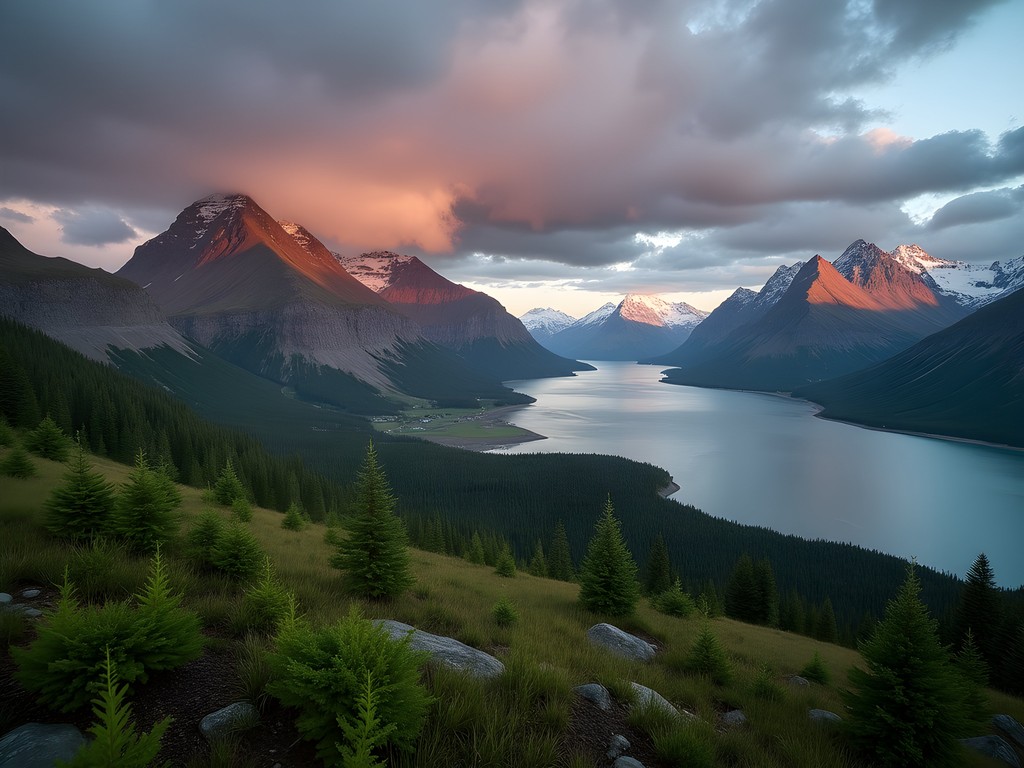
Kodiak's brown bears (Taquka'aq in Alutiiq) hold profound cultural importance for the island's indigenous Alutiiq people, who have coexisted with these animals for over 7,000 years. Before my first trip, I spent time at the Alutiiq Museum in Kodiak town learning about traditional perspectives on bears and proper protocols for encountering them.
This cultural context transformed my approach to photography. Rather than just seeking dramatic action shots, I began documenting bears' natural behaviors and relationships to the landscape—fishing techniques passed through generations, mothers teaching cubs survival skills, and the intricate ecosystem relationships.
I highly recommend visiting the Alutiiq Museum and supporting local indigenous guides who offer cultural interpretation alongside wildlife viewing. The field guide written in collaboration with Alutiiq elders provides invaluable context about the bears' significance and conservation challenges.
Remember that all of Kodiak Island is the ancestral homeland of the Alutiiq people. Photograph with gratitude and respect, understanding you're a guest in both bear and human territory.
💡 Pro Tips
- Visit the Alutiiq Museum before heading into the field
- Hire indigenous guides for deeper cultural context
- Learn a few Alutiiq words related to nature and bears
Beyond Bears: Landscape Photography Opportunities
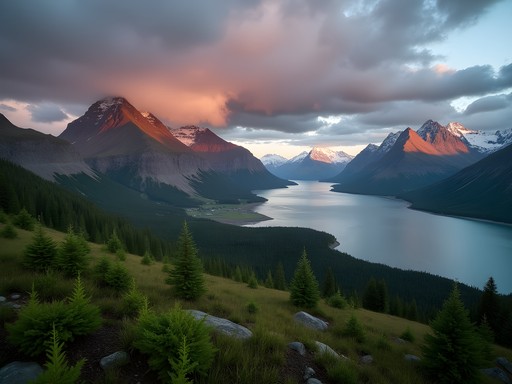
While bears rightfully steal the spotlight, Kodiak's diverse landscapes offer equally compelling photographic subjects. The island's 3,600+ square miles contain everything from mist-shrouded mountains to dramatic coastlines and verdant valleys.
Surton Bay provides stunning sunrise opportunities with mountains reflecting in still waters. For this location, I recommend arriving before dawn and using a gradient filter to balance the bright sky with darker foregrounds.
Pillar Mountain Road offers accessible panoramic views perfect for golden hour landscape photography. The road switchbacks provide multiple composition options as light changes. On clear evenings, I've captured remarkable alpenglow on distant peaks using my telephoto lens.
For those willing to hike, the Pyramid Mountain trail rewards photographers with sweeping vistas of mountains, valleys, and the ocean beyond. Pack light but don't forget a lightweight tripod for those low-light situations.
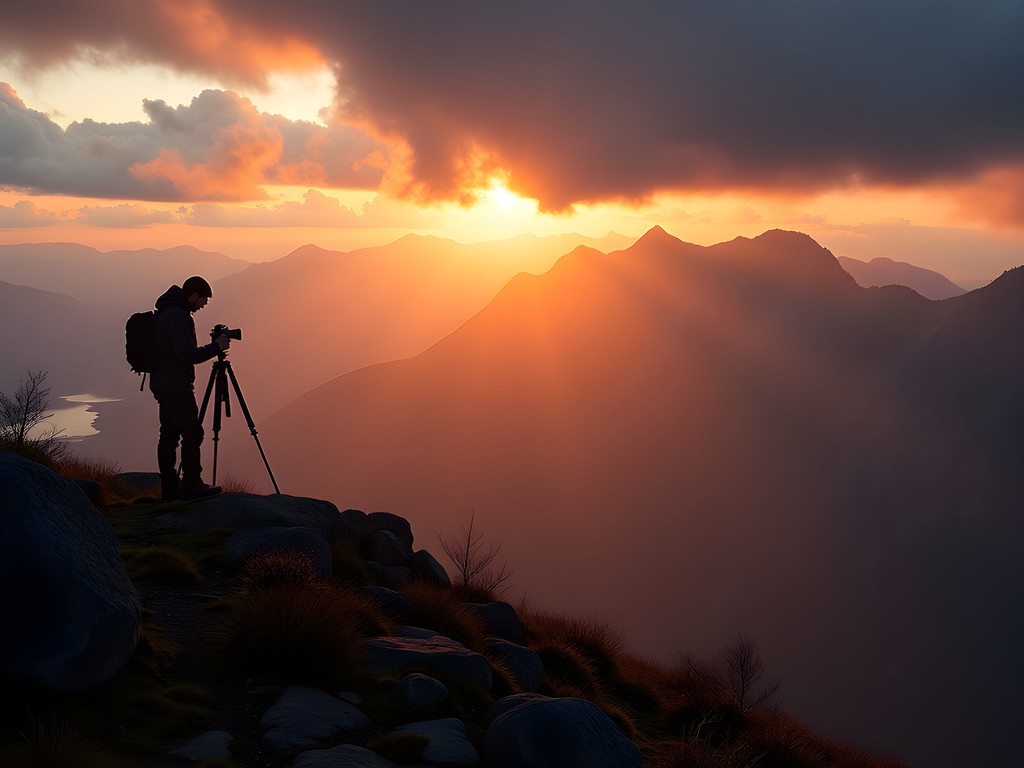
When photographing Kodiak's landscapes, patience with weather is essential. Some of my most compelling images emerged when storms partially cleared, creating dramatic light and atmosphere. The weather radio I carry provides forecasts when cell service disappears, helping me anticipate these magical moments.
💡 Pro Tips
- Scout landscape locations during midday when bear photography light is harsh
- Include people or wildlife for scale in vast landscapes
- Use polarizing filters to enhance the rich greens and blues of Kodiak's scenery
Final Thoughts
As my floatplane lifted off from Kodiak's emerald waters on my last day, I found myself already planning my return. There's something profoundly humbling about photographing creatures that could end you with casual ease, yet choose to go about their salmon-catching business instead. The island demands respect—for its bears, its weather, its indigenous heritage, and its raw wilderness.
Whether you're tracking massive browns with your telephoto or capturing the island's moody landscapes, Kodiak will challenge and reward you in equal measure. Come prepared technically and mentally, but also come ready to let go of expectations. Some of my most treasured images happened when plans dissolved in rain or when bears appeared where I least expected them.
As both a firefighter and photographer, I've learned that nature always has the final word. On Kodiak, that word is often 'patience.' But when everything aligns—the golden light, the magnificent bear, the perfect composition—you'll capture images that resonate with wild power long after you've returned home. The island's magic isn't just in what you photograph, but in how photographing here changes you.
✨ Key Takeaways
- Safety always comes first—maintain proper distance from bears and carry appropriate safety gear
- Early booking is essential for prime bear viewing locations during salmon runs
- Understanding cultural context enhances both your experience and your photography
- Weather preparedness can make or break your photography opportunities
- Patience yields the most authentic and powerful wildlife images
📋 Practical Information
Best Time to Visit
July through early September
Budget Estimate
$3,000-$5,000 for one week including flights, accommodations, and guided bear viewing
Recommended Duration
5-7 days minimum
Difficulty Level
Moderate

Comments
springking
JUST GOT BACK FROM KODIAK LAST MONTH AND THIS BRINGS BACK ALL THE FEELS! That moment when a bear looks directly at your camera is absolutely heart-stopping! Your tips about camera settings saved my shots - setting up custom presets for quick adjustments was key when that mama bear and cubs appeared suddenly at Frazer Lake. The float plane ride was terrifying for this acrophobe but 100% worth it. For anyone going - don't forget bear spray, but also don't forget extra memory cards! You'll take 3x more photos than you expect!
journeyone
Did you feel safe the whole time? I'm intrigued but honestly a little scared about being in bear territory!
springking
Totally get the concern! With a good guide, I felt surprisingly comfortable. The bears are focused on fishing, not humans. Just maintain distance and stay with your group. The guides are super knowledgeable about bear behavior!
wanderlustrider
Planning to go in July 2027. What focal length lens did you find most useful? I'm trying to decide between bringing my 100-400mm or renting something longer. Also, how were the mosquitoes?
Bryce Price
100-400mm is the sweet spot! I used mine for 90% of shots. Anything longer gets too heavy for hiking and you don't always need it. Mosquitoes in July can be brutal though - bring serious bug spray and a head net. They're relentless near water.
wanderlustrider
Perfect, thanks! Already have that lens so that saves me some money
hikingrider
Love the photos!
Sage Dixon
Bryce, this brought back so many memories! I spent a week in Kodiak two summers ago and it completely changed how I approach wildlife photography. That section about respecting Alutiiq heritage really resonated - I learned so much from the local guides about the deep connection between the land, the bears, and the people. One thing I'd add: bring way more memory cards than you think you need. I shot over 3,000 photos in 5 days because the light and wildlife encounters just kept coming. The floatplane rides alone are worth the trip!
Bryce Price
Sage! Yes, the memory card thing is SO true. I ran out on day 3 and had to delete some earlier shots. Never again! And agreed about the cultural aspect - that was unexpectedly one of the most meaningful parts of the trip.
freemate
WOW those bear photos are incredible!! Adding this to my bucket list right now
smartexplorer
This looks amazing! Quick question - how close can you actually get to the bears safely? And do you need a guide or can you go on your own?
Bryce Price
Great question! I'd strongly recommend going with a guide, especially for your first time. They keep you at safe distances (usually 50+ yards) and know bear behavior. Some areas require guides anyway. Safety first!
smartexplorer
Thanks! That makes sense
redblogger
Is September really the best time to go? I was thinking about early August. Would I still see plenty of bears then?
springking
Not the author but I went in early August last year and saw TONS of bears! They were all over the salmon streams. Just make sure to book your permits way in advance.
redblogger
Thanks for the tip! Did you need to book a special photography permit or just the regular visitor access?
springking
Just the regular access permit was fine. But if you want to visit Frazer Lake during peak season, book that specific permit months ahead!
Megan Martin
Bryce, this guide is exactly what I needed! I'm planning my first Kodiak trip for next summer, and your safety tips are invaluable. I appreciate how you emphasized respecting the bears' space and the Alutiiq heritage. I've photographed bears in Katmai before, but Kodiak seems like a whole different experience. I'll definitely be packing my weather-sealed camera bag after reading about those sudden weather changes you mentioned. Did you find the guided tours worth the expense compared to self-guided options?
redbuddy
Great guide! What telephoto lens would you recommend for bear photography that won't break the bank? And how close did you actually get to these magnificent creatures?
Bryce Price
Thanks for asking! I used a 100-400mm lens for most shots, which gave me plenty of reach while keeping a safe distance (typically 100+ yards). For budget options, consider renting if it's a one-time trip. The bears were focused on salmon fishing, which is why I could photograph them without disturbing their natural behavior.
redbuddy
Thanks for the insight! Renting is a great idea I hadn't considered.
journeyone
Those bear photos are absolutely incredible! I can't imagine being that close to such massive creatures.
Megan Martin
Right? Bryce really captured their power and presence. Makes me want to book a trip immediately!
Venture X
Premium card with 2X miles, $300 travel credit, Priority Pass