
Disclosure: This article contains affiliate links. We may earn a commission from purchases at no extra cost to you, which helps our travel content.
La Plata hits differently when you understand it was designed like a video game level—every diagonal avenue carefully plotted on a grid system that rewards exploration. After years of documenting Gothic cathedrals in Spain, I found myself captivated by this Argentine city's geometric precision and unexpected photographic opportunities. What started as a quick stopover from Buenos Aires turned into a weekend of discovering angles that would make any game designer jealous. Here's how to capture this architectural marvel without breaking the bank.

Understanding La Plata's Grid: Your Photography Game Plan
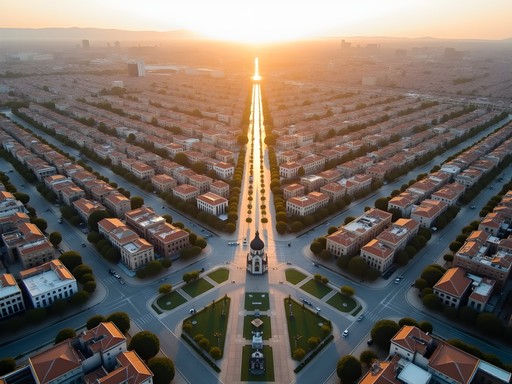
La Plata's layout follows a strict grid pattern interrupted by diagonal avenues—imagine a chess board with bishops cutting across every square. This 19th-century urban planning creates natural leading lines and vanishing points that photographers dream about. I spent my first morning just walking the diagonals with a city map marked up like a quest log, identifying intersection points where multiple diagonals converge.
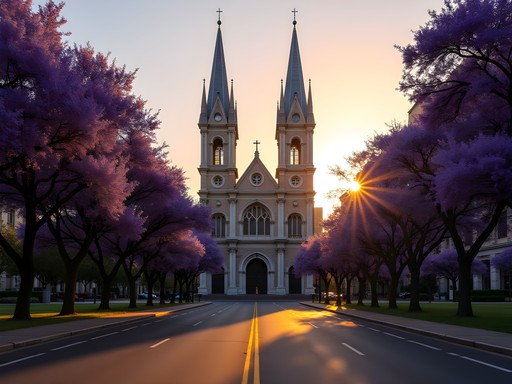
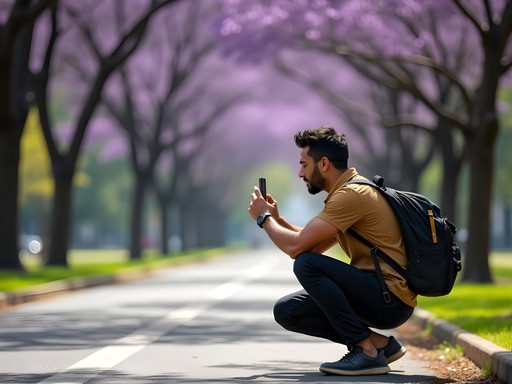
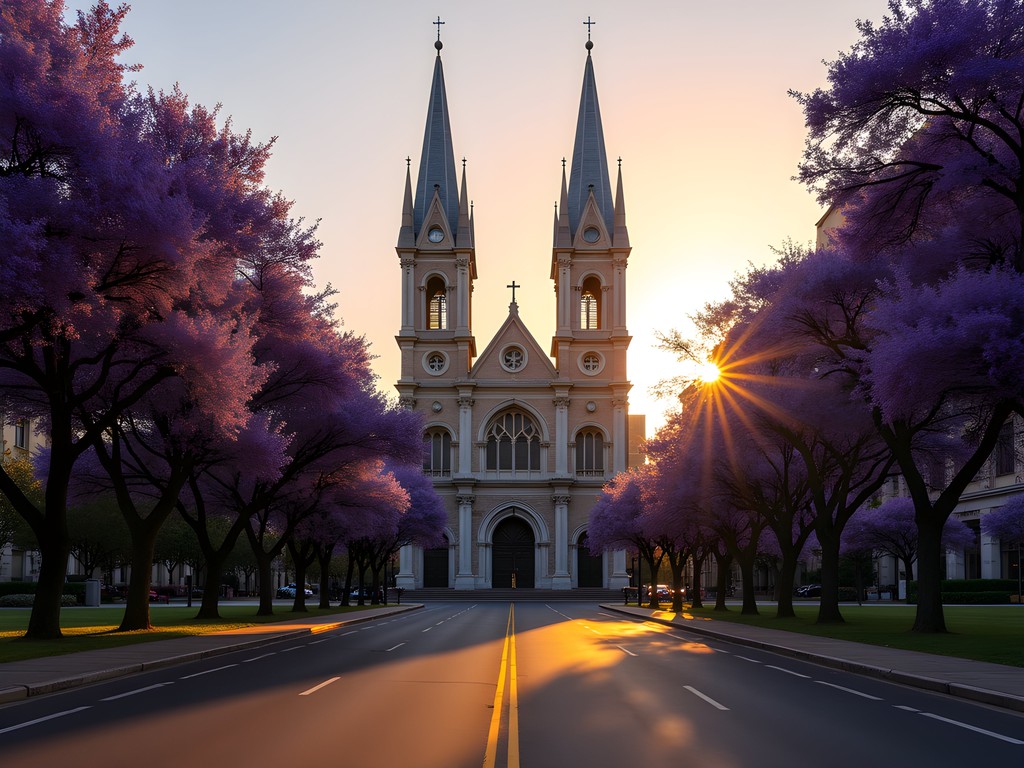
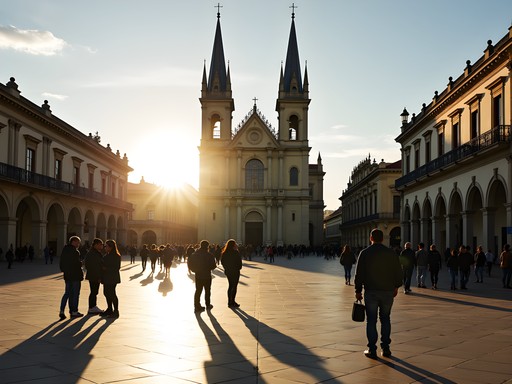
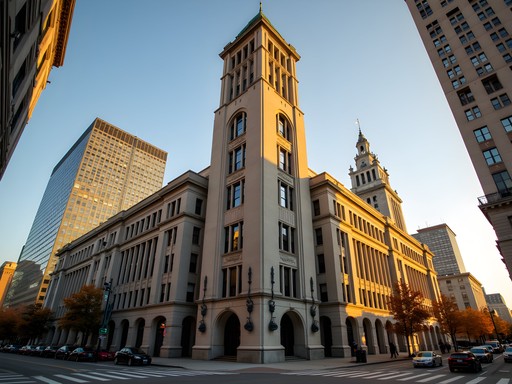
The city's founder, Dardo Rocha, positioned major landmarks at strategic grid points. Plaza Moreno sits at the absolute center, with the Cathedral and Municipal Palace forming a symmetrical composition that's almost too perfect. Spring brings jacaranda blooms that soften the geometric hardness with purple canopies—timing your visit for October or November adds an organic element to otherwise rigid compositions. The golden hour here lasts longer than you'd expect, with those diagonal streets channeling light in unexpected ways depending on your position.
💡 Pro Tips
- Download offline maps before arriving—cell service can be spotty in certain neighborhoods
- Start at Plaza Moreno and work outward in a spiral pattern to understand the grid system
- The diagonal avenues are numbered: focus on Diagonal 73, 74, and 80 for the best architectural shots
Essential Gear for Street Photography on a Budget
Forget the expensive kit. La Plata rewards mobility over megapixels. I've documented entire neighborhoods with just a smartphone and the right accessories. The real challenge isn't equipment—it's understanding light and composition in a city designed around mathematical precision.
That said, a lens cleaning kit is non-negotiable. The city's tree-lined streets kick up pollen and dust, especially during spring winds. I learned this the hard way when my sensor picked up spots that ruined an entire afternoon of cathedral interior shots. For stability during low-light cathedral photography, I've found that a bean bag support works better than a tripod—security guards often prohibit tripods inside, but a small bean bag on a pew goes unnoticed and provides excellent stabilization.
Memory management matters here. You'll shoot more than you think—those diagonal perspectives become addictive. Carry extra SD cards rather than relying on cloud backup with inconsistent WiFi.
💡 Pro Tips
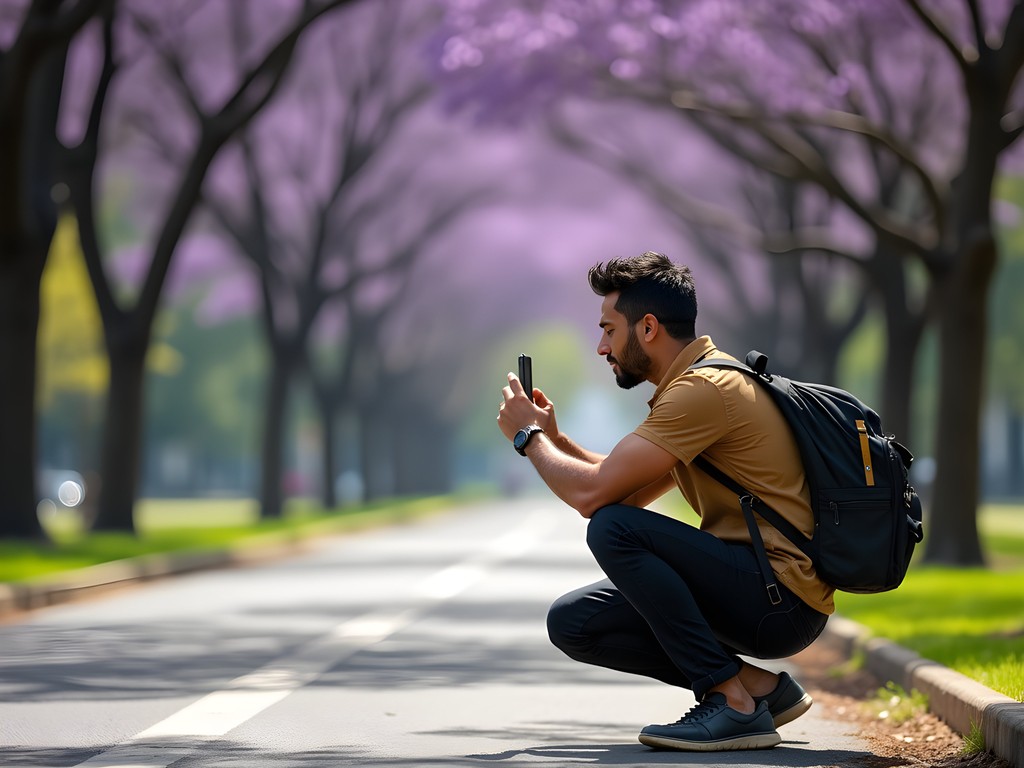
- Bring a microfiber cloth specifically for your phone screen—you'll be checking compositions constantly
- Pack a small LED light panel for cathedral interiors where flash is prohibited
- Consider a polarizing filter to cut glare from the many glass-fronted buildings
The Cathedral: Mastering Interior Architecture
La Plata's Cathedral rivals anything I photographed in Spain, and it's criminally under-documented. The neo-Gothic structure took 68 years to complete, and that patience shows in every detail. Unlike European cathedrals that charge admission, this one remains free—budget travel at its finest.
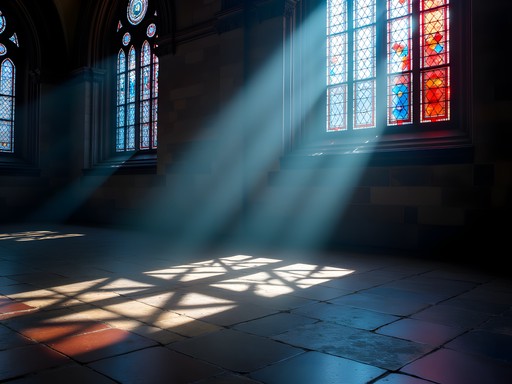
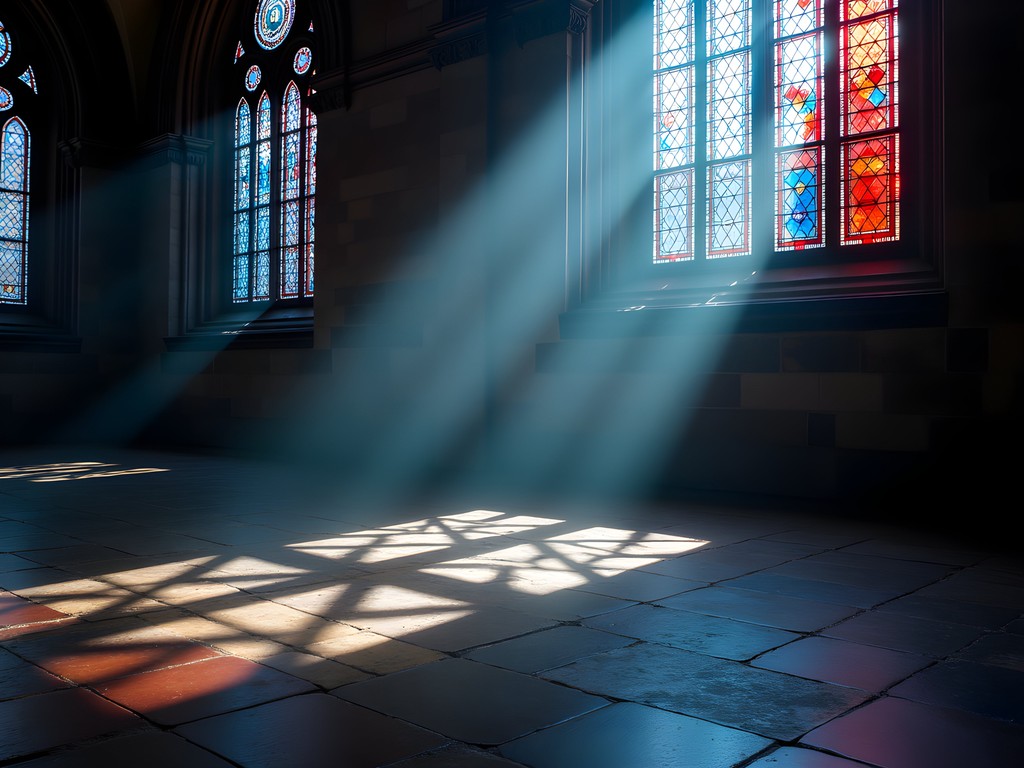
Interior photography here requires patience and planning. Natural light floods through stained glass between 10 AM and noon, creating color patterns on the stone floors that shift like a slow-motion kaleidoscope. I positioned myself near the central nave with a gray card to nail white balance—the mixed lighting from windows and electric fixtures can fool your camera's auto settings into rendering everything too warm or too cool.
The real treasure is the basement museum and the elevator to the tower viewpoint. For 200 pesos (roughly $2 USD), you access perspectives most photographers miss. The tower provides 360-degree views of the entire grid system—bring a lens cloth because the observation windows haven't been cleaned recently. Shoot through the glass carefully to avoid reflections, or wait for the attendant to unlock the exterior balcony if weather permits.
💡 Pro Tips
- Visit on weekdays before 11 AM to avoid tour groups
- The western facade photographs best in afternoon light—position yourself across Plaza Moreno
- Ask permission before photographing during services; respectful photographers are usually welcomed

Paseo del Bosque: Nature Meets Geometry
This massive urban park breaks the grid's rigidity with organic curves and water features. Think of it as the game's nature level after hours of architectural puzzles. The park contains the Natural Sciences Museum, amphitheater, observatory, and zoo—each offering distinct photographic opportunities within walking distance.
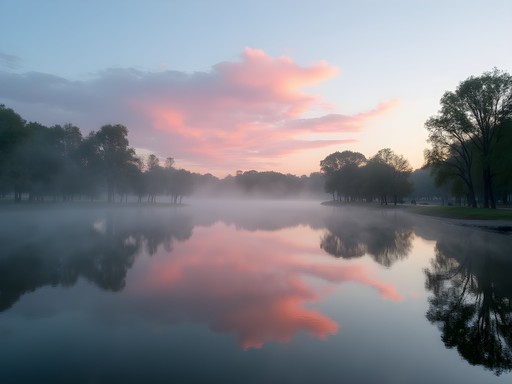
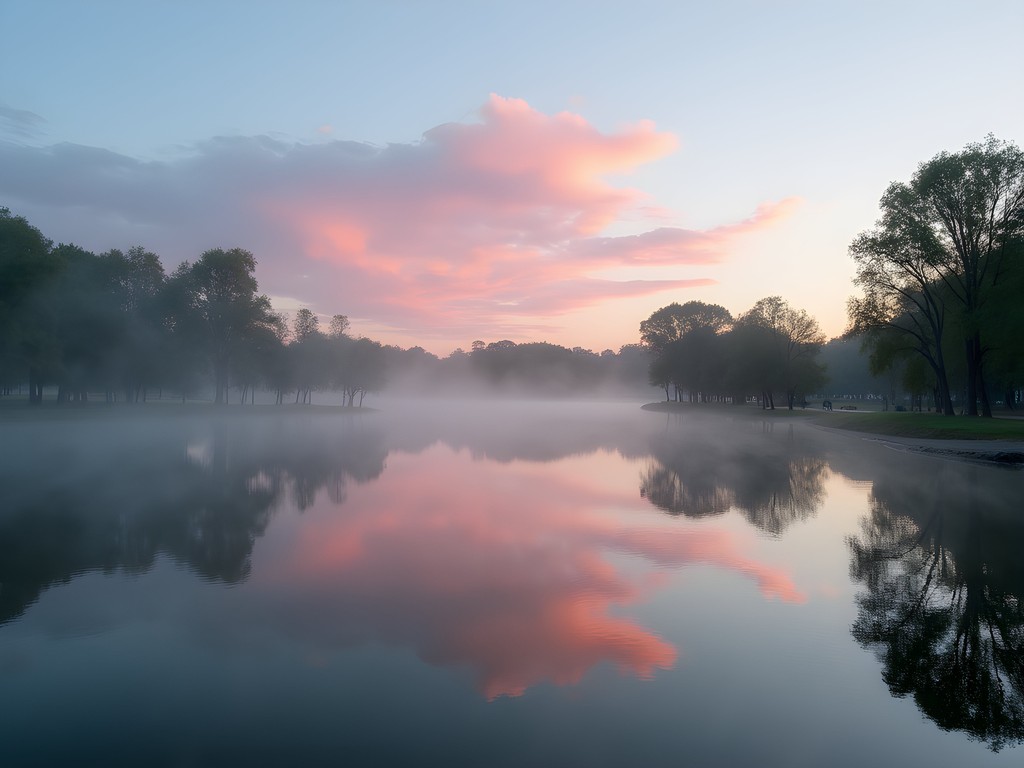
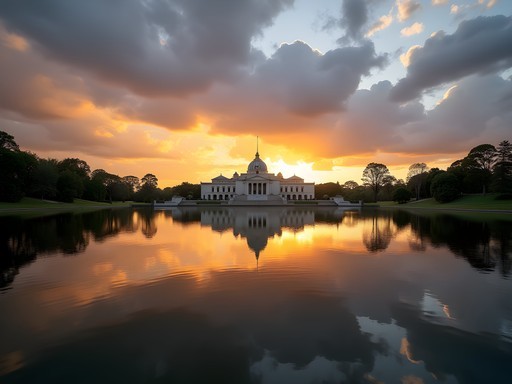
The lake provides reflection shots during calm mornings. I arrived at sunrise with a thermos of coffee and watched the water mirror the surrounding eucalyptus trees as light gradually filled the scene. The challenge is timing—wind picks up by 9 AM, destroying those glass-like reflections.
The Natural Sciences Museum deserves an entire afternoon. Its paleontology collection rivals anything in Buenos Aires, and photography is permitted without flash. The dinosaur skeletons positioned near tall windows create dramatic silhouettes during late afternoon. For macro work on the mineral collection, a clip-on macro lens transforms phone photography into detailed documentation rivaling dedicated cameras.
💡 Pro Tips
- The park's diagonal paths align with the city grid—use them as compositional guides
- Rent a bike for 300 pesos/hour to cover more ground efficiently
- The amphitheater hosts free concerts Friday evenings during spring—arrive early for stage setup shots
Budget-Friendly Logistics and Local Secrets
La Plata operates on a different economic rhythm than Buenos Aires. Accommodations near the university district run 3,000-4,500 pesos per night ($30-45 USD) for clean, basic rooms. I stayed at a hostel on Calle 7 that catered to visiting academics—quiet, WiFi-reliable, and walking distance to everything.
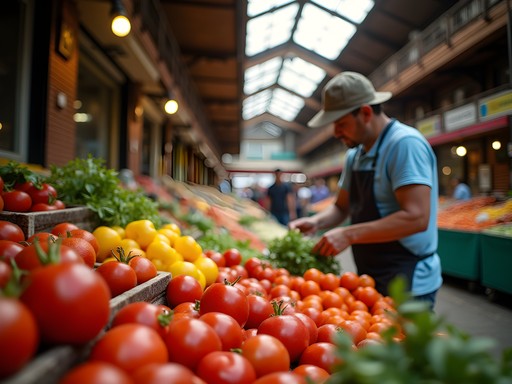
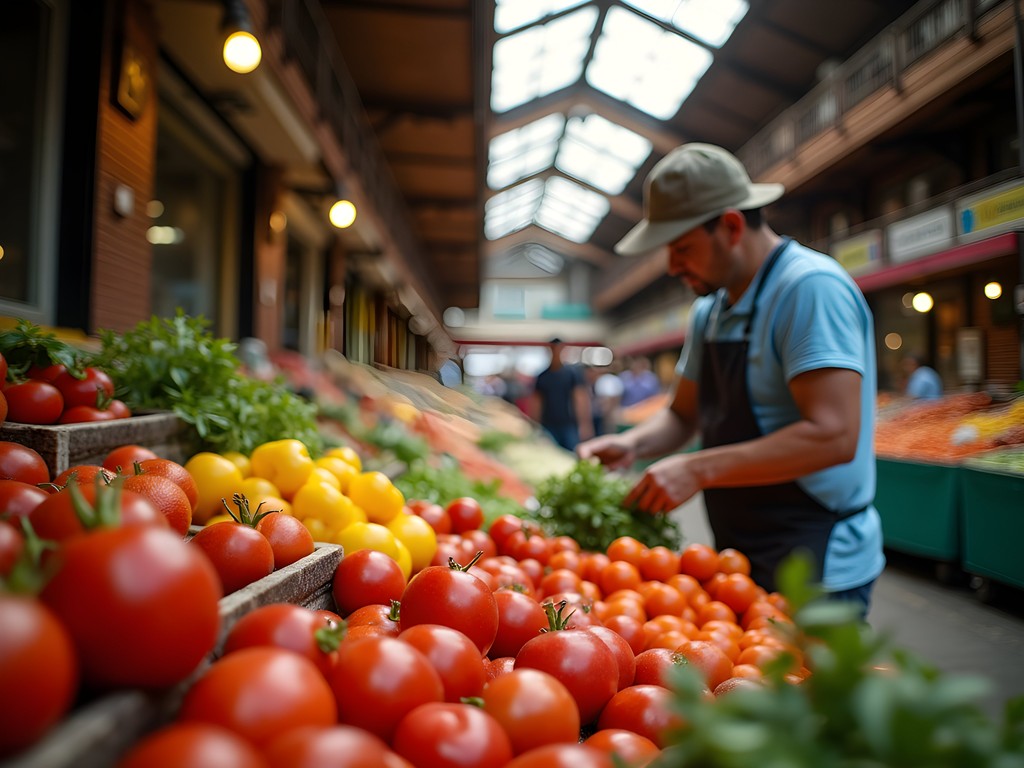
Food photography opportunities abound at Mercado Central on Calle 8. The morning light through the market's skylights creates dramatic top-lighting on produce displays and vendor portraits. Ask permission before photographing people—I've found offering to share the image via WhatsApp breaks the ice. Empanadas cost 150-200 pesos, and they're photogenic as hell when you catch the steam from a fresh batch.
Transportation is straightforward. The bus system follows the grid perfectly—lines 273 and 214 connect major photography spots. A SUBE card (rechargeable transit card) costs 90 pesos for the card plus whatever you load. Each ride runs about 60 pesos. I kept a card holder specifically for my SUBE card and Argentine pesos to avoid fumbling through my main wallet at bus stops.
💡 Pro Tips
- Exchange money in Buenos Aires before arriving—La Plata has fewer exchange houses with worse rates
- Download the BA Como Llego app for real-time bus tracking
- Many restaurants close between 3-8 PM—plan your shooting schedule accordingly
Final Thoughts
La Plata rewards photographers who approach it like a puzzle—understanding the grid system unlocks compositions that seem impossible at first glance. After fifteen years designing game environments, I recognize intentional design when I see it, and this city's geometric precision creates photographic opportunities you won't find in organic, medieval city layouts.
The budget-friendly aspect can't be overstated. For less than what you'd spend on a single day in Paris or Barcelona, you can thoroughly document an entire city designed around mathematical beauty. Spring timing is crucial—those jacaranda blooms transform rigid geometry into something softer and more approachable.
My challenge to you: shoot the entire weekend without using a single straight-on composition. Force yourself to find diagonal lines in every frame. It's a constraint that mirrors the city's design philosophy and will push your compositional skills further than any workshop. Share your results—I'm genuinely curious how other photographers interpret these geometric puzzles.
✨ Key Takeaways
- La Plata's grid system creates natural leading lines and vanishing points perfect for photography composition
- Budget accommodations and free attractions make this an ideal destination for cost-conscious photographers
- Spring timing (October-November) adds jacaranda blooms that soften the city's geometric architecture
📋 Practical Information
Best Time to Visit
Spring (October-November) for jacaranda blooms and comfortable temperatures
Budget Estimate
$150-250 USD for a weekend including accommodation, food, and local transport
Recommended Duration
2-3 days for comprehensive photography coverage
Difficulty Level
Moderate
Comments
tripmaster
YES! La Plata is so underrated!! I spent 3 days there last year and the diagonal streets totally mess with your head at first but then you realize they're genius for photography. Those sunset shots down Diagonal 74 are incredible. The cathedral is absolutely worth the climb to the top if you can handle the stairs. Also the natural history museum in Paseo del Bosque is surprisingly cool.
nomadqueen
how long are the stairs? not super fit lol
tripmaster
like 200+ steps? but you can stop at platforms. totally worth it!
nomadqueen
Never heard of this place but looks amazing!
mountainguy
Going there next week! Any restaurant recommendations near Paseo del Bosque? Would love to grab lunch between shooting sessions.
beachphotographer684
What time of day did you find best for shooting the diagonal streets? Trying to figure out lighting for my trip in May.
Skyler Young
Early morning around 7-8am or late afternoon 5-6pm. The diagonals run northeast-southwest so you get amazing side lighting during those times!
skyone
That cathedral shot with the light coming through is absolutely stunning. Makes me want to book a flight right now haha. Thanks for sharing this guide, definitely saving it for future reference.
vacationwanderer
Really cool photos!
wanderlustlife
This is so helpful! I visited La Plata last year but totally missed the diagonal thing until like day 3. Wish I'd had this guide then because once you see the pattern it's like the whole city makes sense. The cathedral shots are insane btw. Did you use a tripod inside or just crank up the ISO?
Skyler Young
Thanks! No tripod allowed inside unfortunately, so I shot handheld at ISO 3200. The natural light through those windows is incredible though.
Jose McDonald
Dude this is EXACTLY what I needed! Heading to Buenos Aires next month and was planning to skip La Plata but now I'm definitely adding it to the itinerary. That section about the budget gear is clutch - I've been shooting with a basic setup for years and it's good to see someone acknowledge you don't need $5k worth of equipment to get amazing shots. Quick question - how many days would you recommend for really exploring the photography spots?
bluevibes
How safe is it to walk around with camera gear? I usually travel with my DSLR and a couple lenses but wondering if I should be more careful there?
Jose McDonald
I was there in January and felt totally fine during the day. Just use common sense - don't flash expensive gear around at night in empty areas. The main tourist spots are super chill!
Nicole Russell
LOVE this approach to La Plata! I stayed there for a week back in 2024 and completely fell in love with the architecture. Your point about treating it like a puzzle is SO accurate. The diagonal avenues create these incredible vanishing points that you just don't get in other cities. Paseo del Bosque at golden hour is absolutely magical - I got some of my favorite shots ever there. Also the planetarium is worth checking out if you have extra time!
mountainguy
Did you need any special permits for shooting in the park? Planning a trip soon.
Nicole Russell
Nope! It's totally open and free. Just be respectful of people and you're good to go.
Venture X
Premium card with 2X miles, $300 travel credit, Priority Pass