

Disclosure: This article contains affiliate links. We may earn a commission from purchases at no extra cost to you, which helps our travel content.
There are places in this world that seem to exist in a different dimension of color, where the everyday palette is transformed into something that makes your camera practically beg to be used. Sidi Bou Said is precisely one of those magical spots. Perched on a cliff overlooking the Mediterranean Sea just outside Tunis, this Tunisian village is a photographer's dream draped in blue and white. I've photographed markets from Bangkok to Oaxaca, but nothing quite prepared me for the visual feast that awaited in this North African gem. After decades behind the lens capturing family moments and street food scenes across the globe, I found myself utterly enchanted by Sidi Bou Said's cobalt blue doors against pristine white walls, its winding streets adorned with cascading bougainvillea, and the golden Mediterranean light that transforms everything it touches. Join me as I share how to capture the essence of this Santorini-meets-North-Africa paradise during a perfect spring weekend.

The Perfect Light: Timing Your Photography in Sidi Bou Said
After thirty years of corporate training, I've learned that timing is everything—whether you're delivering a presentation or capturing the perfect shot. In Sidi Bou Said, this wisdom couldn't be more applicable.
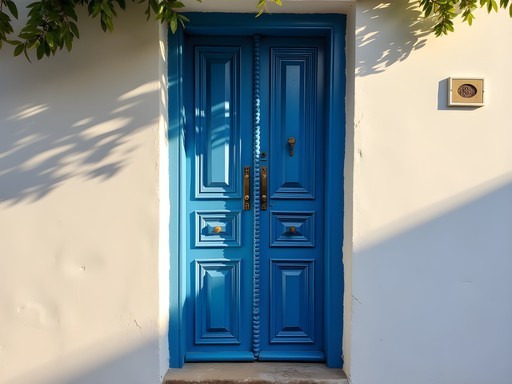
The village transforms dramatically throughout the day. Early morning (6:00-8:00 AM) bathes the white-washed buildings in a soft, golden glow that makes the blue accents pop without harsh shadows. This is when I captured some of my most treasured architectural shots—the ornate doorways and windows framed by white walls without the distraction of crowds.
By mid-morning, the tourist buses arrive, and while the village buzzes with energy (wonderful for street photography), the clean architectural shots become challenging. I found myself switching to my telephoto lens to isolate interesting vignettes and capture candid moments of visitors marveling at the village's beauty.
The absolute magic hour arrives just before sunset (5:00-7:00 PM in spring). As the day-trippers depart, the village exhales, and the light turns everything golden. This is when I set up at Café Sidi Chabaane to capture that iconic view of blue domes against the Mediterranean. The café's terrace offers the perfect vantage point, and while sipping mint tea, I could take my time composing shots as the light changed minute by minute.
Night photography in Sidi Bou Said reveals yet another personality of the village. The illuminated doorways against the deep blue evening sky create a mystical atmosphere that reminds me of fairy tales I used to read to my children years ago.

💡 Pro Tips
- Visit the village before 9 AM or after 4 PM to avoid tour groups and harsh midday light
- The golden hour (hour before sunset) creates magical lighting conditions for the blue and white architecture
- Book accommodations in the village to capture early morning and evening shots without rushing
Composition Techniques for Blue and White Magic
After years of photographing colorful night markets across Southeast Asia, Sidi Bou Said's limited blue and white palette presented a beautiful creative challenge. How do you create visual interest when working with essentially two colors? The answer lies in composition and texture.
Look for the contrast of geometric patterns against organic elements. The rigid lines of the architecture juxtaposed with flowing bougainvillea create compelling visual stories. I found myself drawn to doorways where the mathematical precision of blue arabesque designs met the chaotic beauty of cascading flowers.
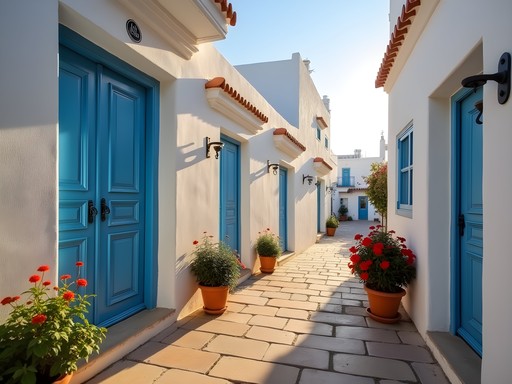
Framing is your best friend in Sidi Bou Said. Use archways as natural frames for Mediterranean views or distant minarets. Some of my favorite shots came from standing inside one blue doorway to photograph another across a narrow alley—creating a layered effect that adds depth to the two-dimensional medium.
For those traveling with a partner, Sidi Bou Said offers perfect opportunities for scale and human interest. I often asked my friend Marjorie to stand at a distance wearing neutral colors, providing both scale and a focal point without competing with the village's blue and white palette.
Don't overlook the details. The door knockers alone could fill an entire photo essay—each one unique and telling stories of craftsmanship passed down through generations. My macro lens rarely left my camera during our morning walks, allowing me to capture the intricate metalwork that adorns the village.
Remember to look down as well. The ceramic tiles and cobblestone patterns create leading lines that can draw viewers into your images. I often positioned my camera just 12 inches above interesting floor patterns, creating foreground interest that leads to a blue door or window in the background.

💡 Pro Tips
- Use the rule of thirds to position blue elements against white backgrounds for maximum impact
- Look for reflections in windows and puddles after rain for unique compositional opportunities
- Include small pops of other colors (like pink bougainvillea) to make the blue and white palette more dynamic
Capturing Culinary Delights in Sidi Bou Said
Food photography became my passion after my husband gifted me that first DSLR at 50, and Sidi Bou Said offers a feast for both the palate and the lens. The challenge here is capturing the vibrant foods against the village's predominantly blue and white backdrop.
Tunisian cuisine is a beautiful blend of Mediterranean and North African flavors, and the visual presentation is just as compelling as the taste. For the best food photography opportunities, I recommend visiting Café des Délices or Restaurant Dar Zarrouk, where traditional dishes are served with the Mediterranean as a backdrop.
When photographing food in Sidi Bou Said, I follow my three cardinal rules: find natural light, shoot from multiple angles, and capture the context. The outdoor terraces of most cafés provide perfect natural lighting conditions, especially during the golden hour when the warm light makes everything from couscous to seafood tagines look even more appetizing.
Don't miss photographing the ritual of Tunisian mint tea service. The pouring of tea from ornate silver teapots into small glass cups creates dynamic action shots, while the steam rising against the blue and white background adds an ethereal quality to your images. I often use my variable ND filter to slow my shutter speed just enough to capture the motion of the pouring tea while keeping everything else tack sharp.
Street food presents another wonderful photography opportunity. The bambalouni (Tunisian donuts) vendors near the main entrance to the village create a beautiful contrast—their golden fried treats pop against the blue and white surroundings. Get close with a wide aperture to capture the texture of the sugar-coated pastry while maintaining the distinctive Sidi Bou Said architecture in the soft background.
Remember that food photography tells cultural stories. Include hands preparing the food or the traditional serving vessels whenever possible. These human elements connect viewers to the experience and add authenticity to your culinary photo essay of this enchanting village.

💡 Pro Tips
- Use a 50mm lens for food photography to avoid distortion while maintaining intimacy
- Position food with the Mediterranean Sea or blue architectural elements in the background for context
- Capture the preparation process of Tunisian mint tea for dynamic action shots

Navigating Crowds and Respecting Local Culture
After decades in corporate training, I've developed a knack for reading a room—a skill that translates surprisingly well to travel photography. In Sidi Bou Said, understanding the ebb and flow of visitors and respecting local customs is essential for capturing authentic images.
The village experiences distinct crowd patterns. Tour buses typically arrive around 10 AM and depart by 4 PM. If you're staying in Tunis, consider arriving either on the first morning train or in the late afternoon to experience the village at its most photogenic and peaceful. During my spring visit, I found Tuesday and Wednesday to be noticeably quieter than weekend days.
When photographing locals, always ask permission first—a smile and a gesture toward your camera usually communicates your intention across any language barrier. I've found that purchasing something small from vendors before asking to photograph them creates goodwill. The craftsmen in Sidi Bou Said are particularly proud of their work and often happy to be photographed with their creations if approached respectfully.
Dress modestly out of respect for local culture. While Tunisia is relatively progressive, Sidi Bou Said is still a residential village, not just a tourist attraction. I typically wear lightweight linen pants and a loose-fitting top with a scarf that can cover my shoulders when entering more conservative areas or homes.
Consider your equipment carefully. My camera shoulder bag has been perfect for navigating the narrow streets without drawing too much attention or bumping into other visitors in tight spaces. It allows me to change lenses discretely and keeps my equipment protected from the salty sea air that can be damaging to sensitive electronics.
Finally, remember that many of the beautiful doorways you'll photograph are entrances to private homes. Capture your images from a respectful distance, and never push doors open or peer inside without invitation. The locals' warm hospitality shouldn't be taken for granted.

💡 Pro Tips
- Visit popular spots like Café des Nattes early morning or evening to avoid crowds
- Learn a few basic Arabic phrases to connect with locals when asking for photography permission
- Carry small prints of your previous travel photos to share with locals—it creates wonderful connections
Essential Photography Gear for Sidi Bou Said
After traveling to over 30 countries with my camera, I've learned to pack thoughtfully—bringing exactly what I need without weighing myself down. For Sidi Bou Said, a carefully curated kit will serve you better than an exhaustive one.
A versatile walk-around lens is your best friend in the narrow streets. I relied heavily on my 24-70mm f/2.8, which allowed me to capture both architectural details and wider street scenes without constantly changing lenses. The variable aperture let me create those dreamy bokeh effects with the blue doors in focus and backgrounds softly blurred.
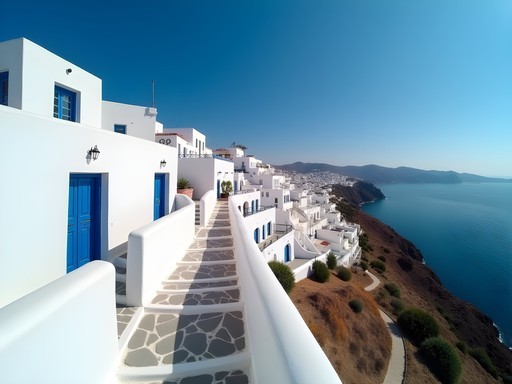
For those spectacular panoramic views from the hilltop, a wide-angle lens (16-35mm range) is essential. The sweeping vistas of the Mediterranean from the village's elevated position deserve to be captured in their full glory. I found myself returning to these viewpoints at different times of day, as the changing light transformed the scene from moment to moment.
A lightweight tripod is worth the extra weight for blue hour photography. As the village lights come on but the sky still holds that deep blue color, you'll want the stability for longer exposures. My travel tripod has been the perfect companion—sturdy enough for my full-frame camera yet compact enough to carry through the village without fatigue.
Don't forget polarizing filters to manage reflections and enhance the blue of both the Mediterranean and the painted doors. The strong Mediterranean sun creates harsh reflections on windows and glossy surfaces, and a good polarizer makes a dramatic difference in rendering those deep blue colors accurately.
Finally, carry extra batteries and memory cards. There's something about Sidi Bou Said that inspires photographers to shoot more than they anticipated. I typically go through two full batteries and at least 64GB of storage in a single day of shooting here. The combination of architectural details, sweeping vistas, and cultural moments creates an irresistible photographic playground.

💡 Pro Tips
- Keep a lens cloth handy—the sea breeze carries fine dust that settles on lenses
- A graduated ND filter helps balance exposure between bright white buildings and shadowed areas
- Consider a lightweight reflector to fill shadows when photographing doorway details in harsh midday light
Final Thoughts
As I packed away my camera on my final evening in Sidi Bou Said, watching the Mediterranean turn to liquid gold beneath the setting sun, I realized how this blue and white village had captured not just my photographer's eye but my heart. The beauty here isn't just in the striking color palette or the perfect light—it's in the centuries of cultural heritage expressed through every doorway, every tile, every cup of mint tea shared with newfound friends. Whether you're a seasoned photographer or simply someone who appreciates beauty, Sidi Bou Said rewards those who slow down and truly see. Come with patience, respect, and a willingness to wait for perfect light. The blue and white magic of this Tunisian gem will fill your memory cards—and your memories—with images that continue to enchant long after you've returned home. I know I'll be back, perhaps with my grandchildren next time, to show them how the world can sometimes feel like a living painting when you find yourself in just the right place.
✨ Key Takeaways
- Visit during spring for ideal photography conditions with comfortable temperatures and fewer crowds
- Plan your shooting schedule around early morning and late afternoon for the best light on the blue and white architecture
- Take time to connect with locals for more authentic photography opportunities
- Look beyond the obvious postcard shots to find unique compositions that tell deeper stories
📋 Practical Information
Best Time to Visit
Spring (April-May) or Fall (September-October)
Budget Estimate
$100-150 per day including mid-range accommodations, meals, and transportation
Recommended Duration
2-3 days minimum to capture different lighting conditions
Difficulty Level
Easy
Comments
photoninja
Pro tip: bring a polarizing filter for the Mediterranean shots. Makes a huge difference with the water and sky contrast. I used my circular polarizer and the blues just popped. Also second everything about golden hour - that's when the magic really happens.
Amit Sullivan
Beautiful piece, Gabriella. Your section on respecting local culture really resonated with me. I visited Sidi Bou Said three years ago and spent an afternoon just sitting in Café des Nattes, chatting with the owner about the history of the village. He told me stories about how artists like Paul Klee were drawn to these same blues and whites in the 1920s. Sometimes the best photographs come after you've put the camera down and just listened. The mint tea there is exceptional, by the way - don't rush it.
Gabriella Greene
Absolutely agree, Amit. Those conversations always enrich the experience so much more than just shooting and leaving.
adventurechamp
Going there next month! Can't wait
Frank Garcia
Solid guide, Gabriella. I'd add that weekday mornings (especially Tuesday-Thursday) are significantly quieter than weekends. The cruise ship schedule also matters - when ships dock in Tunis, the village gets absolutely mobbed between 10am-3pm. I found that staying until after sunset gave me some of the best shots with zero tourists in frame. The local café owners are also more relaxed about letting you photograph once the crowds thin out.
photoninja
The cruise ship tip is gold! Didn't know that
bluechamp
What camera settings did you use for the white buildings? Always struggle with exposure on bright walls.
Gabriella Greene
Great question! I usually underexpose by about 1/3 to 2/3 stop to preserve detail in the whites. You can always bring up shadows in post but blown highlights are impossible to recover.
bluechamp
Thanks! That makes sense
starlife
Those blue door shots are stunning!
Frank Garcia
Great composition breakdown, Gabriella. I spent a week in Sidi Bou Said doing a photo project and your point about respecting locals while shooting is crucial. I found that smiling and asking permission (even with gestures) opened up so many more authentic moments than just snapping away. The shopkeepers especially appreciated it. One thing I'd emphasize is backing up your photos daily - the humidity from the Mediterranean played havoc with my memory cards. Also, if anyone's shooting with a phone, the HDR mode actually works really well for those high-contrast blue and white scenes. The village has such a different energy in early morning vs. late afternoon - both worth experiencing.
tripone
We visited Sidi Bou Said last October and your timing advice is spot on! We made the mistake of arriving at noon on our first day and the light was so harsh. Came back at golden hour the next day and wow, what a difference. Also loved Café des Nattes for mint tea - the views from there are incredible. One tip I'd add is bring comfortable shoes, those cobblestone streets are no joke and we did way more walking than expected. Thanks for this guide, wish I'd had it before our trip!
journeylife
Good to know about the shoes! How long did you spend there?
tripone
We did 2 full days which was perfect. Could have done it in one but really enjoyed the slower pace
journeylife
Quick question - what camera settings did you use for the white buildings? I always struggle with exposure on bright white walls and end up with everything blown out. Any tips for a beginner?
Frank Garcia
Not Gabriella but I was there last year - try spot metering on the shadows instead of the whites. Also shoot RAW so you can recover highlights in post. The contrast there is insane!
dreamblogger
Those blue door shots are stunning! Adding this to my bucket list
journeylife
Same! Have you been to Tunisia before?
dreamblogger
Not yet but planning for spring 2027. You?
Venture X
Premium card with 2X miles, $300 travel credit, Priority Pass