
Disclosure: This article contains affiliate links. We may earn a commission from purchases at no extra cost to you, which helps our travel content.
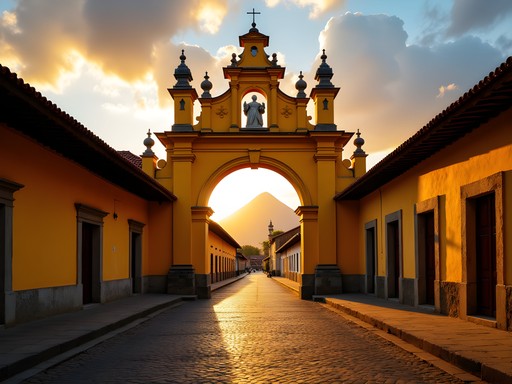
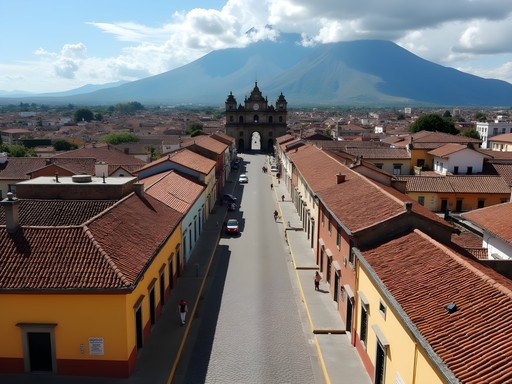
Standing beneath the shadow of three volcanoes, Antigua's cobblestone streets whisper stories of colonial past and indigenous resilience. As a climate scientist who has spent years documenting how traditional practices intersect with modern sustainability challenges, I've found Antigua to be a microcosm of this delicate balance. The city's markets and boutiques aren't just shopping destinations—they're living museums where Mayan heritage continues to evolve through the hands of skilled artisans. Join me as we navigate this UNESCO World Heritage site's most authentic shopping experiences, where every purchase carries the weight of centuries-old tradition and directly supports local communities adapting to our changing world.

Navigating Antigua's Mercado de Artesanías
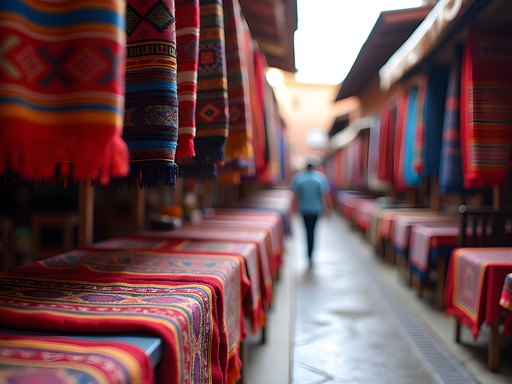
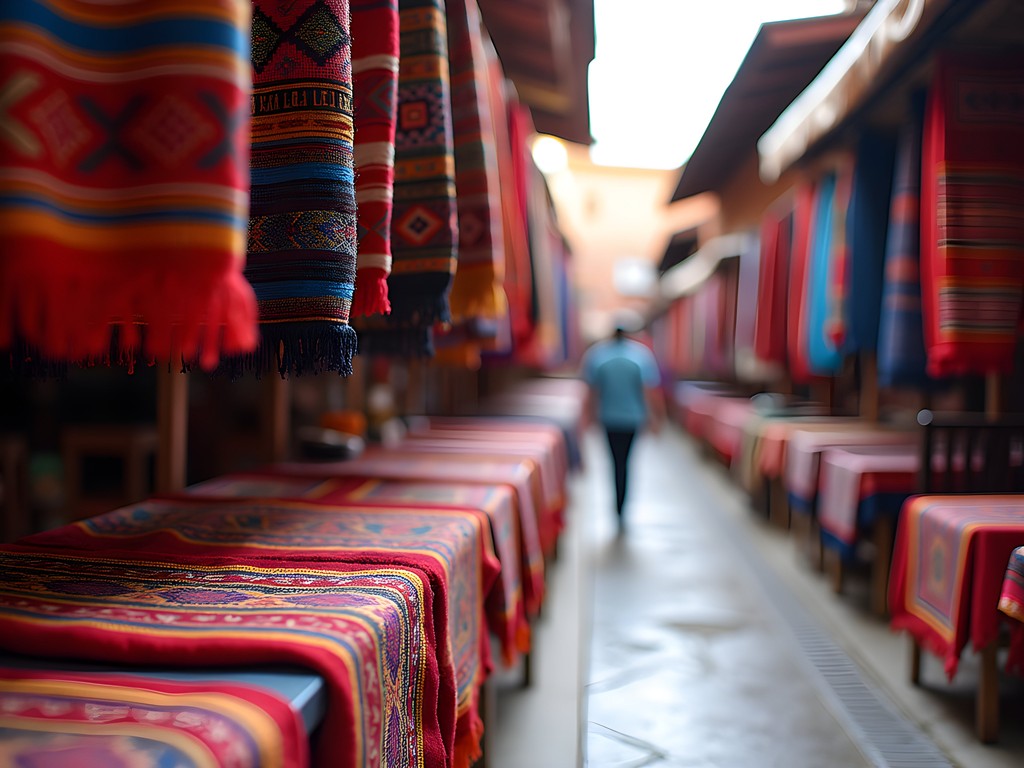
The pulsing heart of Antigua's artisan scene lies within the sprawling Mercado de Artesanías, located just west of the city center near the bus terminal. Unlike the polished boutiques that line the tourist corridors, this market offers an unfiltered glimpse into Guatemala's craft economy.
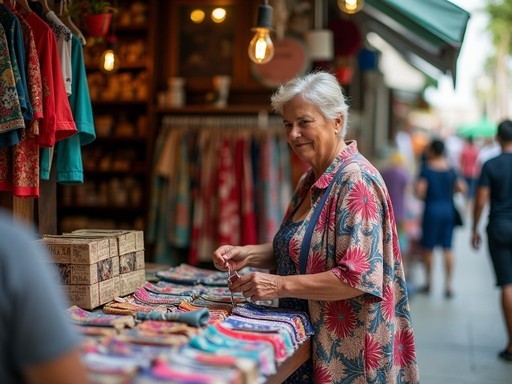
On my first visit, I was overwhelmed by the kaleidoscope of textiles hanging from every available surface—each region of Guatemala represented through distinctive patterns and techniques. The market follows a loosely organized layout where vendors cluster by craft type: textiles in one section, woodwork in another, jade and ceramics elsewhere.
I've spent countless hours here conversing with weavers who explained how their backstrap loom techniques—unchanged for centuries—create textiles that tell stories of their communities. Many artisans here are women from surrounding villages who rise before dawn to travel into Antigua, carrying their handmade goods and often their children.
Navigating the market requires patience and respect. I always carry my purchases in a reusable market bag that folds into itself—perfect for accumulating treasures while minimizing plastic waste. For documenting the incredible textiles and crafts, my compact camera has been invaluable, capturing the intricate details of huipiles (traditional blouses) and other textiles in the sometimes dim lighting of the market stalls.
💡 Pro Tips
- Visit early morning (before 10am) for the best selection and fewer crowds
- Learn basic Spanish greetings and numbers to connect with vendors
- Always ask before taking photos of people or their crafts
Nim Po't: Where Tradition Meets Fair Trade
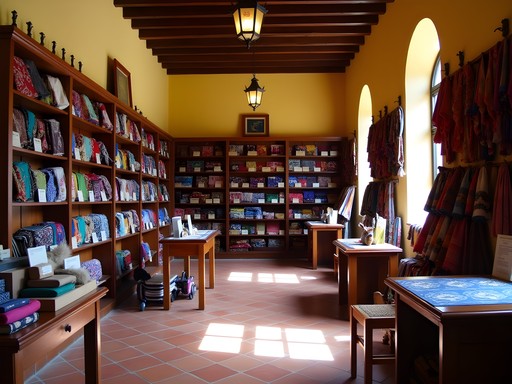
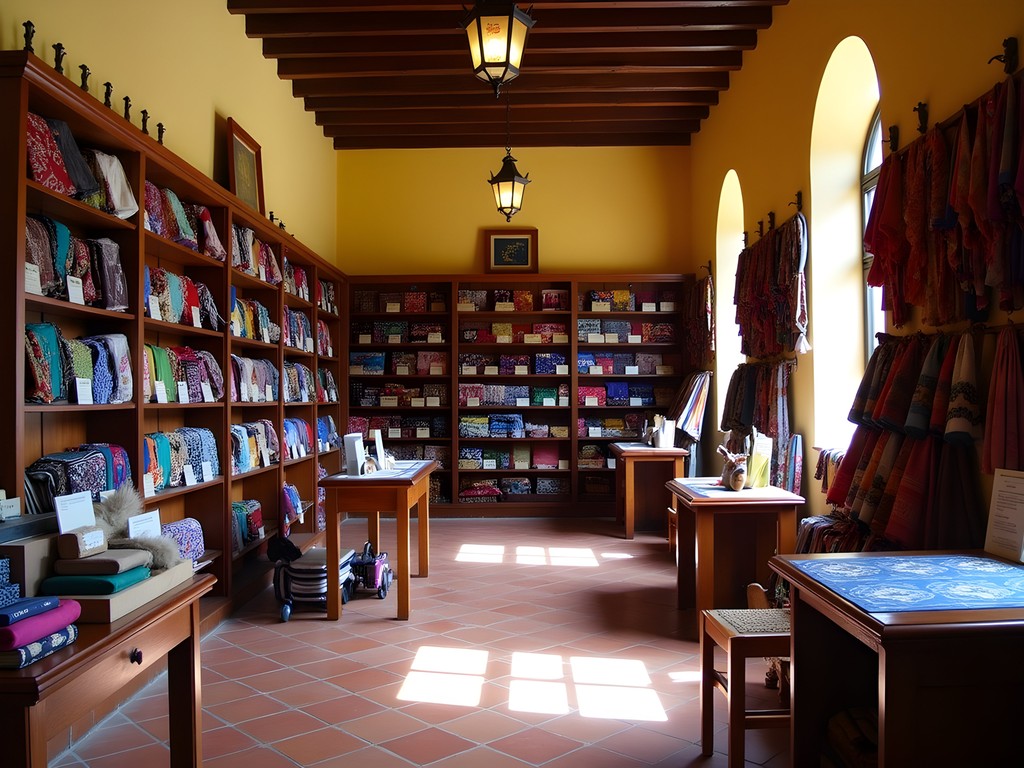
A short walk from Parque Central, Nim Po't stands as a beacon of ethical shopping in Antigua. This sprawling center houses textiles and crafts from over 100 indigenous cooperatives across Guatemala, operating on fair trade principles that ensure artisans receive proper compensation for their work.
What distinguishes Nim Po't from the market stalls is its commitment to preserving the stories behind each item. During my visits, I've appreciated how each textile is labeled with information about its origin, the cooperative that produced it, and the significance of its patterns. This transparency aligns with the Māori concept of whakapapa—understanding the lineage and connections of everything around us.
The center offers fixed prices (a relief from market haggling) that reflect fair compensation for the artisans. I've found some of my most treasured items here: a ceremonial huipil from Chichicastenango that now hangs in my Mumbai apartment, and intricately carved wooden masks that represent spiritual guardians.
While exploring Nim Po't's extensive collection, I use my pocket notebook to record the stories and meanings behind different textile patterns—knowledge that connects me more deeply to my purchases and allows me to share these traditions respectfully with others.
💡 Pro Tips
- Budget extra time here—the collection is extensive and deserves unhurried exploration
- Look for items with cooperative labels that explain the origin and cultural significance
- Consider larger textiles like wall hangings or bedspreads—they're investment pieces that support multiple artisans
Luna Zorro: Sustainable Textile Innovation
In my work connecting traditional practices with climate adaptation, I'm always seeking businesses that honor heritage while embracing sustainability. Luna Zorro exemplifies this balance perfectly. Founded by American designer Molly Berry and working directly with highland weavers, this boutique studio creates contemporary pieces using traditional techniques and natural dyes.
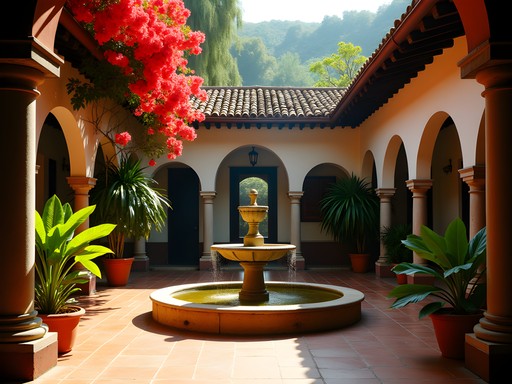
Located in a quiet courtyard off 4a Calle Poniente, Luna Zorro feels more like visiting an artist's workshop than a conventional store. Here, you'll find minimalist textile homewares—pillows, throws, table linens—that showcase the beauty of traditional Guatemalan weaving while fitting seamlessly into contemporary homes.
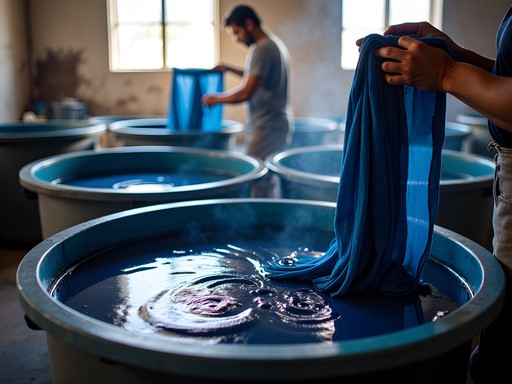
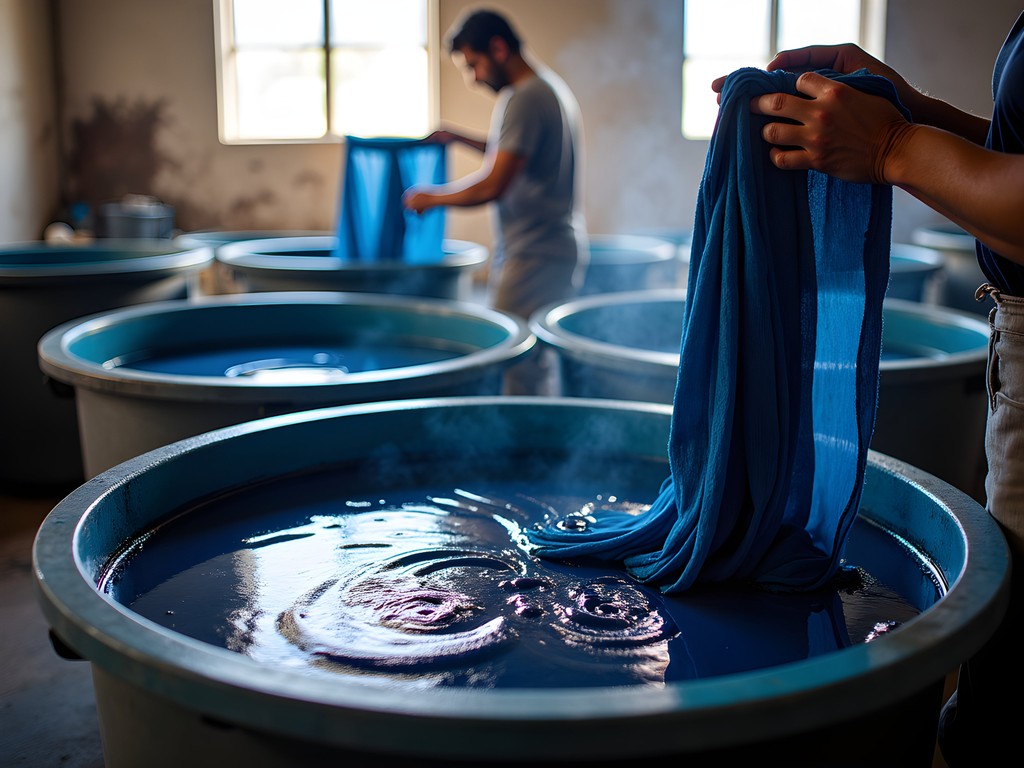
What resonates most with me is their commitment to natural dyes derived from local plants, insects (cochineal), and minerals—a practice that minimizes chemical pollution while preserving ancient knowledge. During one visit, I was fortunate to witness a natural dyeing workshop where indigo transformed white cotton into stunning blues through an almost alchemical process.
I use my packing cubes to safely transport textile treasures home—the compression feature is particularly helpful for bulkier handwoven blankets and scarves without damaging the delicate fibers. For textile care, I always keep a small bottle of wool wash in my travel kit to properly clean natural fiber purchases before packing them for the journey home.
💡 Pro Tips
- Call ahead to check if any demonstrations or workshops are happening during your visit
- Consider custom orders if you have specific dimensions or color preferences—they work directly with weavers
- Ask about their natural dyeing processes—the stories behind the colors add depth to your purchases

Jade Maya: Connecting with Guatemala's Sacred Stone
My research into indigenous knowledge systems has repeatedly shown how certain materials hold cultural significance that transcends their physical properties. In Guatemala, jade represents such a material—a stone so valued by ancient Maya that it was considered more precious than gold.
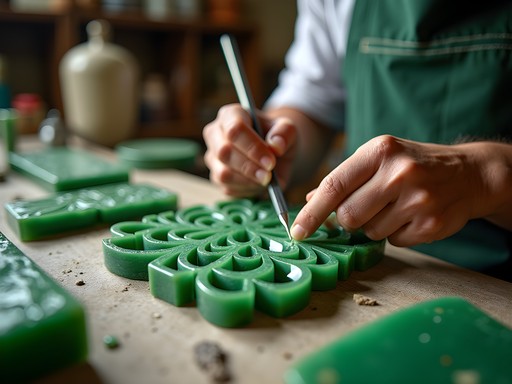
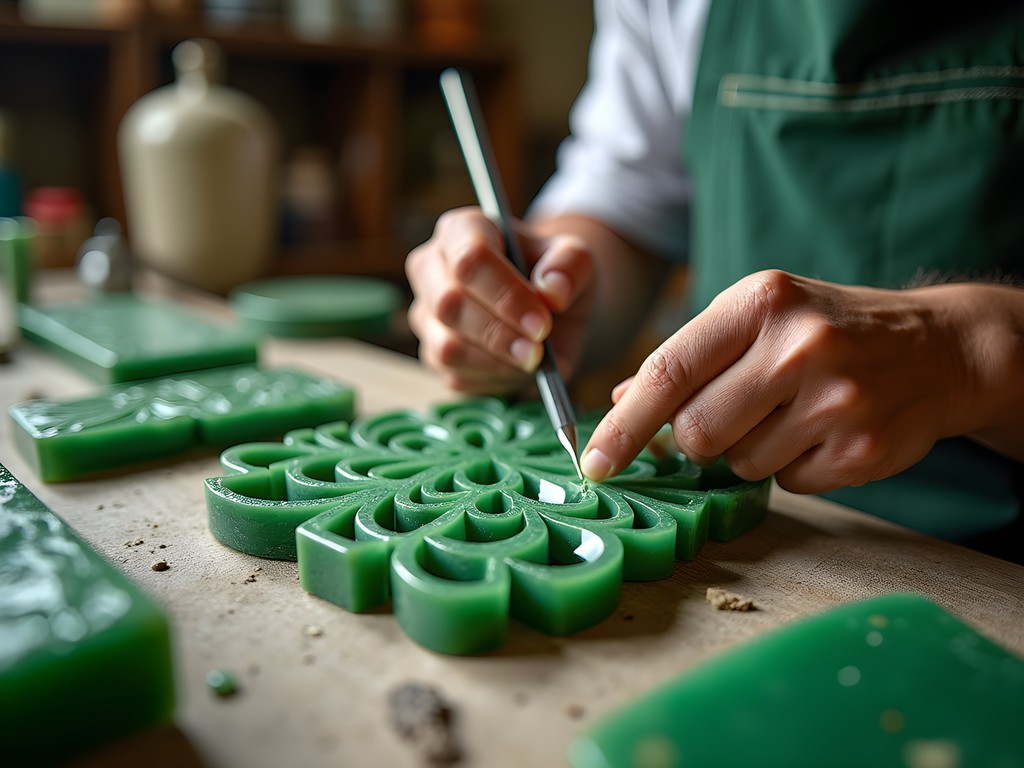
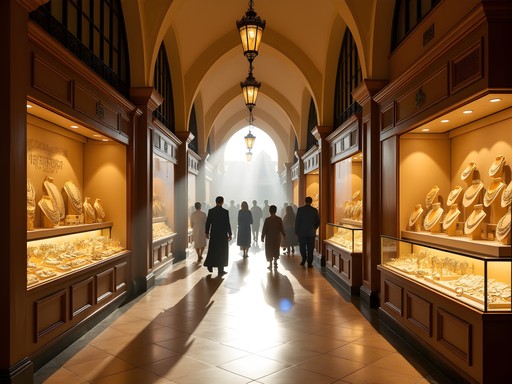
Jade Maya workshop and museum offers an educational experience that contextualizes your shopping. Founded by archaeologist Mary Lou Ridinger and her husband, this establishment helped revive Guatemala's jade industry after the ancient Maya jade sources were rediscovered in the 1970s.
During my first visit, I was drawn to the spiritual resonance between jade in Mayan culture and pounamu (greenstone) in my own Māori heritage. Both stones represent protection, connection to ancestors, and living energy—what we Māori call mauri. The similarities in how these stones are revered across indigenous cultures separated by vast oceans speaks to universal human connections to earth's treasures.
The workshop offers pieces ranging from simple pendants to elaborate sculptures inspired by ancient designs. I cherish a small jade pendant carved in the shape of a hummingbird—a symbol of persistence and resilience that reminds me of the communities I work with.
For documenting the incredible craftsmanship, I use my travel tripod to capture steady close-up shots of the intricate jade carvings in the sometimes challenging lighting conditions of the workshop.
💡 Pro Tips
- Take the free workshop tour to understand jade's cultural significance before purchasing
- Look for pieces with certificates of authenticity that confirm real Guatemalan jade
- Consider jade's cultural significance—pieces with Mayan symbolism make meaningful souvenirs with deeper connections to Guatemala's heritage
Casa de los Gigantes: Curated Crafts with Context
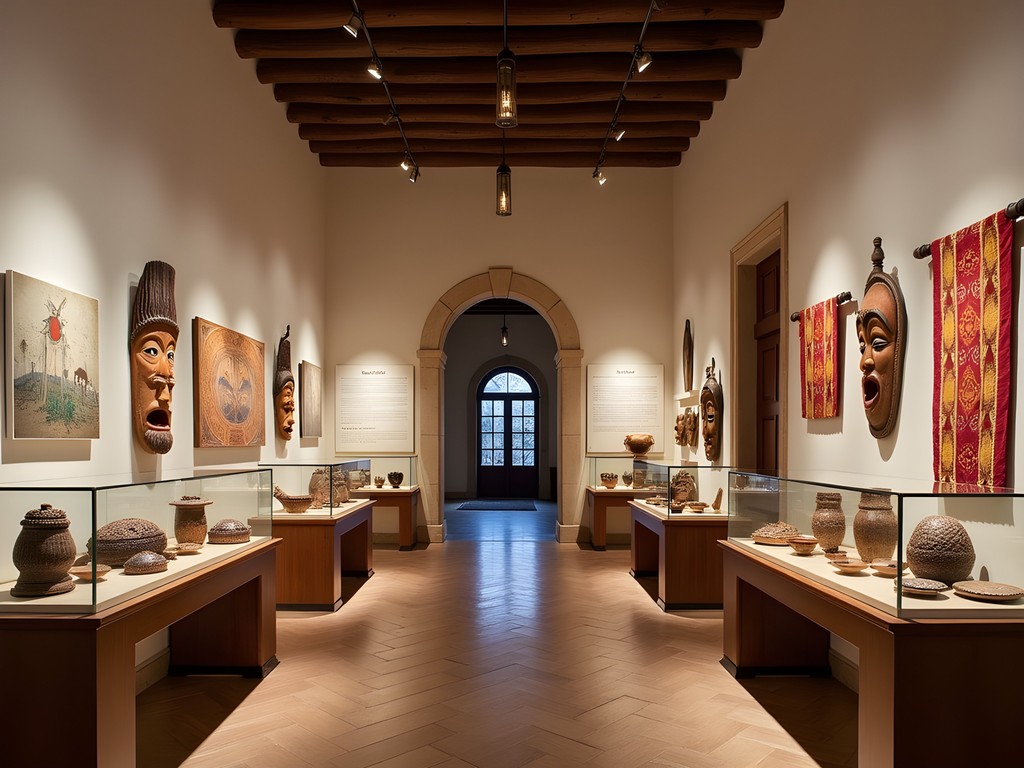
Housed in a restored colonial building on 7a Calle Poniente, Casa de los Gigantes represents the sophisticated evolution of Guatemala's craft tradition. This gallery-like store curates exceptional pieces from the country's finest artisans, emphasizing quality over quantity and providing crucial context about each craft's cultural significance.
What separates Casa de los Gigantes from other high-end boutiques is their commitment to working directly with master artisans and innovating within traditional frameworks. During my visits, I've had fascinating conversations with the knowledgeable staff about how certain crafts are adapting to environmental changes—like ceramic techniques evolving in response to changing clay compositions or textile artisans developing natural dye alternatives as traditional plant sources become scarcer.
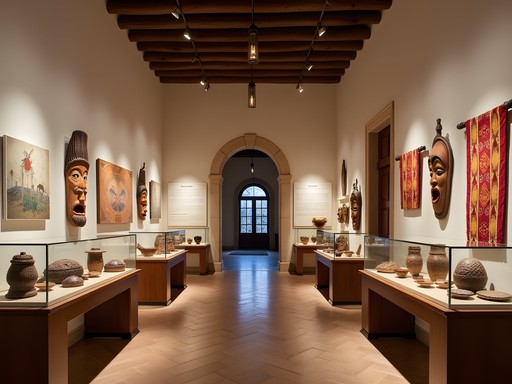
The store excels in presenting Guatemala's lesser-known craft traditions alongside familiar textiles. Their collection of ceremonial masks, intricate beadwork, and pottery from regions rarely represented in typical tourist shops provides a more complete picture of Guatemala's diverse artistic heritage.
I've found this the perfect place for investment pieces that will become family heirlooms—my most treasured purchase being a hand-carved wooden box with jade inlay that now holds my collection of pounamu and other significant stones gathered during my travels.
For protecting special purchases like these, I always pack a padded camera insert that transforms any bag into a safe carrier for fragile items like ceramics or carved figurines. The adjustable dividers provide perfect customization for oddly shaped treasures.
💡 Pro Tips
- Ask about the stories behind unique pieces—staff are incredibly knowledgeable about the artisans and techniques
- Look beyond textiles to explore Guatemala's diverse craft traditions like ceramics and woodcarving
- Request information cards for significant purchases to preserve the provenance and cultural context
Final Thoughts
As I pack my treasures from Antigua's markets and boutiques—each wrapped in stories as colorful as their threads—I'm reminded of a Māori proverb: He toi whakairo, he mana tangata (Where there is artistic excellence, there is human dignity). In Antigua's artisan landscape, I've witnessed how traditional craftsmanship provides not just economic resilience but cultural continuity in the face of globalization and climate pressures.
The textiles, jade, and woodcarvings I've collected aren't merely souvenirs; they're tangible connections to Guatemala's living heritage and the hands that sustain it. Each purchase represents a choice to support sustainable livelihoods and preserve indigenous knowledge systems that hold solutions for our collective future.
As you explore Antigua's markets and boutiques, I encourage you to shop with intention—ask questions, learn the stories, and recognize the value beyond the price tag. In doing so, you become part of a reciprocal exchange that honors both the maker and the made, creating connections that transcend the typical tourist experience. The treasures you bring home will carry not just the beauty of Guatemala but the spirit of its resilient people—a reminder that in our increasingly homogenized world, handmade heritage remains our most precious resource.
✨ Key Takeaways
- Support fair trade practices by purchasing from cooperatives and businesses that work directly with artisans
- Learn the cultural significance behind traditional designs to appreciate the deeper value of your purchases
- Balance market experiences with curated boutiques to understand the full spectrum of Guatemala's craft traditions
- Consider the environmental impact of traditional crafts and support businesses practicing sustainable production methods
- Document the stories behind your purchases to preserve their cultural context and personal significance
📋 Practical Information
Best Time to Visit
year-round, though November-April offers drier weather
Budget Estimate
$30-300 depending on what you purchase
Recommended Duration
2-3 days
Difficulty Level
Beginner


Comments
Hunter Thompson
Brilliant guide, Leah! I spent three weeks in Antigua last year and your recommendations are spot on. One thing I'd add for folks - if you're buying larger textiles or multiple items, bring a packable duffle as a personal item. Saved me when I went overboard at the markets! Also, the Saturday market in the main square has some amazing vendors that aren't there during the week. The huipiles there are stunning and you can meet the artisans directly.
greenseeker
This is EXACTLY what I needed!! I'm planning my first trip to Guatemala and I really want to shop ethically. Luna Zorro sounds amazing - the sustainable textile innovation part really caught my attention. Do they explain their processes? I'd love to learn more about how they're modernizing traditional techniques while keeping them sustainable. Your writing style is beautiful btw, that opening about the volcanoes gave me chills!
Hunter Thompson
Luna Zorro is ace! The owner is super passionate and will talk your ear off about their natural dye processes (in the best way). Definitely worth a visit if sustainability is important to you.
backpacktime564
This is super helpful! Quick question - did you have any issues shipping textiles back home? I'm worried about bringing too much in my backpack but I know I'm going to want to buy everything haha. Also are the jade pieces at Jade Maya authentic? I've heard there's a lot of fake jade around.
Leah Dixon
Great questions! I actually shipped a box home through the post office on 4a Calle—it was affordable and everything arrived safely. Just keep receipts. Jade Maya is legit—they do the flashlight test right there to show you it's real jade. Avoid street vendors for jade.
coolace
Was just in Antigua last month and can confirm Nim Po't is incredible. The women working there explained the whole weaving process to me and I ended up buying way more than I planned lol. Their coffee is really good too if you need a break from shopping. Did you find bargaining was expected at the main market or are prices pretty fixed?
Leah Dixon
So glad you had that experience at Nim Po't! At Mercado de Artesanías, gentle bargaining is expected but don't push too hard—these are artisans making fair wages. I usually aimed for about 10-15% off and always with respect. At the fair trade shops like Nim Po't, prices are fixed.
coolace
That makes sense, thanks! Yeah I felt weird bargaining too much knowing the work that goes into everything.
sunsetlover
Love this! Heading there in March!
Hunter Thompson
You're going to have an amazing time! The markets are absolutely brilliant. Get there early morning for the best selection.
coolwalker
Really helpful photos! Quick tip - bring cash in small bills. A lot of vendors at the mercado don't have change for big notes.
Sophia Gomez
Leah, this guide is perfection! I visited Antigua last year and completely fell in love with Luna Zorro. I ended up spending way more than planned but every piece tells such a story. The owner explained how they work directly with weavers in the highlands and I watched someone demonstrating backstrap weaving right in the shop. I brought home a table runner that now sits on my dining table and every time guests ask about it, I get to share the story of the artisan who made it. That connection to the maker is what makes these purchases so much more meaningful than any souvenir.
blueperson
Is bargaining expected at the Mercado de Artesanías? I'm always nervous about offending people when I try to negotiate prices.
Sophia Gomez
Yes, gentle bargaining is totally normal at the mercado! Just be respectful and smile. I usually ask the price, then offer about 20% less and we meet somewhere in the middle. At the boutiques like Nim Po't though, prices are fixed since they're fair trade cooperatives.
beachqueen
Love this! Going in March, so excited!!
coolwalker
You'll love it! The textiles at Nim Po't are incredible. Get there early.
beachqueen
Thanks! Any idea what time they open?
coolwalker
I think around 9am but double check. The mercado opens earlier tho
redfan
Beautiful photos! Those textiles are incredible. I'm heading to Antigua in October and definitely want to bring back some authentic pieces. Any advice on how to spot the real handmade stuff versus mass-produced items? I've been burned before in other countries.
dreammaster
Look for slight imperfections! That's how you know it's truly handmade. Also, real huipiles (traditional blouses) have designs that represent specific villages.
Douglas Bradley
Great point about the imperfections. Also, authentic textiles will have designs that continue onto the reverse side. Machine-made pieces often have loose threads on the back or designs that don't fully penetrate the fabric.
Venture X
Premium card with 2X miles, $300 travel credit, Priority Pass