

Disclosure: This article contains affiliate links. We may earn a commission from purchases at no extra cost to you, which helps our travel content.
There's something rather magical about returning to one's homeland as a visitor rather than a resident. Having spent the last decade in the sun-scorched landscapes of El Paso, my periodic returns to Britain's verdant shores feel increasingly precious. Bath—that honey-coloured Georgian gem nestled in Somerset's rolling hills—has always held a special place in my heart, not merely for its architectural splendour but for its thriving community of artisans who continue centuries-old traditions of craftsmanship. Allow me to guide you through the city's most remarkable shopping experiences, where history and artistry intertwine in the most delightful ways.

The Guildhall Market: A Living Museum of Commerce
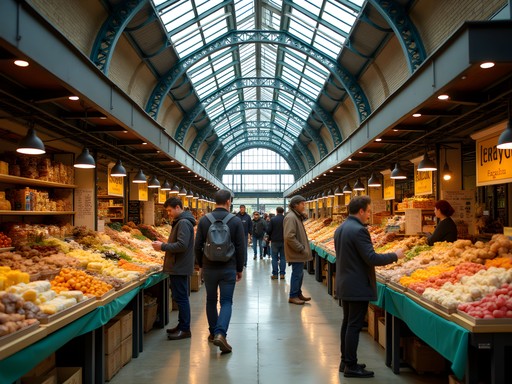
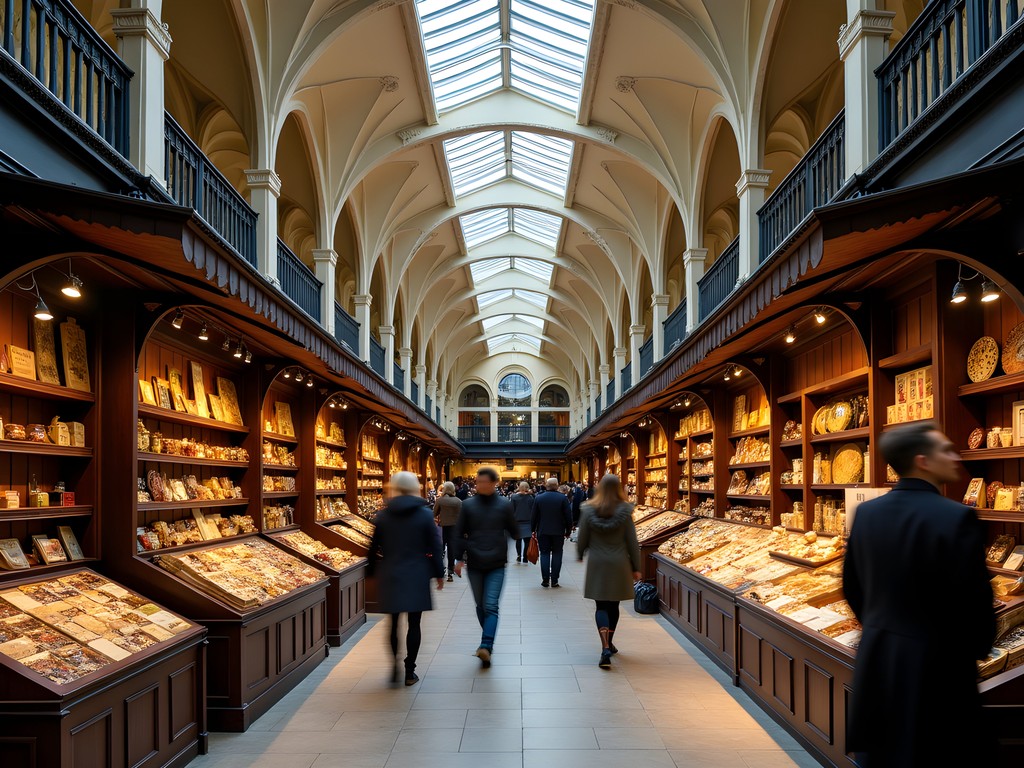
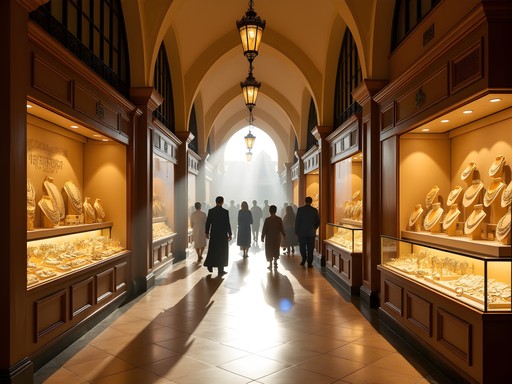
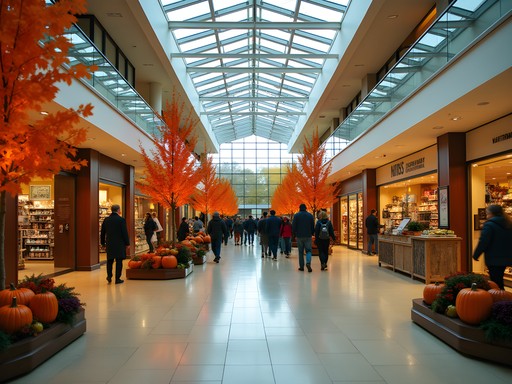
Stepping into Bath's Guildhall Market is akin to walking through a portal in time. As Britain's oldest shopping venue—trading continuously since 1284—these historic halls have witnessed nearly eight centuries of commerce. The market's vaulted ceiling and original stone columns create an atmosphere that no modern shopping centre could hope to replicate.
During my most recent visit last autumn, I spent a delightful morning conversing with Malcolm, a third-generation silversmith whose delicate filigree work rivals pieces I once appraised from the Georgian era. His small stall, tucked away in the northeast corner, offers handcrafted silver jewellery at surprisingly reasonable prices. I purchased a pair of intricately worked cufflinks as a gift for my son—they've become his favourite 'special occasion' accessories.
The market also houses several antiquarian booksellers whose collections would make any bibliophile weak at the knees. I recommend bringing along a sturdy tote bag for your inevitable purchases—these canvas wonders fold into a pocket-sized pouch when not in use but expand generously to accommodate books, bottles, and sundry treasures.
💡 Pro Tips
- Visit on weekday mornings to avoid weekend crowds and have more meaningful conversations with artisans
- Bring cash as some of the smaller vendors don't accept cards
- Don't rush—allow at least 90 minutes to properly explore all the market's nooks and crannies
Artisan Quarter: Walcot Street and London Road
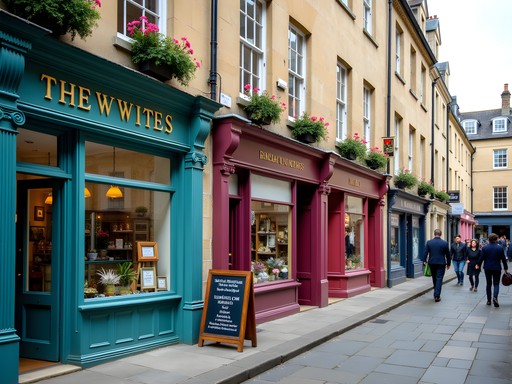
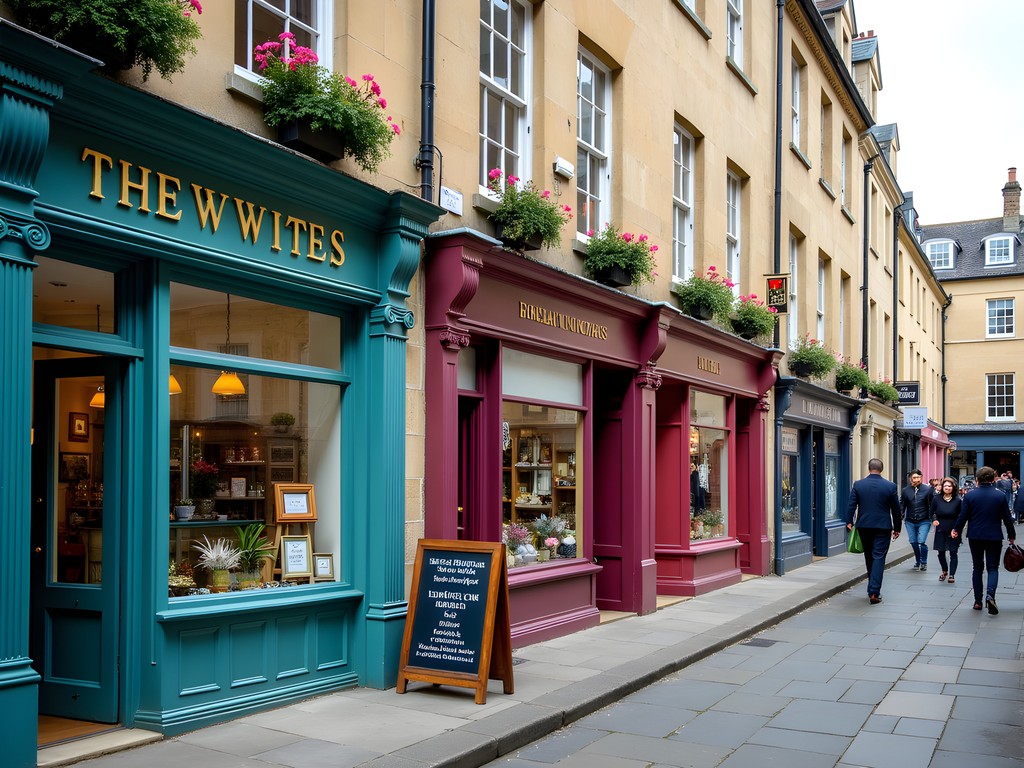
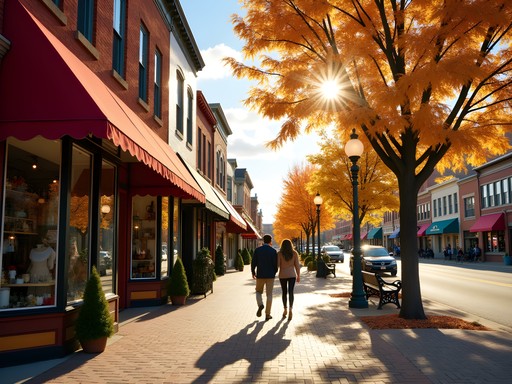
While the city centre caters increasingly to tourists, Bath's true creative pulse beats strongest along Walcot Street and London Road—the vibrant Artisan Quarter where independent makers continue to thrive. This slightly bohemian district has been Bath's creative crucible since Roman times.
Fine Cheese Co. on Walcot Street offers an education in British cheese-making traditions that rivals anything I encountered during my appraisal career. Their knowledgeable staff guided me through a tasting journey from crumbly Wensleydale to robust Stilton. For fellow plant-based eaters (a lifestyle I adopted after a rather alarming cholesterol reading five years ago), they offer an impressive selection of vegan alternatives that don't sacrifice flavour for ethics.
Meander further along Walcot Street to discover Verve Living, where contemporary ceramicists display works that would not look out of place in a modern art museum. Having spent decades assessing the value of porcelain from Sèvres to Meissen, I find myself increasingly drawn to these contemporary interpretations of ancient craft traditions. The proprietor, Emma, has an exceptional eye for emerging talent.
For those interested in sustainable fashion, Found on London Road offers beautifully curated vintage and upcycled clothing. Their collection of 1950s tweed jackets particularly caught my eye—reminiscent of pieces my father once wore. I recommend bringing a garment steamer if you plan to purchase vintage items; this compact device has saved countless treasures from my own antiquing expeditions and fits neatly into carry-on luggage.
💡 Pro Tips
- Visit on the last Sunday of the month when the Walcot Street Artisan Market adds additional stalls to the permanent shops
- Many artisans offer workshops—book in advance for hands-on experiences in traditional crafts
- Most shops close by 5:30pm, so plan accordingly
Pulteney Bridge: Shops Suspended Above Water
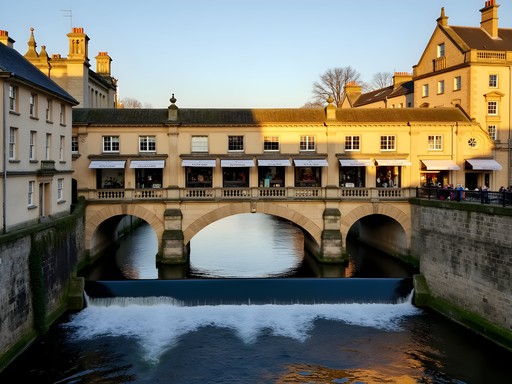
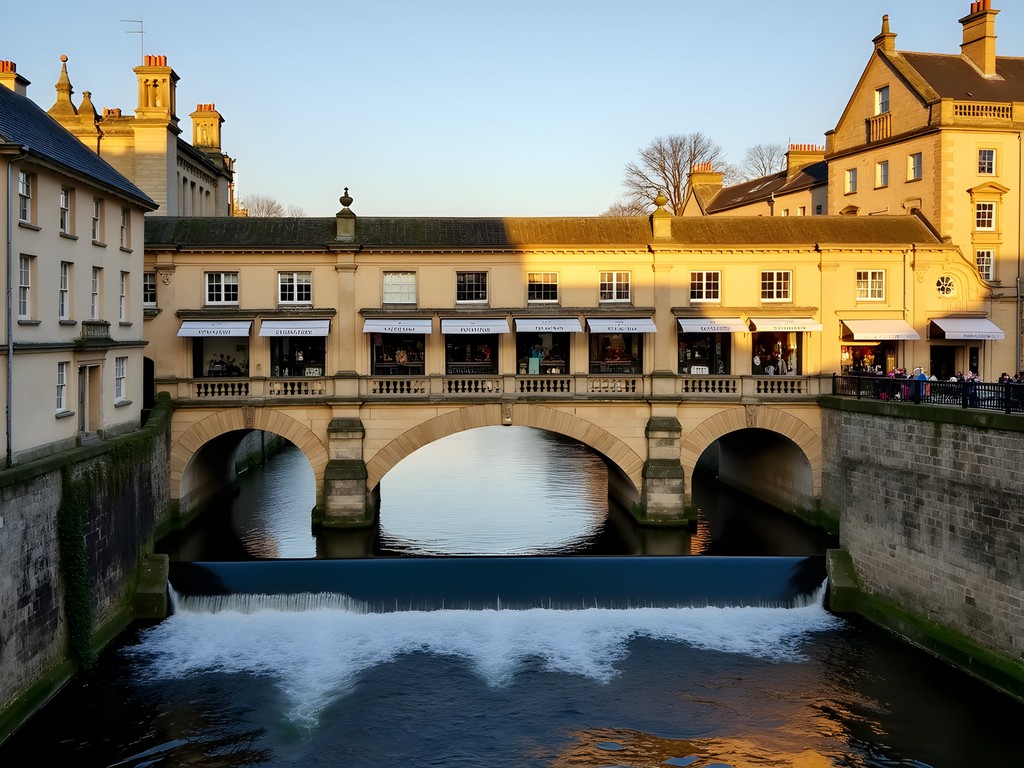
Few shopping experiences compare to browsing boutiques while suspended above rushing water. Pulteney Bridge, completed in 1774 and inspired by Florence's Ponte Vecchio, houses a collection of shops along both sides of its elegant span across the River Avon. As one of only four bridges in the world with shops across its full length, it represents a remarkable fusion of commerce and architecture.
Independent Interiors, tucked into the bridge's northern side, offers an eclectic collection of homeware that reflects Bath's cosmopolitan heritage. The proprietor sources items from across Europe with an emphasis on sustainable production methods. During my last visit, I couldn't resist purchasing a hand-painted ceramic olive oil dispenser that now takes pride of place in my El Paso kitchen—a small piece of Bath transported across the Atlantic.
For literary enthusiasts, The Old Bear Bookshop contains an impressively curated selection of antiquarian books focused on art history and architecture. The owner, Geoffrey, possesses encyclopaedic knowledge of Bath's architectural evolution and has pointed me toward several obscure volumes that proved invaluable for my research on Georgian decorative arts.
I recommend bringing a waterproof notebook to jot down discoveries and observations while exploring the bridge. The mist from the weir below can sometimes dampen ordinary paper, but these clever notebooks remain impervious to moisture—essential for the British climate!
💡 Pro Tips
- Visit at sunset when the honey-coloured stone glows magnificently in the evening light
- The bridge gets quite congested midday—early morning offers the most pleasant browsing experience
- Look for the discreet viewing platform on the western side for spectacular photographs of the weir

Specialist Food Markets: A Taste of Somerset
No exploration of Bath's artisanal offerings would be complete without sampling its culinary treasures. The city has experienced something of a gastronomic renaissance over the past decade, with farmers' markets and food halls celebrating the bounty of Somerset's fertile countryside.
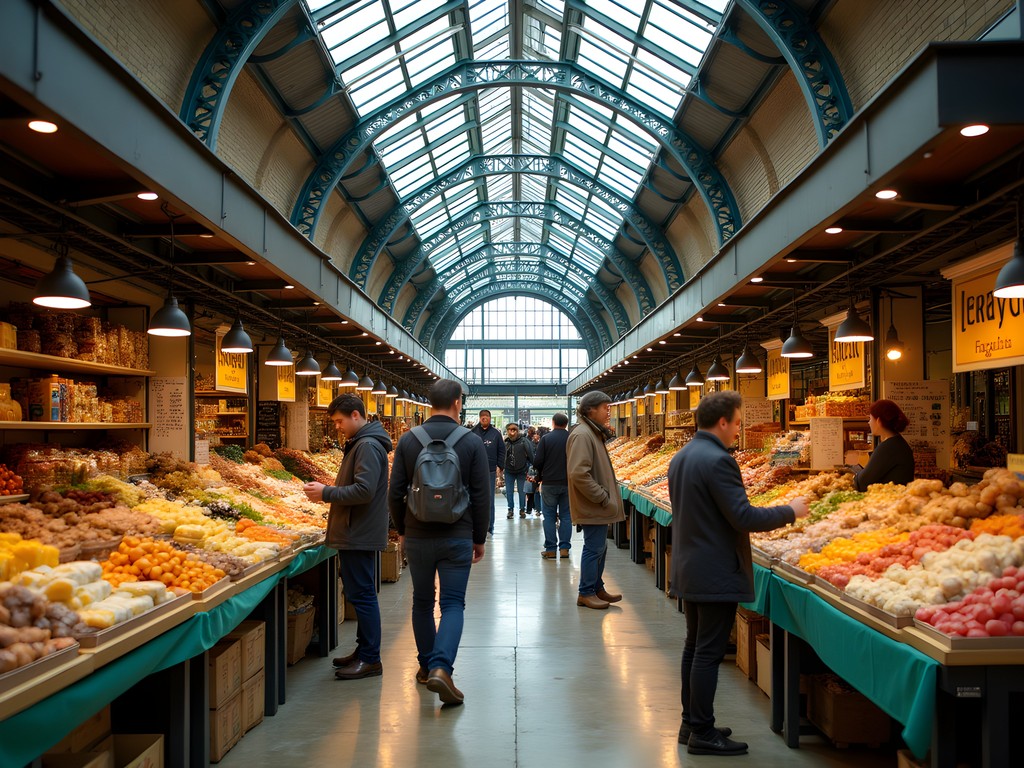
The Green Park Station Market, housed in a Victorian railway station, transforms into a vibrant farmers' market each Saturday morning. Having grown accustomed to the year-round produce of the American Southwest, I find the seasonal rhythm of British markets deeply comforting—a reminder that some things remain gloriously resistant to globalisation.
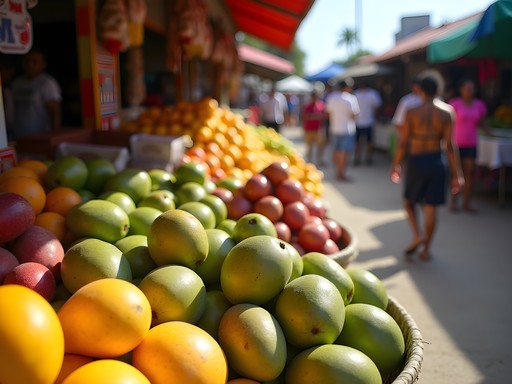
The Bath Farmers' Market at Green Park Station holds the distinction of being the first farmers' market established in the UK. Here, Somerset's agricultural heritage shines through stalls laden with artisanal cheeses, organic vegetables, and craft ciders. For plant-based visitors like myself, the selection of locally grown produce and artisanal plant-based alternatives has improved dramatically in recent years.
Particularly noteworthy is Bath Culture House, whose fermented creations—from kimchi to kombucha—rival anything I've encountered in health-conscious California. Their turmeric and ginger kombucha provides a welcome probiotic boost during my antiquing expeditions.
For those wishing to transport culinary treasures home, I recommend a insulated food bag which maintains temperature for hours—perfect for preserving delicate cheeses or fermented goods during your journey. This clever contraption has allowed me to share Bath's culinary delights with friends back in Texas on numerous occasions.
💡 Pro Tips
- Arrive at Green Park Station before 10am on Saturdays for the best selection
- Many vendors offer samples—don't hesitate to try before you buy
- Bring small denominations of cash as some smaller producers don't accept cards
Antique Emporiums: Treasures from the Past
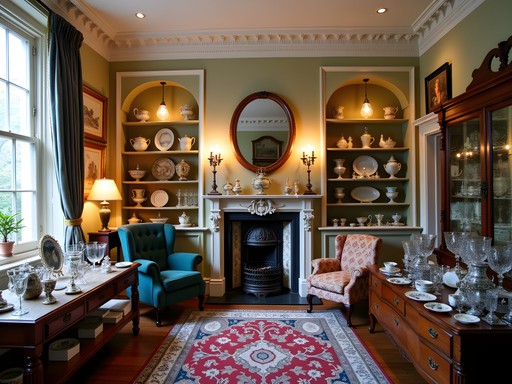
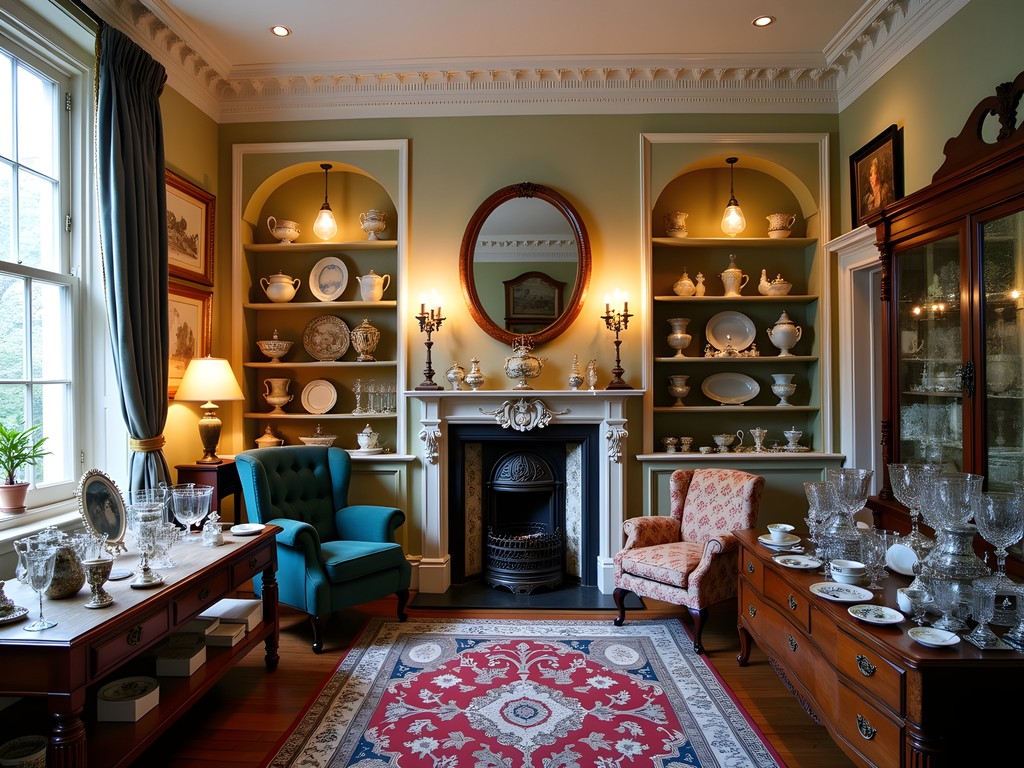
As a former art and antiques appraiser, I approach Bath's numerous antique shops with both professional interest and personal delight. The city's centuries as a fashionable resort for Britain's elite have resulted in a remarkable concentration of period pieces flowing through its antique establishments.
Bartlett Street Antiques Centre houses over forty dealers across three floors of a Georgian townhouse. The joy here lies in the hunt—one never knows what might appear. During my last visit, I discovered a delightful Regency period tortoiseshell tea caddy with mother-of-pearl inlay that reminded me of pieces I once catalogued for Christie's. The thrill of the find remains undiminished despite my professional retirement.
For those with specific interests, Francis of Bath on London Road specialises in Georgian and Victorian silver. The proprietor, Margaret (a formidable authority on hallmarks), maintains museum-quality standards in her curated collection. Even if purchasing lies beyond your budget, the displays offer an education in British silversmithing traditions.
For serious collectors, I recommend carrying a jeweller's loupe for examining hallmarks, signatures, and construction details. This professional tool has saved me from numerous potential purchasing mistakes over the decades and fits discreetly in a pocket or handbag. The magnification reveals details invisible to the naked eye—essential for distinguishing authentic pieces from clever reproductions.
Antiquing in Bath requires patience and discernment. Prices tend toward the premium end, reflecting the city's reputation among collectors. However, knowledgeable visitors can still discover undervalued treasures, particularly in the realm of decorative arts and ephemera.
💡 Pro Tips
- Develop a relationship with dealers if you're seeking specific items—they'll often contact you when suitable pieces arrive
- Don't be afraid to negotiate, but do so respectfully and with knowledge of market values
- The best finds often appear midweek when new consignments arrive before weekend tourists
Final Thoughts
Bath's artisanal shopping scene represents something increasingly precious in our homogenised world—a living connection to centuries of craft traditions alongside bold contemporary interpretations. What distinguishes the city's retail experience is not merely the quality of goods but the stories behind them: the silversmith practising techniques unchanged since Georgian times, the bookbinder applying gold leaf by hand, the cheesemaker following recipes passed through generations.
As someone who has spent a lifetime studying the material culture of previous eras, I find profound comfort in these continuities. In Bath, shopping transcends mere transaction to become cultural preservation, education, and yes—pure pleasure. Whether you're seeking a meaningful souvenir, a significant investment piece, or simply enjoying the theatre of commerce in historic surroundings, Bath rewards the curious visitor with experiences impossible to replicate elsewhere.
I encourage you to approach your exploration with patience and curiosity. Engage with shopkeepers and artisans; their knowledge adds immeasurable value to your purchases. In an age of algorithmic recommendations and next-day delivery, Bath offers something far more meaningful: the joy of discovery, the satisfaction of supporting skilled makers, and the creation of memories that will long outlast any purchase.
✨ Key Takeaways
- Bath's artisanal shopping scene combines centuries-old traditions with contemporary craft innovation
- The city offers distinctive shopping environments from historic markets to shop-lined bridges
- Engaging with makers and sellers enhances the experience through their specialist knowledge
- Early mornings and weekdays provide the most rewarding shopping experiences with fewer crowds
- The best souvenirs tell stories of both the place and the people who created them
📋 Practical Information
Best Time to Visit
year-round, though spring and autumn offer pleasant weather with fewer tourists
Budget Estimate
£100-300 per couple for a weekend of moderate shopping
Recommended Duration
2-3 days to properly explore all shopping districts
Difficulty Level
Easy - Most Shops Are Within Walking Distance In The Compact City Centre


Comments
backpacklife
Which market would you say is best for handmade jewelry?
Nova Rice
Definitely Walcot Street! There are several independent jewelers with studios there. The quality is exceptional.
wavelegend
Going there in March!! So excited now!
Fatima Sims
The Somerset food markets are absolutely incredible! I spent an entire morning there last spring sampling local cheeses and chatting with the producers. One farmer told me stories about his family's dairy farm that went back four generations. I ended up buying way too much cheddar and had to reorganize my entire backpack to fit it all in. Pro tip: bring a cooler bag if you're planning to shop the food stalls - those artisan products are too good to pass up and you'll want to take some home.
wavelegend
omg yes!! the cheese there is unreal
vacationwalker
Any tips on parking near the markets?
explorequeen
park and ride is your best bet, parking in the center is crazy expensive
Nova Rice
John, this brought back such wonderful memories! I visited Bath during a UK tour last autumn and completely fell in love with those shops on Pulteney Bridge. There's something so enchanting about browsing in a space that's been a commercial hub for over 200 years. I picked up a gorgeous hand-thrown teapot from one of the Walcot Street studios that now has pride of place in my Miami apartment. The contrast between your El Paso sun and Bath's misty mornings must be quite the adjustment!
starnomad
Is the Guildhall Market open on Sundays? Planning a day trip soon.
Nova Rice
It's usually closed Sundays, but definitely check their website before you go! The Sunday farmers market near Green Park Station is worth visiting though.
starnomad
Perfect, thanks!
explorequeen
Walcot Street is amazing! Got some beautiful ceramics there last year.
Amit Sullivan
John, your piece brought back wonderful memories of my visit to Bath last spring. The Guildhall Market is indeed a treasure trove! I'd add that the cheese stall there (can't recall the name) offers samples of local Somerset cheddars that are absolutely divine. I found the shops along Pulteney Bridge particularly charming - there's something magical about shopping in buildings suspended above flowing water. I spent hours in that little bookshop browsing their collection of local history books. For anyone planning a visit, I'd recommend bringing a good shoulder bag for all your purchases. I filled my daypack to bursting with local crafts and still wished I had more room! The Saturday farmers market is also worth timing your visit around - the apple brandy from a local distillery makes for a perfect souvenir.
sunnyace
That bookshop on Pulteney Bridge is amazing! I could spend hours there too. Did you try any of the local ciders at the farmers market?
Amit Sullivan
Oh yes! I tried a cloudy cider from an orchard just outside the city - can't remember the name but it had a red label. Absolutely delicious and much stronger than I expected! The vendor told me the most fascinating stories about the old cider-making traditions in Somerset.
sunnyace
Bath is such a gem for shopping! I spent a whole day just wandering Walcot Street last summer. Those independent craft shops are amazing.
Amit Sullivan
Walcot Street was my favorite too! Did you happen to visit that little ceramics studio halfway down? The potter there showed me how they make those traditional Somerset mugs.
sunnyace
Yes! I think it was called Walcot Pottery or something similar? I bought a beautiful blue glazed bowl there that I use for breakfast every morning now. Love having that little piece of Bath with me daily!
skyphotographer
Great photos! The lighting inside that market looks tricky to capture.
Venture X
Premium card with 2X miles, $300 travel credit, Priority Pass