
Disclosure: This article contains affiliate links. We may earn a commission from purchases at no extra cost to you, which helps our travel content.
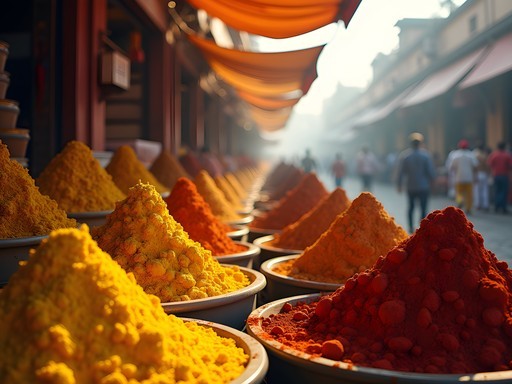
When I first moved from Winnipeg to India eight years ago, Delhi's shopping scene overwhelmed me in the most delightful way. The sensory explosion of colors, textures, aromas, and sounds was nothing like the sanitized malls back home. Now, after countless weekend jaunts from my Bangalore base to the capital city, I've developed what my Indian friends call a 'shopping sixth sense' for navigating Delhi's retail landscape. Whether you're hunting for textiles that tell stories, jewelry that carries centuries of craftsmanship, or modern designer pieces that blend East and West, Delhi delivers it all. This guide is for couples looking to tackle the city's markets and malls together—because trust me, you'll want someone to help carry your treasures and share those 'can you believe we found this?' moments that make shopping in Delhi an adventure rather than a transaction.

Chandni Chowk: The Grand Dame of Delhi Shopping
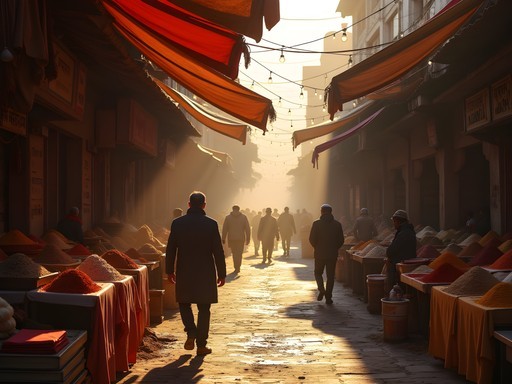
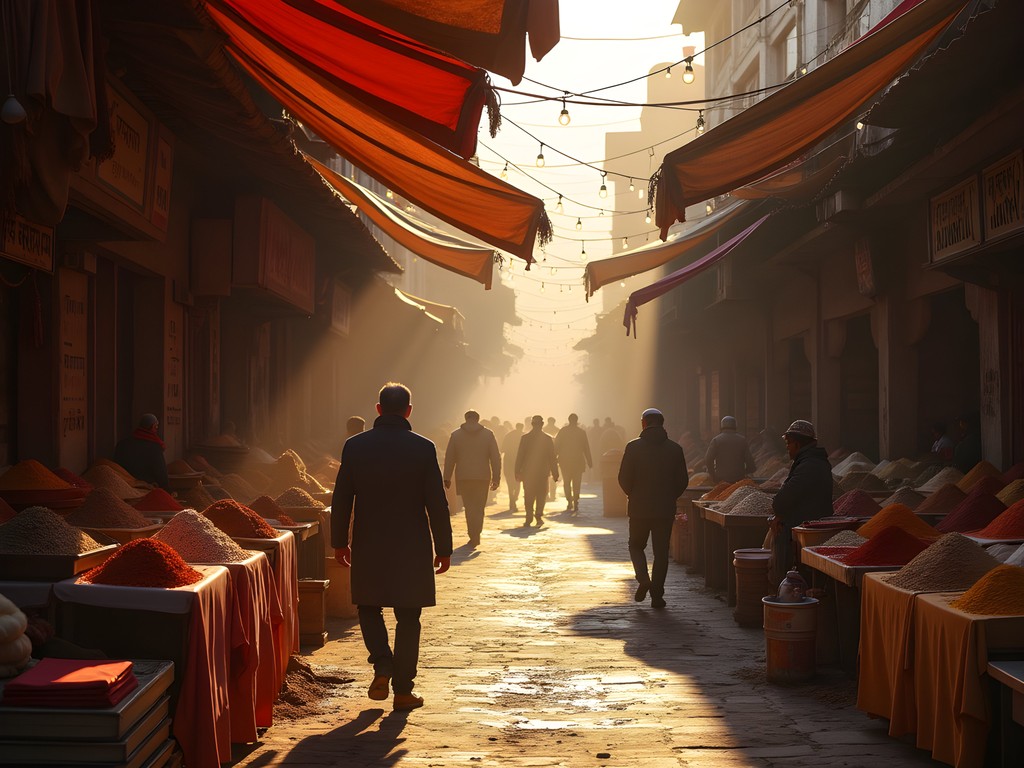
There's something magical about stepping into Old Delhi's Chandni Chowk, especially in winter when the chaos feels slightly more manageable without summer's oppressive heat. My first visit here at 53 left me completely disoriented—a corporate HR director suddenly thrust into narrow lanes where personal space is a foreign concept and shopkeepers call out like carnival barkers.
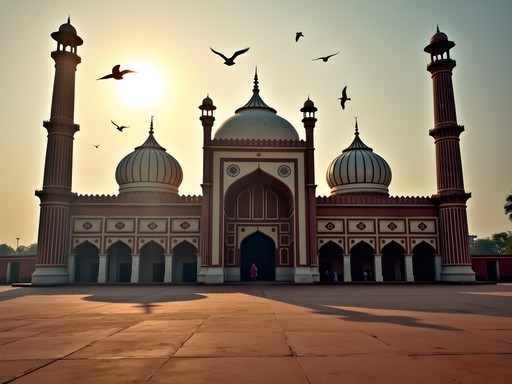
Seven years later, I now approach this 400-year-old market with strategic precision. Start at the Red Fort end early morning (no later than 10 AM) and work your way through the main artery before diving into the specialized side streets. Kinari Bazaar's wedding and craft supplies are a treasure trove—I once spent three hours selecting sequins and beads for a DIY project that impressed even my most traditional Bangalore neighbors.
Dariba Kalan's jewelry lane offers everything from tourist trinkets to investment-worthy silver. My favorite find remains a pair of antique silver anklets that a kindly shopkeeper pulled from a dusty box after I showed genuine interest in his craft rather than just his wares. When the sensory overload hits (and it will), retreat to Karim's for their legendary mutton burra kebabs, a tradition I've maintained on every Delhi visit since 2016.
The textile section deserves special mention—Nalli Silk Sarees might be a chain, but their Chandni Chowk location offers regional varieties you won't find elsewhere. My travel daypack has proven perfect for these expeditions—secure enough to prevent pickpocketing yet roomy enough for those impulse purchases that inevitably happen.
💡 Pro Tips
- Visit on weekdays to avoid weekend crowds
- Wear comfortable closed-toe shoes—this is not the place for your fancy sandals
- Bring small denominations of cash for easier bargaining
Dilli Haat: Curated Crafts Without the Chaos
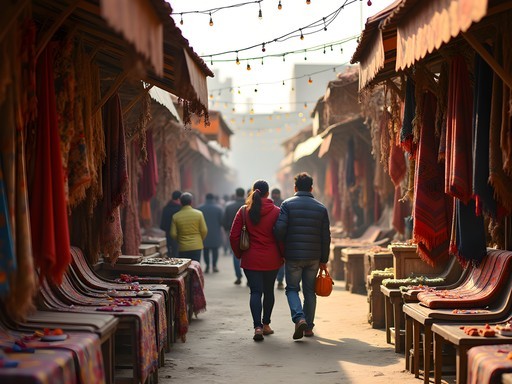
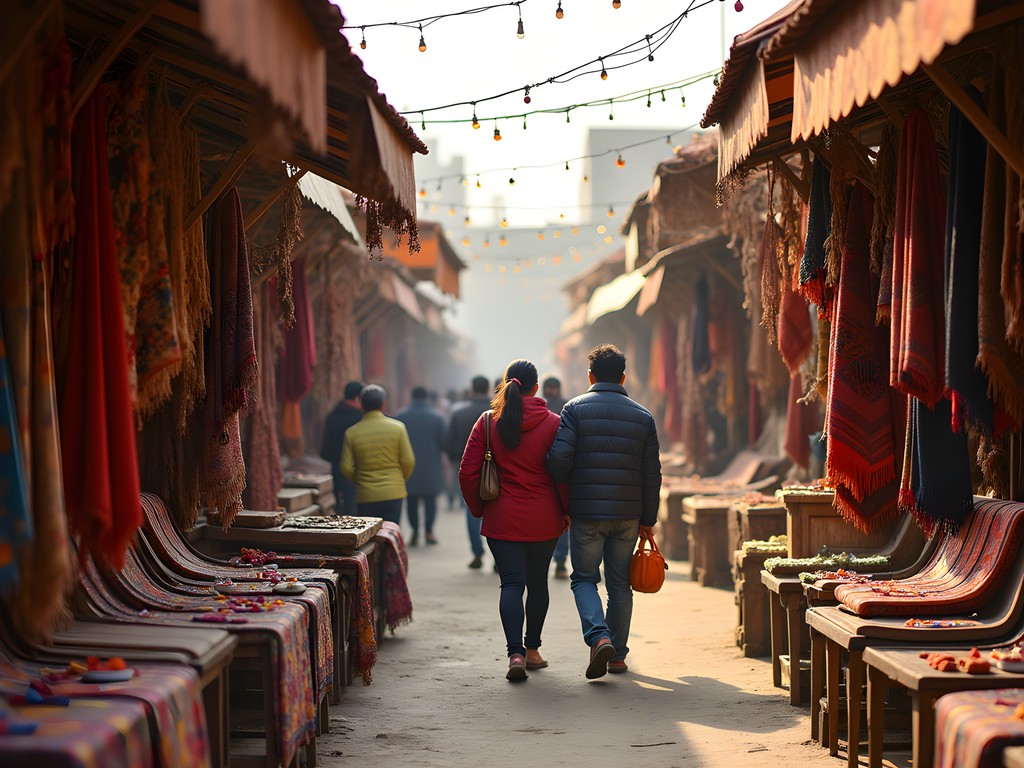
When my husband visited from Canada last winter and found Chandni Chowk 'a bit much' (bless his prairie heart), Dilli Haat became our compromise shopping destination. This open-air crafts bazaar is essentially the government's attempt to create a controlled version of a traditional market—think of it as 'India with training wheels.'
What makes Dilli Haat special is its rotating cast of artisans from different states, each bringing regional specialties you'd otherwise need to travel thousands of kilometers to find. The entry fee (around 100 rupees for foreigners) keeps away the touts and creates a more relaxed atmosphere where you can actually converse with craftspeople about their work.
My personal ritual involves heading straight to whichever northeastern state is represented that month. The tribal textiles from Nagaland and Manipur feature patterns that would cost a fortune in Western designer stores but here remain refreshingly affordable. During my last visit, I picked up a handwoven Kullu shawl from Himachal Pradesh that has become my go-to layer for chilly Bangalore evenings and my frequent flights to snowboarding destinations.
The food stalls representing regional cuisines make Dilli Haat an ideal half-day excursion. My husband—initially skeptical about another 'shopping trip'—ended up spending two hours chatting with a Rajasthani puppet maker while I hunted down Madhubani paintings from Bihar. We left with both puppets and paintings, proving that shopping here can truly be a couple's activity rather than a compromise.
I recommend bringing a foldable tote that tucks into your daypack. You'll inevitably find more treasures than you anticipated, and having an extra bag prevents that last-minute scramble for overpriced carrier bags.
💡 Pro Tips
- Visit during weekdays when new artisans typically set up their stalls
- Bring cash as not all vendors accept cards, though ATMs are available
- Allow at least 3-4 hours to properly explore all sections
Janpath and Tibetan Market: Bohemian Treasures
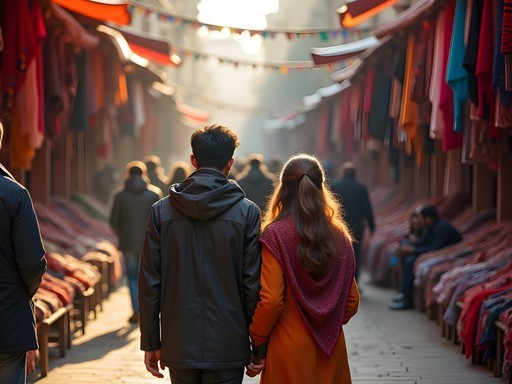
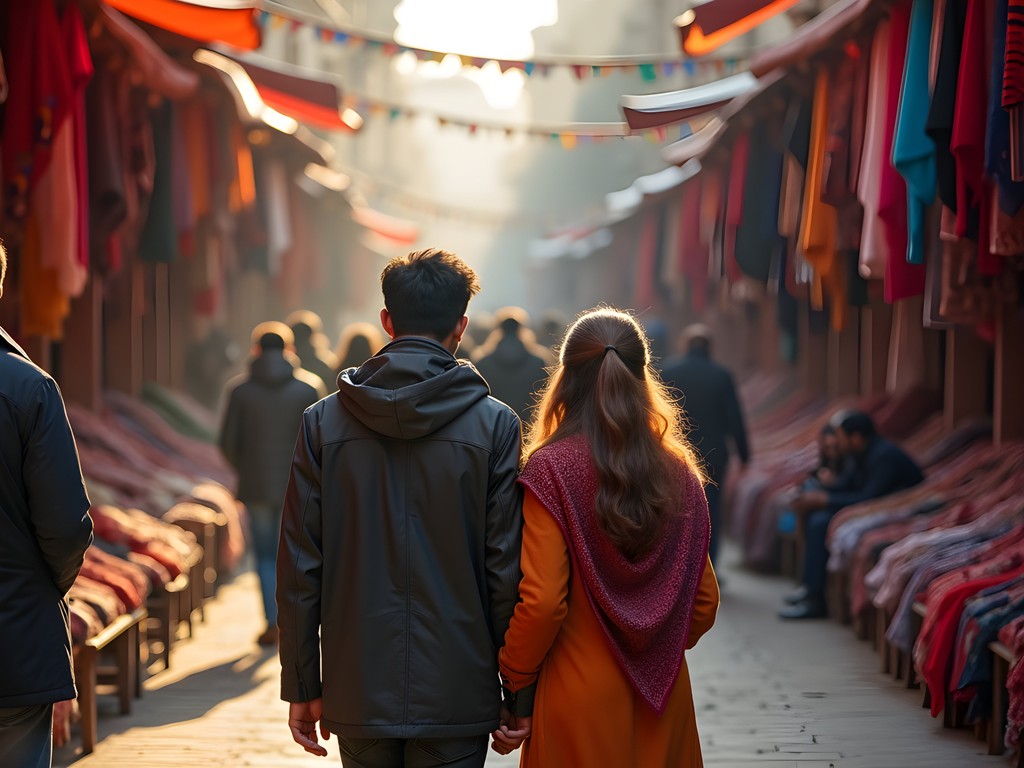
If Chandni Chowk represents traditional India and Dilli Haat showcases curated crafts, then Janpath and the adjacent Tibetan Market are where bohemian Delhi comes alive. This is where I head when I'm missing that distinctly Western concept of 'retail therapy'—casual browsing without commitment.
Janpath's long line of street stalls offers a fascinating mix of hippie-trail classics (think mirror-work cushion covers and Om t-shirts) alongside surprisingly on-trend items. The fixed shops behind the street stalls hide some genuine gems—I've found everything from vintage Bollywood posters to antique doorknobs that now serve as quirky coat hooks in my Bangalore apartment.
The nearby Tibetan Market (officially the Central Cottage Industries Emporium) holds a special place in my heart. Eight years ago, when I was still adjusting to Indian life, a kind Tibetan shopkeeper here spent an hour teaching me the basics of fabric quality assessment while serving butter tea. I've returned to his shop annually, watching his children grow up and bringing friends to experience his remarkable collection of Buddhist thangkas and silver jewelry.
What makes this area perfect for couples is the natural break points—when shopping fatigue hits, the numerous coffee shops provide respite. My husband and I developed a system: 45 minutes of shopping followed by a coffee break where we'd show each other our discoveries before venturing out again.
Winter brings an added charm to this area as the seasonal vendors arrive with woolens from the Himalayas. My most treasured possession from these markets isn't something exotic but rather a simple pashmina scarf in the most extraordinary shade of turquoise that has accompanied me from electronic music festivals in Goa to business meetings in Bangalore.
💡 Pro Tips
- The first price quoted is typically 3-4 times the actual value—bargain with a smile
- Morning shopping (10-12) offers the best selection before items are picked over
- Look for shops where locals are buying—always a good sign of fair pricing

Khan Market: Upscale Boutiques with Character
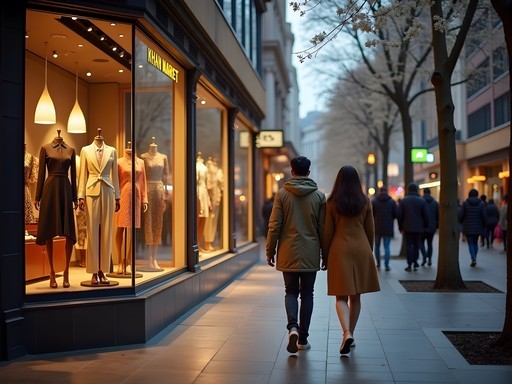
There came a point in my Indian journey—somewhere around year three—when I occasionally craved the predictability of Western-style shopping. Khan Market became my sanctuary during those moments, a place where fixed prices replaced bargaining and air conditioning offered respite from Delhi's infamous dust.
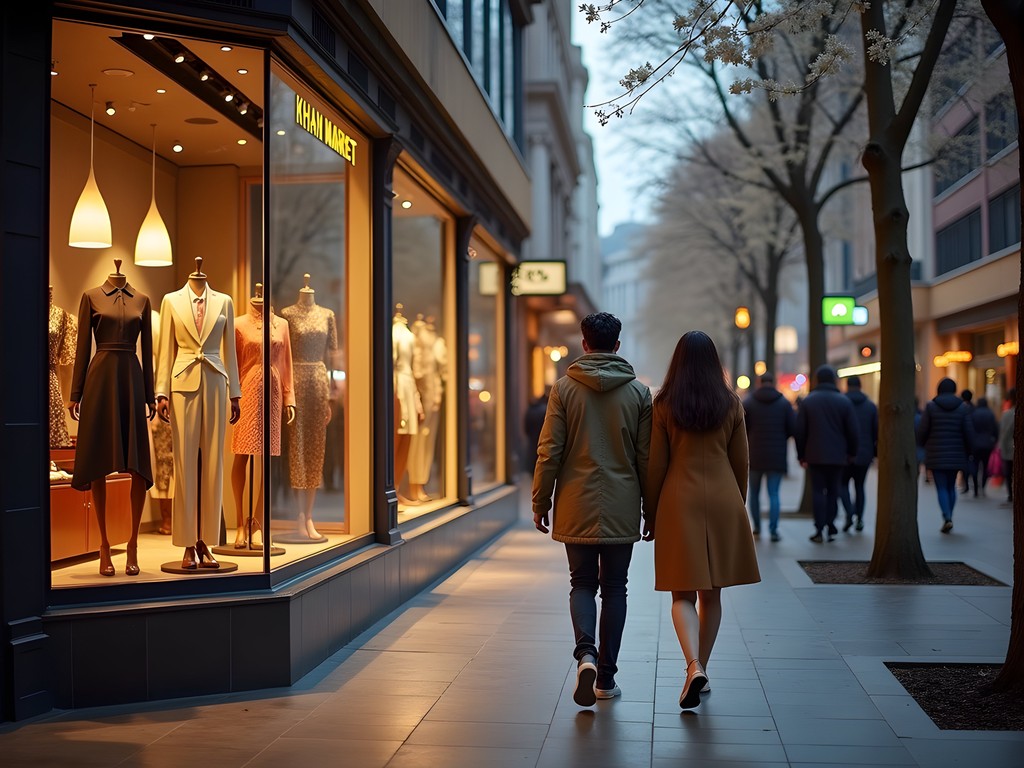
Don't mistake Khan Market for just another mall, though. This horseshoe-shaped complex houses some of Delhi's most creative independent boutiques alongside international brands. It's where traditional Indian aesthetics meet contemporary design sensibilities—perfect for couples where one partner appreciates heritage while the other craves modernity.
Full Circle Bookstore combined with Café Turtle upstairs remains my literary haven. During my career transition from HR director to coach, I spent a memorable weekend here, surrounded by business and philosophy books, plotting my next chapter. Now I return each visit to discover Indian authors I can't find elsewhere.
Good Earth may be a chain store, but their Khan Market flagship showcases home goods that blend Indian craftsmanship with contemporary design. Their textiles have transformed my Bangalore home into a space that honors Indian aesthetics without feeling like a tourist shop explosion. My most extravagant purchase—a hand-painted ceramic dinner set—required careful carry-on transport, but six years later still brings me joy with every meal.
For couples, Khan Market offers that rare shopping experience where you can comfortably separate and reconnect. My standard recommendation is: set a meeting point (Café Turtle works perfectly), explore independently for an hour, then reconvene to share discoveries. The market's compact nature means you're never far apart.
My secret Khan Market tip involves timing: arrive around 4 pm when the lunch crowd has departed and before the evening rush begins. Browse until hunger strikes, then head to Perch Wine & Coffee Bar for their remarkable small plates and wine selection—a civilized end to a productive shopping expedition. For keeping track of all your purchases and boutique discoveries, I've found the travel journal invaluable for noting shop names and favorite finds for future visits.
💡 Pro Tips
- Most boutiques close on Sundays or have limited hours—check before planning a weekend visit
- Bring credit cards as prices here are significantly higher than street markets
- Don't miss the upper floors and back lanes where some of the most interesting shops hide
Hauz Khas Village: Where Shopping Meets Nightlife
My love affair with electronic music didn't begin in Berlin or Ibiza, but rather in Goa at age 52—a pivotal moment that eventually led me to leave Canada for India. Hauz Khas Village speaks to that part of my soul that refuses to believe sixty means settling down. This medieval village-turned-hipster-haven represents Delhi at its most dynamic, where centuries-old tombs provide the backdrop for cutting-edge fashion and after-dark adventures.
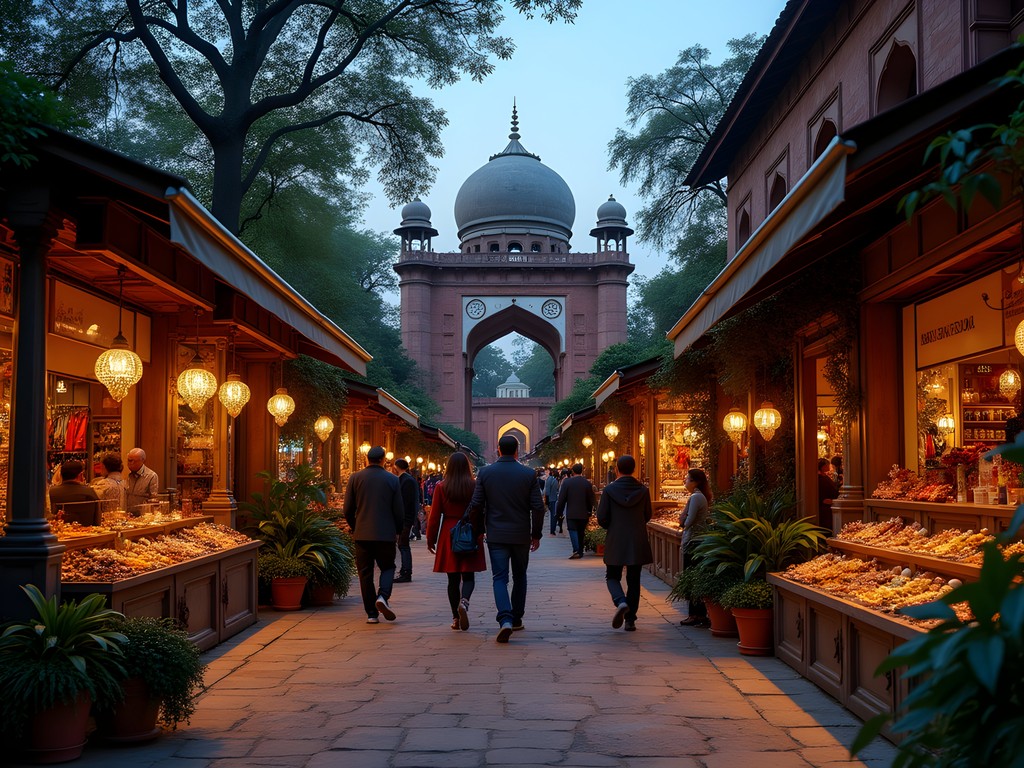
During the day, HKV (as locals call it) offers a refreshingly different shopping experience. Designers who can't afford Khan Market rents establish themselves here, creating spaces that feel more like art installations than stores. I've discovered some of my most conversation-starting pieces in these tiny boutiques—including a jacket that blends traditional Gujarati mirror-work with a distinctly modern cut that I've worn to DJ events from Bangalore to Bangkok.
What makes Hauz Khas perfect for couples is its natural progression from day to night. Begin shopping in the afternoon, pause to watch the sunset over the reservoir from one of the many rooftop cafés, then transition to dinner and perhaps even dancing if you're so inclined. My husband—initially reluctant to visit what he called a 'youngster hangout'—now requests Hauz Khas on every Delhi trip after discovering a vinyl record store that caters to his classic rock obsession.
My favorite discovery remains a tiny jewelry studio where a young NIFT (National Institute of Fashion Technology) graduate creates pieces that incorporate traditional techniques with contemporary designs. Her silver earrings inspired by Delhi's architectural elements have become my signature accessory—substantial enough to make a statement yet lightweight enough for all-day comfort.
For navigating the narrow lanes and multiple levels of Hauz Khas shops, I recommend traveling light. My crossbody bag keeps essentials secure while leaving hands free for examining merchandise and taking photos of the stunning 13th-century architecture that surrounds the shopping area.
💡 Pro Tips
- Many boutiques open late (around noon) and close late—afternoon shopping works best
- Combine shopping with a heritage walk around the ancient monuments for a perfect balance
- Weekends bring crowds and energy but weekdays offer more relaxed shopping and better service
Final Thoughts
Delhi's shopping landscape mirrors the city itself—layered with history, vibrating with energy, and constantly reinventing itself while honoring tradition. As a 60-year-old Canadian who found her second act in India, I've learned that shopping here transcends mere acquisition; it's about stories, connections, and sometimes finding pieces of yourself in unexpected places. Whether you're hunting for traditional textiles in Chandni Chowk or discovering emerging designers in Hauz Khas Village, shop with open eyes and an open heart. Take time between purchases to absorb the sensory feast around you—that street chai might just be as memorable as the pashmina you haggled for. And remember, the best souvenirs are the ones that carry stories you'll still be telling years later, perhaps over a glass of wine in a home decorated with treasures from your Delhi adventures. The city awaits—happy hunting!
✨ Key Takeaways
- Start with more structured markets like Dilli Haat if you're new to Indian shopping
- Winter offers the most pleasant shopping weather with fewer crowds than peak tourist season
- Allow equal time for shopping and experiencing the cultural context around each market
- The best purchases combine quality craftsmanship with personal connection to the artisan or seller
📋 Practical Information
Best Time to Visit
November through February (winter)
Budget Estimate
₹5,000-15,000 per person for a weekend of mid-range shopping
Recommended Duration
Minimum 2-3 days to explore diverse shopping areas
Difficulty Level
Intermediate



Comments
escapewanderer
How did you get around between all these markets? Is Uber reliable in Delhi or is the metro better? Planning to hit as many markets as possible in just 3 days!
wanderdiver
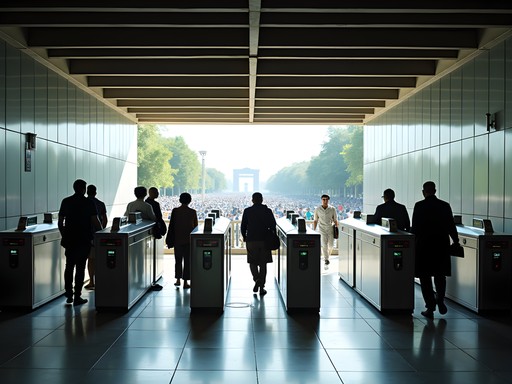
Not Rachel but I found the metro AMAZING for getting to the markets. Clean, cheap and avoids all the traffic. Just be prepared for security checks and crowds during rush hour!
escapewanderer
Thanks! Will definitely try the metro then. Any specific stations for these markets?
wanderdiver
Chandni Chowk has its own station! For Khan Market there's a station with the same name. Super convenient!
starphotographer
The colors in these market photos are incredible! What camera settings did you use?
exploremaster
Just booked my tickets to Delhi! This guide is perfect timing!
Gregory Boyd
Solid guide, Rachel. Having spent considerable time in Delhi over the years, I'd add Sarojini Nagar to this list - it's where locals shop for incredible clothing deals. You'll need to dig through piles, but I've found brand-name rejects for pennies on the dollar. For those intimidated by Chandni Chowk's intensity (and it IS intense), start with Dilli Haat as Rachel suggests. Fixed prices mean no bargaining stress, and the quality is government-verified. One thing I always recommend: hire a local guide for your first bazaar experience. I use GetYourGuide when taking friends - having someone who speaks Hindi and knows the labyrinthine layout makes all the difference.
escapewanderer
Sarojini Nagar is AMAZING. Got a whole new wardrobe there for less than $50 last year!
coffeevibes
going there next month! what's the best time of day to visit these markets?
Savannah Torres
Mornings are best for Chandni Chowk (before 10am), late afternoon for Khan Market when it's cooler. Avoid weekends if you can!
Haley Hamilton
Rachel, your post captures the shopping experience in Delhi perfectly! I'd add that Sarojini Nagar market is another gem for those looking for export surplus clothing at incredible prices. I scored designer pieces for under $10 there last spring. One strategy I've developed after multiple Delhi trips: I always do my first shopping day with a local friend who helps me understand fair prices, then I'm better prepared to shop solo. Also, for anyone overwhelmed by Chandni Chowk but wanting the experience, consider taking the Heritage Walking Tour that starts at the Red Fort - it gives you a taste of the market with historical context, and you can always return to shop more extensively afterward. Your section on Khan Market reminds me I need to revisit Full Circle Bookstore there - my favorite spot to escape the Delhi chaos with a coffee and good read!
moonlife
Those photos of Chandni Chowk are giving me life! 😍 Can't wait to visit!
vacationperson
Great post! I'm heading to Delhi next month and definitely want to check out these markets. Any advice on bargaining? I'm terrible at it and always feel like I'm getting ripped off as a tourist. Also wondering if it's better to carry cash or if cards work in most places?
Marco Flores
For bargaining, start at about 40% of their first price and work your way up to maybe 60-70% maximum. Always be ready to walk away - that's when the real deals happen! I once pretended to leave a shop in Chandni Chowk and suddenly my beautiful pashmina dropped to half price! As for payment, definitely carry cash for the traditional markets. Khan Market shops will take cards, but you'll need rupees for the real bazaar experience.
vacationperson
Thanks Marco! That's super helpful. Will definitely practice my 'walk away' face before I go!
wanderdiver
OMG Rachel, this brings back so many memories! I spent three weeks in Delhi last year and completely LIVED for the shopping. Chandni Chowk was sensory overload in the best possible way - I still dream about those silk scarves I picked up for like nothing! One tip for anyone heading there: go super early morning to beat both crowds and heat. And definitely wear comfortable shoes - I made the rookie mistake of cute sandals and my feet were DEAD after 4 hours of bazaar hopping!
exploremaster
How early is early? Planning my first trip!
wanderdiver
I'd say get there by 9am if possible! By 11 it gets pretty intense with both heat and people.
moonguy
Really helpful guide! Saving this for my trip
Venture X
Premium card with 2X miles, $300 travel credit, Priority Pass