Disclosure: This article contains affiliate links. We may earn a commission from purchases at no extra cost to you, which helps our travel content.
The moment you step into Marrakech's souks, time seems to bend. Ancient and modern collide in a sensory symphony that's utterly intoxicating. As someone who's planned countless business trips to Morocco (and extended a few for personal shopping adventures), I've developed a particular affinity for these labyrinthine marketplaces. They're chaotic, yes, but within that chaos lies an order—and treasures—that only reveal themselves to those who know where to look. This weekend guide will transform you from overwhelmed tourist to confident souk navigator, whether you're extending a business trip or planning a romantic getaway.
Navigating the Maze: Souk Geography 101
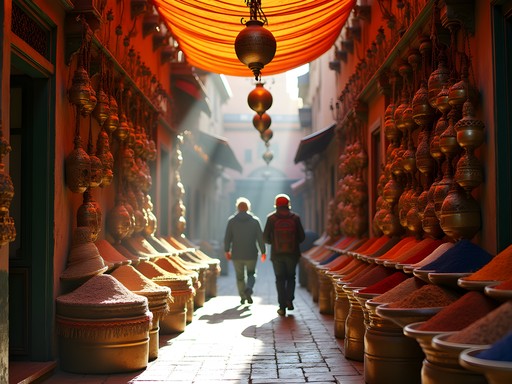
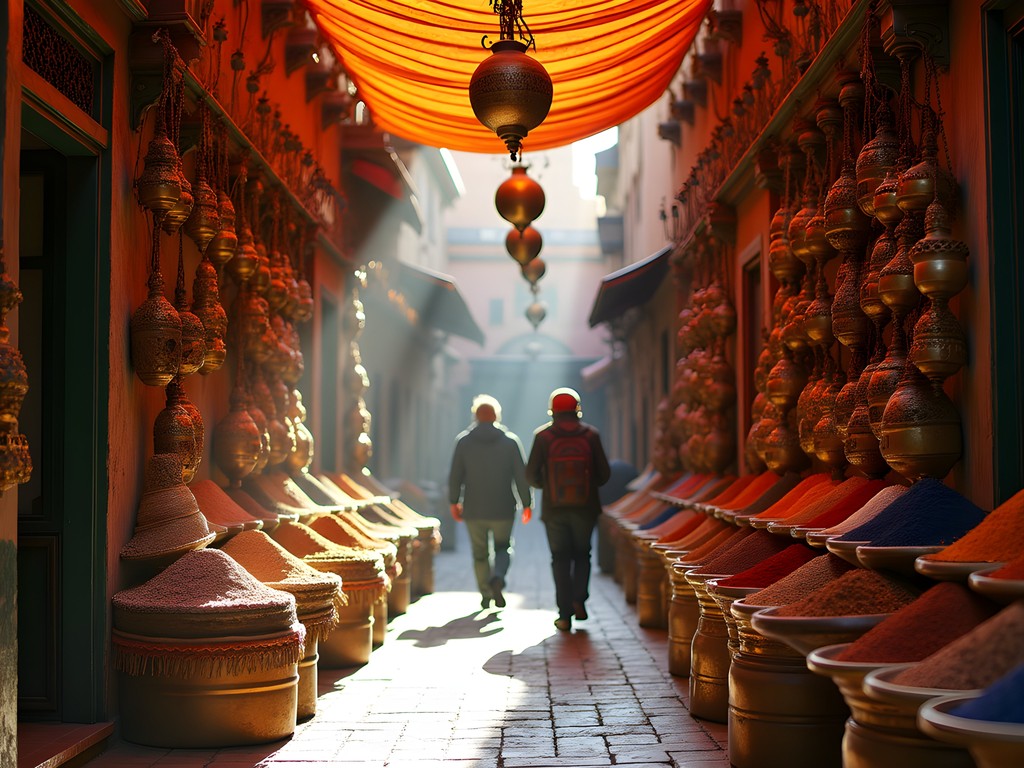
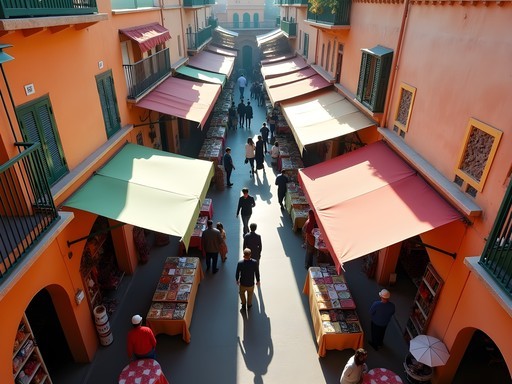
Marrakech's souks aren't just markets; they're a millennium-old commercial ecosystem with their own logic and flow. The main artery, Souk Semmarine, branches into specialized districts that have remained largely unchanged for centuries.
Start at Djemaa el-Fna square—your North Star for orientation—and work inward. Each section specializes in specific goods: Souk Cherratine for leatherwork, Souk Smata for babouche slippers, Souk Ableuh for olives and preserves, and my personal favorite, Souk Zrabia for rugs and textiles.
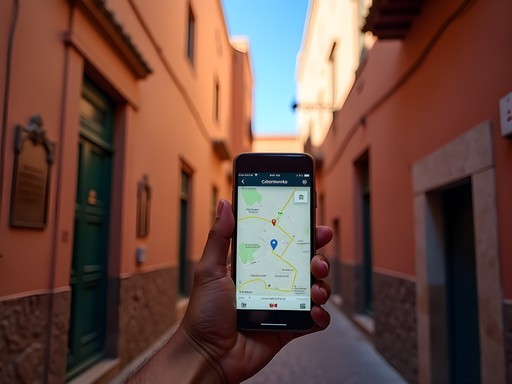
I learned the hard way that Google Maps becomes nearly useless once you're deep in the souk's embrace. Instead, I now use the Guru Maps Pro app, which allows me to download detailed maps and mark points of interest before venturing in. The offline functionality is a lifesaver when cell service becomes spotty beneath the souk's covered passages.
Remember: getting lost is part of the experience. Some of my best finds have come from wrong turns that led to workshops I'd never have discovered otherwise.
💡 Pro Tips
- Download an offline map app before your visit and mark key landmarks
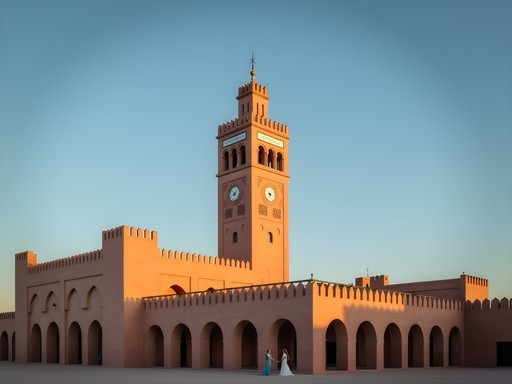
- Use the minarets of Koutoubia Mosque as a distant reference point when orienting yourself
- Visit early morning (8-10am) for a calmer experience with more room to browse
The Art of the Haggle: Negotiating Like a Pro
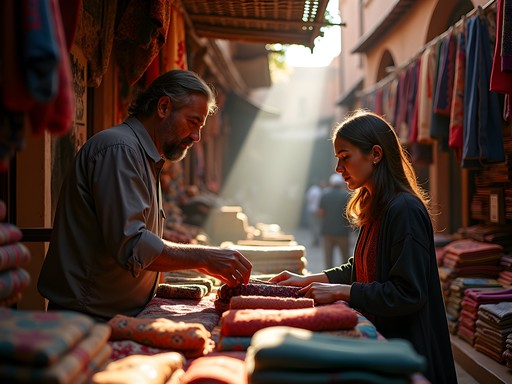
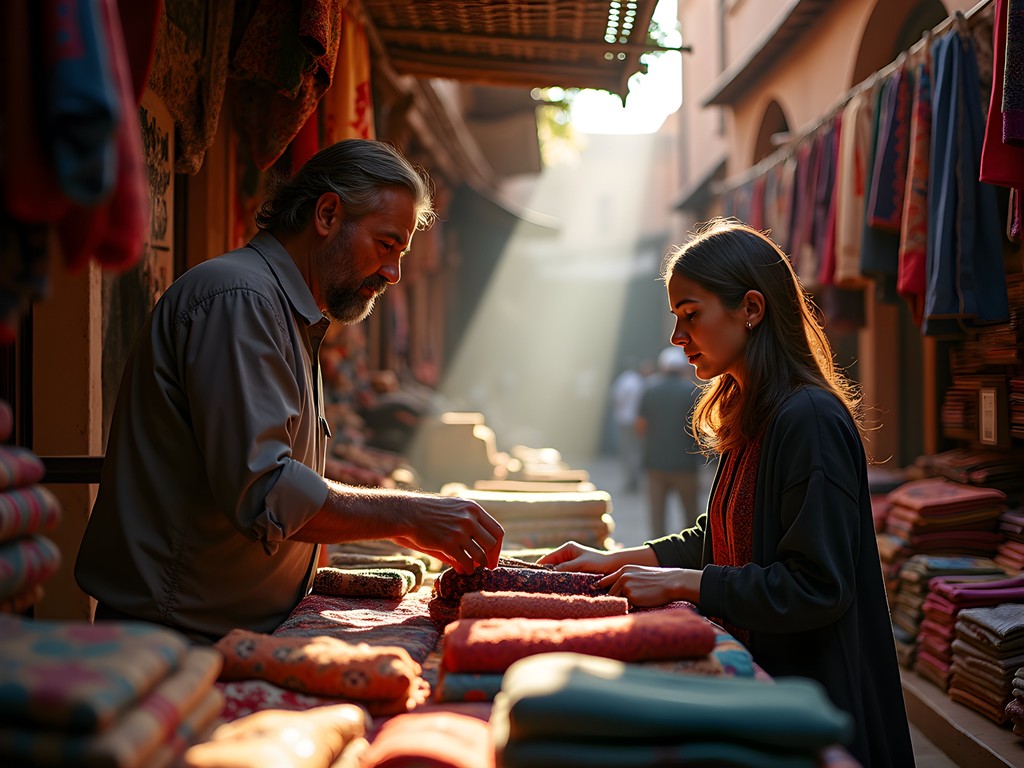
Haggling isn't just expected in Marrakech's souks—it's a cultural ritual, a dance of commerce that's been perfected over centuries. As someone who's transitioned from awkward first-timer to confident negotiator, I promise: you can master this.
First, establish your maximum price before engaging. My rule of thumb: start at 30-40% of the initial asking price, then work toward a middle ground. The vendor expects this process, so don't worry about offending anyone.
Always maintain a friendly demeanor. The best deals I've secured have come after sharing mint tea and conversation. Shopping here is relational, not transactional. Learn a few Arabic phrases—shukran (thank you) and la shukran (no thank you) go a long way.
I never shop without my currency converter, a pocket-sized conversion card that doesn't require batteries or signal. It's discreet enough to check mid-negotiation without pulling out your phone, which can disrupt the rapport you're building.
When you're ready to make a serious purchase, don't show too much enthusiasm. The phrase "I'll think about it" (ghadi nfekkar) often triggers a better offer as you turn to leave.
💡 Pro Tips
- Never name your maximum price first—let the seller make the initial offer
- Bundle purchases from the same vendor for better overall pricing
- Walk away if the price doesn't feel right—you'll likely find similar items elsewhere
Beyond the Touristy Trinkets: Finding Authentic Treasures
After a decade of souk explorations, I've learned that the most authentic treasures hide in plain sight—often just one alley removed from the main thoroughfares.
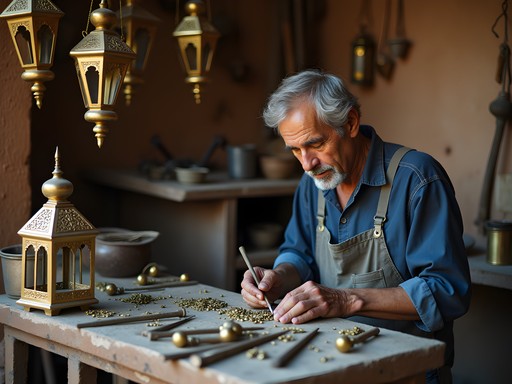
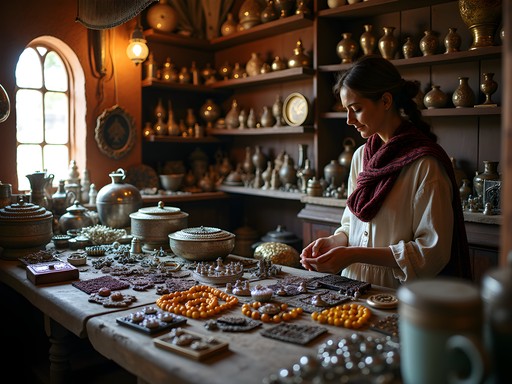
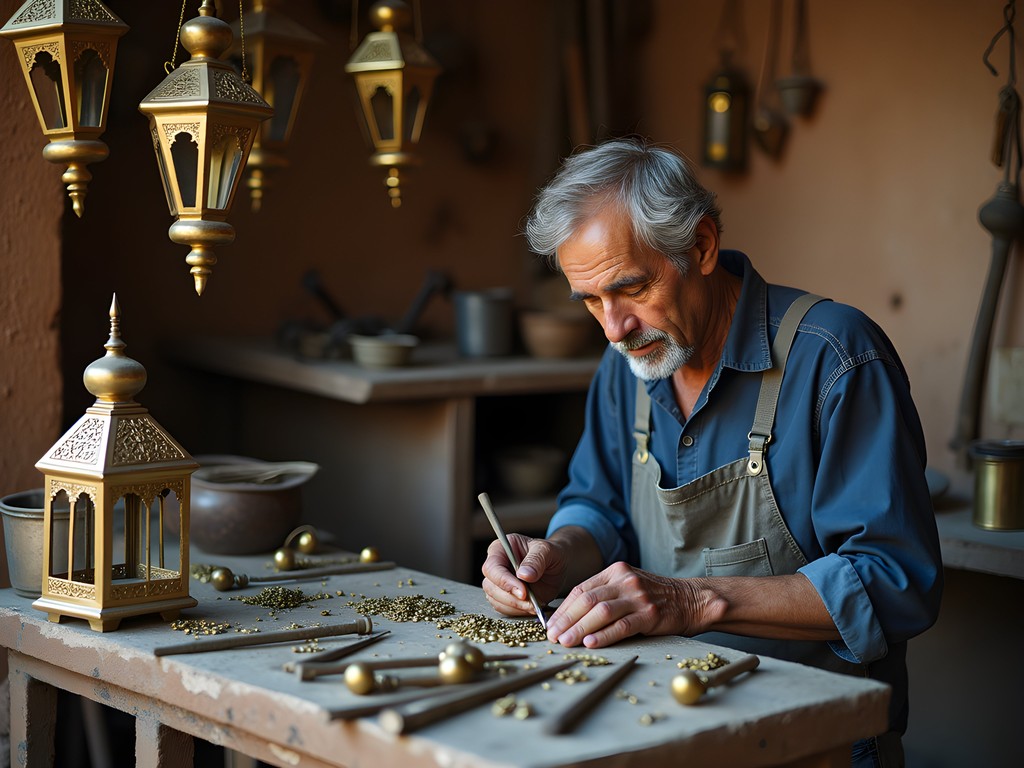
For genuine artisanal finds, seek out workshops where items are being made on-site. The rhythmic tapping of metal workers in Souk Haddadine or the careful hands of leather craftsmen in Souk Cherratine signal authenticity. When you purchase directly from artisans, you're not just buying souvenirs—you're preserving traditions.
My most treasured Marrakech find is a hand-painted ceramic tagine I watched being crafted in a tiny workshop near Souk Semmarine. The artisan explained each symbol as he painted, transforming a cooking vessel into a story of Berber culture.
For textiles, I've found that the most unique pieces come from Souk Zrabia before noon, when vendors are still arranging their newest acquisitions. I always bring my packing cubes with extra space specifically for textile purchases—they compress beautifully and protect delicate fabrics during transit.
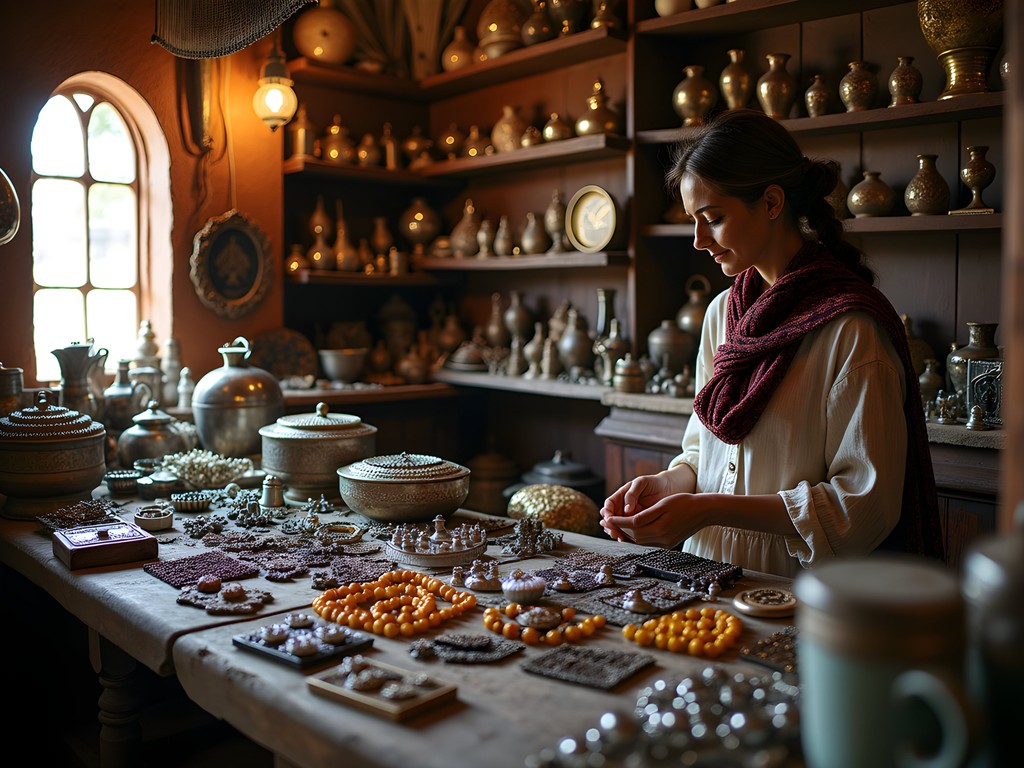
Jewelry shoppers should venture to the Jewish Quarter (Mellah), where silver workshops create pieces with distinctive Moroccan-Andalusian influences. The quality here often surpasses what you'll find in the main souks, and prices reflect craftsmanship rather than tourist markup.
💡 Pro Tips
- Look for workshops where items are being made on-site—authenticity guaranteed
- Ask vendors about the symbolism or techniques behind their crafts
- Purchase spices from shops where locals are buying—prices and quality will be better

Hidden Gems: The Souks Less Traveled
While most visitors stick to the main commercial arteries of Marrakech's souks, my business trips have afforded me the luxury of deeper exploration. Just beyond the tourist paths lie specialized markets that locals frequent—where authenticity isn't curated for visitors but simply exists.
Souk El Khemis, the "Thursday Market," remains my favorite hidden gem. Located northeast of the main souks, this weekly market offers everything from vintage Berber jewelry to antique doors and architectural salvage. I once found a 19th-century carved wooden door panel that now serves as the centerpiece of my dining room.
For couples seeking unique experiences, I recommend hiring a local guide for a specialized tour. On my last visit, I used GetYourGuide to book a private shopping expedition with a guide who knew exactly which doorways led to rooftop workshops with panoramic views and exceptional craftsmanship.
Don't miss Souk Kâat Smen, a smaller market specializing in traditional beauty products. Here, you'll find everything from argan oil sourced directly from women's cooperatives to hand-blended ras el hanout spice mixtures. My travel spice kit has been perfect for bringing home these aromatic treasures without spills or flavor loss.
The Cave of Treasures (Kzadria) houses antique dealers selling everything from Tuareg jewelry to vintage carpets with provenance. Prices here start higher but reflect genuine antiquity and collectible status.
💡 Pro Tips
- Visit Souk El Khemis on Thursday mornings for the best selection of vintage and antique items
- Bring small denominations of dirhams for purchases in the smaller, less touristy markets
- Ask your riad or hotel to recommend a reputable guide who specializes in artisanal shopping
Shipping Your Treasures: From Souk to Home
The romance of the souks inevitably leads to practical concerns: how to get your newfound treasures home safely. After years of trial and error (and one heartbreaking ceramic casualty), I've developed a system.
For smaller items, I always pack a foldable duffel that compresses to pocket-size but expands to hold considerable shopping hauls. It's sturdy enough for checked luggage yet weighs practically nothing.
Larger purchases like rugs or lanterns can be shipped directly from Marrakech. Avoid shipping services offered by the same vendor who sold you the item—prices are typically inflated. Instead, I use Maroc Export on Rue de la Liberté, where rates are standardized and tracking is reliable.
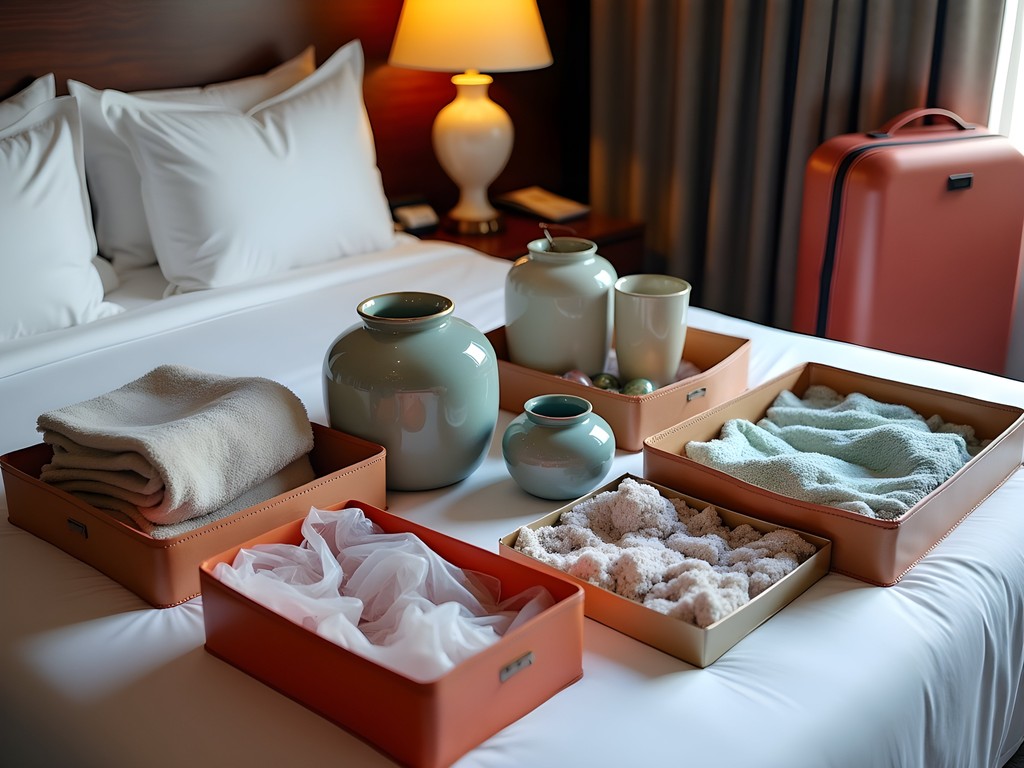
For fragile ceramics or glass, my secret weapon is the bubble wrap sleeves designed for wine bottles. They're perfect for protecting everything from olive oil bottles to small tagines, and they take up minimal space in your luggage before use.
Keep all receipts, especially for higher-value items. Morocco allows VAT refunds for purchases over 2,500 MAD from shops displaying the "Tax Free" logo. The process requires some paperwork, but receiving 14.5% back makes it worthwhile for significant purchases.
💡 Pro Tips
- Pack bubble wrap or inflatable packaging sleeves for fragile items
- Compare shipping rates between multiple providers—prices and services vary dramatically
- Take photos of valuable items before shipping as documentation for insurance
Final Thoughts
Marrakech's souks offer more than shopping—they provide a window into Morocco's soul, where ancient traditions thrive in a modern world. The treasures you'll bring home aren't just objects but stories, connections, and glimpses into craftsmanship that spans generations. Whether you're extending a business trip for a weekend of exploration or planning a romantic getaway, these marketplaces reward the curious and the patient.
As you wander the labyrinthine alleys, remember that each wrong turn might lead to your most precious discovery. The perfect rug, lantern, or spice blend awaits—not just as a souvenir, but as a tactile memory of your Moroccan adventure.
I return to these souks year after year, not just for the treasures they hold, but for the reminder that in our increasingly homogenized world, places of authentic commerce and human connection still thrive. Your weekend in Marrakech's souks will be more than a shopping trip—it will be an education in history, craftsmanship, and the timeless art of the haggle.
✨ Key Takeaways
- Plan your souk exploration with offline maps but embrace getting lost as part of the adventure
- Approach haggling as a cultural exchange rather than a battle—patience and humor are your best tools
- Look beyond main thoroughfares to find authentic workshops where items are still made by hand
- Allocate at least one full day to souk exploration, starting early when the markets are less crowded
📋 Practical Information
Best Time to Visit
March-May (spring) or October-November (fall)
Budget Estimate
$150-300 per day including mid-range accommodations, meals, and moderate shopping
Recommended Duration
2-3 days (minimum 1 full day dedicated to souk exploration)
Difficulty Level
Moderate

Comments
vacationperson
Your photos capture the atmosphere perfectly! We're going in March and I can't wait to experience those colors and smells. Quick question - did you feel like you needed cash or do they take cards in most places now?
beachtime
Definitely bring cash for the souks! Small bills are best for haggling. The bigger shops near Jemaa el-Fnaa might take cards, but the good stuff is usually cash-only.
freetime
Question about the hidden souks section - is the metalwork souk you mentioned walkable from Jemaa el-Fnaa or should we grab a taxi? Also any specific days that are better/worse for crowds?
Haley Hamilton
Definitely walkable! Maybe 15 minutes. Go early morning on weekdays if you can - way less crowded
photoperson4745
WOW!! Those lantern photos are STUNNING! Did you use any special camera settings to capture all those colors? I'm heading there next week and definitely want to get similar shots!
Megan Martin
Thank you! For the lantern shots I actually used my phone with HDR mode - the lighting in the souks is challenging with bright spots and shadows. Morning light (9-11am) creates the most magical glow through the slatted roofs. Enjoy your trip!
Haley Hamilton
Megan, this brings back so many memories! I spent three weeks in Marrakech last year and got completely lost in the souks almost daily. Your tip about starting high when haggling is spot on - I learned the hard way that going in too aggressive just shuts down the conversation. My best find was in one of those tiny side alleys near the spice souk where I found a woman selling hand-embroidered cushion covers her grandmother made. Paid maybe 1/3 of what the main tourist shops wanted and the quality was incredible. The key is really just wandering and being open to getting lost. Also totally agree about avoiding the guys who offer to "guide" you - they always take you to their cousin's overpriced shop!
wildphotographer
Did you find it hard to carry stuff while backpacking? Going in March and worried about space
Haley Hamilton
I shipped a box home from the post office! Cost like $40 but totally worth it for all the treasures I found
wildphotographer
Love this! The souk photos are incredible 📸
journeyseeker
Really cool guide, thanks for sharing!
islandking
This might be a dumb question but is it safe to carry cash around in the souks? I keep reading mixed things online. Planning to go with my girlfriend in April and we're a bit nervous about pickpockets and stuff. Should we split up our money or just use cards?
Riley Griffin
Not dumb at all! I always carry cash in a money belt under my clothes. Most vendors don't take cards anyway. Just take what you need for the day and leave the rest at your riad. The souks are generally safe, but stay aware like you would anywhere.
adventureguide
Love your photos! The colors are amazing
Frank Garcia
Solid guide. I'd add that the metalwork souks (Souk Haddadine) are criminally underrated. Found a guy there making traditional Berber jewelry using techniques passed down for generations - his workshop was literally a 2x2 meter space, but the craftsmanship was museum-quality. Paid 180 dirham for a piece that would've been 600+ in the main tourist areas. Pro tip: learn a few words in Darija (Moroccan Arabic). Even just 'shukran' and 'bslama' changes the entire dynamic. Also, the Morocco guidebook has a great section on identifying quality leather vs tourist-grade stuff.
roamblogger
how much should you actually haggle down? like what percentage?
Frank Garcia
From my experience, start at 40-50% of their initial price. The sweet spot usually lands around 60-70% off for tourist items. Leather goods have more margin than ceramics. Always be ready to walk away - that's when the real price appears.
roamblogger
thanks! super helpful
Venture X
Premium card with 2X miles, $300 travel credit, Priority Pass