
Disclosure: This article contains affiliate links. We may earn a commission from purchases at no extra cost to you, which helps our travel content.
There's a psychological phenomenon I've observed in my practice: the objects we bring home from our travels become tangible anchors to transformative experiences. In Pago Pago, American Samoa, the act of selecting traditional crafts isn't just shopping—it's participating in a living cultural exchange that has sustained Polynesian artisans for generations. This weekend escape offers couples a rare opportunity to slow down, connect with master craftspeople, and bring home pieces that carry genuine stories rather than mass-produced sentiment.

The Psychology of Meaningful Souvenirs
Before we explore where to shop, let's consider why authentic crafts matter for your relationship and memory-making. Research in environmental psychology shows that objects with authentic cultural narratives create stronger emotional bonds than generic tourist items. When you and your partner select a traditionally woven mat or carved tanoa together, you're not just buying something—you're creating a shared memory of discovery, conversation with artisans, and mutual appreciation for craftsmanship.
The Samoan concept of fa'a Samoa (the Samoan way) emphasizes respect, family, and cultural preservation. By choosing authentic pieces, you're supporting this cultural continuity. I always bring a small portable scale to help me stay within airline weight limits while still bringing home meaningful pieces—it's saved me from overweight baggage fees more than once and lets me confidently shop without the anxiety of unknown weights.
💡 Pro Tips
- Ask artisans about the symbolism in their designs—these conversations become part of your souvenir's story
- Take photos of yourself with the artisan and their work to create a complete memory narrative
- Budget extra time for shopping; rushing undermines the relational aspect of these cultural exchanges
Fagatogo Market: The Heart of Local Craft Culture
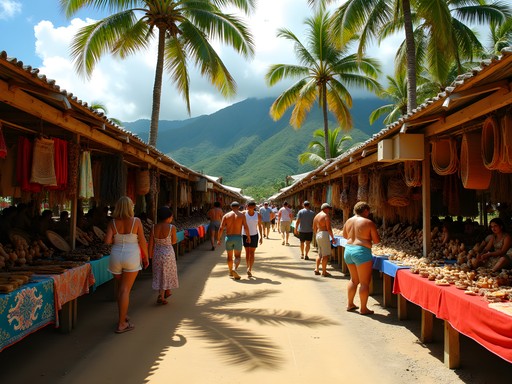
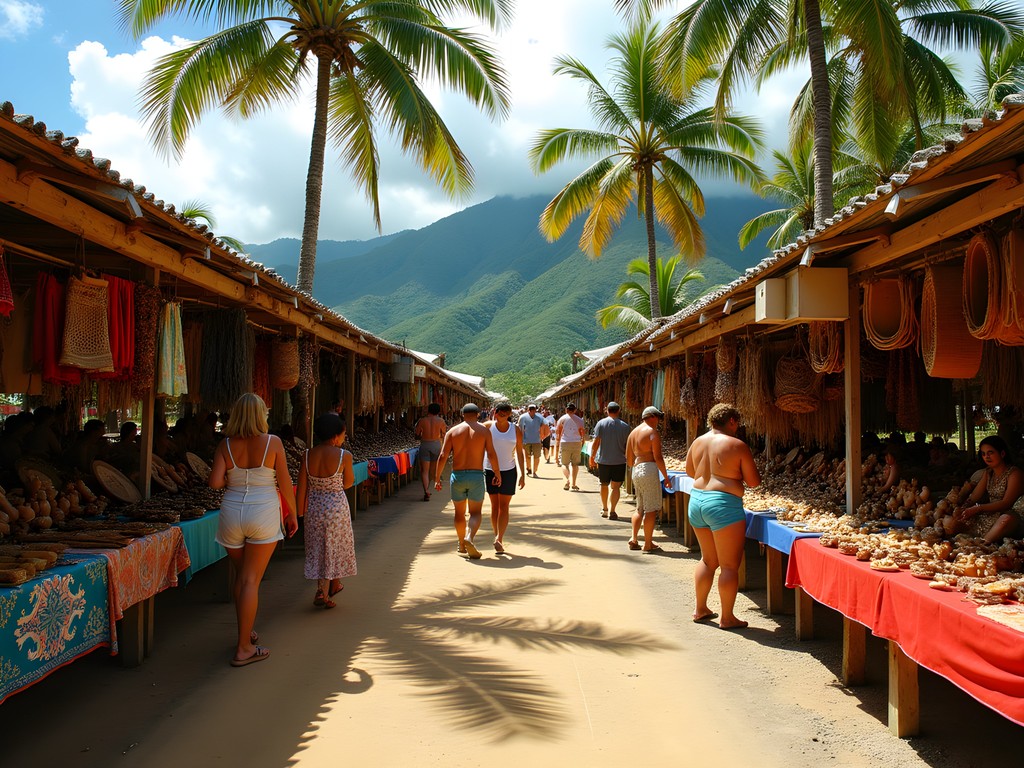
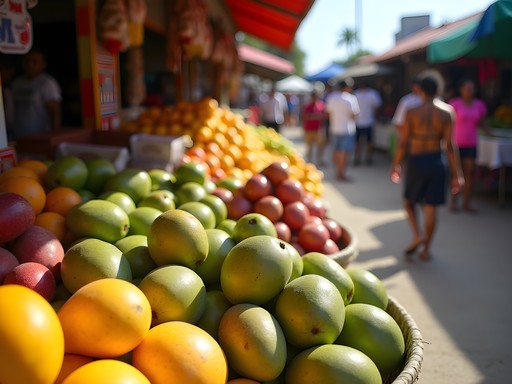
The Fagatogo Market, located near the main harbor, serves as Pago Pago's cultural and commercial center. Open Tuesday through Saturday mornings, this is where local families shop and where you'll find the most authentic selection of traditional crafts at fair prices. The market operates on what I call 'relationship economics'—vendors appreciate when you take time to learn about their work rather than treating shopping as a transactional sprint.
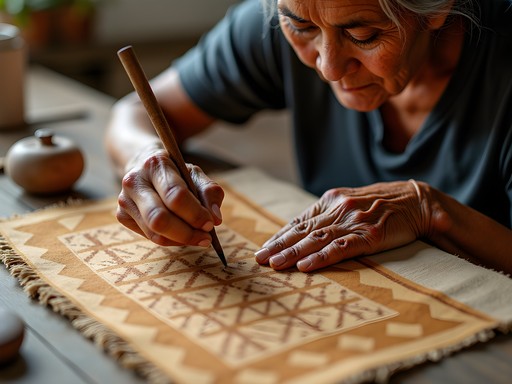
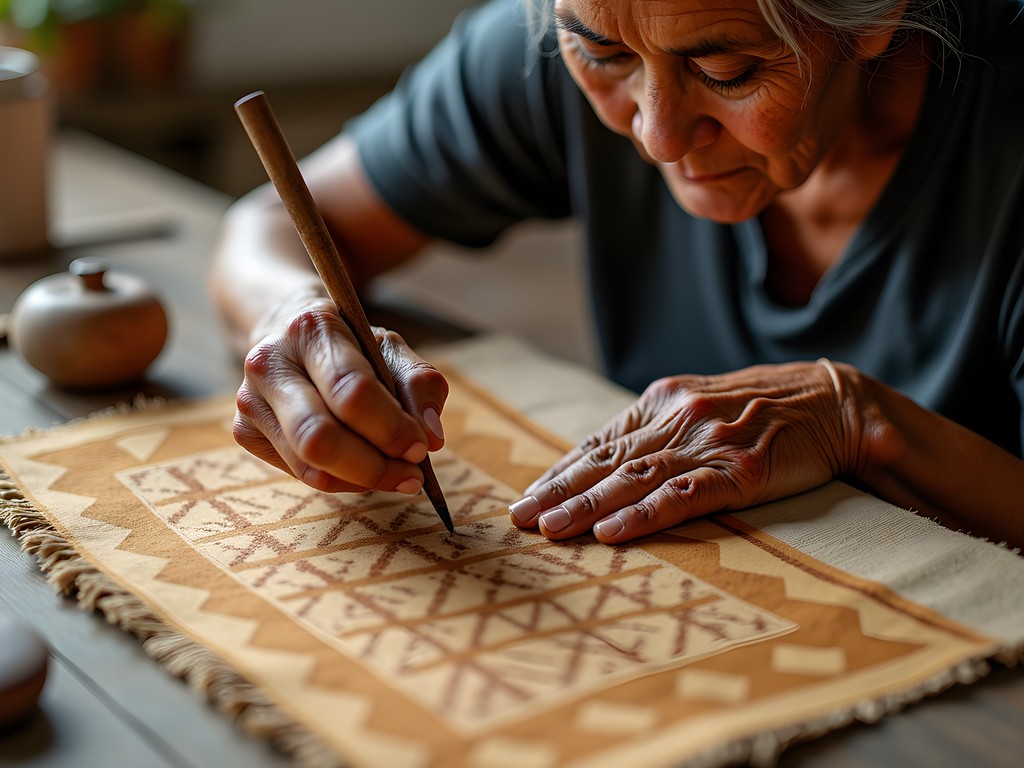
Look for siapo (tapa cloth) made from beaten mulberry bark and decorated with natural dyes. These geometric patterns aren't arbitrary—each design element carries meaning related to family lineage, natural elements, or spiritual concepts. I've found that couples who select a piece together often discover they're drawn to the same symbolic elements, which creates a beautiful moment of recognition. The hand-carved fue (fly whisks) and to'oto'o (ceremonial staffs) represent authority and respect in Samoan culture. While the staffs may be too large for practical travel, smaller versions make stunning wall art.
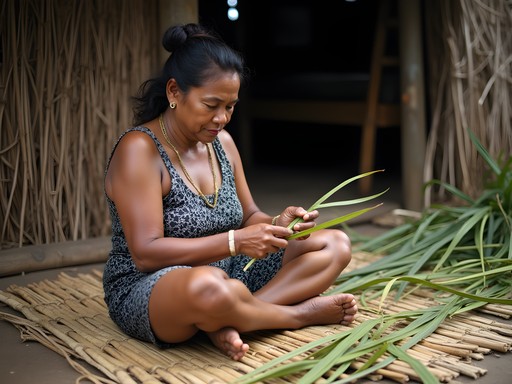
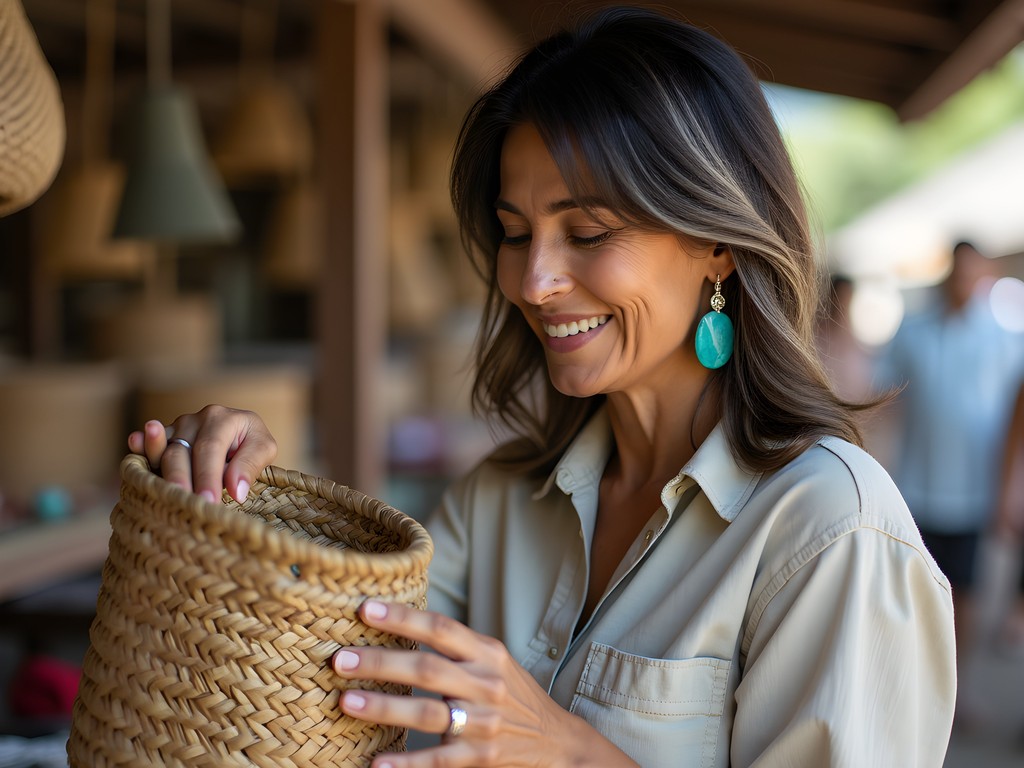
Don't miss the woven fala (mats) and baskets made from pandanus leaves. The weaving process can take weeks, and the tightness of the weave indicates the artisan's skill level. A quality packing cube set helps me organize these flat textiles in my luggage without crushing them—I learned this the hard way after damaging a beautiful mat by stuffing it carelessly into my suitcase.
💡 Pro Tips
- Arrive early (by 7 AM) for the best selection and cooler shopping temperatures
- Bring small bills in US dollars—many vendors have limited change
- Ask permission before photographing artisans or their work; respect is paramount in Samoan culture
Tisa's Barefoot Bar: Where Art Meets Storytelling
While primarily known as a beachside restaurant and cultural performance venue, Tisa's Barefoot Bar in Alega Beach also features a small but exceptional collection of high-quality crafts. What makes this location special is the storytelling component—owner Tisa Faamuli or her staff can explain the cultural context behind each piece, transforming your purchase into an educational experience.
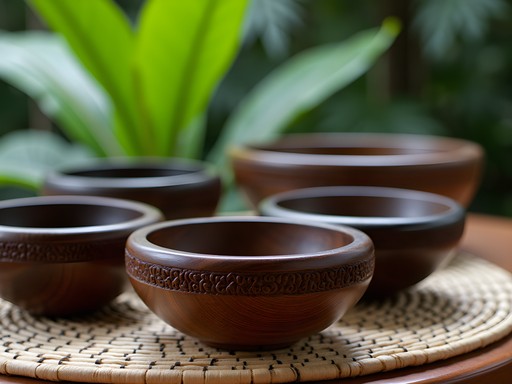
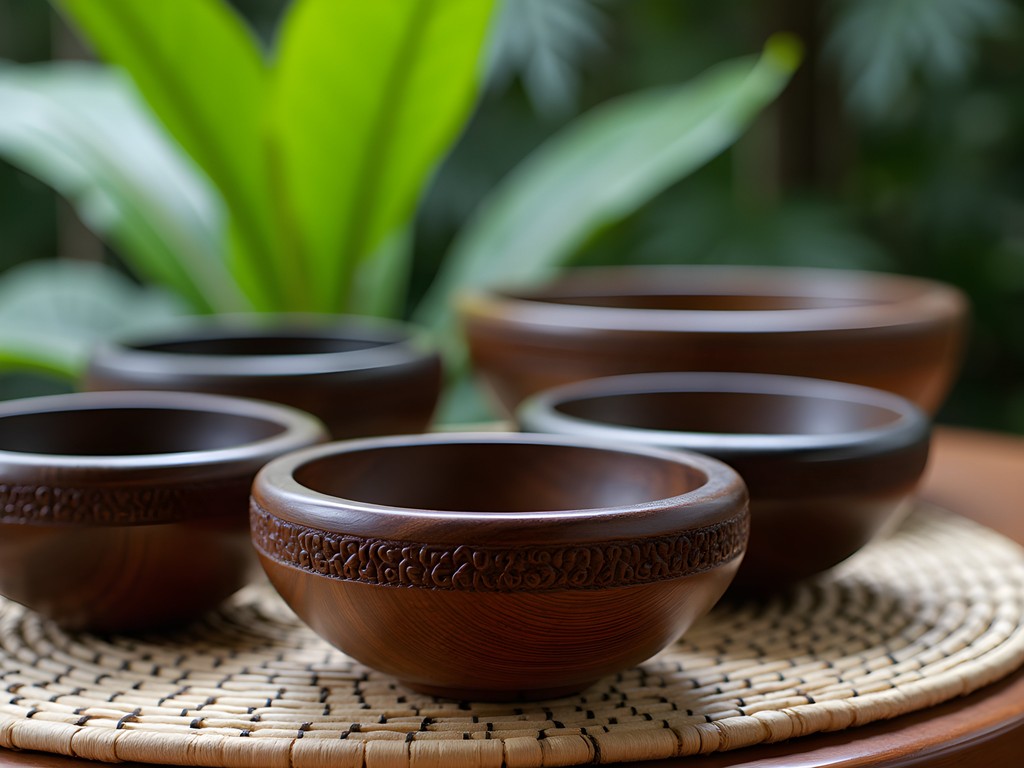
The selection here tends toward museum-quality items: intricately carved 'ava bowls (used in traditional kava ceremonies), shell jewelry with traditional patterns, and premium tapa cloth. Prices reflect the exceptional quality, but you're paying for pieces that could genuinely be considered functional art. As someone who values the intersection of aesthetics and meaning, I appreciate that these aren't items you'll find in every tourist's suitcase.
The bar's location also offers the perfect opportunity to combine shopping with a meal featuring traditional Samoan dishes like palusami (coconut cream wrapped in taro leaves) or oka (raw fish salad). This holistic cultural experience—eating, learning, and shopping in one location—creates what psychologists call 'episodic memory enrichment,' where multiple sensory inputs strengthen your recall of the experience.
💡 Pro Tips
- Visit during their Sunday fia fia (cultural show) to see how traditional items are used in ceremonies
- Call ahead to confirm their craft selection, as inventory varies
- Combine your visit with sunset timing—the beach views are spectacular and create a romantic shopping atmosphere

Sadie's by the Sea: Curated Quality for Discerning Collectors
The gift shop at Sadie's by the Sea hotel offers a more curated, climate-controlled shopping experience that appeals to couples who prefer browsing without the intensity of open-air markets. While prices run slightly higher than the Fagatogo Market, the selection undergoes quality vetting, and you're guaranteed authentic pieces rather than imports.
I particularly appreciate their collection of contemporary Samoan jewelry that blends traditional motifs with modern design sensibilities. The sterling silver pieces featuring turtle and wave patterns make excellent gifts that pack easily and won't trigger luggage weight concerns. They also stock books about Samoan culture and history—I picked up a fascinating volume on traditional navigation techniques that deepened my understanding of Polynesian environmental knowledge.
The shop's air conditioning provides welcome relief from Pago Pago's tropical humidity, and the staff offers shipping services for larger items. From a practical standpoint, this matters: that beautiful carved headboard might exceed your airline's size restrictions, but shipping it home preserves both the piece and your travel plans. I always travel with a luggage tape measure to quickly check dimensions against airline requirements before committing to larger purchases.
💡 Pro Tips
- Ask about the artisan's name and village—Sadie's maintains this information for their inventory
- Inquire about shipping costs before falling in love with oversized items
- Visit their small museum display showcasing historical Samoan artifacts for context before shopping
Direct from Artisans: Village Visits for Deeper Connection
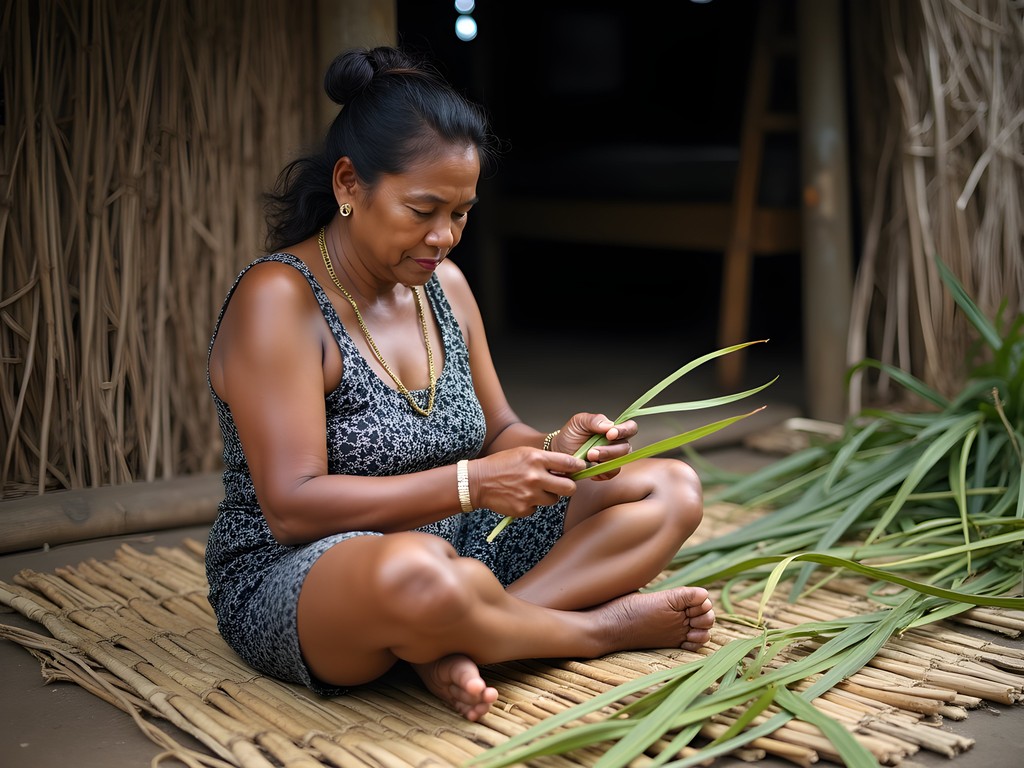
For couples seeking the most meaningful souvenir experience, consider arranging a village visit through your hotel or a local guide. Several villages near Pago Pago welcome respectful visitors interested in purchasing directly from artisans in their working environments. This isn't a casual drop-in situation—proper cultural protocols require advance arrangement and often a small gift or monetary offering to the village matai (chief).
What you gain from this extra effort is immeasurable: watching an artisan at work, understanding the time investment in each piece, and often being invited to try your hand at weaving or carving. These interactions transform your souvenir from an object into a relationship. My daughter and I once spent an afternoon learning basic pandanus weaving from a grandmother in Costa Rica, and the small, imperfect mat we created together remains one of my most treasured possessions—not for its aesthetic value, but for the memory of shared learning and cross-cultural connection.
Bring a portable Bluetooth speaker loaded with music from your own culture as a gift—I've found that this gesture of cultural exchange (playing a few songs and asking to hear their favorites) creates wonderful moments of connection. Music transcends language barriers in ways that facilitate genuine human interaction.
Photography etiquette becomes especially important in village settings. Always ask permission, offer to share photos via email, and consider bringing a portable photo printer to give instant prints as gifts—this small gesture of reciprocity honors the time people share with you.
💡 Pro Tips
- Dress modestly; shoulders and knees should be covered in village settings
- Learn basic Samoan greetings: 'Talofa' (hello) and 'Fa'afetai' (thank you) show respect
- Budget at least three hours for a village visit—rushing signals disrespect for the cultural exchange
Final Thoughts
The souvenirs you select in Pago Pago become more than decorative objects—they're physical manifestations of cultural respect, artisan support, and the memories you create together as a couple. In my years of studying how environments shape our psychological well-being, I've observed that objects with authentic narratives contribute to what researchers call 'environmental autobiography'—the way our surroundings tell the story of who we are and what we value.
When you return home and that carved 'ava bowl sits on your shelf, or that woven mat graces your wall, you're not just remembering a weekend trip. You're reconnecting with the artisan's hands that shaped it, the cultural traditions that informed its design, and the moment you and your partner chose it together. That's the transformative power of authentic souvenirs.
Fa'afetai tele lava—thank you very much—for taking the time to shop mindfully and support Samoa's living cultural heritage. Your purchases directly sustain traditions that might otherwise fade in our increasingly homogenized world.
✨ Key Takeaways
- Authentic Samoan crafts require time and cultural respect—budget extra hours for meaningful shopping experiences
- Direct purchases from artisans at markets or village visits provide the most authentic pieces and best prices
- Understanding the cultural symbolism behind designs transforms souvenirs from objects into stories you'll share for years
📋 Practical Information
Best Time to Visit
Year-round destination; May-October offers slightly drier conditions for market browsing
Budget Estimate
$200-500 for quality authentic pieces including smaller carvings, textiles, and jewelry for a couple
Recommended Duration
Full weekend (2-3 days) allows unhurried shopping plus cultural experiences
Difficulty Level
Easy—most Shopping Locations Are Accessible And Welcoming To Beginners

Comments
greenninja
Going there next month! Any tips on what time Fagatogo Market opens?
Audrey Black
It opens around 6am and is busiest in the early morning. Get there before 9am for the best selection and to experience it when the energy is highest. Have an amazing trip!
Hunter Thompson
Brilliant post Audrey! I spent an afternoon at Tisa's last summer and ended up chatting with this amazing elder who was carving tanoa bowls. He explained the whole process and the cultural significance behind each design. Bought one from him and it's honestly my most treasured travel item. The storytelling aspect you mentioned is SO important - these aren't just souvenirs, they're pieces of living culture. Also the fiafia night at Tisa's is absolutely worth staying for if anyone's planning a visit!
greenninja
Did you need to book the fiafia night in advance?
Hunter Thompson
Nah just showed up but it was off-season. Probably smart to call ahead during peak times
wildadventurer
What are the price ranges like at Fagatogo Market? Trying to budget for my trip in April
Hunter Thompson
Not Audrey but I was there last year! The market is super affordable - most small carved items are $10-30 USD, larger pieces maybe $50-100. Way cheaper than the hotel shops. Definitely bargain politely, but don't lowball the artisans. They put real work into these pieces!
mountainadventurer
How easy is it to ship larger items back home from Pago Pago? I'm worried about bringing back something fragile like traditional bowls on the plane.
Audrey Black
Great question! Most of the shops at Sadie's and Tisa's can arrange shipping for you. The postal service is reliable but can take 2-3 weeks. I'd recommend bubble wrapping anything ceramic yourself first though - just to be safe!
mountainadventurer
Thanks! That's really helpful
redmood
Love this! The psychology angle is really interesting.
sunnyzone
Love this! Supporting local artisans is so important.
Douglas Bradley
Really appreciate the psychological angle here, Audrey. I've been documenting craft traditions across the Pacific for the past year, and what you said about souvenirs as 'tangible anchors' resonates deeply. In Pago Pago specifically, I found the elders at Fagatogo Market incredibly generous with their time when I asked about the symbolism in traditional siapo designs. One woman spent nearly an hour explaining how each geometric pattern represents different aspects of Samoan cosmology. The pieces I brought home aren't just beautiful—they're encoded with stories I can revisit. For anyone going, please take time to ask artisans about their work. The cultural context transforms these objects entirely.
sunnyzone
This is so true! I bought a siapo without asking about it and now I wish I had. Going back next year for sure.
summermaster
What are the market hours at Fagatogo? Planning my first trip!
Audrey Black
Early mornings are best - around 6am-10am on weekdays. Saturday mornings are the busiest with the most vendors. Get there early for the best selection!
summermaster
Thank you so much!
Venture X
Premium card with 2X miles, $300 travel credit, Priority Pass