Disclosure: This article contains affiliate links. We may earn a commission from purchases at no extra cost to you, which helps our travel content.
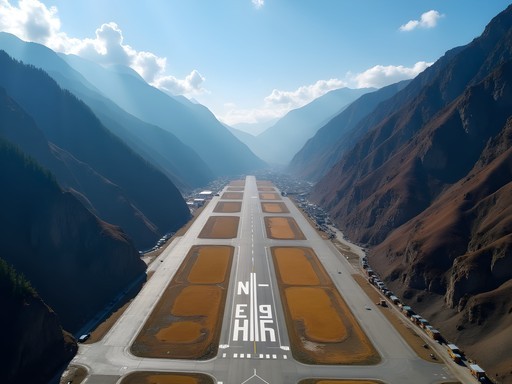
Landing at Paro International Airport feels like stepping into another dimension. As the plane descended between towering Himalayan peaks, I couldn't help but analyze how Bhutan's unique development policies have shaped this nation's relationship with tourism and commerce. My weekend trip to Paro wasn't just a luxury getaway – it was a chance to observe how the kingdom's Gross National Happiness framework influences its artisan economy. After five years of business travel across four continents, I've developed a sixth sense for distinguishing authentic cultural products from tourist traps. Paro surprised me with its sophisticated balance: strictly regulated tourism that preserves cultural integrity while still offering meaningful shopping experiences for visitors. Whether you're searching for heirloom-quality textiles or contemporary Bhutanese art, this guide will help you navigate Paro's craft scene with purpose and appreciation.

Navigating Paro's Traditional Craft Markets
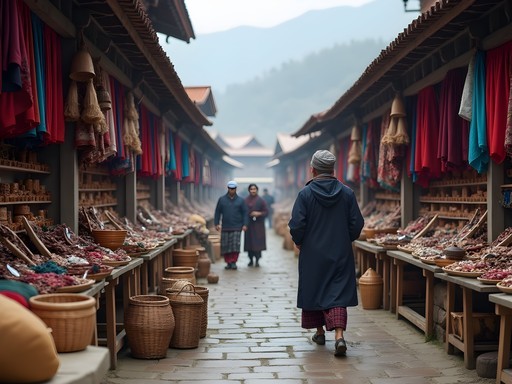
The heart of Paro's shopping experience lies in its carefully preserved traditional markets. Unlike the chaotic bazaars of Istanbul or the polished luxury malls of Tokyo, Paro offers something distinctly Bhutanese – organized yet authentic market spaces where government policy actively protects traditional craftsmanship.
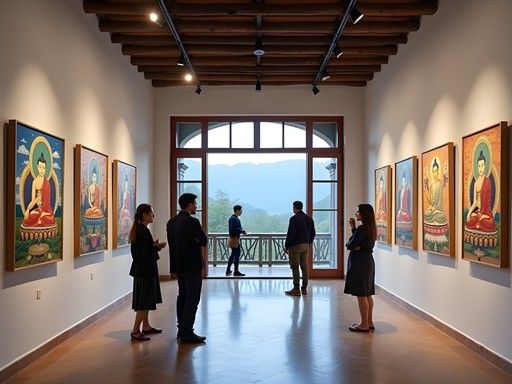
The National Handicrafts Emporium near the main street represents the most accessible entry point. While technically government-run, it functions more as a curated gallery of Bhutanese crafts than a sterile gift shop. During my visit, I spent nearly two hours examining their collection of thangka paintings – intricate Buddhist artworks created with ground mineral pigments on cotton canvas. The fixed pricing system here means no haggling (a relief for many Western travelers), and the quality control standards ensure authenticity.
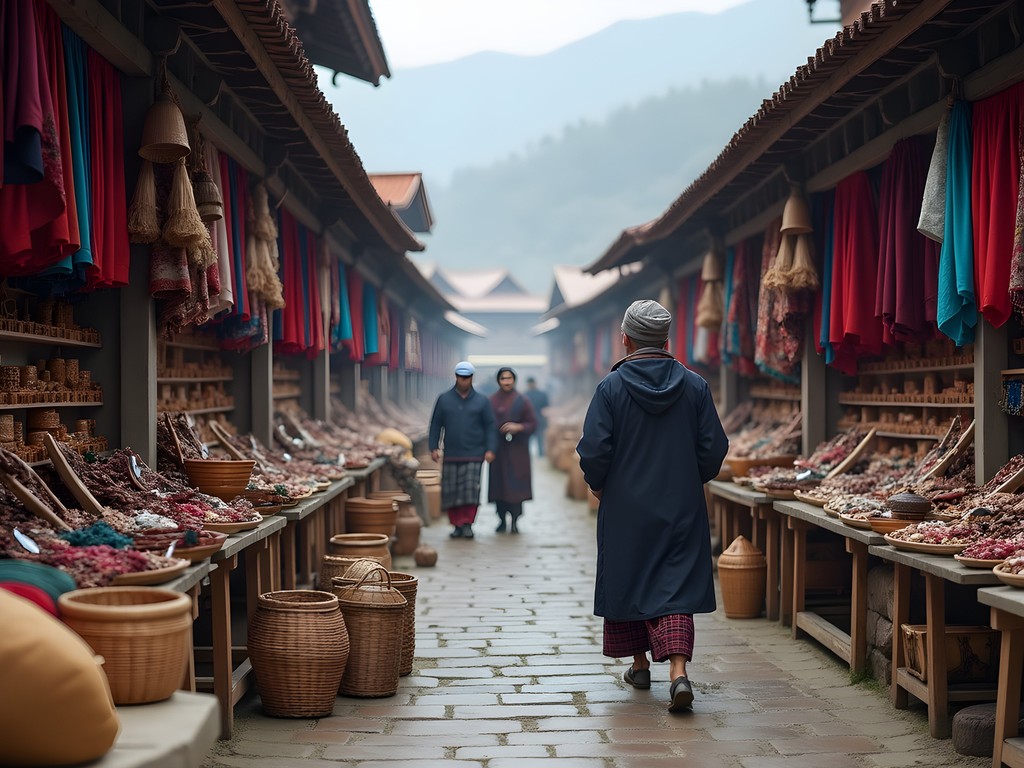
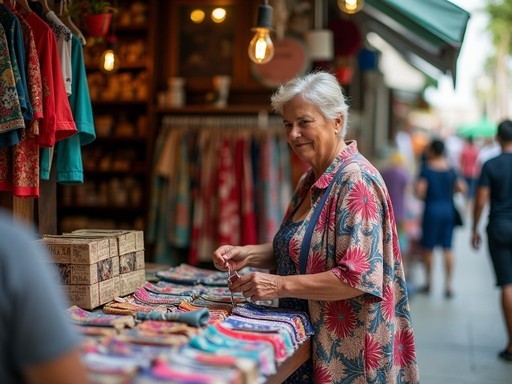
For a more immersive experience, time your visit to coincide with the weekend market near Paro Bridge. Local farmers and artisans gather here, creating a vibrant tapestry of commerce that feels remarkably unchanged by global tourism. I watched elderly women weaving bamboo baskets with the same techniques passed down through generations, their weathered hands moving with mesmerizing precision.
While exploring these markets, I relied heavily on my crossbody travel bag – perfect for carrying small purchases while keeping valuables secure. The slash-proof construction provided peace of mind, especially when navigating crowded market spaces with camera equipment and local currency.
💡 Pro Tips
- Visit the weekend market early (before 8am) to watch artisans setting up their stalls
- Bring small Bhutanese currency notes (ngultrum) as many vendors can't make change for large bills
- Ask permission before photographing craftspeople at work – most appreciate a small purchase in exchange
The Art of Bhutanese Textiles: Where Policy Meets Preservation
If there's one souvenir that captures Bhutan's cultural essence, it's their textiles. The kingdom's textile traditions represent a fascinating case study in cultural preservation through deliberate policy interventions – something that resonates deeply with my professional interests.
The National Textile Museum in Thimphu provides essential context, but Paro offers superior shopping opportunities. My research led me to Chencho Handicrafts, a family-run establishment tucked away on a side street near Paro Dzong. What distinguishes this shop is their transparent supply chain – each textile's creator is documented, with photographs showing the weaving process displayed alongside finished pieces.
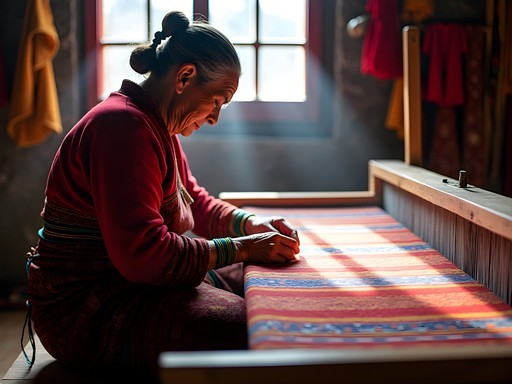
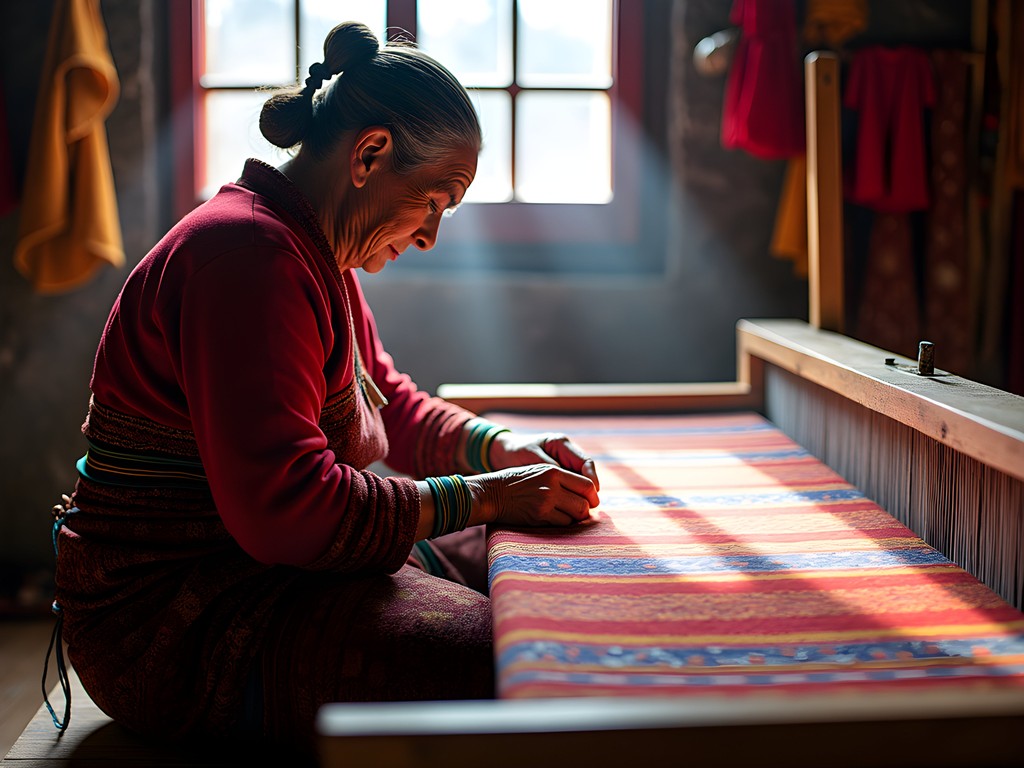
The star attractions are kira (women's garments) and gho (men's robes) woven from hand-spun cotton and silk. These aren't cheap souvenirs – expect to pay $200-800 USD for quality pieces – but they represent extraordinary craftsmanship. I purchased a hand-woven table runner featuring traditional aikapur patterns that took a weaver nearly two months to complete.
For those interested in textile arts, I highly recommend investing in the comprehensive guide before your trip. This beautifully illustrated book helped me understand the symbolic meanings behind different patterns and appreciate the technical complexity of Bhutanese weaving traditions. Having this knowledge transformed my shopping experience from simple consumption to meaningful cultural engagement.
Most fascinating was learning how Bhutan's Royal Government has implemented policies specifically designed to prevent textile traditions from disappearing – including mandatory wearing of traditional dress in official settings and subsidies for master weavers who train apprentices.
💡 Pro Tips
- Ask to see documentation of a textile's provenance – quality shops will provide this readily
- Understand that natural dyes may fade differently than chemical ones – this is part of the textile's living character
- Consider purchasing smaller items like table runners or scarves if full garments exceed your budget
Contemporary Bhutanese Art: Where Tradition Meets Innovation
What surprised me most about Paro's shopping landscape was its vibrant contemporary art scene. While policy discussions about Bhutan often focus on traditional preservation, I discovered a fascinating ecosystem of modern Bhutanese artists creating work that bridges centuries.
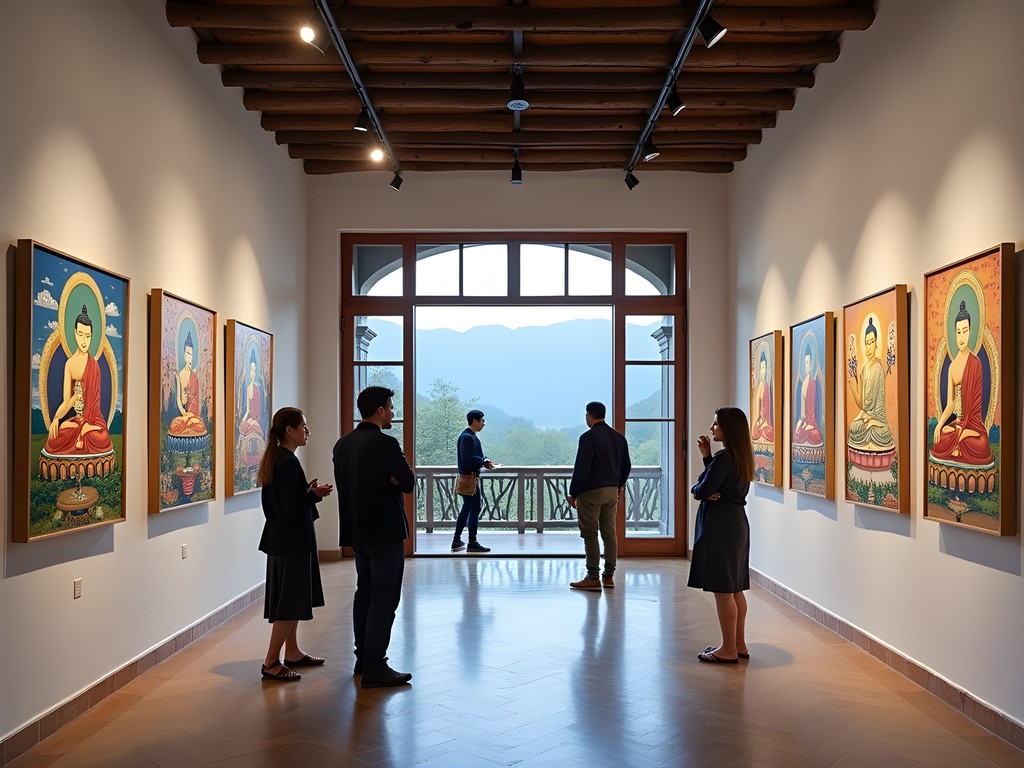
YATHRA Gallery, located in a renovated traditional house near the town center, showcases emerging Bhutanese artists working in mediums from acrylic painting to mixed media. The gallery's founder, Dorji Wangchuk, explained how government arts education initiatives have created space for artistic innovation while maintaining cultural continuity. His curation thoughtfully balances pieces that honor traditional Buddhist iconography with works addressing contemporary social themes.
I was particularly drawn to a series of landscape paintings by artist Phurba Namgay, who uses traditional mineral pigments on canvas but employs modern compositional techniques. At $400-600 USD, these pieces represent significant investments but offer genuine artistic merit beyond mere souvenir value.
For those interested in photography, the VAST (Voluntary Artists' Studio) collective occasionally exhibits in Paro. Their documentary-style images of changing Bhutanese society provide insight into how this nation balances tradition with modernization – a visual representation of policy outcomes that fascinated me professionally.
Before purchasing any contemporary art, I recommend taking detailed photographs (with permission) and measurements. Shipping options from Bhutan can be limited, so be prepared to transport purchases yourself. My art protection tube proved invaluable for safely transporting unframed works back to Valencia without damage.
💡 Pro Tips
- Request authenticity certificates for significant art purchases
- Ask gallery owners about shipping options – some have relationships with international couriers
- Consider how humidity differences between Bhutan and your home might affect wooden artworks

Religious Artifacts: Navigating Cultural Sensitivity and Export Regulations
Shopping for religious items in Bhutan presents both ethical considerations and practical challenges. As someone who studies how policy frameworks protect cultural heritage, I approached this category with particular caution.
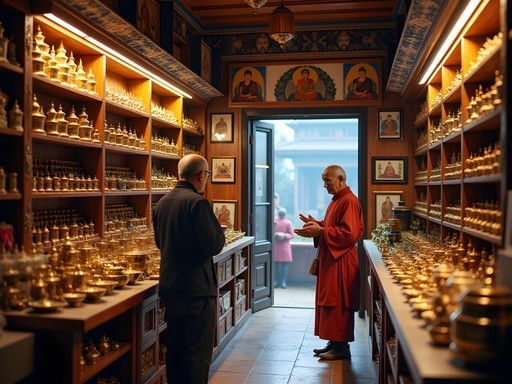
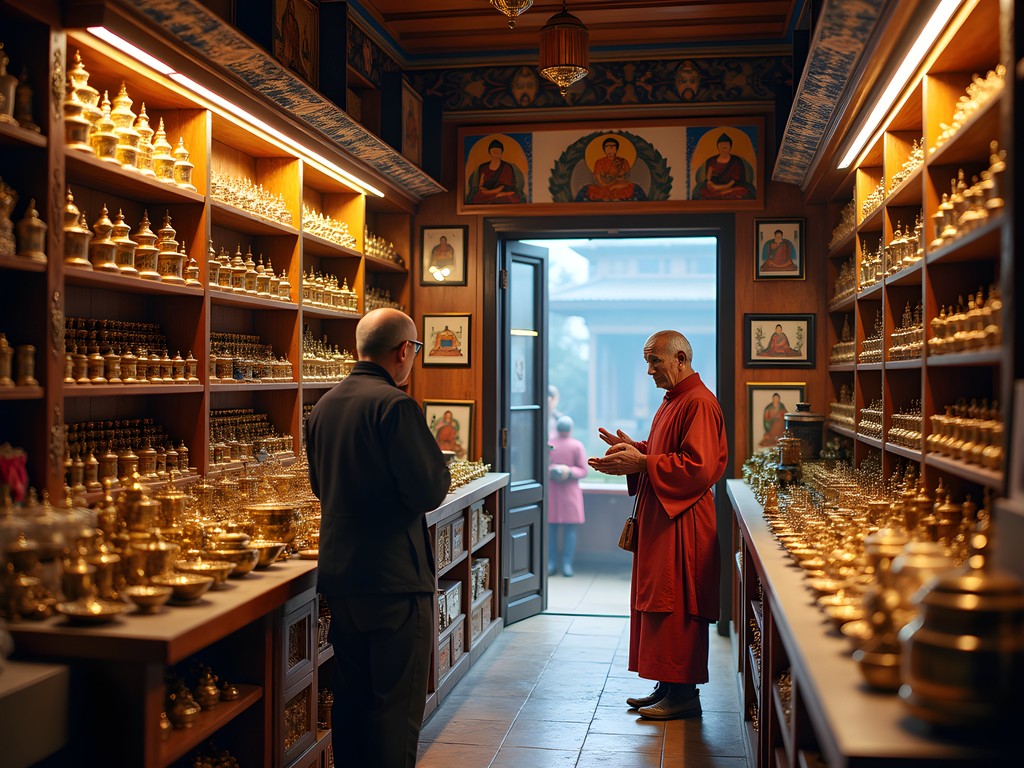
Paro's religious goods shops cluster near Kyichu Lhakhang, one of Bhutan's oldest temples. These establishments offer everything from prayer wheels to ceremonial items. However, it's crucial to understand that many authentic religious artifacts are subject to strict export regulations – part of Bhutan's comprehensive cultural preservation policies.
I recommend focusing on contemporary items created specifically for foreign buyers rather than antiques. Legitimate shops like Deki Handicrafts clearly distinguish between decorative pieces and consecrated religious objects. Their selection of modern prayer wheels ($50-200 USD) and thangka paintings created by current artists make appropriate souvenirs that support living traditions without depleting cultural patrimony.
For Buddhist practitioners seeking items for personal practice, Jangsa Shop near the main street offers ritual items created with proper religious intent but designed for export. Their selection includes incense made by local monasteries and modestly priced meditation malas (prayer beads).
During my visit, I purchased a contemporary bronze butter lamp as a meaningful reminder of Bhutan's spiritual traditions. To document my purchases properly, I used my portable document scanner to digitize receipts and export certificates – essential for clearing customs and demonstrating responsible tourism practices.
Most importantly, approach religious items with appropriate respect. These aren't mere decorative objects but expressions of living spiritual traditions. The sales assistant at Deki spent nearly an hour explaining the symbolism behind different items, transforming a simple transaction into a meaningful cultural exchange.
💡 Pro Tips
- Always request proper export documentation for religious items
- Never purchase anything presented as 'antique' without extensive provenance research
- Ask whether an item has been blessed/consecrated – this affects how it should be treated
Luxury Bhutanese Experiences: Beyond Material Souvenirs
While tangible souvenirs create lasting connections to a destination, Paro offers something equally valuable – experiential purchases that deepen understanding of Bhutanese craftsmanship.
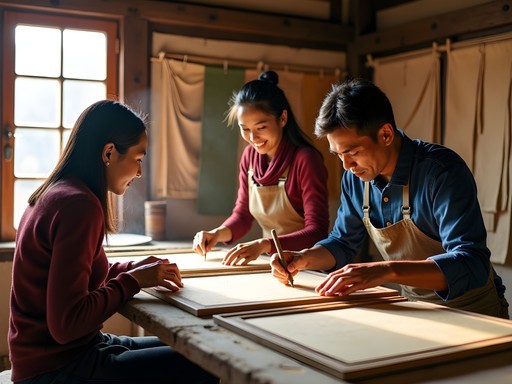
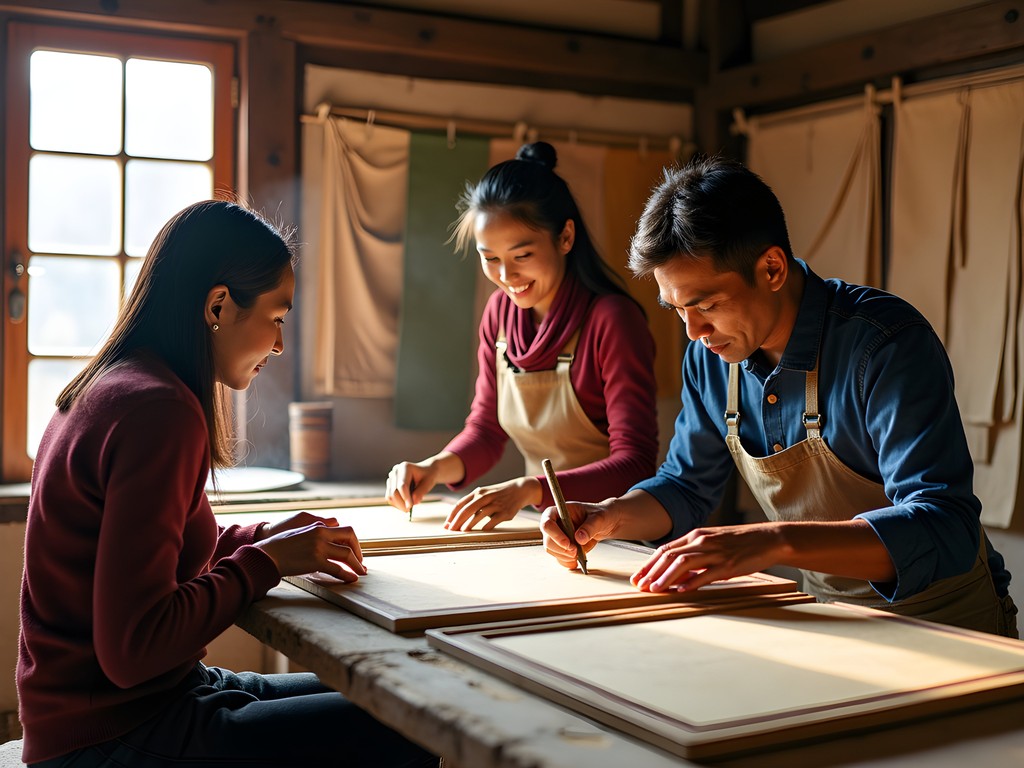
For couples seeking truly memorable experiences, I recommend the private craft workshops available through luxury accommodations like Zhiwa Ling Heritage. During my stay, I arranged a half-day traditional paper-making workshop with a master craftsman. For $120 USD per person, we learned the ancient techniques of creating deh-sho paper from the bark of the Daphne plant – a tradition dating back to the 8th century that nearly disappeared before government preservation initiatives revitalized it.
The Textile Academy of Bhutan occasionally offers weekend courses in Paro where visitors can learn basic weaving techniques alongside local students. While not inexpensive at $180 USD per day, these workshops provide unparalleled insight into the mathematical complexity and cultural significance of Bhutanese textile traditions.
For those interested in Bhutanese cuisine, the Uma by COMO resort offers private cooking classes focused on traditional dishes. The experience includes a guided market tour to select ingredients, followed by hands-on preparation of dishes like ema datshi (chili cheese stew) and buckwheat noodles. At $150 USD per couple, this represents both a memorable experience and practical knowledge to bring home.
To document these experiential purchases, I relied on my compact travel camera. Its unobtrusive size allowed me to capture workshop moments without disrupting the intimate learning environment, while the image quality preserved details of intricate crafting techniques I wanted to reference later.
💡 Pro Tips
- Book experiential workshops at least one month in advance through your accommodation
- Request private sessions for more personalized instruction if traveling as a couple
- Consider bringing appropriate gifts for master craftspeople who share their knowledge (quality art supplies are appreciated)
Final Thoughts
As my weekend in Paro concluded, I found myself reflecting on how this small Himalayan kingdom has crafted something remarkable – a shopping landscape that serves both visitors and cultural preservation. Through deliberate policy choices, Bhutan has created a luxury shopping experience defined not by global brands but by authentic connection to living traditions. For couples seeking meaningful souvenirs, Paro offers something increasingly rare: purchases with provenance, story, and genuine cultural significance. Whether you invest in a museum-quality textile, a contemporary painting, or an experiential workshop, what you'll bring home extends far beyond the physical object – you're carrying a piece of Bhutan's carefully preserved cultural heritage. As I carefully packed my purchases for the journey back to Valencia, I realized that Paro had changed how I'll approach shopping in every future destination.
✨ Key Takeaways
- Invest time understanding the cultural significance of potential purchases
- Budget for fewer but higher-quality items with proper documentation
- Consider experiential purchases like workshops that provide deeper cultural understanding
- Respect export regulations as part of responsible tourism practice
- Look beyond obvious souvenirs to support contemporary Bhutanese artists
📋 Practical Information
Best Time to Visit
September to November (fall)
Budget Estimate
$500-1000 USD per person for quality purchases
Recommended Duration
2-3 days minimum
Difficulty Level
Easy

Comments
nomadking
Great photos! Really captured the vibe
wanderrider1538
I went to Paro last spring and the textile markets are INCREDIBLE. Spent way too much on a handwoven kira but zero regrets. The weaving process takes months and you can really see the quality. Pro tip: go early morning when it's less crowded and you can actually talk to the artisans. Also bargaining is expected but be respectful about it - these are heirloom pieces not mass produced stuff
wanderlusthero4278
omg how much should I budget for textiles?? 😅
wanderrider1538
depends what you want! scarves start around $30-50, full kiras can be $200-500+ for the really intricate ones
triplegend
Quick question - how strict are they really about the export regulations for religious stuff? I'd love to bring back a small Buddha statue but don't want to get in trouble at customs
nomadking
from what i heard you need proper documentation from the shop. they take it pretty seriously
Casey Andersson
Blake's advice in the post is spot on. When I was in Thimphu last year, I learned that any religious artifacts need an export certificate from the Department of Culture. Most reputable shops will help you with this, but always ask upfront. The smaller Buddha statues are usually fine, but anything antique or particularly sacred is a no-go. Better safe than sorry!
wanderlusthero4278
This looks amazing!! Adding Bhutan to my bucket list 🙏
AsianCultureBuff
Pro tip: If you're buying textiles in Paro, bring a UV flashlight. Authentic natural dyes react differently than synthetic ones under UV light. The real handmade pieces will show subtle variations while factory-made ones have uniform coloring.
greenwanderer
That's genius! Wish I'd known this before my trip.
freemaster
Just booked my trip to Bhutan for October! Your section on contemporary art was super helpful - definitely going to check out the VAST gallery you mentioned!
Blake Ali
October is a perfect time to visit! The VAST gallery often has artists working on-site too. Don't miss the weekend market for the best selection of crafts!
bhutan_dreamer
Going to Paro in April! Did you have any issues with customs bringing crafts back? Worried about the religious items.
Blake Ali
No issues as long as you stick to items clearly made for tourists. For anything that looks antique or authentically religious, always get proper documentation from the shop. Most reputable places provide this automatically.
bhutan_dreamer
Thanks so much! That's really helpful.
Ana Robinson
Blake, this guide is exactly what I needed! We took our kids (8 and 10) to Bhutan last summer, and shopping in Paro was definitely a highlight. My daughter became obsessed with the traditional wooden masks after seeing the Tsechu festival dancers. We found an artisan who made miniature versions perfect for children. One tip for families: many craft shops offer demonstrations if you ask, which was magical for the kids - they got to try weaving on a small loom at one textile shop! We used our travel journal to press and save small fabric samples the weavers gave us. Truly a memorable experience!
skyadventurer
Ana, that sounds amazing! Did your kids have any issues adjusting to the altitude in Paro?
Ana Robinson
We took it very easy the first two days - lots of water and rest. The kids actually adapted faster than we did! Just be prepared to take things slow at first.
happypro
I've heard Bhutanese textiles are quite expensive. What price range should I expect for a decent quality kira or gho?
freemaster
Not Blake, but I bought a beautiful handwoven kira last year - paid about $200 for a simple one, but the intricate ones with lots of patterns were $500+. The quality is incredible though, totally worth it!
Blake Ali
Freemaster is spot on! Quality textiles range from $150-800 depending on complexity and materials. The National Handicraft Emporium in Paro has fixed prices and guaranteed authenticity if you're worried about quality.
skyadventurer
Your photos of those handwoven textiles are absolutely stunning! The colors are incredible! 😍
Venture X
Premium card with 2X miles, $300 travel credit, Priority Pass