

Disclosure: This article contains affiliate links. We may earn a commission from purchases at no extra cost to you, which helps our travel content.
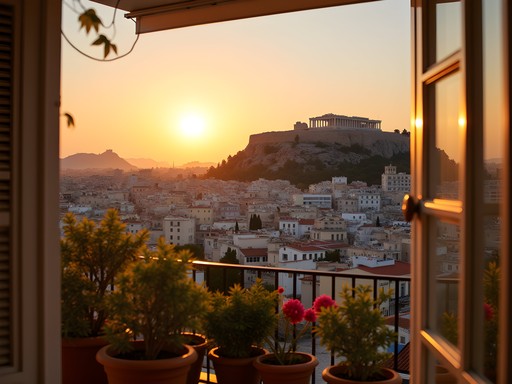
Standing at the base of the Acropolis as the late autumn sun cast long shadows across Athens, I felt that familiar tingle—the one that comes when ancient wisdom and modern adventure collide. As an EMT who's witnessed both trauma and healing across continents, I've learned that places hold medicine just as plants do. Athens isn't just a collection of ruins and tourist shops; it's a living, breathing energy center where millennia of human experience have created something that can restore even the most burned-out traveler. My Mi'kmaq grandmother would have recognized this immediately—sacred spaces transcend cultural boundaries. Over my week exploring Athens solo on a modest budget, I discovered that this city offers unique opportunities for women traveling alone to connect with history, wellness traditions, and themselves. Whether you're ducking into a neighborhood souvlaki joint or tracing the sacred geometry of the Parthenon, Athens offers medicine for modern souls—if you know where to look.

Navigating Athens Safely as a Solo Woman
Let's address the concerns I know are front-of-mind for many women contemplating Athens solo: safety. As someone who's worked emergency response for over a decade, situational awareness is second nature to me. Athens presents a fascinating paradox—ancient structures alongside modern urban challenges.
The city center, particularly areas like Plaka, Monastiraki, and Syntagma, felt remarkably secure during daylight and early evening hours. The Metro system is clean, efficient, and well-patrolled, though I'd recommend avoiding the green line after dark, particularly around Omonia Square. Instead, Athens' yellow taxis are abundant and affordable—I never paid more than €10 for crosstown journeys.
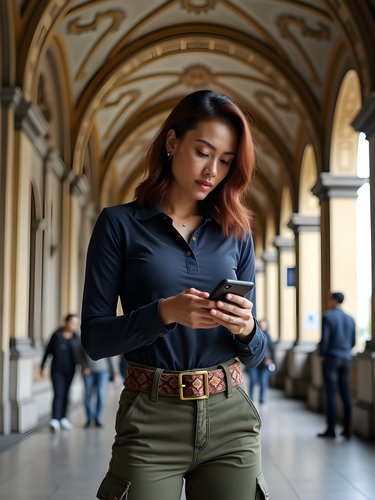
One safety investment I made before arriving was a anti-theft crossbody bag. With slash-resistant straps and RFID-blocking pockets, it gave me peace of mind in crowded markets and on public transportation. I wore it frontally positioned in busy areas like Monastiraki Flea Market, where pickpockets occasionally operate.
While Athens generally feels safe, I applied the same street smarts I use in Philadelphia—stay aware, walk purposefully, and trust your instincts. When I felt uncomfortable one evening near Exarchia (known for its anarchist politics and occasional demonstrations), I simply redirected to a main street and caught a taxi back to my accommodation.
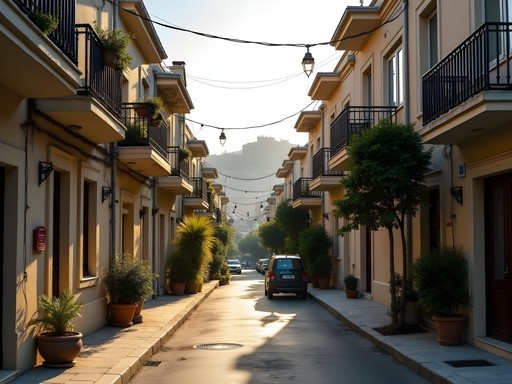
As for accommodation, I chose a small family-run guesthouse in Koukaki, a residential neighborhood within walking distance of the Acropolis but removed from tourist crowds. The owners became informal guardians, offering local insights and checking in when I returned from evening outings.

💡 Pro Tips
- Download the BEAT taxi app (Greece's version of Uber) for reliable transportation
- Keep a paper map as backup—Athens' winding streets can confuse GPS signals near the Acropolis
- Learn basic Greek phrases—locals appreciate the effort and are more likely to look out for you
Sacred Geometry: Athens Beyond the Guidebook
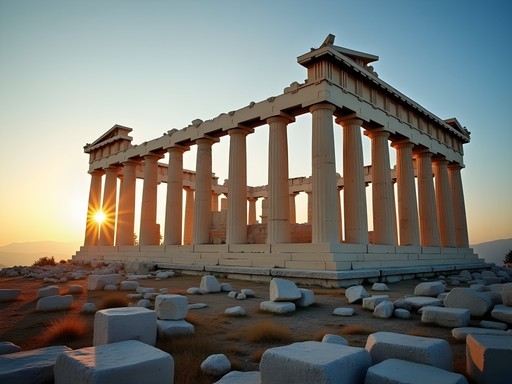
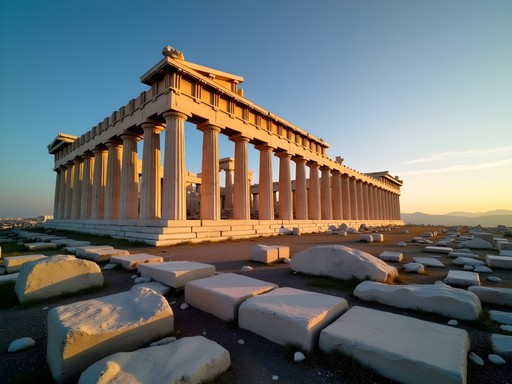
The Parthenon may be Athens' postcard star, but experiencing it through the lens of sacred geometry transformed my understanding of why these ancient sites resonate so deeply with modern visitors. As someone who's studied how indigenous cultures worldwide incorporated healing principles into their architecture, I was stunned by the mathematical precision of the Acropolis structures.
I recommend visiting twice: once with the crowds to get your bearings, then again either first thing in the morning (8:00 AM) or last entry (around 5:00 PM in fall) when the energy shifts dramatically. During my early morning visit, I sat quietly on the eastern side of the Parthenon where the golden ratio is most evident in the column spacing. The silence allowed me to feel what my Mi'kmaq ancestors would have recognized immediately—this was a place designed to align human consciousness with universal patterns.
Beyond the Acropolis, Athens contains lesser-known sacred sites where you can connect with the city's healing history. The Ancient Agora contains the remarkably preserved Temple of Hephaestus, which functioned partly as a healing center. Nearby, Kerameikos Cemetery offers a profound space for contemplation—I spent a meditative hour there considering how different cultures honor their ancestors and process grief.
For a truly off-guidebook experience, visit the Church of the Holy Apostles in the Ancient Agora. This Byzantine structure incorporates geometric principles similar to those in the ancient temples, showing how sacred design transcended religious boundaries. I sat inside during a quiet afternoon when sunlight streamed through the windows in distinct geometric patterns across the floor—a moment of transcendent connection across centuries.

💡 Pro Tips
- Bring a journal to sketch patterns or record impressions at sacred sites
- Visit the Acropolis Museum's third floor to see the Parthenon frieze at eye level and understand its mathematical precision
- Consider joining the free walking tour that focuses on Athens' philosophical history to understand the meaning behind the monuments
Healing Through Food: Athens' Culinary Medicine
My journey tracking food trucks across North America taught me that some of the most profound healing traditions survive in culinary form long after temples crumble. Athens confirmed this theory magnificently. Beyond the tourist-trap moussaka lies a world of functional foods that Greeks have used medicinally for generations.
Start at the Central Market (Varvakios Agora), preferably on a weekday morning when locals shop. The herb and spice vendors offer treasures like mountain tea (sideritis), used for respiratory health, and mastic, a resin with documented antimicrobial properties. I filled my daypack with these affordable remedies after chatting with vendors who were delighted to share traditional uses—many reminded me of remedies my grandmother prepared.
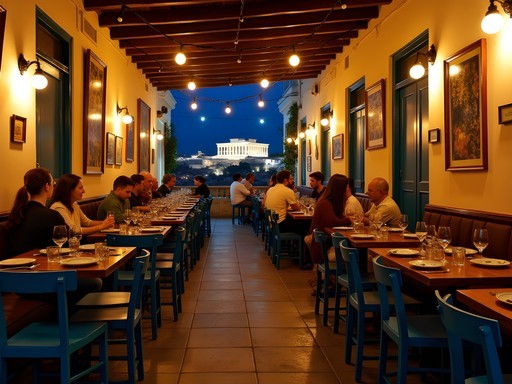
For budget-friendly healing meals, seek out small family-run tavernas in residential neighborhoods like Pangrati or Petralona. My favorite discovery was a tiny spot called To Mavro Provato in Pagrati, where the owner explained how their horta (wild greens) are collected using traditional knowledge about peak nutritional timing. These bitter greens, dressed simply with olive oil and lemon, contain compounds that support liver function—something my paramedic training recognizes as evidence-based nutrition.
Don't miss Athens' revival of ancient fermentation traditions. Several small shops now offer traditionally fermented foods like trahanas (fermented grain and milk) and traditionally prepared yogurt with active cultures specific to the Greek environment. I carried a insulated food container to keep yogurt cool during long sightseeing days—the protein kept my energy stable while hiking up to Philopappos Hill.
For a splurge that's still budget-friendly, book a cooking class with a focus on traditional Greek wellness foods. I joined a small group session in an Athenian home where we prepared therapeutic dishes like fasolada (bean soup) with foraged herbs and learned about the traditional timing of meals that Greeks have used for digestive health for centuries.

💡 Pro Tips
- Visit bakeries around 9am when spanakopita (spinach pie) is freshest—a perfect portable breakfast with complete nutrition
- Carry a reusable water bottle with a built-in filter to stay hydrated safely while reducing plastic waste
- Ask for 'yiayia's recipe' (grandmother's recipe) when ordering in tavernas to get the most traditional, medicinal versions of dishes

Solo Woman's Daily Rhythm in Athens
Creating a sustainable daily rhythm proved essential for my week in Athens. The city operates on a distinctly Mediterranean schedule that initially challenged my North American patterns but ultimately provided a more balanced approach to exploration.
I started each day with a simple breakfast at a local bakery—a koulouri (sesame bread ring) and Greek coffee provided slow-release energy for morning adventures. Athens mornings (8-11 AM) offered the perfect window for visiting major archaeological sites before both crowds and heat intensified.
By noon, I'd seek lunch at small local spots where business people grab quick meals. My pocket translator proved invaluable here—while many Athenians speak English, being able to understand menu specifics helped me navigate dietary preferences and discover authentic dishes.
The afternoon mesimeri (rest period from roughly 2-5 PM) initially seemed inconvenient as many smaller shops close, but I adapted by using this time for journal writing in quiet parks or visiting air-conditioned museums. The Byzantine Museum became my favorite afternoon retreat, with its garden courtyard providing a peaceful spot for reflection.
As a solo female traveler, I leveraged early evenings (6-9 PM) for neighborhood exploration when families filled the streets and local life blossomed. This felt both safer and more authentic than late-night wandering. For dinner, I sought out mezedopoleio (meze spots) where small plates allowed me to sample widely without the awkwardness sometimes associated with dining alone.
Rather than pushing through exhaustion as I might during emergency shifts, I honored my body's needs by returning to my accommodation by 10 PM most nights. This rhythm—active mornings, reflective afternoons, social early evenings—created a sustainable pace that prevented the burnout many travelers experience when attempting to see everything.

💡 Pro Tips
- Use the free Athens Walking Tours app for self-guided neighborhood explorations during safe daylight hours
- Carry a light scarf that can serve as both sun protection and appropriate covering when visiting Byzantine churches
- Schedule one completely unstructured day midway through your trip to process experiences and prevent overwhelm
Connecting with Local Women's Wisdom
Some of my most meaningful experiences in Athens came through intentional connections with local women who carry traditional knowledge. As someone who values how indigenous wisdom and modern practices can complement each other, I sought opportunities to learn from Athenian women who bridge these worlds.
The Melissa Network, an organization supporting migrant women, offers visitor programs where you can join cooking sessions and craft workshops led by women from diverse backgrounds. During my afternoon there, I learned traditional embroidery techniques from a woman who had fled Syria but carried her grandmother's patterns in her memory. The geometric precision in her work echoed the sacred patterns I'd observed in ancient architecture.
For wellness-focused travelers, seek out traditional bath houses where local women have gathered for centuries. The hammam experience at Al Hammam in Plaka offers women-only hours where the attendants, mostly older Greek women, practice traditional scrubbing and massage techniques passed through generations. While not budget-priced at around €40 for a basic treatment, this experience connects you with authentic wellness traditions while supporting women-led businesses.
I also recommend visiting the Women's Traditional Handicraft Cooperative near Monastiraki where artisans create using methods dating back centuries. Many items incorporate symbols and patterns with traditional protective or healing significance—I purchased a small woven wall hanging with the mati (evil eye) pattern that now travels with my emergency kit as a reminder of protective traditions across cultures.
For a deeper historical perspective, I joined a specialized tour focused on women's lives in ancient Athens. Our guide, an archaeologist specializing in gender studies, revealed often-overlooked details about women's ritual and medical roles in ancient Greek society. She pointed out specific architectural features at the Acropolis and Agora that indicated spaces where women's healing ceremonies took place—information rarely covered in standard tours.

💡 Pro Tips
- Learn the phrase 'Ime moni mou' (I am by myself) to clearly communicate your solo status when needed
- Visit the Benaki Museum's collection of traditional women's crafts to understand the symbolic language in textiles and household items
- Consider bringing small gifts from your home region to share with local women you connect with meaningfully
Final Thoughts
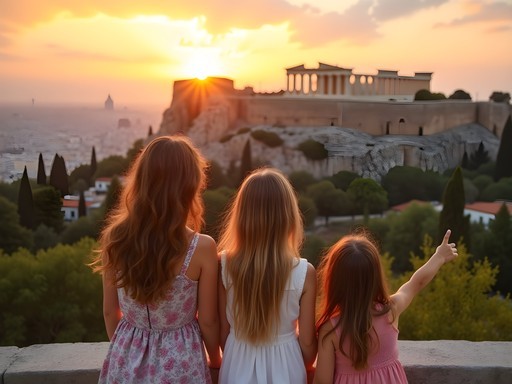
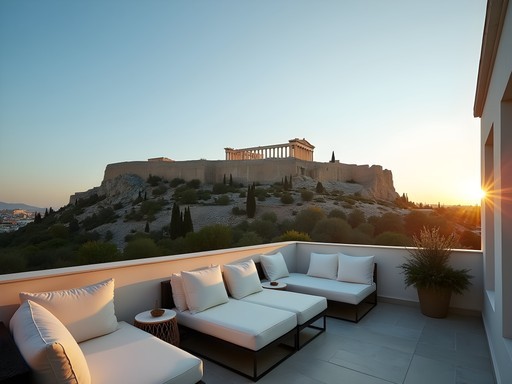
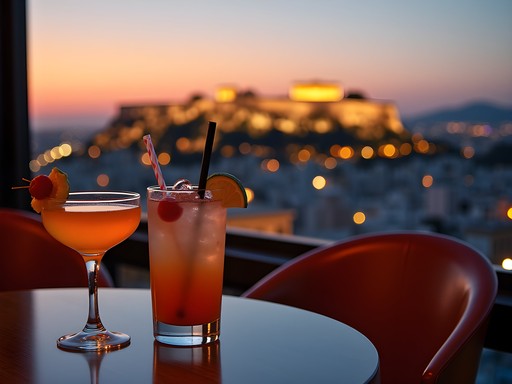
As my week in Athens drew to a close, I found myself sitting at a small taverna in Plaka, sipping mountain tea and watching the Acropolis transition from golden to rose in the setting sun. Athens had offered me far more than a checklist of ruins—it had provided a template for how ancient wisdom continues to inform modern wellness. For the solo female traveler willing to step beyond the obvious tourist path, this city offers a unique opportunity to connect with traditions of healing, protection, and sacred geometry that transcend cultural boundaries. My grandmother would say that certain places hold medicine that can only be accessed through direct experience. Athens is undoubtedly one of those places—a city where a woman traveling alone can safely explore the intersection of ancient wisdom and her own journey. Pack your curiosity alongside your travel journal, and come discover your own Athenian medicine.
✨ Key Takeaways
- Athens offers unique wellness traditions beyond typical tourism that solo female travelers can safely access
- Creating a rhythm that follows local patterns (active mornings, afternoon rest, early evenings) provides the most sustainable and safe experience
- Connecting with local women through organizations and cooperatives offers authentic cultural insights not found in guidebooks
📋 Practical Information
Best Time to Visit
Fall (September-November) for mild temperatures and fewer crowds
Budget Estimate
$50-75/day excluding accommodation
Recommended Duration
5-7 days
Difficulty Level
Moderate
Comments
beachace
OMG your section on Greek food as medicine is EVERYTHING! 🙌 I still dream about the yogurt with honey I had every morning. Anyone else feel like they came back healthier after visiting Greece?
explorebackpacker
100%! My skin was glowing after a week of Greek salads and olive oil on everything!
Casey Andersson
The Greek diet is basically the original wellness retreat! Try to find a cooking class while you're there - I learned how to make proper tzatziki and it changed my life!
explorebackpacker
Did the metro feel safe at night? Going next month solo.
beachace
I took the metro everywhere in Athens last year! Totally fine until about 10pm, after that I just used the Uber-like app (Beat). Super cheap and reliable!
Casey Andersson
Sage, your section on 'Sacred Geometry' spoke to me! I found Athens had such incredible energy beyond the tourist spots. Last spring, I wandered into a tiny Byzantine church near Monastiraki where an elderly woman was lighting candles. Despite our language barrier, she showed me how to properly light one and say a prayer. It became my daily ritual! I also recommend everyone try the mountain tea from the herbs shops in the central market - I brought home a bag and it still transports me back to those quiet Athens mornings. I used my travel journal to sketch the patterns I saw in the ancient architecture - still one of my most treasured souvenirs!
bluefan
Great post! I'm planning a solo trip to Athens this summer. Which neighborhoods would you recommend staying in for a woman traveling alone? I'm torn between Plaka and Koukaki.
Casey Andersson
Not Sage, but I stayed in Koukaki last year and it was perfect! Quiet enough at night but still walkable to everything. Plus amazing bakeries on every corner!
bluefan
Thanks Casey! Koukaki it is then. Any specific hotel recommendations?
Casey Andersson
I splurged on AthensWas Hotel - amazing rooftop views of the Acropolis! But there are plenty of budget-friendly options in the area too.
backpackpro
The metro tip is spot on. Super easy to navigate and so cheap compared to taxis. Also that mountain tea you mentioned - bought like 10 bags to bring home lol
journeymood
where did you find the mountain tea? like at markets or regular stores?
backpackpro
pretty much everywhere! varvakios market has the best prices tho
journeymood
Love this! Adding Athens to my list
Nova Rice
Sage, I absolutely love how you wove your EMT background into this guide - that perspective on staying grounded and aware while still being open to experience is so refreshing. I visited Athens last fall and stayed at the Hotel Grande Bretagne, and even with all the luxury amenities, what I remember most is exactly what you captured: those quiet moments in small tavernas, the way the light hits the Parthenon at sunset. Your section on sacred geometry really resonated. Have you explored any of the lesser-known archaeological sites outside the main tourist circuit? I found Kerameikos to be incredibly peaceful.
Sage Dixon
Nova! Yes, Kerameikos is magical - I actually went there on my last morning and had it almost entirely to myself. That ancient cemetery energy is something else. The way you describe those taverna moments - that's exactly it. All the 5-star views in the world can't beat that feeling of connection.
luckylover
This is so helpful!! Quick question - how safe did you feel walking around Plaka at night? I'm planning my first solo trip to Athens in March and a bit nervous about evening activities. Also which neighborhood did you stay in?
Sage Dixon
Plaka felt really safe in the evenings! I stayed in Koukaki (just south of the Acropolis) and loved it - super residential but walkable to everything. The tavernas stay busy until late so there's always people around. My EMT instincts are pretty sharp and I felt totally comfortable. Just use normal city sense - stick to well-lit streets, don't flash expensive stuff. You'll love it!
luckylover
thank you so much!! koukaki is on my list now
springrider
Did you feel safe walking around at night? First solo trip and kinda nervous!
coffeemood
Athens is super safe! Just stick to the main areas at night and you'll be fine. Way safer than a lot of other European cities honestly.
winterbackpacker
Really enjoyed reading this! I did Athens solo last fall and can confirm everything you said about safety. The only thing I'd add is get a rechargeable metro card instead of single tickets - saves so much time and money. Also the sunset from Lycabettus Hill is absolutely worth the climb (or funicular if you're tired). The mountain tea recommendation is spot on too, I brought like 10 boxes home lol
Venture X
Premium card with 2X miles, $300 travel credit, Priority Pass