
Disclosure: This article contains affiliate links. We may earn a commission from purchases at no extra cost to you, which helps our travel content.
There's something deeply satisfying about pairing two completely different destinations in a single trip. It's like listening to a perfectly crafted album with contrasting tracks that somehow flow together. This past fall, I crafted my own travel mixtape by spending two weeks split between Battambang, Cambodia and Busan, South Korea – destinations that couldn't be more different on the surface. One a sleepy riverside town with French colonial bones and tragic history, the other a bustling coastal metropolis with neon lights and cutting-edge everything. Both places spoke to different parts of my soul – the part that craves quiet contemplation and connection to the past, and the part that thrives on urban energy and forward momentum. As someone who's spent years tracing cultural threads across continents, this trip offered a fascinating study in contrasts that I'm still unpacking months later.

Battambang: Cambodia's Sleeper Hit
Battambang doesn't make most travelers' Cambodia itineraries, overshadowed by Angkor Wat's grandeur and Sihanoukville's beaches. This oversight is precisely what makes it magical. After a bumpy bus ride from Siem Reap, I arrived in late afternoon as golden light bathed the town's French colonial architecture. The Sangker River curved gently through town, locals gathered along its banks, and the pace immediately felt several notches slower than anywhere I'd been recently.
My home base was a family-run guesthouse where three generations lived and worked together. Grandmother Srey, who reminded me powerfully of my own Inuit grandmother, insisted on teaching me to make proper Khmer coffee each morning – condensed milk first, then the slow pour of strong brew. These small rituals became the heartbeat of my days.
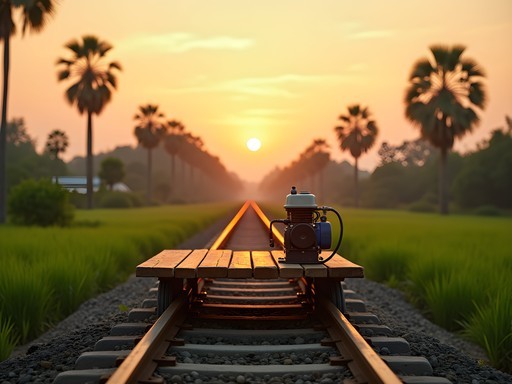
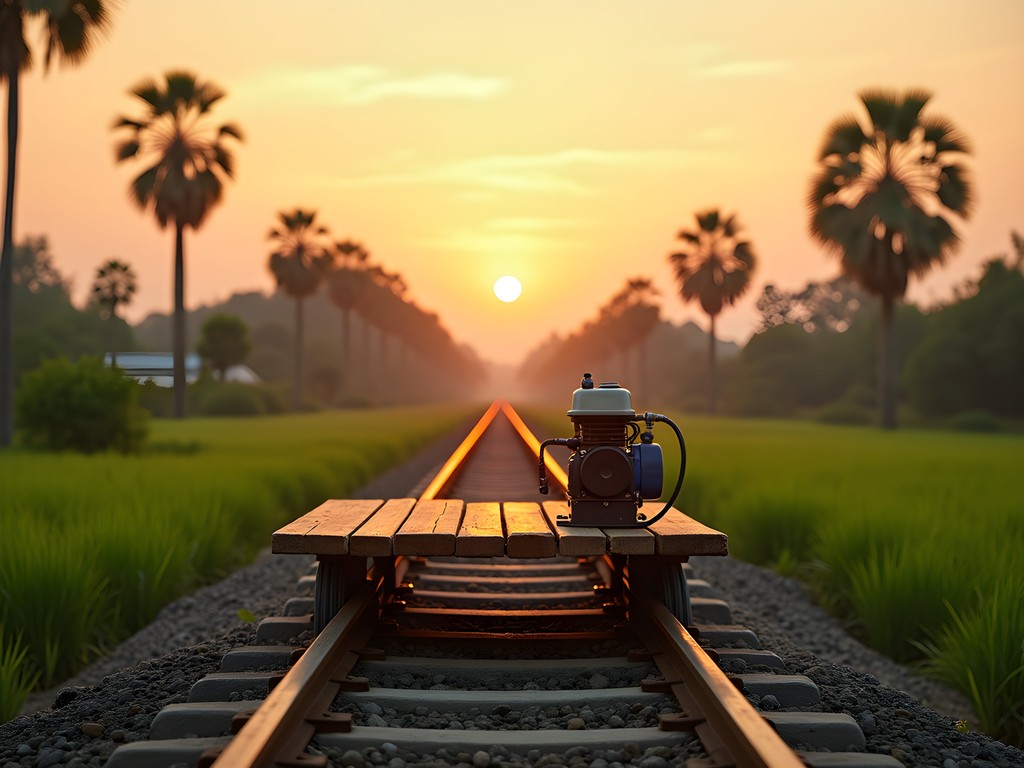
Battambang's bamboo train (nori) became my unexpected obsession. This makeshift railway system – essentially a bamboo platform powered by a small engine running on warped tracks – was originally built to transport rice but now primarily carries tourists. When trains approach from opposite directions, one is completely disassembled to let the other pass. It's transportation engineering at its most charmingly improvised.
The surrounding countryside revealed Cambodia's complex layers. I hired a local guide named Rith who took me to ancient temples predating Angkor Wat and villages where families made rice paper by hand using techniques unchanged for generations. Having researched my own family's migration patterns for years, watching these preservation efforts felt deeply resonant.
What struck me most was Battambang's relationship with its painful past. The Killing Fields sites here are less visited than those near Phnom Penh, creating a more intimate space for reflection. My guide shared his family's personal stories from the Khmer Rouge era with remarkable openness, reminding me that genealogy work isn't just about celebrating heritage but also acknowledging historical trauma.
💡 Pro Tips
- Learn a few basic Khmer phrases - locals genuinely appreciate the effort and will open up more
- Hire a local guide for countryside exploration - the context they provide is invaluable and supports the local economy
- Visit Phare Ponleu Selpak circus school for an incredible performance that supports arts education
Morning Rituals and Hidden Temples
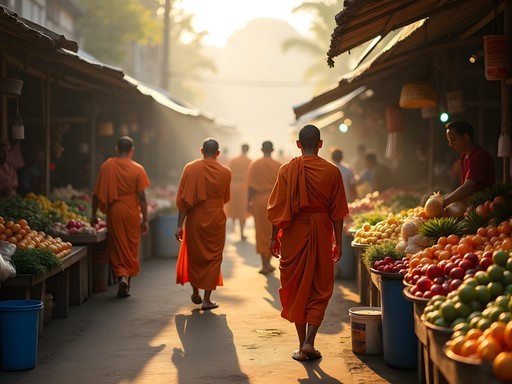
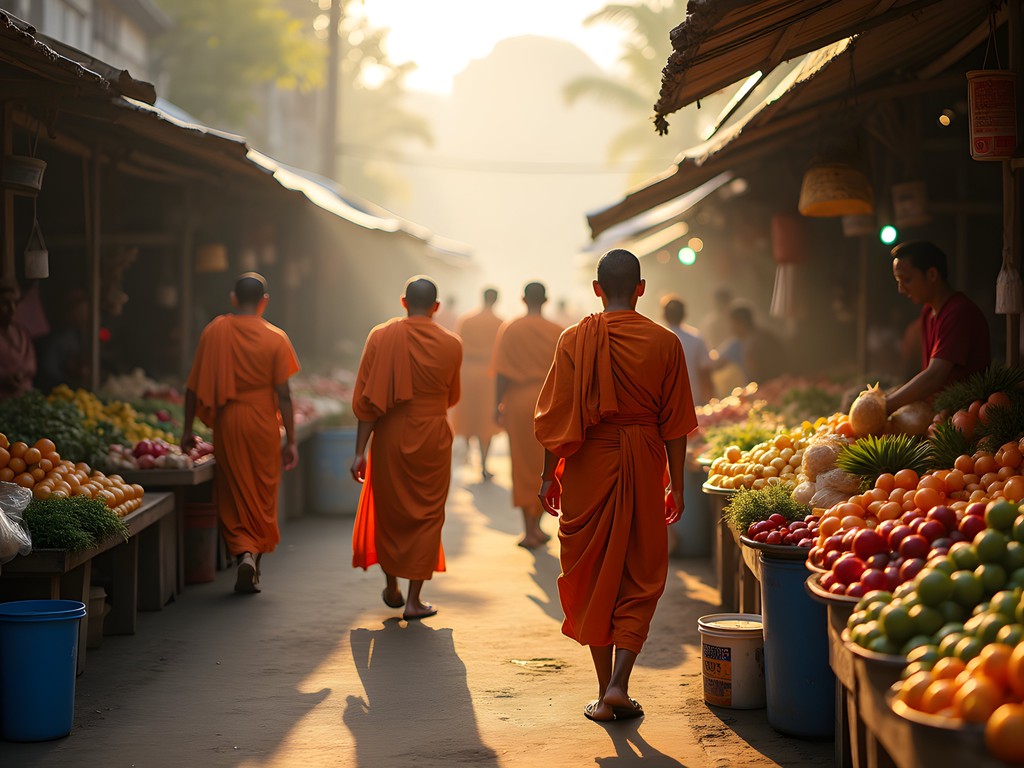
I've always believed you can understand a place through its morning routines. In Battambang, I made a habit of waking before sunrise to join locals at the central market. Women arranged vibrant produce while monks in saffron robes collected alms, all under the soft glow of dawn. After selecting fresh mangoes and dragon fruit, I'd find a quiet corner to journal and sketch – a practice that helps me process new experiences.
One morning, I joined a bicycle tour led by a university student named Sophal. We pedaled along red dirt roads to Wat Ek Phnom, a crumbling 11th-century temple partially reclaimed by strangler figs. Unlike the manicured experience at Angkor, here I could explore quietly, often completely alone with the ancient stones. My travel journal filled quickly with observations and sketches of architectural details that connected to other temples I'd seen across Southeast Asia.
Battambang's artistic revival became evident as Sophal introduced me to small galleries and studios tucked into colonial buildings. The town has become something of a haven for Cambodia's contemporary artists, many processing collective trauma through their work. At Romcheik 5, a gallery founded by four former child laborers turned artists, I spent hours talking with a young painter about how art preserves cultural memory – a conversation that deeply resonated with my own interest in genealogical preservation.
The countryside surrounding Battambang holds countless stories. We cycled to villages specializing in different crafts: rice paper, incense sticks, and fish paste production. At one family workshop, I watched three generations working together to make rice paper for spring rolls, using techniques passed down for centuries. The grandmother, noticing my genuine interest, demonstrated each step and even let me try my hand at the delicate process of steaming and drying the rice mixture. My clumsy attempts brought peals of laughter from the children watching nearby.
As the day ended, we stopped at Phnom Sampeau, a limestone outcrop with a dark history as a Khmer Rouge killing site. Now, it's known for the nightly exodus of millions of bats from caves in the mountainside – a breathtaking natural spectacle that locals interpret as souls taking flight. Standing there as the ribbons of bats streamed into the sunset, I felt that peculiar travel sensation of being simultaneously connected to and humbled by a place so different from home.
💡 Pro Tips
- Rent a bicycle for independent exploration - Battambang is flat and easy to navigate
- Visit Phnom Sampeau before sunset to see both the temples and the bat exodus
- Bring a headlamp if visiting caves or temples - power outages are common
Busan: Korea's Coastal Counterpoint
Landing in Busan after Battambang felt like stepping through a portal to another dimension. The sensory contrast was immediate – neon replaced natural light, subway rumbles replaced rooster calls, and the air carried hints of grilled seafood and industrial efficiency rather than incense and tropical blooms. My noise-canceling headphones became essential for transitioning between quiet moments and urban immersion.
I chose an apartment in Nampo-dong, positioning me perfectly between traditional markets and modern shopping districts. My host, Mrs. Kim, welcomed me with homemade kimchi and a hand-drawn map of her favorite local spots not found in guidebooks. This blend of traditional hospitality and modern convenience set the tone for my Busan experience.
Busan's identity is inextricably linked to water. The city hugs the coastline, with beaches, ports, and seafood markets forming its backbone. Jagalchi Fish Market became my morning ritual – watching weathered women with sun-creased faces and quick hands clean fish with mesmerizing efficiency. Despite not speaking Korean beyond basic pleasantries, I found myself welcomed into their workday rhythm. One vendor, noticing my regular visits, started saving interesting specimens to show me, explaining their preparation through elaborate pantomime that left us both laughing.
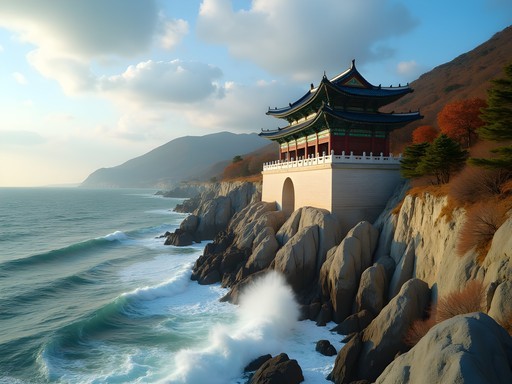
What surprised me most about Busan was its spiritual undercurrent. Amidst the modernity, ancient Buddhist temples create pockets of contemplation. Haedong Yonggungsa Temple, built into coastal cliffs, offered a dramatic counterpoint to Battambang's crumbling ruins. During my visit, I witnessed a ceremony where dozens of monks chanted sutras as waves crashed below – a powerful collision of natural and spiritual forces.
As a craft beer enthusiast, Busan's emerging microbrewery scene was a delightful discovery. The city has embraced the global craft movement while adding distinctly Korean touches – think rice-based IPAs and makgeolli-inspired sours. At Galmegi Brewing, I spent an evening chatting with an American brewer who had married a local woman and settled in Busan. His perspective on bridging cultural differences through shared passion resonated with my own experiences tracing family connections across continents.

💡 Pro Tips
- Get a T-Money card immediately for easy public transportation access
- Visit Jagalchi Fish Market early (before 8am) to see the most authentic action
- Download Naver Map app - Google Maps isn't as reliable in Korea

Urban Exploration and Cultural Immersion
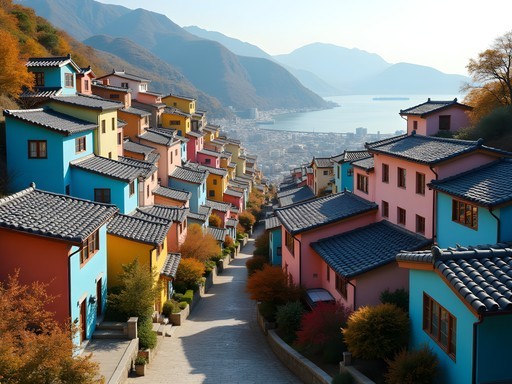
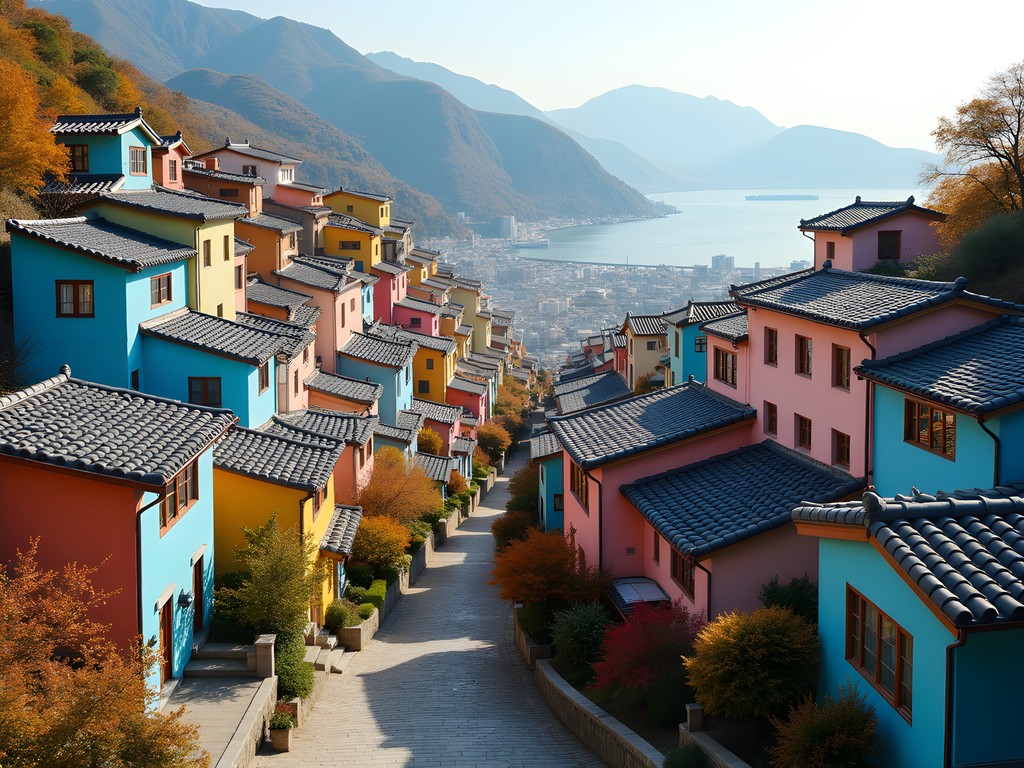
Busan's neighborhoods each tell different stories. I dedicated days to exploring them systematically, my travel backpack packed with essentials for long days of urban hiking. Gamcheon Cultural Village, once a slum housing Korean War refugees, has transformed into a hillside maze of colorful houses and public art. The community-led regeneration reminded me of similar projects I'd seen in Detroit and Berlin – creativity as a tool for revitalization.
Food became my language in Busan when words failed. At Gukje Market, I pointed and nodded my way through countless street food stalls, discovering bindaetteok (mung bean pancakes) and hotteok (sweet filled pancakes) that I still dream about months later. One evening, following Mrs. Kim's recommendation, I found a tiny restaurant specializing in dwaeji gukbap (pork soup with rice) – a Busan specialty. The elderly owner, seeing me dining alone, sat down to demonstrate the proper way to season the soup, adding kimchi juice and scallions with precise amounts that apparently cannot be taught, only felt.
My passion for electronic music led me to a surprising discovery in Busan's Kyungsung University area. Following the thump of bass down a nondescript alley, I found a basement club where local DJs spun experimental sets that fused traditional Korean instruments with electronic beats. The crowd – mostly university students and creative types – welcomed me warmly despite being visibly older and obviously foreign. We communicated through music appreciation and impromptu dance-offs that continued until dawn.
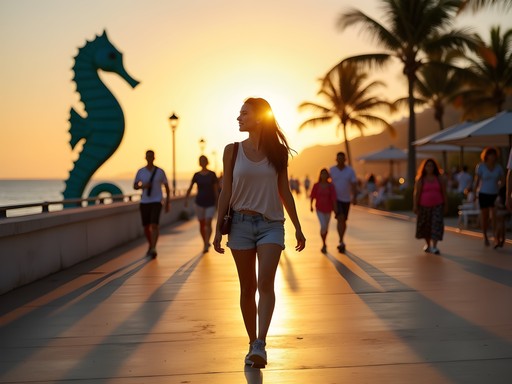
Haeundae Beach offered yet another face of Busan. Despite visiting in fall, the beach remained a social hub where families and friends gathered for sunset picnics. One evening, I joined a beach cleanup organized by a local environmental group. Working alongside Busan residents, I learned about their efforts to preserve marine ecosystems while battling the effects of rapid development. The organizer, noticing my interest, invited me to a traditional tea ceremony at her home the following day – an intimate cultural exchange that wouldn't have happened had I stayed on the typical tourist path.
Unlike Battambang's direct connection to its past, Busan's relationship with history feels more complex. The city was one of few that wasn't destroyed during the Korean War, becoming a refuge for displaced people. This history of resilience permeates the city's identity, visible in the UN Memorial Cemetery and the stark modern architecture that rose from post-war recovery. Walking these grounds, I thought about how differently Cambodia and Korea have processed their respective historical traumas – one through preservation and remembrance, the other through reinvention and forward momentum.
💡 Pro Tips
- Visit Gamcheon Cultural Village early to avoid crowds and harsh midday light
- Try the local specialty dwaeji gukbap (pork soup with rice) at local restaurants, not tourist spots
- Check out the rooftop bars in Seomyeon for spectacular night views of the city
Rhythms and Reflections: Finding Connections
Despite their stark differences, unexpected parallels emerged between Battambang and Busan. Both cities exist somewhat in the shadow of their countries' more famous destinations. Both have deep relationships with water – the Sangker River in Battambang and the sea in Busan. And most importantly, both places reveal themselves slowly to those willing to linger and listen.
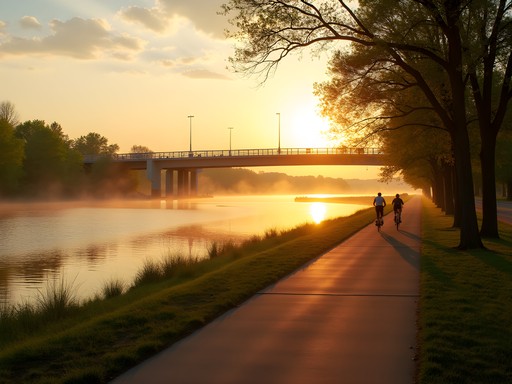
In Battambang, time moved according to natural rhythms – sunrise, sunset, seasonal rains. My days expanded and contracted with the light. I'd often find myself in conversation with locals that stretched for hours, the Western urgency to be somewhere else gradually dissolving. My compact camera captured countless quiet moments: children playing in temple ruins, elders teaching crafts to younger generations, light filtering through ancient banyan trees.
Busan operates on urban rhythms – subway schedules, business hours, and the perpetual motion of a port city. Yet within this structured environment, I found surprising pockets of timelessness. The Buddhist temples maintain centuries-old rituals regardless of the city pulsing around them. Traditional bathhouses (jjimjilbangs) create spaces where time seems suspended as multi-generational groups of women scrub, soak, and socialize.
Music became my connector between these disparate experiences. In Battambang, I recorded the hypnotic chants of Buddhist monks during morning alms collection. In Busan, I discovered a vinyl record shop specializing in Korean psych-rock from the 1970s, spending hours listening to the owner's collection. These sonic souvenirs now form part of my DJ sets back home, weaving these places into my creative expression.
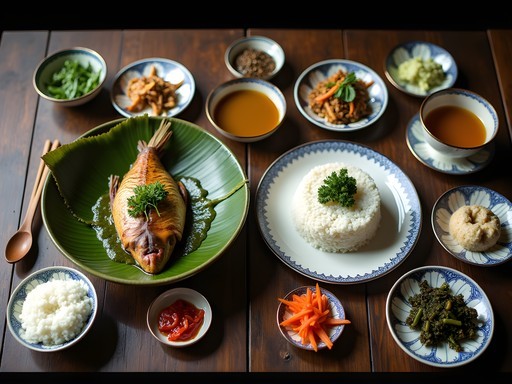
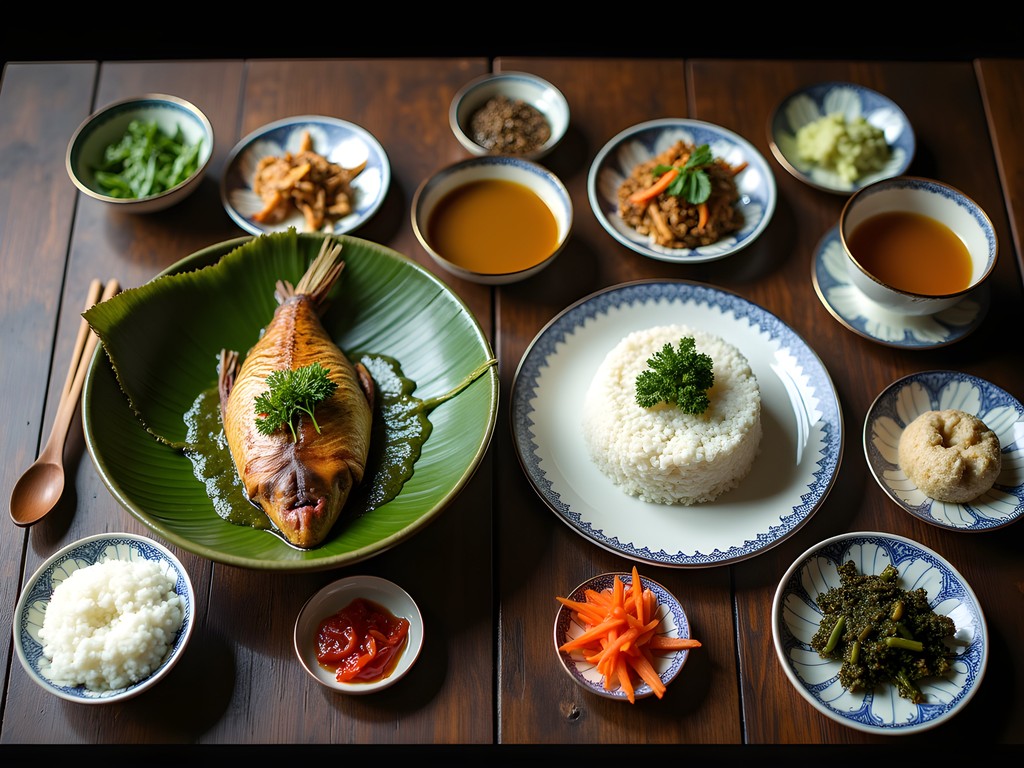
Food rituals provided another through-line. Both cultures emphasize communal eating and multiple small dishes that create a complete experience. In Cambodia, the ritual of sharing rice from a central bowl; in Korea, the careful arrangement of banchan (side dishes) around the table. Both approaches speak to values of community and balance that transcend cultural differences.
As someone who's spent years researching family migrations and cultural preservation, these two cities offered powerful case studies in resilience. Battambang is slowly reclaiming cultural traditions nearly erased by genocide. Busan transformed from a war refugee hub to a thriving metropolis without losing its distinctive regional identity. Different paths, similar determination to maintain cultural continuity despite historical ruptures.
💡 Pro Tips
- Journal daily to process the contrasts between destinations
- Learn about each country's recent history before visiting - it provides crucial context
- Allow unstructured time in your itinerary for spontaneous connections
Final Thoughts
Two weeks, two worlds, one journey. Battambang and Busan might seem like strange companions on an itinerary, but their contrasts illuminated aspects of each that might have remained invisible if experienced in isolation. Cambodia taught me to slow down, to listen to stories that unfold across generations, to find beauty in simplicity. Korea showed me how tradition can coexist with innovation, how a culture can honor its past while racing toward the future. Together, they reminded me why I travel solo – for these moments of clarity that emerge when you're fully immersed in the unfamiliar, with no one to talk to but yourself and whoever crosses your path. Whether you're tracing your own heritage or simply seeking to understand our complex world, consider building contrasts into your journeys. The space between differences is where the most interesting revelations wait.
✨ Key Takeaways
- Solo travel through contrasting destinations offers unique insights impossible to gain from visiting similar places
- Both Battambang and Busan reward slow travel and local connections despite their different paces
- Cultural resilience takes different forms but stems from the same human determination to preserve identity
📋 Practical Information
Best Time to Visit
October-November (fall) for comfortable temperatures in both locations
Budget Estimate
$50-80/day in Battambang, $70-100/day in Busan (mid-range budget)
Recommended Duration
5-6 days in each location minimum
Difficulty Level
Intermediate - Language Barriers And Transportation Logistics Require Some Planning



Comments
beachadventurer
Heading to both Cambodia and Korea next year! How many days would you recommend for Battambang? And did you stay in a particular neighborhood in Busan that you'd recommend?
Michelle Mason
For Battambang, 3 days is perfect - enough to see the main sights and get a feel for local life without rushing. In Busan, I stayed in Seomyeon which was central and great for transport connections. If you prefer beachside, Haeundae is the obvious choice but can be pricier. The subway system is excellent so you can't really go wrong!
beachadventurer
Perfect, thanks so much for the advice! Did you have any accommodation recommendations for either place?
Douglas Bradley
Not Michelle, but I can vouch for Battambang Sangker Villa if you're looking for a place in Battambang. Family-run, beautiful garden setting, and they arrange excellent local tours with knowledgeable guides.
moonmate
Just booked my ticket to Busan after reading this!!! So excited to try all the street food you mentioned. Your description of the night markets has me drooling already!
Michelle Mason
That's amazing! You're going to have such a great time. Don't miss the hotteok (sweet pancakes) at BIFF Square - absolute heaven!
springhero
Would you recommend Battambang for a first-timer to Cambodia or better to stick with Siem Reap/Phnom Penh?
Michelle Mason
Great question! For a first-timer, I'd do Siem Reap first (Angkor is unmissable), then add Battambang as your second stop - it's only a few hours away and gives you a more authentic slice of Cambodia away from the tourist crowds.
Kimberly Murphy
Completely agree with Michelle! Battambang is perfect as a second stop. The countryside between SR and Battambang is gorgeous too if you can hire a driver rather than take the bus.
sunsetperson
Love the photos of Busan! The colors are incredible!
Douglas Bradley
Michelle, what a fascinating juxtaposition of destinations. Your post highlights something I've been thinking about lately - how contrasting travel experiences often provide deeper insights than visiting similar places. Battambang's colonial architecture and rural pace alongside Busan's modernity creates a perfect yin-yang travel narrative. I had a similar experience pairing Luang Prabang with Tokyo last year. The sensory shift was jarring but illuminating. One observation: your morning rituals section really captured the essence of slow travel in Battambang. Those quiet moments often reveal more about a place than checking off tourist sites. Did you find any particular cafés in Battambang that facilitated that contemplative morning experience?
mountainbuddy
Great post! How did you handle the transportation between these two very different places? Was it complicated to plan?
Michelle Mason
I flew from Phnom Penh to Seoul, then took the high-speed train to Busan. Honestly, the logistics were simpler than I expected! The trickiest part was just the timing since I wanted a few days in PP before flying out.
Kimberly Murphy
Michelle, this is EXACTLY the kind of contrast travel I live for! I did Battambang last year and completely agree it's Cambodia's hidden gem. That bamboo train was such a quirky experience! Did you catch the bat exodus at Phnom Sampeau? It was one of the most incredible natural phenomena I've witnessed. Busan is on my list for next spring - your description of the coastal energy vs Battambang's laid-back vibe has me even more excited. Brilliant pairing these two destinations!
Michelle Mason
Thanks Kimberly! Yes, I did see the bat exodus - absolutely mesmerizing! You'll love Busan - make sure to hit Gamcheon Cultural Village early morning before the crowds.
Kimberly Murphy
Thanks for the tip! Adding it to my itinerary now. Did you find the language barrier challenging in Busan?
Michelle Mason
Definitely more of a challenge than Cambodia, but the transit system has English signage and most restaurants in tourist areas have picture menus. I used translation app which was much better than Google Translate for Korean specifically!
wildbuddy4278
Love the photos! Busan looks incredible
Hannah Woods
Really interesting pairing, Michelle. I've done similar contrast trips and find they give you a much richer perspective than sticking to one region. What struck me most about your post is how you captured the different rhythms - that morning market energy in Battambang versus the efficiency of Busan's metro system. Did you find the budget difference between the two destinations challenging to navigate? I always struggle with recalibrating my spending mindset when moving between Southeast Asia and East Asia.
Michelle Mason
Yes! The mental shift was real. I went Cambodia first which helped - started cheap then adjusted upward. If I'd done it reverse I think the sticker shock would've been harder. Busan was definitely 3-4x more expensive overall but still reasonable compared to Seoul.
Taylor Moreau
Brilliant pairing, Michelle. I've been advocating for years that the best travel experiences come from contrasting destinations rather than similar ones. The cultural whiplash between Southeast Asia and Korea creates such rich perspective. I found Busan particularly fascinating for business networking - the Haeundae district has become quite the hub for international conferences. Did you make it to Gamcheon Culture Village? The street art there rivals anything I've seen in Berlin or Melbourne.
Michelle Mason
Yes! Gamcheon was amazing. Spent a whole afternoon just wandering and getting lost in those colorful alleyways. You're so right about the contrasts - it really does make you see both places differently.
Venture X
Premium card with 2X miles, $300 travel credit, Priority Pass