Disclosure: This article contains affiliate links. We may earn a commission from purchases at no extra cost to you, which helps our travel content.
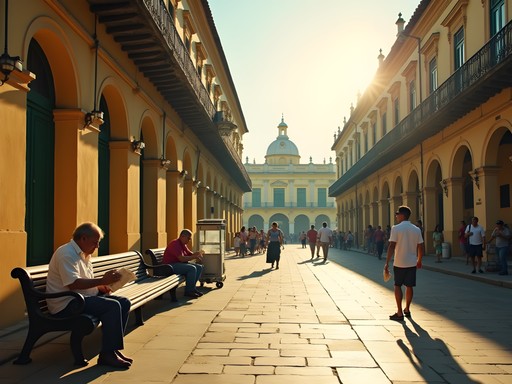
The moment my feet touched down in Holguín province, I knew this wasn't the Cuba of vintage postcards and tourist brochures. Here in eastern Cuba, far from Havana's well-worn paths, I found a landscape of contradictions – pristine beaches without the crowds, mountains shrouded in mystery, and a cultural authenticity that hadn't been polished for tourist consumption. As a solo female traveler who's trekked through Himalayan passes and navigated Tokyo's labyrinthine subway system, I found Holguín to be that rare destination that still rewards the intrepid while remaining remarkably accessible.

Preparing for Cuba's Beautiful Contradictions
Before diving into Holguín's treasures, understand that Cuba demands a different kind of preparation than most destinations. The dual-currency system has officially ended, but the economic reality remains complex. I exchanged dollars for euros before arrival (avoiding the 10% penalty on USD exchanges) and brought more cash than I typically would since American cards don't work here.
The internet situation requires advance planning too. While Wi-Fi has improved dramatically since my first visit years ago, connectivity remains spotty and primarily available in designated hotspots. I purchased a portable Wi-Fi device before my trip, which proved invaluable for occasional navigation and emergency contact with family.
Packing light but strategic is essential. Beyond the usual suspects (sunscreen, insect repellent), I brought a water purifier bottle which saved me from buying countless plastic bottles while ensuring safe drinking water. Cuba's infrastructure can be unpredictable, and having clean water on demand provided peace of mind during long day trips to remote beaches and mountain villages.
💡 Pro Tips
- Bring more cash than you think you'll need – at least $50-75 per day for mid-range travel
- Download maps.me and save offline maps of Holguín province before arrival
- Learn basic Spanish phrases – outside resorts, English proficiency is limited
Finding Safe, Authentic Accommodation
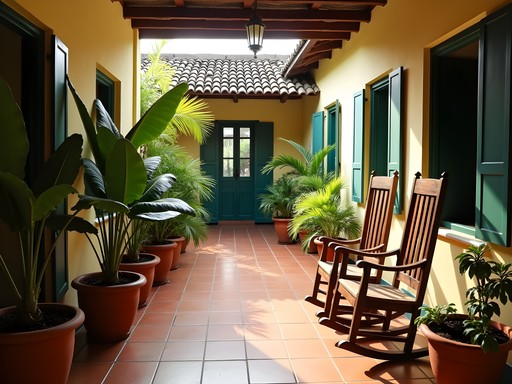
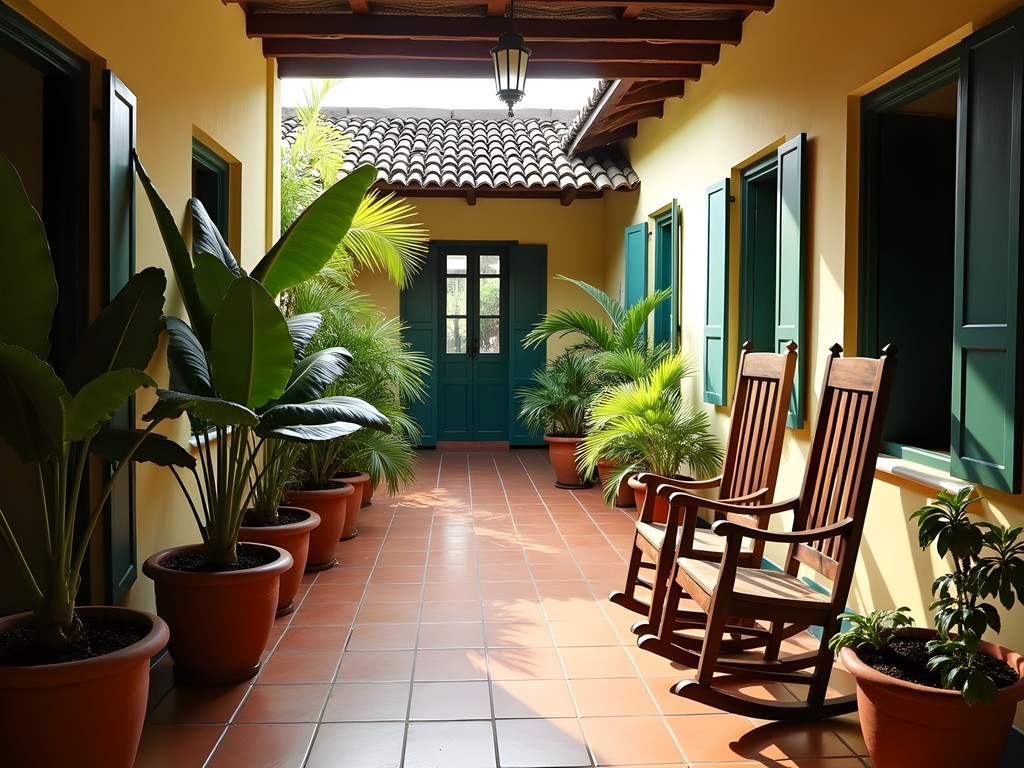
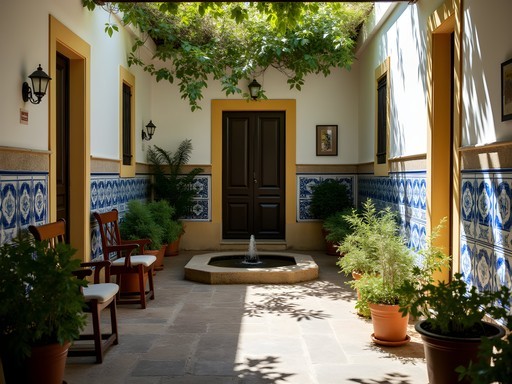
Forget impersonal hotel chains – in Holguín, casas particulares (private homestays) offer the sweet spot between comfort, affordability, and cultural immersion. These government-licensed accommodations in family homes provided my safest and most memorable experiences.
In Holguín city, I stayed with Marta, whose colonial casa near Parque Calixto García featured high ceilings, vintage furniture, and breakfasts that became morning masterclasses in Cuban cuisine and history. For around $25-35 per night, you get a private room, bathroom, and often the most valuable travel resource: a local host invested in your safety and experience.
For beach time, I split my stay between Guardalavaca and the less-developed Playa Esmeralda. While resorts dominate these areas, I discovered several casas in nearby villages that offered transportation to beaches. My favorite find was Villa El Bosque in Guardalavaca, where my room opened to a garden bursting with orchids and hummingbirds.
Pro tip: While many casas now appear on booking sites, the best ones often rely on word-of-mouth. I found my favorite stays through recommendations from previous hosts. Bring a portable door lock for added security and peace of mind, though I rarely felt it necessary.
💡 Pro Tips
- Always request your host's phone number before arrival for easier navigation
- Confirm if your casa offers meals – home-cooked dinners are often the best food you'll eat in Cuba
- Ask hosts about local transportation options before booking excursions through agencies
Beyond Beaches: Holguín's Hidden Mountain Magic
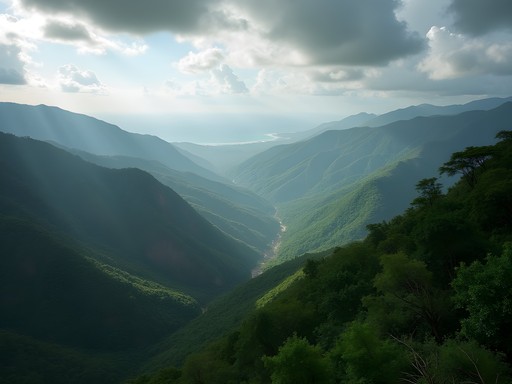
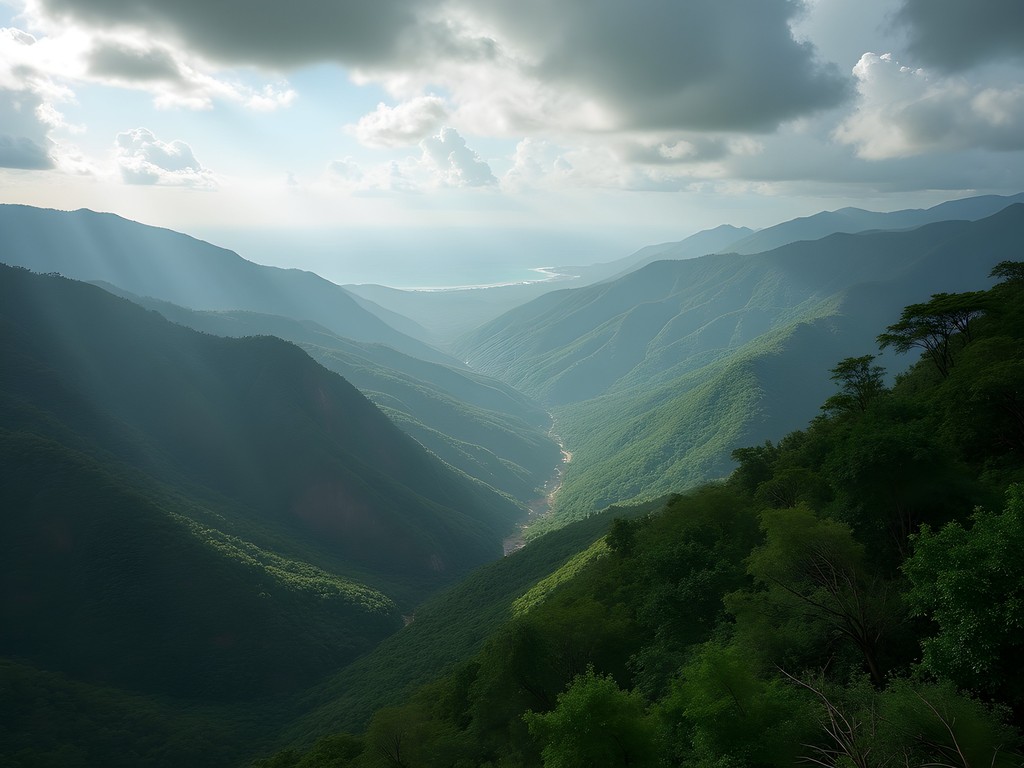
While Holguín's beaches rightfully earn their reputation, it was the province's mountainous interior that captured my soul. The Sierra del Cristal and Pinares de Mayarí regions offer a completely different Cuba – one of cloud forests, hidden waterfalls, and coffee plantations where time seems suspended.
Arranging transportation requires patience but delivers rewards beyond measure. I hired a local guide through my casa host in Holguín city for a day trip to Pinares de Mayarí, about two hours from the city. The pine-scented air at 2,000 feet elevation provided welcome relief from coastal heat, while trails led to viewpoints where the Caribbean stretched endlessly blue below.
Bring sturdy hiking shoes as paths can be muddy and uneven. My pair proved essential when an afternoon thunderstorm transformed dirt trails into slick challenges. For these excursions, I also relied heavily on my quick-dry hiking pants which performed beautifully through sweat, rain, and river crossings.
The true highlight came in Cayo Saetía, a former hunting reserve turned nature park. This semi-wild island accessible by causeway hosts zebras, antelope, and other non-native species in a surreal Caribbean setting. Arrange a jeep tour through local operators in Holguín city rather than through resorts – you'll pay half the price for the same experience.
💡 Pro Tips
- Visit Salto del Guayabo waterfall early morning to avoid afternoon crowds
- Pack a light rain jacket regardless of season – mountain weather changes rapidly
- Bring small denomination bills for rural areas where change is scarce

Navigating Cuban Culture: Connection Beyond Language
As a solo female traveler, I found Holguín to be remarkably welcoming, though not without its challenges. The infamous jineteros (hustlers) are less prevalent here than in Havana, but remain part of the landscape. A firm but friendly 'no, gracias' usually suffices, though I occasionally deployed my well-practiced 'already have a guide' white lie when persistence became an issue.
The key to meaningful connection is approaching conversations with genuine curiosity rather than assumptions. Cubans are proud, educated people navigating complex realities, and appreciate visitors who recognize this nuance. My background in journalism taught me to ask open questions and listen more than speak – an approach that opened doors to authentic experiences no guidebook could reveal.
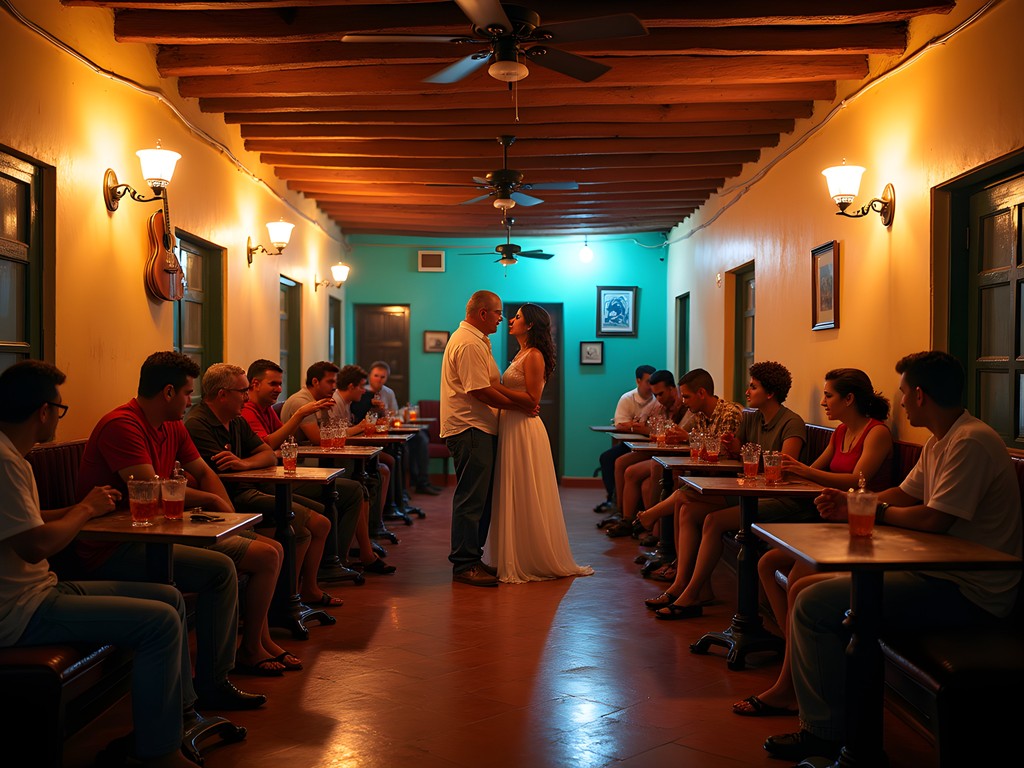
Music provides the easiest entry point to Cuban culture. In Holguín city, I discovered Casa de la Trova, where local musicians perform traditional son and trova music nightly. For around $5 entrance fee (including one drink), you'll experience multi-generational Cubans dancing, singing, and celebrating their cultural heritage. I brought a compact travel speaker which facilitated impromptu dance parties with new friends on beaches and rooftops.
Religious syncretism fascinates me, and Holguín offers rich opportunities to explore Santería traditions. The annual pilgrimage to the Hill of the Cross (Loma de la Cruz) demonstrates how Catholic and African spiritual practices have blended into something uniquely Cuban. Approach these sites with respect – ask permission before photographing religious ceremonies or altars.
💡 Pro Tips
- Learn basic salsa steps before your trip – dancing transcends language barriers
- Bring small gifts for hosts and new friends – art supplies, spices, or beauty products are appreciated
- Visit markets early when produce selection is best and temperatures cooler
The Solo Woman's Safety Guide to Holguín
Let's address the elephant in the room: safety concerns often top the list for women considering solo travel in Cuba. My experience in Holguín was overwhelmingly positive, though not without moments requiring street smarts and boundary-setting.
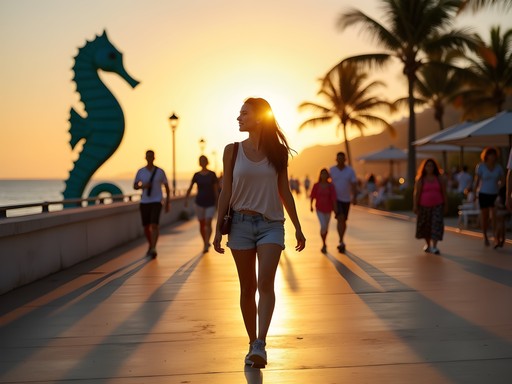
Catcalling (piropos) remains common, though it typically manifests as exaggerated compliments rather than threatening behavior. I found the most effective response was brief acknowledgment without engagement – a quick nod while continuing to walk purposefully. In two weeks, I never encountered anything beyond verbal attention.
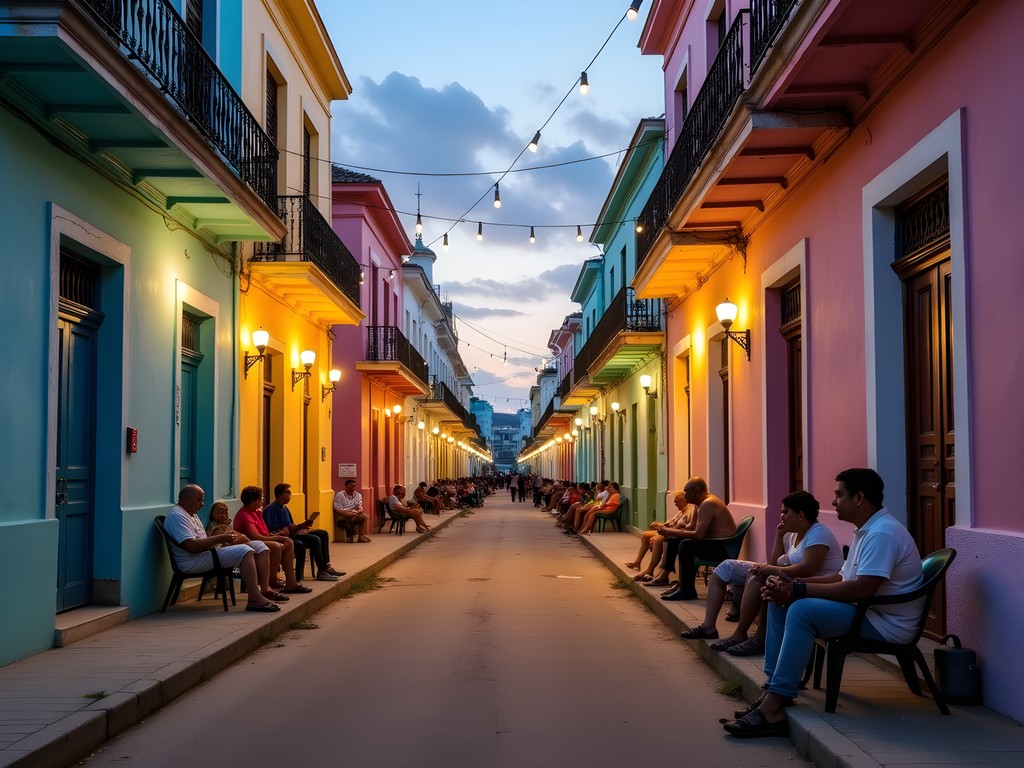
Night safety surprised me positively. Holguín's streets remain active with families and neighbors chatting until late hours, creating natural community surveillance. Still, I avoided isolated areas after dark and carried a compact flashlight for power outages and poorly lit streets.
Transportation deserves careful consideration. For intercity travel, Viazul buses offer reliable, air-conditioned service, though schedules can be limited. Within cities, official taxis (with yellow license plates) provide safe, metered transportation. For day trips, I occasionally shared costs with other travelers from my casa, combining safety with savings.
My most valuable safety tool was situational awareness, honed through years of solo travel. I carried a anti-theft crossbody bag with RFID protection and slash-resistant straps – perhaps overkill for Holguín, but the peace of mind allowed me to focus on experiences rather than worrying about belongings.
💡 Pro Tips
- Share your itinerary with hosts each morning – they'll often offer safety advice for specific areas
- Carry a photocopy of your passport while leaving the original in your accommodation safe
- Trust your intuition – if a situation feels uncomfortable, extract yourself politely but firmly
Final Thoughts
As my final evening in Holguín arrived, I found myself on the rooftop of my casa particular, sharing homemade rum cocktails with my host family and fellow travelers from Germany and Canada. The conversation flowed between broken Spanish, English, and laughter – that universal language that needs no translation. Below us, the city hummed with life as neighbors called to each other across balconies and children played impromptu baseball with sticks and bottle caps.
Holguín had revealed itself slowly, like a friend who shares deeper secrets only after earning trust. Beyond the picture-perfect beaches and colonial architecture, I discovered a resilient spirit that transforms scarcity into ingenuity, strangers into family, and simple moments into profound joy.
For the solo female traveler willing to embrace flexibility, Holguín offers that increasingly rare opportunity: genuine discovery. Come with respect, patience, and curiosity, and Cuba will respond in kind. Pack light but bring an open heart – in the end, that's the only essential item for understanding this complex, beautiful corner of Cuba that tourist brochures barely begin to capture.
✨ Key Takeaways
- Holguín offers a safer, more authentic alternative to Cuba's more touristed western provinces
- Casa particulares provide the perfect balance of cultural immersion, local knowledge, and security for solo female travelers
- Learning basic Spanish dramatically enhances your experience and safety in eastern Cuba
- Venture beyond beaches to discover Holguín's mountain regions for Cuba's most rewarding natural experiences
📋 Practical Information
Best Time to Visit
November through April (dry season)
Budget Estimate
$50-75/day for mid-range travel
Recommended Duration
10-14 days
Difficulty Level
Moderate





Comments
staradventurer
Thanks for sharing! Really helpful
winteradventurer
I was in Holguín last October and stayed at Casa Colonial Nilda - can't recommend it enough! She connected me with other solo travelers and we ended up exploring together. The lack of internet was actually refreshing once I got used to it. Emma, did you try the local pizza? Sounds weird but the street pizza there is amazing and costs like 10 pesos. Also the colectivos (shared taxis) are the best way to get around cheaply.
wavediver2533
Adding Casa Colonial Nilda to my list! Thanks!!
escapechamp
This would be my first solo trip anywhere. Is Cuba a good place to start or should I try somewhere easier first? I speak zero Spanish which is making me nervous but your post makes it sound doable?
Nova Rice
Cuba is actually great for solo travel! People are super helpful. Download Google Translate offline and learn basic phrases. Start with a few days in Holguín city before venturing out.
John Hart
Excellent piece, Emma. Your observations about navigating Cuban culture align with my own experiences traveling through the eastern provinces. I spent three weeks in Holguín and Santiago de Cuba last year, and the authenticity you describe is precisely what draws me to lesser-traveled regions. The mountain trails around Mayarí are exceptional - I'd recommend the hike to Salto del Guayabo waterfall for anyone seeking adventure beyond the beaches. One practical tip: download offline maps before arrival. I used offline maps extensively and it proved invaluable when navigating rural areas without connectivity. The casa particular network is indeed the way to go - I found hosts incredibly resourceful in arranging local guides and transportation.
wavediver2533
Going there in March!! How much cash should I bring? Really nervous about the money situation
winteradventurer
Bring more than you think! ATMs don't work with US cards and you can't use credit cards anywhere. I'd say budget $50-70/day for casa, food, and transport.
happyphotographer
Love the mountain shots!
Nova Rice
Emma, this really resonates with me! I visited Holguín last spring and completely agree about the casa particulares - they're where the magic happens. I stayed with a family near Parque Calixto García and my host, María, taught me to make ropa vieja from scratch. The eastern side of Cuba is SO different from Havana's tourist scene. Did you make it to Playa Guardalavaca? The snorkeling there was incredible, and I felt completely safe even exploring solo. Your point about bringing small gifts for hosts is spot-on - I brought spices and coffee from Miami and they were so appreciated.
staradventurer
What kind of spices did you bring? Planning my first trip there!
Nova Rice
Cinnamon, cumin, oregano - things that are hard to get there. Also brought good coffee beans and some toiletries!
wanderlegend
This is awesome! Never even heard of Holguin before
SoloFemTraveler
Just returned from Holguín and wanted to add - the local buses (not the tourist ones) were an amazing way to meet people! A bit crowded but super cheap and everyone was so helpful when I looked lost. Also found that wearing a simple wedding band reduced unwanted attention from men without affecting the genuine friendliness of locals.
wildmate
The wedding band trick is smart! Did you feel safe overall as a solo woman?
SoloFemTraveler
Absolutely! Never felt unsafe, just got tired of the occasional flirting. People were protective of tourists if anything.
TravelBug22
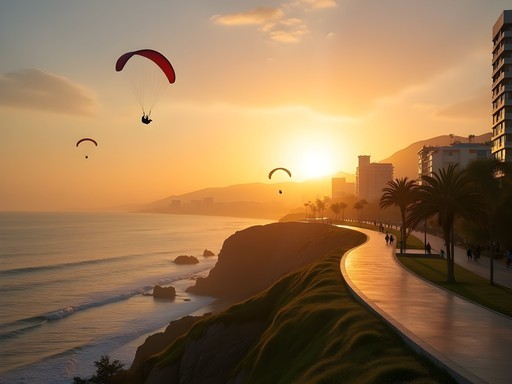
That sunset photo from your casa rooftop is absolutely stunning! Makes me want to book a flight right now.
Venture X
Premium card with 2X miles, $300 travel credit, Priority Pass