

Disclosure: This article contains affiliate links. We may earn a commission from purchases at no extra cost to you, which helps our travel content.
The moment my feet touched Pemba's rust-colored earth, I knew this wasn't going to be like my usual thermal spring hunts. Mozambique's northern jewel offered something different – a raw, unfiltered adventure that required all my investigative instincts. After two weeks navigating this coastal paradise solo, I've compiled everything you need to know about staying safe, connecting with locals, and discovering adventures that most tourists miss in this untamed corner of southeastern Africa. ¡Prepárate para una aventura increíble!
Safety First: The PI's Approach to Solo Travel in Pemba
Let me cut straight to what you're wondering: is Pemba safe for solo travelers? The answer is yes – with caveats. Unlike the polished beaches of Miami or the organized chaos of Seoul's markets, Pemba requires situational awareness and preparation.
My PI background has taught me that information is your best defense. Before arriving, I downloaded maps of Pemba to my offline navigation app and researched common scams (mainly overcharging for taxis and tours). I arranged my airport transfer through my guesthouse rather than negotiating on arrival.
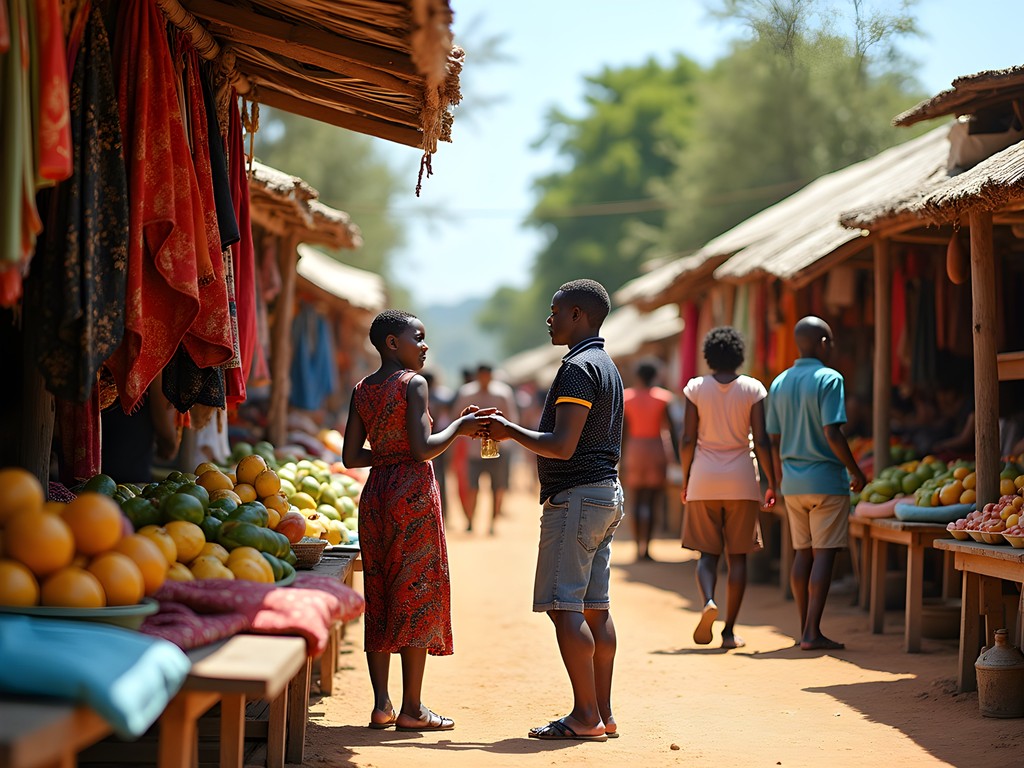
Pemba operates on a relationship economy. Within three days, I had a network of trusted locals – from Maria who sold fruit at the market to João who ran honest tours. This network became my safety net and information pipeline. When I wanted to visit the more remote beaches, João connected me with legitimate guides rather than me taking chances with strangers.
After dark, I practiced the same caution I would in any unfamiliar city. I used registered taxis for night transportation and kept my personal alarm accessible. The sound is piercing enough to startle anyone with bad intentions and alert others nearby.
💡 Pro Tips
- Register with your country's embassy in Mozambique before arrival
- Avoid displaying expensive electronics or jewelry in public areas
- Use a money belt for important documents and extra cash
Uncovering Pemba's Hidden Beaches & Thermal Surprises
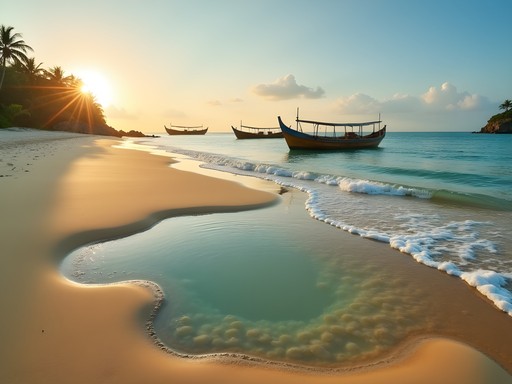
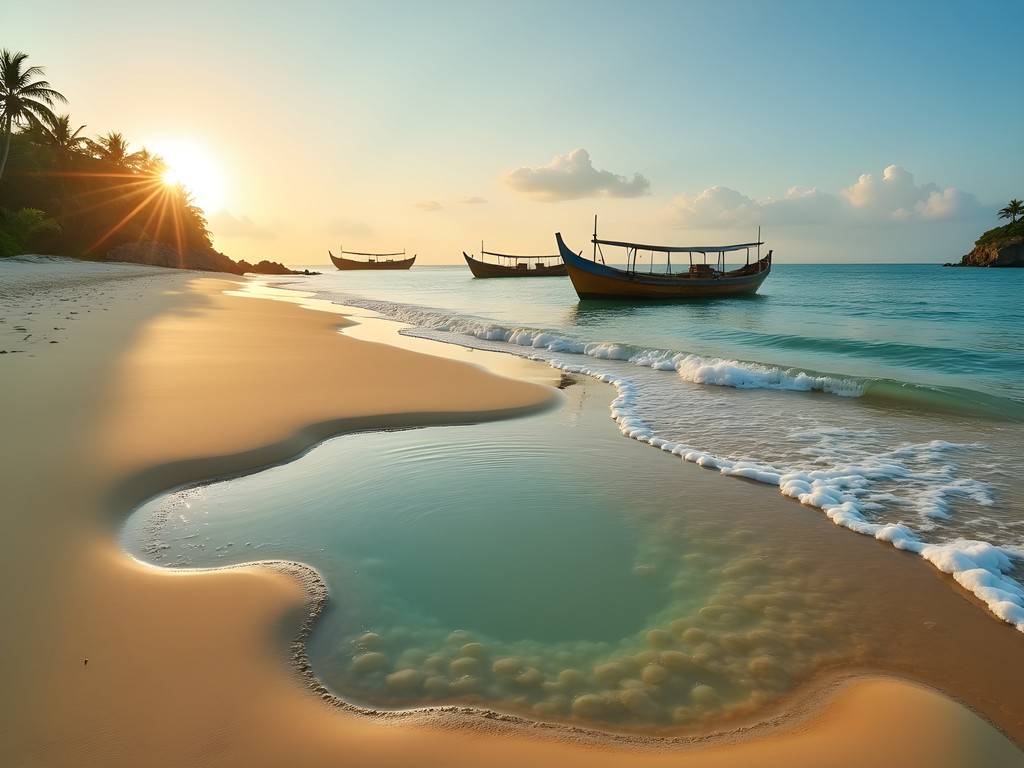
My investigative itch led me beyond Wimbe Beach (the main tourist spot) to discover thermal secrets that aren't in guidebooks. About 45 minutes south of Pemba lies Murrebue Beach – a stretch of pristine sand where I found something remarkable: natural hot springs bubbling right where the ocean meets the shore!
At low tide, locals showed me how to dig shallow pools in the sand where thermal water seeps through, creating natural hot tubs with ocean views. This geothermal phenomenon happens because of underwater volcanic activity – similar to Iceland's geothermal systems but with a tropical twist. I sat for hours watching fishermen return with their dhows (traditional sailing vessels) while soaking in my private sand-pool.
For serious beach exploration, I packed my dry bag which proved invaluable for protecting my camera and documents during unexpected afternoon rain showers and boat trips to remote beaches. The 20-liter size was perfect for day adventures.
Muiça Beach, accessible only by boat or a challenging drive, became my personal sanctuary. I hired a local fisherman to take me there for a half-day excursion. The coral formations just offshore make for incredible snorkeling – I spotted octopus, lionfish, and more varieties of coral than I could identify with my waterproof field guide.
💡 Pro Tips
- Visit Murrebue Beach at low tide for the best hot spring experience
- Arrange boat trips through your accommodation rather than on the beach
- Bring twice as much water as you think you'll need – the heat is deceptive
Diving into Pemba's Underwater Mysteries
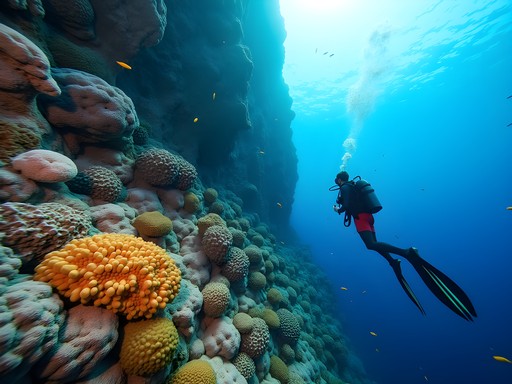
As a Miami native, I've done my fair share of diving, but Pemba's underwater landscape felt like entering another dimension. The Quirimbas Archipelago's southern islands are accessible from Pemba, offering some of the most pristine diving in East Africa.
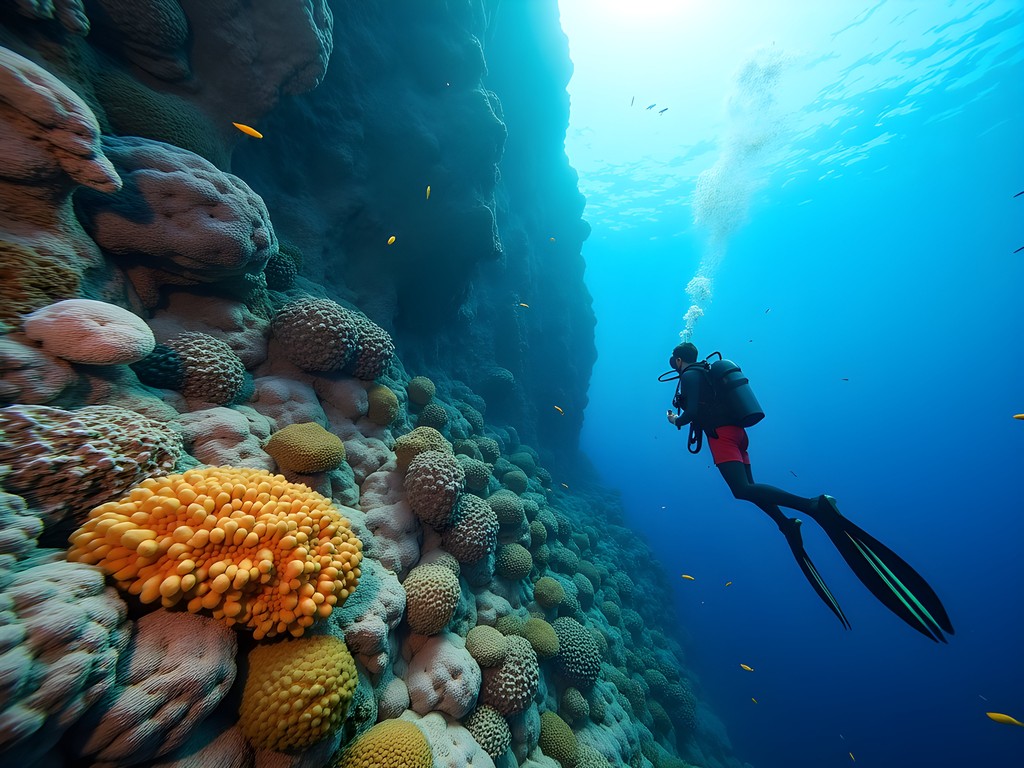
I connected with Dive Pemba, a reputable operation run by marine conservation experts. My three-tank dive package revealed vertical coral walls dropping over 400 meters into the abyss, massive sea fans, and pelagic species I'd only seen in documentaries. The underwater visibility regularly exceeded 30 meters – a photographer's dream.
The currents can be challenging here, making this best for advanced divers. I'm glad I brought my dive computer instead of relying on rental equipment. With deep walls and strong currents, having my own familiar gear provided an extra safety margin.
For non-divers, the snorkeling around Pemba is world-class. I spent a day at Ibo Island (reachable by boat) where the coral gardens start just meters from shore. The local conservation efforts have preserved these reefs remarkably well.
My investigative instincts paid off when I discovered that many boat operators offer substantial discounts if you gather a small group. I connected with other solo travelers at my guesthouse, and we negotiated a private snorkeling trip for nearly half the listed price.
💡 Pro Tips
- Bring reef-safe sunscreen as it's hard to find locally
- Book diving packages in advance during high season (June-October)
- Ask dive operators about marine conservation projects you can participate in

Cultural Connections: The Secret to Solo Success in Pemba
My investigative background has taught me that the best sources are local ones. In Pemba, this principle became my travel philosophy. Rather than sticking to tourist enclaves, I ventured into the heart of Paquitequete, the old fishing quarter, where centuries of Swahili, Portuguese, and indigenous influences create a cultural tapestry unlike anywhere else.
Language matters here. While Portuguese is official, Kimwani and Swahili dominate in Pemba. My language translation device became my most valuable tool, allowing real conversations beyond tourist pleasantries. The locals were visibly impressed by my efforts to communicate, opening doors to experiences no guidebook mentions.
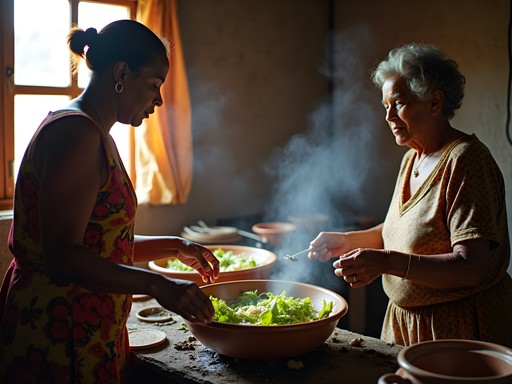
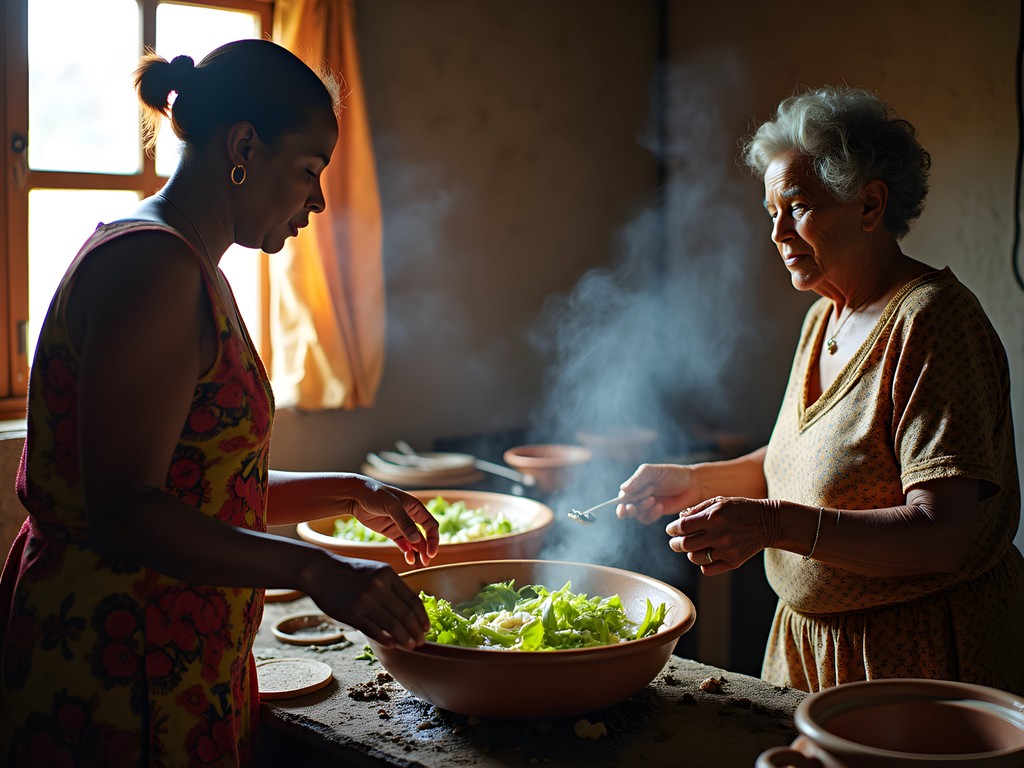
One such door led to Dona Amina's home, where I learned to prepare matapa (cassava leaves with peanuts and coconut milk) and participated in a traditional dance gathering. These connections transformed my solo status from vulnerability to strength – I was never truly alone.
The local markets reveal Pemba's soul. Skip the tourist crafts and head to Mercado Central in the morning. Here, fishermen sell their night's catch, women trade spices, and if you show genuine interest, you'll likely be invited to share tea and stories. My small portable tea set became an unexpected conversation starter and friendship builder when I could offer tea in return.
💡 Pro Tips
- Learn basic greetings in Kimwani to instantly connect with locals
- Bring small photos of your home country to share during conversations
- Accept invitations to family meals – they're genuine and lead to authentic connections
Budget Survival Guide: Navigating Pemba Without Breaking the Bank
Pemba has a reputation for being pricier than southern Mozambique, but my PI skills for finding hidden truths helped me uncover budget strategies that kept my two-week adventure affordable.
Accommodation consumes the biggest chunk of any Pemba budget. While beachfront resorts charge $100+ nightly, I stayed at Pemba Magic Lodge, a modest guesthouse two blocks from Wimbe Beach for $25/night. The real magic was the communal kitchen where I prepared most meals and connected with other travelers.
For longer stays, negotiate. After my first week, I approached the owner about a discount for extending another week. This direct approach saved me 20% – a technique that works throughout Mozambique but requires confidence.
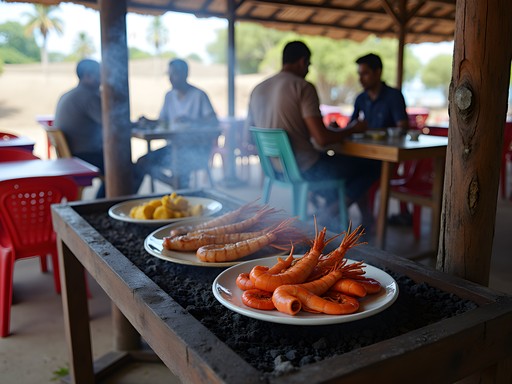
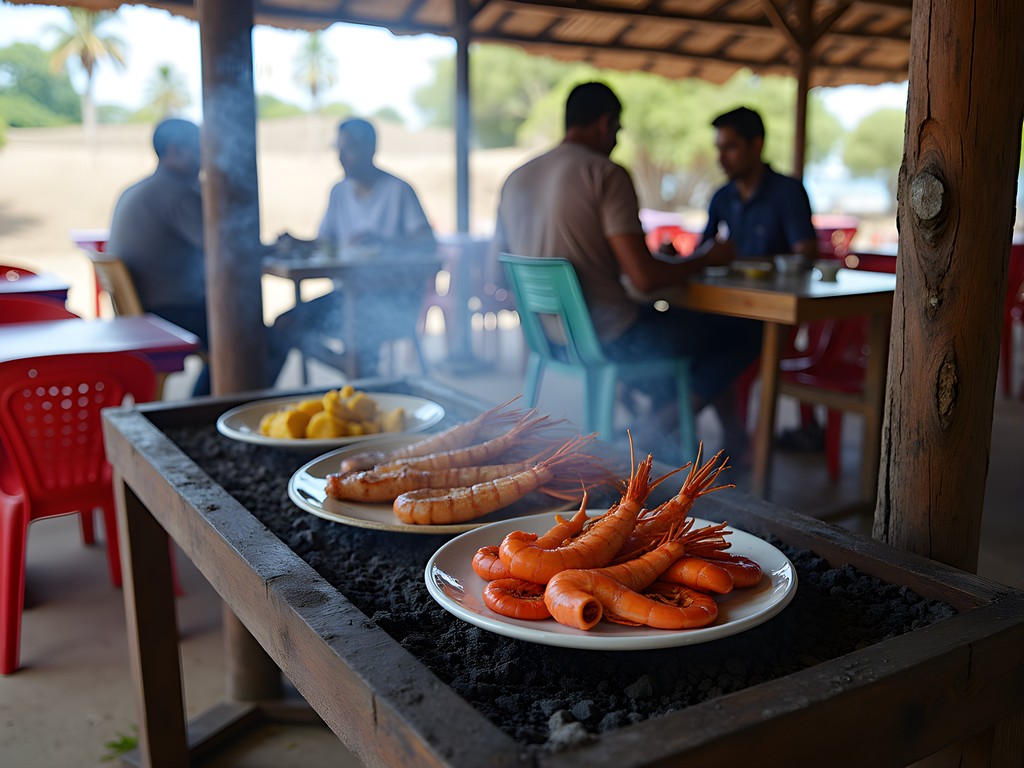
Food costs vary dramatically between tourist restaurants and local spots. At Wimbe Beach restaurants, expect to pay $15-20 for seafood dishes. However, venture into town to the small restaurants called barracas where the same fresh catch costs $3-5. My favorite was Barraca da Fatima near the central market, where the grilled prawns rivaled any I've had in Miami at a quarter of the price.
For beach days, I packed my insulated water bottle filled with ice and water from my guesthouse. This saved me from paying the marked-up $2-3 for water at beach vendors and kept me hydrated in the intense heat. The bottle paid for itself within days.
💡 Pro Tips
- Shop at Mercado Central for fresh produce and prepare simple meals
- Use chapas (shared minibuses) for in-town transportation instead of taxis
- Bring USD in small denominations for better exchange rates than ATMs provide
Final Thoughts
Pemba tested and rewarded me in ways few destinations have. As I boarded my flight back to Seoul, my notebook filled with contacts, coordinates of hidden beaches, and recipes I'd need to recreate with Korean substitutes, I realized that solo travel here isn't just possible—it's transformative.
The key to unlocking Pemba isn't found in luxury resorts or guided tours, but in the connections you forge with its people. My investigative background gave me tools to navigate the challenges, but anyone with an open heart and common sense can experience the magic of this place.
If you're considering Pemba as a solo traveler, especially as a woman, don't let outdated warnings deter you. Come prepared, stay aware, and be ready to adjust your expectations about timelines and convenience. The reward? A profound connection to a place that few tourists truly understand.
As we say in Cuba, 'El que no se arriesga, no gana' – those who don't take risks, don't win. Pemba is your risk worth taking. ¡Hasta la próxima aventura!
✨ Key Takeaways
- Building a network of local contacts is your best safety strategy in Pemba
- The thermal springs at Murrebue Beach offer a unique geothermal experience not found in guidebooks
- Language efforts, even simple phrases, dramatically transform your experience and access to authentic culture
- Budget travel is possible with local transportation, barracas for meals, and guesthouses over resorts
📋 Practical Information
Best Time to Visit
May to November (dry season)
Budget Estimate
$40-60 per day (budget), $100-150 (mid-range)
Recommended Duration
Minimum 1 week, ideally 2 weeks
Difficulty Level
Challenging

Comments
hikingmaster
You mentioned thermal surprises - are there actual hot springs near Pemba? That's totally my thing!
globeadventurer
I spent 3 weeks in northern Mozambique last year and Pemba was definitely a highlight. The Quirimbas Archipelago is absolutely worth the boat trip if anyone's reading this and planning a visit. One tip I'd add to Megan's excellent guide: bring cash in small denominations. ATMs can be unreliable and many places don't take cards. Also, learning a few Portuguese phrases goes a LONG way with locals.
bluelover
Good to know about the cash! How much would you recommend for a week?
globeadventurer
Depends on your style but I'd say $400-500 USD converted to meticais should cover accommodation, food, and activities for a week if you're traveling mid-range
photolover
Those beach shots tho 🔥
Riley Griffin
Megan, this brought back memories! We visited Mozambique as a family back in 2023 but stuck to the south. Reading about your solo experience in Pemba makes me wish we'd ventured north. The way you connected with locals really resonates - that's where the magic happens on any trip. One question though: you mentioned the 'PI's approach' to safety. Could you elaborate on what specific precautions you took? I have a college-aged daughter who's been asking about solo trips to less-traveled places, and I'd love to share some concrete advice from someone who's actually done it.
Megan Stephens
Riley! Great to hear from you. The PI approach is basically: research like you're investigating, check in regularly with someone back home, trust your gut, and always have a backup plan. I kept a detailed itinerary shared with my sister in Seoul and checked local news daily. Your daughter will do great if she stays aware!
travellover
Wow this is going straight to my bucket list!! The underwater photos are incredible 😍
bluelover
This looks amazing! How did you get around Pemba? Is it easy to find taxis or did you rent something?
Megan Stephens
I mostly used chapas (local minibuses) and negotiated with a few taxi drivers for longer trips. Just make sure to agree on prices beforehand!
adventurebuddy
Really cool post, thanks for sharing!
Taylor Moreau
Brilliant write-up, Megan. Pemba is criminally underrated. I spent three weeks there in 2023 researching for my East Africa guide and was blown away by the marine biodiversity. Your PI approach to safety is spot-on - situational awareness and building rapport with locals makes all the difference. For readers planning trips, I'd also recommend connecting with the local dhow builders in Wimbe - fascinating cultural experience and they're happy to show you their craft. The intersection of traditional boat-building and modern tourism is quite remarkable.
Megan Stephens
Taylor! Thanks so much. I wish I'd known about the dhow builders - that sounds incredible. Definitely adding that to my list for next time!
wildadventurer
Going there next month, so pumped!
luckyfan
I was in Pemba back in 2024 and this brings back so many memories! The Quirimbas Archipelago diving is absolutely world-class. One tip I'd add - if you're planning to visit between November and March, bring serious rain gear. I got caught in the rainy season and my regular rain jacket was useless. The storms are intense but beautiful. Also totally agree about the cultural connections - the people there are so welcoming once you make that initial effort.
adventurebuddy
Good to know about the rain! What months would you say are best?
luckyfan
May through October is ideal - dry season with perfect diving conditions!
Venture X
Premium card with 2X miles, $300 travel credit, Priority Pass