Disclosure: This article contains affiliate links. We may earn a commission from purchases at no extra cost to you, which helps our travel content.
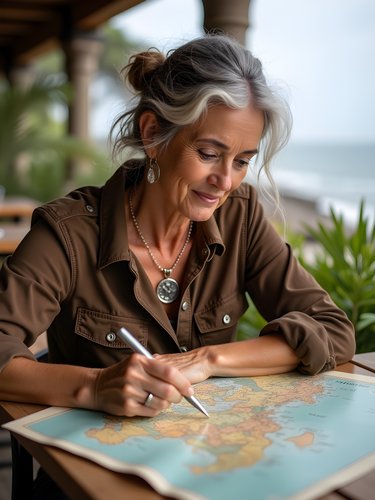
There is something about the vastness of the desert that speaks directly to the soul. As someone who has spent two decades documenting traditional ecological knowledge across the world's arid landscapes, from Morocco to Mongolia, I believed I understood desert solitude. Yet nothing prepared me for the transcendent experience of being alone among the towering sandstone monoliths of Wadi Rum – what T.E. Lawrence aptly called 'vast, echoing and god-like.' This spring, I abandoned my comfortable Bakersfield routine for a week of solo wandering in Jordan's red desert, seeking the wisdom of Bedouin culture and the profound silence that only true wilderness offers.
Preparing for the Martian Landscape
When planning my expedition to Wadi Rum, I approached it with the methodical precision of both my French heritage and my sustainability background. This wasn't my first desert rodeo, as we say in California, but Wadi Rum demands specific preparation.
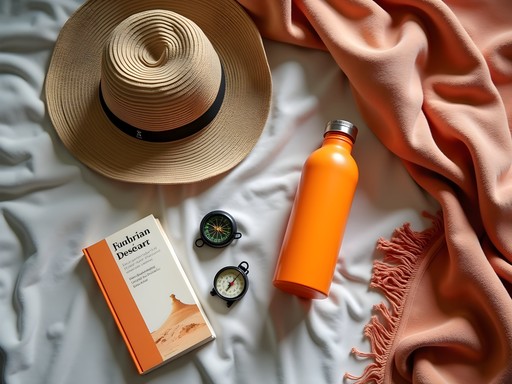
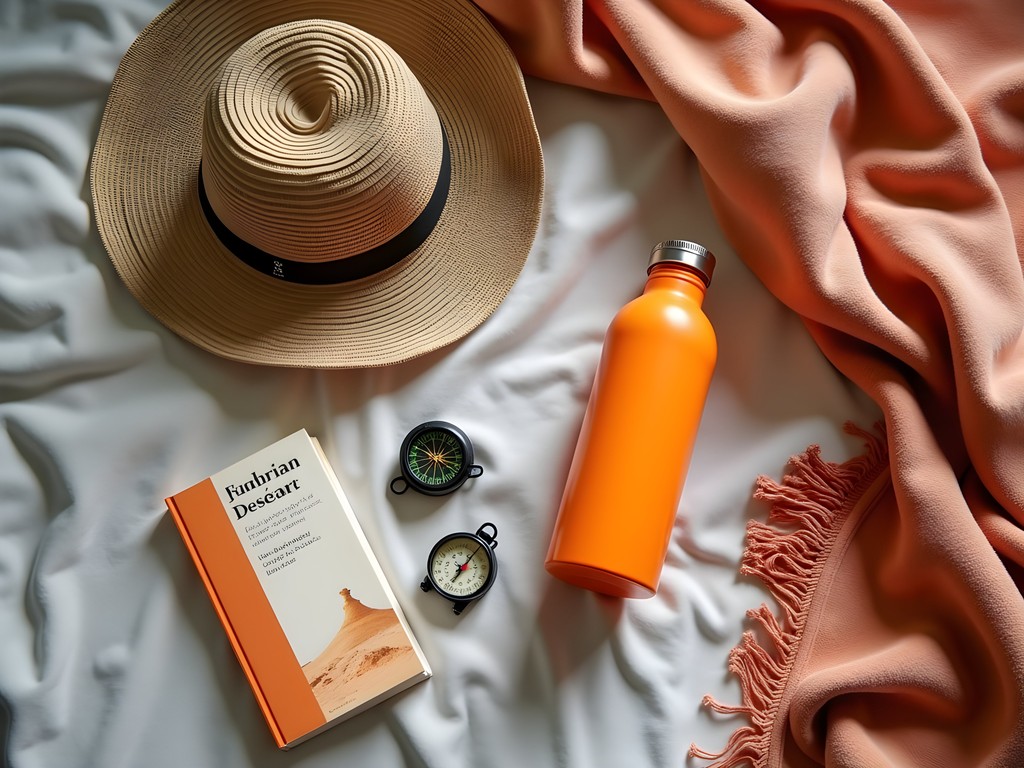
The desert's extreme temperature fluctuations – scorching days giving way to surprisingly cold nights – necessitated careful packing. My desert packing cubes kept my lightweight layers organized, a system I've perfected through years of desert travel. Beyond the obvious sun protection (hat, sunglasses, SPF 50+), I packed my sand-resistant blanket, which proved invaluable for impromptu meditation sessions atop rust-colored dunes.
Research is essential – not just reading travel blogs but academic papers on Bedouin ecological practices. I spent evenings before my trip studying traditional water conservation techniques that have sustained desert communities for millennia. C'est fascinant how these ancient methods mirror modern sustainability principles we're only now rediscovering.
💡 Pro Tips
- Pack layers for dramatic temperature shifts between day and night
- Bring twice as much water as you think you'll need, even with guided support
- Download offline maps as there is virtually no cell service in the protected area
Embracing Bedouin Hospitality
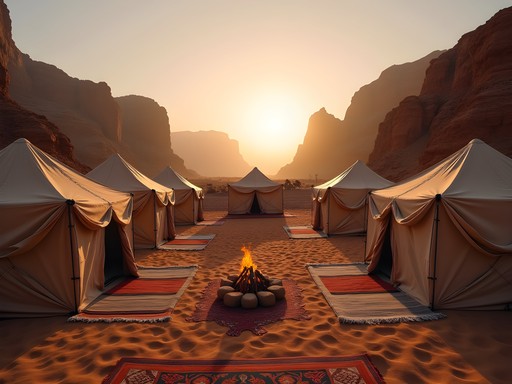
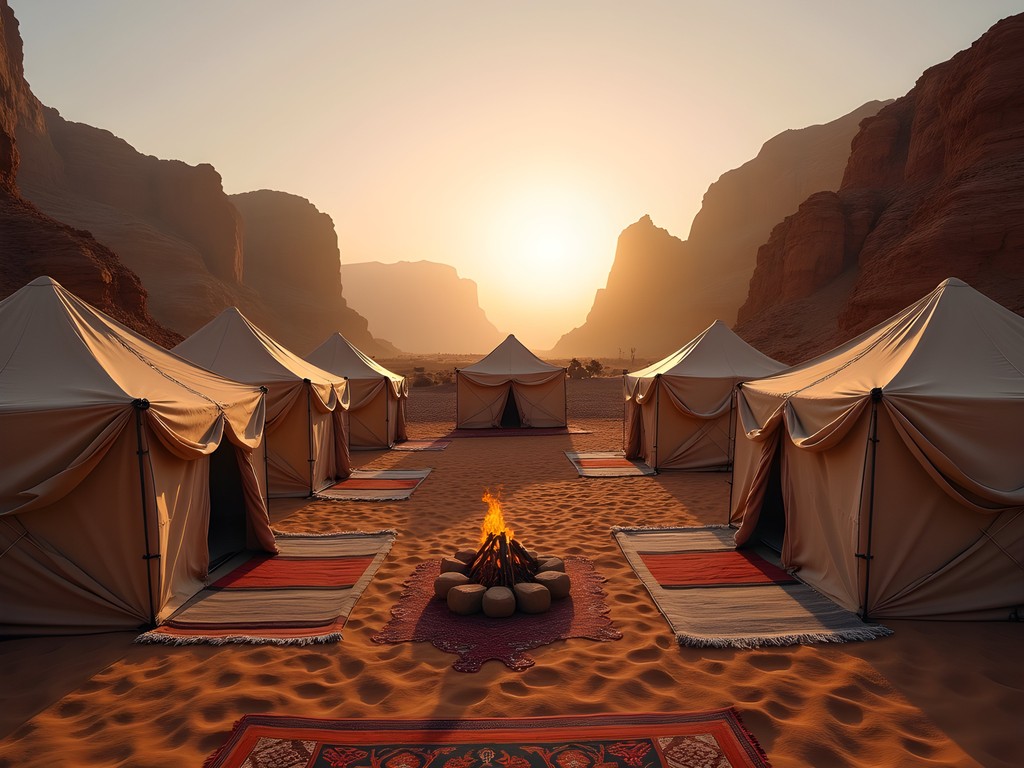
My journey began at a small, family-run camp recommended by a Moroccan friend who recognized my desire for authenticity over luxury. While there are glamping options with air conditioning and private bathrooms, I chose a traditional camp with simple amenities but rich cultural connections.
My host, Abu Yousef, welcomed me with the legendary Bedouin hospitality – diyafa – that transcends language barriers. We communicated in my rusty Arabic (improved since my Moroccan days) and his excellent English, discussing everything from water conservation to the impact of climate change on traditional lifestyles.
The camp's sustainable practices impressed me: solar power, water recycling systems, and locally-sourced meals prepared in the traditional zarb method – cooking in underground pits that conserve fuel and infuse food with earth's flavors. Each night, we gathered around fires where Abu Yousef's family shared stories passed through generations, mapping stars and recounting legends of the desert's formation.
During cool evenings, I wrapped myself in my desert shawl, a versatile piece that served as evening wrap, impromptu picnic blanket, and sun shield throughout my journey.
💡 Pro Tips
- Ask camp hosts about their family history for deeper cultural insights
- Participate in meal preparation to learn traditional cooking techniques
- Bring small, thoughtful gifts from your home country as a gesture of appreciation
Solo Trekking Among Ancient Monoliths
While group tours have their place, true desert immersion demands solitude. After discussing my experience level with Abu Yousef, he connected me with a guide who helped plan a day-long solo trek with safety protocols in place – the perfect balance of freedom and security.
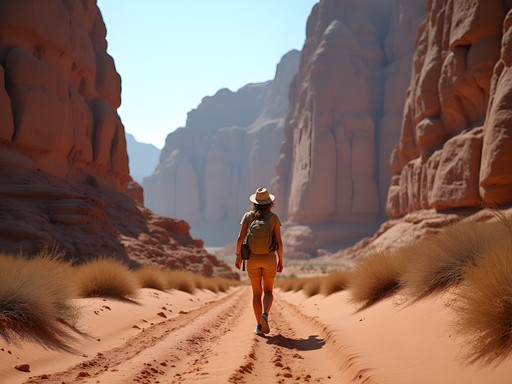
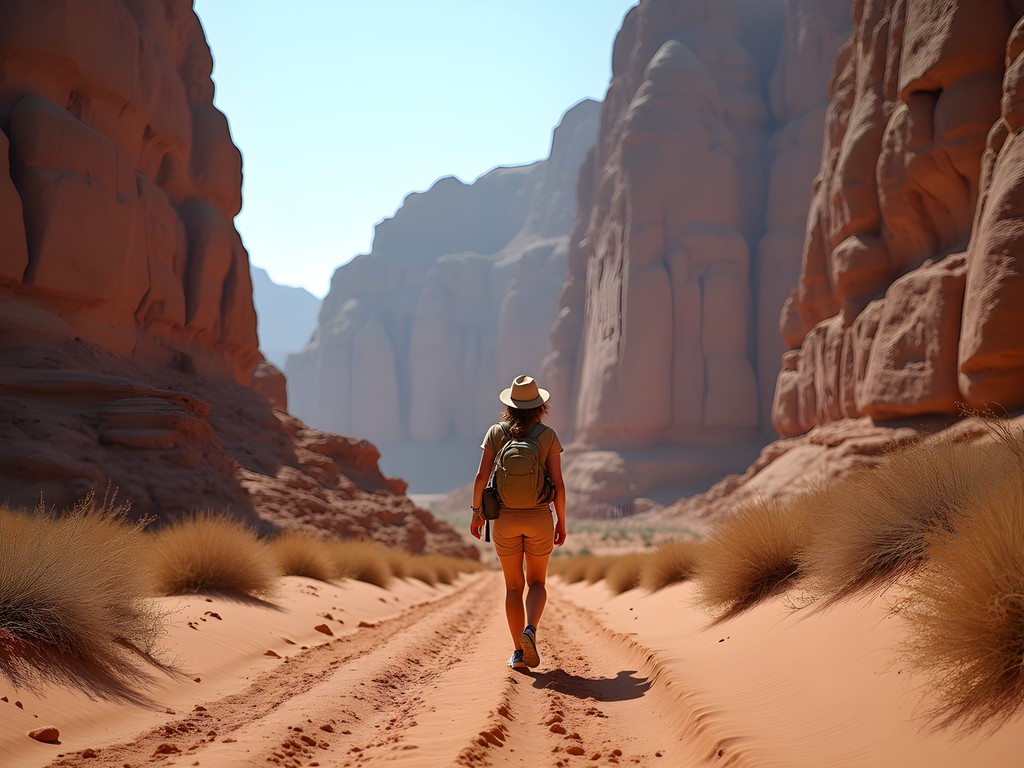
I set out at dawn, when the desert air still carried night's coolness. My desert hiking boots proved their worth on terrain that shifted between soft sand and sharp rock. The silence was profound – not empty but filled with subtle sounds: sand shifting, distant bird calls, my own measured breathing.
Navigating with my solar-powered GPS and traditional compass (I always use both), I followed ancient Bedouin pathways between towering formations with names like The Seven Pillars of Wisdom and Mushroom Rock. Each step revealed petroglyphs and inscriptions dating back thousands of years – evidence of humanity's enduring relationship with this harsh landscape.
I paused at midday beneath a natural stone arch, unpacking my lunch of flatbread, labneh, and dates. In that moment of perfect solitude, watching heat waves shimmer across red sands, I understood why desert landscapes have inspired spiritual quests across cultures and millennia. Dans le désert, on trouve ce qu'on apporte – in the desert, one finds what one brings.
💡 Pro Tips
- Always inform someone of your route and expected return time when hiking solo
- Start hikes before 7am to avoid midday heat
- Bring a whistle and signal mirror even on short treks – desert rescue is complex

Stargazing in Nature's Planetarium
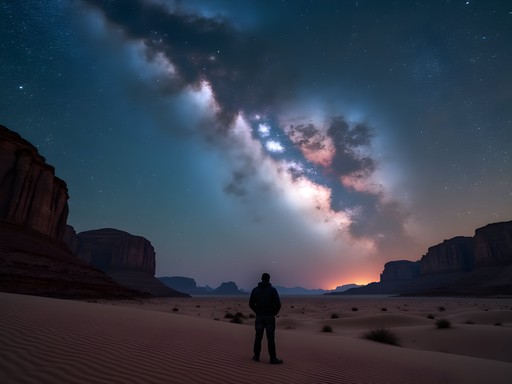
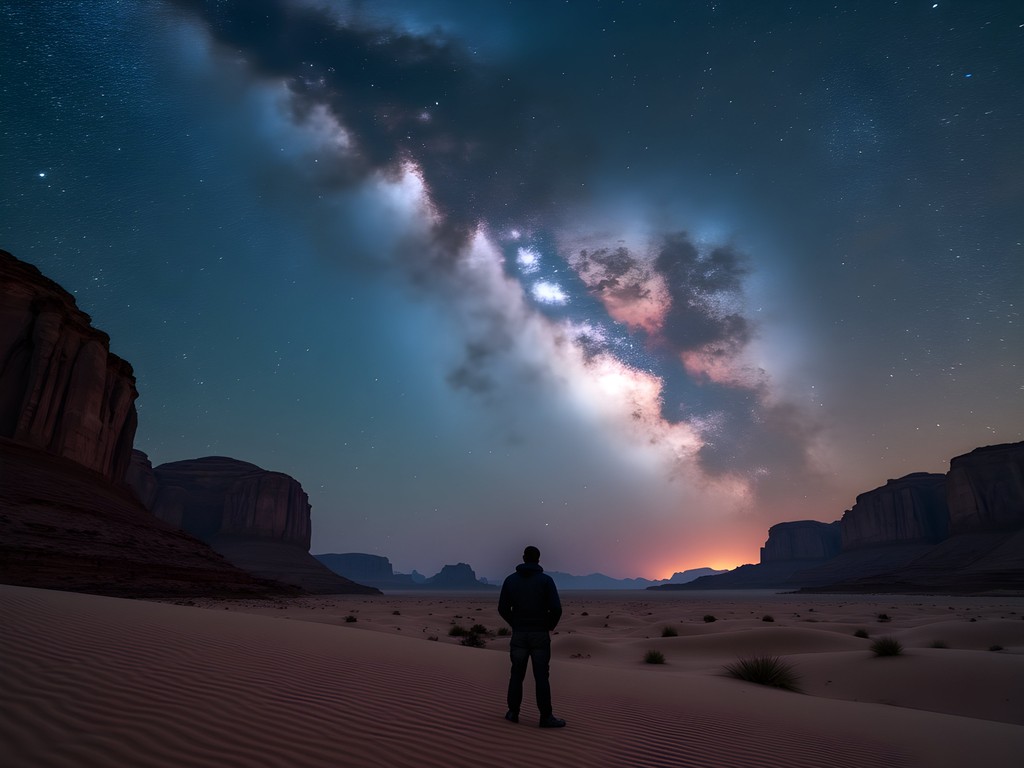
If Wadi Rum's daytime landscapes evoke Mars, its night sky transports you to the center of the galaxy. Far from light pollution, the protected area offers some of Earth's darkest skies – a fact I confirmed with my night sky app which identified constellations I'd never seen despite years of desert travel.
I arranged a special night excursion away from camp, bringing my insulated sleeping pad to create a comfortable observation point atop a dune. As darkness fell completely, the Milky Way emerged with such clarity it seemed close enough to touch – a river of stars flowing between sandstone sentinels.
My Bedouin guide, Salim, shared traditional celestial navigation techniques that once guided caravans across vast deserts. His knowledge complemented my scientific understanding, creating a beautiful synthesis of traditional and modern astronomy. We traced constellations with our fingers while sipping sweet mint tea, discussing how these same stars guided his ancestors for countless generations.
The desert night was not silent but alive with subtle sounds – the soft movement of sand, distant animal calls, and occasionally the haunting melodies of Bedouin songs carried on the wind from distant camps. In those hours beneath the infinite sky, I experienced what the French philosopher Gaston Bachelard called l'immensité intime – intimate immensity – where external vastness awakens internal depth.
💡 Pro Tips
- Bring extra layers as desert temperatures can drop below 5°C (40°F) at night even in spring
- Allow 20-30 minutes for your eyes to fully adjust to darkness for optimal stargazing
- Learn basic constellations beforehand to better appreciate the night sky
Learning Sustainable Desert Wisdom
As a sustainability professional, I approach travel not just as recreation but as education. Wadi Rum offered profound lessons in resilience and resource management that resonated with my work in Bakersfield.
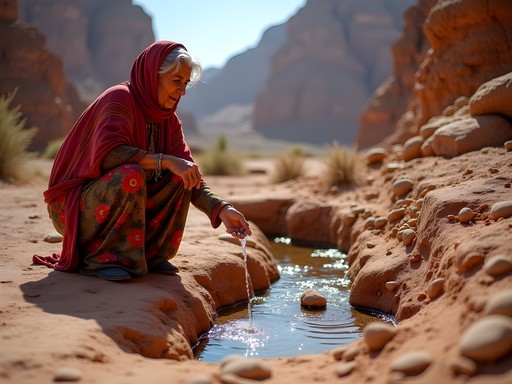
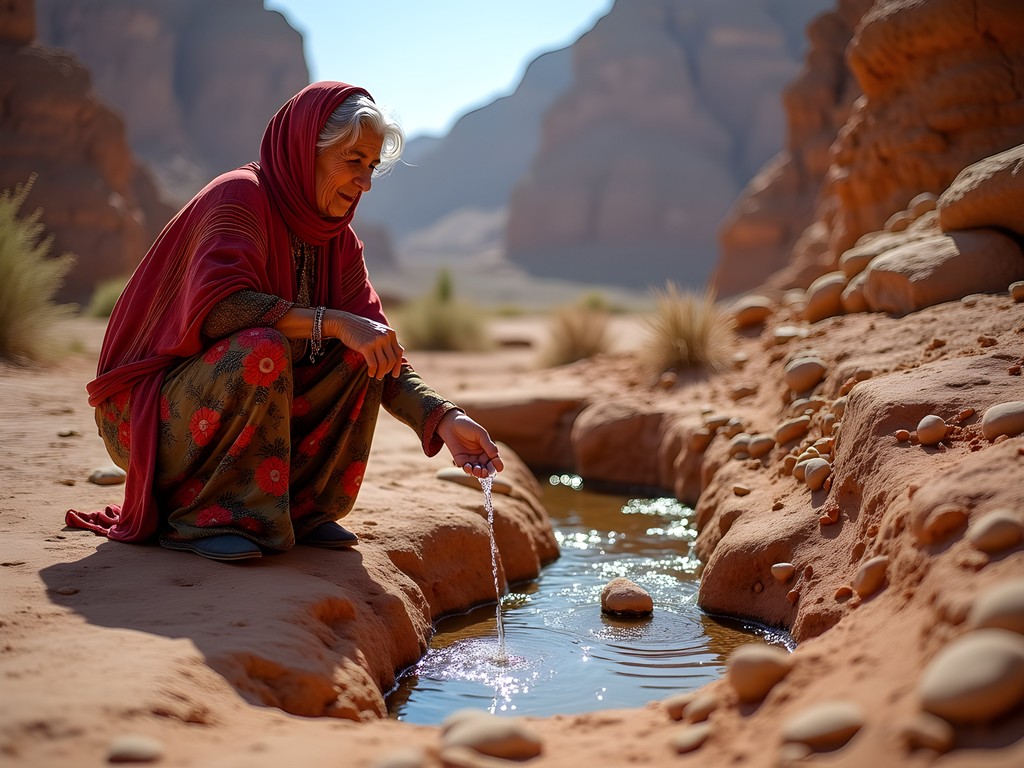
I spent one remarkable day with Umm Soliman, a Bedouin woman who demonstrated traditional water harvesting techniques that have sustained desert communities for millennia. Using simple tools and deep ecological knowledge, she showed how subtle landscape features can be enhanced to capture precious rainfall – techniques remarkably similar to permaculture principles now gaining popularity in drought-affected California.
For documenting these practices, my waterproof notebook proved invaluable, especially during a surprise spring shower that demonstrated the water collection systems in action. I recorded detailed notes on plant identification and traditional uses, information I'll integrate into my sustainability workshops back home.
What struck me most was the Bedouin concept of barakah – the blessing that comes from taking only what you need and honoring resources through mindful use. This philosophy extends to everything from water conservation to waste management, creating a truly circular economy that modern societies are struggling to recreate.
Before leaving, I exchanged my solar lantern for a traditional woven bracelet – a meaningful trade that honored both innovation and tradition, bridging our different worlds through mutual respect.
💡 Pro Tips
- Ask about traditional water conservation techniques that can be adapted to modern contexts
- Observe how Bedouin camps manage waste with minimal environmental impact
- Support local conservation initiatives through direct donations rather than just purchasing souvenirs
Final Thoughts
As my jeep departed Wadi Rum, kicking up swirls of crimson dust, I watched the massive formations recede in the rearview mirror – sentinels returning to their timeless vigil. This wasn't merely a trip but a pilgrimage that connected me to both earth and sky in ways I'm still processing weeks later at my desk in Bakersfield.
Wadi Rum offers solo travelers something increasingly rare in our hyperconnected world: genuine solitude within a landscape that demands presence. The desert strips away distractions, leaving you face-to-face with both external vastness and internal depths. For women traveling alone, Jordan offers remarkable safety alongside profound adventure – a combination I've rarely encountered elsewhere.
Beyond spectacular vistas, what I carry home are the sustainable practices of Bedouin culture – ancient wisdom that offers solutions to modern environmental challenges. Their methods of resource conservation, community resilience, and living lightly upon the earth provide blueprints for our collective future.
Le désert n'est pas vide; il est plein de leçons – The desert is not empty; it is full of lessons. When you're ready to receive them, Wadi Rum awaits.
✨ Key Takeaways
- Solo female travel in Wadi Rum is safe with proper preparation and cultural respect
- Traditional Bedouin ecological knowledge offers valuable insights for modern sustainability challenges
- Balance guided experiences with personal exploration for the most authentic desert connection
- The desert's silence and solitude provide rare space for personal reflection in our busy world
📋 Practical Information
Best Time to Visit
March-May (spring) or September-November (fall)
Budget Estimate
$80-150/day including accommodations, guided activities, and meals
Recommended Duration
Minimum 3 days, ideally 5-7 days
Difficulty Level
Moderate (Challenging If Hiking Independently)

Comments
Taylor Moreau
Audrey, your description of the stargazing brought back wonderful memories. I spent three nights in Wadi Rum last autumn between business meetings, and the night sky was transformative. One tip for readers: if you can, visit during the shoulder season (March-April or October-November). The temperatures are far more manageable for trekking, and you'll avoid the peak tourist crowds. The silence at sunrise is something I still think about regularly. Did you manage to visit Lawrence's Spring during your trek?
winterseeker
This looks amazing! Did you feel safe going solo as a woman?
Taylor Moreau
Not the author, but I've been to Wadi Rum three times for work conferences in Amman with extensions. Jordan is remarkably safe for solo travellers. The Bedouin communities are incredibly hospitable and respectful. I'd recommend booking your desert camp through a reputable operator in advance though - makes everything smoother.
winterseeker
Thanks! That's really helpful
oceanvibes
This is going straight on my bucket list! Is it really safe for solo female travelers? How did you arrange your guide? I'm a bit nervous about the logistics but your experience sounds amazing.
Audrey Young
Absolutely safe! Jordan in general is great for solo female travelers. I booked my guide through my camp (Rum Stars Camp) but you can also arrange guides at the visitor center. Just make sure they're officially registered. Feel free to DM me if you need specific contacts!
hikingwalker
I second what Audrey said! I never felt unsafe as a solo female traveler. The Bedouin community is very respectful and protective of tourists. Just dress modestly when in villages.
oceanvibes
Thanks both! That's really reassuring. I think I'm going to book for March next year!
Casey Andersson
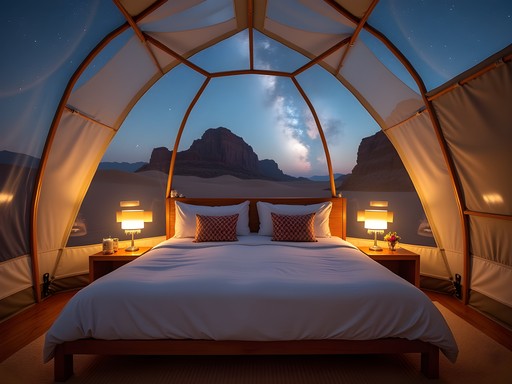
Audrey, your writing captures the soul of Wadi Rum beautifully! I stayed at a luxury bubble tent camp there last year and still couldn't get enough of those stars. For anyone planning a trip, I highly recommend bringing a proper camera with manual settings - my phone camera just couldn't do justice to that night sky. I spent three nights and wish I'd booked five. The silence of the desert is something that stays with you. One tip: I brought my headlamp which was absolutely essential for navigating between tents and finding my way during nighttime stargazing sessions. Did you climb any of the rock bridges? That was my highlight!
Audrey Young
Thanks Casey! I did climb the Burdah Rock Bridge - terrifying and exhilarating! Your luxury bubble tent sounds amazing. I went more basic with a traditional Bedouin camp, but I imagine stargazing through those clear domes must be incredible.
oceanvibes
Which bubble tent camp did you stay at? I'm planning a trip and trying to decide between traditional or luxury options!
Casey Andersson
@oceanvibes I stayed at Memories Aicha Luxury Camp. It was definitely splurge-worthy, but the traditional camps have their own authentic charm! I'd say do at least one night in each if you can.
hikingwalker
Your post brought back so many memories! I did Wadi Rum solo last year and it was life-changing. That stargazing section really hit home - I've never seen stars like that before. Did you find it scary at all being alone in such a remote place? I was nervous at first but the Bedouin guides made me feel completely safe. Did you try the zarb (underground BBQ)? That was honestly one of my favorite meals ever.
Casey Andersson
The zarb is incredible, right? I still dream about that tender lamb and those smoky vegetables. Something about food cooked underground in the desert just hits differently.
Audrey Young
Thanks for your comment! I was definitely a bit anxious the first night, but you're right - the hospitality made all the difference. And yes, the zarb was phenomenal! Something magical about food cooked in the desert sand.
hikingwalker
Exactly! @Casey and @Audrey - I've tried recreating that meal at home and it's just not the same. Must be the desert magic!
Hunter Thompson
Mate, this is brilliant! Wadi Rum's been on my list forever and you've just bumped it to the top. Did it feel isolating being solo or did you meet other travelers at the camps? I'm planning a big Middle East backpacking trip next year and trying to figure out if I should book group tours or go independent like you did. The stargazing bit especially - that sounds absolutely mental in the best way. Also curious about costs if you don't mind sharing? Cheers for the inspo!
Audrey Young
Hunter - there were other travelers at camp so you get that social element if you want it, but plenty of space for solitude too. Perfect balance! Cost-wise, I paid around 80-100 JOD per night including meals, jeep tours, and accommodation. Going independent gives you more flexibility to explore at your own pace, which I loved.
adventureseeker
How many days would you recommend staying? And did you book the camp in advance or just show up?
Audrey Young
I'd say minimum 2 nights to really soak it in and not feel rushed. I booked about 2 weeks ahead during shoulder season. Definitely book in advance if you're going peak season (spring/fall). You can arrange everything from the visitor center too if you're flexible.
Amit Sullivan
Beautiful piece, Audrey. Your writing captures that profound desert solitude perfectly. I visited Wadi Rum during my Middle East journey in 2019 and stayed with a Bedouin family for five days. What struck me most was how the younger generation is balancing tourism with preserving their nomadic heritage. I spent evenings listening to stories passed down through generations while drinking sweet tea under impossible stars. The grandfather told me about tracking seasonal water sources using ancient knowledge that predates any map. These human connections in such a timeless landscape - that's what transforms travel into something deeper.
Audrey Young
Amit, that's exactly what draws me to these places! The intersection of traditional ecological knowledge and modern pressures is fascinating. I'd love to hear more about those water tracking methods - sounds like material for another article.
escapewanderer
Your description of the silence really resonates! I spent three days there in 2023 and that overwhelming quiet is something I still think about. Did you do the sunrise camel trek? That was my favorite part - watching the sun paint those rock formations in shifting colors while swaying on camelback. Also the zarb dinner cooked underground was incredible. The hospitality of our Bedouin hosts made the whole experience so much richer than just seeing landscapes.
skyexplorer
Is it safe for solo female travelers? Been wanting to visit but a bit nervous
Audrey Young
I felt completely safe the entire time. The Bedouin community is incredibly respectful and welcoming. Just book with a reputable camp/guide, dress modestly, and trust your instincts as you would anywhere. Jordan in general is one of the safest countries I've traveled in.
escapewanderer
Agreed! Did Wadi Rum solo last year as a woman and it was amazing. The Bedouin families were so kind and protective.
Venture X
Premium card with 2X miles, $300 travel credit, Priority Pass