
Disclosure: This article contains affiliate links. We may earn a commission from purchases at no extra cost to you, which helps our travel content.
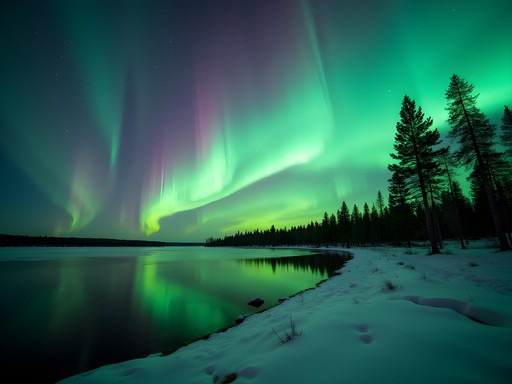
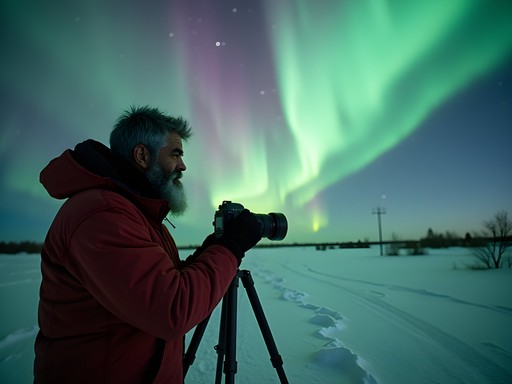
There's something deeply spiritual about standing alone under a dancing sky of green and purple light, with nothing but the crunch of snow beneath your boots and your own breath visible in the frigid air. After 30+ years exploring North America's wilderness, I can tell you that witnessing the aurora borealis in Yellowknife remains one of life's most profound experiences – and you don't need expensive tours to make it happen. This old forest ranger is here to share exactly how you can track down this natural wonder on your own terms and without breaking the bank.
Why Yellowknife is the Aurora Capital of North America
When I first moved from Detroit to Canada years ago, I had no idea I'd eventually become somewhat of an aurora addict. Yellowknife sits directly beneath what scientists call the 'aurora oval' – a ring-shaped zone around the Earth's geomagnetic poles where aurora activity is most concentrated. More importantly, this Northwest Territories capital offers three key advantages that make it superior to other viewing locations:
- Clear Skies – Yellowknife boasts over 240 potential viewing nights annually due to minimal precipitation and cloud cover
- Flat Terrain – The surrounding landscape provides unobstructed horizon-to-horizon views
- Minimal Light Pollution – Step just outside town and you're immersed in pristine darkness
During my last visit in January, the thermometer read -30°C (-22°F), but I witnessed five consecutive nights of spectacular displays. The locals have a saying: 'the colder the night, the brighter the lights.' In my experience, that's held true more often than not.
💡 Pro Tips
- Download the Aurora Forecast app by Canadian Space Agency for real-time predictions
- Aim for a new moon phase for darker skies and better visibility
- Plan your trip between mid-January and early April for optimal viewing conditions
Essential Gear for the Solo Aurora Hunter
Let me tell you, folks – when I packed for my first Yellowknife winter trip years ago, I severely underestimated the cold. Learn from my mistake. At these temperatures, proper gear isn't just about comfort; it's about survival.
Start with a serious base layer. I swear by my merino wool thermals which keep me warm without overheating during those long nights of aurora watching. Layer up with a good fleece mid-layer, then top it with a proper down parka rated for extreme cold.
Your extremities need special attention. After losing feeling in my toes during an early expedition (not recommended), I invested in battery heated socks which have been a game-changer. Pair these with insulated snow boots with removable liners so you can dry them properly between outings.
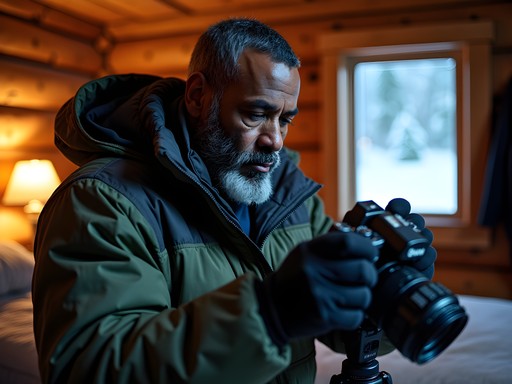
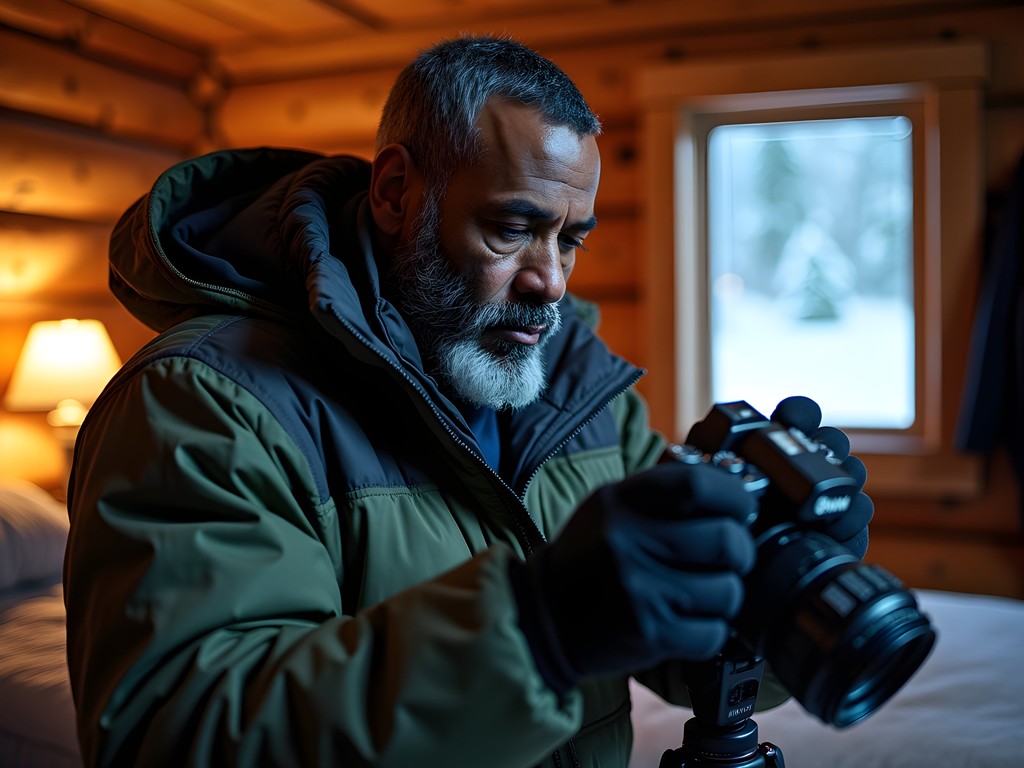
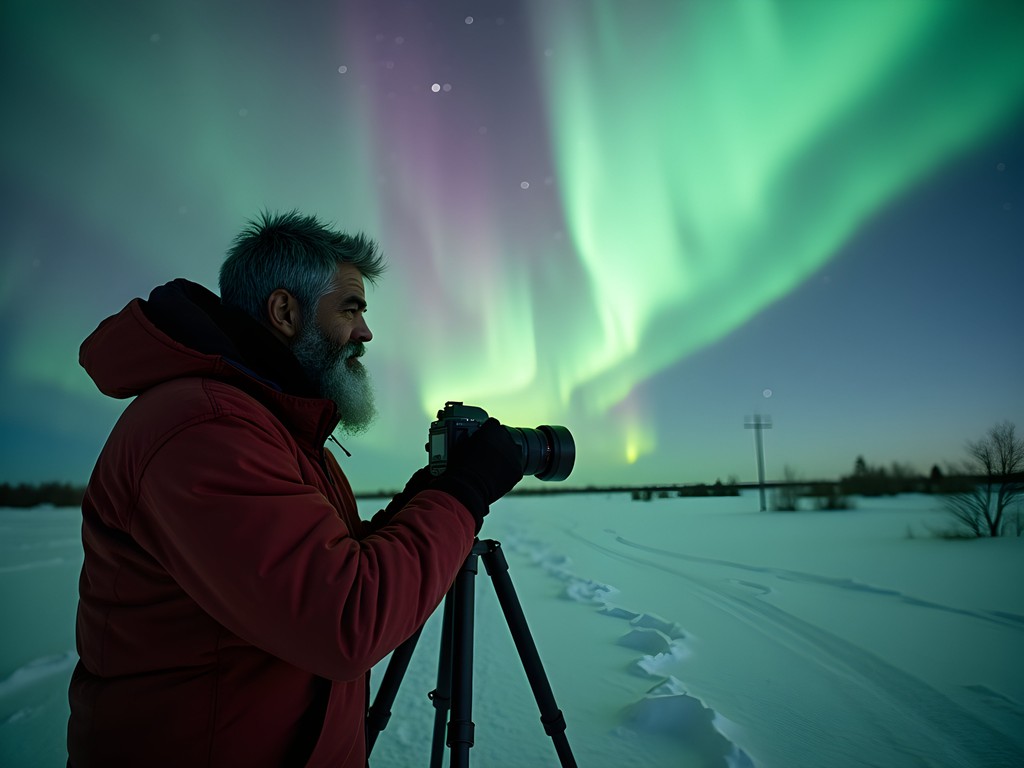
For photography, my tripod has withstood countless frigid nights without failing. Keep spare camera batteries in your inner pockets – cold drains them fast. I learned to operate my camera wearing thin liner gloves inside mittens with finger flaps, allowing quick access for adjustments without exposing my entire hand.
💡 Pro Tips
- Pack chemical hand warmers in bulk - they're worth their weight in gold
- Bring a thermos of hot tea or coffee to warm up from the inside
- Use a headlamp with a red light option to preserve your night vision
The Best Free Viewing Spots Only Locals Know About
After five solo trips to Yellowknife specifically for aurora hunting, I've compiled what I consider the definitive list of free viewing locations that offer spectacular vantage points without the tour bus crowds.
Pilots Monument in Old Town provides a 360-degree view of the city, Great Slave Lake, and the surrounding wilderness. It's accessible by foot even in winter, though the wooden stairs can be slippery. I've spent countless hours here with just my thermos of coffee and camera, watching the lights dance across Back Bay.
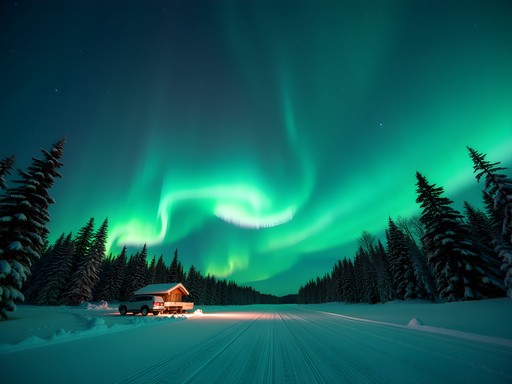
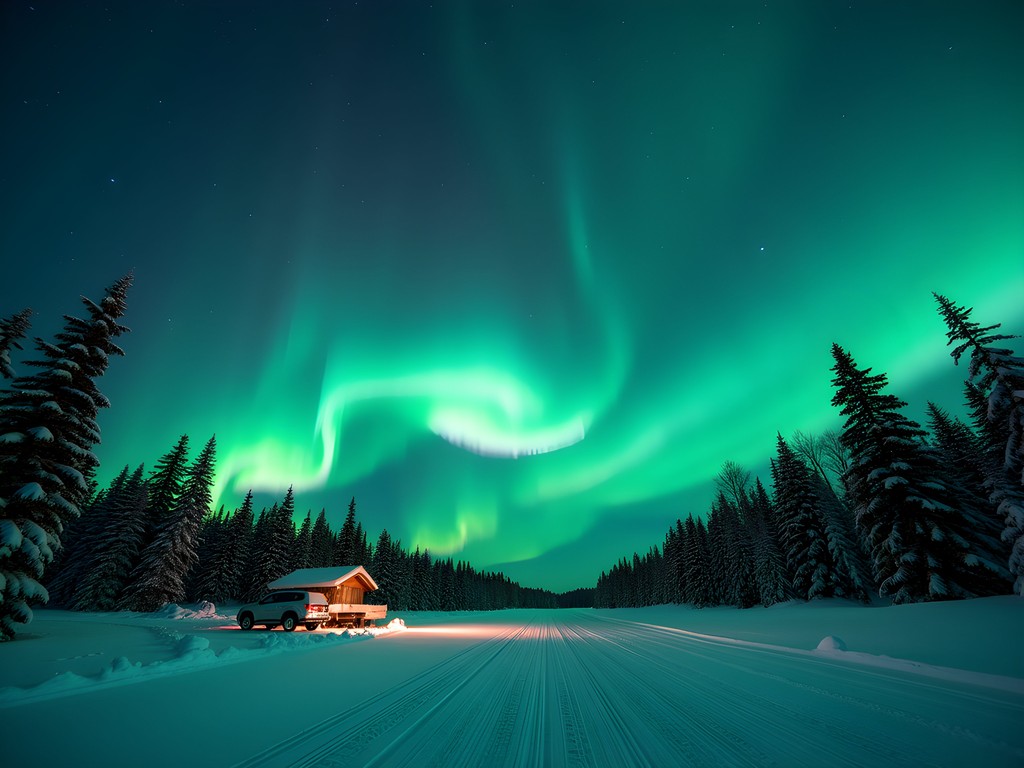
The Ingraham Trail (Highway 4) offers numerous pullouts where you can safely park and set up. My personal favorite is at kilometer 26.5, where a small clearing opens to an unobstructed northern view. The territorial government maintains these areas year-round.
Prelude Lake Territorial Park sits about 30 minutes from downtown. In winter, you can drive right to the boat launch area, which offers a wide-open view over the frozen lake. The surrounding trees provide just enough shelter from wind without obstructing the sky.
Before heading out, I always check road conditions using the Garmin inReach Mini 2 which provides weather updates and emergency communication even in remote areas without cell service. Safety first, especially when adventuring solo in extreme conditions.
💡 Pro Tips
- Always tell someone where you're going and when you expect to return
- Keep your vehicle running periodically to ensure it starts when you're ready to leave
- Bring a folding camp chair with insulation for comfortable viewing

Timing Your Visit: Beyond the Aurora Forecast
After decades reading natural signs in the wilderness, I've developed a sixth sense for conditions. While science gives us the aurora forecast, experience teaches you to read between the lines.
First, understand that Yellowknife's aurora season runs from mid-August to mid-April, but January through March offers the perfect balance of dark skies, cold stable air, and reasonable temperatures (if -20°C can be called reasonable!).
The standard advice is to stay minimum 3 nights, but I recommend 5-7 if your budget allows. My last trip, I saw nothing for three nights despite "high activity" forecasts, then was rewarded with spectacular displays when the forecast was only moderate. Nature follows her own schedule.
Timing during the night matters too. While tours typically run from 10pm-1am, I've found the hours between 1:30-3:30am often produce the most dramatic displays. This requires stamina and patience, but that's where my insulated camping chair earns its keep. Comfort makes all the difference during those long waits.
During daylight hours, visit the Prince of Wales Northern Heritage Centre to learn about aurora cultural significance to indigenous peoples. The Dene people call the lights "The Old Man in the Sky is Dancing" – a perspective that enriched my own viewing experience tremendously.
💡 Pro Tips
- Plan activities during daylight hours to help adjust to being awake late at night
- The aurora is often most active after midnight, so adjust your sleep schedule accordingly
- Don't give up after one night - aurora activity runs in cycles that don't always match predictions
Budget-Friendly Accommodations and Transportation
As someone who's stretched a forest ranger's pension into decades of meaningful travel, I've mastered the art of experiencing extraordinary places on ordinary budgets.
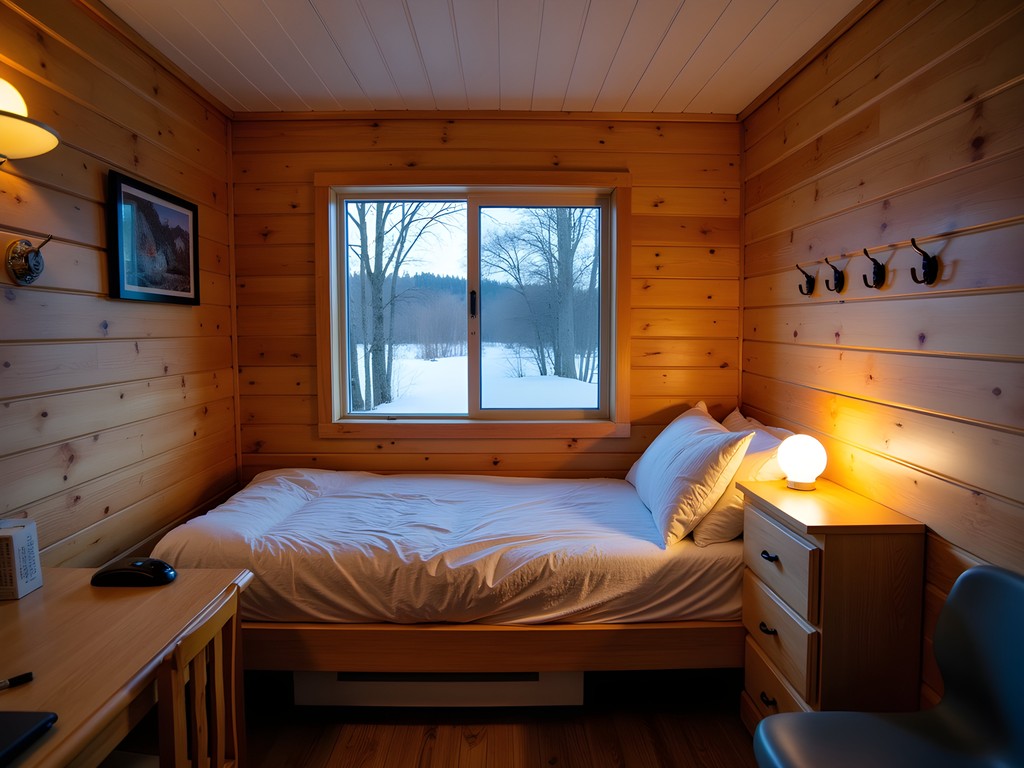
In Yellowknife, accommodation is your biggest expense, but there are strategies. I've had great experiences at the Yellowknife Explorer's Guest House, a simple but warm hostel with private rooms around $85-110 CAD nightly. They offer a shared kitchen where I prepare most meals, saving significantly on food costs. The bonus? Fellow travelers often share aurora tips and sometimes transportation.
Speaking of which, rental cars in Yellowknife start around $70-90 CAD daily in winter – necessary if you want true freedom to chase the lights. However, I've twice split costs with other solo travelers I met at my accommodation. Look for these opportunities.
For the ultra-budget conscious, Yellowknife's public transit system is surprisingly good during daytime hours, and taxis are regulated with set rates to common destinations. A taxi to the popular aurora viewing area at Aurora Village costs about $40 CAD each way – expensive daily but reasonable for one special night.
My secret weapon? The Facebook group "Yellowknife Classifieds" where locals sometimes offer informal aurora rides for much less than commercial tours. I've made wonderful connections this way, though it requires flexibility and social comfort with strangers.
💡 Pro Tips
- Book accommodations with kitchen access to save on meal costs
- Consider hostels with private rooms for the perfect balance of privacy and savings
- Use the Yellowknife Classifieds Facebook group to find ride shares and local deals
Final Thoughts
Standing alone beneath Yellowknife's dancing skies connects you to something ancient and profound that no tour bus experience can replicate. There's a special satisfaction in tracking down the aurora on your own terms, using your own skills and determination. After 61 years on this earth, I've found few experiences that match it.
Remember that aurora hunting requires patience, preparation, and respect for the elements. The lights appear when they choose to, not when we demand it. But with the right approach, even a solo traveler on a modest budget can witness this spectacular phenomenon.
As I sit writing this from my quiet cabin in Ottawa, I'm already planning my return next winter. The northern lights have a way of calling you back, again and again. Perhaps I'll see you out there on the Ingraham Trail someday, fellow solo aurora hunter. Until then, keep looking up, stay warm, and remember that some of life's most meaningful journeys happen when we venture out alone.
✨ Key Takeaways
- Yellowknife offers world-class aurora viewing with 240+ potential viewing nights annually
- Solo aurora hunting is entirely feasible with proper preparation and equipment
- Free viewing locations often provide experiences equal or superior to expensive tours
- January through March offers the optimal balance of dark skies and stable weather conditions
- Budget accommodations with kitchen access significantly reduce overall trip costs
📋 Practical Information
Best Time to Visit
January through March
Budget Estimate
$1,500-2,000 CAD for 5 nights (including flights from southern Canada)
Recommended Duration
5-7 nights minimum
Difficulty Level
Moderate

Comments
Claire Hawkins
What a beautiful piece, Jerry. There's something about the northern lights that feels almost mythical until you're standing beneath them. We did a family trip to Yellowknife last winter and while we opted for a tour with the kids (easier logistics with little ones!), I completely understand the appeal of the solo experience you describe. That moment of solitude under the aurora must be transcendent. For anyone reading this who's nervous about the cold - my thermal base layers were absolute lifesavers. Worth every penny when you're out there for hours.
Megan Martin
Excellent resource, Jerry. I've been recommending Yellowknife to clients for years and your point about skipping the tours is valid for the right traveler. The cost savings are significant - tours can run $150-300 per night while the free spots you've outlined offer comparable viewing opportunities. One addition: I always suggest solo travelers check in with their accommodation daily during aurora season. Most hotels and hostels in Yellowknife offer wake-up calls when the lights appear, which is invaluable when you're exhausted from jet lag and the cold.
hikingwalker967
This looks SO COOL!! Quick question - I've never been anywhere this cold before (I'm from California lol). Is the gear list you mentioned really necessary or are you being extra cautious? Like do I REALLY need those extreme cold weather boots? They're so expensive and I'd probably never use them again...
luckybuddy
Dude yes you really need them. Frostbite is no joke at those temps. You can rent gear in Yellowknife though, way cheaper than buying.
hikingwalker967
Oh rental is a great idea, didn't think of that! Thanks!
islandnomad5990
This is on my bucket list now!
luckybuddy
Great guide Jerry! I did the solo aurora thing in Yellowknife two winters ago and your tips are spot on. One thing I'd add - bring way more hand warmers than you think you need. I went through like 10 pairs in one night because you're just standing there for hours in -35C. Also that spot near Frame Lake you mentioned? Absolutely killer views and only 15 min walk from downtown. Saved me a ton on tour costs.
dreamking
Going in March - is that too late in the season?
Claire Hawkins
March is actually perfect! Still cold enough for clear skies but the days are getting longer so it's not quite as brutal. We took our kids in late March and caught amazing displays.
summervibes
Wow those photos are incredible!
photolife
This is AMAZING!! I've been dying to see the northern lights for years and Yellowknife just jumped to the top of my list. Those free viewing spots you mentioned - are they safe to get to alone at night? I'm a solo female traveler and a bit nervous about being out in the dark in such cold temps but this looks absolutely worth it!
luckybuddy
I went solo last year and felt totally safe. Most spots have other aurora hunters around even at 2am. Just dress warm!
photolife
That's so reassuring, thank you!
Amy Brown
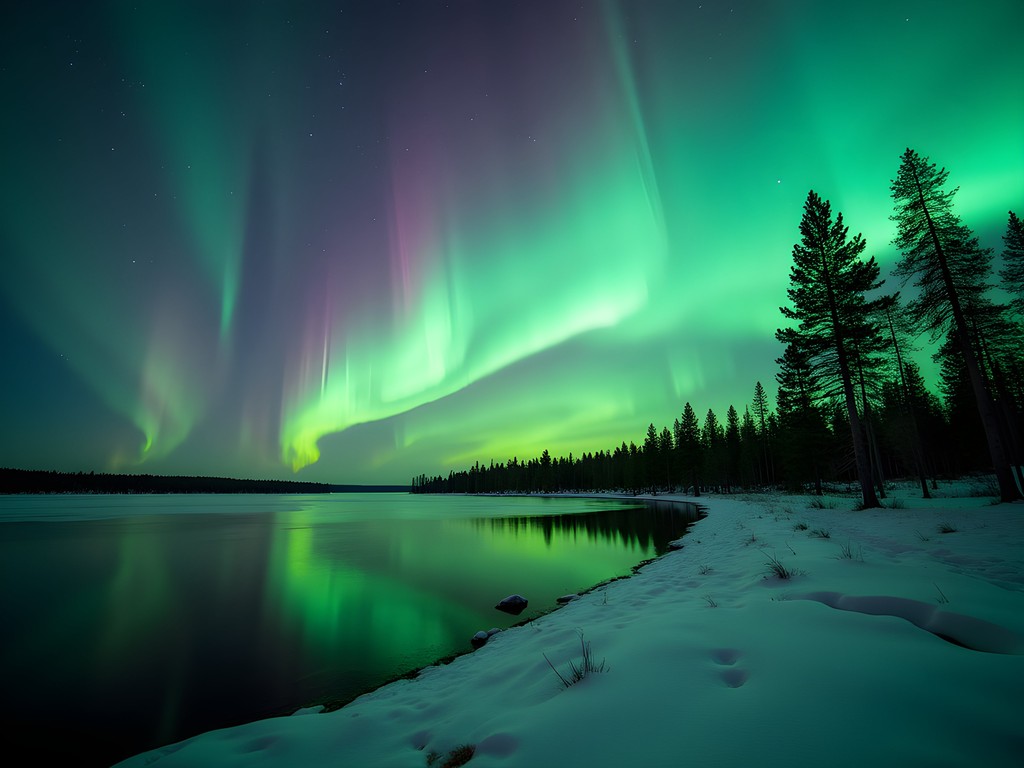
What a beautifully written piece, Jerry! Your description of standing alone under those dancing lights took me right back to my own experience there. I visited Yellowknife in 2023, and while I initially booked a tour for the first night (just to get oriented), I spent the remaining nights exploring solo using public information boards and local tips. One evening, I found myself completely alone at Prelude Lake, watching the most spectacular green and purple display reflecting off the partially frozen water. The silence was profound. I actually met an elderly Dene woman in town who told me that according to traditional beliefs, whistling at the lights might make them dance more vigorously. I tried it, and while I can't scientifically confirm it worked, it certainly made the experience more magical! For anyone worried about the cold: respect it, prepare for it, but don't fear it. The stillness of a Yellowknife winter night is worth every shiver.
Jerry Ray
Thank you for sharing that beautiful experience, Amy! I've heard about the whistling tradition too. There's something so special about these cultural connections to the lights. Prelude Lake is magical - glad you discovered it!
sunnylegend
Bucket list material right here!
Venture X
Premium card with 2X miles, $300 travel credit, Priority Pass