

Disclosure: This article contains affiliate links. We may earn a commission from purchases at no extra cost to you, which helps our travel content.
When I first launched my paraglider over the tobacco fields of Viñales after a grueling cross-country journey from Bayamo, the perspective I gained wasn't just aerial—it was a culmination of a two-week adventure traversing Cuba's diverse landscape from east to west. The journey between these two points represents Cuba in microcosm: challenging logistics, unexpected delights, and a transportation system that operates by its own magnificent, maddening rules. As someone who's spent 15 years documenting historical sites from above, I found this ground-level expedition equally illuminating.

Understanding Your Options: The Cuban Transport Ecosystem
Cuba's transportation network operates like a complex organism with multiple interdependent systems—not unlike the cellular structures I've studied for decades in my laboratory work. The primary arteries connecting Bayamo (in Granma province) to Viñales (in Pinar del Río) include Viazul buses, shared taxis (colectivos), private taxis, rental cars, and the less reliable but historically fascinating train system.
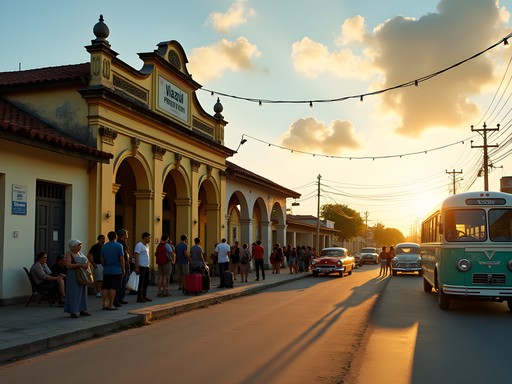
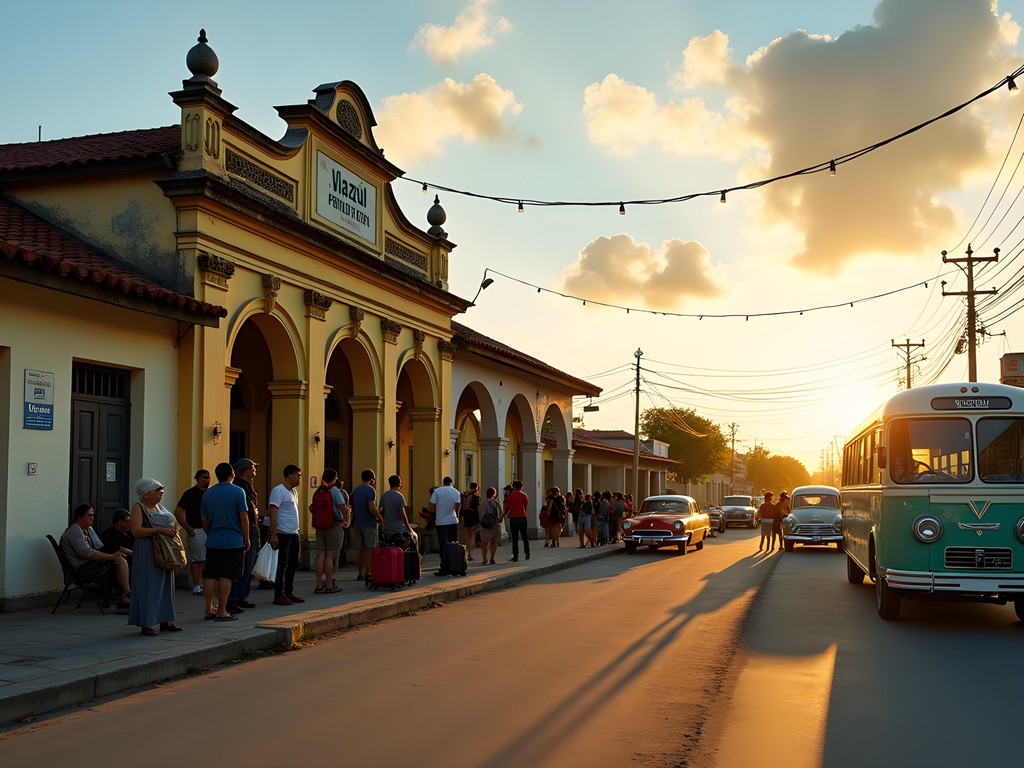
The Viazul network serves as the official tourist bus service, with air conditioning that ranges from arctic blast to completely non-existent. While reasonably priced (approximately 51 CUC from Bayamo to Havana), these buses often require booking several days in advance during high season. I learned this lesson the hard way when I arrived in Santiago de Cuba expecting to hop on the next day's bus to Bayamo, only to find it fully booked for three days.
For this journey, I recommend downloading the Maps.Me app before arrival. Unlike Google Maps, it works offline throughout Cuba and shows detailed routes including the smaller roads that connect key transport hubs. This proved invaluable when my colectivo driver took an unexpected detour through small villages between Camagüey and Santa Clara.
💡 Pro Tips
- Book Viazul tickets at least 2-3 days in advance during high season (December-April)
- Always carry small bills (1-5 CUC) for colectivos and unexpected stops
- Download offline maps before departure as internet access is limited
The Eastern Starting Point: Navigating from Bayamo
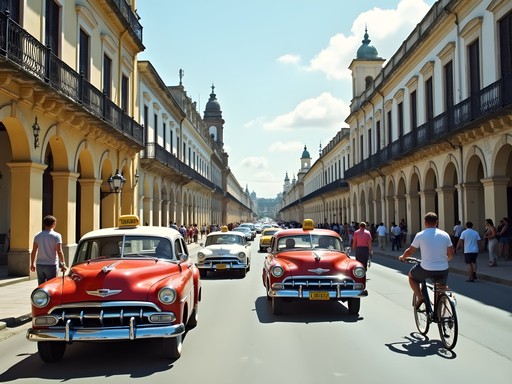
Bayamo, with its colonial architecture and revolutionary history, serves as an excellent eastern starting point. The city's compact center is walkable, but its connections to the rest of Cuba require strategic planning. The local Viazul station operates daily departures to Havana (with stops in key cities), but frequencies are limited to 1-2 buses per day.
During my visit, I discovered that the most efficient route involves breaking the journey into segments. Rather than attempting the entire east-to-west traverse in one go, I recommend the following segments: Bayamo to Camagüey, Camagüey to Santa Clara, Santa Clara to Havana, and finally Havana to Viñales.
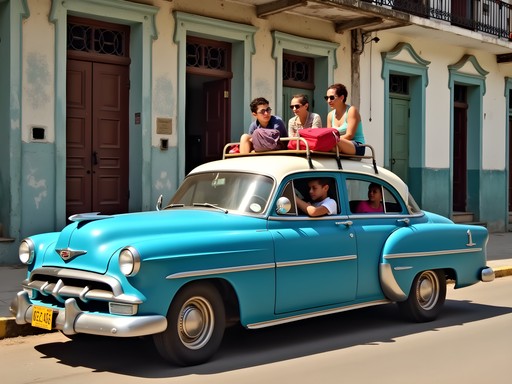
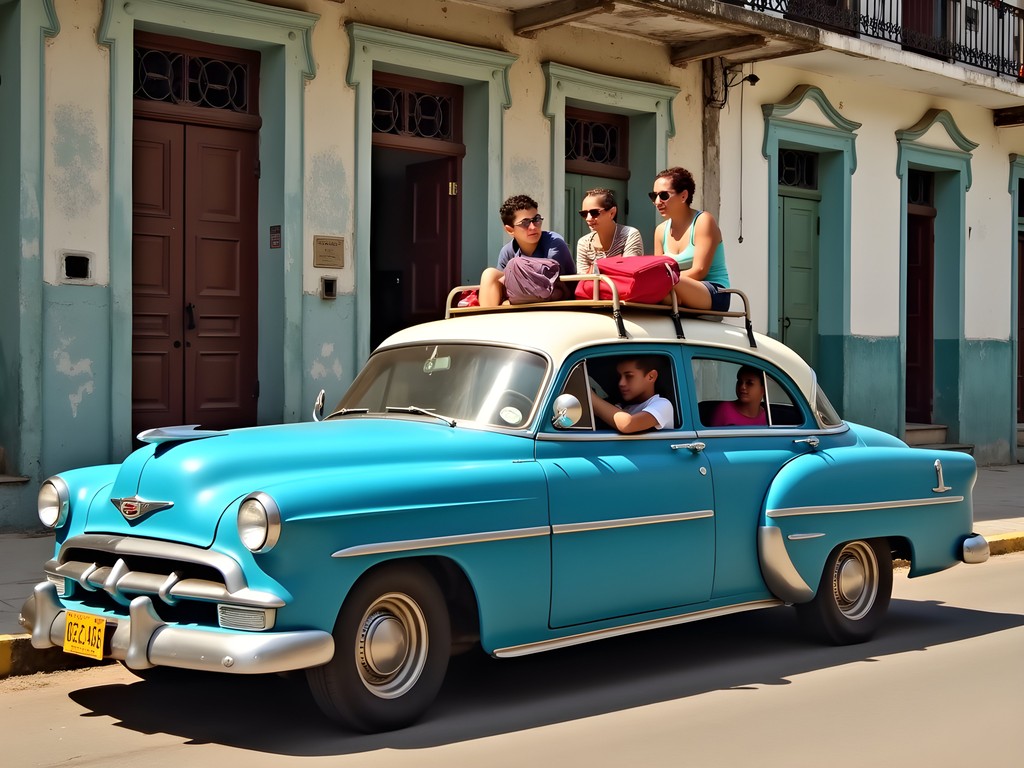
For the first leg from Bayamo, I opted for a colectivo arranged through my casa particular host. At 25 CUC, it was more expensive than the Viazul (18 CUC) but departed at my preferred time and reached Camagüey nearly two hours faster. The driver, a former history teacher named Eduardo, provided fascinating commentary on the Sierra Maestra region's revolutionary significance—a perspective you won't get on the Viazul.
Before leaving Bayamo, I made sure my water purification tablets were easily accessible. While bottled water is available in cities, during the long stretches between towns, having the ability to purify local water proved essential when our colectivo broke down for three hours outside Las Tunas.
💡 Pro Tips
- Ask your casa particular host to arrange colectivos—they often get better rates than tourists approaching drivers directly
- The early morning (7 AM) departures typically have fewer delays than afternoon options
- Pack a small breakfast for early departures as cafes near the station often open after buses leave
The Central Corridor: Strategic Stops and Transport Hacks
The central stretch of Cuba offers logical breaking points that combine transport efficiency with cultural richness. After extensive testing (and some transport mishaps), I've determined that Camagüey and Santa Clara provide the optimal combination of transport connections and historical significance.
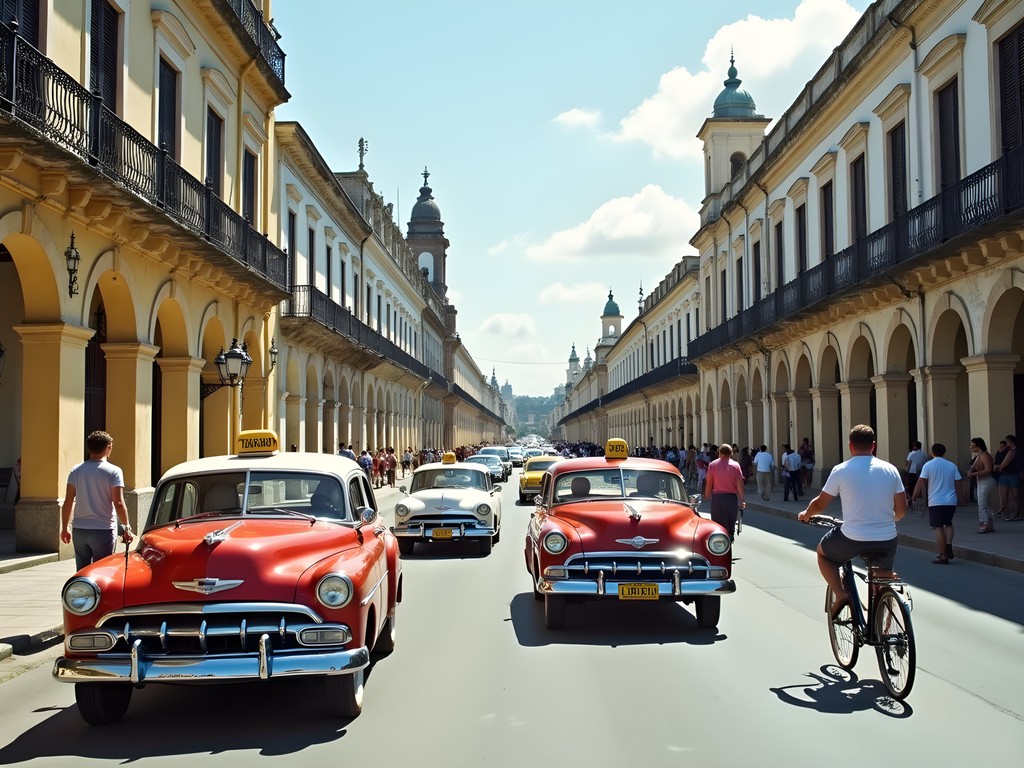
Camagüey's labyrinthine street layout—deliberately designed to confuse pirates in colonial times—makes navigation challenging but rewarding. The city's Viazul station is inconveniently located 4km from the center, so budget 5-8 CUC for a taxi when making connections. Here, I discovered the value of a portable luggage scale when my bag was deemed 'too heavy' for the next colectivo until I could prove it was within the arbitrary weight limit.
The Camagüey-Santa Clara leg presents multiple options. Viazul runs daily services (approximately 27 CUC), but I found the colectivo option (35 CUC) significantly faster and more flexible. The true value of breaking your journey in Santa Clara goes beyond transport logistics—the Che Guevara Mausoleum and Memorial offers profound historical context for understanding modern Cuba.
In Santa Clara, I stayed at a casa particular near Parque Vidal, which proved strategic for both city exploration and onward transport connections. My host arranged an early morning taxi to the Viazul station, where I caught the 8:30 AM bus to Havana (25 CUC). This timing allowed me to reach Havana by early afternoon, with sufficient daylight hours to arrange the final leg to Viñales.
💡 Pro Tips
- In Camagüey, book your onward transport immediately upon arrival as options fill quickly
- Santa Clara's central casas particulares often offer transport packages to Havana at competitive rates
- Carry a travel door alarm for peace of mind in budget accommodations along the central corridor

The Final Stretch: Havana to Viñales
The journey's final leg from Havana to Viñales represents Cuba's most well-trodden tourist route, with correspondingly better transport infrastructure. After the complex logistics of eastern Cuba, this 2.5-hour journey feels remarkably straightforward. Viazul operates multiple daily departures (12 CUC) from Havana's main terminal, and colectivos gather near the Capitol building offering door-to-door service for 20-25 CUC per person.
Having tested both options multiple times, I can confidently say the colectivo provides superior value despite the higher price. The door-to-door service saves taxi fares at both ends, and the drivers often take the more scenic route through rural Pinar del Río province rather than the monotonous highway.
Before making this final push, I recommend spending at least one night in Havana to regroup. The travel clothesline I packed proved invaluable here, allowing me to wash and dry essential items before the final leg. Cuban casas typically offer laundry service, but having the ability to quickly dry a few items overnight saved both time and CUC.
Upon reaching Viñales, the contrast with eastern Cuba becomes immediately apparent. The infrastructure is more developed, English more widely spoken, and tourism more established. Yet the valley's dramatic limestone karst formations (mogotes) and traditional tobacco farms provide a fitting conclusion to a cross-island journey—especially when viewed from above during a paragliding session.

💡 Pro Tips
- For colectivos from Havana to Viñales, arrive at the Capitol gathering point before 9 AM for the best vehicle options
- Book your Viñales accommodation in advance—unlike eastern Cuba, the popular casas here fill up regularly
- Bring a compact travel pillow for the final leg as the road to Viñales has numerous sections under perpetual repair
Budget Considerations and Money Management
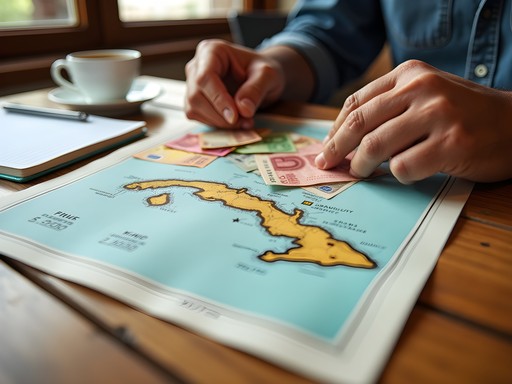
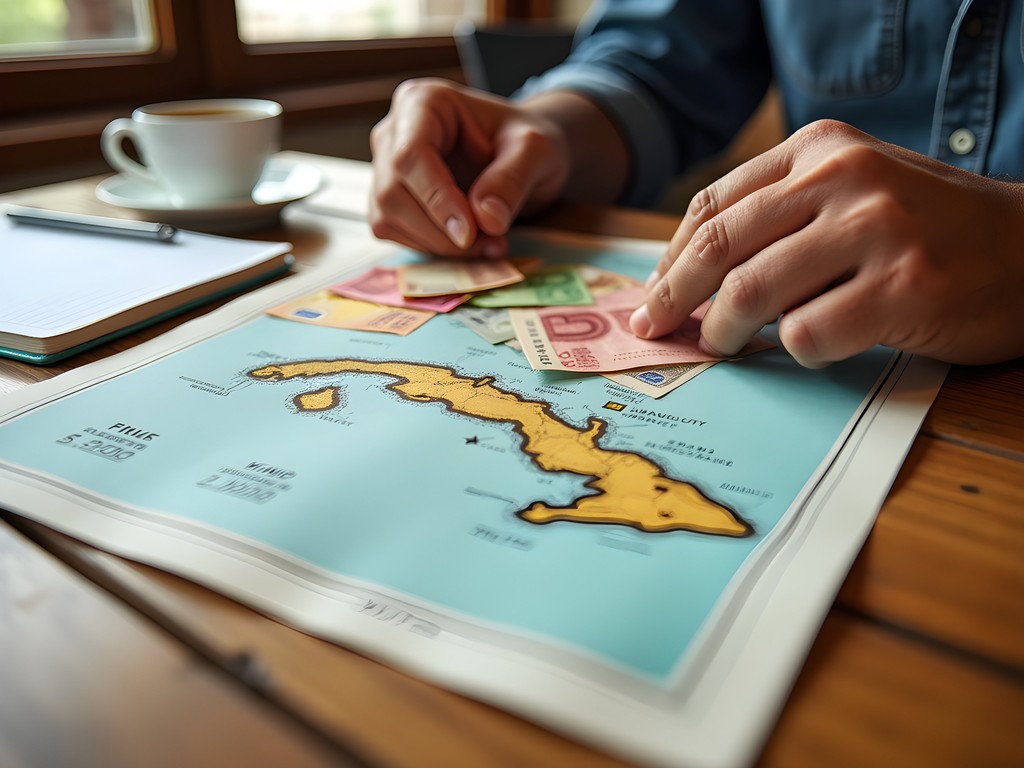
Cuba's dual currency system and limited banking infrastructure make financial planning particularly important for this cross-country journey. The tourist currency (CUC) is pegged to the US dollar, while locals use Cuban pesos (CUP) at a rate of approximately 25 CUP to 1 CUC. As a foreigner, you'll primarily use CUC, but understanding both systems helps with small purchases in rural areas.
For the complete Bayamo to Viñales journey, budget approximately 130-180 CUC for transportation alone, depending on your mix of Viazul buses and colectivos. Accommodations in casas particulares average 20-30 CUC per night, with eastern cities like Bayamo and Camagüey trending toward the lower end of that range.
ATMs exist in larger cities but are notoriously unreliable. During my two-week journey, I encountered non-functional ATMs in both Bayamo and Camagüey, making cash reserves essential. I keep my emergency funds secure in a hidden money belt that's comfortable enough to wear during long bus journeys.
One unexpected budget consideration: the cost of staying connected. Internet access cards (ETECSA) cost 1-2 CUC per hour and work only in designated hotspots, usually public parks and hotel lobbies. I budget 10-15 CUC per week for connectivity, primarily to confirm onward accommodations and transport.
💡 Pro Tips
- Bring more cash than you think you'll need—at least 50 CUC per day plus transport costs
- Exchange money at CADECA offices rather than hotels for better rates
- Keep small bills (1-5 CUC) accessible for daily expenses and tips
Final Thoughts
Traversing Cuba from Bayamo to Viñales requires equal parts planning and flexibility—a combination that perfectly encapsulates the Cuban travel experience. This journey taught me that the most rewarding travel often happens in the spaces between destinations, in the collective taxis where local families share their homemade sandwiches, or in the impromptu roadside stops where drivers pull over to greet friends.
As a paraglider accustomed to seeing landscapes from above, this ground-level expedition provided a complementary perspective on Cuba's history and culture. The colonial architecture of Bayamo, the revolutionary monuments of Santa Clara, and the natural splendor of Viñales tell a continuous story of Cuba's evolution—one that becomes clearer when experienced as a cross-country journey rather than as isolated destinations.
Whether you're a solo traveler seeking authentic experiences or simply looking to understand Cuba beyond the beaches of Varadero, this east-to-west route offers a comprehensive introduction to the country's complex reality. Pack your patience, bring sufficient cash, and embrace the journey's unpredictability—it's all part of the magnificent Cuban experience.
✨ Key Takeaways
- Breaking the journey into segments (Bayamo-Camagüey-Santa Clara-Havana-Viñales) offers the optimal balance of efficiency and cultural experience
- Colectivos generally offer better value than Viazul buses for most segments, especially when factoring in door-to-door service
- Casa particular hosts are your best resource for arranging reliable local transportation at fair prices
📋 Practical Information
Best Time to Visit
November-April (dry season), though transport runs year-round
Budget Estimate
$50-75 USD per day including transport, accommodation, and meals
Recommended Duration
10-14 days for the full east-to-west journey with stops
Difficulty Level
Moderate




Comments
islandexplorer
Just got back from Cuba and wish I'd seen this before! The Viazul bus schedule was so confusing. Your tip about combining Viazul with colectivos is spot on. The tobacco fields in Viñales were the highlight of our trip!
escapebackpacker
Paragliding over Viñales?! That sounds incredible! How much did that cost and where did you book it? Also, how many days would you recommend for the entire Bayamo to Viñales journey?
Sage Kelly
The paragliding was about 80 CUC for a 30-minute tandem flight! I arranged it through my casa particular in Viñales, but you can also book through Cubatur offices. As for timing, I'd recommend at least 10 days for the full journey to enjoy stops along the way. Trinidad and Cienfuegos are worth 2-3 days each!
oceanwanderer
This is super helpful! How safe did you feel using the colectivos between smaller towns? I'm planning a similar route in February and wondering if I should book anything in advance.
Sage Kelly
The colectivos were surprisingly safe and reliable! No need to book in advance - just ask at your casa particular and they'll help arrange everything. The drivers are used to tourists and most routes have standard pricing.
oceanwanderer
Thanks so much for the quick response! That's a relief to hear.
exploreexplorer
Love the photos! Viñales is stunning
George Hayes
Great breakdown, Sage! We did a similar route with our two kids last year but went the opposite direction (Viñales to Bayamo). The collectivos were definitely an adventure with little ones—cramped but such a cultural experience. One tip I'd add: we found having small denominations of CUP made everything smoother, especially for those impromptu taxi shares. The tobacco fields are absolutely worth the journey. My 8-year-old still talks about watching the farmers roll cigars by hand!
Sage Kelly
Yes! The currency tip is gold. I should've emphasized that more. Traveling with kids on that route is impressive—those collectivo rides can be intense even solo!
coolexplorer
This is SO helpful!! Planning this exact route in March and was totally overwhelmed by all the transport options. Did you book the Viazul buses in advance or just show up?
Sage Kelly
I'd definitely recommend booking Viazul ahead if you can! The Havana-Viñales route fills up fast, especially during high season. The other legs were easier to get day-of tickets.
coolexplorer
Perfect, thanks!! Super excited now 🙌
journeyguide
Your section on 'The Cuban Transport Ecosystem' is spot on! We learned the hard way that schedules are more like suggestions 😂 The tip about booking Viazul tickets days in advance saved us when we traveled from Havana to Viñales - watched so many people get turned away at the station. Also worth mentioning how friendly Cubans are with giving directions and advice when you're lost. A local woman in Bayamo literally walked us 15 minutes across town to find our bus stop!
photozone
Going to Cuba in March! Quick question - did you book the Viazul buses in advance or just show up? I keep reading conflicting info online about whether you need to book ahead or if you can just buy tickets at the station.
Nicole Russell
Book ahead if you can! The website can be glitchy but it's worth trying. During high season buses fill up fast.
Nicole Russell
Sage, this brings back memories! I did almost this exact route last year but went Bayamo → Santiago → Camagüey → Havana → Viñales. The Viazul buses were fine but SO cold—bring layers! One thing I'd add is that casas particulares in smaller towns can often arrange shared taxis (colectivos) for you, and sometimes it's faster than waiting for the next bus. Also totally agree about building in buffer days. My bus from Camagüey was delayed 4 hours and I would've been stressed if I had tight connections. The journey is half the adventure in Cuba!
photozone
How do you find the casas that arrange transport? Just ask when you arrive?
Nicole Russell
Yeah exactly! Most casa owners are super connected and know all the drivers. Just tell them where you're going and when, they'll sort it out.
hikingnomad
This is super helpful, thanks!
Venture X
Premium card with 2X miles, $300 travel credit, Priority Pass