
Disclosure: This article contains affiliate links. We may earn a commission from purchases at no extra cost to you, which helps our travel content.
Blimey, where do I even begin with Dhaka? After navigating the crystal waters of Thailand and the orderly streets of Tokyo, nothing—and I mean nothing—prepared me for the magnificent chaos that is Bangladesh's capital. Having just returned from a winter business trip there, I can confidently say that Dhaka's transport system isn't just challenging; it's an extreme sport that would make an Olympic event look like a casual Sunday stroll. But fear not, intrepid travelers! This old swimming coach has paddled through the bedlam and lived to tell the tale.

Understanding Dhaka's Traffic Ecosystem
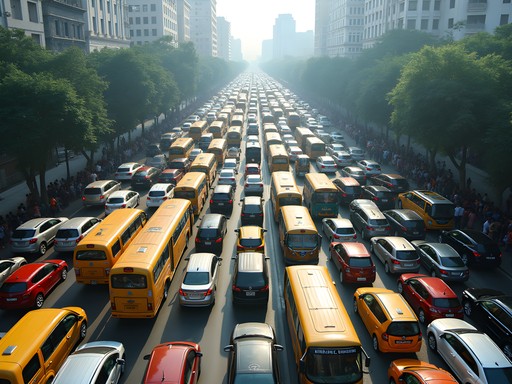
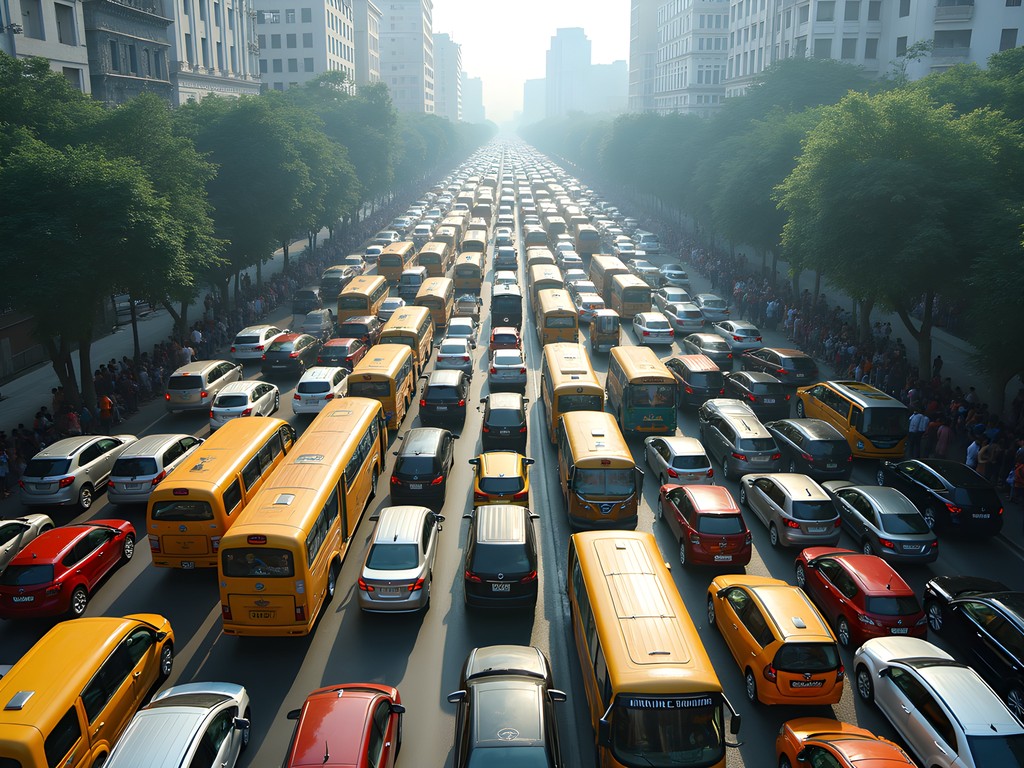
First things first: abandon all expectations of orderly transit. Dhaka consistently ranks among the world's most congested cities, and with good reason. The metropolis crams over 21 million souls into a space that simply wasn't designed for modern transport volumes.
During my week there last December, I witnessed traffic jams that lasted hours, where vehicles were so tightly packed that pedestrians could cross major roads by simply stepping from roof to roof. I'm only half-joking, mates.
The key to mental survival is accepting that time is a flexible concept here. That 3-mile journey to your meeting? Could be 20 minutes, could be 2 hours. The locals call it 'Dhaka time'—a philosophical approach to punctuality that business travelers must quickly adopt.
I found having a reliable power bank absolutely essential. When you're stuck in traffic for unpredictable stretches, keeping your devices charged means you can continue working, rearrange meetings, or simply distract yourself with a good podcast.
💡 Pro Tips
- Always buffer at least double the expected travel time for important meetings
- Download offline maps before arriving as mobile signals can be patchy in traffic
- Schedule important meetings for very early morning (7-8am) or after 8pm to avoid peak congestion
Rickshaws: The Backbone of Short-Distance Travel
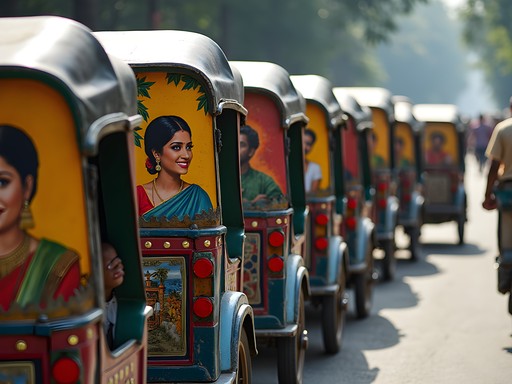
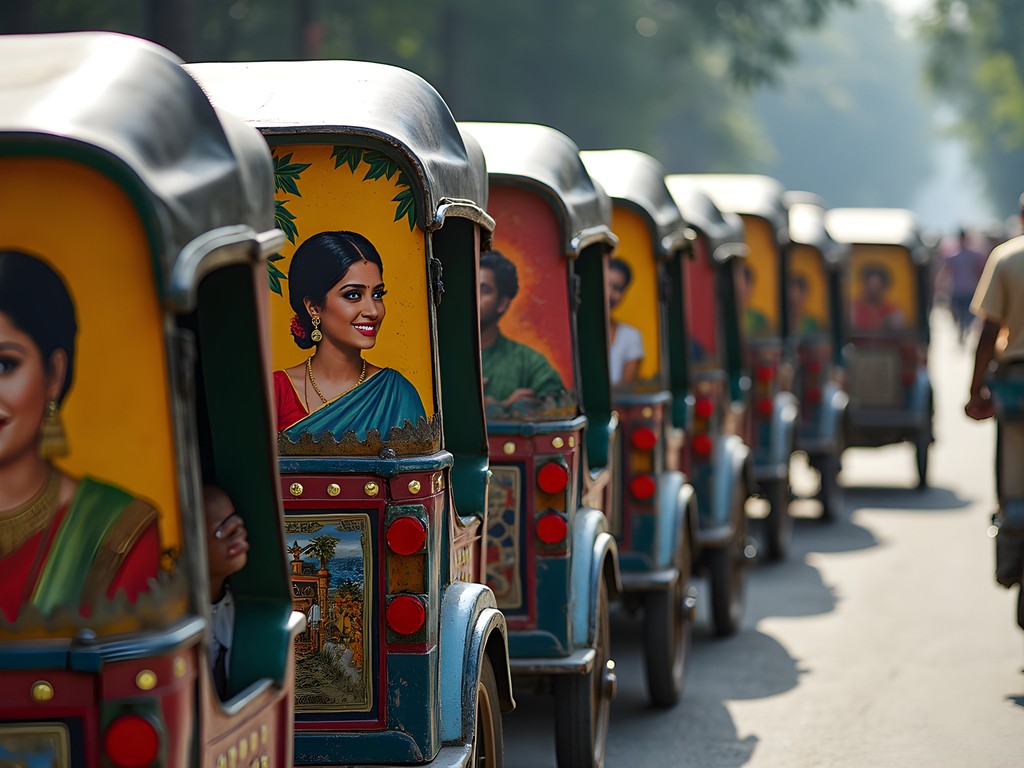
Cycle rickshaws are to Dhaka what black cabs are to London—iconic, omnipresent, and often your best bet for short hops. These colorful three-wheeled chariots, pedaled by impressively strong drivers, can weave through gaps in traffic that would make a mouse feel claustrophobic.
During my stay, I quickly learned to appreciate these humble vehicles. When a business meeting in Gulshan ran late and I needed to reach Banani before another appointment, my rickshaw driver navigated alleyways and shortcuts I'd never have found on any map.
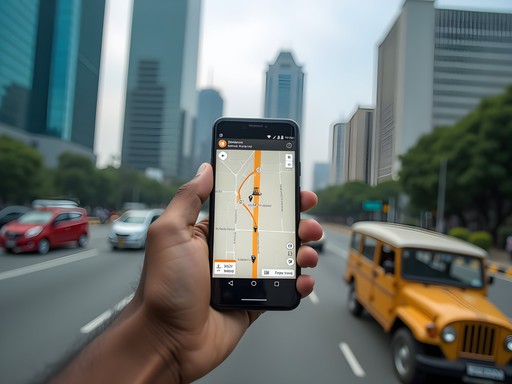
A few pointers on rickshaw etiquette: always negotiate the fare before getting in. My first ride, I naively hopped aboard without discussion and ended up paying triple the going rate. Typical prices range from 30-100 taka (£0.25-£0.80) depending on distance. If you're terrible with directions like me, I recommend using the GPS tracker to mark your hotel or meeting location. Simply tag your destination before setting off, and you'll never struggle to find your way back.
For the love of all things sacred, hold on tight! These contraptions have suspension systems that date back to the Mesozoic era, and Dhaka's roads have potholes that could swallow a small car.
💡 Pro Tips
- Learn basic Bengali numbers to help with fare negotiation
- Keep small denominations of taka for rickshaw fares
- In Old Dhaka's narrow lanes, rickshaws are often faster than motorized transport
CNGs and Auto-rickshaws: The Mid-Range Option
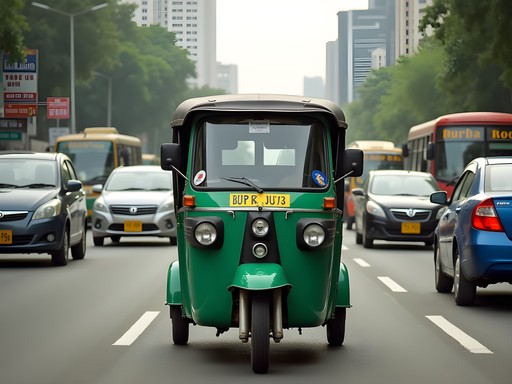
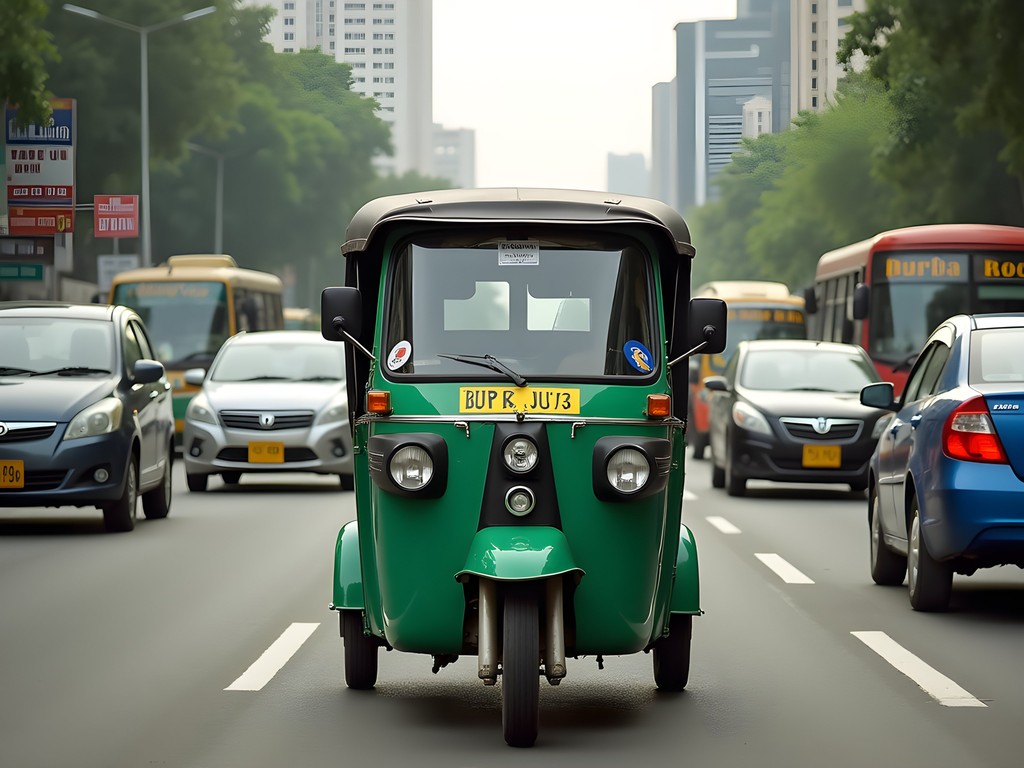
CNGs (Compressed Natural Gas auto-rickshaws) are Dhaka's answer to the tuk-tuks you might know from Thailand or India. These green three-wheeled contraptions run on compressed natural gas—hence the name—and offer a step up from cycle rickshaws for medium-distance journeys.
I found CNGs particularly useful for distances between 2-5 kilometers. They're faster than cycle rickshaws, cheaper than cars, and their compact size means they can navigate through tight spots in traffic jams.
Fair warning though: riding in a CNG is not for the faint-hearted! The open sides offer little protection from Dhaka's pollution, and the drivers have a rather... creative interpretation of road rules. After my first white-knuckle journey, I invested in a pollution mask which was an absolute godsend. The washable, military-grade filtration system protected my lungs from the worst of the exhaust fumes while still allowing comfortable breathing.
Like rickshaws, always negotiate the fare beforehand. Expect to pay between 100-300 taka (£0.80-£2.40) depending on distance. If you're staying in Dhaka for business, consider downloading the Pathao or Uber app, which allows you to book auto-rickshaws with fixed prices—a blessing for those of us who dread haggling after a long day of meetings.
💡 Pro Tips
- Use the Pathao app to avoid fare negotiations with CNG drivers
- Avoid CNGs during heavy rain as they offer minimal protection
- Keep a handkerchief or mask handy for pollution protection

Ride-Sharing Apps: The Business Traveler's Salvation
If you're in Dhaka on business and value your sanity, ride-sharing apps are your new best friends. Uber operates extensively in Dhaka, alongside local competitors like Pathao and Shohoz.
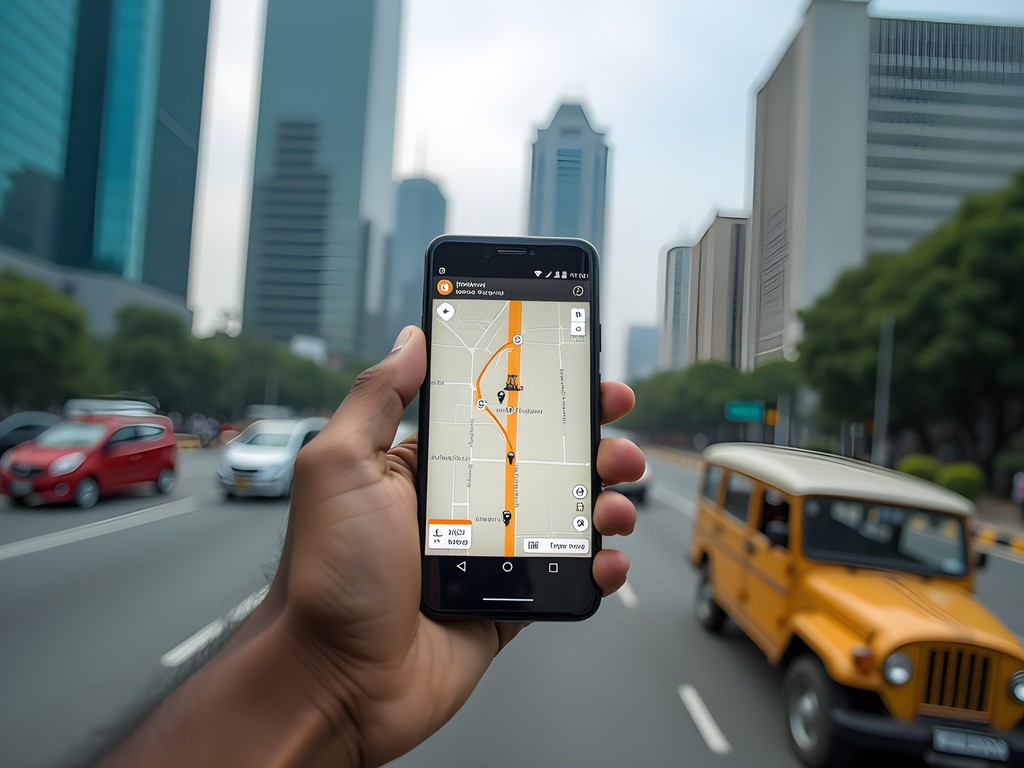
During my week-long stay, these apps were absolute lifesavers for reaching important meetings on time. The fixed pricing eliminates haggling, the air-conditioned cars provide respite from Dhaka's humidity, and the GPS tracking means drivers can find you even if you can't properly pronounce your location.
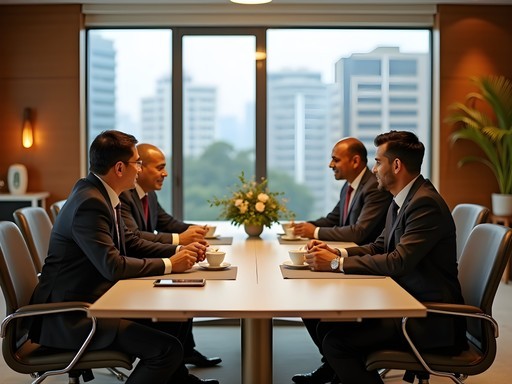
One particularly memorable journey was when I needed to reach Dhaka's financial district for an 8am meeting. My hotel concierge warned me that the trip could take anywhere from 30 minutes to 2 hours depending on traffic. I booked an Uber at 6am, and while we still hit considerable congestion, the driver's local knowledge of shortcuts saved the day.
For business travelers, I cannot recommend the mobile hotspot highly enough. Dhaka's mobile networks can be patchy, and having reliable internet access means you can continue working during those inevitable traffic delays. The G4 Pro worked brilliantly throughout Bangladesh, allowing me to join video calls and send important emails even while stuck in gridlock.
A word to the wise: Dhaka's streets often lack proper signage or numbering, making exact locations difficult. When booking rides, I found it helpful to message the driver with a prominent landmark near my destination.
💡 Pro Tips
- Pre-book your morning ride the night before for important meetings
- Use the 'share trip' feature to let colleagues know your ETA
- Add detailed notes to your pickup and drop-off locations to help drivers find you
Surviving Dhaka's Public Buses: For the Brave Only
I've swum in shark-infested waters off Australia's coast, trekked through monsoon-soaked jungles in Thailand, and navigated New York's subway during rush hour. None of these experiences quite prepared me for Dhaka's public bus system.
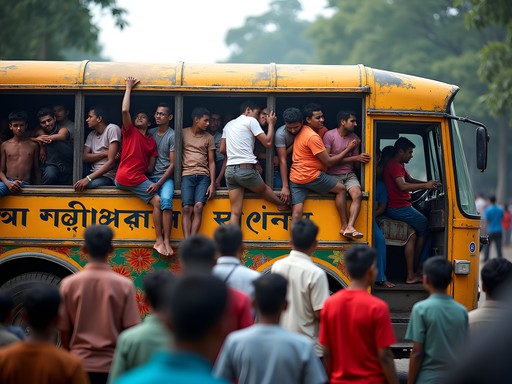
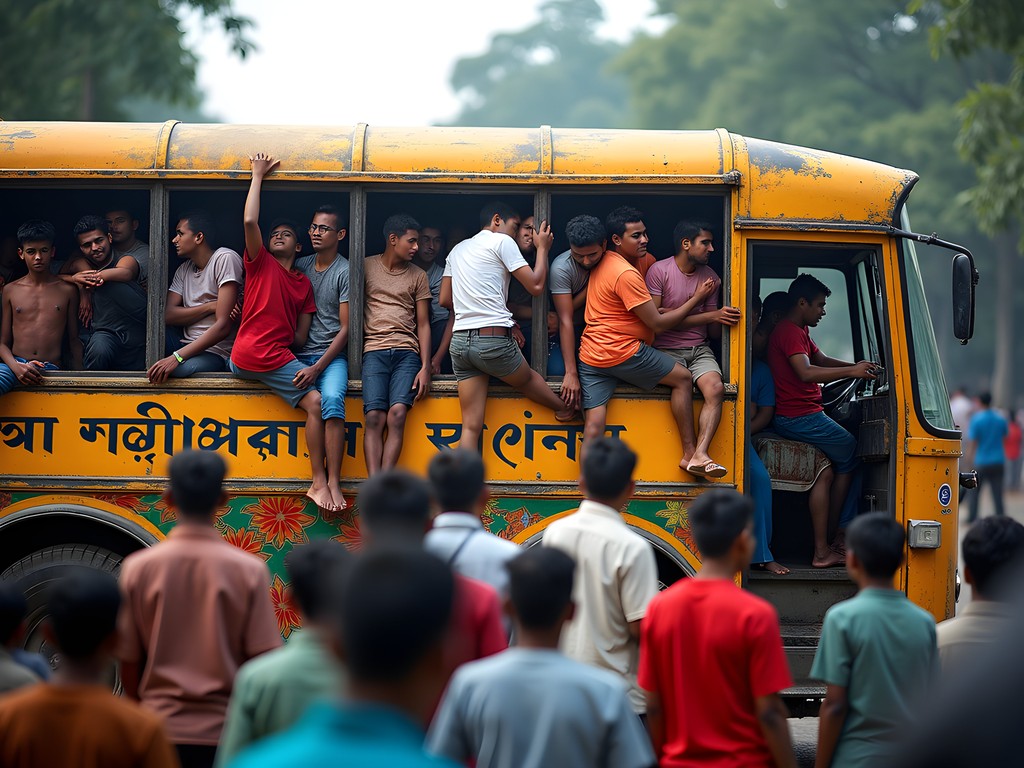
Let me be crystal clear: Dhaka's buses are not for the faint-hearted or those on tight schedules. They're overcrowded, rarely follow fixed timetables, and the concept of designated stops is more of a gentle suggestion than a rule.
During my stay, I decided—perhaps foolishly—to experience this aspect of local transport. I boarded what locals call a 'local bus' from Mohakhali to Motijheel. The vehicle was so packed that I spent the entire journey standing with one foot on the step, holding onto the doorframe for dear life, while the conductor somehow managed to squeeze through the sardine-can interior collecting fares.
If you're determined to try this authentic experience, a few essentials will make it more bearable. I was thankful for my anti-theft waist pack which kept my valuables secure against my body in the crush. The slash-proof material and RFID blocking features gave me peace of mind in the extremely close quarters.
For those who must use buses, the 'Premium' or 'Sitting Service' buses are marginally better options. These require all passengers to be seated (no standing allowed) and cost slightly more, but offer a considerably more comfortable experience.
💡 Pro Tips
- Avoid buses during rush hours (8-10am and 5-8pm) at all costs
- Ask locals to help identify the correct bus as most signage is in Bengali only
- Keep valuables in front pockets or secured bags due to the extreme crowding
Final Thoughts
Navigating Dhaka's transport system is not merely a means to an end—it's a full-blown cultural experience that will test your patience, adaptability, and sense of humor. After a week traversing this magnificent chaos, I've developed a strange admiration for the resilience of Dhaka's commuters and the creative solutions they've developed to navigate their city.
For business travelers, my strongest recommendation is to build significant buffer time into your schedule, leverage technology through ride-sharing apps, and embrace the unpredictability. The sooner you accept that Dhaka operates on its own unique timeline, the sooner you'll find your zen amidst the cacophony of horns and engines.
Despite the challenges—or perhaps because of them—there's something profoundly rewarding about successfully navigating this complex urban labyrinth. Just as I've always told my swimming students back in Manchester: sometimes the roughest waters teach you the most valuable lessons. Dhaka's transport system may be overwhelming, but master it, and you'll feel you can handle just about anything the world of travel throws at you. Safe travels, and remember—in Dhaka, the journey truly is the destination!
✨ Key Takeaways
- Always build in at least double your expected travel time for important meetings
- Ride-sharing apps provide the most reliable option for business travelers
- Local knowledge is invaluable—befriend hotel staff and colleagues for transport advice
- Maintain a sense of humor and flexibility—getting frustrated won't make the traffic move faster
📋 Practical Information
Best Time to Visit
November to February (winter)
Budget Estimate
£30-50 per day for transportation
Recommended Duration
5-7 days
Difficulty Level
Challenging

Comments
first_time_asia
Is Dhaka safe for solo female travelers using public transportation?
Frank Carter
Aubrey, this is spot on! I spent three weeks in Dhaka back in 2024 working on a documentary, and the transport situation became a story in itself. We eventually hired a driver for our equipment days, but I personally fell in love with the rickshaws for exploring Old Dhaka's narrow lanes. There's something magical about slowly pedaling through those ancient neighborhoods at sunset. One tip I'd add for visitors: consider staying somewhere near Gulshan or Banani if you're there for business - these areas are slightly more navigable and have good restaurant options. The traffic between Gulshan and downtown can easily take 2+ hours during rush hour, so plan meetings accordingly! Brilliant guide that captures both the frustration and strange charm of Dhaka's transport ecosystem.
dhaka_dave
As someone who's been living in Dhaka for 3 years now, I couldn't agree more about staying in Gulshan/Banani. The traffic from downtown is brutal!
springblogger
OMG THIS IS SO HELPFUL!!! Going to Bangladesh next month and I was TERRIFIED about getting around! Definitely downloading Pathao and Uber before I go. Has anyone tried the local buses? The blog mentions avoiding them but I'm wondering if they're really that bad? I usually love taking public transport to feel like a local!
smartbackpacker
Trust me, avoid the local buses unless you're VERY adventurous. They're incredibly crowded, no AC, and stops aren't clearly marked. Stick with CNGs and ride-sharing for your first visit!
Stephanie Romano
This brought back such vivid memories of our family trip last spring! My kids (13 and 15) were absolutely mesmerized by the rickshaw experience - it became their favorite story to tell friends back home. One tip I'd add: we found carrying small bills absolutely essential as drivers rarely had change. Also, we discovered that most hotels can arrange a day-driver for about $30-40 USD which was a lifesaver when we needed to visit multiple sites with the kids. The traffic is indeed mind-boggling, but there's something beautiful about the organized chaos once you surrender to it! The colorful decorations on the rickshaws made for some of our best vacation photos.
Sage Dixon
Love this guide, Aubrey! The 'magnificent chaos' description is spot on. I remember my first rickshaw ride through Old Dhaka - weaving through crowds, dodging buses, the driver somehow knowing exactly where every pothole was. It felt like being in a real-life video game. What struck me most was how the whole system just... works? Despite looking completely anarchic, everyone has this unspoken understanding of the flow. My advice to newcomers: take a deep breath, trust the process, and keep your portable charger handy because you'll be using Google Maps constantly those first few days!
happyblogger
Great post! Quick question - is it easy to get CNGs late at night like after 10pm? Or should I stick to the ride apps for evening travel?
redlover
Definitely use the apps at night. Safer and you'll get a better price too.
escapeking
How much should I budget daily for transportation around Dhaka? Are rickshaws really cheap or tourist-priced?
islandadventurer
Rickshaws are super cheap! Like $0.50-$1 for short trips. They'll try to charge foreigners more but still ends up being pennies. I spent maybe $5-10/day total on transport including some Uber rides.
redlover
Been to Dhaka four times now for work and can confirm everything here. One thing I'd add - download the Pathao app before you arrive and set it up with your payment method. Saves so much hassle. Also the buses are actually pretty efficient if you're brave enough to try them, but definitely not for your first day there. My local colleague taught me the routes and it's way cheaper than CNGs. Traffic jams are real though - I once spent 2 hours going 5 kilometers during rush hour.
luckypro
THIS IS EXACTLY WHAT I NEEDED!! Bookmarking this for my trip!! The rickshaw section is super helpful thank you!!!
Marco Flores
Aubrey, this brings back memories! I spent three weeks in Dhaka documenting street life and the transport system became my daily adventure. The CNG drivers are absolute artists navigating those narrow alleys. I learned to negotiate fares before getting in—usually about 30% less than their first offer. Also discovered that early morning rides (before 7am) are a completely different experience. Almost peaceful! The key is patience and a sense of humor. Once you stop fighting it and just flow with the madness, it becomes quite beautiful actually.
happyblogger
this is really helpful! didn't know about the negotiating part. how much should a typical CNG ride cost for like 3-4 km?
Marco Flores
Usually 80-120 taka for that distance, depending on traffic and time of day. Start at 80 and meet in the middle!
Venture X
Premium card with 2X miles, $300 travel credit, Priority Pass