


Disclosure: This article contains affiliate links. We may earn a commission from purchases at no extra cost to you, which helps our travel content.
Standing at Dublin Airport after a 30-hour journey from Adelaide, I faced that familiar traveler's dilemma—how to navigate this city efficiently without blowing my research stipend in the process. Having explored indigenous communities across remote Australia and trekked through Mongolia's vast steppes, I've developed a knack for decoding transport systems. Dublin proved to be surprisingly accessible, even for a jetlagged PhD student with architecture sketches spilling from his backpack. This guide breaks down everything you need to know about moving through Ireland's capital—from public transport hacks to the walking routes that reveal the city's architectural soul.

Dublin's Public Transport: The Leap Card Advantage
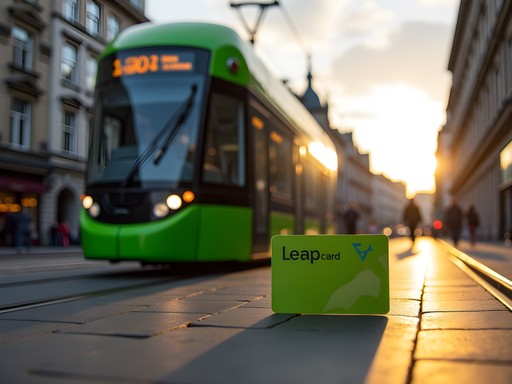
Dublin's public transport network initially struck me as a curious blend of efficiency and Irish nonchalance. The system consists of Dublin Bus, the Luas (tram), and DART (rail)—all of which become substantially more affordable with a Leap Card.
The Leap Visitor Card quickly became my most valuable possession during my weekend research trip. At €10 for 24 hours, €19.50 for 72 hours, or €40 for 7 days, it grants unlimited travel across all three services. I purchased mine directly at the airport's information desk, though they're also available at DART stations and select convenience stores.
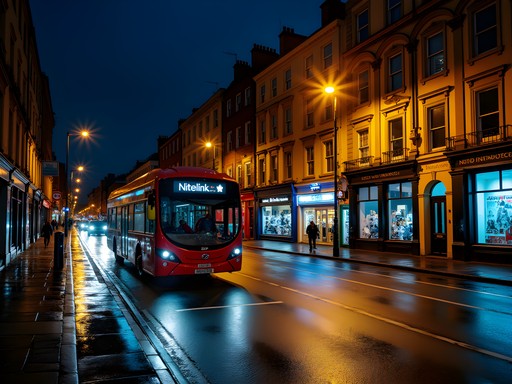
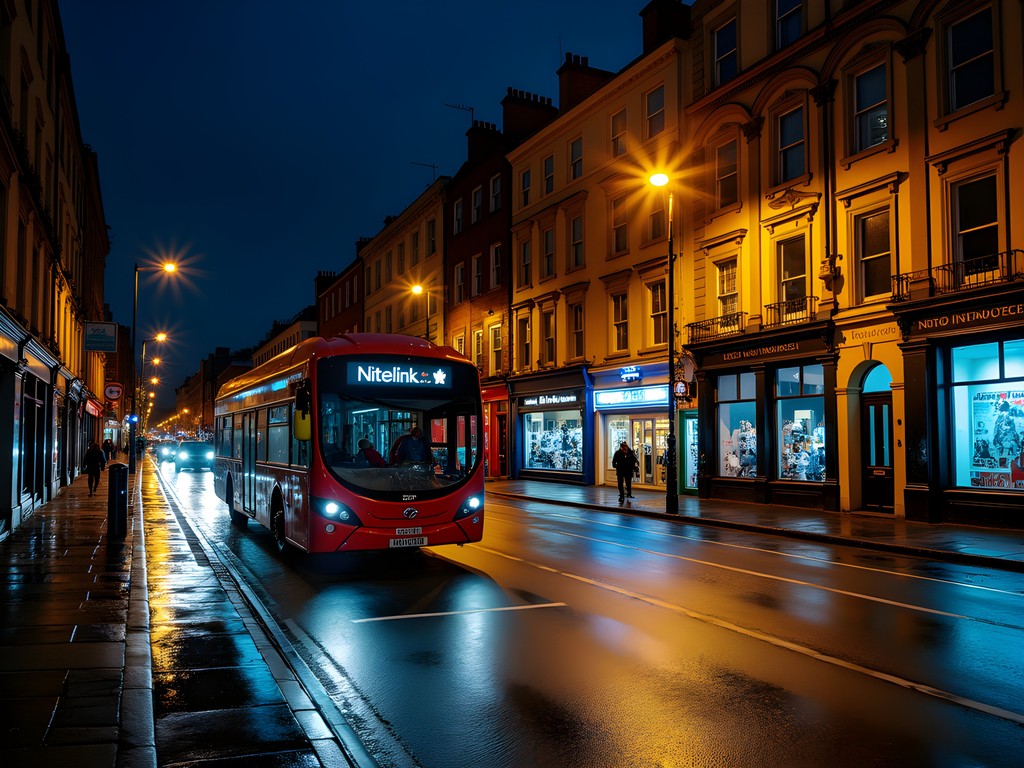
Dublin Bus routes comprehensively cover the city, with the 16, 41, and 747 Airlink connecting the airport to the city center. While schedules sometimes operate on what locals affectionately call 'Irish time,' the real-time information available through the Transport for Ireland app proved remarkably accurate. For overnight adventures, the Nitelink buses run Friday and Saturday nights, saving me from expensive taxis after researching pub architecture (strictly academic, of course).
The Luas tram system consists of two lines—Red and Green—which unfortunately don't connect directly. However, they're frequent, reliable, and perfect for accessing key areas like St. Stephen's Green and the architectural marvel of the Convention Centre Dublin.

💡 Pro Tips
- Purchase a Leap Card immediately upon arrival to save up to 30% on transport costs
- Download the Transport for Ireland app for real-time arrivals and journey planning
- Bus drivers don't give change, so have exact coins ready if not using a Leap Card
Cycling Dublin: DublinBikes and Beyond
Having cycled through everything from Canadian forests to the Australian outback, I was eager to experience Dublin on two wheels. The city's compact nature makes cycling an ideal option, despite the occasional rain shower.
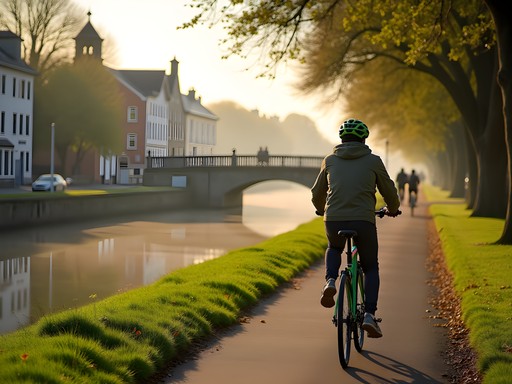
The DublinBikes scheme operates with over 100 stations across the central area. A 3-day ticket costs just €5, with the first 30 minutes of each journey free. Registration requires a credit card, and I found the process straightforward using the DublinBikes app at my first station. The bikes themselves are sturdy city cruisers—not the lightweight frames I'm used to, but perfect for navigating Dublin's sometimes cobbled streets.
For longer stays or more extensive exploration, I recommend waterproof panniers. Dublin's infamous rain caught me off-guard more than once, and these would have saved my architectural sketches and research notes from turning to pulp.
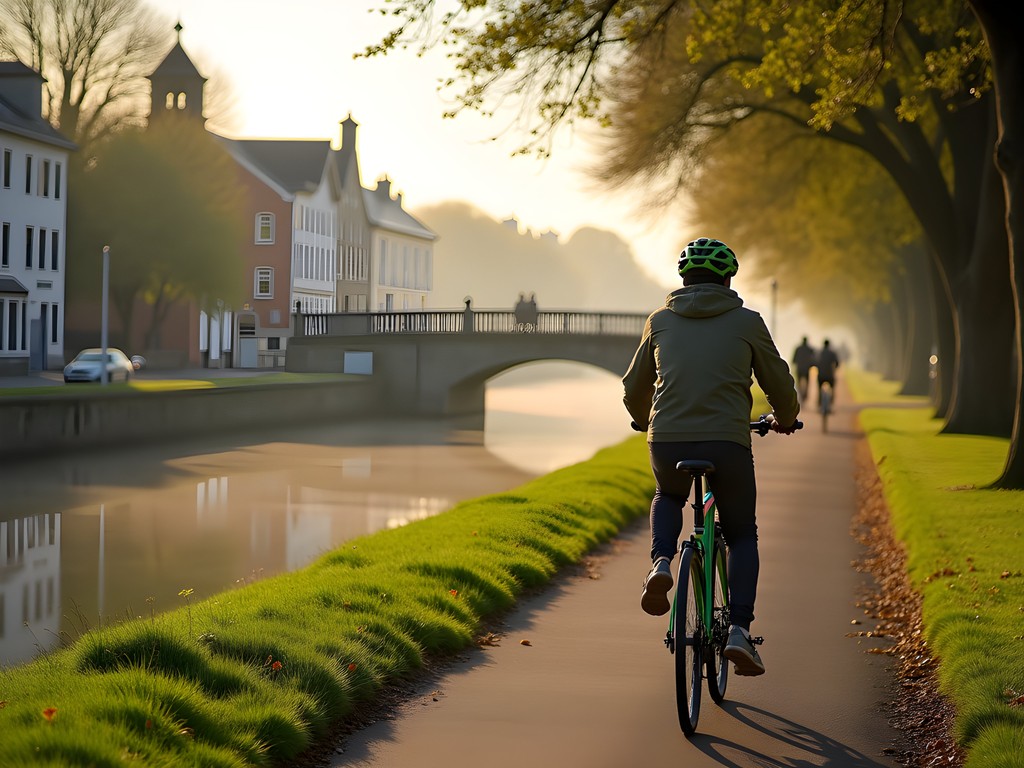
The cycle lanes vary dramatically in quality. The Grand Canal route offers a peaceful path away from traffic, while areas like College Green can be intimidating for less experienced cyclists. My architectural background drew me to the Docklands cycling route, where industrial heritage meets contemporary design in a fascinating dialogue of forms and materials.
💡 Pro Tips
- Always check bike condition (brakes, tires, gears) before leaving a DublinBikes station
- Use the Phoenix Park cycle paths for a traffic-free experience—the park is larger than Central Park in NYC
- Consider bringing your own helmet as they're not provided with rental bikes
Walking Dublin: Routes That Tell Stories
As an architectural researcher, walking remains my preferred method for truly understanding a city's fabric. Dublin's compact center means most attractions lie within a 20-30 minute walk of each other, making it ideal for exploration on foot.
The River Liffey naturally divides Dublin into north and south sides, each with distinct character. I started with the self-guided Historic Walking Tour outlined in my Dublin pocket guide, which covers Trinity College, Dublin Castle, and Christ Church Cathedral in a manageable 2-hour circuit.
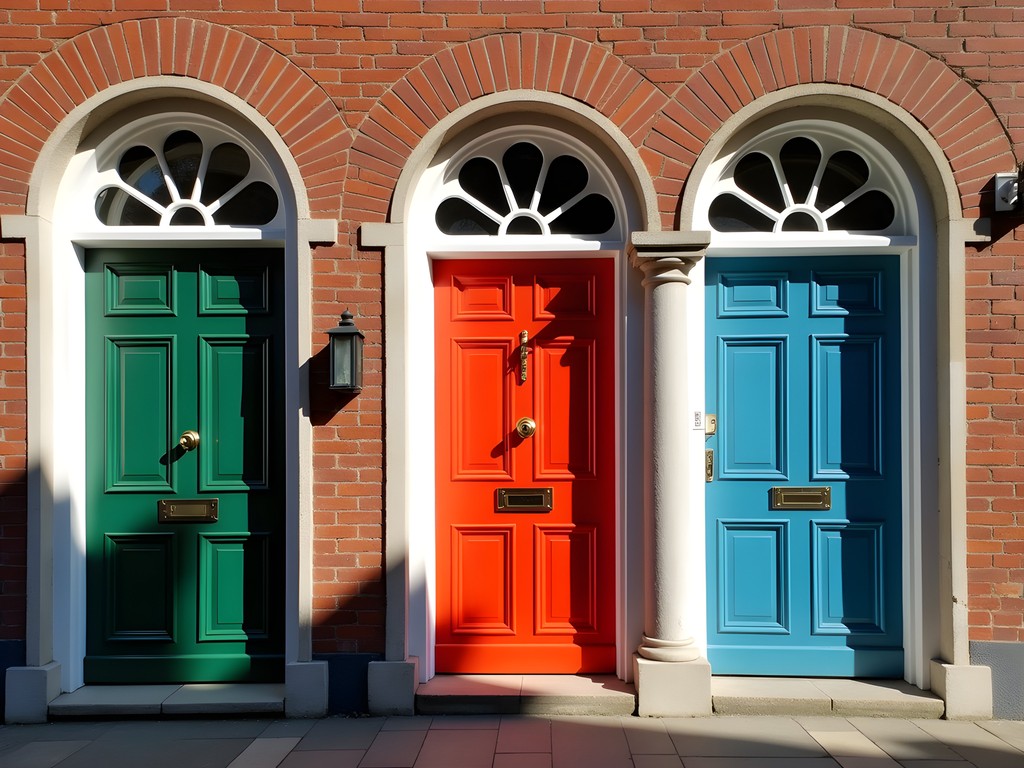
For those interested in architectural heritage, the Georgian Dublin walking route is unmissable. Beginning at St. Stephen's Green, it winds through Merrion Square and Fitzwilliam Square, showcasing the elegant townhouses with their distinctive colorful doors—a subtle rebellion against British rule that resonated with my own interest in how indigenous cultures express identity through built environments.
Dublin's weather can change rapidly, so I was grateful for my packable rain jacket which took up minimal space in my daypack but proved essential during sudden downpours. Equally important were my waterproof walking shoes—Dublin's puddles can be deceptively deep, as I discovered while sketching the details of Trinity College's campanile.
💡 Pro Tips
- The Dubline walking trail connects key historic sites with helpful bronze pavement markers
- Grafton Street is pedestrianized but crowded—parallel streets offer quicker routes
- Temple Bar is atmospheric but tourist-heavy; walk early morning to appreciate the architecture without crowds

Dublin After Dark: Night Transport Options
As someone who's navigated everything from remote Australian communities to Mongolian settlements after sunset, I approached Dublin's night transport with confidence—though the city presented its own unique challenges.
Weeknight public transport generally winds down between 11:30pm and midnight, with the last DART trains departing around 11pm and final Luas trams between 11:30pm-12:30am depending on the line. This caught me off-guard my first evening, when my research interviews at Trinity College ran late.
For weekend adventures, Dublin's Nitelink bus network operates on Friday and Saturday nights, with 13 routes departing from the city center between midnight and 4am. At €6.60 cash or €4.50 with a Leap Card, they're significantly cheaper than taxis, though less frequent than daytime services.
Dublin's taxi situation surprised me—while plentiful, they're considerably more expensive than what I'm used to in Adelaide. The Free Now app proved invaluable for securing a cab during busier periods, especially around Temple Bar on weekend evenings. For safety and convenience, I kept a phone power bank in my jacket—Dublin's older buildings and pubs often lack accessible charging points, and the last thing you want is a dead phone when trying to navigate back to accommodation after dark.
💡 Pro Tips
- Save taxi numbers in your phone before heading out for the evening
- Note that Nitelink buses only accept exact change or Leap Cards—no card payments onboard
- Consider accommodation location carefully if planning late nights—areas like Rathmines have better night bus connections than others
Budget Transport Hacks for Solo Travelers
As a PhD student balancing research ambitions with a modest stipend, I've become adept at stretching transport budgets in cities worldwide. Dublin tested these skills, but yielded several valuable strategies.
First, the airport connection: while the Airlink Express (€7 one-way) offers direct service, the regular Dublin Bus routes 16 and 41 serve the airport for just €3.30 with a Leap Card. They take slightly longer but saved me enough for an extra pint of Guinness at the historic Gravity Bar—where I sketched the city's roofscape from its panoramic viewpoint.
For day trips, investigate the Family Day Ticket even as a solo traveler. At €10 for off-peak travel (after 9:30am weekdays and all day weekends), it offers unlimited travel for one day on Dublin Bus. The ticket is marketed for families but can be used by anyone—a quirk of the system that bus drivers themselves confirmed when I inquired.
When exploring Dublin's coastal areas like Howth or Dun Laoghaire, I used my compact travel binoculars to spot architectural details and wildlife from scenic viewpoints. These coastal DART journeys offer spectacular value, with tickets costing €3-4 while providing views comparable to expensive boat tours.
For longer stays, consider the Leap Card Capping system, which limits how much you spend daily (€8) or weekly (€40) regardless of how many journeys you take. This allowed me to zigzag across the city researching architectural sites without worrying about mounting transport costs.

💡 Pro Tips
- Dublin Bus offers free WiFi—useful for navigation when exploring new areas
- Many museums are clustered together—plan walking routes between them rather than taking transport
- Sunday is the best day for budget exploration with reduced traffic and free street parking in many areas
Final Thoughts
As I packed away my sketchbook and prepared for the journey back to Adelaide, I reflected on how Dublin's transport system had become more than just a means of getting around—it had shaped my understanding of the city itself. From the upper deck of Dublin Bus, I'd spotted architectural details invisible from ground level. On DART journeys, I'd witnessed how the city embraces its coastline. Walking routes had revealed the layered history written in brick and stone.
Navigating Dublin doesn't require a massive budget or technical expertise—just a willingness to adapt to its rhythms and occasional eccentricities. The compact nature of the city center means you can easily combine transport methods: perhaps a bus to an outlying neighborhood, exploration on foot, and a tram back to your accommodation.
As someone who's studied how indigenous cultures move through and interpret landscapes, I found Dublin's transport network offered its own cultural insights—each bus route, walking path, and cycle lane telling a different story about the city's development and identity. Whether you're visiting for a weekend or longer, embrace these varied perspectives. Dublin reveals itself differently depending on how you choose to move through it.
✨ Key Takeaways
- The Leap Card is essential for budget travel in Dublin, offering significant savings across all public transport
- Dublin's compact center is highly walkable, with most attractions within 30 minutes of each other on foot
- Cycling provides an efficient middle-ground between walking and public transport, with DublinBikes offering affordable short-term rentals
- Night transport requires advance planning, especially on weeknights when services end relatively early
- Coastal DART trips offer exceptional value, combining transport with scenic views comparable to paid tours
📋 Practical Information
Best Time to Visit
year-round, though May-September offers more daylight for exploration
Budget Estimate
€15-25 per day for transport
Recommended Duration
2-3 days minimum
Difficulty Level
Easy







Comments
journeynomad
how much does the leap card cost to buy? and do you get your deposit back when you leave?
vacationbackpacker
I think it's like €5 deposit but not 100% sure
Alex Bell
It's €5 for the card itself (non-refundable), then you top it up with whatever credit you need. The credit doesn't expire so you can keep it for future trips!
Megan Martin
Excellent breakdown of Dublin's transport system, Alex. I was there for a conference last year and completely agree about the DublinBikes scheme - it's remarkably efficient for short trips between meetings. One tip I'd add: download the TFI Go app before you arrive. It has real-time updates for all public transport and saved me multiple times when buses were running late. The night bus network you mentioned is also surprisingly reliable compared to other European cities I've visited. Did you find the cycling infrastructure improved much in the city center? When I was there, some of the bike lanes felt a bit fragmented.
Alex Bell
Great tip on the TFI Go app! And yes, the cycling infrastructure is still a work in progress - definitely some gaps, especially around the quays. I stuck to quieter streets when possible.
oceanadventurer2976
Really cool! Going there next month
vacationbackpacker
This is SO helpful!! I'm heading to Dublin in April and was totally stressing about getting around. The Leap Card sounds like exactly what I need - can you use it on all the buses and trains? Also love that you mentioned the walking routes, I always prefer exploring on foot when I can. Your 30-hour journey from Adelaide sounds brutal though lol, hope you got some good sleep before exploring!
Alex Bell
Yes! The Leap Card works on Dublin Bus, Luas trams, DART trains, and even some commuter rails. Definitely get one at the airport when you arrive - saves so much hassle!
vacationbackpacker
Perfect, thanks so much!!
Frank Garcia
Great comprehensive guide! Having lived in Belfast and visited Dublin countless times, I can confirm the Leap Card is essential. One thing I'd add is that Dublin's traffic can be brutal during rush hours (8-9:30am and 5-6:30pm), so the LUAS tram or DART train are often faster than buses during these times. For those staying longer than a weekend, consider the weekly Leap Card cap which maxes out at €40 no matter how many journeys you take. Also, the walking route from St. Stephen's Green through Iveagh Gardens to the canal is one of my favorites - much quieter than the main tourist paths but equally beautiful.
moonwalker
Thanks for the Iveagh Gardens tip! Never heard of it but will definitely check it out on my trip next week!
skydiver
Just got back from Dublin and followed your walking route suggestions - the canal path was absolutely gorgeous in the morning! We also did the coastal DART ride to Howth which I'd highly recommend as a day trip. One thing I'd add about the Leap Card - if you're traveling with kids, get the Family Leap Card instead of individual ones. Saved us a ton and kids under 5 ride free on most services. The Phoenix Park bike rental was also a highlight - much less crowded than the city center and perfect for a relaxed day out!
starlegend3174
Can you buy the Leap Card at the airport? Or should I get it online before my trip?
travellegend
You can definitely get one at the airport! There's a vending machine in Terminal 1 and a counter in Terminal 2. Super easy!
skyseeker
How safe is it to walk around at night in Dublin? Planning a solo trip and wondering about evening transport options.
Frank Garcia
I found Dublin generally safe at night in the main areas (Temple Bar, O'Connell St, etc.) but like any city, you should stay aware. The Nitelink buses run Friday/Saturday nights until 4am and are a good option. For other nights, taxis are plentiful but can be expensive. If you're staying central, most attractions are within walking distance, but I'd recommend using taxis after midnight if you're alone and heading to outer neighborhoods.
skyseeker
Thanks Frank! Really helpful. I'll be staying near Trinity College so sounds like I'll be fine for most places.
freelover
Loved your walking route suggestions! The canal path was beautiful.
Hunter Thompson
Brilliant write-up, Alex! I'd add that the DublinBikes are fantastic but the docking stations can fill up quickly in popular areas during rush hour. I got caught out near Temple Bar and had to cycle to three different stations before finding a free spot! Pro tip: download the official DublinBikes app which shows real-time availability. Also, for late night transport, I found the night buses (Nitelink) to be decent but they only run on weekends. During weeknights after normal service ends, I used my Citymapper app which was brilliant at showing all available options including night buses and taxi estimates.
skydiver
The DublinBikes situation is so true! Got caught out near St Stephen's Green and had to cycle all the way to Merrion Square to find a dock!
Venture X
Premium card with 2X miles, $300 travel credit, Priority Pass