

Disclosure: This article contains affiliate links. We may earn a commission from purchases at no extra cost to you, which helps our travel content.
Look, I know what you're thinking—Dubuque, Iowa isn't exactly on the same adventure radar as Iceland or Nepal. But here's the thing: after years of chasing extreme climates and remote postal routes, I've learned that every destination has its own rhythm, and figuring out how to move through a place is half the adventure. Last fall, I spent a weekend in this Mississippi River town between Brisbane visits, and I was pleasantly surprised by how manageable—and downright charming—getting around turned out to be. Whether you're a solo traveler on a budget or just someone who appreciates a well-planned route (occupational hazard!), Dubuque's compact size makes it perfect for a weekend exploration without breaking the bank.

Getting to Dubuque: Your Arrival Options
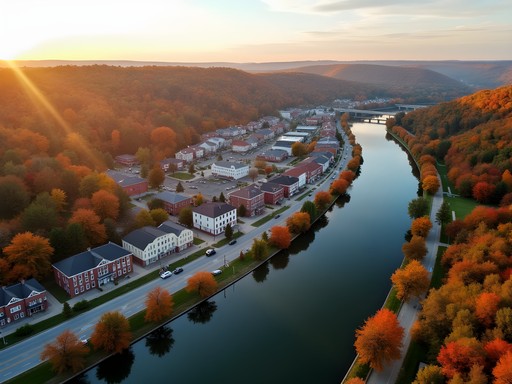
Dubuque doesn't have a commercial airport, which actually works in your favor budget-wise. The closest airports are Chicago O'Hare (about 3 hours), Madison (2 hours), or the smaller Dubuque Regional Airport for private flights. I flew into Chicago and rented a car, which gave me flexibility for the weekend. The drive through Wisconsin's rolling hills in fall was absolutely stunning—think copper and gold foliage that reminded me of my hair color on a good day.
If you're coming from nearby Midwest cities, driving is your most economical option. Interstate 20 and Highway 61 bring you right into town, and parking is refreshingly abundant and cheap compared to coastal cities. There's also Greyhound bus service if you're really pinching pennies, though the schedules can be limited. I picked up a car phone mount before the trip, which made navigation through unfamiliar roads so much easier—definitely worth the fifteen bucks when you're solo and don't have a co-pilot.
💡 Pro Tips
- Book rental cars in advance during fall foliage season—prices jump on weekends
- Fill up on gas before entering Iowa; prices are typically lower in Wisconsin
- Download offline maps of Dubuque before arrival; cell service can be spotty in river valleys
Downtown Navigation: Walking is Your Best Friend
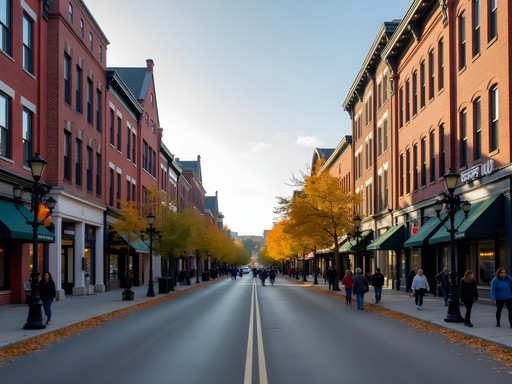
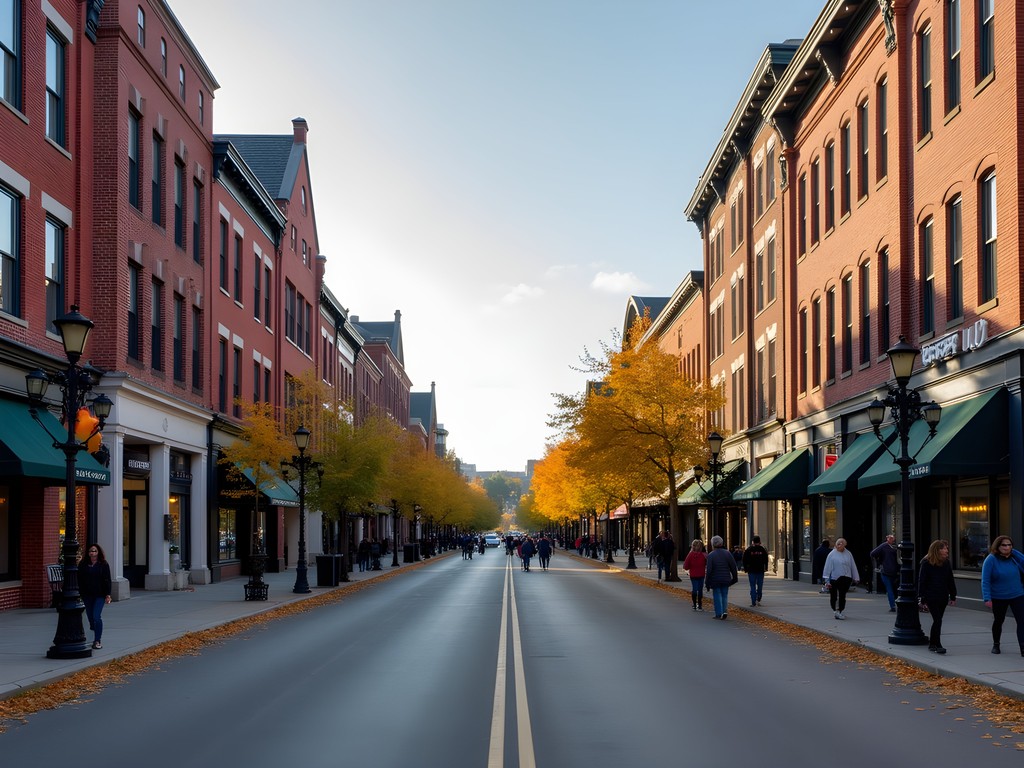
Here's where Dubuque really shines for solo travelers—the historic downtown district is incredibly walkable. I'm talking about a 10-block radius where you'll find most attractions, restaurants, and the iconic riverfront. Coming from Brisbane where everything feels spread out, I loved being able to park once and explore on foot. The streets follow a grid pattern that even a directionally-challenged person could navigate (though I'll never admit to being one, given my postal route experience).
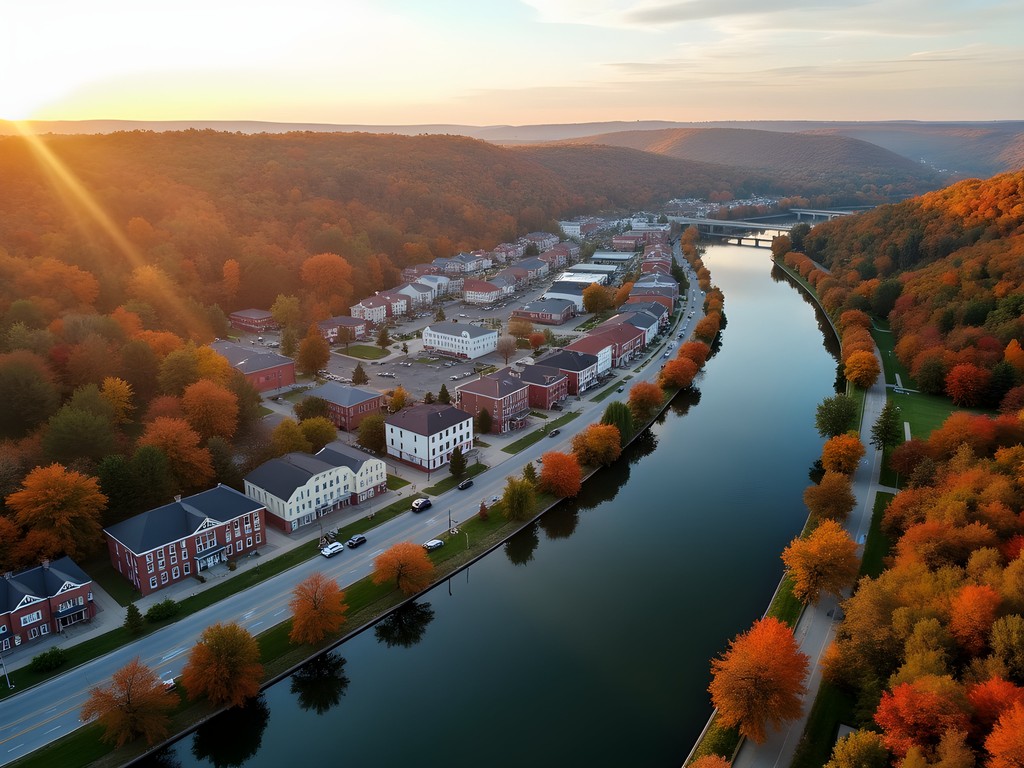
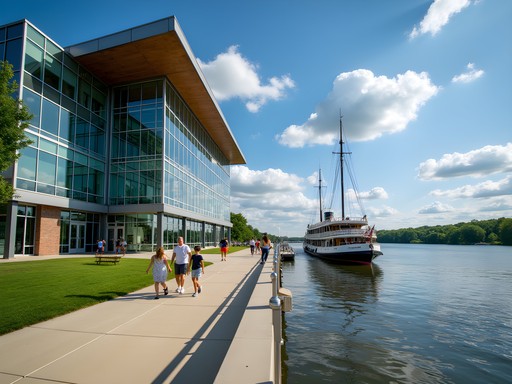
The Port of Dubuque area, where you'll find the National Mississippi River Museum and the Diamond Jo Casino, connects seamlessly to Main Street via the Riverwalk. I walked this route multiple times during my weekend visit, and it's flat, well-maintained, and offers gorgeous river views. Comfortable walking shoes are non-negotiable—I wore my trusty trail runners and logged about 15,000 steps daily without any issues. The city has done an excellent job with wayfinding signage, so you won't feel lost even if you're exploring solo.
One thing I appreciated: Dubuque's compact size means you can actually see everything without feeling rushed. Unlike trying to cover massive cities in a weekend, here you can take your time, duck into local shops, and still make it to all the main attractions. I kept my portable water bottle clipped to my daypack for those longer walking stretches—staying hydrated matters even when you're not climbing mountains.
💡 Pro Tips
- Start your walking tours early morning to avoid the limited afternoon parking crunch
- The Fenelon Place Elevator area requires uphill walking; save it for when you're fresh
- Most downtown attractions are within a 15-minute walk of each other
The Jule: Dubuque's Free Public Transit System
Plot twist: Dubuque has free public transportation. Yes, free. The Jule (named after Julien Dubuque, the city's founder) is a bus system that covers major routes throughout the city, and it doesn't cost you a cent. For a budget-conscious solo traveler, this is basically gold. I used it twice during my visit—once to reach the Mines of Spain Recreation Area on the city's outskirts, and again when I was too tired to walk back from the Port area after a full day of exploring.
The system runs Monday through Saturday with limited hours (no Sunday service, plan accordingly), and routes are straightforward. The main transfer point is at the Roshek Building downtown. I downloaded the route maps from their website before my trip, which helped me plan my days around the bus schedule. Buses run roughly every 30-60 minutes depending on the route, so timing matters—this isn't like city transit where you can just show up and catch the next one in five minutes.
The drivers I encountered were friendly and patient, especially when I asked about stop locations. One driver even gave me recommendations for local restaurants, which led to the best pork tenderloin sandwich I've had outside of a state fair. The buses are clean and well-maintained, though they can be crowded during shift changes when local workers are commuting.
💡 Pro Tips
- Grab a physical route map at the Dubuque Welcome Center for offline reference
- Set phone alarms for bus departure times—missing one means a long wait
- The Blue Route serves the tourist areas most effectively for visitors

Renting a Car vs. Going Car-Free: The Real Talk
Let me be straight with you: for a weekend visit focused on downtown Dubuque, you don't need a rental car. The walking and free bus combo works perfectly well. However—and this is a big however—if you want to explore beyond the city limits, a car transforms your experience. I rented one because I wanted to visit the Mines of Spain trails and drive the Great River Road scenic byway, and I'm glad I did.
Rental rates in the Dubuque area are reasonable compared to major cities—I paid about 45 dollars per day for a compact car through a comparison site. Enterprise and Hertz have locations near the regional airport, about 10 minutes from downtown. Gas is affordable, parking is mostly free or cheap (I never paid more than 5 dollars for all-day parking), and traffic is virtually nonexistent compared to what I deal with in Brisbane.
If you're arriving by bus or getting dropped off and planning to stay strictly in the downtown/Port area, skip the rental and save that money for experiences. But if you're like me and want the freedom to chase sunset views from random bluff overlooks or explore the surrounding river valley, the car is worth it. I kept a car emergency kit in the trunk—probably overkill for Iowa in fall, but old habits from North Carolina blizzard routes die hard.

💡 Pro Tips
- Book rentals from airport locations for better rates than downtown offices
- Most attractions offer free parking; paid lots are clearly marked
- Consider a car if visiting during winter when walking becomes less pleasant
Biking and Alternative Transportation
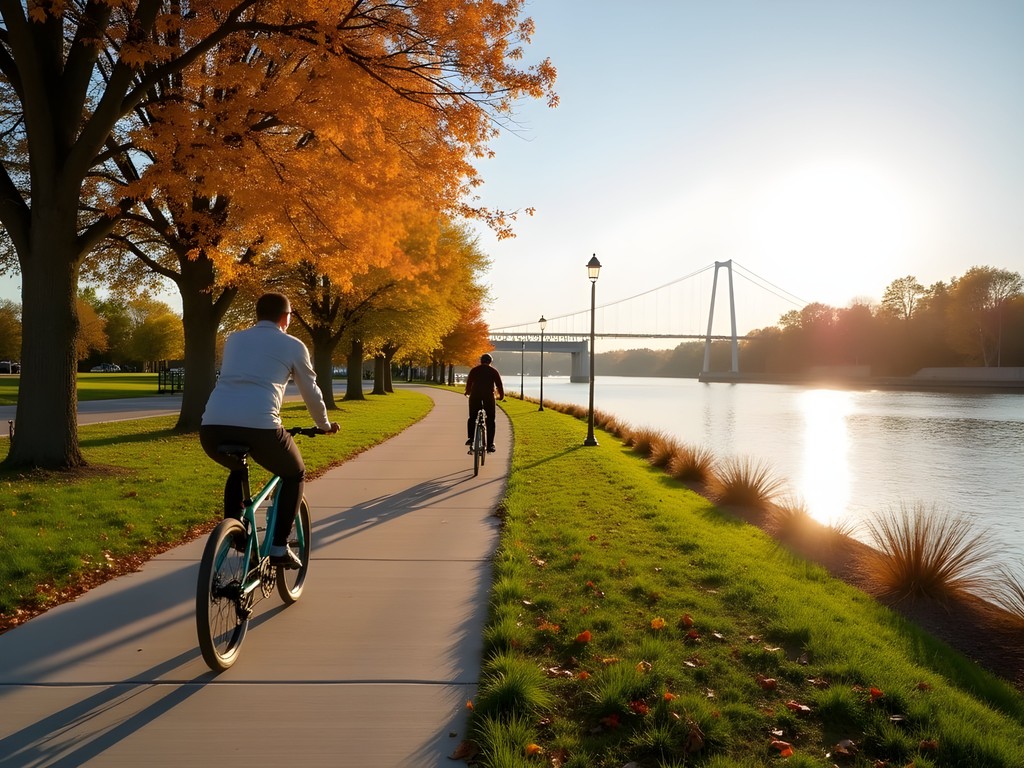
Dubuque has been investing in bike infrastructure, and it shows. The city has several bike trails, including the Heritage Trail that runs 26 miles from Dubuque to Dyersville (yes, where Field of Dreams was filmed). You can rent bikes from various shops downtown, typically around 25-30 dollars for a full day. I didn't bike during my visit—honestly, the walking satisfied my need for movement—but I saw plenty of cyclists enjoying the riverfront trails.
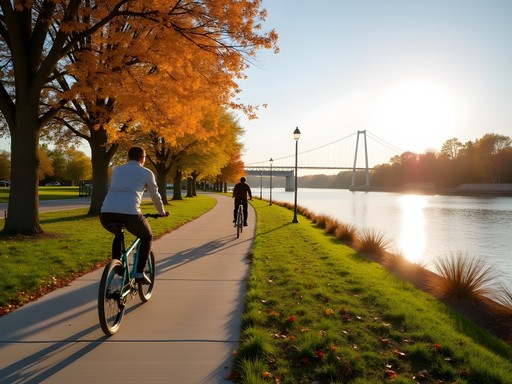
The Riverwalk is particularly bike-friendly, with dedicated lanes and smooth pavement. If you're visiting in early fall before the weather turns, biking could be an excellent middle ground between walking and driving. It gives you more range than walking but keeps you more connected to the environment than a car. Just be aware that Dubuque is built on bluffs, so while the riverfront is flat, heading into residential areas means dealing with some serious hills.
For getting around the immediate downtown area, honestly, your feet are faster than a bike once you factor in locking up and navigating one-way streets. Save the bike rental for trail exploration or longer riverside rides. I did see a few electric scooters around, though they're not as prevalent as in larger cities. Uber and Lyft operate in Dubuque but with limited drivers—I waited 20 minutes for a ride once, which is about how long it would have taken me to just walk.
💡 Pro Tips
- Rent bikes in the morning before shops get busy with weekend crowds
- Bring or buy a basic bike lock; most rental shops provide them but check first
- The Heritage Trail is crushed limestone—fine for hybrid bikes, tough for road bikes
Practical Navigation Tips for Solo Travelers
After navigating everything from Icelandic ring roads to Brisbane's confusing roundabouts, I've developed some transportation habits that served me well in Dubuque. First, screenshot or print key addresses and maps. Cell service downtown is generally good, but once you head into the river bluffs or surrounding areas, it gets spotty. I learned this the hard way trying to find a trailhead.
Second, Dubuque operates on a slower pace than major cities, which affects everything from bus schedules to restaurant hours. What this means for transportation: plan buffer time. If you need to catch a bus at 5 PM, don't schedule your museum visit to end at 4:45. Give yourself breathing room. The relaxed pace is part of the charm, but it requires adjusting your expectations if you're coming from fast-paced urban environments.
For solo travelers especially, I found Dubuque remarkably safe and easy to navigate alone. I walked back to my hotel after dark multiple times without any concerns. The downtown area is well-lit, and there's usually foot traffic even in the evenings. That said, I always keep a personal safety alarm on my keychain—it's a habit from my postal route days, and it takes up almost no space.
One last tip: talk to locals. Dubuquers (yes, that's what they call themselves) are genuinely friendly and helpful. I got better navigation advice from a barista than from any app. They'll tell you about parking tricks, which bus routes actually run on time, and shortcuts through the downtown that aren't on any map.
💡 Pro Tips
- The Fenelon Place Elevator (world's shortest, steepest scenic railway) costs 3 dollars and saves a steep climb
- Most businesses close earlier than in major cities; plan transportation accordingly
- Winter ice makes bluff roads treacherous; stick to main routes if visiting off-season
Final Thoughts
Dubuque might not offer the adrenaline rush of ice climbing in Norway or the exotic challenge of navigating Kathmandu, but it delivers something equally valuable: a manageable, affordable, and genuinely pleasant transportation experience for solo travelers. The combination of walkability, free public transit, and reasonable car rental options means you can tailor your transportation to your budget and adventure style.
What I loved most about navigating Dubuque was how it reminded me that not every trip needs to be complicated. Sometimes the best adventures come from places where getting around is easy enough that you can focus on actually experiencing the destination rather than stressing about logistics. For a weekend escape, especially during fall when the river valley explodes with color, Dubuque offers the perfect balance of accessibility and exploration.
Whether you arrive by car, bus, or rental, you'll find this river city refreshingly straightforward to navigate. Pack comfortable shoes, download those offline maps, embrace the slower pace, and give yourself permission to explore a place where transportation is one less thing to worry about. Trust me—after years of extreme adventures, sometimes the most rewarding journey is the one where everything just works.
✨ Key Takeaways
- Downtown Dubuque is highly walkable; most attractions are within 15 minutes on foot
- The Jule public transit system is completely free and covers major routes Monday-Saturday
- Rental cars are affordable and worthwhile if exploring beyond downtown or visiting in winter
📋 Practical Information
Best Time to Visit
Fall (September-October) for ideal walking weather and stunning foliage
Budget Estimate
50-150 dollars for weekend transportation (includes potential car rental, gas, and parking)
Recommended Duration
2-3 days for thorough exploration
Difficulty Level
Easy



Comments
moonfan
Love this! Never thought about visiting Dubuque but now I'm curious
Kimberly Murphy
Emma, this is brilliant! I absolutely love how you've shifted focus to the Midwest - there's something genuinely refreshing about exploring places that don't dominate everyone's Instagram feed. I did a similar trip through Iowa last autumn and was gobsmacked by how walkable these river cities are. The Jule system sounds ace for getting around without the hassle of parking. Quick question though - how's car rental availability in winter months? I'm planning a February trip and wondering if I should book ahead or if it's pretty easy to sort last minute. Cheers for another cracking guide!
moonfan
ooh good question, I was wondering about winter too
Venture X
Premium card with 2X miles, $300 travel credit, Priority Pass