

Disclosure: This article contains affiliate links. We may earn a commission from purchases at no extra cost to you, which helps our travel content.
G'day, fellow wanderers! There's something profoundly nostalgic about returning to the red heart of my homeland after years of European castle-hopping. Trading the cobblestone streets of Hamburg for the endless horizons of the Australian outback feels like slipping into a comfortable pair of old boots—familiar yet somehow new again. This 1,600km journey from the sacred monolith of Uluru to the refined streets of Adelaide isn't just a drive; it's a pilgrimage through time and terrain that tells the story of Australia better than any textbook I ever assigned in my teaching days. Having just completed this route with my mate Darren (who flew in from Melbourne for the adventure), I'm eager to share how two blokes in their fifties navigated this epic winter road trip without breaking our backs—or our bank accounts.
Planning Your Outback Adventure: When to Go and What to Drive
If there's one thing 20 years of teaching history taught me, it's that timing is everything—and that applies doubly to outback road trips. Winter (June through August) is the sweet spot for this journey, with daytime temperatures hovering around a pleasant 20°C rather than the scorching 40°C+ that would have you melting into your car seat during summer months.
While European winters have me bundled in layers, the Australian winter in the Red Centre means crystal-clear blue skies, virtually no rain, and—most importantly—fewer flies attempting to become your new best mates. The nights do drop to near freezing around Uluru, so don't make my rookie mistake of assuming Australian winter means shorts weather round the clock.
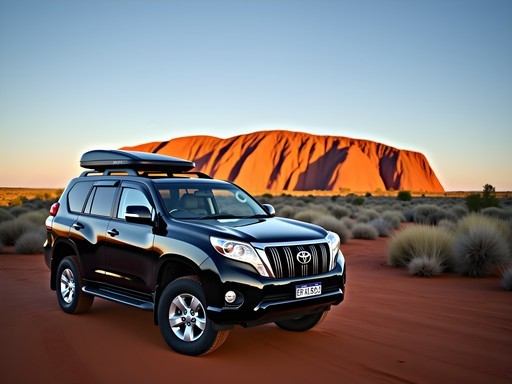
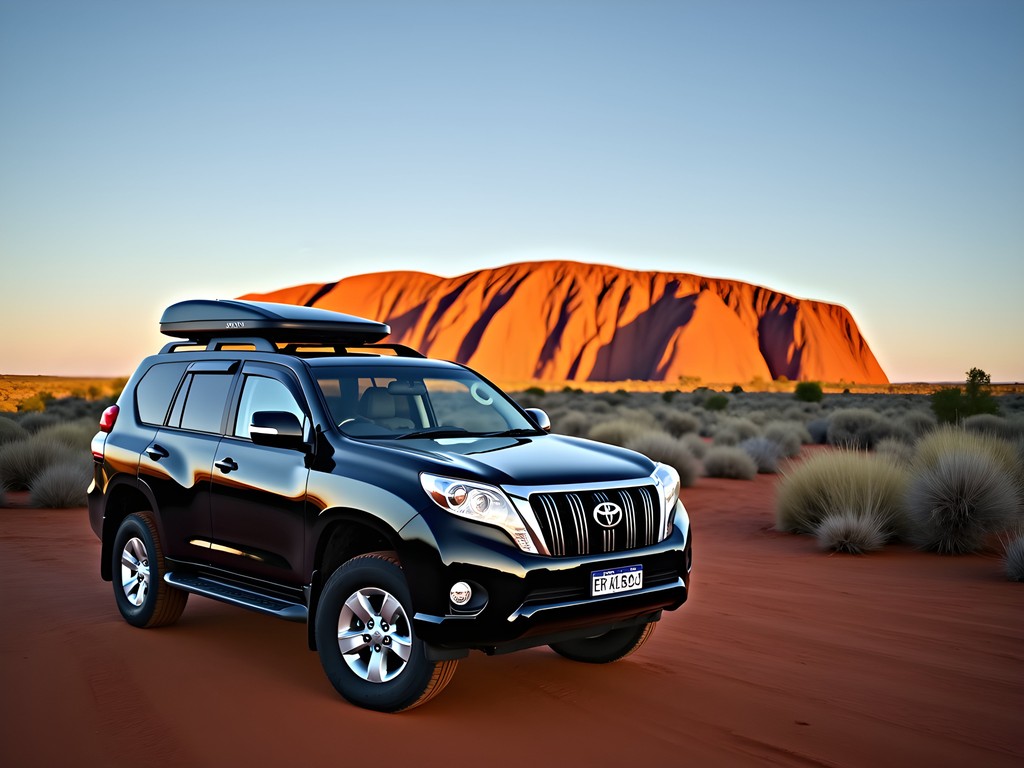
As for your chariot, this isn't a journey for that cute little European hatchback I've grown accustomed to in Hamburg. We opted for a 4WD SUV rental with high clearance, which proved invaluable when we decided to venture off the Stuart Highway onto some unsealed roads. The extra space also meant room for our camping gear, esky (that's a cooler for my non-Australian readers), and the surprising amount of souvenirs and local craft beers I accumulated along the way.
If you're planning to stick strictly to sealed roads, a standard sedan will suffice, but having the option to explore beyond the bitumen opened up some of the most memorable experiences of our trip. Most major rental companies have offices in both Yulara (near Uluru) and Adelaide, making one-way rentals straightforward, albeit with a typically hefty one-way fee.
💡 Pro Tips
- Book your vehicle at least 3 months in advance for winter travel as rental fleets are limited in the outback
- Consider the extra cost of a one-way rental fee (often $250-400 AUD) in your budget
- Check if your rental agreement allows travel on unsealed roads—many don't without specific permission
The Sacred to the Surreal: Uluru to Coober Pedy
Our journey began with three nights around Uluru-Kata Tjuta National Park—a non-negotiable minimum if you ask me. Having visited as a young backpacker decades ago, I was struck by how the experience has transformed. The cultural center now offers profound insights into Anangu culture that my history-loving heart deeply appreciated, while the Field of Light installation adds a contemporary artistic dimension that somehow complements rather than competes with the ancient landscape.
After watching Uluru perform its mesmerizing color-changing routine at both sunset and sunrise (the latter being worth the 5am wake-up call, I promise), we set our sights northward to Alice Springs. Rather than rushing, we took a detour to Kings Canyon for the spectacular rim walk—a 6km circuit that rewards your huffing and puffing with views that make your heart stop for entirely different reasons.
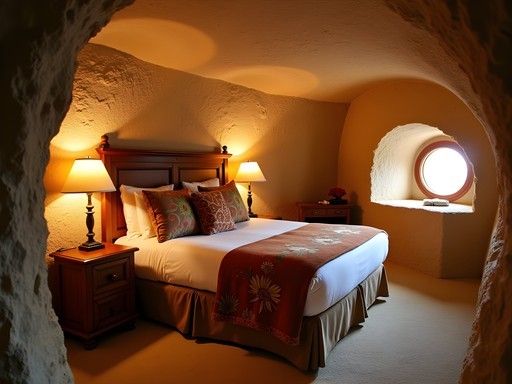
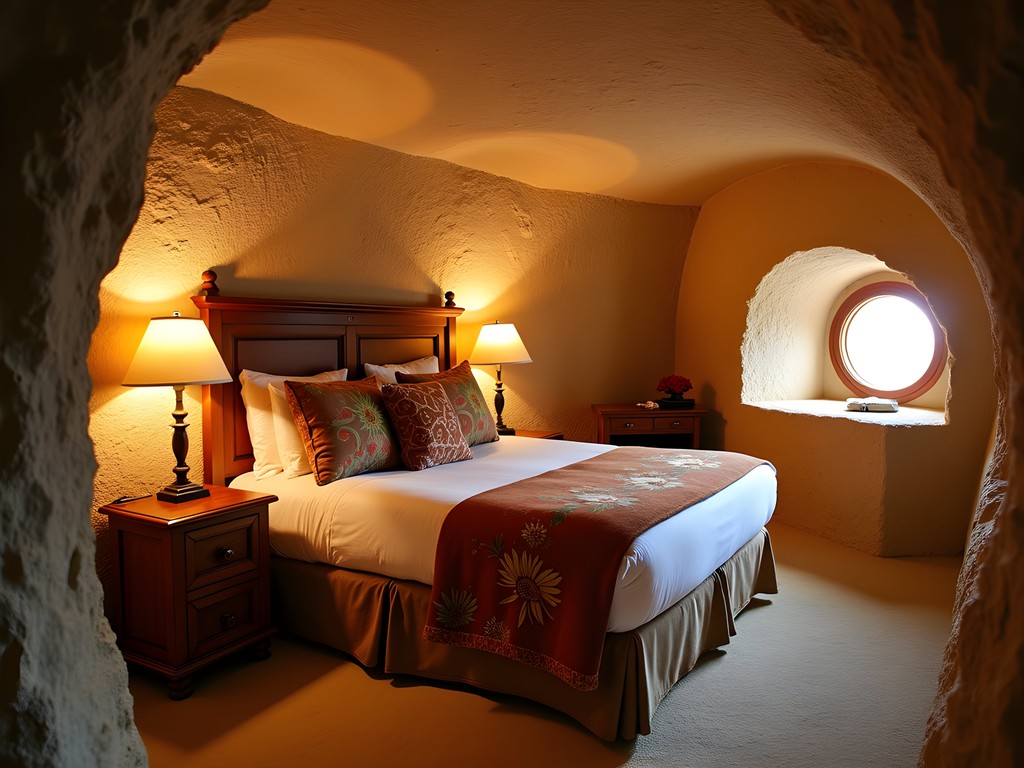
From Alice Springs, we pointed our dusty vehicle south toward one of Australia's most bizarre settlements: Coober Pedy. This opal mining town, where roughly half the population lives underground to escape the extreme temperatures, feels like something from a post-apocalyptic film set.
We booked into the Desert Cave Hotel for the quintessential experience of sleeping in a subterranean room. The complete absence of sound and light created the deepest sleep I've had since my university days. During our full day in town, we toured an opal mine, visited underground churches that would make my European cathedral-loving friends jealous (albeit for very different reasons), and enjoyed surprisingly good pizza at John's Pizza Bar while chatting with crusty locals who've been digging for their fortune for decades.
The otherworldly landscape surrounding Coober Pedy, used as a backdrop for numerous films including Mad Max Beyond Thunderdome, offers sunset viewing spots that rival Uluru—without the crowds or entry fees.
💡 Pro Tips
- Book underground accommodation well in advance as these unique rooms sell out quickly, even in winter
- Take the mail run tour from Coober Pedy to truly understand the isolation of outback stations
- Visit Josephine's Gallery in Coober Pedy for authentic Aboriginal art with proper provenance documentation
Opal Fields to Ocean Views: The Forgotten Towns of South Australia
The stretch between Coober Pedy and Port Augusta represents some of the most isolated driving in Australia, with settlements few and far between. While many travelers rush through this section, my historian's curiosity compelled us to explore some of the ghost towns and near-ghost towns along the way.
Glendambo (population: approximately 30 humans and 2 million flies, according to their famous sign) offered a classic outback roadhouse experience. The Spud's Roadhouse counter staff looked genuinely surprised to see tourists stopping for more than just fuel and a toilet break. Their homemade lamb pasties proved worth lingering for—comfort food that transported me straight back to my Gold Coast childhood.
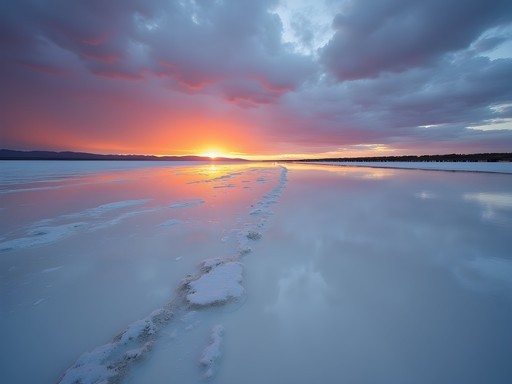
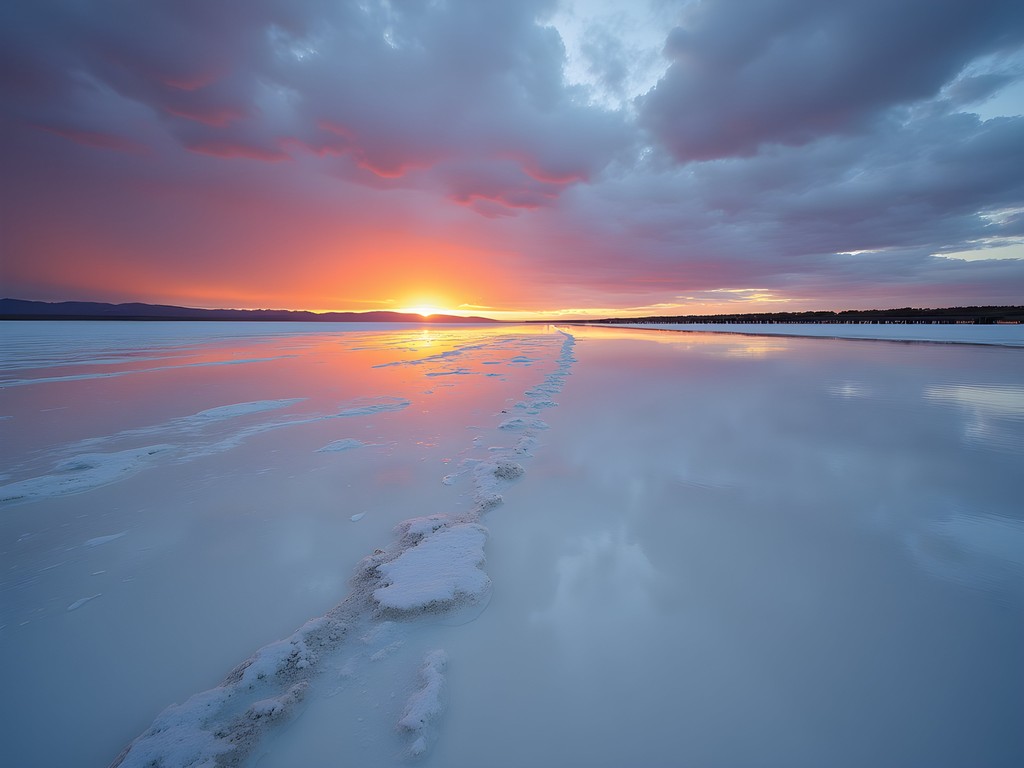
Further south, we detoured to the shores of Lake Hart, an enormous salt lake that stretches to the horizon like a snow-covered plain. The old Ghan railway platform stands as a silent reminder of the historic train route that once served as a lifeline to these remote communities.
Woomera, with its fascinating and somewhat controversial history as a rocket testing range, offers an unexpected museum experience. The Woomera Heritage Centre provides a glimpse into Australia's role in the space race and military testing programs that my history teacher self couldn't resist.
As the landscape gradually transformed from red earth to agricultural land, we reached Port Augusta—the crossroads of Australia where suddenly civilization feels restored. Here, the excellent Wadlata Outback Centre provides context to everything you've just experienced, while the Australian Arid Lands Botanic Garden showcases the remarkable plant adaptations to this harsh environment.
For accommodation, I recommend splurging on the Majestic Oasis Apartments overlooking the gulf—after days in the desert, the sight of water feels almost surreal, and their balconies offer the perfect spot for a sundowner with your travel companions.
💡 Pro Tips
- Download offline maps before departing Coober Pedy as mobile reception is virtually non-existent for hundreds of kilometers
- Carry extra water (at least 4-5 liters per person) even in winter, as breakdown assistance can take hours
- Time your drive to reach Lake Hart around sunset when the salt crystals create a magical sparkling effect

Wine Country Wonders: The Clare and Barossa Valleys
After days of ochre landscapes and frontier towns, the vineyards of Clare Valley appear like an emerald mirage. This lesser-known wine region (compared to its famous neighbor, the Barossa) offers intimate cellar door experiences where winemakers often pour your tasting themselves.
While I've developed an appreciation for German beer during my years in Hamburg, returning to Australian wine country feels like a homecoming for my palate. The Clare Valley's Rieslings can hold their own against any German counterpart—a claim I've defended vigorously in many Hamburg beer halls.
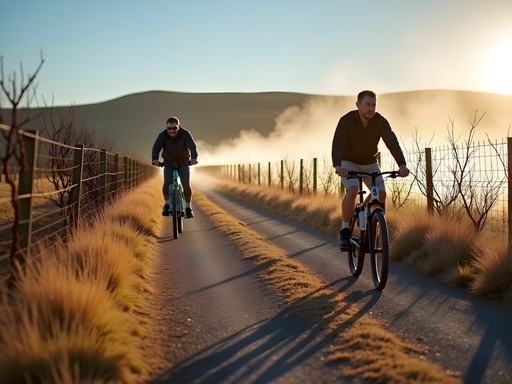
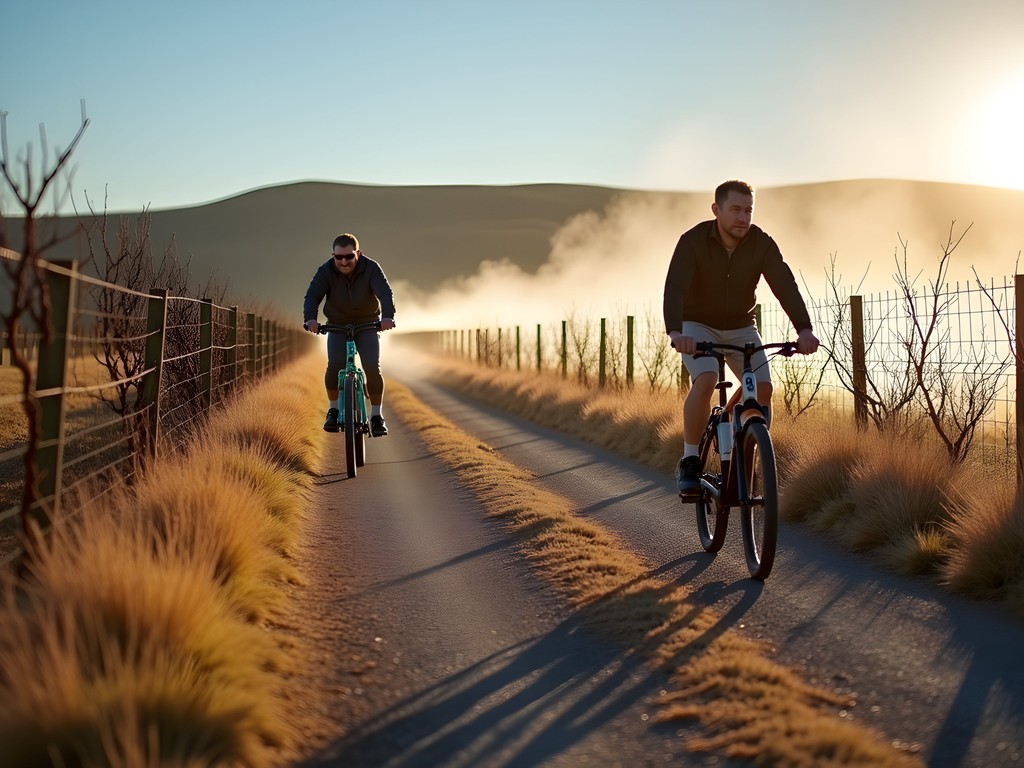
We based ourselves in Auburn at a charming heritage cottage rental and spent a day cycling the Riesling Trail—a 35km former railway line connecting the valley's cellar doors. For two blokes in their fifties, the electric bikes available for rent in Auburn proved a wise investment, especially after multiple wine tastings.
Knott's Crossing and Paulett Wines impressed with both their wines and stunning views, while Skillogalee combined exceptional Riesling with one of the best long lunches I've had anywhere in the world. Their regional platter featuring local cheeses, cured meats, and house-made preserves under ancient gum trees was the perfect antidote to roadhouse food.
Continuing south, the Barossa Valley offers a more established wine experience with historic stone buildings and multi-generational winemaking families. Rather than rushing through both valleys in one day (a common mistake), we dedicated a full day to each, staying overnight in Tanunda at the heart of the Barossa.
While the big names like Jacob's Creek and Penfolds attract crowds, I recommend seeking out smaller operations like Rockford Wines, where traditional basket pressing methods continue, or Turkey Flat, housed in one of the region's oldest butcher shops. The history teacher in me appreciates these connections to colonial heritage as much as the resulting Shiraz.
The Barossa Farmers Market (Saturday mornings only) in Angaston provided the perfect picnic supplies for a lunch among the vines—artisanal bread, local cheese, and smallgoods that showcase the region's German settler influence, something that particularly resonated with me after my years in Germany.
💡 Pro Tips
- Book cellar door tastings in advance during winter peak season, especially on weekends
- Consider hiring a local driver for the day rather than designating one—rates are reasonable and the knowledge they share enhances the experience
- Pack a collapsible cooler bag for wine purchases—temperature fluctuations in car trunks can damage good wines
Craft Beer Detour: The Adelaide Hills
While wine dominated our liquid intake through the Clare and Barossa, my European beer education demanded equal time for Australia's craft brewing scene. The Adelaide Hills, with their cooler climate and artisanal food culture, have become an unexpected hotbed of craft brewing excellence.
We dedicated our final full day to a meandering drive through the hills, starting with breakfast at the historic Hahndorf Inn. This German settlement established in 1839 felt strangely like coming home after my years in Germany. The traditional German breakfast platter with house-made sausages, eggs, and pretzels fueled us for a day of responsible beer sampling.
Prancing Pony Brewery in Totness became an immediate favorite—their shed-style taproom housing serious brewing equipment and offering tasting paddles that showcase everything from crisp lagers to complex barrel-aged stouts. Their 'India Red Ale' even won 'Best Beer in the World' at the International Beer Challenge in London a few years back—not bad for a brewery most Europeans have never heard of.
Lobethal Bierhaus offered another standout experience, with owner Alistair providing an impromptu brewery tour after learning about my German connection. His traditional German brewing methods combined with Australian ingredients create beers that bridge my two worlds perfectly.
For those traveling with non-beer enthusiasts, most Adelaide Hills breweries are conveniently located near excellent wineries, chocolate makers, and cheese producers. We particularly enjoyed the craft beer and cheese pairing at Mismatch Brewing, where local Woodside Cheese Wrights provided perfect companions to the brewery's diverse range.
As afternoon turned to evening, we wound our way down to Adelaide via the tourist villages of Stirling and Aldgate, arriving at our city accommodation with a boot full of bottled souvenirs and a deeper appreciation for the Australian craft scene that had evolved dramatically during my European sojourn.

💡 Pro Tips
- Most Adelaide Hills breweries are small operations—check opening hours as many only open Thursday through Sunday
- Book the Breweries and Bites Tour if you want to sample widely without driving concerns
- Many breweries offer 'take-away' growlers or cans—perfect for enjoying responsibly at your accommodation later
Final Thoughts
As I write this from my apartment back in Hamburg, sipping a South Australian Shiraz that somehow survived the journey home, I'm struck by how this 1,600km odyssey reconnected me with an Australia I'd almost forgotten. This wasn't just a road trip from Uluru to Adelaide—it was a journey through the geological, cultural, and gastronomic heart of a continent that continues to shape me despite the decades and distances.
For couples considering this adventure, the combination of vast landscapes and intimate experiences creates perfect conditions for meaningful connection—whether you're sharing silent awe at an Uluru sunrise or debating the merits of different wine regions over a long lunch. While certainly not a beginner's road trip, the rewards for experienced travelers are immeasurable. The red dirt may eventually wash from your shoes, but the memories of this ancient landscape will forever color your understanding of Australia. When will you answer the outback's call?
✨ Key Takeaways
- Winter (June-August) offers ideal driving conditions with comfortable days and uncrowded attractions
- Allow at least two weeks to appreciate the journey without constant rushing between destinations
- The contrast between outback isolation and wine region sophistication creates a perfectly balanced Australian experience
📋 Practical Information
Best Time to Visit
June through August (Australian winter)
Budget Estimate
$3,000-4,500 AUD per person for two weeks (excluding flights to Australia)
Recommended Duration
14-16 days minimum
Difficulty Level
Challenging





Comments
Taylor Moreau
Excellent write-up, Riley. I've done this journey twice for business trips between Adelaide conferences and Uluru corporate retreats. Your section on the Barossa Valley brought back wonderful memories. One tip I'd add for readers: the drive between Port Augusta and Coober Pedy is one of the most isolated stretches - ensure your vehicle is serviced before departing, carry extra water, and inform someone of your travel plans. Mobile coverage is spotty at best. The roadhouses along Stuart Highway are spaced about 200km apart, so plan fuel stops accordingly. The Prairie Hotel at Parachilna is worth a detour for their famous 'feral mixed grill' if you're taking the western route.
mountainguy
Great post! Thinking about doing this trip in a few months. What kind of vehicle would you recommend for this route? And is there any part of the year to avoid?
Riley Hunt
Thanks for reading! I'd definitely recommend a 4WD with good clearance if you plan to explore any side tracks. We used a rental SUV which was perfect. Avoid December-February if possible - temperatures regularly hit 40°C+ in the outback. April-May or September-October are ideal!
mountainguy
Thanks Riley! Will aim for October then. Appreciate the advice!
summerace3117
This brings back memories! Did the Uluru to Adelaide drive last year and the stars at night in Coober Pedy were absolutely insane!
Taylor Moreau
Coober Pedy's underground accommodations were quite the experience as well. Did you stay in one of the dugout hotels?
summerace3117
Yes! Stayed at the Desert Cave Hotel. Weird but cool sleeping underground - and a lifesaver in that heat!
stardiver
Done this drive three times now and it never gets old. My advice is don't rush it - so many people try to do it in 3-4 days and miss half the good stuff. Take a week minimum. The salt lakes around the Flinders are amazing if you time it right. Also stop at Pimba for the best roadhouse pies you'll ever have, trust me on this one!
Timothy Jenkins
Excellent write-up, Riley. For anyone considering this journey, I'd strongly recommend taking the detour through the Flinders Ranges as mentioned. Wilpena Pound is absolutely spectacular and adds a wonderful dimension to the trip. The cultural significance of the region is profound as well - take time to learn about the Adnyamathanha people's connection to the land. Also, the road atlas was invaluable for finding some of the lesser-known viewpoints.
winterqueen7406
We're planning this exact trip for our honeymoon in September! Question about accommodation - did you book everything in advance or just wing it? I'm a bit nervous about not finding places to stay in the smaller towns. Also wondering if 10 days is enough or should we allow more time?
greenseeker
Book Coober Pedy in advance for sure, the underground hotels fill up. Rest of it should be fine though.
escapelegend
Is the road sealed the whole way or are there rough sections? Don't want to hire the wrong type of vehicle.
Timothy Jenkins
Most of the main route is sealed but if you want to explore some of the side attractions you'll want something with decent clearance. A regular sedan will do the main highway though.
moonbuddy
Those sunset photos from Uluru are stunning!
dreamguy
This is going straight on my bucket list!!
journeyseeker
Is this doable in a regular car or do you need a 4WD?
journeyseeker
Thanks! That's really helpful
oceanlegend
Regular car is fine if you stick to the Stuart Highway. Just make sure it's reliable and has good AC! Summer temps out there are brutal. I used my road trip cooler to keep water cold and it was a lifesaver. Also grab a physical map as backup - phone signal drops out for long stretches.
Venture X
Premium card with 2X miles, $300 travel credit, Priority Pass