


Disclosure: This article contains affiliate links. We may earn a commission from purchases at no extra cost to you, which helps our travel content.
The first time I descended into a cenote, I felt like I'd stumbled into nature's own underground club—the kind where the DJ booth is replaced by stalactites and the dance floor is crystal-clear turquoise water. After three trips to the Yucatan Peninsula, I've learned that getting between these magical sinkholes requires some planning, but the journey is absolutely worth it. Whether you're road-tripping with your partner or navigating solo, here's everything you need to know about cenote hopping transportation in one of Mexico's most enchanting regions.

Renting a Car: Your Best Bet for Cenote Freedom
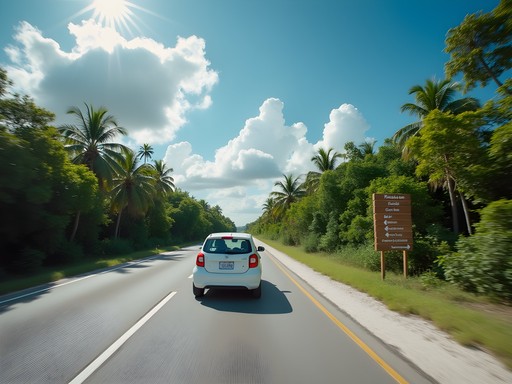
Let me be real with you: renting a car is hands-down the best way to explore cenotes at your own pace. After driving rideshare for years, I appreciate the freedom of having your own wheels, and in the Yucatan, it's practically essential. Most cenotes are scattered along rural highways and jungle roads between Tulum, Playa del Carmen, and Valladolid.
Book your rental through a reputable company like America Car Rental or Easyway—avoid the cheapest options at the airport, as they often come with hidden insurance fees that'll double your cost. Expect to pay $30-50 USD per day for a compact car during winter months. Make sure your rental includes full coverage insurance; those narrow jungle roads can be tricky, especially when you're distracted by the stunning scenery.
GPS is crucial, but don't rely solely on it. I learned this the hard way when my phone died halfway to Cenote Suytun. Now I always travel with a car phone mount and a dual USB car charger to keep both my phone and my partner's devices powered up for navigation and those inevitable photo stops.
💡 Pro Tips
- Fill up on gas in major towns—stations are sparse between cenotes
- Download offline maps for the entire Yucatan Peninsula before you leave WiFi
- Keep small bills (20-50 peso notes) for cenote entrance fees and parking
- Start early to beat tour groups and enjoy cenotes in peaceful morning light
Colectivos and Public Transportation: The Budget-Friendly Route
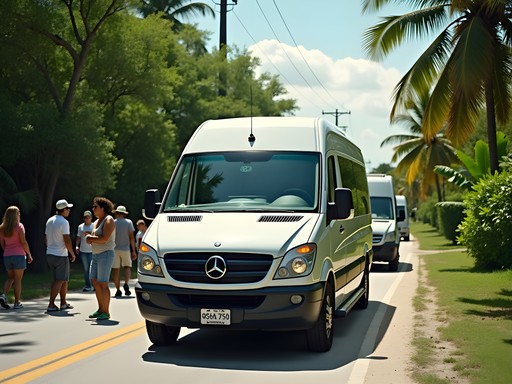
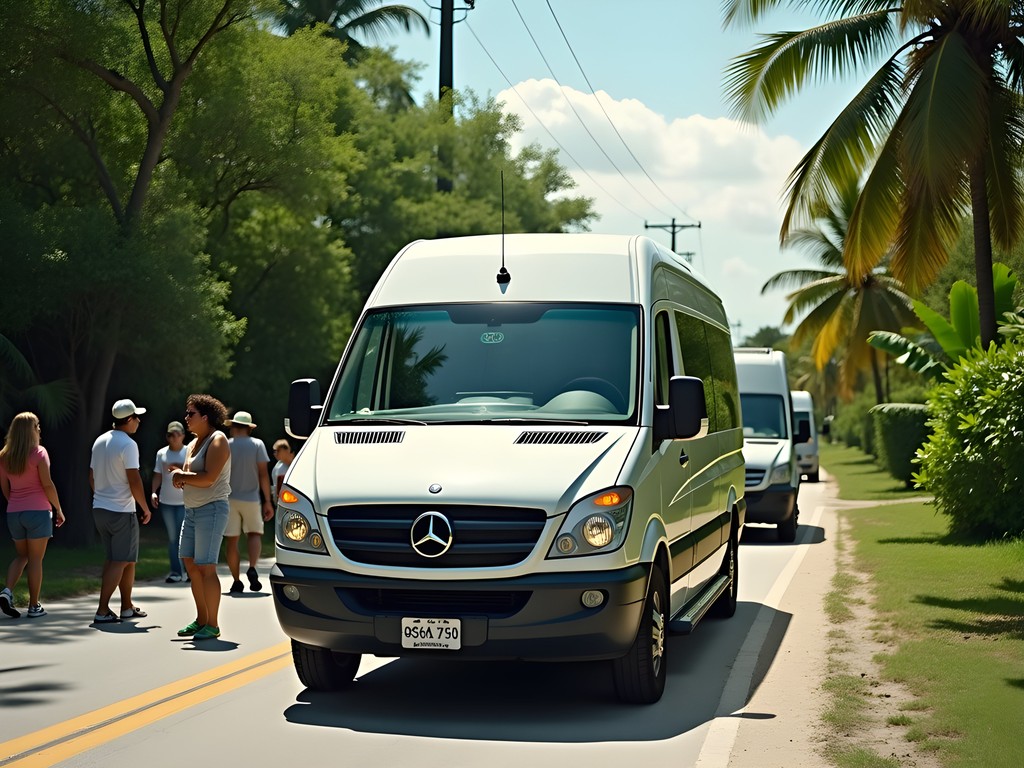
If renting a car isn't in your budget or you prefer not to drive, colectivos (shared vans) are your next best option. These white vans run frequently along Highway 307 and cost just 30-50 pesos per person. You can catch them from Playa del Carmen or Tulum to get close to many popular cenotes, though you'll still need to arrange additional transport for the final leg.
Here's the thing about colectivos: they're authentic, affordable, and sometimes wonderfully chaotic. I once shared a ride with a family hauling fresh coconuts, a guitarist heading to a gig in Tulum, and two backpackers from Germany. The driver knew every cenote entrance and dropped people off with the casual expertise of someone who's driven this route a thousand times.
For cenotes near Tulum like Gran Cenote or Dos Ojos, you can take a colectivo toward Coba and ask the driver to drop you at the entrance. From Playa del Carmen, colectivos head toward Puerto Aventuras and can get you close to Cenote Azul or Cenote Cristalino. The challenge is getting back—cenotes don't always have reliable taxi service, so plan your timing carefully or be prepared to wait.
💡 Pro Tips
- Wave down colectivos from the roadside—they stop anywhere along their route
- Tell the driver your destination when you board; they'll let you know where to get off
- Keep exact change ready; drivers rarely have change for large bills
- Colectivos run most frequently between 7am-6pm; service thins out after dark
Organized Tours vs. DIY: What Works for Couples
I'll admit, as someone who values independence, I initially resisted organized tours. But after watching my friends struggle with logistics on their first Yucatan trip, I see the appeal—especially for couples who want romance without the stress of navigation.
Tours typically cost $60-120 USD per person and include transportation, entrance fees, lunch, and visits to 2-3 cenotes. Companies like Alltournative and Cancun Adventure Tours offer small-group experiences that hit the highlights: Cenote Ik Kil, Cenote Suytun, and sometimes a stop in Valladolid. The upside? Zero planning required. The downside? You're on someone else's schedule, and those magical quiet moments at sunrise are replaced with busloads of tourists.
For couples, I recommend a hybrid approach: book a tour for your first day to get oriented and learn about cenote etiquette, then rent a car for the rest of your trip to explore lesser-known spots like Cenote Xcanche or Cenote Palomitas. This gives you the best of both worlds—expert guidance when you need it and freedom when you want it.
One thing I always pack for cenote days is a dry bag. Trust me, you don't want your phone, wallet, or that cute sundress getting soaked while you're swimming in these underground wonders.

💡 Pro Tips
- Book tours directly through company websites for better rates than hotel concierges offer
- Ask about group size before booking—smaller groups mean better experiences
- Morning tours beat afternoon heat and crowds at popular cenotes
- Private tours cost more but offer flexibility for couples wanting romantic moments

Bikes and Taxis: Alternative Options for Short Distances
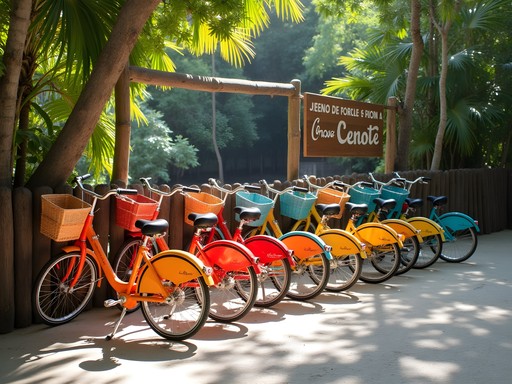
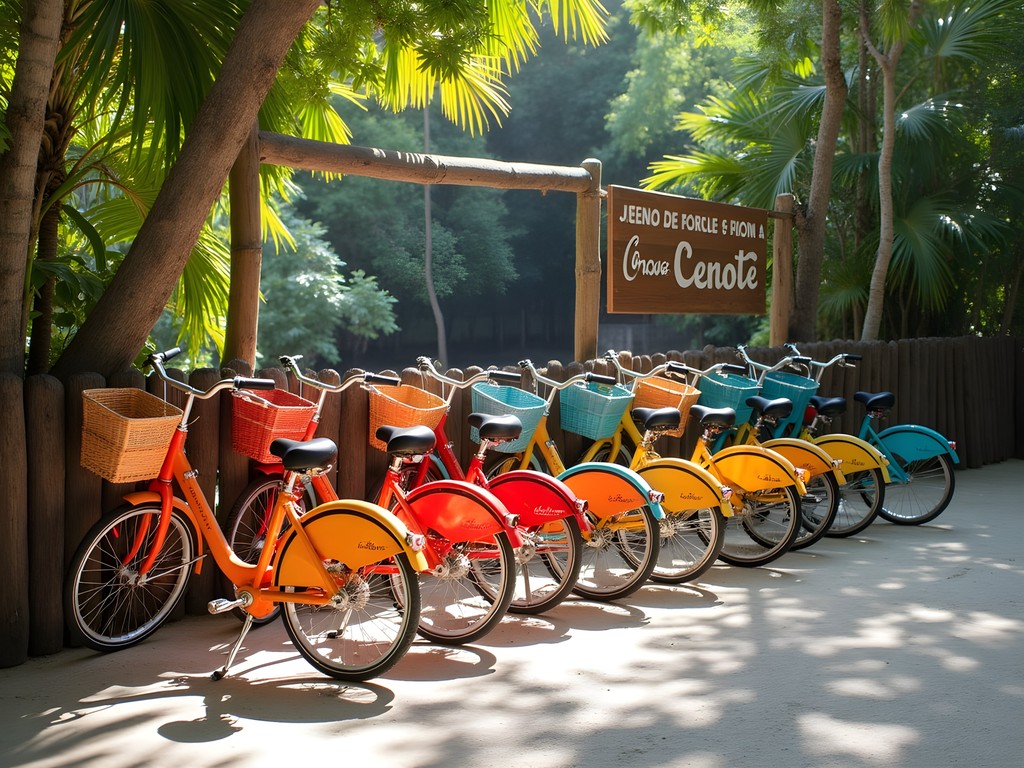
In towns like Tulum and Valladolid, renting a bicycle opens up nearby cenotes without the commitment of a car rental. Several cenotes around Tulum—including Gran Cenote (2.5 miles from town) and Carwash Cenote (3 miles)—are totally bikeable on relatively flat roads. Bike rentals run about 150-250 pesos per day, and most shops provide locks and basic repair kits.
I tried the bike route once during my last trip, and while the ride itself was gorgeous—wind in my hair, jungle sounds all around—the return trip in midday heat was brutal. My advice? Bike out early morning, swim, then splurge on a taxi back (about 100-150 pesos). Your legs will thank you.
Taxis are also viable for cenote hopping if you're staying in one area. In Valladolid, taxis to Cenote Zaci cost maybe 50 pesos, while a trip to Cenote Suytun (about 5 miles out) runs 150-200 pesos each way. The catch is arranging return transport. Most taxi drivers will give you their WhatsApp number and pick you up at an agreed time—just make sure your phone has service. I keep a portable WiFi hotspot for situations like this; it's saved me more than once when local SIM cards have failed.
💡 Pro Tips
- Rent bikes with comfortable seats—those bumpy roads are no joke
- Bring a small bike lock even if the cenote has attended parking
- Negotiate taxi rates before getting in; agree on round-trip pricing for better deals
- Save taxi drivers' contact info in your phone for reliable return trips
Navigation Tips and Road Conditions
Let's talk about what driving in the Yucatan actually feels like. The main highways—307 and 180—are well-maintained toll roads with clear signage. But once you turn off toward cenotes, you're often on single-lane roads that range from decent pavement to potholes that could swallow a small car.
Speed bumps (topes) are everywhere and often unmarked. I learned to watch for them after nearly launching my rental car into orbit outside Coba. Local drivers slow to a crawl before every village entrance, and you should too. These aren't gentle bumps—they're car-destroying concrete ridges designed to force compliance.
Many cenotes are marked only with small wooden signs, sometimes just hand-painted boards nailed to trees. Google Maps works surprisingly well, but I also recommend downloading the Maps.me app, which uses OpenStreetMap data and works completely offline. It's been more accurate than Google for finding hidden cenotes.
A phone mount is essential for safe navigation—holding your phone while dodging potholes and speed bumps is asking for trouble. Also, bring a flashlight for exploring darker cenotes and checking your car at night; parking areas aren't always well-lit.

💡 Pro Tips
- Drive during daylight hours—rural roads lack lighting and wildlife crosses frequently at night
- Take photos of your rental car from all angles before leaving the lot to document existing damage
- Learn basic Spanish phrases for asking directions; locals are incredibly helpful
- Allow extra travel time—distances are short but speed bumps and road conditions slow you down
Final Thoughts
Cenote hopping in the Yucatan is one of those travel experiences that stays with you—the shock of cold water on hot skin, the cathedral-like acoustics of underground chambers, the way light filters through openings in the earth like nature's own spotlight. Getting between these magical places requires some planning, but that's part of the adventure.
Whether you choose the freedom of a rental car, the affordability of colectivos, or the ease of organized tours, the key is matching your transportation to your travel style. For couples wanting flexibility and romance, I can't recommend a rental car enough. For solo travelers on a budget, colectivos offer authentic local experiences. And for those who prefer guided experiences, tours eliminate stress while delivering cenote highlights.
The Yucatan rewards the curious and the prepared. Bring your sense of adventure, respect the sacred nature of these places, and don't be afraid to get a little lost on those jungle backroads. Some of my best cenote discoveries happened when I missed a turn and decided to see where the road led. That's the beauty of having your own transportation—every wrong turn is just another opportunity for magic.
✨ Key Takeaways
- Rental cars offer maximum flexibility for cenote hopping; budget $30-50 daily plus gas and tolls
- Colectivos are affordable ($1-2 USD) but require flexibility with timing and may need supplemental taxis
- Start cenote visits early morning (7-9am) to avoid crowds and afternoon heat regardless of transportation method
- Download offline maps, keep devices charged, and always have small bills for entrance fees and tips
📋 Practical Information
Best Time to Visit
December through March for optimal weather; avoid rainy season (June-October) for safer road conditions
Budget Estimate
$800-1500 USD per person for 2 weeks including mid-range accommodation, rental car, cenote fees, and meals
Recommended Duration
2 weeks allows thorough exploration of cenotes around Tulum, Playa del Carmen, Valladolid, and Merida without rushing
Difficulty Level
Moderate







Comments
Casey Andersson
Christina, this brought back so many memories! We rented a car for our cenote adventure last year and I'm so glad we did. The freedom to leave early morning (before the tour buses arrive) made all the difference. We'd hit 2-3 cenotes before noon, then retreat to our villa during the heat. One thing I'd add - make sure your rental has good insurance coverage. Those jungle roads can be rough and we got a flat tire on the way to Cenote Azul. The rental company was brilliant about it though. Also, having a cooler in the car for snacks and cold drinks between cenotes was absolutely clutch.
exploreking
good call on the insurance! didn't even think about that
exploreking
YES! The colectivos are honestly the way to go if you're on a budget. We did like 5 cenotes in 3 days just hopping on and off along the highway. Pro tip - get off at the turnoffs and walk or catch a moto-taxi for the last bit. Way cheaper than tours and you meet locals. Only sketchy part was flagging them down at first lol but once you get the hang of it it's easy
Casey Andersson
Love this! The moto-taxi tip is gold. Did you find the drivers knew which cenotes were less crowded?
exploreking
yeah actually! one driver took us to this super local spot that wasn't even on google maps. best swim of the whole trip
Frank Garcia
Solid guide. One thing I'd add is about insurance - definitely get full coverage when renting. The roads around cenotes can be rough and rental companies are notorious for charging for minor scratches. Also bring a dry bag for your valuables - learned that the hard way when my phone nearly took a swim at Cenote Azul. The changing facilities are pretty basic at most spots.
wanderlover
Love the photos! The water looks unreal
hikingadventurer3703
Going in March with my girlfriend. Think we should do a tour or rent a car? We're only there for 4 days and want to see ruins too.
Frank Garcia
For 4 days I'd say rent a car. Tours are convenient but you're on their schedule. With a car you can combine cenotes and ruins in the same day - like hit Chichen Itza in the morning then cool off at Ik Kil cenote right after. Much more efficient use of limited time.
wanderlustking9658
I actually did the colectivo route and it worked pretty well for me. Sure, you can't hit as many cenotes but if you're on a budget it's totally doable. I stayed in Tulum and took colectivos to Gran Cenote and Cenote Calavera - both were easy to reach. The trick is to go to cenotes along the main highways. The remote ones are harder without a car but honestly the popular ones are popular for a reason. Just be prepared to wait around a bit for rides back.
Kimberly Murphy
Absolutely brilliant post Christina! I did the cenote route last summer and honestly renting a car was the best decision. We hit 8 cenotes in 3 days which would've been impossible on colectivos. Pro tip: start early (like 8am) to beat the tour groups. Cenote Suytun and Dos Ojos were my favourites - Suytun has that iconic light beam photo op and Dos Ojos is perfect for snorkeling. The freedom of having your own wheels meant we could stay as long as we wanted and skip the crowded ones. Worth every peso!
wanderlover
8 cenotes in 3 days?? That's goals! Did you feel rushed at all?
Kimberly Murphy
Not at all! We spent 1-2 hours at each. Some are quite small so you don't need ages.
photolife
Quick question - how much did car rental run you per day? And is it easy to find parking at the cenotes?
Christina Bailey
Hey! I paid around $35-40/day for a basic car. Parking was super easy at most cenotes - they all have dedicated lots, usually free or like 50 pesos max.
photolife
Perfect, thanks!
escapeseeker5110
This looks amazing!! Adding to my bucket list
Venture X
Premium card with 2X miles, $300 travel credit, Priority Pass