
Disclosure: This article contains affiliate links. We may earn a commission from purchases at no extra cost to you, which helps our travel content.
Most people speed past Brockton on their way to Cape Cod, but they're missing one of Massachusetts' most authentic urban stories. As someone who's spent years studying how built environments shape communities, I've found that the most compelling cities are often the overlooked ones. Brockton—the City of Champions—is exactly that kind of place. With its rich boxing heritage, surprising architectural gems, and genuine working-class character, this former shoe manufacturing hub offers urban explorers a weekend of discovery that feels refreshingly real.

Walking Through Boxing History: The Champion's Trail
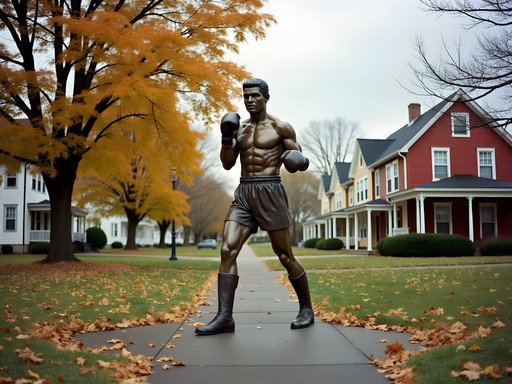
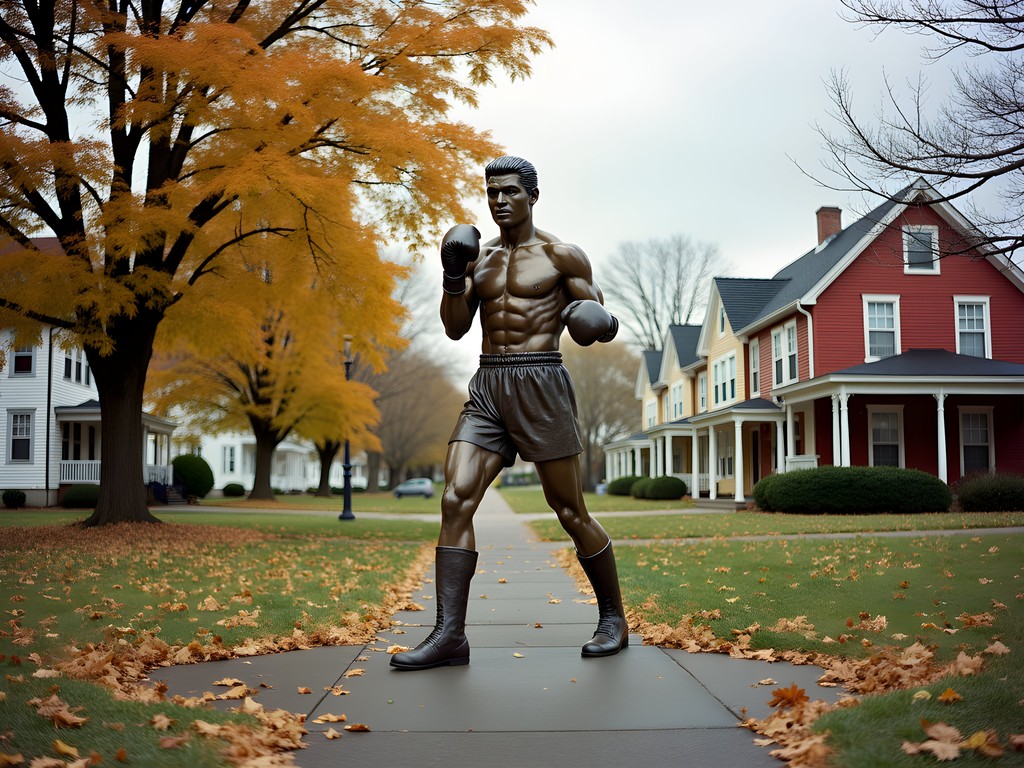
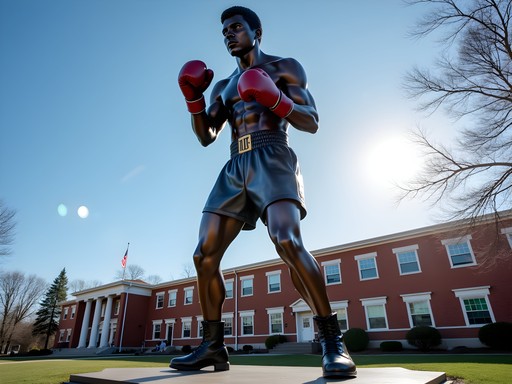
Brockton's identity is inseparable from boxing, and nowhere is this more evident than walking the neighborhoods that produced champions like Rocky Marciano and Marvin Hagler. Start at the Rocky Marciano Stadium on Edgar Playground, where a bronze statue commemorates the only undefeated heavyweight champion. From a healthcare perspective, I'm always fascinated by how sports legacy shapes community identity and youth aspirations.
The real treasure is the self-guided walking tour through Ward Two, Rocky's old neighborhood. The modest triple-deckers and corner stores look much as they did in the 1940s. I recommend downloading offline maps on your smartphone since cell service can be spotty in some residential areas. Stop by the Brockton Historical Society to see original fight footage and memorabilia—their collection rivals anything you'll find in bigger boxing museums, and the volunteer docents often have personal connections to the fighters.
💡 Pro Tips
- Visit the historical society on Saturday mornings when longtime residents volunteer and share firsthand stories
- Wear comfortable walking shoes—the Champion's Trail covers about 3 miles through residential neighborhoods
- Bring cash for the historical society donation box; they're entirely volunteer-run
Architectural Surprises: Downtown's Hidden Gems
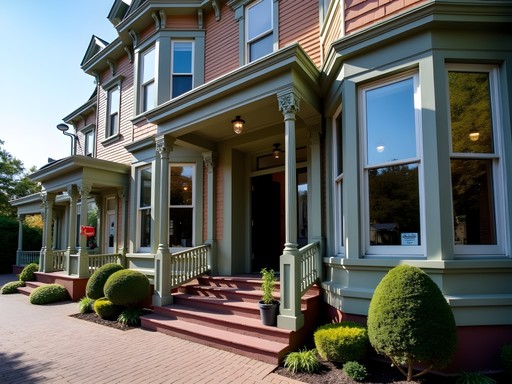
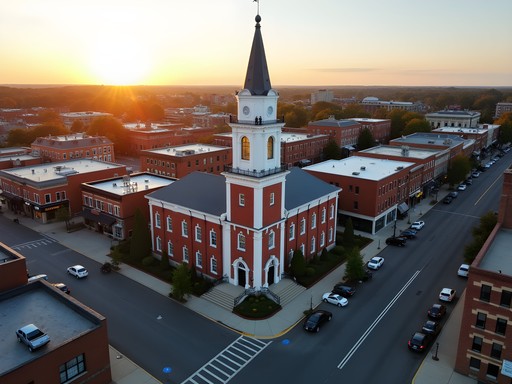
Brockton's downtown reveals layers of industrial prosperity that most New England cities have lost to redevelopment. The Edison Electric Illuminating Company building on Main Street is a stunning example of early 20th-century industrial architecture—Brockton was one of the first cities in America to have electric streetlights, and this building tells that story.
What strikes me most is the concentration of intact Art Deco and Beaux-Arts buildings along Main Street. The former Brockton Public Library (now city offices) features incredible terracotta details that rival anything in Boston. I spent an hour photographing the geometric patterns and lion heads—bring a telephoto lens if you're into architectural photography, as many details are high up on facades.
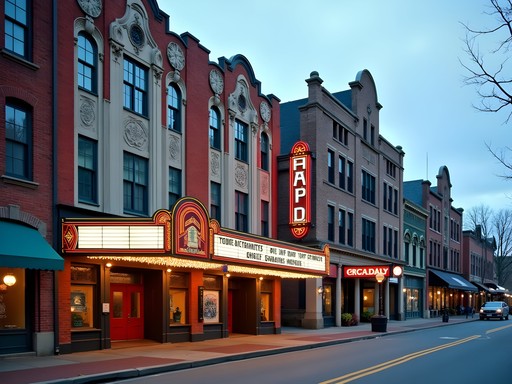
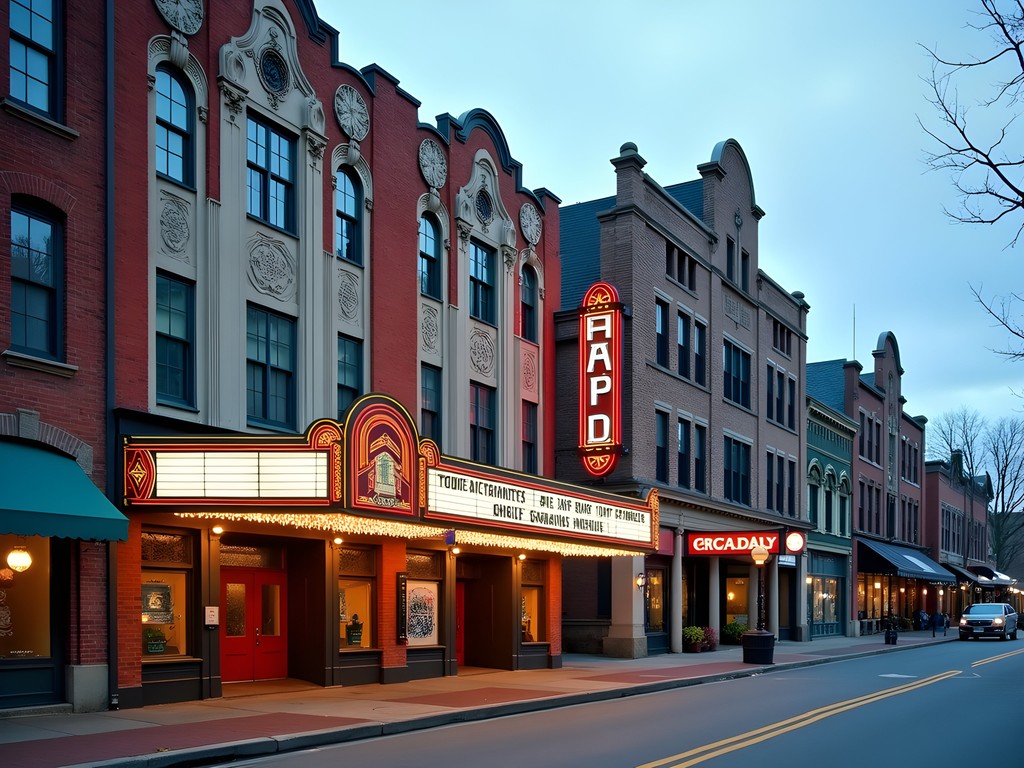
The Strand Theatre, recently restored, is an absolute gem. Even if you can't catch a show, the exterior alone is worth the trip. The marquee lights up at dusk, transforming the entire block into something from a different era. This is the kind of authentic urban fabric that larger cities have demolished—Brockton's economic struggles ironically preserved its architectural heritage.
💡 Pro Tips
- Visit during golden hour for the best architectural photography lighting
- Check the Strand Theatre's schedule—ticket prices are incredibly reasonable compared to Boston venues
- Download a PDF of the city's historic building inventory from the planning department website before your visit
The Immigrant Story: Cultural Corridors Worth Exploring
Brockton's demographic shifts tell a compelling American story. The city has significant Cape Verdean, Haitian, and Brazilian communities, and exploring these cultural corridors offers some of the weekend's best experiences. Main Street between the downtown and Campello neighborhoods transforms into a vibrant mix of Cape Verdean restaurants, Brazilian bakeries, and Haitian markets.
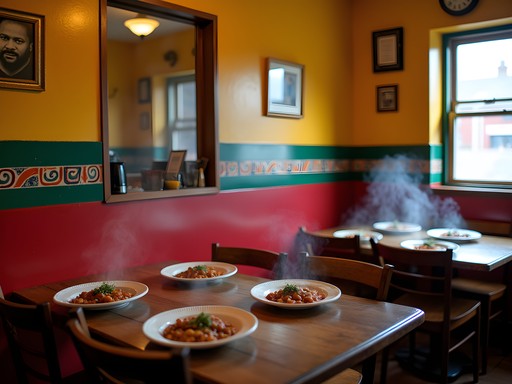
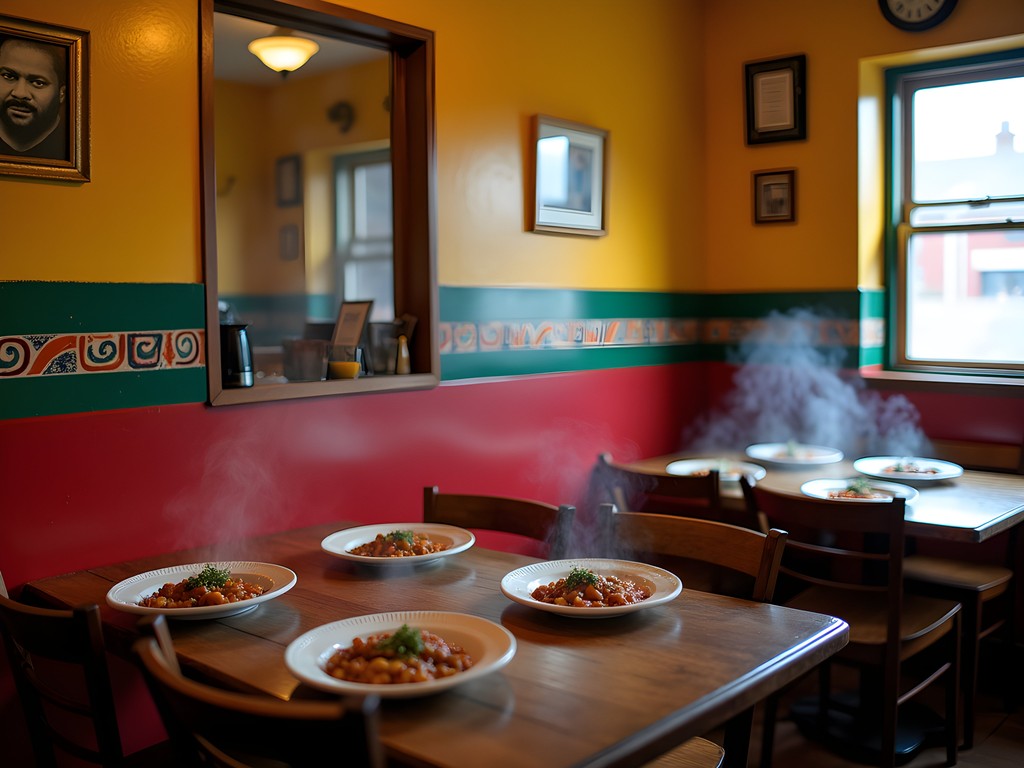
I'm always drawn to how food reveals community health and cultural resilience. Stop at Restaurante Cesaria for authentic Cape Verdean cachupa—a hearty stew that reflects the archipelago's Portuguese and West African influences. The portions are generous, prices are reasonable (expect $12-15 for entrees), and you'll likely be the only tourist there. Bring a Portuguese phrasebook or translation app; many older residents prefer Portuguese or Kriolu.
The Brazilian presence is equally strong. Tudo Na Brasa serves incredible rodizio-style grilled meats, while Cafe Arpejo offers the best pão de queijo (cheese bread) I've had outside São Paulo. These aren't tourist-oriented establishments—they're genuine community gathering places where you'll experience the city's real character.
💡 Pro Tips
- Visit restaurants during lunch for the same quality at lower prices
- Learn a few basic Portuguese or Haitian Creole phrases—locals genuinely appreciate the effort
- Saturday mornings at the Cape Verdean community center often feature cultural events open to visitors

D.W. Field Park: Urban Nature and Unexpected Tranquility
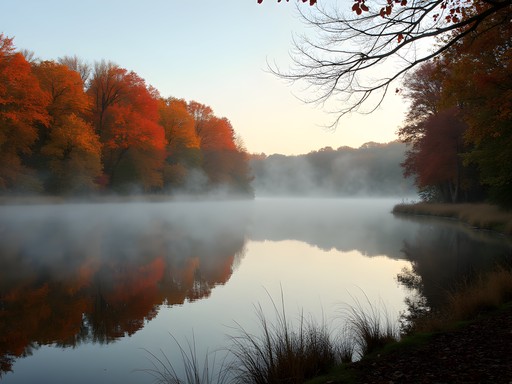
After immersing yourself in Brockton's urban core, D.W. Field Park offers 650 acres of surprising natural beauty. The park's winding paths around Upper and Lower Porter Ponds provide excellent walking and jogging routes—I logged about 5 miles here and barely saw another person on a Saturday morning.
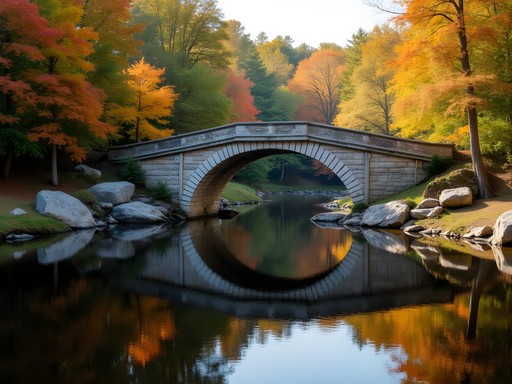
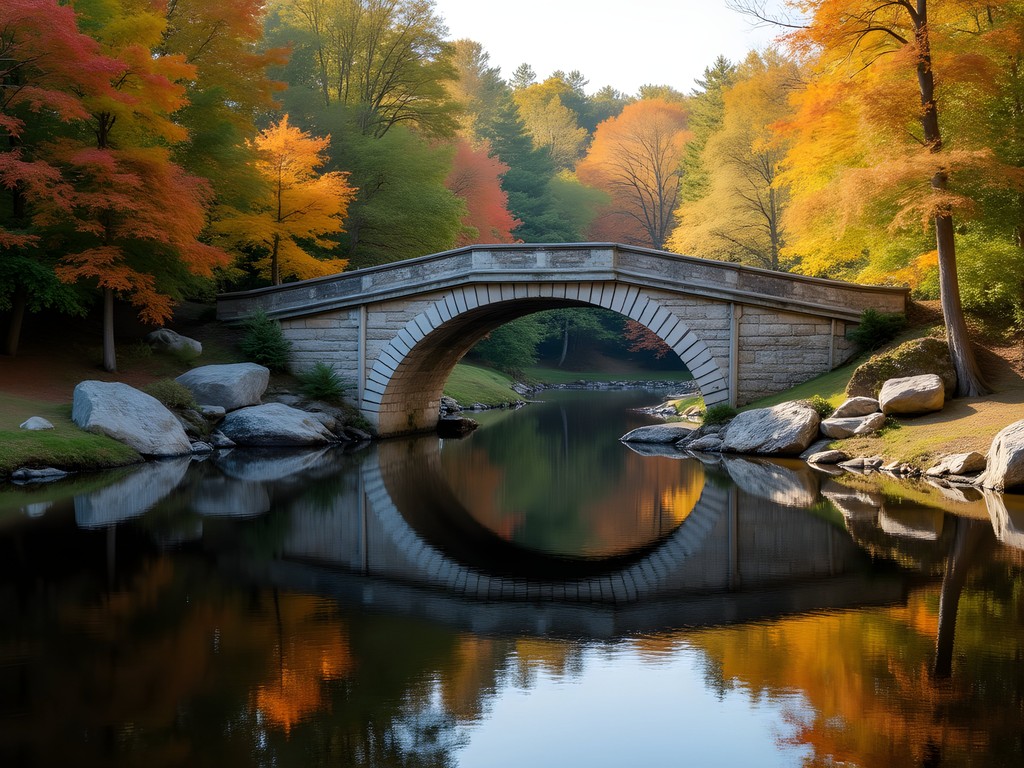
What makes this park special is how it reveals the New England landscape that existed before industrialization. The mixed hardwood forests, wetlands, and granite outcroppings feel worlds away from the city streets just minutes away. The park's design dates to the 1920s, with stone bridges and careful landscaping that reflect the era's park-building philosophy.
Bring a field guide if you're into birding—I spotted several species I don't typically see in Memphis, including wood ducks and great blue herons. The park also has a surprisingly good disc golf course that winds through the woods. Pack a picnic lunch from one of the Brazilian bakeries and enjoy it at one of the stone pavilions overlooking the water.
💡 Pro Tips
- The park can feel isolated—visit during daylight hours and let someone know your plans
- Trails can be muddy in spring and after rain; waterproof hiking boots are essential
- The park entrance on Oak Street has the best parking and clearest trail access
Practical Considerations: Navigating Brockton Safely
Let me be direct: Brockton has struggled with crime and economic challenges, and pretending otherwise would be irresponsible. As a healthcare professional who's worked in urban clinics, I've learned that understanding a city's challenges doesn't mean avoiding it—it means traveling thoughtfully.
Stick to the areas I've outlined during daylight hours. Downtown, the Champion's Trail, and the Main Street cultural corridor are generally safe during the day, especially on weekends when businesses are open. D.W. Field Park is well-maintained and regularly patrolled. Avoid wandering into residential areas you haven't researched, particularly after dark.
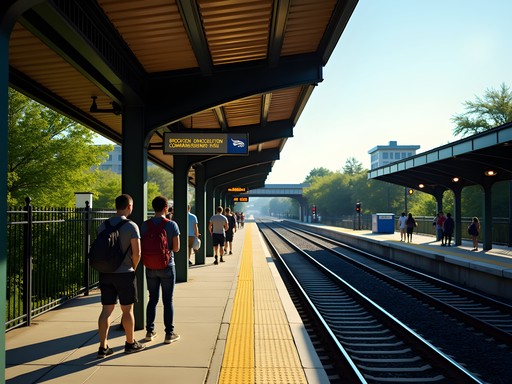
For accommodations, I recommend staying in nearby Easton or Stoughton and driving into Brockton—you'll find better options and easier access to restaurants. A car phone mount is essential for navigation since you'll be driving between sites. The MBTA commuter rail connects Brockton to Boston, but the station area isn't particularly walkable to the sites I've mentioned.
Most importantly, approach Brockton with respect and curiosity rather than fear. The people I met were universally friendly and proud of their city. This isn't a place that caters to tourists, which is exactly what makes it authentic.
💡 Pro Tips
- Keep valuables out of sight in your car—parking lot break-ins do occur
- Engage with locals respectfully; most are happy to share recommendations
- Bring cash—many of the best restaurants and small businesses don't accept cards
Final Thoughts
Brockton won't appear on any 'Top 10 Massachusetts Destinations' lists, and that's precisely its appeal. This is urban exploration in its truest form—discovering the layers of history, culture, and community that exist in places most people overlook. The boxing heritage, architectural treasures, and vibrant immigrant communities create a weekend experience that feels genuinely earned rather than packaged for tourists.
As someone who studies how environments shape health and community outcomes, I find cities like Brockton endlessly fascinating. They're still writing their stories, still figuring out their futures, and that dynamic quality makes them more interesting than perfectly preserved tourist towns. You'll leave with a deeper understanding of working-class New England, some excellent food experiences, and probably some of your best urban photography. Just remember: approach with respect, stay aware of your surroundings, and embrace the authenticity that makes Brockton special. This is the kind of travel that reminds you why you started exploring cities in the first place.
✨ Key Takeaways
- Brockton offers authentic urban exploration without tourist crowds or inflated prices
- The city's boxing heritage, architecture, and immigrant communities create a unique cultural experience
- Visit during daylight hours, focus on recommended areas, and approach with respectful curiosity
📋 Practical Information
Best Time to Visit
September-October for comfortable weather and beautiful fall foliage, or May-June for spring blooms
Budget Estimate
$150-250 for a weekend including accommodation nearby, meals, and gas
Recommended Duration
2 days / 1 night
Difficulty Level
Moderate


Comments
coolwanderer
how much time would you need for the walking tour you mentioned? trying to figure out logistics
beachace
also wondering this!
backpackblogger
YES!! More content like this please!! So tired of seeing the same tourist trap destinations over and over
Frank Garcia
This resonates with my approach to urban exploration. I've noticed American cities with working-class histories often get dismissed by travel media, but they offer authentic cultural experiences you won't find in sanitized tourist districts. The architectural layering James describes—Victorian commercial buildings alongside mid-century infrastructure—tells a more honest story about American urban development than Boston's carefully preserved historic districts. The immigrant corridors particularly interest me. These transitional neighborhoods are where you actually see how communities evolve. Planning to route through Massachusetts next year and will definitely add Brockton to the itinerary.
luckypro
grew up near here, cool to see it getting attention
coolwanderer
any restaurant recommendations?? the post didn't mention food much
luckypro
cape verdean food on main st is amazing, also tons of haitian and brazilian spots. way more interesting than typical new england fare tbh
beachace
Love this perspective on overlooked cities!
roampro
honestly never thought about stopping in brockton... is it actually safe to walk around downtown? heading to the cape in june and could add this
Sage Dixon
I've walked Brockton extensively during daylight hours and felt perfectly fine. Stick to the main streets downtown and the Champion's Trail route James mentions. Like any urban area, be aware of your surroundings. The D.W. Field Park area is lovely and very family-friendly.
roampro
thanks! appreciate the honest answer
Venture X
Premium card with 2X miles, $300 travel credit, Priority Pass