
Disclosure: This article contains affiliate links. We may earn a commission from purchases at no extra cost to you, which helps our travel content.
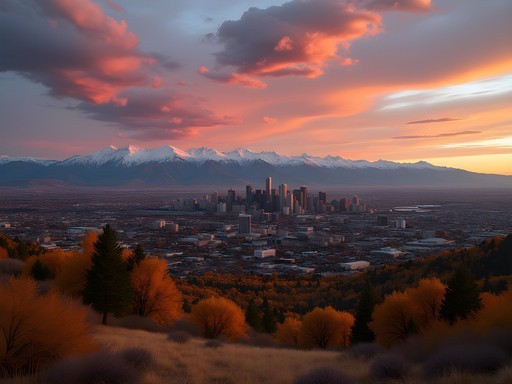
There's something about cities undergoing transformation that speaks to me as a mechanic. Perhaps it's the way urban spaces, like engines, can be rebuilt, fine-tuned, and given new life with the right hands guiding the work. Denver—la ville des plaines—has been on my radar for years, not for its famous mountains (though they make a magnificent backdrop), but for its neighborhoods that have been lovingly restored and reimagined. This spring, I finally made the journey to explore the Mile High City's urban renaissance, armed with my camera, comfortable boots, and an eagerness to see how this American city has reconnected with its industrial roots while forging a new identity.

RiNo: Where Industrial Grit Meets Artistic Vision
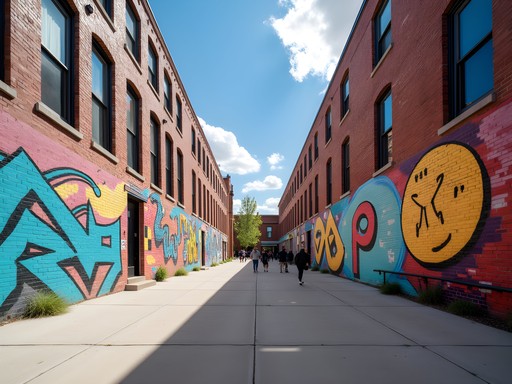
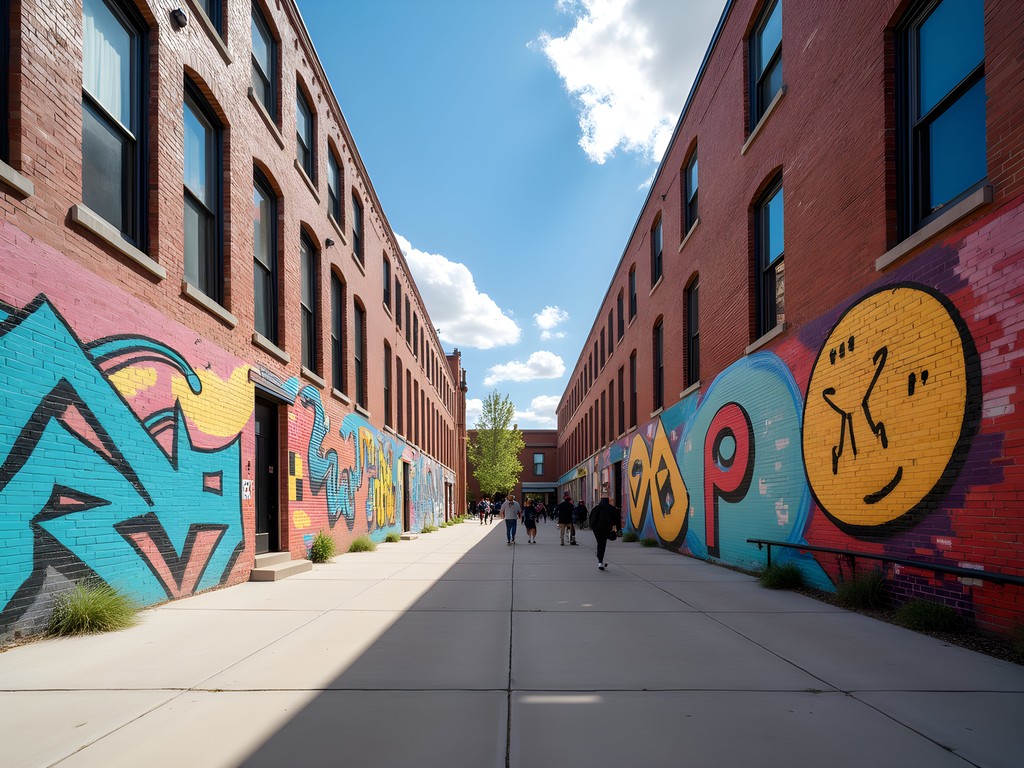
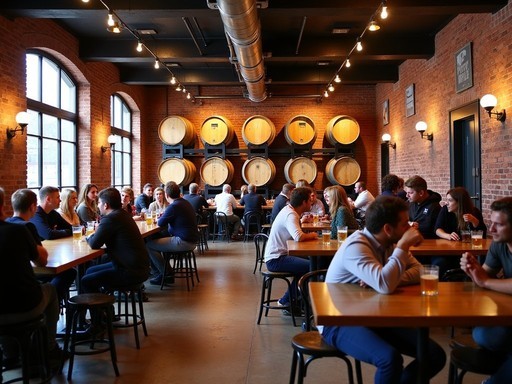
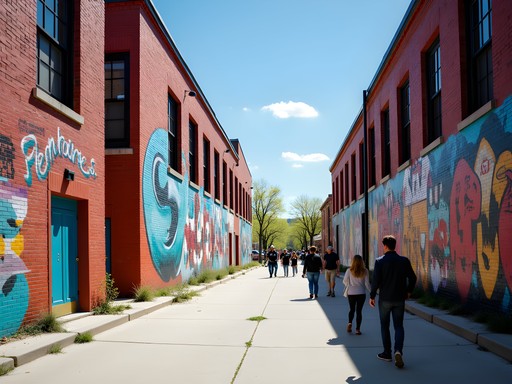
The River North Art District—RiNo to locals—reminds me of the industrial quarters in Paris that have found new purpose. Walking through RiNo feels like witnessing the perfect marriage of preservation and innovation. Former warehouses and factories now house breweries, art galleries, and workspaces, their exteriors transformed into massive canvases for street artists.
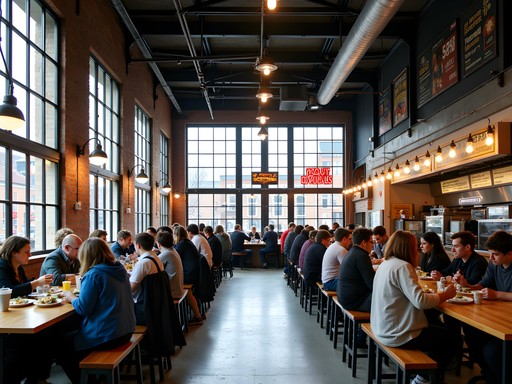
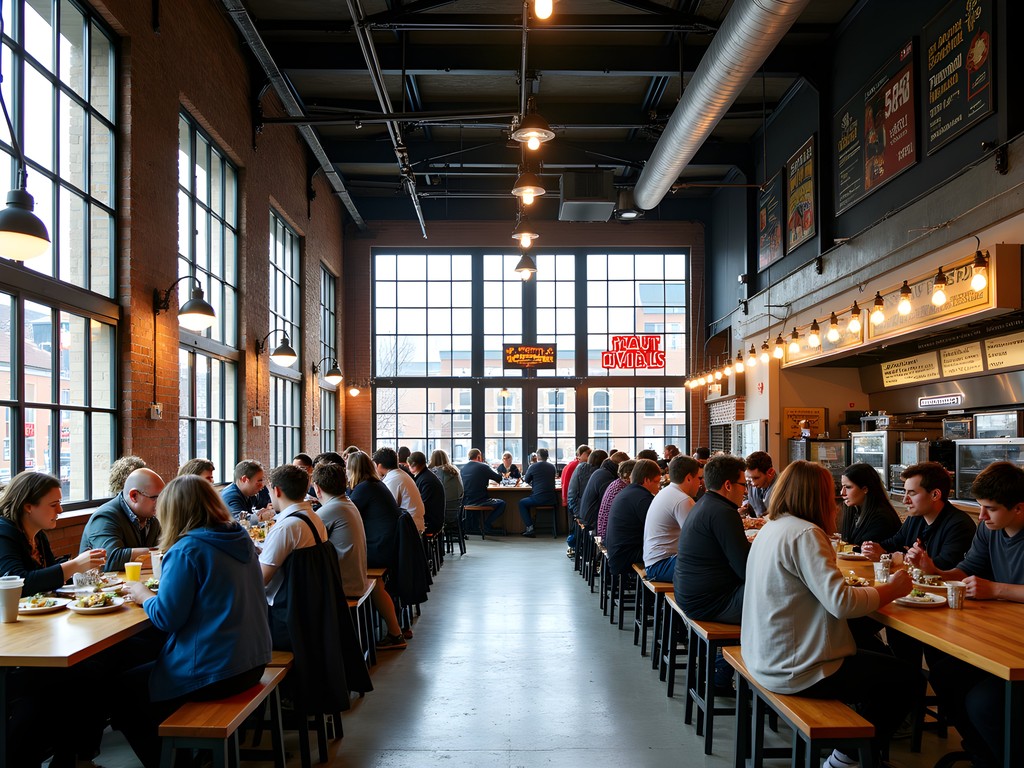
What struck me immediately was the craftsmanship behind the transformation. As someone who appreciates the mechanical precision of well-maintained machines, I found myself admiring how developers preserved original brick walls, exposed beams, and industrial windows while breathing new life into these spaces. The Denver Central Market, housed in a 1920s building, exemplifies this balance—its soaring ceilings and original architecture provide the perfect backdrop for modern food vendors.
For capturing RiNo's vibrant street art, I relied on my mirrorless camera, which handled the contrast between bright murals and shadowed alleyways beautifully. The compact size made it perfect for urban exploration without drawing attention or weighing me down.
💡 Pro Tips
- Visit on First Fridays when galleries stay open late and the streets fill with local vendors and musicians
- Download the RiNo Art District map app to create your own self-guided mural tour
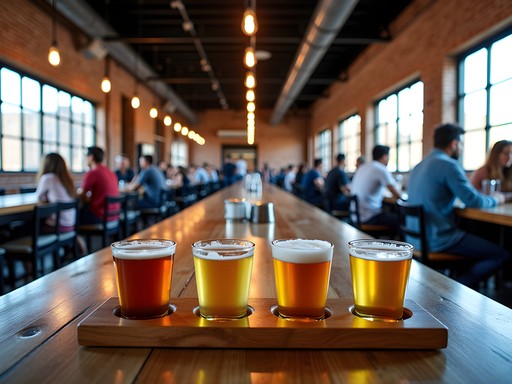
- Try the brewery hopping experience—most tasting rooms are within walking distance of each other
LoDo: History Preserved in Brick and Iron
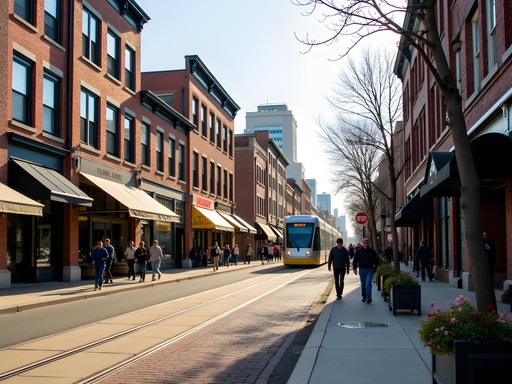
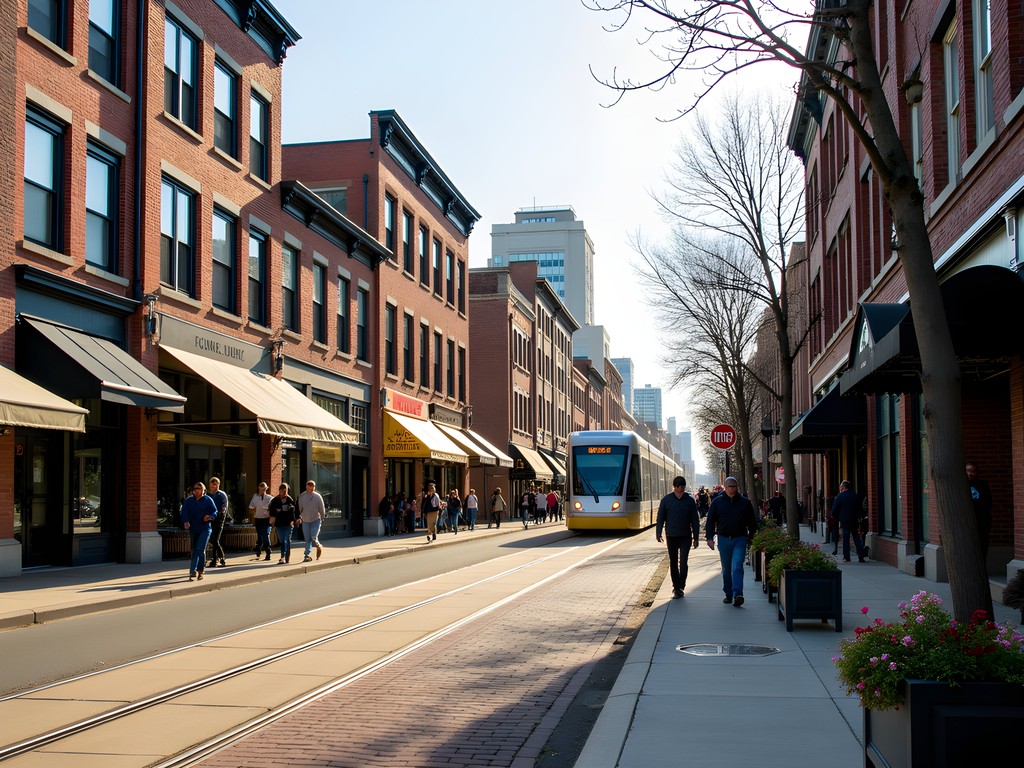
Lower Downtown—LoDo—speaks to my appreciation for historical preservation. This neighborhood reminds me of how my father would meticulously restore vintage cars, keeping their character while ensuring they could still perform. LoDo has maintained its 19th-century red-brick warehouses while adapting them for modern use.
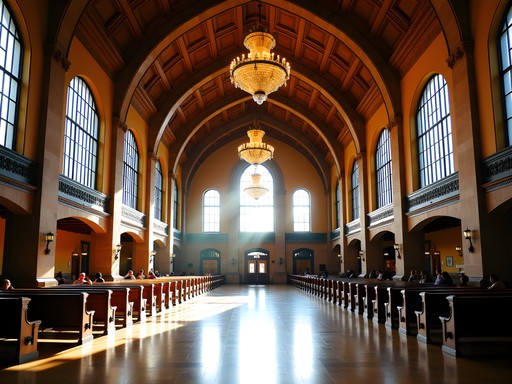
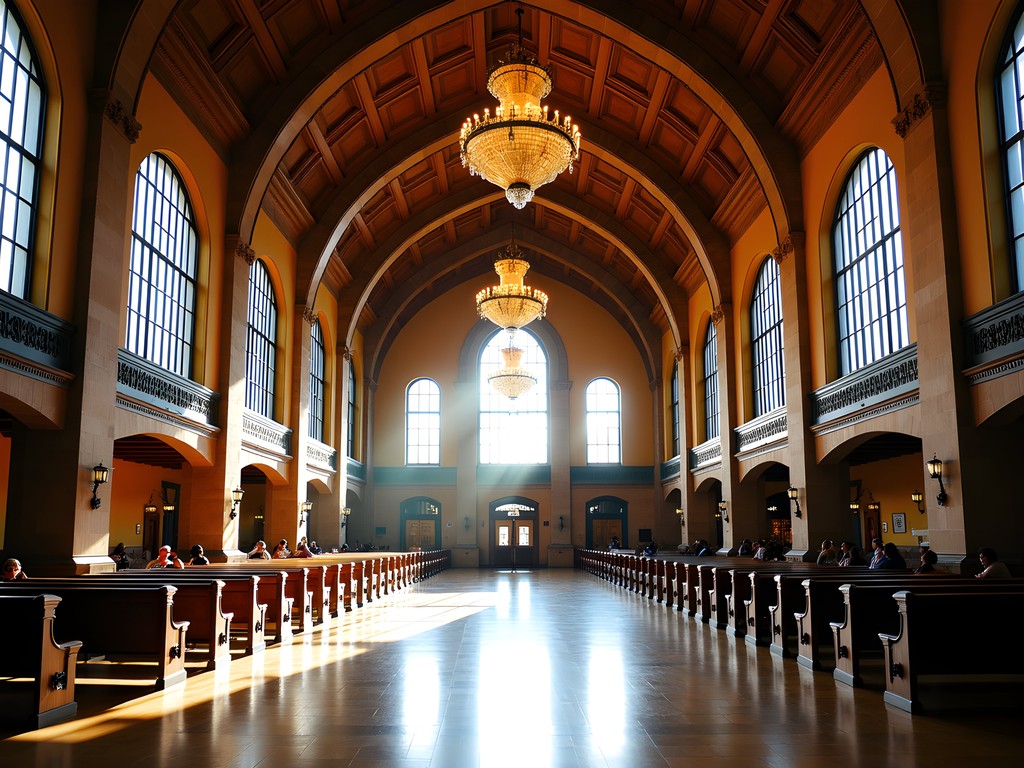
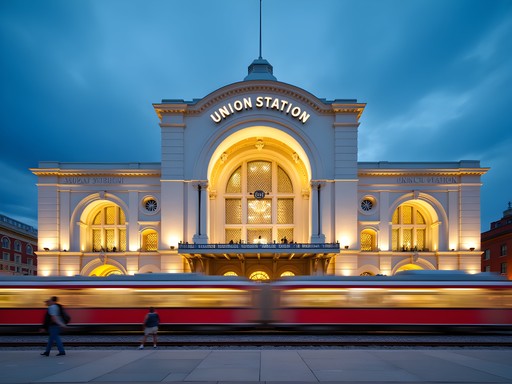
The crown jewel is undoubtedly Union Station. Built in 1914, this Beaux-Arts masterpiece has been transformed into what locals call Denver's living room. I spent hours here, admiring the architectural details while sipping coffee and people-watching. The preservation of the original ticket windows, massive chandeliers, and wooden benches alongside modern restaurants and boutiques demonstrates thoughtful urban planning.
For students on a budget, LoDo offers plenty of free architectural exploration. I recommend starting at Union Station, then walking the surrounding streets to spot historical markers on buildings that tell the story of Denver's boom years. The travel journal I always carry proved invaluable for sketching architectural details and jotting down historical facts from plaques—something I've done since showing my children their heritage sites years ago.
💡 Pro Tips
- Visit the Tattered Cover Bookstore in the historic Morey Mercantile Building for affordable browsing and local history books
- Take advantage of free walking tours offered by Denver Free Walking Tours (tip-based)
- Explore early mornings on weekends when the streets are quiet and you can appreciate architectural details without crowds
Five Points: Cultural Heritage and Community Revival
Five Points reminded me most of the diverse neighborhoods of Paris where cultures blend and histories intertwine. Once known as the 'Harlem of the West,' this historically Black neighborhood hosted jazz legends like Duke Ellington and Ella Fitzgerald during segregation when they couldn't stay in downtown hotels after performing.
Today, Five Points balances revitalization with preserving its cultural significance. The neighborhood feels authentic—not sanitized for tourism but evolving organically. Welton Street still features historic buildings now housing Black-owned businesses, while new developments are bringing fresh energy without erasing the area's identity.
For students interested in cultural history, the Black American West Museum provides insight into the often-overlooked stories of Black cowboys and settlers who helped shape Colorado. Nearby, the Rossonian Hotel—once the heart of Denver's jazz scene—stands as a reminder of both segregation and cultural resilience, with restoration plans underway.
Exploring Five Points on foot is ideal, but Denver's spring weather can be unpredictable. I was glad I packed my packable rain jacket when afternoon showers rolled in unexpectedly. The lightweight design meant I could keep it in my day pack without adding bulk.
💡 Pro Tips
- Time your visit with the Five Points Jazz Festival in May for live music throughout the neighborhood
- Support local businesses by dining at one of the soul food restaurants that maintain traditional recipes
- Check the schedule for events at the historic Cleo Parker Robinson Dance Theatre

LoHi: Industrial Bones with Modern Soul
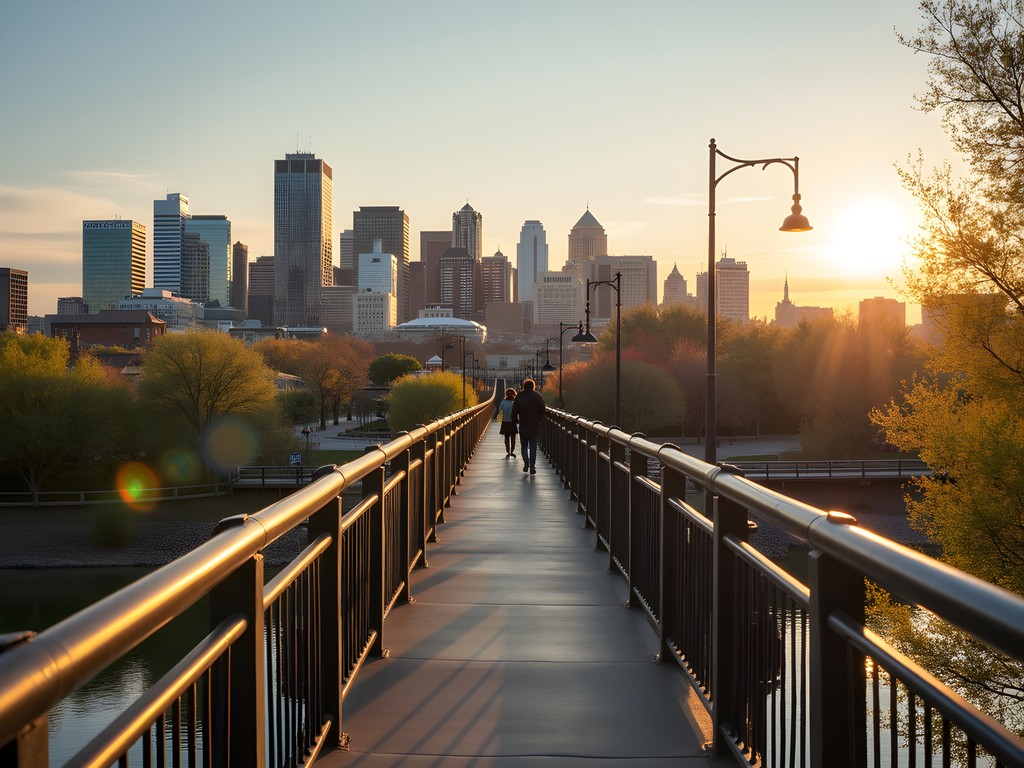
Lower Highlands—LoHi—sits across the Platte River from downtown, connected by pedestrian bridges that themselves tell a story of urban connectivity. This neighborhood reminds me of certain quarters in Paris where old industrial areas have been reimagined through thoughtful design.
What fascinates me about LoHi is how it maintains its industrial bones while embracing contemporary architecture. Victorian-era homes sit beside modern condos with floor-to-ceiling windows. Former manufacturing buildings now house chef-driven restaurants with rooftop patios offering stunning downtown views.
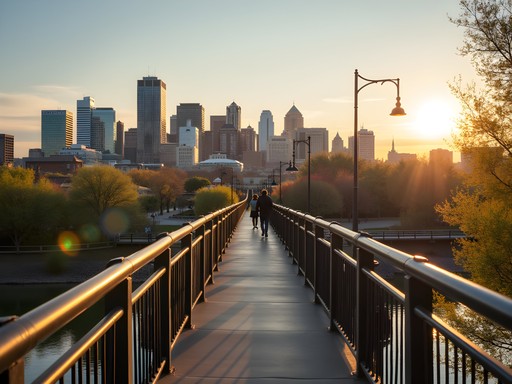
The pedestrian bridges connecting LoHi to downtown deserve special attention. The Highland Bridge and Millennium Bridge represent different eras of urban design but serve the same purpose of connecting communities. As someone who appreciates the engineering behind machines, I found myself studying the mechanical elegance of these structures.
For capturing both architectural details and sweeping city views, my compact binoculars proved surprisingly useful. They're light enough to carry all day but powerful enough to study distant architectural details or spot birds along the river trail.
💡 Pro Tips
- Visit Little Man Ice Cream—housed in a giant milk can structure—for affordable treats and people-watching
- Walk the pedestrian bridges at sunset for spectacular photos of the city skyline
- Explore the converted alleyways behind restaurants that have been transformed into garden patios
Budget-Friendly Exploration Strategies for Students
As someone who grew up helping in my father's modest auto shop in Paris, I've always appreciated finding value without compromising on quality experiences. Denver offers numerous ways for students to explore its revitalized neighborhoods without emptying their wallets.
First, timing is everything. Many museums offer free days monthly—the Denver Art Museum is free on the first Saturday, while the Museum of Contemporary Art offers penny admission on certain days. The city's First Friday art walks cost nothing and provide access to dozens of galleries, especially in RiNo and Santa Fe Arts District.
Food halls like Avanti F&B and Denver Central Market allow you to sample local cuisine at more accessible price points than full-service restaurants. These converted industrial spaces also offer excellent examples of adaptive reuse architecture.
For transportation, Denver's B-Cycle bike-sharing program is affordable and perfect for neighborhood exploration. A day pass costs less than most rideshares and gives you unlimited 30-minute rides. I found the daypack perfect for carrying essentials while cycling between neighborhoods—it's compact but has enough space for water, snacks, and a light layer for Denver's changeable spring weather.
Hostels like Ember Hostel and Denver International Hostel offer affordable accommodations in converted historic buildings, adding to the architectural exploration experience while keeping costs reasonable.
💡 Pro Tips
- Get the free RTD MallRide shuttle that runs along 16th Street Mall to connect between downtown neighborhoods
- Look for happy hour specials at craft breweries for discounted local beer tasting experiences
- Visit Denver Public Library's Western History Collection for free access to historical photos and documents about the city's development
Final Thoughts
Denver's revitalized neighborhoods offer a masterclass in urban renewal that respects the past while embracing the future—a balance I've always sought in my own work with machines. What impressed me most was how each area maintains its distinct character while contributing to the city's overall renaissance. From RiNo's artistic energy to Five Points' cultural preservation, these neighborhoods demonstrate how thoughtful urban planning can breathe new life into forgotten spaces.
For students exploring urban environments, Denver provides an accessible laboratory to study gentrification, preservation, and community development in real time. The city's walkable scale and affordable exploration options make it ideal for weekend visits without straining tight budgets.
As I packed my bags to return home, I found myself reflecting on how cities, like well-maintained engines, require constant attention and care to function at their best. Denver's neighborhoods show what's possible when communities invest in preserving their industrial and cultural heritage while adapting to changing needs. C'est ça—that's the essence of successful urban revival. I encourage you to experience Denver's transformation firsthand, to walk its bridges and alleyways, and to witness how this city has written its next chapter while honoring the pages that came before.
✨ Key Takeaways
- Denver's neighborhood revitalization balances preservation and innovation
- Budget-friendly exploration is possible through free museum days, food halls, and public transportation
- Spring offers ideal weather for walking tours with fewer tourists than summer months
- Each neighborhood maintains distinct character while contributing to the city's overall renaissance
- Urban exploration provides insights into gentrification, preservation, and community development
📋 Practical Information
Best Time to Visit
April-May for mild weather and fewer tourists
Budget Estimate
$300-500 for a weekend (accommodation, food, transportation)
Recommended Duration
2-3 days
Difficulty Level
Easy


Comments
vacationexplorer
Going there next month!
Frank Garcia
Interesting perspective on the mechanic/urban renewal parallel. I've been tracking gentrification patterns across mid-sized American cities and Denver's approach is worth studying. What struck me in RiNo was how they've managed to keep some of the original industrial tenants alongside the galleries and breweries - there's still an actual metalworking shop operating on Larimer. That mixed-use preservation is rare. The flip side is displacement, which Five Points is definitely experiencing. Housing costs in that area have tripled since 2020. It's the tension in all these revival stories - how do you upgrade infrastructure and attract investment without pricing out the communities that gave these places their character? Not sure Denver's figured it out yet, but they're doing better than most.
oceanclimber
The Source in RiNo is a must-visit. Old foundry turned into a food hall with amazing vendors. Get there early on weekends!
vacationexplorer
Yes! The croissants there are insane
Bryce Diaz
I spent three weeks in Denver last fall and your take on these neighborhoods really resonates. Five Points especially - there's this coffee shop on Welton Street, Rosenberg's, where I ended up every morning. Got to talking with the owner about the neighborhood's jazz history and he walked me through how much has changed in just the last five years. That human element of urban renewal is what stuck with me. The buildings are one thing, but the people who've stuck around through the changes and the newcomers trying to honor what was there before - that's the real story. Also, if anyone's looking for accommodation, LoHi has some great Airbnbs in converted warehouses that really capture that industrial-modern vibe Nathan talks about.
hikingzone7090
Great photos! RiNo looks amazing
cityone
This will be my first time in Denver - which neighborhood should I prioritize if I only have one day?
Frank Garcia
Depends on what you're after really. RiNo gives you the best street art and brewery scene - very walkable and concentrated. You can cover most of it in 4-5 hours. LoDo is more historic architecture and tourist-friendly but can feel a bit sanitized. Five Points has the most authentic cultural vibe but it's more spread out. I'd go RiNo for a first timer - easy to navigate and you get a good cross-section of what makes Denver interesting.
oceanpro
How's parking in RiNo? Planning a trip in March and wondering if we should just uber everywhere or if street parking is manageable?
Bryce Diaz
Street parking's actually pretty decent on weekdays, but weekends get packed. I found spots within a block or two most times. Just watch the signs - some areas are permit only.
oceanpro
Perfect, thanks!
Fatima Sims
Nathan, I love how you captured the mechanical metaphor of these neighborhoods being rebuilt! I visited Five Points last year and the way the community has preserved its jazz heritage while welcoming new businesses is incredible. The Welton Street Corridor felt alive in a way that so many "revitalized" areas don't - it still has its soul intact. Did you get a chance to check out any of the historic jazz clubs? Also, your photos of the industrial architecture in LoHi are stunning. That blend of old warehouse bones with modern glass is chef's kiss.
Nathan Mitchell
Thanks Fatima! Yes, I caught a show at Dazzle - the history in that place is palpable. Five Points really does maintain its authenticity, which is rare. Glad the photos resonated!
sunnydiver
How walkable is RiNo? Planning a trip in spring and wondering if we need to rent a car or if we can just walk between neighborhoods?
Fatima Sims
RiNo is super walkable! I spent a whole afternoon wandering between galleries and breweries on foot. The murals alone make the walk worth it. You can also bike between neighborhoods - Denver's bike infrastructure is solid.
sunnydiver
Perfect, thanks! That's exactly what I was hoping to hear.
urban_explorer
Love that shot of the street art in RiNo! The colors are incredible. Did you take that with your phone or a proper camera?
Venture X
Premium card with 2X miles, $300 travel credit, Priority Pass