
Disclosure: This article contains affiliate links. We may earn a commission from purchases at no extra cost to you, which helps our travel content.
Kansas City has always reminded me of a vintage muscle car – most people see only what's on display, but the real magic lies beneath the hood. When I first visited from Aurora on a weekend work trip to source parts for a client's rare 1967 Mustang, I expected barbecue and jazz. Instead, I discovered a city with layers of hidden mechanical and architectural ingenuity that spoke to both my French appreciation for design and my Senegalese love of vibrant community spaces. C'est incroyable how this Midwestern metropolis conceals so many secret spots – places where history, craftsmanship, and urban grit intersect in ways that would make both my parents proud.

The Subterranean Speakeasy Network
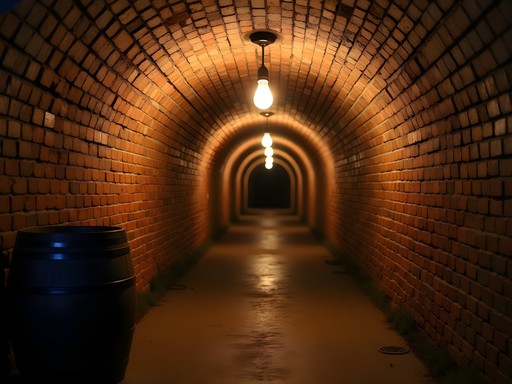
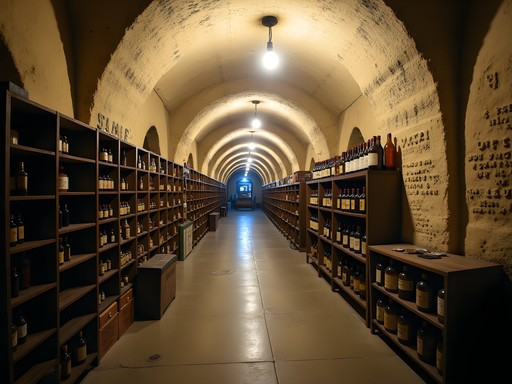
Beneath Kansas City's orderly grid of streets lies a forgotten network of tunnels and chambers that once housed Prohibition-era speakeasies and smuggling operations. My fascination with mechanical systems naturally extends to these underground passages – each representing ingenious human adaptation.
The entrance to this hidden world sits inconspicuously in the basement of The Rieger, a restaurant housed in a 1915 hotel. Ask the bartender for the 'Manifold Tour' (a nod I appreciate as a mechanic) and you'll be guided to a bookshelf that swings open to reveal J. Rieger & Co.'s underground speakeasy. The engineering of these spaces – the ventilation systems, the hidden doors with counterweights – speaks to the same precision I value in a well-tuned engine.
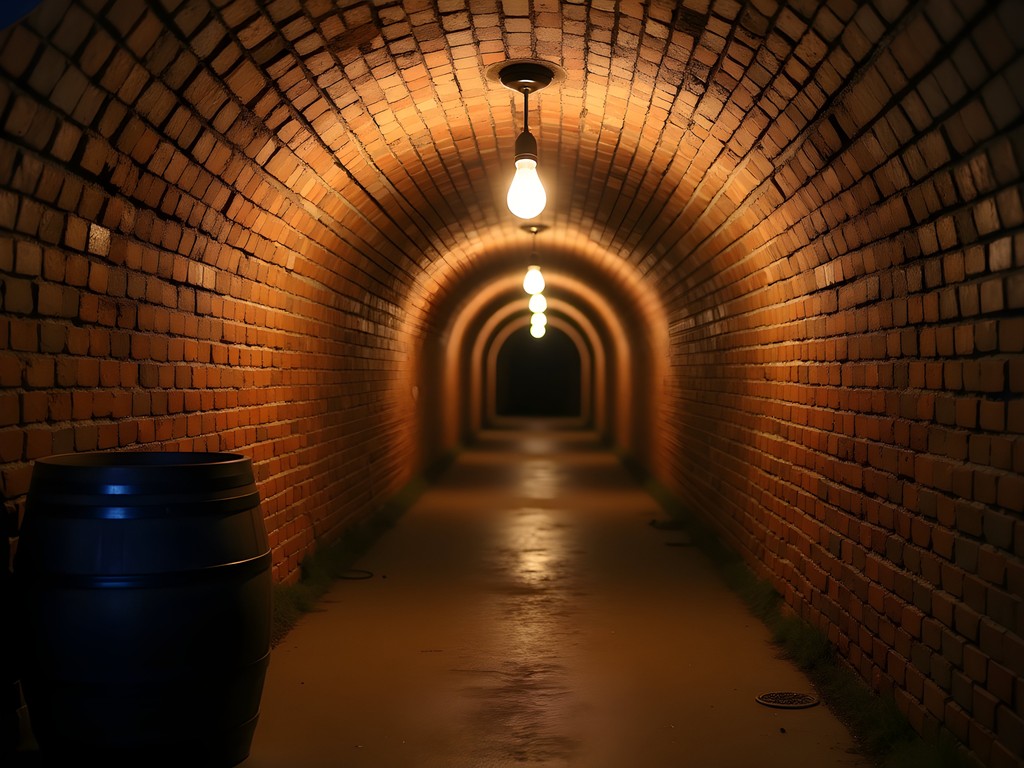
What truly captivated me was discovering that these tunnels once connected to a larger network extending throughout downtown. While exploring, bring a reliable headlamp – the ambient lighting is atmospheric but insufficient for examining the fascinating architectural details. Comme mon père disait, 'To understand how something works, you must see all its parts.'
💡 Pro Tips
- Visit on weeknights when the speakeasy is less crowded
- The J. Rieger & Co. distillery tour provides historical context before exploring the underground spaces
- Look for mason marks on the stone walls – they tell stories about the original builders
The West Bottoms' Mechanical Graveyard
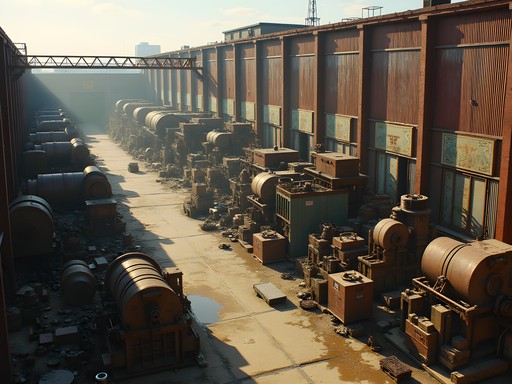
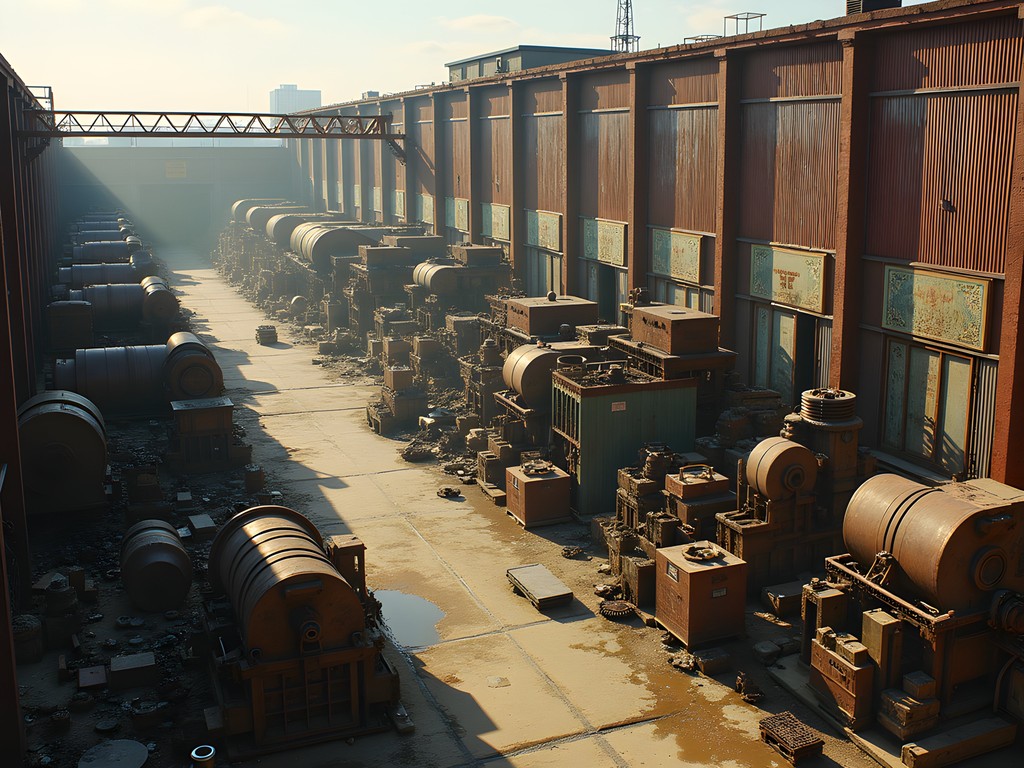
As someone who has spent a lifetime bringing engines back to life, the West Bottoms district speaks to my soul. This former industrial zone near the confluence of the Missouri and Kansas rivers was once the beating heart of KC's stockyards and factories. Today, it houses what locals call 'The Mechanical Graveyard' – a sprawling salvage yard hidden behind an unmarked corrugated metal fence on Genessee Street.
Unlike the curated antique shops that have gentrified parts of the West Bottoms, this hidden spot remains authentically gritty. The owner, Frank – a third-generation metal worker with hands as calloused as mine – allows urban explorers to wander through his collection of vintage industrial machinery, architectural salvage, and mechanical oddities for a small donation.
On my last visit, I spent hours examining a partially disassembled 1920s printing press, its precision gears and levers reminiscent of the intricate watch movements my Senegalese grandfather collected. Bring a pair of work gloves if you plan to handle any of the metal pieces – tetanus shots aren't included in the admission price! And don't miss the collection of art deco elevator doors from demolished downtown buildings, each a masterpiece of craftsmanship.
💡 Pro Tips
- Visit on Thursday mornings when new salvage typically arrives
- Bring cash for the entrance donation – no cards accepted
- Ask Frank about the history of specific pieces – his knowledge is encyclopedic
The Crossroads' Secret Rooftop Garden Network
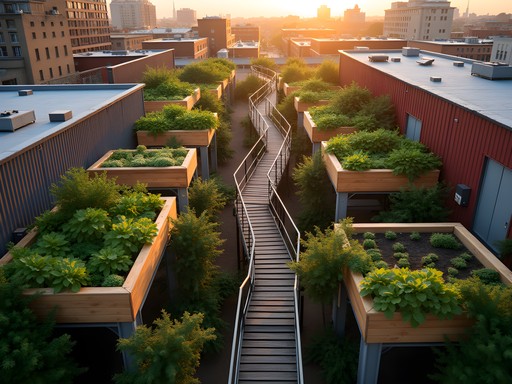
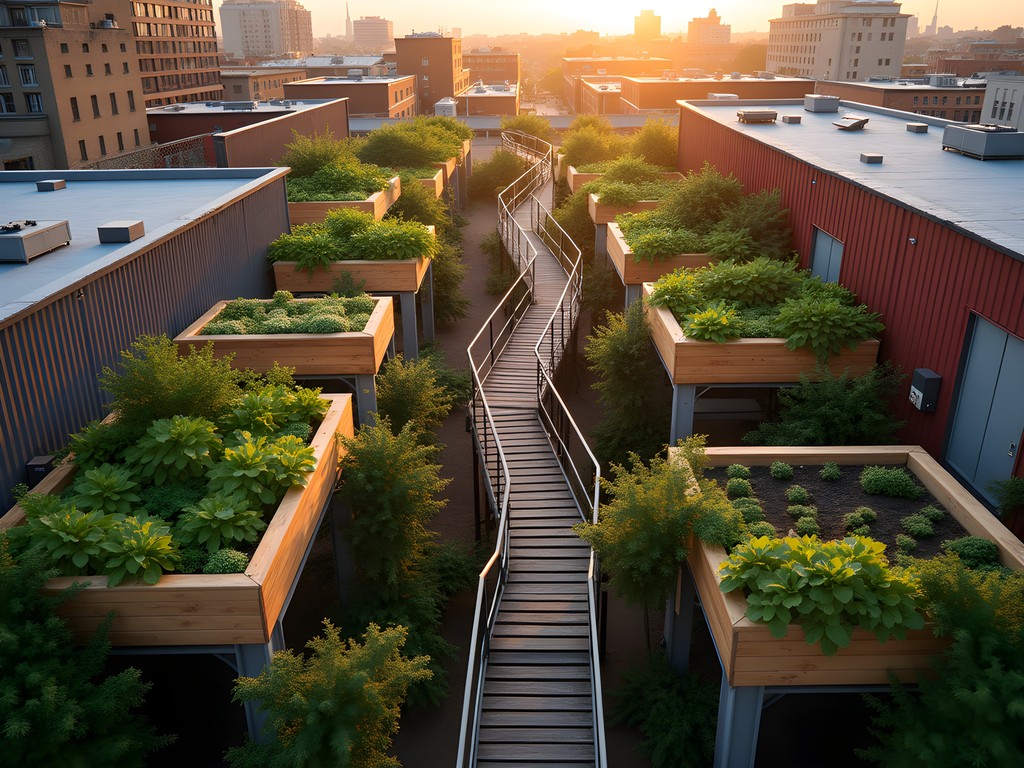
The Crossroads Arts District presents a polished face to the public, but few visitors ever look up to discover one of Kansas City's most remarkable hidden features – an interconnected network of rooftop gardens and apiaries. This urban agricultural system began as separate passion projects but gradually grew into a semi-secret community of green spaces accessible only to those who know which unmarked doors lead to which rooftop staircases.
My entry point to this elevated ecosystem came through Tomas, a fellow mechanic who moonlights as an urban beekeeper. He maintains hives on the roof of a former garment factory on Southwest Boulevard, now home to artist studios. From this initial rooftop, I discovered that many buildings in the district feature accessible roofs connected by metal gangways or simply close enough to see into neighboring green spaces.
What impresses me most is the ingenious water collection and distribution system – reminiscent of the precision of a well-designed cooling system in a high-performance engine. The gardeners use a moisture meter to monitor water levels across different sections, ensuring optimal growing conditions despite the harsh rooftop environment.
During spring visits, the contrast between the industrial cityscape and these lush, productive gardens is particularly striking. The honey produced here carries distinct notes of the urban environment – a taste unlike anything you'll find commercially.
💡 Pro Tips
- Access points change frequently – check social media groups like 'KC Urban Gardeners' for current entry locations
- Bring a small gift (seeds, gardening tools) as a goodwill gesture to the rooftop community
- Tuesday evenings often feature informal gatherings where you can meet the gardeners

The Hospital Hill Steam Tunnels
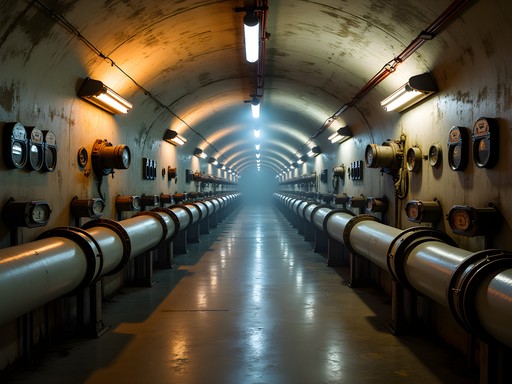
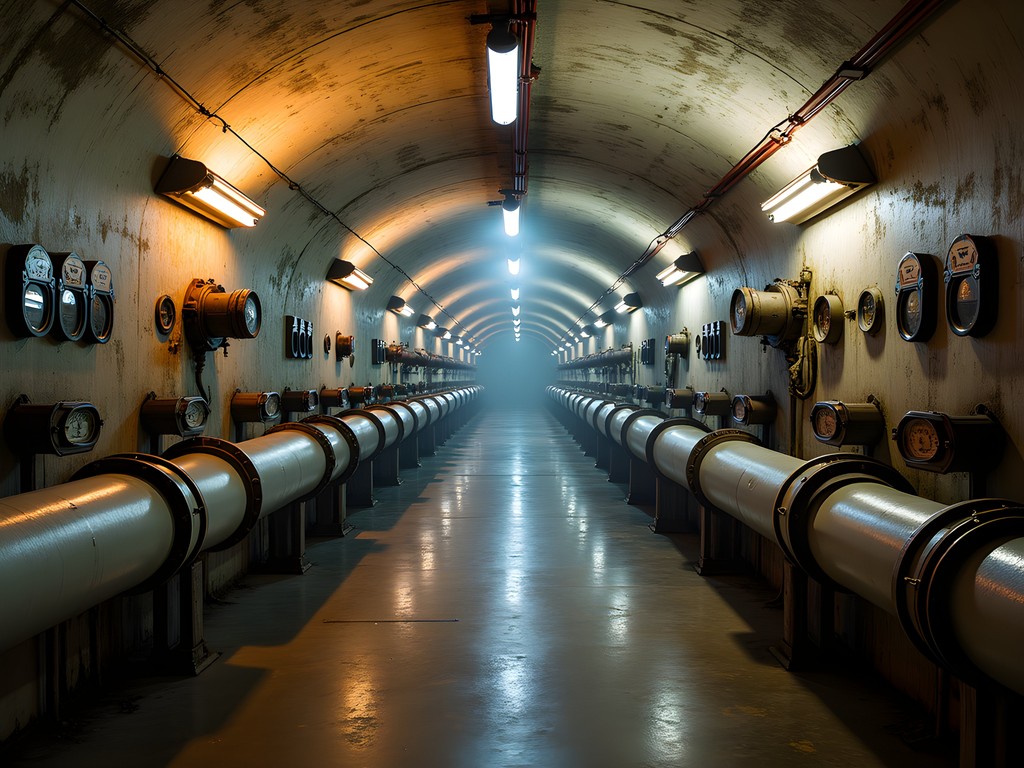
Few Kansas City visitors – or even residents – know about the extensive network of steam tunnels running beneath the Hospital Hill area. These utilitarian passages were built to distribute steam heat to the medical campus but have since become an urban explorer's dream with their labyrinthine routes, vintage infrastructure, and occasional art installations.
Accessing these tunnels requires timing and discretion. The main entrance lies behind an unmarked maintenance door in the parking garage of the old Truman Medical Center. The door is typically locked, but on the first Tuesday of each month, maintenance crews perform inspections, temporarily leaving certain sections accessible to those who appear to belong there.
As someone who appreciates the mechanics of urban infrastructure, I find these tunnels fascinating. The massive pipes, pressure gauges, and vintage control panels remind me of the engine room on a massive ship. The tunnels maintain a constant temperature year-round – cool in summer and warm in winter – making them a surprisingly comfortable exploration regardless of Kansas City's often extreme weather.
Bring a dust mask as sections of the tunnels can be dusty, particularly near the older junctions. Also essential is a waterproof notebook for mapping your route – cellular service is non-existent underground, and the similar-looking corridors can become disorienting.
💡 Pro Tips
- Wear solid boots with good traction – condensation makes some sections slippery
- Photography is technically prohibited but quietly tolerated if you're respectful
- Look for the 'pipe artists' tags – a group of urban artists who leave small installations at junction points
The Forgotten River Market Catacombs
The River Market district is known for its weekend farmers market and trendy apartments, but beneath the bustling streets lies a network of limestone catacombs dating back to the 1850s. Originally used for food storage before refrigeration, these cool, dark chambers later served as mushroom farms, Prohibition hideouts, and even Cold War fallout shelters.
Access points to this underground network have deliberately been obscured over the years, but one reliable entry remains through the basement of a seemingly ordinary Italian deli on 5th Street. The owner – an elderly gentleman named Giuseppe who reminds me of the craftsmen who frequented my father's Paris repair shop – allows serious history enthusiasts access to the catacombs through a vintage walk-in cooler that conceals a narrow staircase.
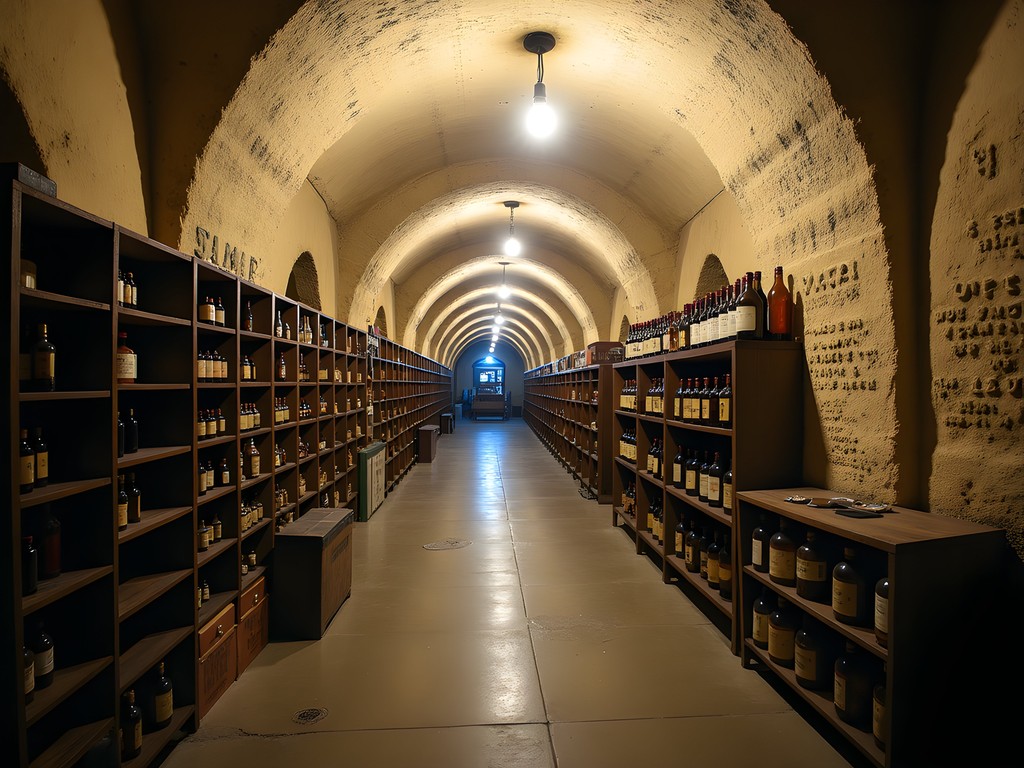
What makes these catacombs remarkable is not just their existence but the artifacts they contain. Unlike more famous underground spaces that have been stripped or vandalized, these chambers still house wooden storage racks, antique glass bottles, and faded signage from businesses long gone. The preservation is remarkable – a testament to the constant temperature and humidity that reminds me of the climate-controlled storage facilities where vintage car collectors keep their prized possessions.
Bring a compact flashlight with a focused beam to examine the fascinating details carved into the limestone walls – including dates, names, and mysterious symbols left by the original excavators. The ambient light is practically non-existent, and the standard smartphone flashlight won't penetrate the darkness effectively.
💡 Pro Tips
- Purchase something from Giuseppe's deli before inquiring about the catacombs – respect the gatekeeper
- Weekday mornings are best as Giuseppe is less busy and more likely to allow access
- Look for the wall of prohibition-era bottles – some still contain their original contents
Final Thoughts
Kansas City surprised me in ways I never expected when I first arrived looking for Mustang parts. Behind its reputation for barbecue and jazz lies a city of mechanical wonders, architectural treasures, and underground networks that would fascinate any urban explorer. What strikes me most is how these hidden spaces reflect the city's character – practical yet creative, historical yet evolving.
As I've discovered in my travels from Paris to Dakar to countless American cities, the most authentic experiences often lie just beneath the surface, waiting for those curious enough to look beyond the tourist façade. Kansas City rewards this curiosity generously.
The next time you find yourself with a weekend to spare in the Midwest, consider this hidden side of KC. Pack your sense of adventure, respect for history, and comfortable walking shoes. Comme on dit in my father's workshop – the most interesting parts are rarely visible from the outside. These secret urban spots offer a connection to Kansas City's soul that no guidebook tour could provide. À la prochaine aventure, mes amis!
✨ Key Takeaways
- Kansas City's underground networks tell stories of Prohibition, industry, and innovation
- The best hidden spots are often protected by local 'gatekeepers' who appreciate genuine interest
- Urban exploration in KC requires minimal equipment but careful timing
- The city's industrial heritage creates unique opportunities for discovering mechanical and architectural treasures
- Spring offers the ideal balance of comfortable weather and accessible secret spaces
📋 Practical Information
Best Time to Visit
Spring (April-May)
Budget Estimate
$200-300 for a weekend (accommodations, food, minimal entrance fees)
Recommended Duration
2-3 days
Difficulty Level
Intermediate - Requires Some Planning And Local Connections
Comments
Taylor Moreau
Nathan, excellent piece on KC's hidden side. I'm curious about the Hospital Hill steam tunnels - are these accessible through official tours, or is this more urban exploration territory? I'd be interested in covering similar underground spaces in US cities, but want to ensure I'm recommending safe, legal access points to readers. The speakeasy network sounds particularly intriguing for a business travel angle.
islandphotographer
yeah good question, wondering about this too
islandphotographer
This is so cool! Never knew about these spots
Taylor Moreau
Kansas City really does have some fascinating layers to it. I've passed through several times for conferences but never ventured beyond the usual tourist spots.
islandphotographer
same here! definitely want to check out that rooftop garden network
exploretime
Going there next month, thanks for this!
coffeevibes6042
How walkable is all this? Can you hit most of these spots in a weekend or do you need a car?
cityclimber
Anyone know if that jazz club hidden behind the bookstore in the Crossroads is still open? The one where you have to know which book to pull on the shelf? Been trying to find it again for ages!
beachperson7524
Still there! But they changed the book - now it's the blue Fitzgerald on the third shelf. They change it every few months for obvious reasons 😉
cityclimber
You're a lifesaver! Heading there this weekend!
escapebackpacker
This might be a dumb question but how do you find the speakeasy network? Are there actual addresses or is it one of those 'you have to know someone' things? Planning a trip in June and would love to check them out.
oceannomad
I wanna know this too!
Stephanie Romano
Nathan, I appreciate how you captured KC's hidden side! As someone who's visited with kids, I'll add that some of these spots can be family-friendly with preparation. The Crossroads rooftop gardens were a hit with my 10-year-old who called it a "sky treasure hunt." However, I'd skip the steam tunnels with little ones. For families, I'd add Crown Center's hidden interactive art installations - they change seasonally and aren't well advertised. Look for QR codes on random walls that activate augmented reality experiences!
beachperson7524
Those Crown Center installations are amazing! My niece thought she was in a video game when the wall started "talking" to her through the AR app!
Marco Flores
The rooftop garden network reminds me of Paris's hidden courtyards - these secret green spaces that locals guard fiercely. I love how American cities are creating these urban oases. Kansas City wasn't even on my radar before, but now I'm genuinely curious. The mechanical graveyard especially - as someone who's explored abandoned factories across Europe, that sounds like my kind of adventure. Are any of these spots good for photography at sunrise?
coffeevibes6042
West Bottoms at sunrise is incredible, just FYI. The light through those warehouse windows is perfect.
greenway
Really cool photos!
skychamp
That Mechanical Graveyard is wild! Found it last year and spent hours photographing all the vintage machinery. Felt like time travel.
Venture X
Premium card with 2X miles, $300 travel credit, Priority Pass