

Disclosure: This article contains affiliate links. We may earn a commission from purchases at no extra cost to you, which helps our travel content.
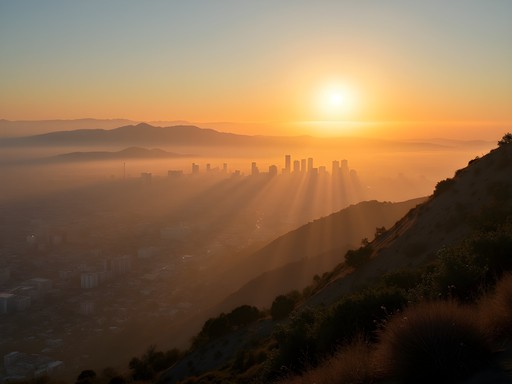
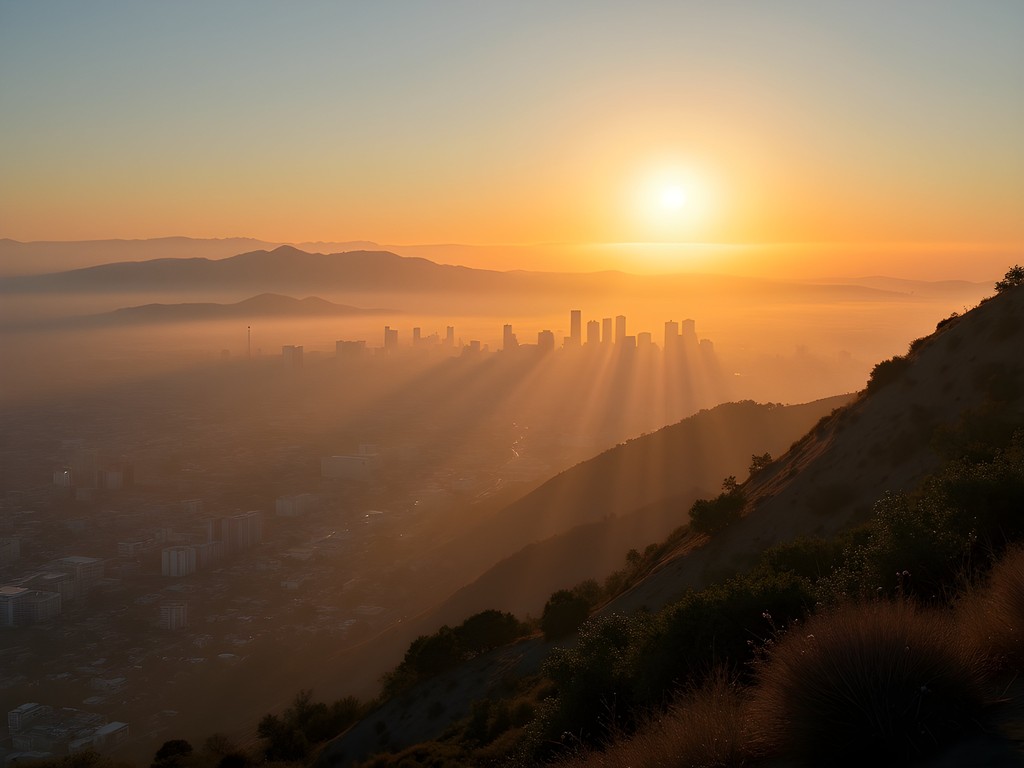
The morning marine layer was just burning off as I stood atop the Baldwin Hills Scenic Overlook, watching Los Angeles stretch before me like a vast urban ecosystem. This wasn't the LA of postcards and cinema screens – no Hollywood sign framed my view, no celebrity mansions caught my eye. Instead, I saw a complex metropolis shaped by geography, climate, and countless cultural tributaries flowing into one magnificent urban delta. After years of exploring cities where weather patterns sculpt both landscape and lifestyle, I've found LA's hidden corners tell a far more compelling story than its famous façades.

Microclimates and Cultural Enclaves: The Weather-Shaped City
Los Angeles exists as a collection of microclimates, each nurturing distinct neighborhoods with personalities as varied as the weather patterns that shape them. The cool, misty mornings of Venice Beach bear little resemblance to the sun-baked afternoons of Boyle Heights, and this climatic diversity has fostered cultural pockets that feel worlds apart despite existing within the same city limits.
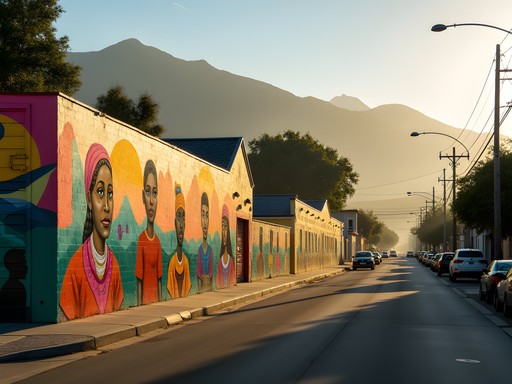
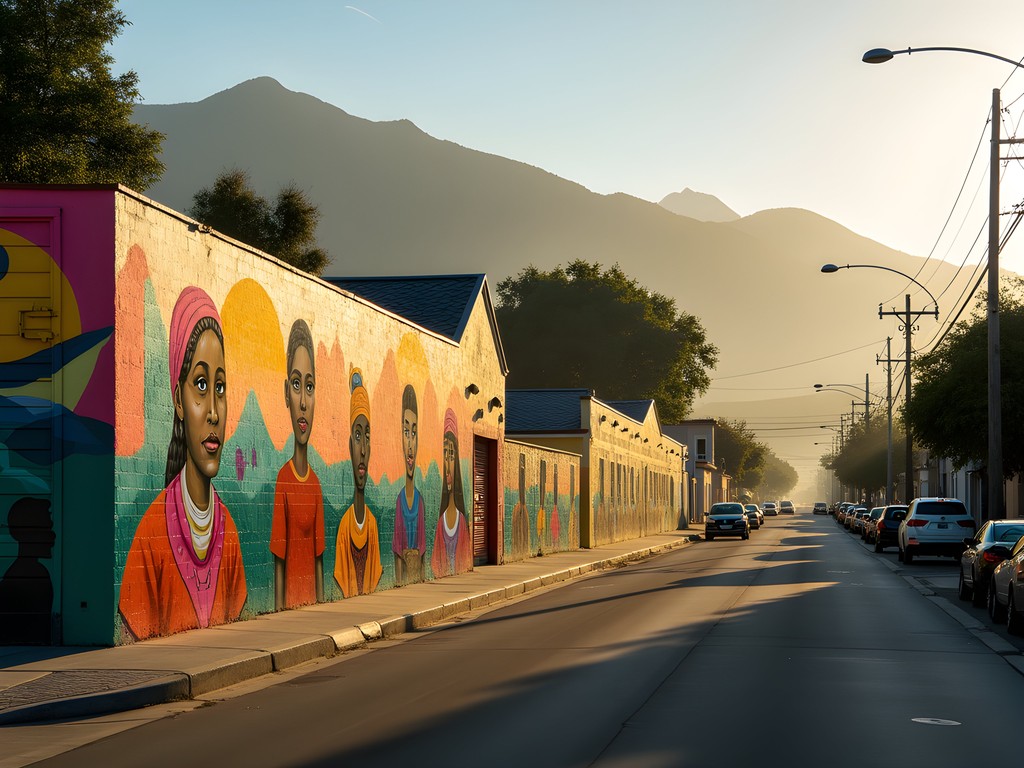
In Highland Park, I spent an afternoon exploring the Northeast LA Art Walk, where the area's historically cooler temperatures and hillside positioning have created a microclimate conducive to outdoor murals that would quickly fade in more sun-exposed neighborhoods. Local artists explained how they select pigments based on exposure patterns, their knowledge of urban meteorology rivaling any formal training I received.
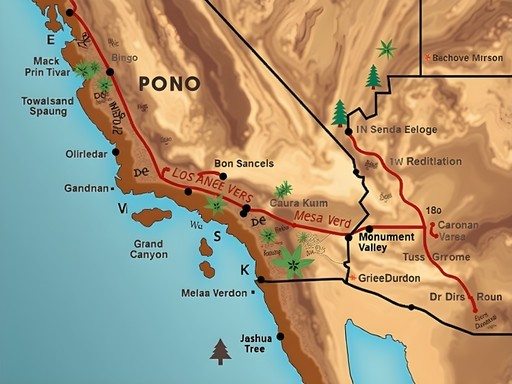
Further east in Monterey Park, I discovered how this predominantly Asian-American community has adapted traditional architecture to Southern California's unique climate challenges. Courtyards designed to maximize morning sun while providing afternoon shade mirror ancient Chinese design principles yet respond perfectly to local weather patterns. For exploring these neighborhoods thoroughly, I relied on my detailed street atlas – sometimes old-school navigation beats digital when you're hunting for hidden gems.
💡 Pro Tips
- Visit Highland Park on the second Saturday of the month for the Northeast LA Art Walk when galleries stay open late
- The Baldwin Hills Scenic Overlook is best at sunrise when marine layer creates dramatic city views
- Bring layers – temperature variations between neighborhoods can exceed 15°F on the same day
Frogtown and the LA River: Urban Wilderness Reclaimed
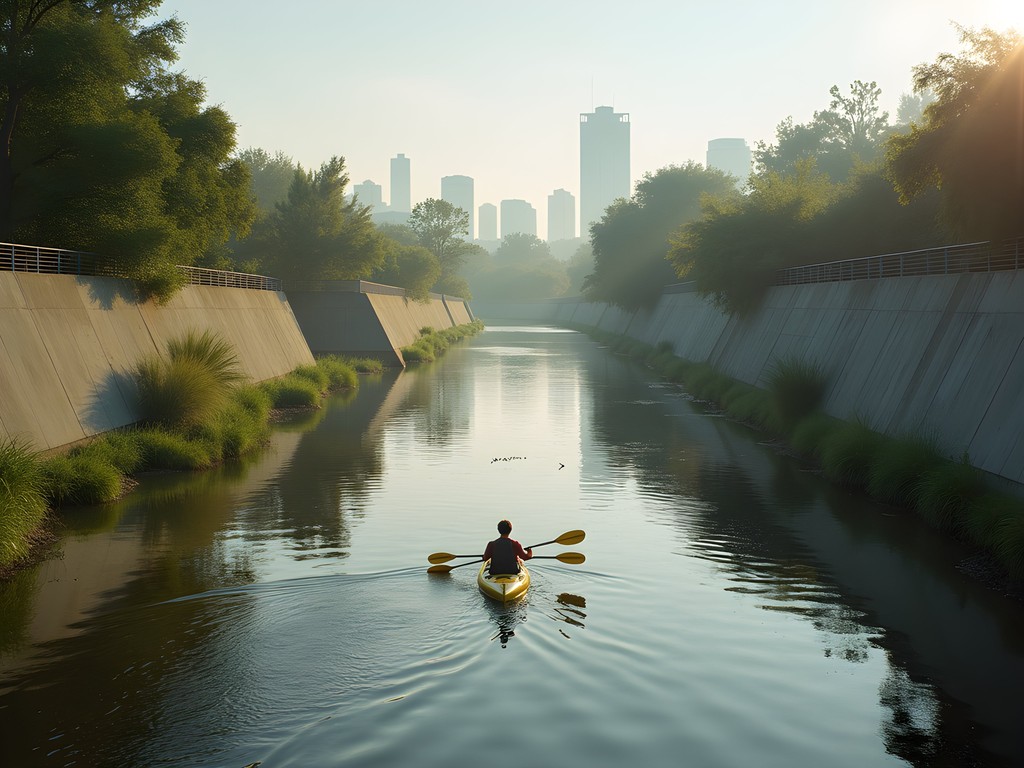
The Los Angeles River – long maligned as a concrete channel and film set for dystopian car chases – is experiencing a remarkable ecological renaissance. Nowhere is this more evident than in Frogtown (officially Elysian Valley), where the river's natural sections host over 200 bird species and a growing riparian ecosystem that defies the city's concrete reputation.
On my second morning in LA, I rented a foldable kayak and joined a guided paddle through this urban wilderness. As we navigated past concrete embankments gradually being reclaimed by willows and cattails, our guide pointed out how seasonal rainfall patterns influence which sections return to nature fastest. The contrast between engineered infrastructure and resilient ecology creates a fascinating study in urban environmental dynamics.
After paddling, I explored Marsh Park, part of a growing network of green spaces reconnecting neighborhoods to this waterway. Local families picnicked alongside cyclists taking breaks from the riverside path. I was particularly struck by conversations with longtime residents who described how changing weather patterns have altered their relationship with these outdoor spaces – longer summer heat waves making evening gatherings more common than midday activities.
💡 Pro Tips
- Book LA River kayaking tours well in advance as they sell out quickly during the May-September season
- The Frogtown Art Walk (usually in September) showcases river-inspired works in local studios
- Visit after rare LA rainstorms to see the dramatic transformation of water flow and wildlife activity
Leimert Park: Cultural Heartbeat and Architectural Gems
Leimert Park Village represents one of LA's most significant yet under-visited cultural districts. Originally designed in the 1920s as a planned community by the Olmsted Brothers (sons of Central Park's designer), its thoughtful urban layout creates natural gathering spaces that have fostered community resilience through decades of social change.
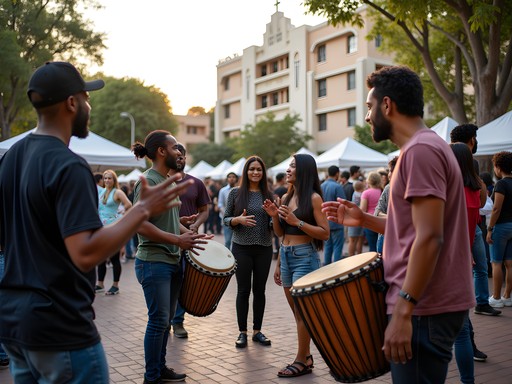
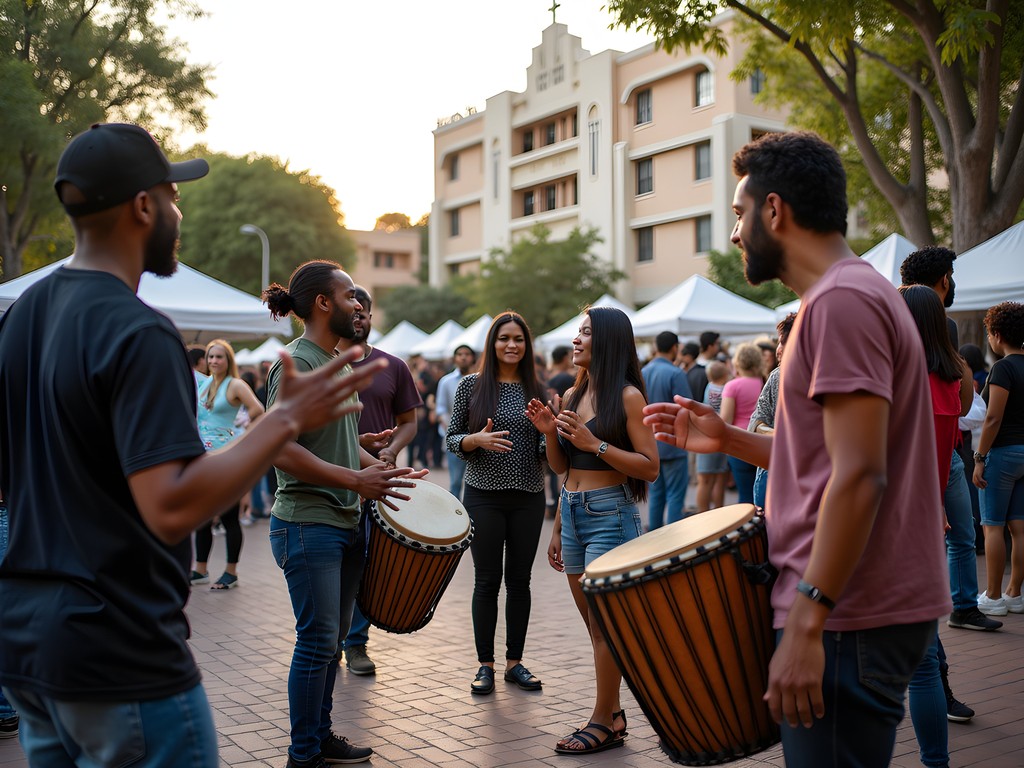
I spent a full Sunday exploring the neighborhood's weekly drum circle and marketplace, where the African diaspora's cultural influences merge with distinctly Californian expressions. The area's microclimate – slightly cooler than downtown due to elevation and street tree canopy – makes these outdoor gatherings comfortable even during warmer months.
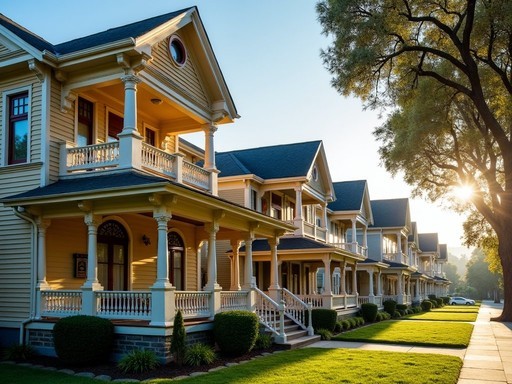
The architectural heritage here tells a fascinating story of climate adaptation. The Spanish Colonial Revival and Art Deco buildings incorporate features like interior courtyards, deep eaves, and cross-ventilation that brilliantly address Southern California's climate challenges without mechanical cooling. I documented these passive cooling strategies with my pocket weather meter, measuring temperature differences between courtyards and streets that sometimes exceeded 8°C.
Don't miss Vision Theatre, an Art Deco masterpiece currently being restored, or the collection of independent bookshops specializing in African American literature and history. For the best introduction to local flavors, I recommend Hot & Cool Café, where community conversations flow as freely as their exceptional coffee.
💡 Pro Tips
- Visit on Sundays when the drum circle creates the neighborhood's most vibrant atmosphere
- Wear comfortable shoes for the self-guided architecture walking tour available at the Leimert Park visitor center
- Support local businesses by bringing cash – many smaller vendors don't accept cards

Vintage Hunting in the Valley: North Hollywood's Time Capsules
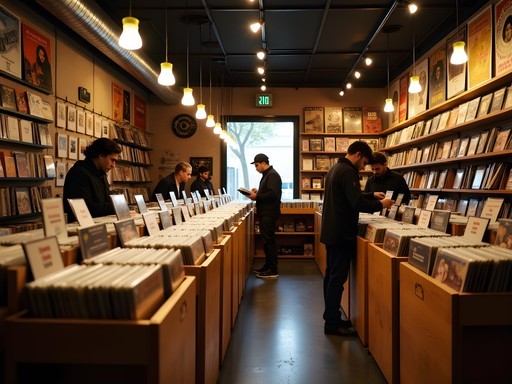
The San Fernando Valley's distinct microclimate – typically 5-10°F warmer than coastal Los Angeles – has created perfect conditions for preserving vintage artifacts. The area's historically lower humidity levels and consistent warmth have made it a treasure trove for vintage enthusiasts, with North Hollywood emerging as the epicenter of this preservation phenomenon.
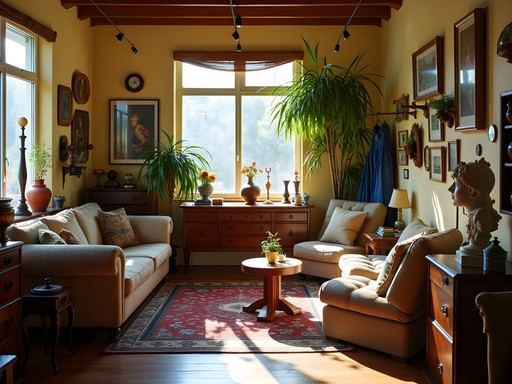
I dedicated a full day to exploring the Valley's vintage landscape, starting at Vintage Vortex, where mid-century furniture sits alongside architectural salvage from demolished Hollywood mansions. The owner explained how the Valley's climate has preserved items that would have deteriorated in more humid environments, creating an unintentional archive of LA's material culture.
For clothing enthusiasts, Iguana Vintage on Magnolia Boulevard offers meticulously preserved garments spanning decades. I found a 1970s denim jacket in remarkable condition, its preservation attributed to the Valley's dry heat. While hunting for treasures, I kept my valuables secure in my anti-theft crossbody bag, which proved perfect for navigating crowded shops while keeping essentials safe.
The Valley's vintage scene extends beyond retail to include architectural preservation. The North Hollywood Historic District contains stunning examples of mid-century modern homes whose distinctive indoor-outdoor design philosophy responded directly to the area's climate patterns. Many feature original drought-tolerant landscaping that predated modern water conservation efforts by decades.

💡 Pro Tips
- Visit weekday mornings when shop owners have more time for stories behind their collections
- Bring a reusable water bottle – the Valley heat can be surprisingly intense even in spring
- Check community boards in vintage shops for information about estate sales – often the best source for undiscovered treasures
Baldwin Hills Overlook: Urban Mountaineering in Plain Sight
For those seeking physical challenge without leaving the city, the Baldwin Hills Scenic Overlook offers LA's most accessible urban mountaineering experience. This 511-foot hill features a brutally steep staircase (282 steps) that has become a fitness pilgrimage for locals seeking vertical challenge in a predominantly horizontal city.
I tackled these stairs at dawn, when the marine layer created a mystical atmosphere and temperatures remained cool. The climb is genuinely challenging – I tracked it with my fitness tracker and registered elevation gains comparable to many popular hiking trails. What makes this experience unique is the juxtaposition of natural exertion against the backdrop of an awakening metropolis.
At the summit, interpretive displays explain how this hill represents one of the few visible segments of the Newport-Inglewood Fault, offering a rare opportunity to understand how seismic forces have literally shaped the city's topography. The panoramic views reveal LA's basin structure, with mountains cradling the urban sprawl and influencing weather patterns that define neighborhood characters.
For the descent, I recommend taking the winding dirt trail rather than the stairs, which offers glimpses of native plant restoration efforts and creates a more contemplative return journey. Early mornings often reveal wildlife – I spotted red-tailed hawks riding thermals created by the hill's microclimate and urban heat effects.
💡 Pro Tips
- Arrive before 8am to avoid both crowds and heat, especially between May and October
- Bring proper training shoes – the stairs are steeper than they appear in photos
- Look for the small native plant garden near the visitor center to understand the area's original ecology
Final Thoughts
As my week exploring Los Angeles' hidden landscapes drew to a close, I found myself back at Baldwin Hills Overlook for one final sunset. The city that had initially appeared as an impenetrable urban expanse had revealed itself as a fascinating mosaic of microclimates, cultural enclaves, and ecological niches – each with its own rhythm and character.
Los Angeles defies simple categorization precisely because it exists at the intersection of natural forces and human ingenuity. From the reclaimed wilderness along the LA River to the climate-adapted architecture of Leimert Park, the city rewards those willing to venture beyond the familiar narratives and glossy landmarks.
As someone who has spent years studying how landscape shapes cultural identity, I found Los Angeles to be a masterclass in this relationship. Its neighborhoods aren't merely administrative districts but distinct expressions of how communities adapt to specific geographic and climatic conditions. The next time someone dismisses LA as a one-dimensional city of celebrities and traffic, gently suggest they explore these hidden landscapes. The authentic soul of Los Angeles thrives in these less-traveled corners, waiting for those curious enough to discover it.
✨ Key Takeaways
- Los Angeles' diverse microclimates have fostered distinct neighborhood cultures worth exploring beyond tourist zones
- The LA River restoration represents an emerging urban wilderness experience accessible through kayaking and riverside parks
- Historic districts like Leimert Park showcase climate-adapted architecture that tells the story of the city's development
- Physical challenges like the Baldwin Hills stairs offer urban mountaineering experiences with unique perspectives on the city
📋 Practical Information
Best Time to Visit
March-May or September-November when temperatures are moderate
Budget Estimate
$150-200/day including mid-range accommodation, meals, and activities
Recommended Duration
5-7 days to explore hidden neighborhoods thoroughly
Difficulty Level
Moderate (Requires Comfortable Walking Shoes And Some Uphill Terrain)
Comments
escapediver
Your photos are incredible!! Making me want to book a flight right now
Frank Garcia
Really appreciate this different take on LA. I spent a month there last year and fell in love with these non-touristy neighborhoods. For anyone heading to North Hollywood's vintage scene that Jacob mentioned, I'd add Magnolia Park in Burbank - incredible cluster of vintage clothing and retro shops along Magnolia Blvd. Also, the North Hollywood Metro station makes it surprisingly accessible if you're staying downtown. The architecture walking tour in Leimert Park (first Sundays, I think?) is worth planning around if you're into design history.
Jacob Gomez
Great additions, Frank! I completely agree about Magnolia Park - Halloweentown and Bearded Lady Vintage were highlights for me too. And yes, the Leimert Park walking tour is first Sundays at 11am, starting at the Vision Theatre.
explorevibes8586
Did you rent a car or use public transport? Trying to figure out logistics
Savannah Torres
We rented a car since we had kids and all their stuff. Metro works for some areas but a car gives you more flexibility for the hidden spots.
Savannah Torres
Love this perspective! We took our kids (8 and 11) to Baldwin Hills Overlook last spring and they actually enjoyed it more than the Hollywood Walk of Fame. The hike up isn't too strenuous for families, and the view really helps them understand how massive LA is. We packed sandwiches and had a picnic at the top. Pro tip for families: the Natural History Museum near Leimert Park has incredible exhibits and way fewer crowds than the more famous LA museums. My kids still talk about the dinosaur fossils. North Hollywood vintage shops were a hit with my daughter too - she found some amazing 90s pieces.
greenwalker
Anyone know if those North Hollywood vintage shops are walkable from the Metro station? Going to LA in December and this post has me wanting to skip Hollywood Blvd entirely!
Jacob Gomez
Most are within a 15-20 minute walk from North Hollywood station! Magnolia Blvd has the highest concentration. Definitely worth skipping Hollywood Blvd for!
greenwalker
Perfect! Thanks so much. Any specific shops I shouldn't miss?
Jacob Gomez
Definitely check out Bearded Lady Vintage and Junk for Joy. And grab lunch at Cahuenga General Store - it's like stepping back in time!
adventuretime
How safe is it to explore these areas? Planning a solo trip and want to check out Frogtown
freeadventurer2439
I went solo and felt fine during the day. Just use common sense like anywhere else
Amit Sullivan
Jacob, this resonates deeply. I spent three weeks in LA back in 2019 and made the mistake of sticking to the tourist trail for the first week. Once I discovered neighborhoods like Leimert Park, everything changed. The jazz clubs there transported me back decades - reminded me of the music scene in New Orleans. I met a saxophonist at the World Stage who told me stories about the neighborhood's history that no guidebook could capture. The microclimates you mention are fascinating too. I remember wearing a jacket in Santa Monica and sweating through my shirt in the Valley on the same afternoon!
escapediver
Wait, jazz clubs in LA?? I had no idea! Adding this to my list
Amit Sullivan
Absolutely! The World Stage on Degnan Boulevard is a treasure. Thursday nights are special.
freeadventurer2439
Frogtown is SO underrated! Great write-up.
explorevibes8586
Right?? I stumbled on it by accident last year and was blown away
beachwalker
Love that you highlighted Frogtown! My partner and I biked the LA River path last year and were blown away by how different it feels from the rest of the city. Frogtown Brewery's patio is still one of our favorite spots to chill after a ride.
journeyrider
Frogtown Brewery is amazing! Have you tried Spoke Bicycle Cafe too? Great spot to rent bikes or just grab coffee before hitting the river path.
Jose McDonald
Jacob, this is the LA I know and love! As a SoCal native, it's refreshing to see someone highlight these neighborhoods instead of the usual tourist spots. I take all my out-of-town friends to Baldwin Hills Scenic Overlook for that first LA view - it gives such a better perspective than Griffith Observatory (though that's amazing too). Frogtown has changed so much in the last few years - that whole LA River revival project is fascinating. If anyone's heading there, try to go on a weekend when they sometimes have pop-up markets and events. The kayaking tours of the river are surprisingly fun too! Definitely check the schedule before you go.
coolmaster
Wait, you can kayak the LA River?? I thought it was just a concrete channel!
Jose McDonald
Yep! There are a few naturalized sections where they offer guided kayak tours during certain months. The Frogtown/Elysian Valley stretch is one of them. It's not white water rafting but it's a unique urban adventure!
Venture X
Premium card with 2X miles, $300 travel credit, Priority Pass