
Disclosure: This article contains affiliate links. We may earn a commission from purchases at no extra cost to you, which helps our travel content.
There's something magical about autumn in West Virginia's Eastern Panhandle. As the Blue Ridge Mountains transform into a canvas of amber and crimson, I found myself drawn to Martinsburg—a small city with an outsized architectural legacy. What started as a quick detour on my way to Virginia wine country turned into one of those delightful historical deep dives that remind me why I fell in love with budget travel in the first place. Between the pre-Civil War mansions and industrial-era factories, Martinsburg offers a fascinating window into America's architectural evolution—all without the crowds or price tags of better-known historic destinations.

Downtown Historic District: Where the Civil War Echoes
Martinsburg's downtown historic district feels frozen in time, yet refreshingly alive. Unlike the manicured historical zones of Williamsburg or Charleston, there's an authenticity here—buildings that have weathered actual history rather than being preserved for tourists.
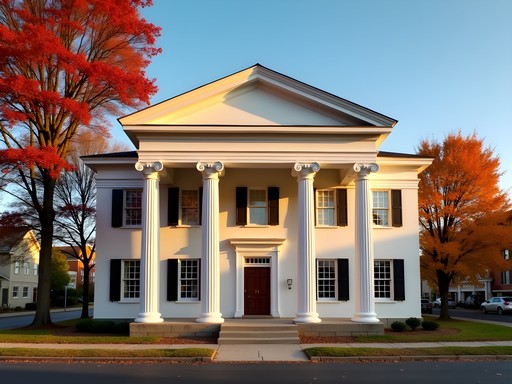
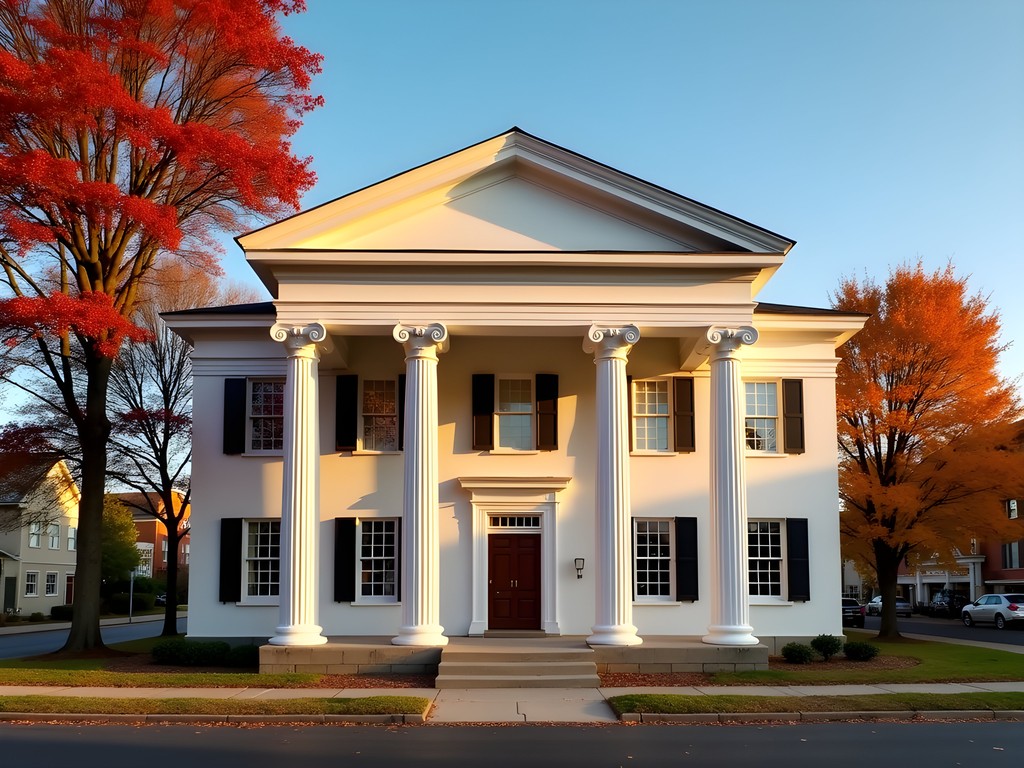
The Berkeley County Courthouse, with its imposing Greek Revival columns, anchored my self-guided walking tour. Built in 1856, it survived the Civil War despite Martinsburg changing hands between Union and Confederate forces an astonishing 37 times. I spent a peaceful morning sketching its façade in my watercolor travel set, which has become my favorite way to slow down and truly see architectural details.
Nearby, the 1873 Martinsburg Train Station tells the story of the B&O Railroad's influence on the region. The station's Victorian industrial aesthetic—all red brick and wrought iron—contrasts beautifully with the earlier Federal-style buildings. What surprised me most was how accessible everything felt; no crowds jostling for photos, just history quietly waiting to be discovered.
💡 Pro Tips
- The Martinsburg-Berkeley County Convention & Visitors Bureau offers free walking tour maps—grab one before exploring
- Visit on Thursday evenings in fall for Main Street Martinsburg events when some historic buildings open for special tours
- Wear comfortable shoes—the historic district covers several hilly blocks
Belle Boyd House: Civil War History on a Budget
As someone who studied history before becoming an instructional designer, I'm always looking for those under-the-radar historic homes that offer intimate glimpses into the past. The Belle Boyd House delivers exactly that experience.
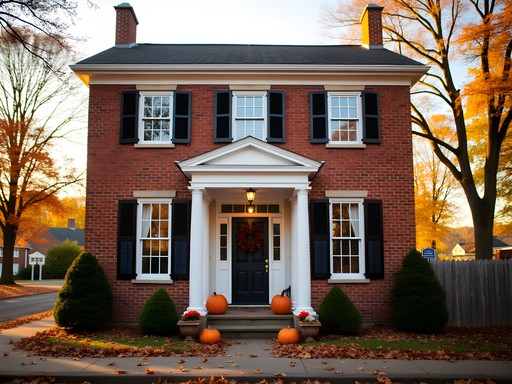
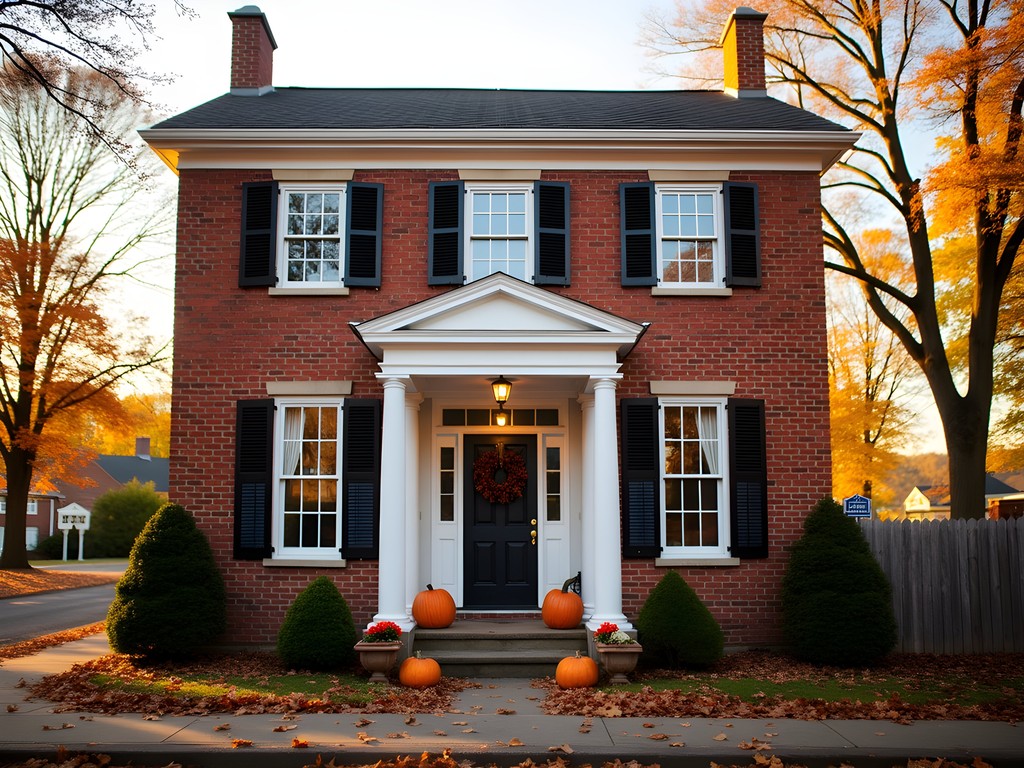
For just $7 admission (seriously!), you can tour the childhood home of the infamous Confederate spy Belle Boyd. The 1853 Greek Revival brick house is modest compared to many historic homes I've visited, but that's precisely what makes it special—it represents how middle-class families actually lived during this tumultuous period.
The Berkeley County Historical Society maintains the property with obvious care. What impressed me most was how the docents balanced telling Belle's controversial story (she was, after all, spying for the Confederacy) with broader historical context about civilian life during wartime. I spent nearly two hours examining period furniture, original documents, and Civil War artifacts.
Before visiting historic homes, I always pack my foldable tote bag for any books or souvenirs I might pick up. The historical society's small bookshop had several local history volumes that were worth the extra weight in my luggage.
💡 Pro Tips
- Call ahead to confirm hours as they change seasonally
- Combine with a visit to the nearby For the Kids, By George Children's Museum if traveling with family
- Ask docents about Belle's connection to Stonewall Jackson for fascinating stories not on the regular tour
B&O Roundhouse: Industrial Magnificence
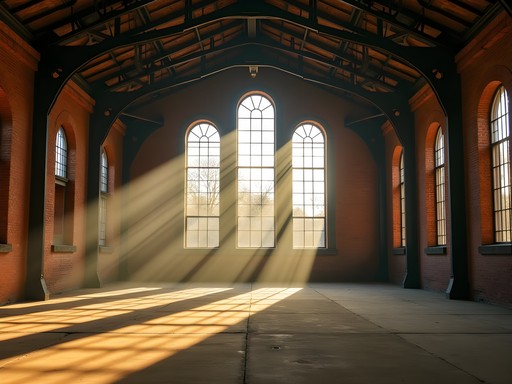
Nothing prepared me for the scale of the B&O Roundhouse Complex. As someone who's visited industrial heritage sites across Europe, I was genuinely shocked to find this architectural marvel tucked away in Martinsburg. Built in 1866, the complex includes one of the only cast iron frame roundhouses still standing in the United States.
The site's history is fascinating—rebuilt after Confederate forces destroyed the original wooden structures, these industrial buildings represent America's post-Civil War economic resurgence. What makes the visit special is how unpolished everything feels. This isn't a curated museum experience but rather a preservation work-in-progress that lets you see industrial heritage in its raw form.
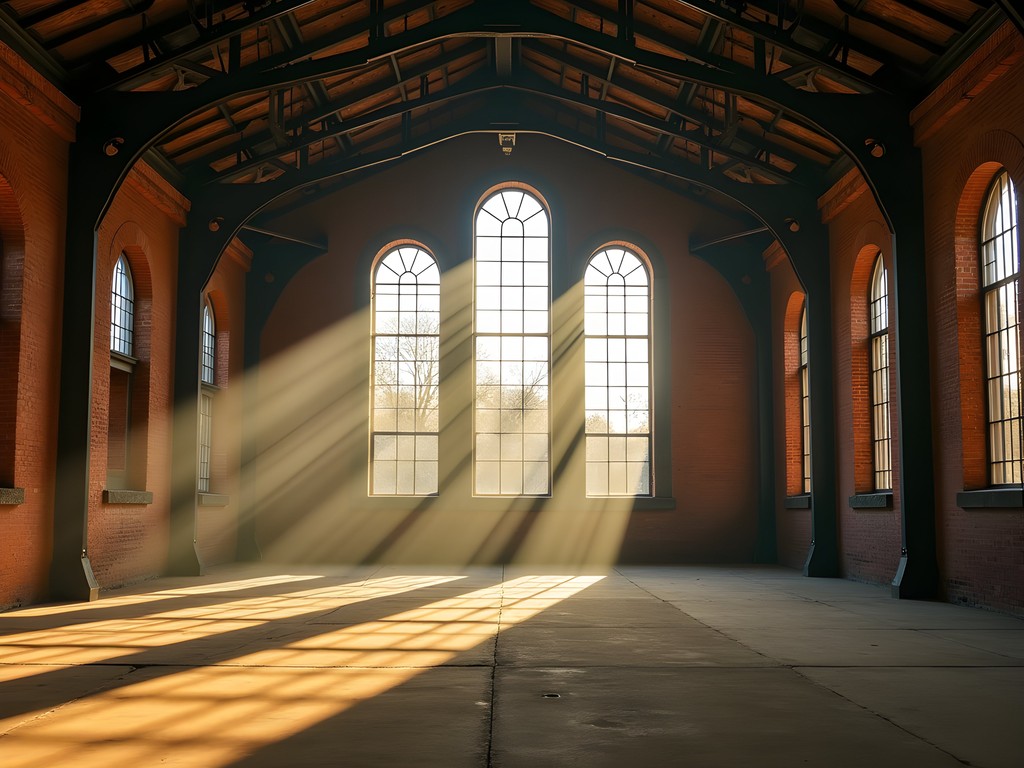
I visited during the golden hour, when the late afternoon sun filtered through the massive arched windows, creating dramatic shadows across the brick floors. For photography enthusiasts, bring a wide angle lens to capture the impressive scale of the roundhouse interior.
The complex is currently undergoing restoration, which means some areas may be closed, but watching preservationists at work adds another dimension to the experience. I spent about an hour exploring the accessible areas and chatting with a local volunteer who shared stories about the roundhouse's operating days.
💡 Pro Tips
- Check the Berkeley County Roundhouse Authority website for current access information before visiting
- Visit on weekdays to potentially see restoration work in progress
- Bring a flashlight for better viewing in some of the dimmer interior spaces

Budget-Friendly Dining in Historic Settings
One of my travel philosophies is that eating well doesn't have to break the bank, especially in smaller cities like Martinsburg. After a day of architectural exploration, I discovered several historic buildings that have been repurposed into delightful, affordable dining spots.
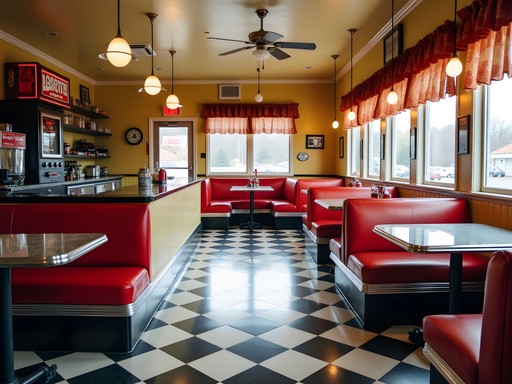
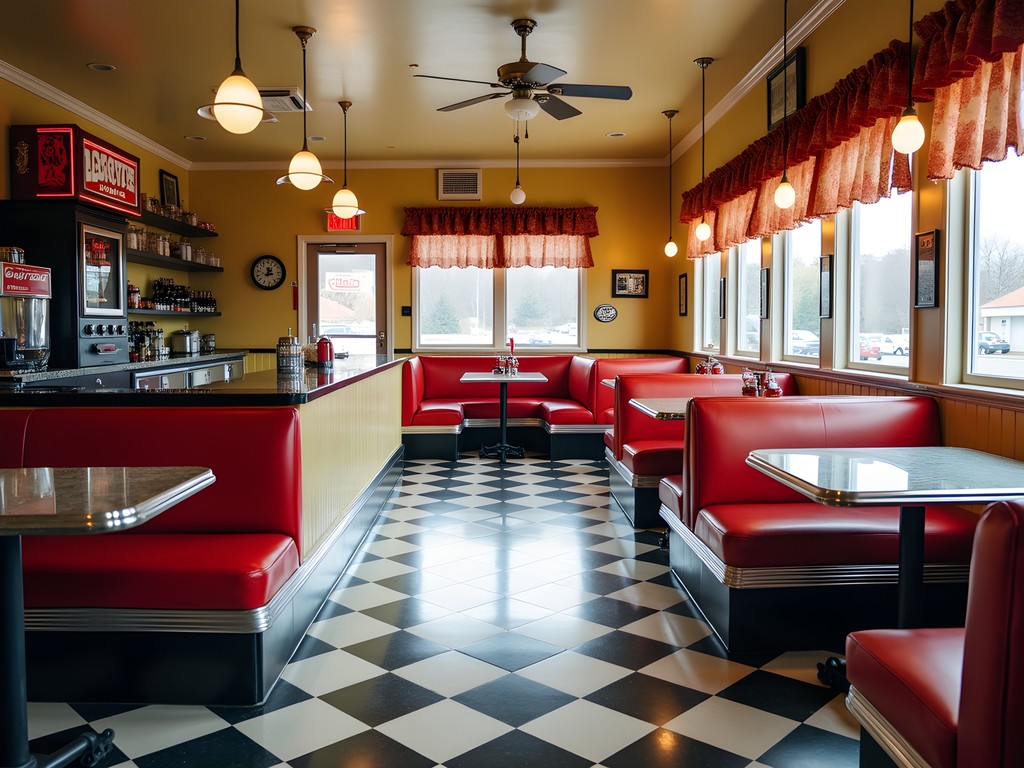
My favorite find was the Blue White Grill on North Queen Street, a classic 1940s diner that's been serving comfort food since 1947. The vintage counter seating and original fixtures make it as much a museum as a restaurant. Their breakfast special (under $10) fueled my morning explorations perfectly.
For dinner, I was drawn to the DeFluri's Fine Chocolates building—a converted 19th-century pharmacy where you can watch artisan chocolate being made while surrounded by original architectural details. Their hot chocolate was the perfect companion for an autumn evening stroll through the historic district.
I always pack my insulated water bottle when exploring historic districts—it keeps water cold all day and reduces plastic waste. Most Martinsburg shops and restaurants were happy to refill it, which helped me stay hydrated while saving money on beverages.
For a picnic lunch, stop by the Martinsburg Farmers Market (Thursday afternoons through October) and enjoy your local finds on the historic courthouse lawn—budget-friendly dining with million-dollar architectural views.
💡 Pro Tips
- Many historic district restaurants close early on weeknights—check hours in advance
- Ask for the 'local special' at Blue White Grill—it's often not on the menu but always affordable
- Several historic buildings house cafes with free Wi-Fi, perfect for planning your next day's explorations
Affordable Accommodation with Historical Charm
Finding budget-friendly accommodation that still offers historic character can be challenging, but Martinsburg delivers some hidden gems. Instead of chain hotels on the outskirts, I opted to stay within the historic district to fully immerse myself in the architectural experience.
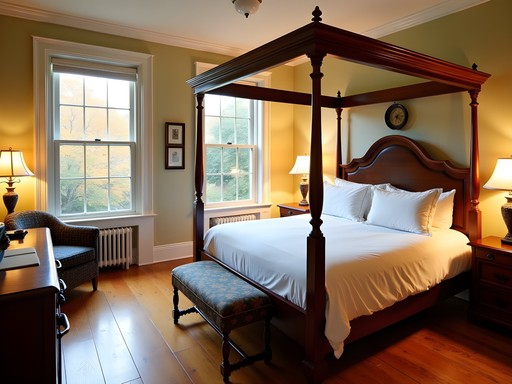
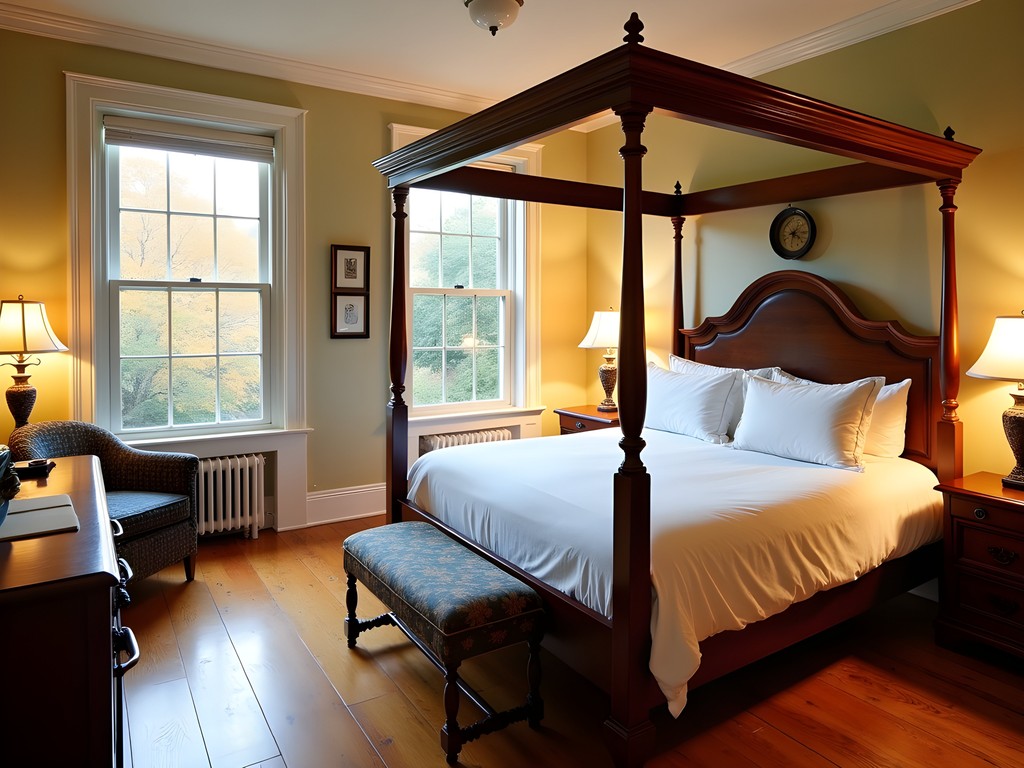
The Boydville Inn, set in an 1812 historic home, offers rooms starting around $95/night in fall—remarkably affordable for the experience. While not quite a full-service hotel, this bed and breakfast provides the chance to actually sleep in a building that predates the Civil War. My room featured original hardwood floors, period-appropriate furnishings, and windows that have witnessed over two centuries of history.
For even tighter budgets, the Washington Street Artists' Cooperative occasionally rents rooms to visitors in their historic building. It's basic accommodation, but the chance to stay in an artists' community housed in a 19th-century structure adds an authentic dimension to the experience.
I always travel with my silk sleep mask since historic buildings often lack modern blackout curtains. It's a small investment that ensures good sleep regardless of early morning light through antique windows.
If you're visiting during peak fall foliage season (mid-October), book accommodations at least a month in advance—the secret about Martinsburg's affordable charm is gradually getting out.
💡 Pro Tips
- Request a room at the back of historic inns for quieter sleeping conditions away from street noise
- Many historic accommodations offer discounts for Sunday through Thursday stays
- Ask innkeepers about architectural features specific to your room—many have fascinating histories
Final Thoughts
As I reluctantly packed my bags after just two days in Martinsburg, I couldn't help but feel I'd discovered a rare treasure in the world of historical travel—a place where architectural significance hasn't yet translated to tourist crowds or inflated prices. The city offers that perfect combination I'm always seeking: authentic historical immersion that doesn't drain my bank account.
What makes Martinsburg special isn't just individual buildings, but how the entire cityscape tells America's story—from early Republic elegance to Civil War turmoil to industrial revolution innovation. For couples seeking a weekend escape that balances educational value with romantic ambiance, Martinsburg's tree-lined historic districts in autumn are hard to beat.
As someone who's built a career around making historical knowledge accessible, I find myself particularly drawn to places like this—where history feels immediate and tangible rather than roped off behind velvet barriers. If you're craving an architectural adventure that will surprise your Instagram followers and satisfy your curiosity without breaking your budget, set your GPS for this unassuming West Virginia gem. Just don't tell too many people—I'm enjoying having these architectural treasures nearly to myself!
✨ Key Takeaways
- Martinsburg offers remarkable architectural diversity spanning three centuries in a compact, walkable area
- Fall is the ideal time to visit for comfortable temperatures and stunning foliage that enhances the historic buildings
- With most attractions under $10 and accommodations starting around $95/night, it's one of the most budget-friendly historic destinations in the Mid-Atlantic
📋 Practical Information
Best Time to Visit
Mid-September through late October for ideal weather and fall foliage
Budget Estimate
$200-300 for a weekend (accommodation, food, and attractions for two people)
Recommended Duration
2-3 days
Difficulty Level
Easy

Comments
adventurediver
Just got back from Martinsburg after reading this post and WOW - the historic district exceeded expectations! The autumn colors made everything look magical. We did the self-guided walking tour you mentioned and it was perfect. DeFluri's Chocolates in the downtown area was an amazing find - their chocolate-covered pretzels are to die for! The B&O Roundhouse is definitely the highlight though - what an incredible piece of history. Thanks for putting this place on our radar!
greennomad
How did I miss DeFluri's?! Adding it to my list for next time!
moonphotographer
Great post! What camera setup did you use for those interior shots of the B&O Roundhouse? The lighting looks challenging but your photos captured the details beautifully.
Danielle Arnold
Thanks! I used my Sony a7III with a wide-angle lens for most of the Roundhouse shots. The lighting was definitely tricky - I had to bracket some exposures to capture both the shadows and the light coming through those huge windows.
moonphotographer
Thought it might be bracketing! The results are worth it. Looking forward to your next historical site feature.
wandervibes
Thanks for sharing this!
Casey Andersson
What a delightful find! I actually visited Martinsburg last summer while researching Civil War history sites for a documentary project. The Belle Boyd House was fascinating, though I was there during a heatwave which made walking tours challenging! I supplemented my visit with historic walking guide which added so much context. For anyone visiting, I highly recommend the small bakery just off Queen Street - they make these incredible apple pastries that perfectly complement a morning of historical exploration. Danielle, did you get a chance to visit the Adam Stephen House as well? The underground tunnels there were a highlight for me.
Danielle Arnold
I missed the Adam Stephen House! Now I have a reason to go back. Those underground tunnels sound fascinating.
globemaster
Stayed in Martinsburg for work last year and totally missed all this! Just walked from hotel to office and back. Guess I need to go back and actually explore. Where did you park? Downtown parking can be tricky in these old towns.
moonblogger
this is me every business trip lol. never see anything!!
wavelegend
OMG your photos of the fall colors are STUNNING!! 😍 Just added this to my bucket list for next autumn!
Hannah Woods
Really appreciate this post, Danielle. American Civil War history isn't something I knew much about before moving to the States, and Martinsburg seems like an accessible entry point. The budget-friendly angle is particularly helpful—so many historic sites in Europe charge €15-20 just for entry. Quick question: you mentioned budget dining options, but were there any local specialties or regional dishes you'd recommend trying? I find food is often the best way to understand a place's history.
Danielle Arnold
Hannah, definitely try the Appalachian comfort food! There's a place called The Trolley Barn that does amazing biscuits and gravy. Not fancy but very authentic to the region.
greentime
Great post! Planning to visit next month with kids (8 and 11). Are the historic sites kid-friendly or will they be bored? Any specific recommendations for family visits?
Danielle Arnold
Your kids might enjoy the B&O Roundhouse the most - it's huge and impressive with old trains. The Belle Boyd House has some interactive elements too. I'd suggest bringing a simple scavenger hunt list to keep them engaged with the architecture. The local ice cream shop near the downtown square is also a hit with families!
greentime
Perfect, thanks! Scavenger hunt is a brilliant idea.
Fatima Sims
Danielle, your timing for this post is perfect! I just returned from a road trip through the Appalachians and regret not stopping in Martinsburg now. The way you described those autumn colors against the historic architecture is making me plan a return trip! I spent time in Harpers Ferry but completely missed the B&O Roundhouse which looks absolutely stunning in your photos. Did you find the town welcoming to solo travelers? I often find these smaller historic towns have the most interesting conversations with locals.
Danielle Arnold
Thanks Fatima! Yes, I found Martinsburg incredibly welcoming as a solo traveler. The locals at the Belle Boyd House were especially chatty and full of recommendations. Definitely worth adding to your next Appalachian journey!
Fatima Sims
That's great to hear! Adding it to my spring itinerary for sure.
wavebackpacker
The B&O Roundhouse looks incredible! Been wanting to see that for years.
Venture X
Premium card with 2X miles, $300 travel credit, Priority Pass