
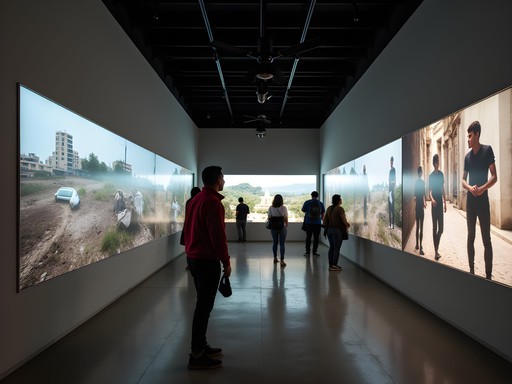
Disclosure: This article contains affiliate links. We may earn a commission from purchases at no extra cost to you, which helps our travel content.
The taxi winds up steep switchbacks as Medellín reveals itself in the valley below, a sprawling metropolis nestled within the emerald embrace of the Andes. Twenty years ago, my editorial desk at National Geographic received pitches about this city that focused almost exclusively on cocaine cartels and violence. Today, I'm witnessing firsthand what can only be described as one of urban planning's greatest redemption stories. The transformation from the world's murder capital to innovation hub didn't happen overnight—it required visionary leadership, community participation, and a collective determination to rewrite a narrative that had been edited in blood. As someone who has spent decades helping others shape their stories, I find myself humbled by how thoroughly Medellín has revised its own troubled manuscript into something approaching a masterpiece of urban renewal.

Comuna 13: From No-Go Zone to Open-Air Gallery
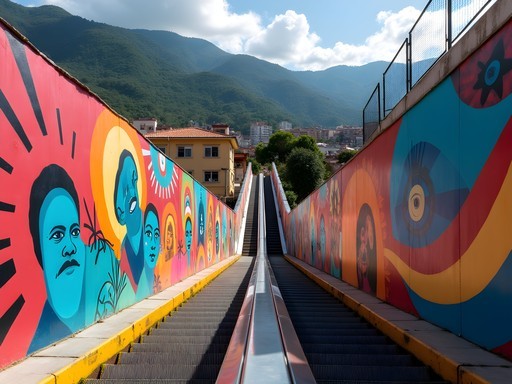
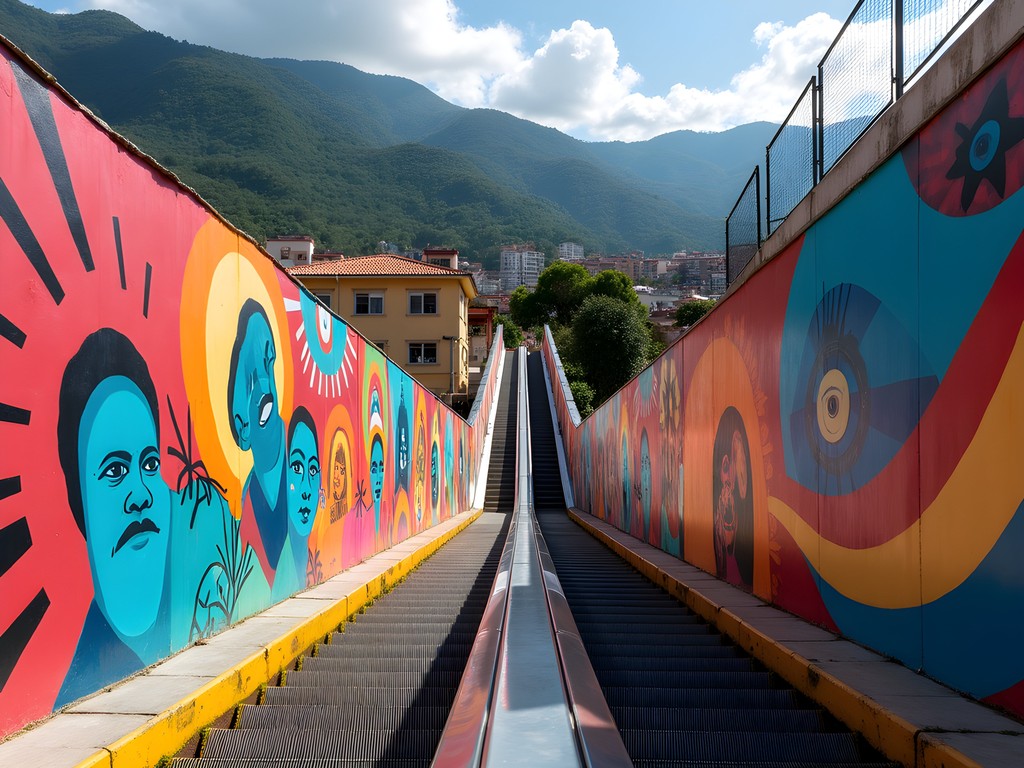
My exploration begins in Comuna 13, once among the most dangerous neighborhoods in what was already the world's most dangerous city. Today, electric escalators—a brilliant piece of social infrastructure—carry me upward through a kaleidoscope of street art that chronicles both pain and transformation.
My guide, Luis, was born here during the darkest days. 'This wall,' he explains, pointing to a mural depicting a young boy with a butterfly emerging from his chest, 'represents our metamorphosis. The violence we experienced was our cocoon.'
The narrow pathways between homes are now canvases where local artists have painted their community's journey. I find myself lingering at each piece, my editor's eye appreciating how these visual stories are structured—the exposition of past suffering giving way to rising action of resistance, culminating in the climax of transformation.
At a small café perched on a terrace overlooking the city, I sip a cup of locally grown coffee while chatting with a collective of young artists. Their stories remind me of manuscripts I once edited—raw, authentic voices demanding to be heard. The difference is that here, the narrative isn't confined to pages but sprawls across walls, stairways, and the very fabric of daily life.
From this vantage point, I can see the gleaming Metro Cable cars gliding above the city—another innovation that connected previously isolated communities to economic opportunities downtown. It's urban editing at its finest: identifying problems, implementing solutions, and continually revising toward improvement.
💡 Pro Tips
- Join a local guide for Comuna 13 tours to hear authentic stories and support community tourism
- Visit in the morning for the best lighting for photography and smaller crowds
- Bring cash for local artisans and musicians who showcase their talents along the escalator route
Biblioteca España: Knowledge as Liberation
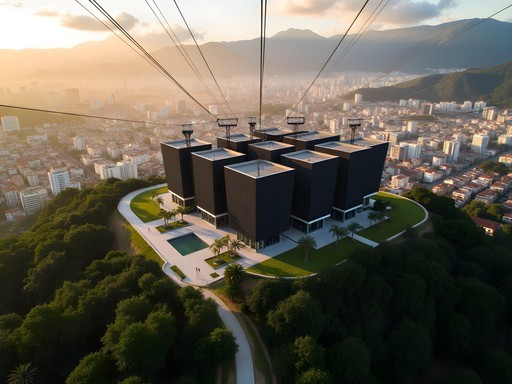
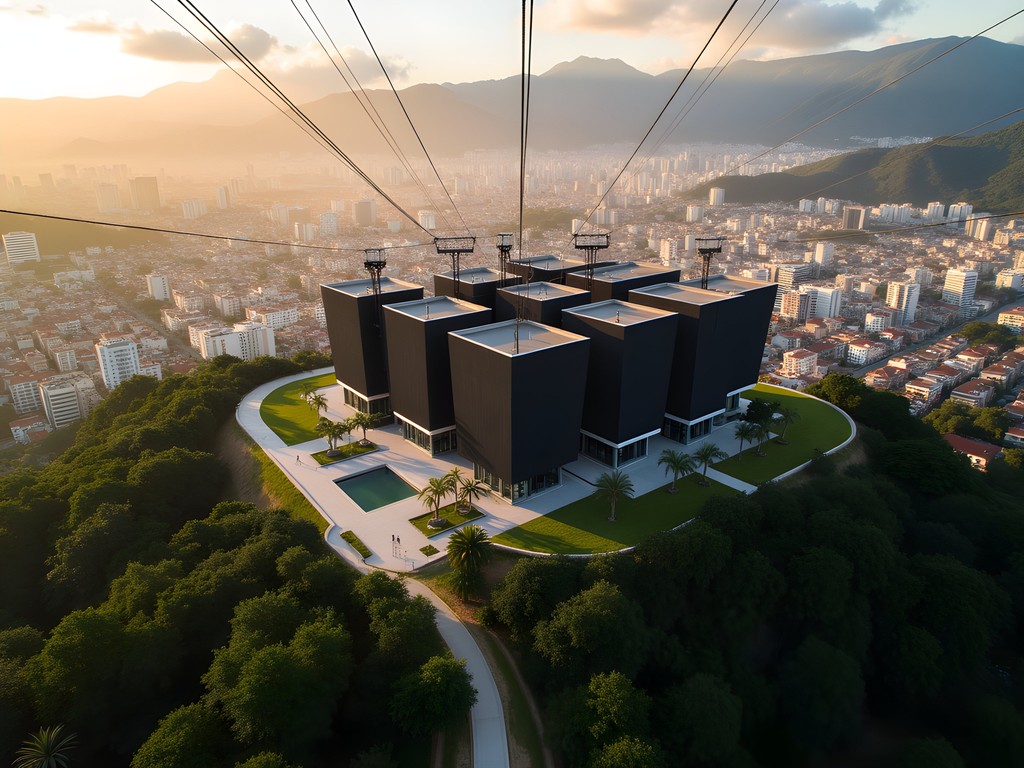
Perched dramatically on the hillside of Santo Domingo barrio is one of the most striking symbols of Medellín's transformation: the Biblioteca España. These three angular black buildings rise from the informal settlements like obsidian monuments to learning. Though currently under renovation when I visit, the library park's significance remains undiminished.
'We built libraries before prisons,' explains Carolina, a local urban planner who meets me for a tour. 'This was a deliberate choice—to invest in knowledge rather than punishment.'
The concept of library parks—combining learning spaces with green recreational areas in underserved neighborhoods—exemplifies Medellín's approach to social urbanism. These aren't just buildings; they're community anchors providing educational resources, internet access, and safe spaces for children who might otherwise be vulnerable to recruitment by gangs.
As we walk through Santo Domingo, I'm struck by how the Metro Cable station connects directly to the library complex. This isn't coincidental—it's thoughtful urban planning that weaves transportation, education, and public space into a coherent narrative. My years editing complex manuscripts taught me to appreciate this kind of structural coherence, where each element serves both its immediate purpose and the larger story.
From the cable car, I capture panoramic views of the city with my mirrorless camera. The dramatic lighting as afternoon transitions to evening highlights the topographical challenges Medellín has overcome through innovative urban design. For travelers exploring similar complex urban landscapes, this camera's quick autofocus and excellent low-light performance proves invaluable for documenting both architectural details and sweeping cityscapes.
💡 Pro Tips
- Take the Metro Cable to Santo Domingo for spectacular views of the city
- Visit the nearby Parque Biblioteca La Ladera if Biblioteca España remains under renovation
- Bring a zoom lens to capture both architectural details and panoramic city views
Plaza Botero: Art as Public Birthright
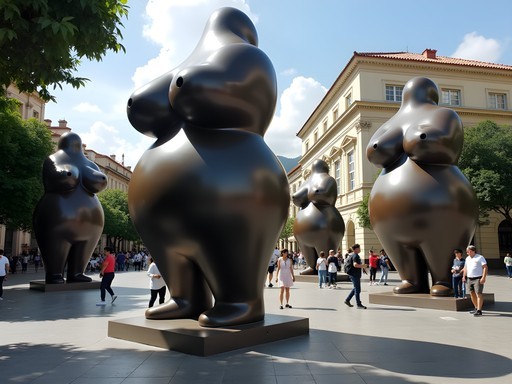
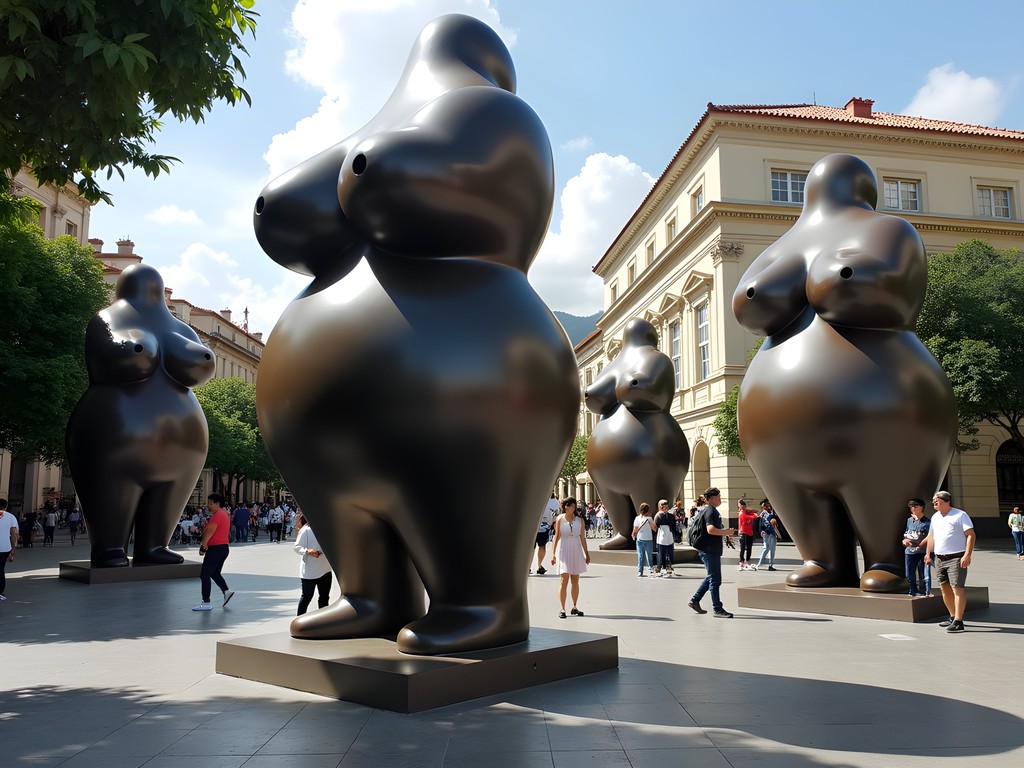
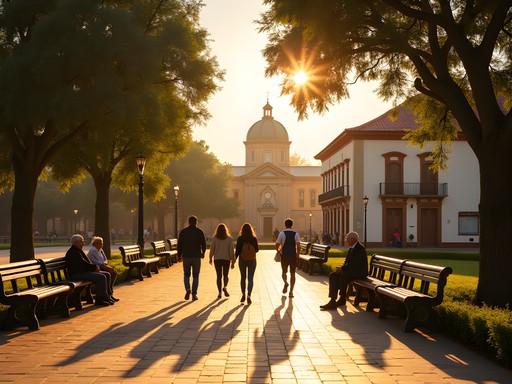
In downtown Medellín, Plaza Botero offers a refreshing counternarrative to the city's troubled past. Twenty-three bronze sculptures by Colombia's most famous artist, Fernando Botero, stand proudly in this public square—voluptuous figures with exaggerated proportions that somehow manage to be both whimsical and dignified.
What strikes me most is the democratic nature of this space. Unlike many cities where fine art remains cloistered in museums with admission fees, Medellín has placed these valuable sculptures outdoors where everyone—from business executives to street vendors—can touch, photograph, and engage with them daily.
'Art shouldn't be only for the wealthy,' says Miguel, a university student sketching one of the sculptures when I stop to chat. 'Botero himself donated these works because he believed beauty belongs to everyone.'
The plaza connects to the Museo de Antioquia, which houses more Botero works alongside pre-Columbian and contemporary pieces. After exploring both spaces, I settle at a nearby café to record observations in my travel journal. I've found that digital notes never quite capture the sensory experience of a place like handwritten reflections do. The textured pages and sturdy binding have weathered countless journeys across five continents, collecting not just my words but coffee stains, pressed flowers, and the occasional smudge of street food—a tangible archive of discoveries.
As afternoon fades, the plaza transforms. Office workers hurry home, tourists snap photos, and families gather. Children climb on the sculptures despite occasional half-hearted admonishments from security guards. Botero's art isn't treated as untouchable—it's lived with, incorporated into daily life. This integration of high art into public space reflects Medellín's larger philosophy: beauty and culture aren't luxuries but essential components of urban dignity.
💡 Pro Tips
- Visit the Museo de Antioquia after exploring Plaza Botero for more artwork and historical context
- Come in the late afternoon to see how locals use the space after work hours
- Look for the subtle security presence that protects the valuable sculptures while still allowing public interaction

Ruta N: Incubating Tomorrow's Solutions
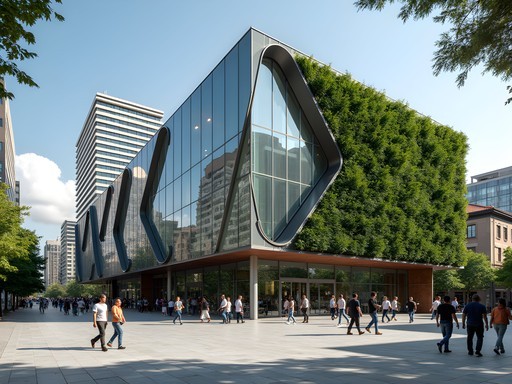
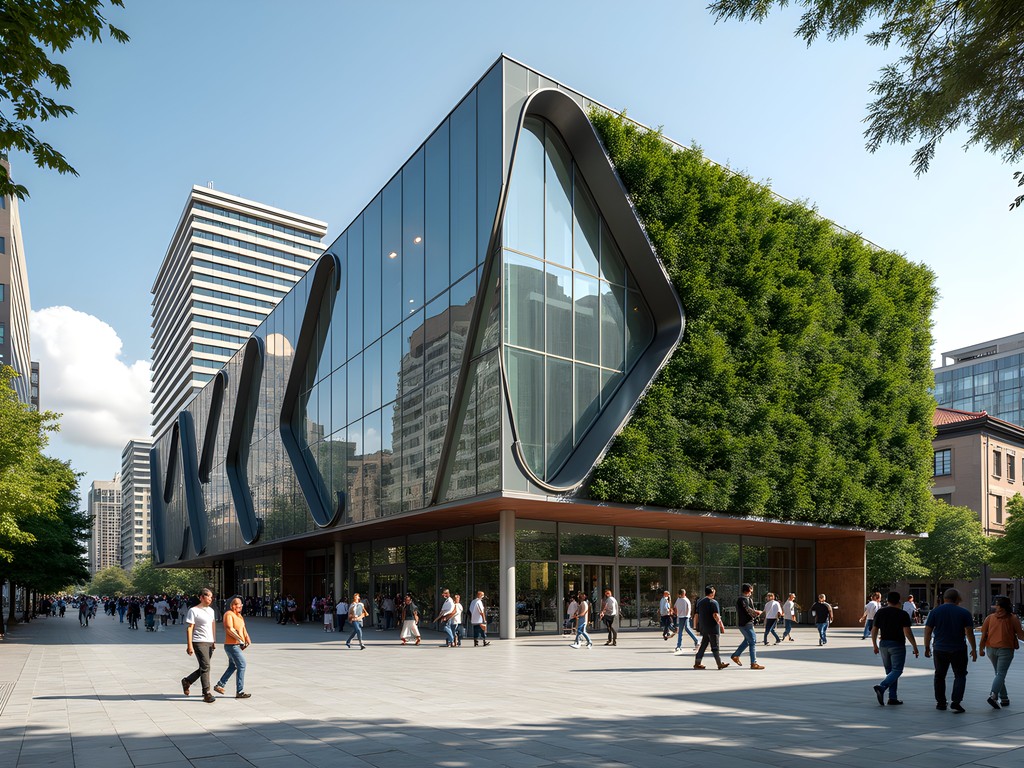
If Comuna 13 and the library parks represent Medellín's social transformation, Ruta N embodies its economic and technological rebirth. This innovation district, anchored by a striking angular building with a living green wall, has become the epicenter of the city's knowledge economy.
'We needed to diversify beyond traditional industries,' explains Alejandro, a startup founder who gives me an impromptu tour of the complex. 'The drug economy created a culture of quick money. Building sustainable businesses requires different values—patience, collaboration, long-term thinking.'
Ruta N houses everything from AI startups to social enterprises addressing local challenges. The building itself is a model of sustainable design, with natural ventilation systems that eliminate the need for air conditioning despite Medellín's 'City of Eternal Spring' climate. As someone who left corporate life after a health scare, I find myself particularly drawn to ventures focused on wellbeing and environmental sustainability.
In one corner, a team develops drone technology to monitor remote forests for illegal mining. In another, engineers refine an app connecting small-scale organic farmers directly to urban consumers. These innovations feel particularly meaningful in Colombia, where environmental protection often intersects with peace-building efforts.
What impresses me most is how Ruta N integrates with nearby Universidad de Antioquia. This proximity creates a pipeline where academic research can quickly transition to practical application. It reminds me of editing processes where theoretical frameworks must ultimately serve real-world storytelling.
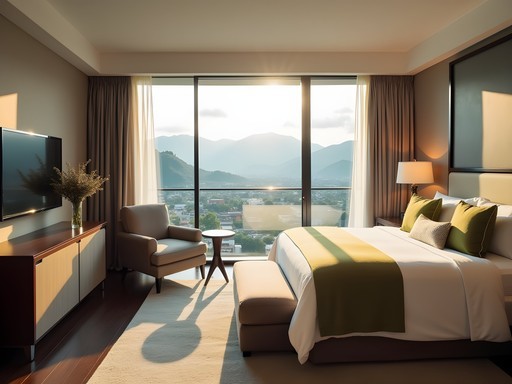
After a full day exploring, I retreat to my accommodation, a thoughtfully designed boutique hotel that balances digital nomad-friendly workspaces with local artistic touches. The communal areas facilitate conversations with fellow travelers and locals alike—exactly the kind of cross-cultural exchange that enriches solo exploration.
💡 Pro Tips
- Check Ruta N's public events calendar for workshops and talks open to visitors
- Visit the nearby Explora Park for interactive science exhibits that showcase local innovation
- Consider a co-working day pass if you need to catch up on work in an inspiring environment
Memory and Reconciliation: Confronting the Escobar Question
No exploration of Medellín's transformation can avoid addressing Pablo Escobar's shadow. As an editor who has worked with complex narratives, I understand the tension between acknowledging difficult histories and avoiding exploitation. This tension becomes evident when I encounter 'Pablo tours' advertised throughout the city.
'We hate those tours,' says Catalina, a local journalist I meet at a café in trendy El Poblado. 'They reduce our city to one man's crimes and often glorify violence. But we also can't erase him from our story.'
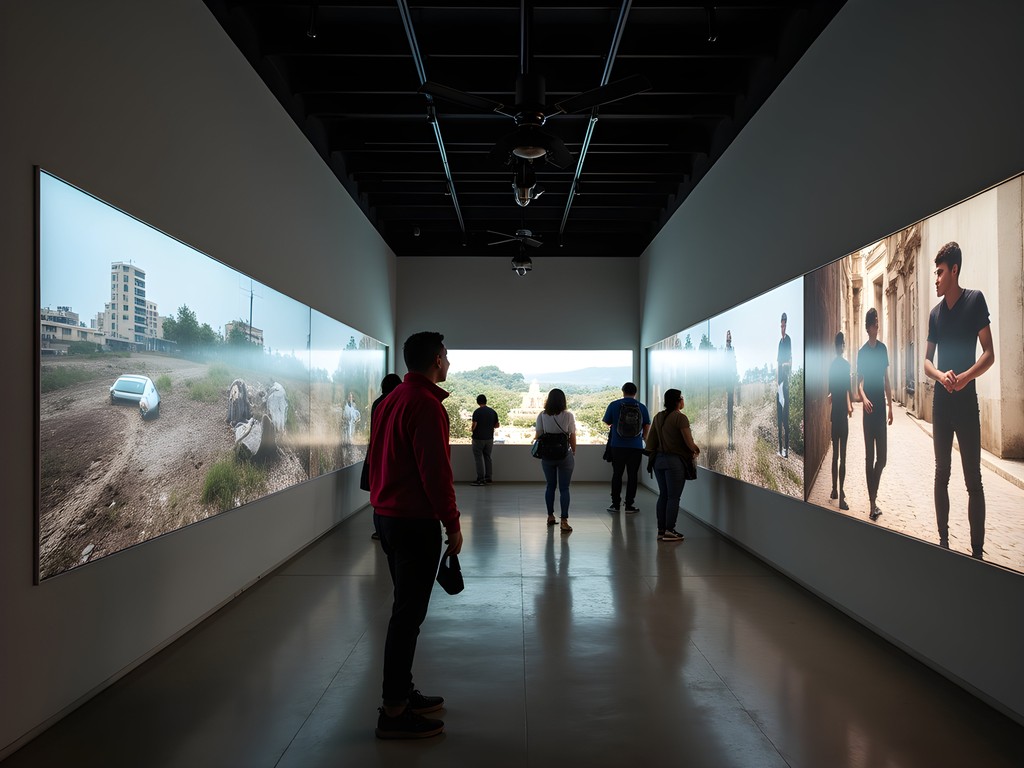
I opt instead for the Casa de la Memoria, a museum dedicated to documenting Colombia's complex conflicts beyond just the drug war. The exhibits are powerful—video testimonies from victims, artistic interpretations of trauma, and thoughtful examinations of structural factors that enabled violence. Unlike sensationalized narco-tourism, this space contextualizes Escobar within broader patterns of Colombian history.
Particularly moving is an installation where visitors can record their own reflections, creating an evolving archive of memory. I listen to testimonies from former combatants, victims' families, and young people born after the height of violence. Their perspectives form a complex chorus that resists simple narratives of heroes and villains.
'Remembering correctly is part of healing,' the museum guide tells me. 'Not to stay in the past, but to ensure we don't repeat it.'
This approach to difficult history reminds me of editing memoirs—the goal isn't to sanitize painful truths but to frame them in ways that honor complexity and point toward healing. Medellín doesn't hide its scars; it incorporates them into a larger story of resilience.
After the museum, I walk to the nearby Parque de la Luz, once a dangerous no-man's-land now transformed into a vibrant public space. As twilight approaches, I capture the scene with my compact tripod, allowing me to shoot in low light without flash. For solo travelers documenting urban transformations, this lightweight tripod fits easily in a daypack while providing stable support for evening photography.
💡 Pro Tips
- Visit Casa de la Memoria rather than 'Pablo tours' for a thoughtful perspective on the city's history
- Allow ample time for reflection after visiting—the exhibits can be emotionally intense
- Consider hiring a local journalist or academic as a guide for deeper insights into the city's transformation
Final Thoughts
As my week in Medellín draws to a close, I find myself reflecting on the nature of transformation—both personal and collective. This city's journey mirrors aspects of my own: the health crisis that prompted me to leave corporate publishing, the search for more meaningful work, the process of rewriting one's story. Medellín demonstrates that even the most troubled narrative can be revised, not by erasing difficult chapters but by adding new ones with intention and vision. The city's innovations—from library parks to cable cars, from street art to startup hubs—aren't just urban amenities but powerful plot developments in an ongoing story of reinvention. For the solo traveler willing to look beyond sensationalized histories, Medellín offers profound lessons in resilience, creativity, and the human capacity for change. I came seeking a transformed city and found something more valuable: inspiration for continued transformation in my own life and work.
✨ Key Takeaways
- Medellín's transformation succeeded through integrated approaches combining transportation, education, public art, and economic innovation
- Authentic engagement with difficult history requires moving beyond sensationalism to understand complex social contexts
- The most meaningful urban explorations connect physical changes to the human stories behind them
📋 Practical Information
Best Time to Visit
year-round (Medellín enjoys spring-like temperatures throughout the year)
Budget Estimate
$50-100 USD per day including mid-range accommodations, meals, and activities
Recommended Duration
5-7 days
Difficulty Level
Moderate (Some Neighborhoods Require Navigation Of Steep Hills And Awareness Of Surroundings)

Comments
smartmate1086
Love these photos!! The escalators in Comuna 13 look wild
Bryce Diaz
This resonates deeply. I spent three weeks in Medellín last October, and what struck me most was the pride residents have in their city's transformation. I joined a Comuna 13 walking tour with a local guide who grew up there during the worst years—his stories of playing soccer while hearing gunfire, then watching his neighborhood become this vibrant cultural destination, brought me to tears. One thing I'd add to your excellent post: visit Parque Arví via the metrocable. That journey from urban density to cloud forest in 20 minutes shows the city's commitment to connecting all residents to nature and opportunity. The innovation isn't just in tech—it's in social fabric.
photovibes
Parque Arví is on my list for next time! Heard the views are incredible
coffeeexplorer
Going there next month!
globeexplorer
The metro system is incredible and so cheap! We rode it everywhere and felt like locals
freeadventurer5133
How safe is it really? Planning to go solo in June and my family is worried
Bryce Diaz
I went solo last fall and felt completely safe in the tourist areas. Just use common sense—don't flash expensive jewelry, take Uber at night, and stick to El Poblado, Laureles, and the organized Comuna 13 tours. The city has come SO far.
freeadventurer5133
Thanks! That's reassuring
Casey Andersson
Leah, this beautifully captures what I felt when I visited last year. I stayed at The Charlee in El Poblado and took the metrocable up to Santo Domingo—watching the city unfold below was transformative. The juxtaposition of innovation and history is something I've only experienced in a handful of cities. The library you mentioned, Biblioteca España, sits like a crown above neighborhoods that once saw unimaginable violence. There's something profound about that architectural choice. Did you get a chance to visit Jardín Botánico? It's another example of how Medellín is reclaiming public space for its people.
smartmate1086
The Charlee looks amazing! Was it worth the price?
Casey Andersson
Absolutely! The rooftop pool and views alone made it worth it. Plus the location is perfect for exploring El Poblado.
photovibes
Comuna 13 is absolutely stunning! Those colors are insane
beachking
Planning to visit with family in November. Is the weather good then? And what's the best area to stay with kids (12 & 15)?
blueperson
November is great! They call Medellín the city of eternal spring. El Poblado is family-friendly with lots of restaurants and parks. We stayed near Parque Lleras and it was perfect location.
beachking
Thanks! Did you use the metro a lot? Wondering if it's easy with kids.
blueperson
Metro is super clean, cheap and easy to navigate. Your kids will love the cable cars especially! Just avoid rush hour if possible.
Taylor Moreau
Excellent piece on Medellín's transformation, Leah. I've been visiting quarterly for business since 2018, and the pace of change continues to impress me. For those interested in the innovation ecosystem, I highly recommend scheduling a visit to Ruta N with one of their community managers - they'll introduce you to local entrepreneurs. The contrast between my first visit and now is remarkable. One thing I'd add - don't miss taking the metrocable up to Parque Arví for a complete perspective on the city's geography and transportation innovation. It's a perfect half-day excursion.
blueperson
We did the Comuna 13 tour last month. Amazing street art and the escalators are wild!
beachking
Did you feel safe in Comuna 13? Thinking of taking my teenagers there.
blueperson
Totally safe during the day with the guided tours. Lots of tourists and police presence. Your teens will love the graffiti and the stories behind it. Just stick with a guide - we used Comuna 13 Tour and they were excellent.
Venture X
Premium card with 2X miles, $300 travel credit, Priority Pass